

Personal Trainer Blog
Fitness | Wellness | Diet Self-Improvement

Health and Fitness at your finger tips
Learn fitness, healthy whole food diets, wellness, and other personal training tips/recipes from Denver's weight loss personal trainer.

"Don't Fall for These 10 Weight-Loss Gimmicks" Review
Introduction
If you want actual weight loss results, it requires a real effort: Simple, nutrient-dense eating and efficient, non-inflammatory movement. You should be wary of any program or product that offers quick and easy results (sorry!). Read this list and remove each from your weight loss repertoire as soon as possible...your body will thank you in the long run (from the recent msn.com article "Don't Fall for These 10 Weight-Loss Gimmicks")!
List of Weight Loss Gimmicks
1. DIET CREAMS
It sounds ridiculous, but self-proclaimed weight-loss and "trimming" creams actually exist. For $50 or more, there are creams that invite users to rub them in, sit back, and watch their midsections (or wherever) start to shrink. Really? Experts stress that any weight-loss strategy that promises results without exercise and proper nutrition is surely a gimmick. Online reviews of these products say that effects were noticeable only when the cream was augmented by exercise.
2. 7-MINUTE WORKOUTS
There's no question that losing weight takes time that's not always available, which makes working out for a mere seven minutes particularly appealing. But experts say that just isn't enough. A small amount of exercise is certainly better than nothing, but any significant benefit from this workout routine requires several consecutive repeats. Suddenly, a seven-minute workout mushrooms to a commitment of at least 21 minutes. Don't be fooled by the hype.
3. DIET PILLS
It's possible to shed pounds with diet pills, but ongoing use -- and expense -- is necessary to keep the weight off. Moreover, experts at Mayo Clinic note that research about the pills' effectiveness is slim, express qualms about the ingredients, and caution that they can have unpleasant side effects, such as irregular heartbeat, upset stomach, loose stools, and insomnia. Only a handful of weight-loss pills have been approved by the Food and Drug Administration. Bottom line: Diet pills are no substitute for lifestyle changes.
4. NO-CARB DIET
This diet plan has been around for ages but is most commonly remembered as the Atkins diet. Sure, it produces results at the beginning, because eliminating carbohydrates causes the body to retain less water. But shedding water weight is a quick fix that doesn't last, and shunning carbs starves muscles of their energy stores. No-carb dieters end up feeling moody and lethargic. Carbohydrates such as sweet potatoes belong in a well-rounded diet, says fitness expert Kami Blakeman, and are best consumed after a workout (or a personal training session) when the body can process them efficiently.
5. OTHER ELIMINATION DIETS
Eating healthy is a critical component of any weight-reduction plan, and that means a balanced diet full of fresh fruits and vegetables, whole grains, lean protein, and minimally processed foods. Weight-loss plans that eliminate any key source of nutrition are unlikely to deliver healthy and sustainable outcomes.
6. WAIST TRAINING
This is as ridiculous as it sounds. Unfortunately, celebrities such as the Kardashian sisters, Jessica Alba, and Amber Rose have acknowledged using a corset to "train" their waists into a slim-as-all-get-out size. Really, though, this weight-loss hack will just make you uncomfortable and look oh-so pinched. It can even damage internal organs and ribs, according to Women's Health. Again, any device that purports to produce weight loss without a healthy diet and exercise routine is likely a gimmick.
7. VERY LOW-CALORIE DIETS
A crash diet will come back to bite you. Starving a body of essential nutrients to lose weight quickly is counterproductive. Instead of burning off pounds, this strategy burns muscle. Less muscle means a slower metabolism, which is precisely the wrong outcome. Plus, this type of weight-loss plan can't last. Weight will evaporate quickly (most being water weight), but then what? Fans of this approach are doomed to regain the weight once normal eating resumes.
8. SHAKES
Many dieters turn to shakes as a snack or meal replacement. But if a serving contains less than 10 grams of protein -- the minimum needed to build muscle mass -- any lean muscle developed by working out will wind up eating itself. Weight may disappear quickly with a shake diet, but it isn't the type of weight to lose. Check the ingredients carefully and choose a brand that's low in carbohydrates and sugar and loaded with vitamins, as well as enough fiber to maintain a healthy digestive tract. Spurn anything with trans fats or saturated fats.
9. DIURETICS
Like some other weight-loss gimmicks, diuretics focus on loss of fluid, which is anything but a long-term solution. Taking a diuretic creates an imbalance in body chemistry. Along with water, essential minerals such as potassium and magnesium are lost. Counterintuitively, diuretic pills can work against the body by causing it to swell from dehydration.
10. DIETS THAT SOUND TOO GOOD TO BE TRUE
Some diets sound deliciously appealing -- there's the cookie diet, the candy diet, and the grapefruit diet. But think about it: Does eating four to six cookies a day really seem like a sustainable path to weight loss? Again, if the plan doesn't entail a lifestyle change that includes exercise and a balanced diet, it's probably a gimmick.
Picture Credit: MSN.com - Can a meal replacement smoothie/shake give you real weight loss results?
ABOUT THE AUTHOR: MICHAEL MOODY, PERSONAL TRAINER
As an author, a personal trainer in Denver, and podcast host, Michael Moody has helped personal training clients achieve new fitness heights and incredible weight loss transformations since 2005. He also produces the wellness podcast "The Elements of Being" and has been featured on NBC, WGN Radio, and PBS.
Michael offers personal training to Denver residents who want to meet at the 2460 W 26th Ave studio….or in their homes throughout LoHi (80206), LoDo (80202), RiNo (80216), Washington Park (80209), Cherry Creek (80206, 80209, 80243, 80246, 80231), and Highlands (80202, 80211, 80212). Michael also offers experiences with a personal trainer in Jefferson Park (80211) and Sloan's Lake (80204, 80212).
If you’re looking for a personal trainer who can curate a sustainable (and adaptable) routine based on your needs and wants, Michael is the experienced practitioner you’ve been looking for. Try personal training for a month…your body will thank you!

What's Really Inside McDonald's Chicken McNuggets?
ABSTRACT
Are McDonald’s Chicken McNuggets truly made from real chicken, or do hidden additives like TBHQ, MSG, and dimethylpolysiloxane raise serious health concerns? Discover the startling truth about fast food nutrition, how these ingredients can undermine weight loss goals, and why your Denver personal trainer would instead steer clear. Learn what’s really in that “white boneless chicken” and get the facts on McNuggets to make healthier choices on your next fast food run.
Key TOPICS
McDonald's Chicken McNuggets
McNuggets real chicken
Fast food nutrition
Chicken nugget ingredients
Hydrogenated soybean oil
MSG in chicken nuggets
TBHQ in fast food
Dimethylpolysiloxane
Denver personal trainer advice
Fast food health concerns
McDonald’s nutrition facts
White boneless chicken
Autolyzed yeast extract
Sodium aluminum phosphate
Weight loss and fast food

McDonald’s Chicken McNuggets / Photo: Jorge Medina
Introduction
Are McDonald's Chicken McNuggets the real chicken that they claim? You may be suspicious, but you probably don't know the actual makeup of this cheap go-to. Without a doubt, you may want to rethink chicken as the health alternative on your next fast food trip (especially if you're trying to lose weight). Your Denver personal trainer will thank you. Check out this recent article from www.livestrong.com to learn the real truth.
OVERVIEW
McDonald's started out as a beefy burger joint back in 1948, but the world-famous fast-food chain has been offering another high-protein meat – chicken – since the specially molded McNugget made its debut in 1983.
Perhaps now as iconic as the Big Mac or Quarter Pounder, these tiny deep-fried chunks seem harmless on the surface. And over the years, McDonald's has added dipping sauces that make these bite-sized bits appealing to the taste of just about anyone – adults and kids alike.
White meat from poultry has less saturated fat than red meat. While that might appear to be a healthy advantage, the other ingredients McDonald's adds make its nutritional value questionable. If you're not too squeamish or too chicken to hear all the details, read on to get some nuggets of truth about these little golden treats.THE SUSPECT: MCDONALD'S MCNUGGETS (6-PIECE SERVING SIZE, 3.4 OZ)
THE DETECTIVE
Christopher Ochner, Ph.D.,a research associate at New York Obesity Nutrition Research Center at St. Luke’s Roosevelt Hospital Center. Ochner is very familiar with McDonald's menu. A few years ago, he conducted his own “Super Size Me”-type diet experiment: Every day for two months he ate one meal at the fast food restaurant as part of a study.
NUTRITION LABEL
Without sauce: 280 calories, 18 grams fat, 18 grams carbs, 13 grams protein, 0 grams sugar, 540 milligrams sodium, 1 gram dietary fiber.
With barbeque sauce: 330 calories, 18 grams fat, 29 grams carbs, 13 grams protein, 10 grams sugar, 800 milligrams sodium, 1 gram dietary fiber.
LISTED INGREDIENTS
Chicken McNuggets: White Boneless Chicken, Water, Vegetable Oil (canola Oil, Corn Oil, Soybean Oil, Hydrogenated Soybean Oil), Enriched Flour (bleached Wheat Flour, Niacin, Reduced Iron, Thiamine Mononitrate, Riboflavin, Folic Acid), Bleached Wheat Flour, Yellow Corn Flour, Vegetable Starch (modified Corn, Wheat, Rice, Pea, Corn), Salt, Leavening (baking Soda, Sodium Aluminum Phosphate, Sodium Acid Pyrophosphate, Calcium Lactate, Monocalcium Phosphate), Spices, Yeast Extract, Lemon Juice Solids, Dextrose, Natural Flavors.
*Prepared in vegetable oil (Canola Oil, Corn Oil, Soybean Oil, Hydrogenated Soybean Oil with TBHQ and Citric Acid added to preserve freshness). Dimethylpolysiloxane added as an antifoaming agent. Prepared in vegetable oil (Canola oil, corn oil, soybean oil, hydrogenated soybean oil with TBHQ and citric acid added to preserve freshness). Dimethylpolysiloxane added as an antifoaming agent.
Tangy Barbeque Sauce: High Fructose Corn Syrup, Water, Tomato Paste, Red Wine Vinegar, Distilled Vinegar, Salt, Contains 2% Or Less: Modified Food Starch, Spices, Soy Sauce (water, Soybeans, Wheat, Salt), Soybean Oil, Dextrose, Xanthan Gum, Natural Smoke Flavor, Garlic Powder, Cellulose Gum, Chili Peppers, Caramel Color, Sodium Benzoate (preservative), Onion Powder, Sherry Wine Powder, Natural Flavors. Contains: Wheat, Soy.1st Question: HOW MUCH ACTUAL CHICKEN IS IN MCDONALD'S MCNUGGETS?
It's always good to see the actual food listed as the first ingredient —white boneless chicken.
“The first item on the nutrition label means the food contains more of that one item than any other single ingredient,” said Ochner. So while McNuggets are "made with 100 percent USDA Grade A chicken," as McDonalds.com states (note it says “made with” not “made of,” Ochner pointed out), there's no way of knowing what percentage of the whole nugget is actually chicken.
“White boneless chicken is almost a pure protein, boasting a phenomenal 0.2 protein (grams): kcal ratio with less than 20 percent fat,” explained Ochner. “McNuggets, on the other hand, have a very mediocre 0.046 protein:kcal ratio with 57 percent of kcal from fat. This seems to suggest that the other ingredients, besides chicken, are the primary driver of the macro-nutrient profile,” he said.
With over 30 ingredients listed, it's easy to see how chicken may actually play a minor role in this dish. It may also explain why the chicken seemed to disappear in an alarming YouTube time-lapse video shot in March 2013, showing McNuggets left at room temperature over a two-day period.
When Ochner performed this experiment himself (he left them in the fridge for 10 days), the so-called chicken in the McNuggets pieces remained intact. This disturbing mystery remains unsolved.2nd Question: DID YOU KNOW THAT MCNUGGETS ARE 57 PERCENT FAT?
Holy cow, er, chicken: McNuggets are 57 percent fat!
One big fat contributor may be hydrogenated soybean oil, which is loaded with trans fats. “I don’t suspect there is a ton of it in there because the saturated fat is relatively low,” Ocher said. “However, some of it is almost certainly still partially hydrogenated, which also helps with preservation.”3rd Question: WHAT THE HECK IS TBHQ (TERTIARY BUTYLHYDROQUINONE) AND WHY IS IT IN MCNUGGETS?
You might recognize this hard-to-pronounce ingredient (hence the acronym) from our “What's Really Inside those McDonald's French Fries” exposé.
This powerful petroleum-based preservative (which is also found in varnishes, lacquers, pesticide products, cosmetics, and perfumes) may be used to help the chicken and other ingredients maintain their distinct shapes.
Eaten in high doses – and it's hard to determine exactly how much is added to McNuggets – this chemical can be toxic.
Possible side effects include nausea, delirium, collapse, tinnitus (ringing in the ears) and vomiting. Some studies have linked it to hyperactivity in kids, asthma, rhinitis, dermatitis, aggravated ADHD symptoms and restlessness.
Furthermore, animal studies have reported that it may cause DNA damage. This mounting scientific evidence was enough that McDonald’s entirely removed this bad-news ingredient from the version of their McNuggets sold in the United Kingdom.
Oh America, can we please take a cue from the British on this one with regard to concern for our citizens’ health?A thought: THE BRITISH WON'T STAND FOR DIMETHYLPOLYSILOXANE, BUT AMERICANS EAT IT IN THEIR MCNUGGETS
Here's another ingredient the British won't stand for in their McNuggets: Dimethylpolysiloxane. But Americans are still eating it.
This silicone-based anti-foaming agent has been removed from the United Kingdom's McNugget ingredient list – and with good reason.
While McDonalds.com admits that “a drop of an additive in vegetable oil is added to simply prevent foaming on the surface that naturally occurs in cooking,” what it isn't telling you is that this same chemical is found in silly putty, contact lenses, medical devices, shampoos, lubricating oils, heat-resistant tiles and breast implants.
“No studies have suggested any toxic effects,” Ochner said, “but it's definitely gross to think about.”AUTOLYZED YEAST EXTRACT, A.K.A. MSG IN YOUR MCNUGGETS
This sneaky ingredient -- Autolyzed Yeast Extract in the McNuggets' seasoning -- contains monosodium glutamate (also known as MSG) which allows McDonald's to create the illusion that you're getting more protein with each bite than you actually are.
This cheap, flavor-enhancing filler is FDA-approved (even though approximately 15 percent of Americans have MSG sensitivity and suffer from headaches, nausea, and heart palpitations when they consume it).
That said, even if you’re not one of the people affected with MSG sensitivity, including MSG in the McNuggets recipe is still a devious way of cheating you the consumer out of real chicken (seriously, how much poultry is in those things?!), cutting corners on costs and avoiding listing the word “MSG” on the label.THOSE MCNUGGETS CONTAIN SODIUM ALUMINUM PHOSPHATE TOO
Key word here is “aluminum.” You know, the silvery metallic element you use to line your oven rack before baking or roasting?
Ochner explained that this ingredient is synthetically produced from aluminum as well as phosphoric acid and sodium hydroxide.
While this all sounds highly unappetizing, its function isn't to entice you but rather to act as a leavening agent that's often used in flour mixes, like the breaded part of the McNugget.
In terms of its safety, the FDA allows a daily aluminum intake that ranges from 10 to 100 mg, so as long as McDonald's stays within that range, it's within the legally acceptable limit.THE FINAL VERDICT ON MCDONALD'S CHICKEN MCNUGGETS
McNuggets are McNasty.
THE SENTENCE: Though they're supposedly made of good-for-you lean white meat chicken, McDonald's McNuggets are far from healthy and nutritious. So, if your options are all about deciding whether to nosh on a McNugget or not, your best bet is to fly the coop.
Picture Credit: www.livestrong.org - Are McDonald's Chicken McNuggets really what they seem?
ABOUT THE AUTHOR: MICHAEL MOODY, PERSONAL TRAINER
As an author, a personal trainer in Denver, and podcast host, Michael Moody has helped personal training clients achieve new fitness heights and incredible weight loss transformations since 2005. He also produces the wellness podcast "The Elements of Being" and has been featured on NBC, WGN Radio, and PBS.
Michael offers personal training to Denver residents who want to meet at the 2460 W 26th Ave studio….or in their homes throughout LoHi (80206), LoDo (80202), RiNo (80216), Washington Park (80209), Cherry Creek (80206, 80209, 80243, 80246, 80231), and Highlands (80202, 80211, 80212). Michael also offers experiences with a personal trainer in Jefferson Park (80211) and Sloan's Lake (80204, 80212).
If you’re looking for a personal trainer who can curate a sustainable (and adaptable) routine based on your needs and wants, Michael is the experienced practitioner you’ve been looking for. Try personal training for a month…your body will thank you!
"These 5 ‘Healthy’ Foods Are Hindering Your Weight-Loss Goals" Review
Introduction
Is your head spinning trying to figure out why you're not losing weight (even though you're meeting with a personal trainer or running a marathon up and down Mt. Everest)? You may not realize that your biggest enemy could actually be the 'healthy' foods in your pantry. Check out this list from the article "These 5 ‘Healthy’ Foods Are Hindering Your Weight-Loss Goals" and revamp your weight loss approach.
1. DRIED FRUITS
It is super easy to be fooled by a big bag of dried fruit. It's just fruit, which is healthy right? Not exactly! To make the dried fruit taste better, look prettier, and preserve better, companies add chemicals and sugar to this once healthy option. Believe it or not, one cup of fresh cranberries contains four grams of sugar while one cup of dried cranberries contains a whopping 70 grams! These dried little guys also contain more calories. About ¼ cup of raisins can contain four times the calories in a ¼ cup of real grapes. To mass produce dried fruit, companies add chemicals such as sulfur dioxide and acrylamide, which studies have shown can cause stomach pains, asthma attacks, and nerve damage. Ditch the dried stuff and opt for the fresh fruit instead!
Personal Trainer Wisdom: I'm addicted to Trader Joe's Unsweetened and Unsulfured Dried Mangoes! While it's a healthier version of most dried fruits, you still need to be careful, though. Mango packs a natural sugar punch that will knock your weight loss goals to the floor.2. GRANOLA
Large companies have done a fantastic job tricking us into believing that granola is healthy. The truth is, this innocent-looking snack is just a bad guy in a pretty costume. That bowl of granola you are pouring yourself for breakfast contains more sugar than a cupcake. Yes, most granola does contain nutritious ingredients like fiber, zinc, iron, and vitamin B. However, all of that good stuff gets canceled out when only one cup of store-bought granola has approximately 25 grams of sugar! When it comes to weight-loss, and overall health, sugar is one of the worst things you can put into your body. This little demon can cause insulin resistance, which is believed to be a leading driver of many diseases including metabolic syndrome, obesity, cardiovascular disease, and type II diabetes. You can get all of the same nutrients with less sugar by opting for a bowl of oatmeal with some berries instead.
Personal Trainer Wisdom: Cupcakes and granola...sounds amazing!!!! Not a good idea if you're trying to lose weight or survive with diabetes.3. PROTEIN BARS
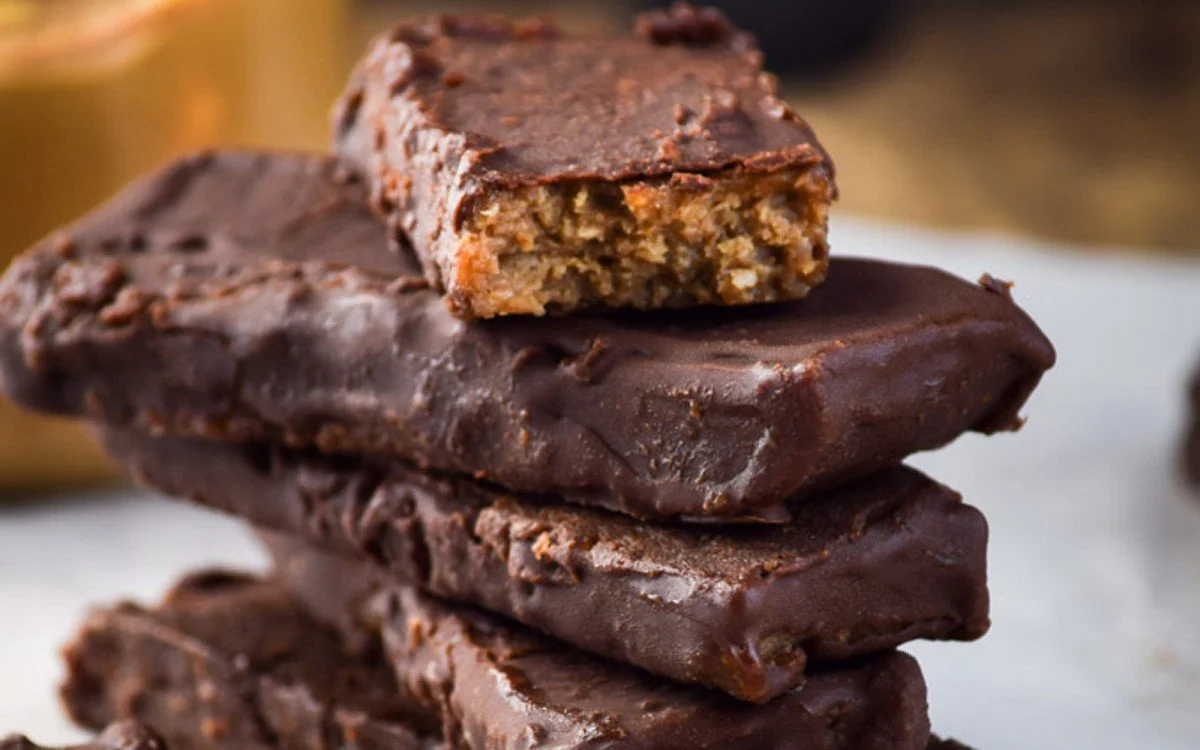
Protein bars are super convenient and tasty, and they are often marketed to be a healthy option. When someone tells you that a snack with the words "chocolate chip cookie dough" in it is healthy, I don't blame you for immediately stocking up your desk drawer with these seemingly too-good-to-be-true yummies. I hate to break it to you, but if your goal is weight loss, the protein bar is not your friend. Most protein bars actually have similar nutritional contents as many of our favorite candy bars. Most are packed with artificial ingredients and preservatives that can cause bloating and sugar cravings. Similar to smoothies, all protein bars are not the same. If you are in a pinch and must use a bar as a convenient option, make sure you read the ingredients and nutrition facts. If there is a word in the ingredient list that you cannot pronounce, I would steer clear. (You should try making your own protein bars with ingredients that you know, trust, and can pronounce). Other words to beware of include "evaporated cane juice," "high fructose corn syrup," "hydrogenated vegetable oil,” and "agave syrup." Also, if the bar is not a meal replacement, stick to under 200 calories.
Personal Trainer Wisdom: Never kid yourself....protein bars are NEVER a meal replacement or a great source of protein.4. SMOOTHIES AND STORE-BOUGHT GREEN JUICES
Many of these new, trendy juice shops are turning what should be a nutritious snack into a full on desert packed with hidden sugar and empty calories. Always check the menu ingredients before you order. Would you sit down and eat a banana, a cup of berries, a glass of milk, a cup of sweetened frozen yogurt, and two tablespoons of peanut butter in one meal and expect to lose weight? Of course not! Why are you drinking it? Most smoothie-shop concoctions contain 400 to 500 calories and between 18 and 50 grams of sugar! However, all smoothies are not created equal. You can create your own smoothie for a healthy and delicious after workout snack that won’t hinder your weight loss goals. Try to stick to water as a base instead of milk or frozen yogurt, and add one or two fruits, some veggies, and a scoop of unsweetened protein powder.
Now let’s talk about those bottled green juices that are all the rage right now. Most people think they are being super healthy by adding that cool-looking bottle of green juice into their daily routine. Hate to ruin it for you, but one popular bottled juice has 270 calories, 63 grams of carbs and 53 grams of sugar! That is more sugar than five Krispy Cream doughnuts! If you want to get benefits from juicing, stick to bottled juices that contain vegetables only, or invest in a juicer and make your own. By drinking juice fresh from the juicer or simply eating raw veggies, you’ll reap the benefits of all those healthy enzymes and antioxidants minus the sugar demon.
Personal Trainer Wisdom: A smoothie made from whole fruits and veggies will always provide more nutrition than a juice stripped of its fiber and phytonutrients. The thinner the juice, the thinner the nutrient content.5. SUSHI ROLLS
Many dieters flock to sushi restaurants because of the misconception that a penny-sized portion of protein doused in a creamy mayo based sauce and wrapped in rice is healthy. There are definitely healthy options at your favorite sushi joint, but the maki sushi roll is not one of them. Many don't know this, but most sushi restaurants add sugar to their white rice to give it that sticky consistency. Combine that with the other ingredients they often add like cream cheese, mayo, and crispy anything and you can rack up a good 500 calories in only a few bites. When having sushi, opt for sashimi or a Naruto roll, which is a sushi roll wrapped in cucumber instead of rice.
Personal Trainer Wisdom: Brown rice or not, most sushi rolls aren't healthy (although I love them!). Cut your roll order in half with a plate of sashimi instead.
Picture Credit: www.onegreenplanet.org - My personal training clients are always looking for a quick and easy way to meet their nutritional needs. Is a protein bar like this the answer?
ABOUT THE AUTHOR: MICHAEL MOODY, PERSONAL TRAINER
As an author, a personal trainer in Denver, and podcast host, Michael Moody has helped personal training clients achieve new fitness heights and incredible weight loss transformations since 2005. He also produces the wellness podcast "The Elements of Being" and has been featured on NBC, WGN Radio, and PBS.
Michael offers personal training to Denver residents who want to meet at the 2460 W 26th Ave studio….or in their homes throughout LoHi (80206), LoDo (80202), RiNo (80216), Washington Park (80209), Cherry Creek (80206, 80209, 80243, 80246, 80231), and Highlands (80202, 80211, 80212). Michael also offers experiences with a personal trainer in Jefferson Park (80211) and Sloan's Lake (80204, 80212).
If you’re looking for a personal trainer who can curate a sustainable (and adaptable) routine based on your needs and wants, Michael is the experienced practitioner you’ve been looking for. Try personal training for a month…your body will thank you!

"Sleep loss boosts hunger and unhealthy food choices" Review
Could the secret to weight loss actually be lying in your bed—literally? In a recent study conducted by the University of Chicago, researchers found that a lack of sleep releases a chemical signal that enhances the pleasure experienced while eating unhealthy food. Here is the write-up on the findings.
Skimping on sleep has long been associated with overeating, poor food choices and weight gain. Now a new study shows how sleep loss initiates this process, amplifying and extending blood levels of a chemical signal that enhances the joy of eating, particularly the guilty pleasures gained from sweet or salty, high-fat snacks.
The findings were published Feb. 29 in the journal SLEEP.
Sleep-deprived participants in this study—all young, healthy volunteers—were unable to resist what the researchers called “highly palatable, rewarding snacks,” meaning cookies, candy and chips, even though they had consumed a meal that supplied 90 percent of their daily caloric needs two hours before. The effects of sleep loss on appetite were most powerful in the late afternoon and early evening, times when snacking has been linked to weight gain.
“We found that sleep restriction boosts a signal that may increase the hedonic aspect of food intake, the pleasure and satisfaction gained from eating,” said Erin Hanlon, a UChicago research associate in endocrinology, diabetes and metabolism. “Sleep restriction seems to augment the endocannabinoid system, the same system targeted by the active ingredient of marijuana, to enhance the desire for food intake.”
This chemical signal is the endocannabinoid 2-arachidonoylglycerol (2-AG). Blood levels of 2-AG are typically low overnight. They slowly rise during the day, peaking in the early afternoon.
When the study subjects were sleep-deprived, however, endocannabinoid levels rose higher and remained elevated through the evening, beyond the typical 12:30 p.m. peak. During that period, sleep-restricted study subjects reported higher scores for hunger and a stronger desire to eat. When given access to snacks, they ate nearly twice as much fat as when they had slept for eight hours.
This increase in circulating endocannabinoid levels, the authors note, “could be a mechanism by which recurrent sleep restriction results in excessive food intake, particularly in the form of snacks, despite minimal increases in energy need.”
“The energy costs of staying awake a few extra hours seem to be modest,” explained Hanlon. “One study has reported that each added hour of wakefulness uses about 17 extra calories. That adds up to about 70 calories for the four hours of lost sleep. But, given the opportunity, the subjects in this study more than made up for it by bingeing on snacks, taking in more than 300 extra calories. Over time, that can cause significant weight gain.”OBESITY AND SLEEP LOSS
Obesity and sleep restriction have become extremely common. According to the Centers for Disease Control and Prevention, about a third of Americans get less than seven hours of sleep a night and more than a third of adults in the United States are obese. A 2013 Gallup poll found that U.S. adults sleep an average of 6.8 hours per night. Forty percent of adults report sleeping six hours or less.
Hanlon and colleagues designed the study to help understand how the endocannabinoid system connected short sleep with weight gain. Her team recruited 14 healthy men and women in their 20s as volunteers. The researchers monitored the subjects’ hunger and eating habits in two situations: one four-day stay in the University’s Clinical Research Center, during which they spent 8.5 hours in bed each night (averaging 7.5 hours of sleep), and another four-day stay when they spent only 4.5 hours in bed (4.2 hours asleep).
The participants ate identical meals three times a day—at 9 a.m., 2 p.m. and 7 p.m. Researchers measured levels of the hormone ghrelin, which boosts appetite, and leptin, which signals fullness, in their blood. Previous studies have linked high ghrelin and low leptin levels to reduced sleep time and increased appetite.
For the first time, however, they also measured blood levels of endocannabinoids. After a normal night’s sleep, 2-AG levels were low in the morning. They peaked in the early afternoon, soon after lunchtime, then decreased.
After restricted sleep, however, 2-AG levels rose to levels about 33 percent higher than those seen after normal sleep. They also peaked about 90 minutes later, at 2 p.m., and remained elevated until about 9 p.m.
After the period of restricted sleep, study subjects reported a significant increase in hunger levels. This was prominent soon after their second meal of the day, the time when 2-AG levels were highest. Sleep deprived study subjects expressed greater desire to eat. When asked, they estimated that they could eat much more than they predicted the day after a full night’s sleep.
After the fourth night of restricted sleep, subjects were offered an array of snack foods. Despite having eaten a large meal less than two hours before being offered snacks, subjects in the restricted sleep phase of the study had trouble limiting their snack consumption. They chose foods that provided 50 percent more calories, including twice the amount of fat, as when they were completing the normal sleep phase.
These results support “the novel insight that sleep restriction leads not only to increased caloric intake,” but also to “changes in the hedonic aspects of food consumption,” wrote Frank Scheer of Harvard University’s Brigham and Women’s Hospital, in a commentary. The increase in 2-AG following sleep restriction, he added, “may be part of the mechanism by which people overeat.”
Despite the study’s limitations—small size, short duration and limited sampling frequency—the findings are clearly significant and consistent with the epidemiologic evidence, the authors note. They are also “relevant to normal life conditions.”
This tells us that “if you have a Snickers bar, and you’ve had enough sleep, you can control your natural response,” Hanlon explained. “But if you’re sleep deprived, your hedonic drive for certain foods gets stronger, and your ability to resist them may be impaired. So you are more likely to eat it. Do that again and again, and you pack on the pounds.”
The National Center for Research Resources, the Department of Defense, the Medical College of Wisconsin and the University of Chicago Institute for Translational Medicine supported this research. Additional authors were Kara Stuhr, Elizabeth Doncheck and Cecilia Hillard from the Medical College of Wisconsin, and Esra Tasali, Rachel Leproult, Harriet de Wit and Eve Van Cauter from the University of Chicago.
Picture Credit: John Sherman Photography - My personal training clients often don't get enough sleep. Does this habit really lead to more unhealthy choices?
ABOUT THE AUTHOR: MICHAEL MOODY, PERSONAL TRAINER
As an author, a personal trainer in Denver, and podcast host, Michael Moody has helped personal training clients achieve new fitness heights and incredible weight loss transformations since 2005. He also produces the wellness podcast "The Elements of Being" and has been featured on NBC, WGN Radio, and PBS.
Michael offers personal training to Denver residents who want to meet at the 2460 W 26th Ave studio….or in their homes throughout LoHi (80206), LoDo (80202), RiNo (80216), Washington Park (80209), Cherry Creek (80206, 80209, 80243, 80246, 80231), and Highlands (80202, 80211, 80212). Michael also offers experiences with a personal trainer in Jefferson Park (80211) and Sloan's Lake (80204, 80212).
If you’re looking for a personal trainer who can curate a sustainable (and adaptable) routine based on your needs and wants, Michael is the experienced practitioner you’ve been looking for. Try personal training for a month…your body will thank you!

"The Best and Worst Booze to Drink if You Want to Lose Weight" Review
Introduction
It's almost time for summer in Denver...which probably means endless BBQs, beer gardens, hikes, and outdoor fests. How will you still lose weight while enjoying the best of the city? I found this list from the recent article "The Best and Worst Booze to Drink if You Want to Lose Weight" to prepare you for your upcoming Denver adventures.
1. THE BEST: WINE
Red or white, you can expect to consume roughly 100 to 120 calories per glass. (That's assuming, however, that you're drinking a standardized 5-ounce glass. Research from Iowa State and Cornell shows that people tend to over-pour by 12 percent.)
However, there are some considerations to make when picking grapes: White wine typically contains fewer carbohydrates than does red wine, which makes a small difference in terms of calories, says Caroline Cederquist, M.D., author of The MD Factor and creator of bistroMD. Meanwhile, red wine is richer in antioxidants, and a 2014 study in The Journal of Nutritional Biochemistry, red wine's ellargic acids delay the growth of fat cells while slowing the development of new ones.2. THE BEST: VERMOUTH
"A fortified wine with higher alcohol content and infused spices and herbs, vermouth is a calorie saver if you have it by itself—as it's commonly served in Europe," says Georgie Fear, R.D., author ofLean Habits for Lifelong Weight Loss. A 1.5-ounce serving contains a mere 64 calories, and typically contains about 15 to 18 percent alcohol, she says. Plus, research out of Budapest shows that it's jam-packed with polyphenol compounds, which may promote healthy weight loss.
Still, remember that if you mix it into a Manhattan or martini, you're probably going to be consuming far more calories and sugar, Fear says (You may want to check out these other weight loss tips if you're not willing to make this sacrifice).3. THE BEST: STRAIGHT LIQUORS
When it comes to getting the most alcohol for the fewest calories, shots and straight booze on the rocks are the way to go. "There isn't much of a difference between 80-proof hard liquors," Cederquist says. "They all have around the same amount of calories and carbohydrates." And as calories increase along with alcohol content, the difference isn't huge. For instance, a shot of 86-proof whiskey contains 105 calories and a shot of 80-proof vodka contains 97.
However, you also need to keep in mind that the sweeter the liquor, the more calories it typically contains, she says. "If you're looking for a lower calorie alternative, avoid the flavored vodkas and spiced rums and go for the original or 'plain' option offered," she says. "If you are looking for a flavor boost, try low-calorie mixers like a flavored seltzer or fresh squeezed lemon or lime. This will provide the taste without the calories.”4. THE BEST: LIGHT BEERS
With fewer calories and carbs, these are the best brewskis for weight loss, Cederquist says. Many light beers contain 90 to 100 calories per 12 ounces, while extra-light beers pack about 55 to 65.
However, just don't use that as an excuse to have more beers than you typically would, or you'll undo all benefits. Hey, they generally pack less alcohol, right? Well, yeah, but they actually tend to have a higher percentage of their calories coming from alcohol compared to standard brews. Budweiser Select 55 for example derives 88.2 percent of its calories from alcohol, compared to Bud Light at 74.1 percent, and regular Budweiser at 66.9 percent calories, Fear says.5. THE WORST: SUGAR-PACKED COCKTAILS
"Margaritas and Long Island Iced Teas can set you back more calories than a large order of McDonald's French Fries," Fear says. Even worse, calories from sugar-laden drinks come as a sneak attack. When you drink a marg, your body is so overwhelmed with the alcohol content that your body doesn't properly metabolize the sugar. Instead, it stores the sweet stuff as fat.
There is never a good excuse to drink these and other sugar-filled cocktails especially if you are trying to lose weight or not develop diabetes, she says. Now, if you've got a skilled mixologist behind your bar, you're probably calorically safe ordering a cocktail. After all, he'd never serve up one of these artless offenses.6. THE WORST: HIGH-ALCOHOL CRAFT BEERS
"The last five years have seen an explosion of craft breweries creating high-alcohol varieties, which pack more calories per bottle than you may realize," Fear says. Remember, more alcohol means more calories. Every gram of the good stuff contains seven calories.
For instance, Flying Dog Horn Dog, which contains 10.2 percent alcohol by volume, also contains 314 calories per bottle, and Dogfish Head 120 Minute IPA boasts 18 percent alcohol by volume, but also packs 450 calories into each bottle. That's a meal in a glass. Unfortunately, though, all that alcohol can wind up making you hungrier (which, if this is the case, don't make the situation worse-avoid this list of 17 Foods That Will Erase Your Weight Loss ).
Picture Credit: www.MSN.com - My personal training clients often need to revamp their approach to drinking alcohol to lose weight. When you look down into your glass of beer, do you really know how many calories you're consuming?
ABOUT THE AUTHOR: MICHAEL MOODY, PERSONAL TRAINER
As an author, a personal trainer in Denver, and podcast host, Michael Moody has helped personal training clients achieve new fitness heights and incredible weight loss transformations since 2005. He also produces the wellness podcast "The Elements of Being" and has been featured on NBC, WGN Radio, and PBS.
Michael offers personal training to Denver residents who want to meet at the 2460 W 26th Ave studio….or in their homes throughout LoHi (80206), LoDo (80202), RiNo (80216), Washington Park (80209), Cherry Creek (80206, 80209, 80243, 80246, 80231), and Highlands (80202, 80211, 80212). Michael also offers experiences with a personal trainer in Jefferson Park (80211) and Sloan's Lake (80204, 80212).
If you’re looking for a personal trainer who can curate a sustainable (and adaptable) routine based on your needs and wants, Michael is the experienced practitioner you’ve been looking for. Try personal training for a month…your body will thank you!

"20 Easy Ways to Lose 5 Pounds at Work" Review
Introduction
Looking for easy ways to lose weight at work? I've dissected the recent article "20 Easy Ways to Lose 5 Pounds at Work" and chosen the 17 most effective strategies you should try. Take a look!
1. NEVER—EVER!—POWER UP WITH SODA
It's tempting to gulp down a diet soda to get over that mid-afternoon slump. But don't do it! A University of Texas Health Science Center study found that adults who drank diet soda experienced a whopping 70 percent increase in weight circumference when compared with non-soda drinkers. Plus, aspartame is shown to raise glucose levels to a point where it's converted into fat.
2. GUZZLE H20
Are you really hungry, or are you actually just thirsty? A study in the journal Physiology & Behavior suggests people inappropriately respond to thirst over 60 percent of the time by eating instead of drinking. Even if you're not hankering for a thirst-quencher, preloading meals with plain ol' calorie-free water can shave hundreds of calories from your daily intake. And if plain water sounds boring, you can add some practically calorie-free fresh citrus to create a health-boosting (and flavorful!) detox water. Plus, that glass of refreshing H2O does more than hydrate your body. According to a study published in The Journal of Clinical Endocrinology and Metabolism, drinking 17 ounces of water increased the metabolic rate of participants by 30 percent. Add an extra 1.5 liters of water to your workday intake, and you could burn 17,400 calories a year!
3. TAKE THE STAIRS
This is an obvious one, but you may be surprised how much weight you can lose by doing it. You have a file you need to deliver to the 15th floor, but your office is on the 10th. Use the stairs instead of the elevator, and you'll burn twice as many calories as you do walking. According to the University of New Mexico Health Sciences Center, a 150-pound person could lose about 6 pounds per year just by climbing up two flights of stairs every day! Bump that up to six, and you could drop 18 pounds without ever hitting the gym (or personal training studio).
4. SIT ON A STABILITY BALL
Swapping out your desk chair for a stability ball will help you strengthen your core and burn more calories at the same time. According to Jill Koegel, RD, a sports-certified registered dietitian, sitting on one of those big sports balls during your workday can burn up to an extra 100 calories a day. If you work 300 days in a year, that could add up to an extra 30,000 calories—or about 8.5 pounds!
5. CONVERT TO A STANDING DESK
Did you know that you burn more calories just by standing? It's true! According to Koegel, standing burns around 50 more calories per hour than if you're just sitting at your desk. That can add up almost 7 pounds of extra weight lost a year, all while you're at work. Plus, standing has numerous benefits for your core strength, posture and even your mental health: It's even shown to make you more productive. Bring on that promotion!
6. SWAP OUT YOUR MORNING COFFEE FOR GREEN TEA
Coffee might give you a caffeine jolt in the morning, but green tea can supply less jittery energy—and plenty of fat-burning qualities. A study published in the American Journal of Clinical Nutrition found teas—including green teas—contain catechins that boost fat oxidation. Plus, Taiwanese researchers found that the 1,100 people they studied over 10 years who drank green tea had 20 percent less body fat than others who didn't drink it.
7. BRING YOUR LUNCH —EVERY DAY
Think you know how many calories are in that fast-food meal you grabbed during your lunch hour? Think again: A 2013 study published in BMJ found that the average takeout meal ordered by adults contained an average of 836 calories. Calorie counts listed on menus help, but the study showed adults underestimated the number of calories by about 175 per meal. That can add up to a serious amount of weight each year.
Instead, spend part of your weekend meal-prepping for the week ahead. Opting for even a 500-calorie meal during your lunch break can save you more than 300 calories over the average grab-and-go meal—a difference of 1,500 calories for a five-day workweek. Work an average of 50 weeks a year and that's 75,000 fewer calories consumed, or about 21.5 pounds a year!8. BALANCE YOUR SALAD
"Big salads" a popular lunchtime choice, but don't just fill up with a bunch of greens that will make you hungry again by your 3 p.m. meeting. For a salad to be filling, it needs protein (chicken, eggs, deli meat) and fiber (beans, avocado). To maximize flavor, pair sweet (tomatoes, apples) with sharp (onion, olives) and savory (meat). Plus, a salad needs crunch; nuts and raw bell peppers are your best bets (Careful, though...not all salads are created equal.
9. STASH SOME CHIA SEEDS, TOO
Since you only need a sprinkling (a tablespoon at most, if you're being aggressive!), a packet of chia seeds can last forever—and be an easy way to instantly add nutrition to your at-desk breakfasts or lunches. "Chia seeds are chock-full of heart-healthy omega-3s, fiber, protein and calcium," says Sarah Koszyk, MA, RD, founder of Family. Food. Fiesta. "Chia seeds are easily absorbed by the body, so they're very nourishing and satiating."
10. KEEP THE SWEETS OUT OF SIGHT
Out of sight, out of mouth? Simply reorganizing your pantry's "top hits" could translate into serious calorie savings, according to researchers at Google. A study, conducted at the search engine's New York office dubbed "Project M&M" found that placing chocolate candies in opaque containers as opposed to glass ones, and giving healthier snacks more prominent shelf space, curbed M&M consumption by 3.1 million calories in just seven weeks. A similar study published in the Journal of Marketing found that people are more likely to overeat small treats from transparent packages than from opaque ones.
11. SCHEDULE YOUR WORKOUT SESSIONS
If other people can see when your calendar is free or busy, go ahead and block out certain times for either early morning, lunchtime, or after-hours potential workout (or personal training) sessions. Even if you haven't signed up for the class yet, this will help deter coworkers (particularly those in different time zones) from thinking that a 5 p.m. conference call (4 p.m. their time!) is totally cool. And then go ahead and actually treat your appointments like a real meeting and get your butt to the gym!
12. SEEK OUT SOMEONE TO BE HEALTHY WITH YOU
It's a heck of a lot easier to turn down a cupcake for Mary Jo's birthday if you have another healthy-minded coworker holding you accountable. Otherwise, you may look around at everyone else stuffing themselves with sugar and feel like you should, too; after all, a 2014 review study published in the Journal of the Academy of Nutrition and Dietetics found that people tend to conform to "eating norms" in social settings. If all else fails, you and your calorie-counting friend can split that cupcake!
13. TAKE A 2-MINUTE WALK EVERY HOUR
You think you may walk a lot at work, but very rarely is anyone walking through their office for more than 20 seconds. Try timing yourself the first couple of times you walk for one minute (so that it's a two-minute round-trip back to your desk) to develop a couple options for your "walking routes." Here's why it's worth a try: A recent study in the Clinical Journal of the American Society of Nephrology found that a two-minute walk every hour can offset the effects of too much sitting.
14. ALWAYS EAT LUNCH AT LUNCHTIME
Spanish researchers found that obese women who ate their lunch after 3 p.m. lost 25 percent less weight than those who ate their lunch earlier in the day. Even though both groups ate the same foods and the same amount of calories, the early bird diners lost five pounds more. Scientists believe that waiting to eat until you're starving may spark cravings for more food later in the day.
15. KEEP TRACK OF YOUR FOOD AND DRINK INTAKE
It can sound tedious, but what's one more to-do on your list of desk duties? If you aren't great about journaling your diet once you're home, just fill in the blanks at work the next day. A study from Tulane University found that people who used phone apps for weight loss reported shedding more pounds and feeling more motivated to make healthy changes than people using traditional fitness trackers.
16. SQUEEZE IN TINY WORKOUTS
That mom of three who also teaches spin class and always looks fanfreakintastic? Awesome. But that's not attainable for everyone, which can leave you feeling frustrated that you can't be a workout god or goddess, too. The good news: You only need 2 and a half minutes to boost your metabolism and start burning calories, too. Research printed in the journal Physiological Reports showed that people who did five 30-second bursts of max-effort cycling, followed by 4 minutes of rest, burned 200 extra calories that day and boosted their metabolism for the next 24-48 hours. It's highly unlikely you have a stationary bike handy at your place of work, but a similar result could be achieved by running up the stairs and doing jumping jacks.
17. ANALYZE IF YOU'RE COMFORTING YOURSELF WITH FOOD
Whether you stuff yourself when you get home from work because you hate your job or you slip out for a fattening "coffee" drink after your boss laid into you about something minor, be sure to take stock of how your job makes you respond with food. In an Orlando Health survey of more than a thousand respondents, only 10 percent of people listed their psychological well-being as part of their weight loss journey. The problem? Not being in tune with your emotions and their connection to food is why nearly 66 percent of people gain weight back after losing it. "Most people focus almost entirely on the physical aspects of weight loss, like diet and exercise," neuropsychologist and Program Director of Integrative Medicine at Orlando Health Diane Robinson, Ph.D. said in a press release. "But there is an emotional component to food that the vast majority of people simply overlook and it can quickly sabotage their efforts."
Picture Credit: www.MSN.com - My personal training clients have used a lot of these strategies to lose weight at work. Is replacing coffee with green tea an effective strategy?
ABOUT THE AUTHOR: MICHAEL MOODY, PERSONAL TRAINER
As an author, a personal trainer in Denver, and podcast host, Michael Moody has helped personal training clients achieve new fitness heights and incredible weight loss transformations since 2005. He also produces the wellness podcast "The Elements of Being" and has been featured on NBC, WGN Radio, and PBS.
Michael offers personal training to Denver residents who want to meet at the 2460 W 26th Ave studio….or in their homes throughout LoHi (80206), LoDo (80202), RiNo (80216), Washington Park (80209), Cherry Creek (80206, 80209, 80243, 80246, 80231), and Highlands (80202, 80211, 80212). Michael also offers experiences with a personal trainer in Jefferson Park (80211) and Sloan's Lake (80204, 80212).
If you’re looking for a personal trainer who can curate a sustainable (and adaptable) routine based on your needs and wants, Michael is the experienced practitioner you’ve been looking for. Try personal training for a month…your body will thank you!
"15 Daily Life Hacks to Achieve Greater Fat Loss" Review
Introduction
Looking for a quick weight-loss trick before spring break? Take a look at the most viable tips I found in the article 15 Daily Life Hacks to Achieve Greater Fat Loss.
1. DRINK WATER BEFORE MEALS
Research suggests that drinking two, eight-ounce glasses of water before main meals can help enhance weight loss. Participants in a twelve-week study who drank two glasses of water before every meal consumed 75 to 90 fewer calories per meal and lost more weight on average than those who didn’t. The researchers concluded that by hydrating right before eating, you’re more likely to feel satisfied from your meal, and less likely to overindulge.
2. DINE ON SMALLER PLATES
There is growing evidence that the size of your dinnerware can influence how much you consume during a meal. Researchers attribute this phenomenon to the Delboeuf Illusion – an optical illusion of relative size perception. When serving yourself, use larger plates and bowls for healthier foods, like fruits and vegetables, and smaller plates and bowls for less healthy foods.
3. EAT MORE VEGETABLES
This might sound redundant, but consuming a lot of vegetables can do more than provide you with health-boosting nutrients. Use vegetables to your advantage by adding bulk and fiber to your dishes, which will help fill you up. And vegetables can also be used for low-carb food swaps like using cauliflower as a pizza crust or squash for spaghetti.
4. TRACK YOUR INTAKE
One of the keys to success in weight loss or weight management is tracking your food and beverage intake regularly. Tracking can help make you aware of subconscious snacking, unhealthy eating patterns, and overeating. Multiple research studies have tested the effectiveness of tracking intake on enhancing weight loss and have concluded that individuals who track eating habits regularly lose more weight on average than those who don’t.
5. SPICE UP YOUR MEALS
Cayenne pepper can kick your metabolism into high gear because of capsaicin – the active compound that causes the burning sensation in your mouth upon consumption. Capsaicin is widely known and studied for its thermogenic effect, which is the ability to generate extra body heat and a rise in metabolic rate. One recent study found that about a half-teaspoon of cayenne pepper, either mixed in food or swallowed as a capsule, helped study participants burn an additional 10 calories more over a four-hour period. While that might not seem worth the temporary burning sensation, consumption of the cayenne pepper also reduced their preoccupation with food and their desire to consume fatty, salty, and sweet foods during that same four-hour period.
6. HAVE A BOWL OF SOUP
Soup can do more than help alleviate cold and flu symptoms. In fact, a bowl of soup a day may help keep the pounds away. Multiple studies have shown that when low-energy-dense soups were consumed at the start of a meal, subsequent food intake was reduced by as much as 20 percent. Furthermore, soup has a high water content, which can also help fill you up in addition to helping you stay hydrated. Be sure to avoid creamy, rich soups, which can run upwards of 500 calories, and canned soups high in sodium.
7. EAT SLOWLY
Research suggests that eating slowly can lead to improved satiety and make you less inclined to overeat. When you eat slowly, you allow more time for your brain to catch up with your gut as it signals it’s full. To slow down your eating, try alternating bites of food with sips of water, removing distractions, like television, and chewing your food thoroughly. Another great technique is to eat with chopsticks, which will inherently force you to eat smaller bites and at a slower pace.
8. PARK FAR AWAY
Forget convenience, and park as far away as possible to burn some additional calories. This method is a very simple way to squeeze some extra exercise into your day, no equipment necessary.
9. DITCH THE BREAD
On average, a burger bun or two slices of bread contains 150 calories and 25 grams or more of carbohydrates. You can save at least 100 calories and 20 grams of carbohydrate per day by swapping out bread for produce options, like sliced eggplant, large mushroom caps, and romaine lettuce. Better yet, you won’t have to sacrifice fiber since you’ll still get a good dose from these low-carb alternatives.
10. WEAR FORM-FITTING CLOTHING
Wearing form-fitting clothing can help prevent you from overeating because you’ll start to feel uncomfortable as you eat more than you need. This discomfort is an example of how your clothing can help serve as a sensory reminder of when it’s time to put down the fork.
11. EAT IN FRONT OF A MIRROR
The kitchen may be the last place you’d ever thought to hang a mirror, but it’s certainly the most useful place when it comes to weight loss. Research has shown that hanging a mirror in your kitchen can help you lose weight and keep it off. How? Taking a look at yourself right before you’re about to reach into the refrigerator or pantry can help you avoid poor, unhealthy food choices. Furthermore, eating in front of a mirror can help you consume less food by making you more aware of how your body looks and feels.
What other life hacks help you with weight loss?
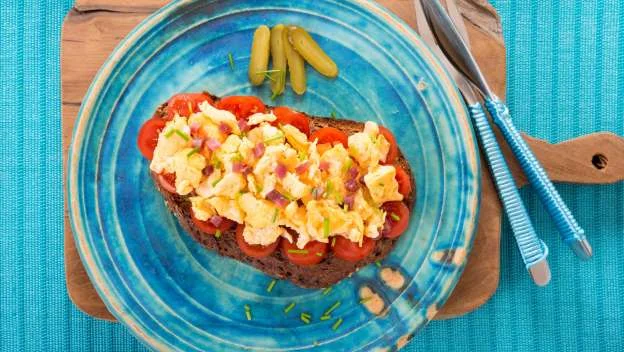
Picture Credit: www.MSN.com—My personal training clients have used many of these strategies to lose weight. Is changing the color of your plate effective, too?
ABOUT THE AUTHOR: MICHAEL MOODY, PERSONAL TRAINER
As an author, a personal trainer in Denver, and podcast host, Michael Moody has helped personal training clients achieve new fitness heights and incredible weight loss transformations since 2005. He also produces the wellness podcast "The Elements of Being" and has been featured on NBC, WGN Radio, and PBS.
Michael offers personal training to Denver residents who want to meet at the 2460 W 26th Ave studio….or in their homes throughout LoHi (80206), LoDo (80202), RiNo (80216), Washington Park (80209), Cherry Creek (80206, 80209, 80243, 80246, 80231), and Highlands (80202, 80211, 80212). Michael also offers experiences with a personal trainer in Jefferson Park (80211) and Sloan's Lake (80204, 80212).
If you’re looking for a personal trainer who can curate a sustainable (and adaptable) routine based on your needs and wants, Michael is the experienced practitioner you’ve been looking for. Try personal training for a month…your body will thank you!

"17 Weight Loss Rules You Can Cheat On" Review
Introduction
Life isn't perfect, and your weight loss approach shouldn't be, either. Test your boundaries and determine what you can get away with by bending the following rules (from the article " 17 Weight Loss Rules You Can Cheat On"). I've chosen the top 11 from their list.
1. ONLY DO HEART-THUMPING WORKOUTS
2. YOU HAVE TO “DO” ABS TO GET ABS
3. DON’T WEIGH YOURSELF TOO OFTEN
4. CUT BACK ON CARBS
5. COUNT YOUR CALORIES
6. EAT EVERYTHING IN MODERATION
7. DON’T EAT THE YOLK
8. DISTANCE CARDIO IS MANDATORY
9. EAT A VARIED DIET
10. AVOID ALCOHOL
11. FEAR FAT
Which weight loss rules will you bend first?
Picture Credit: Photo Credit MSN.com/Eat This, Eat That—Since my personal training clients live in the Midwest, it's unrealistic to think that they'll completely avoid alcohol. Is this the best option while trying to lose weight?
ABOUT THE AUTHOR: MICHAEL MOODY, PERSONAL TRAINER
As an author, a personal trainer in Denver, and podcast host, Michael Moody has helped personal training clients achieve new fitness heights and incredible weight loss transformations since 2005. He also produces the wellness podcast "The Elements of Being" and has been featured on NBC, WGN Radio, and PBS.
Michael offers personal training to Denver residents who want to meet at the 2460 W 26th Ave studio….or in their homes throughout LoHi (80206), LoDo (80202), RiNo (80216), Washington Park (80209), Cherry Creek (80206, 80209, 80243, 80246, 80231), and Highlands (80202, 80211, 80212). Michael also offers experiences with a personal trainer in Jefferson Park (80211) and Sloan's Lake (80204, 80212).
If you’re looking for a personal trainer who can curate a sustainable (and adaptable) routine based on your needs and wants, Michael is the experienced practitioner you’ve been looking for. Try personal training for a month…your body will thank you!

"Is the Food You're Eating Aging You?" Review
Introduction
While death and taxes are inevitable, is there a way to slow down aging? The most likely answer is "no". Nevertheless, we can take steps to avoid speeding up the process. Dr. Shawn Talbott, author of Best Future You: Harnessing Your Body’s Biochemistry to Achieve Balance in Body, Mind, and Spirit, will tell you that the first step is looking at what's in front of you: Your plate. You should be interested in what he says below - you might learn how that cupcake is subtracting years off your face and life (from LIVESTRONG.com article "Is the Food You're Eating Aging You?").
You’ve probably heard the saying that “you are what you eat.” But have you ever considered that you may also be “as old as what you eat?”
THE BIOCHEMISTRY OF AGING
I’ve written about different aspects of metabolism and biochemistry that can become unbalanced and lead to ill health, weight gain, poor performance and even faster aging at the cellular level. I refer to each of these four major aspects of cellular biochemistry as “pillars” of health: oxidation, inflammation, glycation and allostation. Any imbalances in any of these pillars can lead to more cellular stress, tissue dysfunction and accelerated aging.
Scientists and doctors agree that excessive inflammation can lead to accelerated tissue damage and breakdown, so it makes sense to control inflammation to reduce cellular stress and promote overall health.
But if you look deeper to find the causes of inflammation, you quickly see other factors that you can control. Because oxidation caused by free radicals leads to inflammation at the cellular level, why not also control oxidation as another “trigger” of cellular stress?
Great idea — but why not look even farther up the chain of events to see if you can control or modulate the causes of oxidation? Doing this shows that cell damage caused by overexposure to certain sugars (glycation) can lead to oxidation, which can lead to inflammation.
When you look even higher up the stream you see that an imbalance in stress hormones like cortisol, and the resulting inability to adapt to and recover from stress (allostation) can lead to glycation, which can lead to oxidation, which in turn leads to inflammation.HOW FOODS AGE YOU
The term “AGEs” refers to advanced glycation end-products that cause cells to lose functionality and basically “age” faster. AGEs accumulate very quickly in response to three processes:
Direct Glycation: This can occur whenever your blood sugar is too high for too long (eating the wrong foods, too many refined carbs, etc.).
Inflammation: This can be exacerbated by an imbalance between inflammatory fatty acids (like omega-6) and anti-inflammatory fatty acids (like omega-3). Having too many omega-6s in your diet can lead to an overproduction of inflammatory compounds that can lead to faster cellular aging and dysfunction.
Stress: This can include mental/emotional issues, overexercise or sleep deprivation. All of these stressors lead to a chronic overexposure to cortisol, a primary stress hormone that can interfere with normal control of both blood sugar and inflammation. Too much cortisol sort of “short circuits” your attempts to control glucose and inflammatory compounds. The bottom line is that aging happens faster when you’re stressed and eating highly processed foods, which are high in sugar and omega-6 fatty acids.AVOID PARTIALLY HYDROGENATED OILS (PHOS)
These oils can promote inflammation. While the FDA has banned the use of unhealthy trans fats, small amounts of PHOs can still be lurking in your foods, so check labels and read ingredient lists to see if “partially hydrogenated oil” might be lurking in your favorite foods. Some of the most common offenders include coffee creamer, cookies, frozen pizza, microwave popcorn and stick margarine.
SWITCH TO PALM OIL.
Malaysian certified sustainable palm oil is a tropical oil that is more saturated compared to PHOs, but it has a much healthier metabolic profile. This makes palm oil a much less inflammatory choice for many foods and one that many food companies are moving toward as a replacement for trans fats. In cooking, try using red Malaysian palm oil, which gets its red color from a higher level of healthy antioxidants, such as vitamins A and E, carotenoids and flavonoids.
AVOID HIGH-SUGAR FOODS AND FOODS WITH A HIGH GLYCEMIC INDEX.
These include sodas and energy drinks, white bread, chips and sweetened cereal. The glycemic index (GI) and glycemic load (GL) refer to how foods affect blood sugar and insulin. The lower a food’s glycemic index or glycemic load, the less it affects blood sugar and insulin levels and the more effective it may be in controlling appetite and body weight.
Refined carbs are really just different forms of simple sugars in disguise, and starchy carbs turn into sugar the minute they hit the bloodstream. The result is a blood sugar spike, often followed by a crash, with the endgame being a higher risk for diabetes, metabolic syndrome and weight gain. In addition, crashing and spiking blood sugar, wreaks hormonal havoc, promotes inflammation and drives unhealthy food cravings.
Excess sugar ages you in many ways. It can slow your body’s repair mechanism, causes wrinkles to happen faster and may even lead to age-related complaints like memory loss. Instead, if you need to satisfy a temporary sweet tooth, look for foods made with less heavily processed natural sweeteners like honey or maple syrup. And be sure that the sugar is combined with some fat and protein to lessen the rise in blood sugar.SWITCH TO FOODS THAT ARE LESS PROCESSED AND FOODS THAT HAVE A LOWER GI/GL.
Eat more whole-food carbs with lower GI/GL, such as vegetables and legumes. Cut back on the sugar you use in recipes at home, and try adding less sugar to your coffee, tea and other drinks you consume frequently.
On their own, sugar substitutes like honey, brown-rice syrup, agave nectar and others aren’t really that much better than plain white sugar. The biggest difference is that foods sweetened with alternative forms of sugar also tend to be less refined in general — perhaps containing higher protein content — and that can often be an important benefit for reducing sugar load.
Overall, focus on food as an entire package and not just on whether it contains a refined carb or not (e.g., even a “bad” refined carb like white bread can be considered “nonlethal” if you eat it with peanut butter).AVOID GOING TOO LONG BETWEEN MEALS.
When your stomach is empty, its secretion of ghrelin, also called the “hunger hormone,” doubles. When the stomach is full, secretion of ghrelin slows and its hormonal opposite, leptin, signals that the body is satiated, so you feel full. But it can take 20 minutes for this process to occur.
During this time, it’s easy to overeat, especially when you’re starving and your brain is screaming at you to eat sugar. When you gorge on sugar and refined carbs you eat more, your blood sugar spikes higher and your body stores even more calories for later because it’s in feast-or-famine mode. Significantly, frequent blood sugar spikes are linked to insulin resistance, a precursor to Type 2 diabetes and metabolic syndrome, and to body-wide inflammation.SWITCH TO PLANNING YOUR MEALS.
Make sure you eat throughout the day so you’re getting a balanced blend of smart carbs, lean protein and healthy fats on a consistent basis every few hours. This approach keeps your metabolism balanced so your appetite, energy, mental focus and fat-burning machinery are functioning at top capacity.
Dr. Shawn Talbott, Ph.D., CNS, LDN, FACSM, FAIS, FACN, is a nutritional biochemist and exercise physiologist and the author of more than a dozen books on nutrition and health. His most recent book is Best Future You: Harnessing Your Body’s Biochemistry to Achieve Balance in Body, Mind, and Spirit.
What are you willing to change in your diet to slow down the aging process? My personal training clients and I have read Dr. Fuhrman's book Eat to Live and maybe you should it add it to your list too.
Picture Credit: Photo Credit Brent Hofacker/AdobeStock/LIVESTRONG.COM—As a personal trainer, I always help my clients redefine their diets to lose weight (especially by cutting out cupcakes :)). Perhaps we should focus instead on food's aging properties.
ABOUT THE AUTHOR: MICHAEL MOODY, PERSONAL TRAINER
As an author, a personal trainer in Denver, and podcast host, Michael Moody has helped personal training clients achieve new fitness heights and incredible weight loss transformations since 2005. He also produces the wellness podcast "The Elements of Being" and has been featured on NBC, WGN Radio, and PBS.
Michael offers personal training to Denver residents who want to meet at the 2460 W 26th Ave studio….or in their homes throughout LoHi (80206), LoDo (80202), RiNo (80216), Washington Park (80209), Cherry Creek (80206, 80209, 80243, 80246, 80231), and Highlands (80202, 80211, 80212). Michael also offers experiences with a personal trainer in Jefferson Park (80211) and Sloan's Lake (80204, 80212).
If you’re looking for a personal trainer who can curate a sustainable (and adaptable) routine based on your needs and wants, Michael is the experienced practitioner you’ve been looking for. Try personal training for a month…your body will thank you!
"10 Foods to Give Up for Lent—and How Many Calories You'll Save" Review
Introduction
Although nearly a week has passed since the start of Lent, it's never too late to commit! Whether you're trying to lose weight or honoring the sacrifice during this time, here are 10 foods that you may want to cut out of your diet for the next 5 weeks (from the MSN.com article 10 Foods to Give Up for Lent—and How Many Calories You'll Save).
1. SODA
Soda is the source of hundreds of unneeded calories, so now's the time to make the switch to water. Forgoing a soda a day for 40 days will save you 124 to 189 calories a day.
Total amount: 40 sodas
Total calories saved: 4,960 to 7,560 calories2. FRENCH FRIES
They're salty, fried, and addictive, and it's hard to stop at just a few. Giving up your normal once-a-week order of medium fries for the Lent period will save you 350 calories a week.
Total amount: Six medium orders of fries
Total calories saved: 2,190 calories3. ICE CREAM
If Lent means giving up your twice-a-week bowl of vanilla ice cream in front of the TV, you'll be saving 460 calories a week (more, of course, if you go for the fancier flavors).
Total amount: 12 bowls of ice cream (1/2 cup each)
Total calories saved: 2,760 for vanilla ice cream or 3,000 for chocolate ice cream4. ALCOHOL
A glass of red wine a day can be beneficial to your health, but if you normally drink a glass of red wine with dinner, you'll be saving 127 calories a day if you stop for Lent.
Total amount: 40 glasses of red wine (five ounces each)
Total calories saved: 5,080 calories5. FAST FOOD
Want to go for the whole meal? If you normally pick up fast food once a week, skipping out on a typical fast-food meal will save you 1,200 calories a week.
Total amount: Six fast-food meals
Total calories saved: 7,200 calories6. POTATO CHIPS
These unhealthy snacks deserve their own category! If you're giving up that twice-a-week potato-chip habit for Lent, you'll be saving 153 calories per bag (306 calories a week).
Total amount: 12 bags of chips
Total calories saved: 1,836 calories7. LATTES
Many people choose to give up coffee for Lent, whether it's because they want to wean themselves off their caffeine dependence or just because that daily Starbucks run can add up money-wise. Giving up your daily Starbucks Grande latte made with two-percent milk will save you 190 calories a day.
Total amount: 40 Grande Starbucks lattes (16 ounces each)
Total calories saved: 7,600 calories (if you normally buy nonfat-milk lattes, you'll save 5,200 calories)8. MEAT
Meat can be an important part of your diet if you choose lean protein options, but too much red and processed meat is bad news for your health.
Whether you want to see what it's like to go vegetarian for a while or you realize that your diet contains too much saturated fat for your liking, giving up a once-a-day red meat habit for Lent could save you anywhere from 207 calories per serving for one four-ounce steak to 184 calories for four slices of bacon.
Total amount: 20 servings of red meat and 20 servings of bacon
Total calories saved: 7,820 calories10. CHOCOLATE
A piece of dark chocolate every day can quell sweet cravings while still providing you with a long list of benefits, but if your daily chocolate habit is getting out of control, then what better time to give it up for a few weeks? For example, not eating three squares of dark chocolate a day will save you 170 calories. You'll save 210 calories a day if you eat one serving of milk chocolate Hershey's Bliss squares (six pieces).
Total amount: 40 servings of chocolate
Total calories saved: 6,800 for dark chocolate or 8,400 for milk chocolate11. CARBY SNACKS
Snacking can be a dieter's best friend, but only if you choose the right kind - ones that are filling and nutritious, without all those empty calories. Avoiding a serving a day (10 crackers) of Ritz crackers, for example, will save you 160 calories a day. Forgoing a one-ounce serving of Cheez-Its every day (about 27 crackers) will save you 150 calories per serving.
Total amount: 40 servings of crackers
Total calories saved: 6,400 calories for Ritz or 6,000 calories for Cheez-Its
What else do you think is worth giving up for Lent?
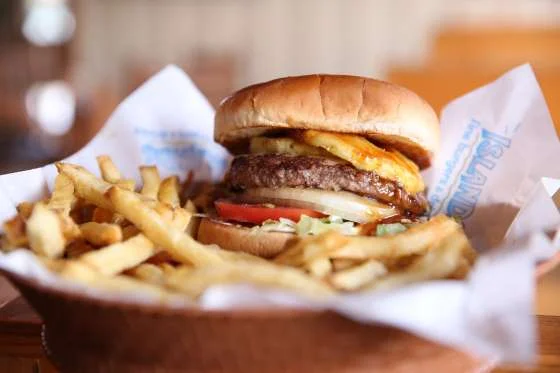
Picture Credit: MSN.com - What can you give up to put a smile on your personal trainer's face? I guess that fast food will always be on that list :)
ABOUT THE AUTHOR: MICHAEL MOODY, PERSONAL TRAINER
As an author, a personal trainer in Denver, and podcast host, Michael Moody has helped personal training clients achieve new fitness heights and incredible weight loss transformations since 2005. He also produces the wellness podcast "The Elements of Being" and has been featured on NBC, WGN Radio, and PBS.
Michael offers personal training to Denver residents who want to meet at the 2460 W 26th Ave studio….or in their homes throughout LoHi (80206), LoDo (80202), RiNo (80216), Washington Park (80209), Cherry Creek (80206, 80209, 80243, 80246, 80231), and Highlands (80202, 80211, 80212). Michael also offers experiences with a personal trainer in Jefferson Park (80211) and Sloan's Lake (80204, 80212).
If you’re looking for a personal trainer who can curate a sustainable (and adaptable) routine based on your needs and wants, Michael is the experienced practitioner you’ve been looking for. Try personal training for a month…your body will thank you!

"5 Bad Things about Detoxing You Don't Know" Review
Introduction
What's the best detox for weight loss or a healthy lifestyle? You might be surprised by the simple answer. The recent article "5 Bad Things about Detoxing You Don't Know" on MSN.com does a great job of telling you the truth about detoxing.
1. THINK TWICE BEFORE YOU DECIDE TO GO ON A CLEANSING DIET
Most people have already failed at keeping up with the New Year’s resolutions they made on January 1 and are thinking of coming up with new ones. Detoxing has been a popular diet over the last several years. Whether it’s a fad or a trend is early to say, but one constant factor is the lack of scientific evidence supporting them.
Many toxins are used to grow the food we eat, so we consume the harmful chemicals all the time. Even the air we breathe has too many. The liver and kidneys naturally get rid of them every time you sweat or go to the bathroom. This has been the case for thousands of years. So why do people need to do more? They don’t. Cleaning up your diet instead will do just fine.
The basic principle of cleansing is not eating foods or drink beverages that contain toxins. That list can be endless. The goal is to “purify” the body but, again, it does that on its own.2. LIVER
Science is not conclusive whether detox is good for you. There is no definitive proof that such diets help the body eliminate toxins faster. Tempting arguments exist on both sides. There is research, however, that shows certain foods to be good for improving your liver.
Studies have indicated that the liver is among the most important organs in the body that regulates and stores vital proteins and nutrients needed to purify (here is that word again) and clear the organism of harmful chemicals. A healthy liver doesn’t store toxins; it transforms them into water-soluble substances that leave your body in the form of sweat, urine and excrements.3. COLON
Detoxing also targets the colon. These diets are not necessary at all. Georgetown University reviewed several studies and concluded that, medically, colon detoxing regiments are not justified. Moreover, they have certain common side effects which include nausea, abdominal pain and lack of electrolytes, which you need so the body can regulate water retention, pH levels, muscle function, and many other body tasks.
4. STARVING
Many detoxing diets basically require you not to eat anything or to have some juices and herbal supplements. Your body needs about 2,000 calories a day to function properly. It must have its vitamins, minerals and other nutrients to keep you healthy so you don’t gain weight, get constipated or sick, lose your energy...Anything less than that puts it in stress mode.
5. TEENAGERS
You are likely not going to find nutritionists who will recommend to a teen to get on a cleansing diet – even if they have not definitively taken a pro- or con-detox stance yet. Young people, but especially those between 13 and 20, need a lot of “healthy” calories and nutrients to give it energy to grow and develop physically (and mentally). Significantly depriving the body of them will have negative consequences.
6. DEPENDENCE
You probably never thought that plastic surgery or exercising can get addictive. Detoxing falls in this category as well. Some people get “high” from feeling hungry just like smokers feel satisfied and happy when they light a cigarette after a meal. Eating disorders usually follow after that.
The bottom line is that you can “purify” your body by treating it right. Stop eating junk food and replace it with healthy snacks, fish and lean meat. Add vegetables as sides to your meals and fruits to your smoothies. Drink more water and stay away from sugary drinks. These choices will do you a lot more good than a hundred detoxing diets put together.
Does this article make you think twice about detoxing?
Picture Credit: MSN.com - Do we really need to go on a crazy liquid diet to truly detox?
ABOUT THE AUTHOR: MICHAEL MOODY, PERSONAL TRAINER
As an author, a personal trainer in Denver, and podcast host, Michael Moody has helped personal training clients achieve new fitness heights and incredible weight loss transformations since 2005. He also produces the wellness podcast "The Elements of Being" and has been featured on NBC, WGN Radio, and PBS.
Michael offers personal training to Denver residents who want to meet at the 2460 W 26th Ave studio….or in their homes throughout LoHi (80206), LoDo (80202), RiNo (80216), Washington Park (80209), Cherry Creek (80206, 80209, 80243, 80246, 80231), and Highlands (80202, 80211, 80212). Michael also offers experiences with a personal trainer in Jefferson Park (80211) and Sloan's Lake (80204, 80212).
If you’re looking for a personal trainer who can curate a sustainable (and adaptable) routine based on your needs and wants, Michael is the experienced practitioner you’ve been looking for. Try personal training for a month…your body will thank you!
"The #1 Worst Menu Option at 40 Popular Restaurants" Review
Introduction
When I thought I couldn't be shocked by another list of ridiculously unhealthy, weight-gaining, belly-popping menu items, I came across the recent article "The #1 Worst Menu Option at 40 Popular Restaurants" on MSN.com. How these dishes are served anywhere astounds me.
Let the drums roll.....Here's your new list of 10 menu options proven to help you GAIN WEIGHT:
1. APPLEBEE’S
Hand-Battered Fish & Chips:
1,490 calories, 100 g fat, 17 g saturated fat, 1 g trans fat, 1,920 mg sodium, 104 g carbs, 10 g fiber, 9 g sugar, 45 g protein
Attack of the beige! Whenever your dinner is monochromatic (in this case, the off-brown hue of deep-fried junk), you know you’re in trouble. Choosing a dish like this is easily one of the 40 Bad Habits That Make You Sick and Fat. Don’t blame the fish—the seafood is packed with lean, muscle-building protein and heart-healthy fats. No, the trouble here, lies with a massively unbalanced fish-to-fat ratio. A coating of crispy batter and a heaping pile of deep-fried potatoes is no way to treat the golden child of nutrition. When it comes to seafood, always abandon ship on fried fish and opt for grilled instead.2. BOB EVANS
Country-Fried Steak & Eggs With Sausage, Grits, Bread:
2,260 calories, 115 g fat, 39 g saturated fat, 1 g trans fat, 3,640 mg sodium, 268 g carbs, 10 g fiber, 114 g sugar, 51 protein
What has more than a day’s worth of calories and salt and more sugar than seven Snicker’s Ice Cream Bars? This sneaky diet-derailing dish. Where all that sugar comes from we may never know, but we can tell you this: This is one breakfast that will offer zero benefit to your day. Stay far, far away—especially if you’ve been trying to cleanse your body of junk!3. BONEFISH GRILL
Large Mussels Josephine:
1,698 calories, 120 g fat, 58 g saturated fat, 3 g trans fat, 4,418 mg sodium, 43 g carbs, 2 g fiber, 6 g sugar, 83 g protein
In their purest form, mussels are one of the lowest calorie proteins in the sea. But despite their innocent appearance, these are not your average mussel. After the chefs at Bonefish doused these guys in a fatty lemon wine sauce, the appetizer became your body’s worst nightmare, serving up more than a day’s worth of trans fat! But that’s not all: Even if you split the entire lot with a friend, you’d still take in nearly an entire day’s worth of salt—and that’s before your entree even arrives! There are much smarter ways to spend your spare cash.4. BUFFALO WILD WINGS
Large Boneless Wings:
2,580 calories, 172 g fat, 53 g saturated fat, 3.5 g trans fat, 10,490 mg, 147 g carbs, 7 g fiber, 27 g sugar, 100 g protein
Each wing on this platter packs 107 calories, 7 grams of fat and a shameful 1,049 milligrams of salt. That means if you eat just two wings before your dinner arrives you’ll have taken in a third of the day’s fat and just under a day’s worth of blood-pressure-spiking sodium! And let’s be honest, who really stops after just two? Wings may be tasty, but there are far better ways to spend your salt allowance than on two tiny pieces of chicken.5. CALIFORNIA PIZZA KITCHEN
Thin Crust Meat Cravers Pizza:
1,590 calories, 76 g fat, 32 g saturated fat, 0 g trans fat, 4,620 mg sodium, 132 g carbs, 8 g sugar, 5 g fiber, 94 g protein
You had to have known that anything with the phrase “meat cravers” in the title wasn’t going to be healthy—but we bet you didn’t realize that it would have more salt than 33 slices of bacon and more carbs than what you’d get in eight slices of white bread. If you ate just one of these pies a month, you’d take in enough calories to gain 5 1/2 pounds in a year. Scary stuff, right?6. CARRABBA'S
Cavatappi Franco with Whole Grain Spaghetti:
1,214 calories, 74 g fat, 18 g saturated fat, 0 g trans fat, 2,192 mg sodium, 87 g carbs, 17 g fiber, 2 g sugar, 49 g protein
Grilled chicken! Mushrooms! Sun-dried tomatoes! Broccoli! Oh and let’s not forget that whole grain spaghetti! When you read the list of the ingredients that goes into this dish, it’s hard to imagine it would be such a nutritional nightmare. But this is the restaurant industry we’re talking about here. Would you expect anything less? If you order the dish as pictured above with the tube shaped pasta, you’ll actually save 191 calories and 26 grams of fat. Sub in the healthier sounding whole wheat variety, and you’re actually far worse-off. No, we don’t get it, either—and yes, we double-checked the math. Just keep things simple and steer clear of both versions of this preposterous plate of pasta.7. CHEESECAKE FACTORY
Pasta Carbonara with Chicken:
2,291 calories, N/A fat, 81 saturated fat, N/A trans fat, 1,628 sodium,144 carbs, N/A fiber, N/A sugar, N/A protein
We give the Cheesecake Factory props for rolling out some lighter options as of late, but its menu is still home to some of the most caloric fare in the nation. What’s worse, the Factory insists on keeping its nutritional info under lock and key. When it comes to the question, “Are you trying to hide something?” the answer for this restaurant is “Yes. A million times yes.” This creamy pasta dish, topped with peas, bacon, and chicken, has more than a day’s worth of calories and more saturated fat than 50 eggs! And that’s just according to the nutrition data we could actually get our hands on. The Factory refused to dole out the latest stats when we asked. Take it from us: Shady business is never good news for your body.8. CHILI’S
Beef Bacon Ranch Quesadilla:
1,800 calories, 135 g fat, 46 g saturated fat, 0.5 g trans fat, 3,980 mg sodium, 68 g carbs, 5 g fiber, 10 g sugar, 80 g protein
With nearly a day’s worth of calories and more fat than 10 hot dogs, this southwestern inspired steak and bacon stuffed quesadilla will pop the button right off of your skinny jeans! Even if you shared it with a friend, you’d be taking in 2.8 times the American Heart Association’s recommended daily intake of saturated fat. Make it a rule to avoid anything with the word quesadilla in the title when you’re at Chili’s (yes, even the salads) none of the options have less than 1,400 calories per serving—not what you should be eating if your goal is to lose belly fat.9. DENNY’S
Slow-Cooked Slow-Cooked Pot Roast:
1,390 calories, 37 g fat, 19 g saturated fat, 1 g trans fat, 4,710 mg sodium, 166 g carbs, 13 g fiber, 12 g sugar, 65 g protein
With nearly two days of salt and half the day’s trans fat, this meal for one should really be split into thirds or quarters. Eat at your own risk!10. FRIENDLY’S
Clamstrips Platter:
1,720 calories, 103 g fat, 16 g saturated fat, 100 mg sodium, 3,340 mg sodium, 171 g carbs, 11 g fiber, 19 g sugar, 28 g protein
Unless you’re stocking up to hibernate for winter, there’s no reason to ever order a menu item that contain the word “platter.” More often than not it’s code for “way too many calories, carbs, and fat.” Don’t believe it? Consider this: This bland bowl of beige serves up more carbs than 19 chocolate chip cookies and more calories than 122 small clams.
What other foods do you think we should avoid?
Picture Credit: Eat This, Not That! - As a personal trainer, I know that it isn't realistic to eat healthy all the time. Should we ever eat anything with 135 grams of fat, though?
ABOUT THE AUTHOR: MICHAEL MOODY, PERSONAL TRAINER
As an author, a personal trainer in Denver, and podcast host, Michael Moody has helped personal training clients achieve new fitness heights and incredible weight loss transformations since 2005. He also produces the wellness podcast "The Elements of Being" and has been featured on NBC, WGN Radio, and PBS.
Michael offers personal training to Denver residents who want to meet at the 2460 W 26th Ave studio….or in their homes throughout LoHi (80206), LoDo (80202), RiNo (80216), Washington Park (80209), Cherry Creek (80206, 80209, 80243, 80246, 80231), and Highlands (80202, 80211, 80212). Michael also offers experiences with a personal trainer in Jefferson Park (80211) and Sloan's Lake (80204, 80212).
If you’re looking for a personal trainer who can curate a sustainable (and adaptable) routine based on your needs and wants, Michael is the experienced practitioner you’ve been looking for. Try personal training for a month…your body will thank you!

5 Ways to Change Your Life in February
Introduction
Every change begins with a shift in mindset....and you might be surprised where that starts. Recently, my friend Max shared a project he's completing in his MBA program at Notre Dame. Considering the new year is a new start, you should try it too! Starting today, track the following activities in a journal during February (I am!):
EVERY DAY:
- List three things you are grateful for
- List one positive experience
- Meditate for 10 minutes (Use the free phone app "Calm" or "Headspace" for help with this)
4-6 DAYS PER WEEK:
- Exercise for at least 20 minutes at medium/high intensity: Meet with a personal trainer, walk on a stairmaster, go hiking in Colorado, learn salsa, etc.
EVERY 3 DAYS:
- Perform one random act of kindness: Open the door or buy a coffee for someone you don't know, go out of your way to offer a compliment, etc.
Our lives are overwhelmed with negativity. This project could be the catalyst you need to have the most positive perspective on yourself and the world around you. Before you know it, you'll begin looking for the "positive" in your daily life instead of the imperfections.
OTHER INSPIRATION:
Excerpt from the book Redefine Yourself: Define Your Purpose
Your Top 3 New Years Resolutions
Share this post with others to help me create a positive environment for the two of us and everyone we know!
Picture Credit: fitness.purzuit.com - Will you hold yourself up to a new level of strength in February?
ABOUT THE AUTHOR: MICHAEL MOODY, PERSONAL TRAINER
As an author, a personal trainer in Denver, and podcast host, Michael Moody has helped personal training clients achieve new fitness heights and incredible weight loss transformations since 2005. He also produces the wellness podcast "The Elements of Being" and has been featured on NBC, WGN Radio, and PBS.
Michael offers personal training to Denver residents who want to meet at the 2460 W 26th Ave studio….or in their homes throughout LoHi (80206), LoDo (80202), RiNo (80216), Washington Park (80209), Cherry Creek (80206, 80209, 80243, 80246, 80231), and Highlands (80202, 80211, 80212). Michael also offers experiences with a personal trainer in Jefferson Park (80211) and Sloan's Lake (80204, 80212).
If you’re looking for a personal trainer who can curate a sustainable (and adaptable) routine based on your needs and wants, Michael is the experienced practitioner you’ve been looking for. Try personal training for a month…your body will thank you!

"What Are THE MOST Nutritious Foods?" Review
Introduction
It's the start of a new year, and you're overwhelmed with endless weight loss information about what to eat. How do you know what's credible? Check out this recent article, "What Are THE MOST Nutritious Foods?" from Livestong.com. It'll provide the foundation for your weight loss grocery list.
According to a Consumer Reports survey, 90 percent of Americans polled said they believed that they consumed a diet that was at least "somewhat" healthy.
But are we really eating healthy?
Unfortunately, it doesn't sound that way. Another report published in 2011 (based on data from national food-consumption surveys), found that 90 percent of Americans are NOT getting the essential nutrients we need to stay healthy. According to this report, the 11 nutrients we are falling short on include: potassium, fiber, vitamin D, calcium, vitamin A, vitamin B-6, vitamin B-12, zinc, folate, magnesium and iron.
So, what is it that we’re doing wrong?
Americans' shortages in these key nutrients are attributed to the fact that we aren’t eating enough of the foods that supply these vitamins and minerals.
If I asked you what the most nutritious foods were, what would you guess?
The answer is probably easier than you think. Remember back to when your mom told you to "Eat your vegetables"? Well, she was right.
Vegetables and fruits are the most nutrient-dense foods you can find (followed by legumes/beans, nuts and seeds, and then whole grains).
If your mom was always prodding you to “eat your spinach and Brussels sprouts,” she was really on to something!THE MOST NUTRIENT-DENSE FOODS ARE ALL GREEN VEGETABLES:
* Bok choy
* Watercress
* Kale
* Collard greens
* Mustard greens
* Swiss chard
* Spinach
* Arugula
* Romaine lettuce
* Brussels sprouts
* Broccoli
These foods rank at the very top when using the Aggregate Nutrient Density (ANDI) score that ranks the whole foods rated by highest nutrients per calorie as described by Dr. Joel Fuhrman in his books “Eat For Health” and “Eat Right America Nutritarian Handbook.” (Dr. Fuhrman defines a “nutritarian” as “a person who bases food choices on maximizing the micronutrients per calorie.”) Whole Foods grocery stores adopted the ANDI system.
ANDI scores are calculated by evaluating an extensive range of micronutrients, including vitamins, minerals, beneficial phytochemicals (angiogenesis inhibitors, organosulfides, isothiocyanates, and aromatase inhibitors) and antioxidant capacities.
Did your mom try to get you to eat kale, watercress or arugula when you were little? Mine did not, and I’m pretty sure those greens were not on many people’s radar in the 1970s or 1980s. Today, you’re likely to find kale and arugula as tasty salad options at most restaurants.NEXT ON THE SCALE OF NUTRIENT DENSITY, GREEN LEAFY VEGETABLES ARE FOLLOWED BY NON-GREEN VEGETABLES:
* Carrots
* Cauliflower
* Bell peppers
* Asparagus
* Mushrooms
* Tomatoes
* Sweet potatoesFRUITS THAT ARE HIGH ON THE NUTRIENT-DENSITY LIST ARE:
* Strawberries
* Blackberries
* Plums
* Raspberries
* Blueberries
* Grapes
* Pomegranates
* Cantaloupe
* Papaya
* Oranges
OK, so what should we do to fix our nutrition and health issues?
We have to start eating foods with a bigger nutritional bang, rather than processed junk. For example, you could eat about 20 corn chips for 176 calories, 8 grams of fat, 24 grams of carbs, 3 grams of protein, 1 percent of vitamin A, 0 percent of vitamin C, 6 percent of calcium and 5 percent of iron.
Or, you can choose to eat 3 cups of raw kale for 100 calories, 1 gram of fat, 20 grams of carbs, 7 grams of protein (more than double the protein in the 20 chips!) plus 618 percent of vitamin A, 402 percent of vitamin C, 27 percent of calcium and 19 percent of iron. Now it makes sense why your friends are snacking on kale chips, right?
As Michael Pollan wrote in “In Defense of Food” in 2009: “Eat food. Not too much. Mostly plants.” It makes sense when you look at ANDI scores because eggs, low-fat dairy and meats such as chicken and lean beef rank lower in nutrient density than plant-derived onions, sunflower seeds, kidney beans and oatmeal.
White bread and corn chips rank lower than eggs, meats, and low-fat dairy products in nutrient density.
If you’re one of those people who reaches for corn chips, crackers or vanilla ice cream at night, be aware that these foods rank very, very low on the list of nutrient-rich foods. They are just a small step above soda, which is at the bottom of the list.
Which of these foods will you add to your grocery list?
Picture Credit: LIVESTRONG.com - It's time to add more color to your weight loss table. Does your table look like this one?
ABOUT THE AUTHOR: MICHAEL MOODY, PERSONAL TRAINER
As an author, a personal trainer in Denver, and podcast host, Michael Moody has helped personal training clients achieve new fitness heights and incredible weight loss transformations since 2005. He also produces the wellness podcast "The Elements of Being" and has been featured on NBC, WGN Radio, and PBS.
Michael offers personal training to Denver residents who want to meet at the 2460 W 26th Ave studio….or in their homes throughout LoHi (80206), LoDo (80202), RiNo (80216), Washington Park (80209), Cherry Creek (80206, 80209, 80243, 80246, 80231), and Highlands (80202, 80211, 80212). Michael also offers experiences with a personal trainer in Jefferson Park (80211) and Sloan's Lake (80204, 80212).
If you’re looking for a personal trainer who can curate a sustainable (and adaptable) routine based on your needs and wants, Michael is the experienced practitioner you’ve been looking for. Try personal training for a month…your body will thank you!

"10 Secrets to Lose 25 Pounds Now" Review
Introduction
There are a lot of weight loss tricks in the book but stick to the ones that will lead to sustainable, long-term success. I chose the 8 most valuable from the recent article by Pamela Bede of Runner's World (10 Secrets to Lose 25 Pounds Now)....which ironically doesn't suggest running a marathon every day (good news, right?).
If you're still struggling to lose weight, slowly integrate 1 new strategy every 2 days until you've checked them all off.
1. DO SOME DETECTIVE WORK
Take some time to identify the most likely culprits of the unwanted weight. Are fried or sugary foods too tough to resist? Is it hard to avoid noshing whenever free food is within arm’s reach? Are you too tired and busy to shop and cook healthy meals? Or do emotions—like boredom, anxiety, nervousness, depression, and joy—send you straight to the fridge?
For most people, a wide variety of factors lead them to pack on unwanted pounds. The answers can lead you to your best first steps. If intense emotions are driving you to eat, identify alternate routes that will offer relief without derailing your weight-loss goals. You might reach out to a friend, get more sleep, sink into the distraction of a good book or movie.2. GET MOVING
It’s difficult to lose weight by just cutting calories. Research shows that reducing calorie intake through diet and exercise is the most effective way to shed unwanted pounds and keep them off. It’s ideal to develop a regular exercise routine of three to four times a week.
But also try to incorporate more activity whenever you can. Take the long way to the restroom, take the stairs rather than the elevator, park your car as far as you can from the front door. Set a timer to chime every hour so that you get up from your seat. Even standing rather than sitting at your desk will help. Studies have shown that standing at your desk during an eight-hour workday will burn 163 more calories than if you were sitting.3. PLAN AHEAD
Everyone has their weak moments—situations where they find it tough to make healthy choices. Make a list of those occasions and settings where your diet tends to take a detour. No healthy lunch options at work? Pack your own. Devour everything in the fridge in the 10 anxious minutes after you walk in from work? Snack on the way home, and have a pre-cooked dinner that you can reheat right when you get home.
If you go off the rails late at night, once the kids are in bed and you have a chance to decompress, think of another activity far from the kitchen that helps you relax. Try a book, a shower, a call to a friend, a hot bath, a fun movie. Hate to cook or don’t have time for it? Get a book or order premade foods or convenient healthy foods.4. FILL UP ON FRUITS AND VEGGIES
You can eat large portions without loading up on calories—as long as you’re eating fruits and vegetables. Compared with other foods, produce is low in calories and high on nutrients, fiber, and water, all of which will help you lose weight without being hungry. Fill half your plate at every meal with fruits and vegetables. Fill the other half with whole grains and lean protein—lean cuts of meat, beans, tofu, or low-fat dairy—to keep you feeling fuller for longer.
5. DON’T DRINK YOUR CALORIES
Stick to calorie-free beverages like water or hot tea. A 20-ounce soda can pack 240 calories and 65 grams of sugar. Even a grande hot chocolate with fat-free milk has 360 calories. Add whipped cream, and you have an entire meal’s worth of calories before you’ve taken your first bite. If you love specialty drinks, choose a smaller size with fat-free or low-fat milk and skip the whipped cream and syrups. (Plus, just drinking more water might help you lose weight.)
6. DON’T DO ANYTHING DRASTIC
It’s hard to feel bad about your body or have a burning desire to be thinner. Everyone wants to get thin now. But crash diets that promise to help you do that—by limiting you to a small group of foods, drastically reducing your calorie intake, or requiring you to buy certain engineered foods, won’t work. Even if you lose weight fast, you’ll likely regain the weight and then some. If you want the weight loss to last for life, you need to make changes that you can sustain for life.
7. KEEP TRACK
Studies show that people who track the calories they consume lose weight and keep it off more than those who don’t. And there’s good reason. When you have to track your calories, you see the sources of empty calories that are low on nutrients. In order to accurately track calories, you have to measure out portions—another practice that’s proven to aid weight loss.
8. JUST PRACTICE; DON’T TRY TO BE PERFECT
Realize that it’s okay to indulge on occasion; one extra treat will not doom your dieting efforts. Everyone goes overboard from time to time. When you do, try not to wallow in guilt or anxiety about it. You can’t control the past, all you can control is the choice you can make right now. Work in enough foods that feel like rewards on a regular basis so that you don’t feel deprived and primed to binge on a regular basis. Remember, it takes time, effort, and practice to form new healthy eating habits.
What other strategies have you used to lose weight?
Picture Credit: motherearthliving.com - You probably need a little pop in your weight loss approach...and it's probably not what you typically order.
ABOUT THE AUTHOR: MICHAEL MOODY, PERSONAL TRAINER
As an author, a personal trainer in Denver, and podcast host, Michael Moody has helped personal training clients achieve new fitness heights and incredible weight loss transformations since 2005. He also produces the wellness podcast "The Elements of Being" and has been featured on NBC, WGN Radio, and PBS.
Michael offers personal training to Denver residents who want to meet at the 2460 W 26th Ave studio….or in their homes throughout LoHi (80206), LoDo (80202), RiNo (80216), Washington Park (80209), Cherry Creek (80206, 80209, 80243, 80246, 80231), and Highlands (80202, 80211, 80212). Michael also offers experiences with a personal trainer in Jefferson Park (80211) and Sloan's Lake (80204, 80212).
If you’re looking for a personal trainer who can curate a sustainable (and adaptable) routine based on your needs and wants, Michael is the experienced practitioner you’ve been looking for. Try personal training for a month…your body will thank you!
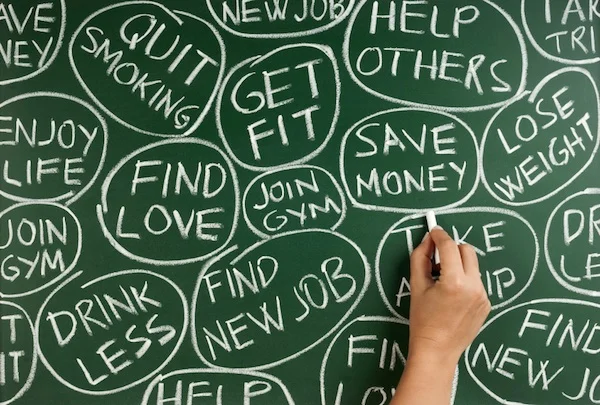
The 1 Thing You Must Do in 2016
It's January 7th and it's hard to believe that we're already one week into the new year. Thank you, El Nino, for making us think it's spring until last week!!! While most people think New Year's Eve is overrated (argument understood), it's always a pivotal time in my year. It's my chance to start fresh. While I'm always grateful for my professional and personal lives, I always look forward to reflecting on the year and setting new goals to create a "better self".
While writing my book Redefine Yourself last year, my bedroom wall was covered with sticky notes of research (luckily Sammy didn't mind). Not only did this approach help me organize my thoughts, but it also provided the daily direction and reminders I needed to reach this goal.
Nearly a year later, the sticky notes have moved to my closet. Now, they state my personal and business goals for 2016. I see these reminders every day, and I do my best consciously (and unconsciously) to live in line with them.
I'm not sure what your focus is for the new year yet...or even if you take the time every year to reflect on one (or many) as I do. Just know that life isn't a steady stream that allows us to sit on a boat comfortably and watch it pass by (we might be bored after awhile, anyways). It requires us to remind, reenergize, reboot, redo, relearn, and repeat.
It seems like we need to do this at least every three months. The beginning of a new year is different, though. It's your time to look at your "big picture goal" and to reflect and adapt. Find new hope. You can make this as big or as small as you want. Start this process early, though. Start thinking about how 2016 will look like for you and what you want for yourself right now.
You don't need to do it yourself. Read self-help or self-improvement books. Ask friends for support. Hire a personal trainer. Talk to your doctor.
Please keep in mind that I'm not asking you to turn your life upside down or change every little approach. We don't need to brush our teeth hanging upside down or with our foot because we're bored. If it works the "normal" way, why change it (same applies to exercise). If there's something we can do to enhance your life, though, don't settle. Let's take a leap together and see what we can create.
Picture Credit: mountaingoatsoftware.com - What are your goals for a new year?
Other Related Content: Self Improvement from SelfGrowth.com- - SelfGrowth.com is the most complete guide to information about Self Improvement on the Internet.
DENVER PERSONAL TRAINING STUDIO
Michael offers personal training to Denver residents who want to meet at the 2460 W 26th Ave studio….or in their homes throughout LoHi (80206), LoDo (80202), RiNo (80216), Washington Park (80209), Cherry Creek (80206, 80209, 80243, 80246, 80231), Highlands (80202, 80211, 80212), and Capitol Hill (80203, 80218). Michael also offers experiences with a personal trainer in Cheesman Park (80218, 80206), Jefferson Park (80211), and Sloan's Lake (80204, 80212).
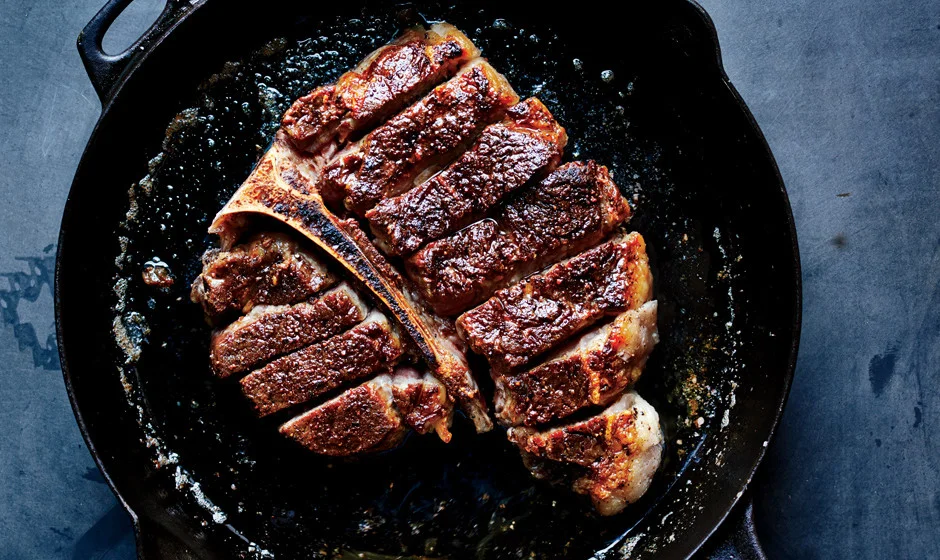
The 68 Best Ways to Lose Body Fat and More
Are you combing through endless articles looking for new ways to lose body fat or redefine your life? Once again, I've compiled a master list of tips on how to lose weight, achieve peak fitness, cook healthy, minimize stress, and more. Considering the number of articles, I did my best to categorize them in an approachable way. Please bookmark and share the list below with anyone who wants to change their life and finally see a difference in their health and lifestyle.
Tip: Skim through this list and find the headlines that are most relevant to your current goals and interests. Read a new set each day.
************************************************
Weight Loss
*********************************
*********************************
*********************************
*********************************
*********************************
*********************************
************************************************
Why You're Not Losing Weight
*********************************
*********************************
*********************************
************************************************
Weight Loss Recipes
*********************************
Weight Loss Quick Supper: Cajun Almond Crusted Chicken with Asparagus and White Beans
Weight Loss Recipe: Almond Crusted Mahi with Brussels Sprouts and Roasted Garlic Potatoes
*********************************
*********************************
************************************************
Healthy Food Choices
*********************************
*********************************
************************************************
Fitness and Your Body
The 15 Most Common Mistakes Personal Trainers See in the Gym
An exercise scientist told us 4 big things people get wrong about working out and weight loss
This simple addition to your bedtime routine could make a huge difference in your sleep
*********************************
*********************************
*********************************
************************************************
Creating the Life Your Want, Goals, Travel, and More!
*********************************
************************************************
Photo Credit: Will meat help you lose weight? Read the health and fitness tips above to find out.
DENVER PERSONAL TRAINING STUDIO
Michael offers personal training to Denver residents who want to meet at the 2460 W 26th Ave studio….or in their homes throughout LoHi (80206), LoDo (80202), RiNo (80216), Washington Park (80209), Cherry Creek (80206, 80209, 80243, 80246, 80231), Highlands (80202, 80211, 80212), and Capitol Hill (80203, 80218). Michael also offers experiences with a personal trainer in Cheesman Park (80218, 80206), Jefferson Park (80211), and Sloan's Lake (80204, 80212).
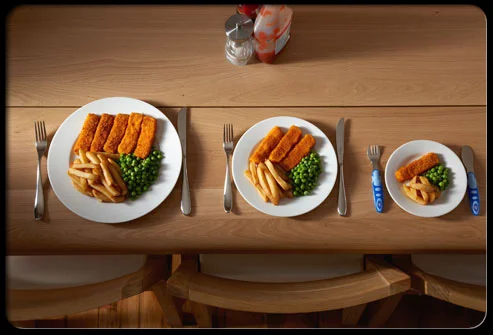
"The 50 Best Weight-Loss Tips From 2015" Review
The great year of 2015 is coming to a close and you have most likely overwhelmed yourself with endless weight loss and fitness tips. What are the best suggestions on how to lose weight from this year? Check out the 10 tips I pulled from the Eat This, Eat That article "The 50 Best Weight-Loss Tips From 2015". 2016 is a brand new year. Maybe it's time to start new habits:
1. STOP THE SHAME GAME
2. EAT MORE CONSCIOUSLY
3. GET SMALLER PLATES
4. BUY A FRUIT BOWL
5. BE BORING
6. BLEND A PLANT-BASED SMOOTHIE
7. EAT THE YOLK
8. USE THE HALF-PLATE RULE
9. TAP INTO YOUR EMOTIONS
10. SPREAD OUT YOUR PROTEIN
What other weight loss tips helped you in 2015?
Picture Credit: © thehealthyhavenblog.com - The size of the plate will clearly determine the amount of food that you grab. Switch to a smaller plate today.
DENVER PERSONAL TRAINING STUDIO
Michael offers personal training to Denver residents who want to meet at the 2460 W 26th Ave studio….or in their homes throughout LoHi (80206), LoDo (80202), RiNo (80216), Washington Park (80209), Cherry Creek (80206, 80209, 80243, 80246, 80231), Highlands (80202, 80211, 80212), and Capitol Hill (80203, 80218). Michael also offers experiences with a personal trainer in Cheesman Park (80218, 80206), Jefferson Park (80211), and Sloan's Lake (80204, 80212).

"The 30 Best Breakfast Habits to Drop 5 Pounds" Review
If you want to lose weight in the new year, there's no better way to start than the beginning of every day!
I've dissected the Eat This, Eat That article: "The 30 Best Breakfast Habits to Drop 5 Pounds" article. Of this list, I've chosen the top 9 you should most definitely integrate into your morning habits:
1. PREPARE BREAKFAST THE NIGHT BEFORE
2. AND THEN GET A GOOD NIGHT’S SLEEP
3. CATCH THE WORM
4. GIVE YOUR ALARM A LABEL
5. DRINK A GLASS OF WATER
6. USE THE SCALE
7. MEDITATE
8. GET DRESSED FOR BREAKFAST
9. CHUCK OUT YOUR SUGARY CEREALS
What other breakfast habits help you lose weight?
Picture Credit: © money.cnn.com - You'll be lucky to lose weight while eating this cereal (or any) every morning.
DENVER PERSONAL TRAINING STUDIO
Michael offers personal training to Denver residents who want to meet at the 2460 W 26th Ave studio….or in their homes throughout LoHi (80206), LoDo (80202), RiNo (80216), Washington Park (80209), Cherry Creek (80206, 80209, 80243, 80246, 80231), Highlands (80202, 80211, 80212), and Capitol Hill (80203, 80218). Michael also offers experiences with a personal trainer in Cheesman Park (80218, 80206), Jefferson Park (80211), and Sloan's Lake (80204, 80212).
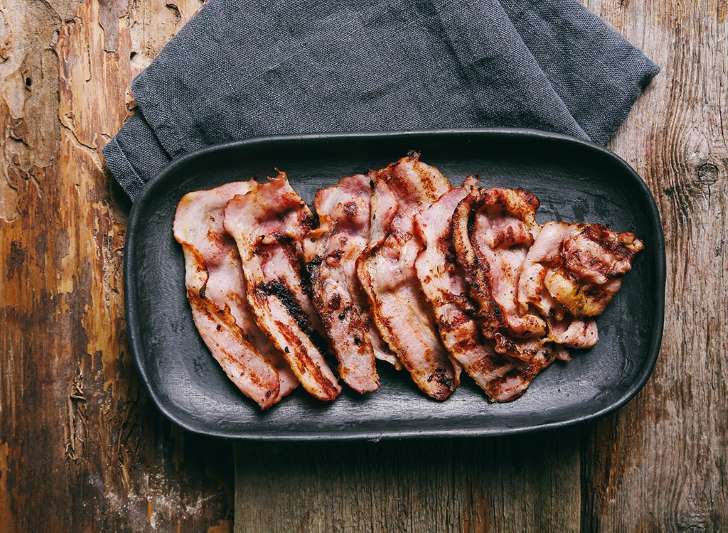
"30 Foods You Should Never Eat After Age 30" Review
Your 30s are a great period of your life....a time of wisdom, experience, and international travel (hopefully!). Despite the fact that you should be celebrating this landmark age range, you should also be aware of your increasing sensitivity to different foods (or at least finally recognize it).
I've dissected the Eat This, Eat That article: "30 Foods You Should Never Eat After Age 30" article. Of this questionable list, I've chosen the top 10 foods you should most definitely minimize (especially if you're health conscious or trying to lose weight):
1. FLAVORED YOGURT
2. CANNED SOUP
3. & 4. POP-TART & BREAKFAST PASTRIES
5. SPECIAL K PROTEIN BARS
6. & 7. DIET MOUNTAIN DEW & FRESCA
8. SUGAR-FREE SNACKS
9. MARGARINE
10. BACON
Can you think of any other foods you shouldn't eat after the age of 30?
Picture Credit: © Provided by Eat This, Not That! - Luckily, Applegate Natural Good Morning Bacon is a halfway decent alternative to feed our pig addiction.
DENVER PERSONAL TRAINING STUDIO
Michael offers personal training to Denver residents who want to meet at the 2460 W 26th Ave studio….or in their homes throughout LoHi (80206), LoDo (80202), RiNo (80216), Washington Park (80209), Cherry Creek (80206, 80209, 80243, 80246, 80231), Highlands (80202, 80211, 80212), and Capitol Hill (80203, 80218). Michael also offers experiences with a personal trainer in Cheesman Park (80218, 80206), Jefferson Park (80211), and Sloan's Lake (80204, 80212).