

Personal Trainer Blog
Fitness | Wellness | Diet Self-Improvement

Health and Fitness at your finger tips
Learn fitness, healthy whole food diets, wellness, and other personal training tips/recipes from Denver's weight loss personal trainer.

Review of "25 Things You Did Today That Sabotaged Your Weight Loss Goals"
Are you having a hard time losing weight while going to the gym or meeting with a personal trainer? You may be undermining your efforts. Check out this list of sabotages that I found in the recent Eat This, Eat That article: "25 Things You Did Today That Sabotaged Your Weight Loss Goals" article. I chose the top 9:
YOU SLEPT IN
YOU DIDN’T WEIGH YOURSELF
COFFEE WAS THE FIRST THING YOU DRANK
YOU WORKED THROUGH LUNCH
YOU BARELY WALKED ANYWHERE
YOU ONLY DID CARDIO
YOU DIDN’T LIFT HEAVY
YOU REWARDED YOURSELF WITH SUGAR
Can you think of any other things that might sabotage your weight loss goals? Picture Credit: Eat This, Not That! - How do you reward yourself after a workout? A cake may not be the answer.
DENVER PERSONAL TRAINING STUDIO
Michael offers personal training to Denver residents who want to meet at the 2460 W 26th Ave studio….or in their homes throughout LoHi (80206), LoDo (80202), RiNo (80216), Washington Park (80209), Cherry Creek (80206, 80209, 80243, 80246, 80231), Highlands (80202, 80211, 80212), and Capitol Hill (80203, 80218). Michael also offers experiences with a personal trainer in Cheesman Park (80218, 80206), Jefferson Park (80211), and Sloan's Lake (80204, 80212).
6 Surprising Foods and Drinks You Should Never Eat Together
Some foods play really well together. Their chemical compounds merge to create a turbo-charged nutritional symbiosis. It's a beautiful and tasty thing. Other foods, however, don't play so nice together—we're talking combos that leave you bloated, send blood sugar levels soaring, and dampen the absorption of important nutrients. Here, six pairings to avoid if you want to feel your best:
1. TEA + MILK
"Black tea is rich in antioxidants that work to decrease inflammation that's linked to many chronic diseases, including heart disease and diabetes," says Rumsey. However, splashing even a little milk (cow or soy) into your cup short-circuits those benefits: "Milk proteins bind to antioxidants in tea and prevent them from being absorbed," she explains.
What's more, milk doesn't even offer a calcium boost in this situation. "The caffeine in tea can decrease calcium absorption," says Rachel Meltzer Warren, RDN, author of The Smart Girl's Guide to Going Vegetarian. "If you really want to add something good to your tea, squeeze some lemon in there instead. It'll actually increase the amount of antioxidants that your body can absorb."
2. WHITE BREAD + JAM
"Simple carbohydrates spike blood sugar the most," says Liz Weinandy, RD, MPH, a dietitian at Ohio State University Wexner Medical Center. Put two or more together—think white bread and jam or soda and French fries—and you've got a recipe for disaster. "Your blood sugar goes up fast, and your body has to work very hard to bring it down by releasing insulin from the pancreas," explains Weinandy. Once that inevitable drop happens, your energy and mood can bottom out, leaving you tired and irritated.
"In the long term, this process can eventually wear the pancreas down and create insulin resistance and diabetes," adds Weinandy. A smarter idea: Swap out those refined carbs for fiber-rich beans or legumes, which help to slow down digestion and keep you off the blood sugar roller coaster.
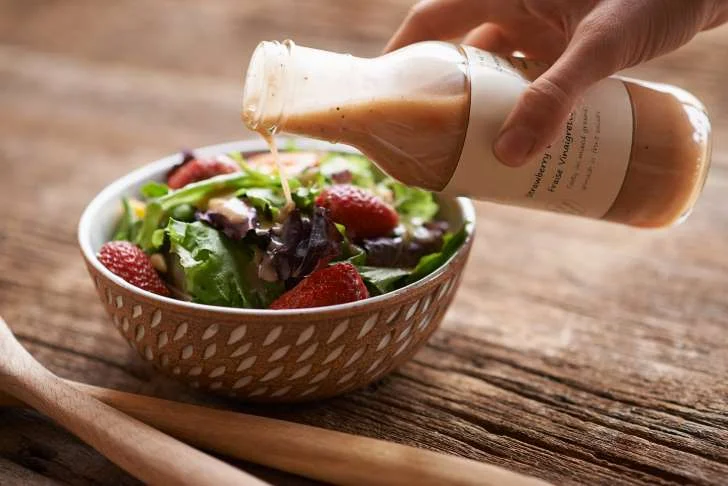
3. SALAD + NONFAT DRESSING
"When you avoid fat on your salad, you put up a roadblock to your absorption of nutrients," says Meltzer Warren. In fact, a study in the American Journal of Clinical Nutrition found that carotenoids—plant pigments linked to a reduced risk of cancer, cardiovascular disease, and macular degeneration—are more readily absorbed when paired with full-fat dressing as opposed to low-fat or fat-free varieties. But you don't need a heavy pour of ranch to reap the benefits—splash greens with olive oil and vinegar and you're good to go.
4. ALCOHOL + CAFFEINE
You know the drill: You're drinking wine at dinner, start to yarn after a few glasses, and perk yourself up with a post-meal cappuccino. Bad idea. Why? The energy boost you get from caffeine can mask intoxication, so you underestimate how drunk you are. The same goes for directly mixing caffeine + booze (think vodka and Red Bull or coffee and Kahlua). Research out of Wake Forest University School of Medicine found that people who combine caffeine and alcohol are at a greater risk of being in an accident than those who steer clear of the combo.
5. LENTILS + RED WINE
Red wines contain compounds called tannins. When tannins intermingle with plant-based sources of iron, like those found in lentils and soybeans, it seriously hinders your body's ability to absorb the mineral. This issue is particularly relevant to vegans and vegetarians, notes Rumsey: "Plant-based iron is already more difficult to absorb than meat-based iron," she says. "Add tannins to the mix and it's that much harder to get the iron you need."
6. BURGERS + BEER
"Both are processed by the liver, and your body naturally prioritizes breaking down the alcohol first, since it recognizes alcohol as a toxin," says Rumsey. This leaves fat floating in your blood stream, where it can then be stored in fat tissue. Moreover, you'll feel especially gross afterward. "Fat causes food to digest more slowly, which is why a high-fat meal can leave you feeling stuffed and bloated long after you eat it," says Rumsey.
Picture Credit: MSN.com/© istock/getty images
DENVER PERSONAL TRAINING STUDIO
Michael offers personal training to Denver residents who want to meet at the 2460 W 26th Ave studio….or in their homes throughout LoHi (80206), LoDo (80202), RiNo (80216), Washington Park (80209), Cherry Creek (80206, 80209, 80243, 80246, 80231), Highlands (80202, 80211, 80212), and Capitol Hill (80203, 80218). Michael also offers experiences with a personal trainer in Cheesman Park (80218, 80206), Jefferson Park (80211), and Sloan's Lake (80204, 80212).

The Simple Trick for Finding Joy Amid Holiday Chaos
While writing my self-improvement book Redefine Yourself: The Simple Guide to Happiness, my bedroom wall was covered with sticky notes of research. Not only did this approach help me organize my thoughts, it also provided the daily direction and reminders I needed to reach this goal.
Nearly a year later, the sticky notes have moved to my closet. Now, they state my personal and business goals for 2016. I see these reminders every day and I do my best consciously (and unconsciously) to live in line with them. While I recommend that you do the same, heed this author's advice and add self-care sticky notes too-you deserve it.
*******
Create a ‘well-being wall’ and your sanity – and loved ones – will benefit.
If there's one thing I need to be my best self, it's a good night's sleep. For my husband, it's a biking session before work. For my friend Beth, it's 15 minutes of yoga. For Serena, it's a quiet bath. We all have at least one baseline self-care need that allows us to function at our most energetic, our most joyful, our best.
But during the holiday chaos, why should we even try to make time for ourselves when we have so much to do for everyone else?
The answer is simple: When we make sure to meet our own basic self-care needs, we fuel ourselves to take care of the daily tasks that make up our busy days – and still have time to care for our loved ones and friends.
Of course, practicing self-care can be easier said than done. But my simple trick – what I call a "well-being wall" – can help. The wall is a dedicated space where you'll put a sticky note every day about the small act of self-care you plan to do or you want to celebrate having done. This wall will blossom with these small acts, helping you document your efforts to cultivate well-being – even amidst the chaos of the holidays. With the wall, you don't have to wait until after the holidays to relax and experience well-being. Here's how to get started right now:
1. SCOUT OUT SPACE.
Find a space in your house that you see every day where you can post sticky notes. It can be a blank wall in your family room, a door to your office, by your bedside table, your bathroom mirror or on your refrigerator. If need be, ask family members to help identify the right spot, and invite them to participate too!
2. IDENTIFY FEEL-GOOD ACTIVITIES.
Think of one, two or three small things you can do for yourself that bring you a feeling of well-being or joy. Sleep 15 minutes longer one morning. Take a 10-minute walk any time during the day. Read a book for five minutes. Sign up for a personal training session. Call a friend. Watch one funny YouTube video. Play with your dog. The list goes on.
3. GRANT YOURSELF PERMISSION.
Allow yourself to practice at least one small act of self-care every day through December 31, starting today. It can be something as small as one minute of reflection about a great vacation or a loved one.
4. SHARE.
Get a buddy to create a well-being wall with you for mutual support. Tell your family and friends what you're doing and ask them to support you by watching the kids while you snag your 5-minute meditation session, asking you what you did each day or checking in with you about how you feel, or helping with holiday-related tasks. You can also get virtual support by posting about this self-care project on Facebook.
5.THINK AHEAD.
Every evening, decide what one small thing you want to do the next day and when you'll fit it in. Put that on a sticky note and post it to your well-being wall. If spontaneity is your friend, decide what you'll do when you wake up in the morning.
6. NOTICE.
Every time you do something to tend to your self-care in any way, be sure to take a moment to notice how you feel as you are doing it, and afterward. (If you want, add what you noticed to the sticky note.)
7. REPEAT EVERY DAY.
You can find new nice things to do, or recycle ones you really loved. Your life is yours to enjoy!
8. CELEBRATE.
Notice how your well-being wall is growing, and revel in the positivity and proactive self-care it reflects in your life. Enjoy it in private, or take a photo of your wall and share it with others. Celebrate the idea that when you take care of yourself even in the smallest way, you feel better – and the people in your life benefit too.
Picture Credit: © PeopleImages.com/DigitalVision/Getty Images
DENVER PERSONAL TRAINING STUDIO
Michael offers personal training to Denver residents who want to meet at the 2460 W 26th Ave studio….or in their homes throughout LoHi (80206), LoDo (80202), RiNo (80216), Washington Park (80209), Cherry Creek (80206, 80209, 80243, 80246, 80231), Highlands (80202, 80211, 80212), and Capitol Hill (80203, 80218). Michael also offers experiences with a personal trainer in Cheesman Park (80218, 80206), Jefferson Park (80211), and Sloan's Lake (80204, 80212).

14 No-Diet Tricks to Keep Off Holiday Weight
HOLIDAY WEIGHT GAIN
Truth time: The average American gains about a pound between Halloween and New Year's, according to a New England Journal of Medicine study. While a pound or two doesn't sound like a lot, if you put on just two pounds a year over the course of 10 years, you'll be up 20 pounds--something that experts refer to as "creeping obesity."Avoid the holiday weight gain, and you'll avoid the creep (and a so-uncomfortable, too-snug waistband). Read on for easy, no-diet tips to keep the pounds from piling up--while still celebrating and enjoying the season.
HYDRATE YOUR PLATE
"Water-rich foods, like fruits and vegetables, help to keep you hydrated and feeling fuller, longer," says Rima Kleiner, RD, a Greensboro, NC–based nutrition expert. "High-water foods also tend to be loaded with dietary fiber, vitamins, and minerals like potassium, which helps counter the bloating sodium in salty or processed foods which holiday parties are rife with." And don't forget to drink lots of water, too. "When your body is thirsty, it can exhibit similar symptoms as when it's hungry--growling stomach, hunger pains, feeling tired," says Ilyse Schapiro, RD, a nutritionist in private practice in the New York City area.
WORK IN A WORKOUT
Exercise will not only help control your weight, it'll improve your mood and sleep and enable you to better deal with holiday stress. "Every day during the holidays seems busy, so whatever your holiday plans--working, shopping, baking, parties, carpooling--try and start your day with some sort of exercise," says Sara Haas, RDN, spokesperson for the Academy of Nutrition and Dietetics. (Squeezing it in first thing will keep it from getting knocked off your to-do list.) Aim for 30 minutes a day of moderate aerobic exercise, such as brisk walking, swimming, or biking, per national guidelines.
LOSE THE BOOZE
"Liquid calories add up fast—plus when you drink, your inhibitions are down, and you may be more likely to take that extra plate of food or extra dessert," says Tara Todd, RD, a registered dietitian at St. Louis Children's Hospital. If you're going to imbibe, stick to wine, light beer, or single alcohols like vodka mixed with no-calorie club soda or diet soda. Steer clear of super sweet margaritas, daiquiris, and holiday-themed martinis, which can pack several hundred calories each, adds Lauren Harris-Pincus, RDN, a New Jersey–based registered dietitian. And be sure to intersperse alcoholic drinks with water to slow down consumption.
BYOA (BRING YOUR OWN ALTERNATIVE)
"One way you can ensure you'll have a healthy option to enjoy at a party is if you bring it yourself," says Anika Christ, RD, senior program manager of Life Time Weight Loss at Life Time Fitness. Veggie and fruit platters, shrimp cocktail, or hummus with whole-grain pita are all safe party-friendly nibbles, or go for a more substantial dish, like one of our superfood sides. "Of course, you'll want to try small samples of other options, but make your own healthy dish the main part of your meal," says Lee T. Murphy, RDN, a lecturer in the Department of Nutrition at the University of Tennessee-Knoxville.
RUIN YOUR APPETITE
"Never show up at a party hungry," says Jessica Dogert, RD, registered dietitian at Fitness Formula Clubs Lincoln Park in Chicago. Sit down to a healthy salad or sandwich before you head out to a holiday party--especially if an actual meal won't be served--so you're not famished once you arrive and wind up making puff pastries your meal. "If you arrive hungry, it will be hard to minimize your snacking--and you'll be less able to make smart choices about what to eat," says Dogert.
AVOID GOING ON AUTOPILOT
We're all guilty of making several meandering trips around the appetizer table at a party because it's the social thing to do. Instead, fill your plate just once, and sit down--out of sight of the food--before you eat anything. "I always see people taste and eat while making their way down the buffet," says Shari Portnoy, RD, a registered dietitian and certified fitness trainer in New York City. "Often they have the amount of calories for a meal before they even get to the end of the line."
PERUSE, THEN CHOOSE
Don't load up your plate with the first yummy-looking items you see at the buffet. "Instead, do a once-over of the food options to plan out what exactly you want to spend your 'calorie salary' on," says Murphy. "Decide what foods you really want to eat, and forget the rest." An easy way to make sure you get the good stuff: Fill up half your plate with veggies or salad and then use the other half for small portions of indulgent treats.
LEAVE THE LEFTOVERS
Every holiday party always has so much food that there are often lots of leftovers--and inevitably the host will try to pawn some off on you. Politely decline taking any so you don't have fattening foods following you home. Hosting the party? "Send your guests home with the leftovers, so you're not tempted to eat them," says Schapiro. She suggests making them more enticing to your guests by decorating cardboard take-out containers ahead of time with holiday stickers and tying them with red-and-white baker's twine.
CARRY A CLUTCH
Yep, the style of your handbag can actually keep your appetite in check. "Instead of carrying a shoulder bag or crossover to your next holiday party, opt for a clutch-style bag that you actually have to hold in your hand," says Dogert. "Keep a low-calorie cocktail or glass of seltzer in the other and your hands will simply be too full to reach for unhealthy treats." If you do want something to eat, you'll have to put down your bag, making the act of eating a deliberate and more mindful choice.
STAND UP
You've heard before to aim for at least 10,000 steps per day to help keep your weight in check. But here's something you might not know: Just getting up from a sitting position to take a lap around the living room can make a big difference. A study published in Diabetes Care found that people who took more breaks from sitting throughout the day had slimmer waists, lower BMIs (body mass indexes), and healthier blood fat and blood sugar levels than those who sat the most, regardless of how much exercise they did. Try standing while doing tasks like wrapping gifts, prepping food, and folding laundry.
THINK IN THREES
Bites, that is. "Here's a simple rule to follow no matter what you're craving: When you really want to indulge, limit yourself to three bites," says Harris-Pincus. Why? The first bite is going to be just as good as you think it will. The second bite will be good, but not as good as the first bite. And by the third bite, whatever you're isn't going to get any tastier, so you might as well stop. "Slowly savor those three bites and you should be satisfied," says Harris-Pincus.
FOCUS ON FITNESS, NOT FOOD
Host your own holiday get-together where you invite family members to go ice skating, skiing or sledding before coming back to your home for a healthy meal. "You'll create lasting memories without the lasting calories," says Christ. Even main event days like Thanksgiving can be revamped this way: "Instead of eating all day, organize a family football game, or sign up for a Turkey Walk/Run," suggests Rachel Begun, RDN, a nutritionist and natural chef in Boulder, Colo. "Then everyone can happily enjoy Thanksgiving dinner without experiencing food coma."
GET INTO THE SPIRIT OF GIVING
"You can still make your favorite cakes, cookies or desserts--just make sure to share them with co-workers, family, and friends instead of keeping them home where they will simply tempt you," says Christ. Or forge a new holiday tradition: "Make non-food gifts or better yet, spend an afternoon working at a soup kitchen with your kids," says Begun. "It will take the focus off of preparing and eating food, and sends a really great message to your kids."
GIVE TIME TO YOURSELF
It's great to give to others during the holidays, but often we do this at the expense of our own well-being. "When we feel stressed and overextended, we are more likely to reach for that tray of cookies sitting on the kitchen counter," says Begun. Give yourself the gift of some downtime for you--whether that's an afternoon spent hitting the spa or simply going for a walk or reading a book. Feeling calm and centered will keep you focused on what the holidays are really about (hint: way more than food).
Picture Credit: Health.com
DENVER PERSONAL TRAINING STUDIO
Michael offers personal training to Denver residents who want to meet at the 2460 W 26th Ave studio….or in their homes throughout LoHi (80206), LoDo (80202), RiNo (80216), Washington Park (80209), Cherry Creek (80206, 80209, 80243, 80246, 80231), Highlands (80202, 80211, 80212), and Capitol Hill (80203, 80218). Michael also offers experiences with a personal trainer in Cheesman Park (80218, 80206), Jefferson Park (80211), and Sloan's Lake (80204, 80212).
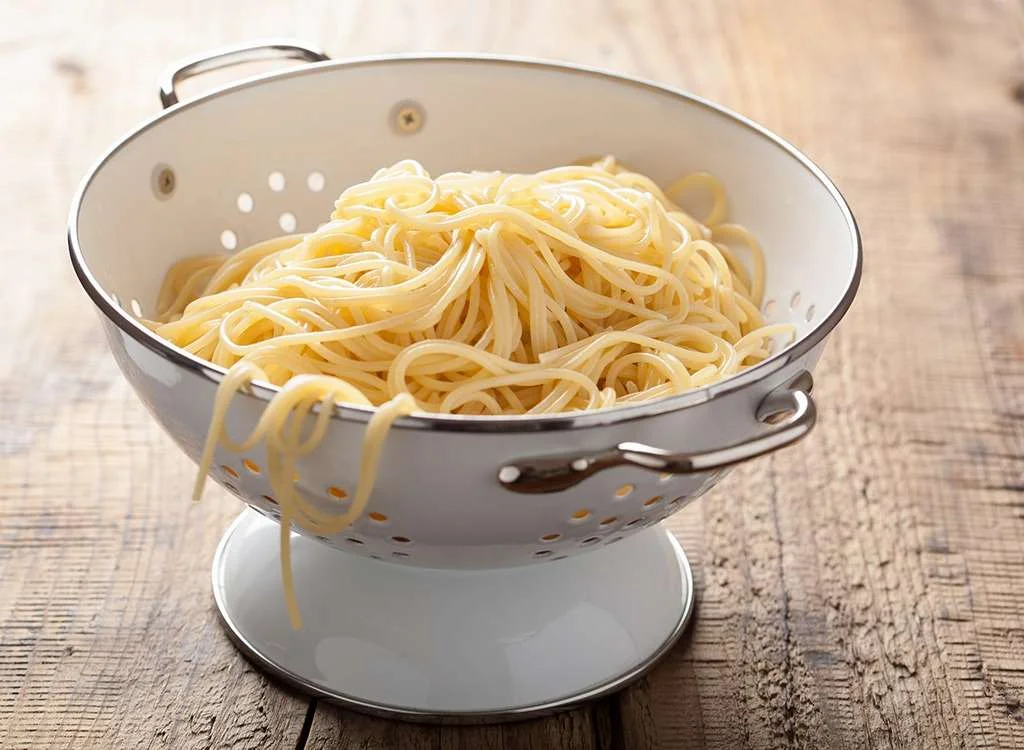
"The 22 Worst Carbs in America" Review
While I would never expect my personal training clients to completely remove these carbs from their weight loss diets, they should understand that they aren't healthy options. Take a look at this list and see if your favorite carbs are really undermining your efforts: http://www.msn.com/en-us/health/weightloss/the-22-worst-carbs-in-america/ar-CCe35v#page=1.
Picture Credit: Eat This, Not That-Is pasta one of the worst carbs?
DENVER PERSONAL TRAINING STUDIO
Michael offers personal training to Denver residents who want to meet at the 2460 W 26th Ave studio….or in their homes throughout LoHi (80206), LoDo (80202), RiNo (80216), Washington Park (80209), Cherry Creek (80206, 80209, 80243, 80246, 80231), Highlands (80202, 80211, 80212), and Capitol Hill (80203, 80218). Michael also offers experiences with a personal trainer in Cheesman Park (80218, 80206), Jefferson Park (80211), and Sloan's Lake (80204, 80212).
"20 Weight Loss Tricks You Haven't Tried" Review
I've chosen the top 10 from the list on http://www.msn.com/en-us/health/weightloss/20-weight-loss-tricks-you-havent-tried/ar-CC1UYW#page=1.
1. AFFIRM YOUR VALUES
2. TREAT YOURSELF LIKE A GOOD KID
3. TAKE SMALL RISKS
4. TUNE IN TO YOUR EMOTIONS
5. CLEAN UP YOUR ACT
6. MAKE HEALTHY FOOD CONVENIENT
7. TRY ACTIVE ACTS OF KINDNESS
8. DE-MOTORIZE YOUR LIFE
9. OPEN THE BLINDS
10. LIMIT YOUR OPTIONS
Picture Credit: Eat This, Not That!-Should you analyze your plate?
DENVER PERSONAL TRAINING STUDIO
Michael offers personal training to Denver residents who want to meet at the 2460 W 26th Ave studio….or in their homes throughout LoHi (80206), LoDo (80202), RiNo (80216), Washington Park (80209), Cherry Creek (80206, 80209, 80243, 80246, 80231), Highlands (80202, 80211, 80212), and Capitol Hill (80203, 80218). Michael also offers experiences with a personal trainer in Cheesman Park (80218, 80206), Jefferson Park (80211), and Sloan's Lake (80204, 80212).

9 Mistakes That Lead to Overeating
YOU EQUATE HUNGER AND THIRST
Many people confuse the sensation of thirst for hunger. If you've recently eaten and you're feeling unsatisfied, take this advice from Mara Z. Vitolins, RD and Wake Forest assistant professor of public health sciences. "It is hard to distinguish between being thirsty and being hungry, so try drinking water and waiting 20 to 30 minutes to see if you're still hungry."
YOU SKIP BREAKFAST
Skipping breakfast may seem like a great way to save calories, but when you head to your next meal, you'll be far more likely to gorge yourself on whatever is in sight. So plan ahead and cook a healthy breakfast.
YOU EAT BY A SCREEN
Always chowing down in front of the TV or computer causes most people to overeat since they're not connected to the activity of eating. When your mind is deep in the plot of your show or all those emails, there's no time to focus on food. Designate mealtimes for just that, meals. The tube will still be there once you're done.
YOU DON'T PRACTICE PORTION CONTROL
Don't count a single indulgence as an excuse to throw all caution to the wind. Either order a limited amount of food, be mindful about how you're feeling as you eat, or take Jillian Michaels's extreme tip and throw away leftovers. Hopefully you have enough self-control to take a step back and say no to that second enormous slice of pizza, but do whatever works for your needs.
YOU EAT FOR YOUR PARTNER'S NEEDS
When your partner isn't concerned about overeating habits, it can be hard to stay on track when you cook and eat together. Cynthia Sass, MPH, RD, has a helpful tip for when you're cooking at home: "We'll have similar ingredients, but make different things. I have to make peace with the fact that we don't have the same needs, or maybe we're not on the same page as far as our goal." For example, on taco night, Sass enjoys a healthy taco salad with avocado and pico de gallo, while her husband goes for a big burrito with all the fixings.
YOUR PLATES AND BOWLS ARE TOO BIG
Did you know that the size of your plate or bowl can lead to overeating? Researchers at Cornell call it the large-plate mistake. When there's more empty space on your plate or in your bowl, it makes your portion appear smaller than it actually is. Instead of piling more food on your plate, reach for smaller plates and smaller bowls whenever possible. When cooking at home, keep measuring cups and spoons on hand to make sure your serving sizes are appropriate: this way, you'll know exactly what you're getting.
YOU INDULGE WITH A SIDE OF GUILT
Anyone who thinks that feeling bad after indulging will somehow make you healthier might be surprised to learn that it's just the opposite. In fact, you'll be more likely to overeat. In the well-known doughnut study, researchers found that women who received a self-compassion message after eating a doughnut ate less candy than those who weren't reassured with a compassionate message that everyone indulges sometimes.
YOU OVERDO IT AFTER A WORKOUT
Once you finish a tough workout, don't use it as an excuse to overindulge in a big, decadent treat. Unless it's mealtime, your average post-workout snack should be about 150 calories. If it's time for dinner, try one of these quick and healthy post-workout dinners. When you have something waiting for you at home, you won't be as tempted to head to a drive-through.
IT'S JUST EMOTIONAL
If you tend to self-soothe with food, you're not alone. Chowing down on a heaping helping of comfort food may seem like a quick fix when you're feeling stressed or blue, but you're only doing your body injustice. The next time you head for a snack, honestly ask yourself, "Am I hungry?" It seems so simple, but these three little words make a world of difference in taking stock of your overeating habits.
Picture Credit: allergyfreealaska.com
DENVER PERSONAL TRAINING STUDIO
Michael offers personal training to Denver residents who want to meet at the 2460 W 26th Ave studio….or in their homes throughout LoHi (80206), LoDo (80202), RiNo (80216), Washington Park (80209), Cherry Creek (80206, 80209, 80243, 80246, 80231), Highlands (80202, 80211, 80212), and Capitol Hill (80203, 80218). Michael also offers experiences with a personal trainer in Cheesman Park (80218, 80206), Jefferson Park (80211), and Sloan's Lake (80204, 80212).
4 Weird Reasons Why You're Gaining Weight
Yes, the most likely culprits behind extra weight gain includes your couch and the snack shelf. But some new studies suggest there are less obvious factors that could lead to mid-section spread. Here are four subtle and weird ways you could be adding pounds—and how to stop it.
1. COUPLE TROUBLE
Want a compelling reason to immediately resolve your marital woes? Letting your fights get too hot might make you more susceptible to weight gain . A recent study found that couples whose arguments were tinged with hostility had higher levels of a hunger hormone—and were more likely to make poor food choices—than couples who were kinder to each other.
Researchers at the University of Delaware tracked hormone levels in 43 couples as they ate a meal and then discussed their differences. Observers rated the discussions—which often boiled into arguments—on the use of hostile language. Couples who ranked high in the use of hostile language also had the highest circulating levels of ghrelin, a hunger-related hormone that encourages eating. When the researchers asked the couples to fill out food surveys, hostile couples were more likely to report eating foods high in sodium and unhealthy fats compared to those whose interactions were more civil.
"The findings suggest marital distress may be an important risk factor for weight gain," says study author Lisa Jaremka, PhD, assistant professor at the University of Delaware, though she is quick to add that the effect was missing in people already overweight. In other words, don't wait too long to get couples counseling.
2. OVERDOING IT ON IRON
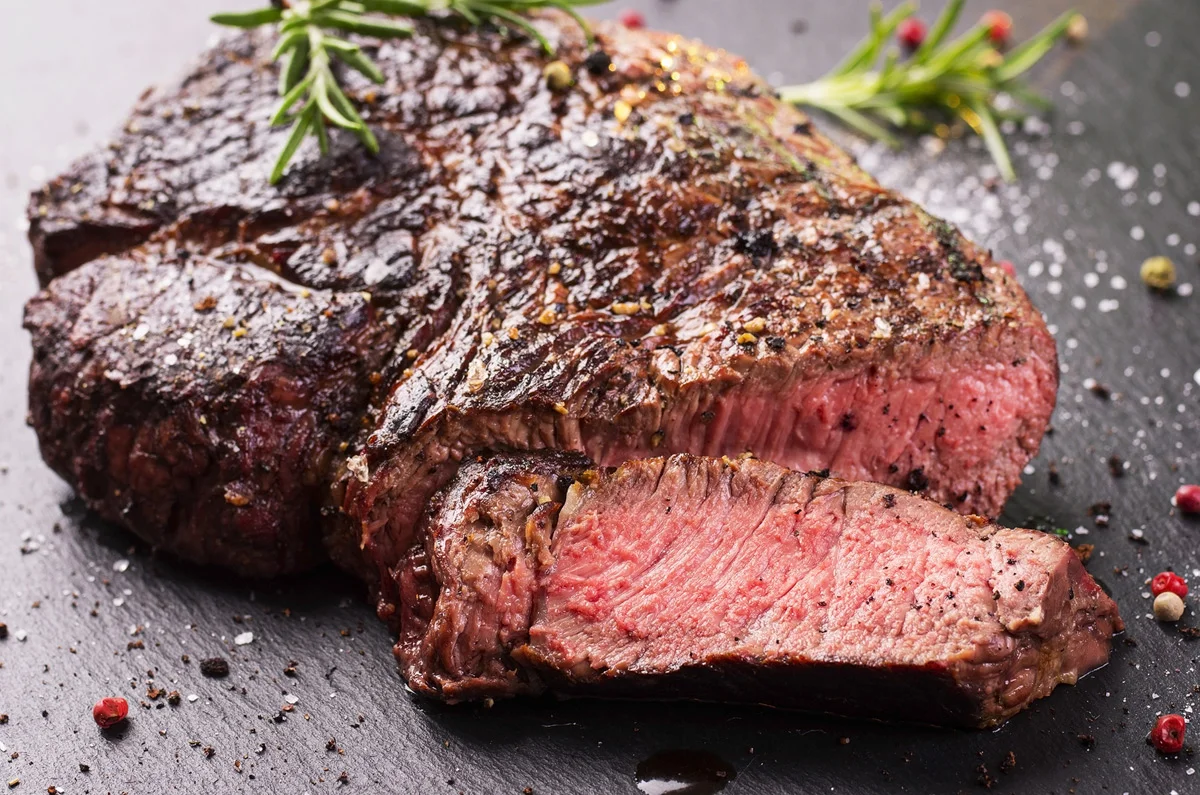
If you were thinking about cutting back on red meat to help control calories, here's one more reason that could be a sound plan: A new study suggests the amount of iron in red meat might alter hunger hormones in your body, slowing metabolism and encouraging you to eat more.
Donald McClain, director of the Center on Diabetes, Obesity, and Metabolism at Wake Forest School of Medicine fed mice diets that contained high or low levels of iron while tracking their levels of leptin, an appetite-suppressing hormone. After two months, McClain discovered that leptin levels had dropped by as much as 42% in the high-iron mice. To test whether low leptin led to over-eating, he let both groups of mice eat as much as they wanted: Sure enough, the high-iron group downed more calories than mice on the low-iron diet. Finally, McClain checked iron and leptin levels in 76 people and discovered that the higher their iron, the lower their leptin levels were. People with the highest iron had one-third the leptin of those with the lowest amounts of iron. (Everyone's iron levels fell within the normal range.)
McClain's findings suggest iron recommendations—18 mg a day for women 18 to 50 and 8 mg a day for women 51 and older—may be too high, he says. Eating more than a pound of red meat per week could be enough to raise leptin to levels he observed in his research, warns McClain. Unless your doctor says otherwise, you'll want to limit the amount of iron you get from meat and supplements, says McClain. But don't be too concerned about iron sources such as nuts, beans, spinach, tomatoes: You don't absorb as much from these food sources as you do from red meat.
3. BLAMING YOUR DNA
Some day, science may be able to link certain genes to a tendency to gain weight—but we're not there yet. And a recent study suggests that believing weight problems are genetic practically guarantees you'll pack on the pounds.
Tapping into a survey of nearly 9,000 women and men, Michael C. Parent, PhD, assistant professor in the department of psychological sciences at Texas Tech University and colleagues analyzed the people's beliefs regarding the genetics of being fat. When Parent followed up three years later, he discovered that the more strongly people believed genetics played a significant role in fatness, the more likely they were to have gained weight. This group was also less likely to exercise and eat right.
Mind is definitely influencing matter here, since Parent's findings also revealed that people who believed their weight was under their control were more likely to eat well, exercise regularly, and have a lower BMI. "There is no direct genetic cause for obesity," says Parent. He recommends you avoid playing the genetic blame game; instead, embrace the idea that you are in control of your weight.
4. IT'S JUST HARDER THAN IT USED TO BE
This is truly frustrating news: Recent findings published in Obesity Research & Clinical Practice indicate that we're getting fatter on fewer calories than our parents did. Although we're eating about the same amount of food—and we're equally active—the current generation is gaining more weight than people did 40 years ago.
The researchers analyzed info on more than 36,000 people between 1971 and 2008, comparing diet, activity, and weight. Study author Jennifer Kuk, professor of health and sciences at York University in Toronto found that given the same amount of calories, an adult in 2008 is about 10% heavier than she would be in 1971. "Again, we're finding that weight management is much more complex than just energy in versus energy out," says Kuk. The solution isn't complex, however: We have to move more and be more careful about what we eat. Sigh—see you at the personal trainer's studio.
Picture Credit: thelongeststraw.com
DENVER PERSONAL TRAINING STUDIO
Michael offers personal training to Denver residents who want to meet at the 2460 W 26th Ave studio….or in their homes throughout LoHi (80206), LoDo (80202), RiNo (80216), Washington Park (80209), Cherry Creek (80206, 80209, 80243, 80246, 80231), Highlands (80202, 80211, 80212), and Capitol Hill (80203, 80218). Michael also offers experiences with a personal trainer in Cheesman Park (80218, 80206), Jefferson Park (80211), and Sloan's Lake (80204, 80212).

6 things 'successful' diets have in common
With the slew of diets that are constantly thrown at us, how do you know which is best for weight loss? The most likely answer is a combination of the lot (which has helped my personal training clients over the last 10 years). This simple article from the Business Insider highlights 6 of the most common weight loss tips.
**********
Many diets have stood the test of time. They became popular a long time ago, but people are still doing them and still getting results. This includes, but is not limited to:
-The Mediterranean diet.
-The low-carb diet.
-The paleo diet.
-A whole-foods, plant-based diet.
People tend to focus on (and argue about) what sets these diets apart. So far, this “debate” has not been productive. Not by a long shot. Perhaps, instead of arguing, we should be focusing on all the things these diets have in common.
Chances are that these are universal laws that work across the board, and can deliver results no matter what the rest of your diet is composed of. The truth is, all the diets (or “ways of eating”) mentioned above, and all diets shown to be compatible with long-term health, do have a few important commonalities.
Here are 6 things that all successful “diets” have in common.
1. THEY ARE LOW IN ADDED SUGAR
Added sugar is the single worst ingredient in the diet. Although some people can tolerate moderate amounts of sugar without problems, most people are eating way too much (1). When people eat too much sugar, it overloads the liver, which is forced to turn the sugar into fat (2, 3). Part of the fat gets shipped out of the liver as VLDL cholesterol, raising blood triglycerides, but some of it also remains in the liver (4, 5).
Sugar is believed to be a major driver of non-alcoholic fatty liver disease (6, 7). It has also been associated with many diseases, including some of the world’s biggest killers. This includes obesity, type 2 diabetes and heart disease (8, 9, 10, 11). Sugar is also “empty” calories, because it supplies a large amount of energy with literally no essential nutrients. Pretty much everyone agrees that added sugar is bad. For this reason, most successful diets make it one of the main priorities to cut back on added sugar.
2. THEY ELIMINATE REFINED CARBOHYDRATES
Another ingredient that people agree is unhealthy, is refined carbs. Refined carbohydrates are usually grains that have had all the beneficial stuff removed. The most common one is refined wheat flour, which is consumed in massive amounts in Western countries.
Refined grains are made by pulverizing whole grains and removing the bran and endosperm, which are the fibrous and nutritious parts. For this reason, refined grains contain little more than starch, chains of glucose molecules. Refined starch provides lots of energy with almost no essential nutrients (empty calories).
Without the fiber found in the whole grain, starch can cause rapid spikes in blood sugar levels, leading to cravings and overeating a few hours later when blood sugar comes crashing down (12, 13). Studies have linked consumption of refined carbohydrates with all sorts of metabolic diseases, including obesity, type 2 diabetes and heart disease (14, 15, 16, 17, 18).
Although some diets (like paleo and low-carb) take things a step further and eliminate grains altogether, all successful diets at least emphasize limiting refined grains and replacing them with their whole, healthier counterparts.
Bottom Line: All successful diets eliminate refined grains like wheat flour, which is very unhealthy. However, some diets take things a step further and eliminate grains altogether.
3. THEY ELIMINATE INDUSTRIAL VEGETABLE OILS
Industrial vegetable oils entered the human diet only recently. Until about a 100 years ago, we simply didn’t have the technology to process them. This includes soybean oil, canola oil, corn oil, cottonseed oil and a few others.
There are many problems with these oils. One of the main ones is their high content of polyunsaturated omega-6 fatty acids, which most people are eating way too much of (19).
There is evidence that linoleic acid, the main omega-6 fatty acid in vegetable oils, gets incorporated into the body’s fat cells (20, 21). It also finds its way into LDL lipoproteins, making them much more likely to become oxidized. This is a key step in the heart disease process (22, 23, 24). They may also contribute to endothelial dysfunction, one of the earliest steps in the pathway towards heart disease (25, 26).
Whether they actually cause or protect from heart disease is controversial. Some observational studies show them to be protective, but many controlled trials suggest that they may be harmful (27, 28, 29, 30). There are also many observational studies linking vegetable oil consumption to cancer (31, 32, 33, 34).
Also, the way these oils are manufactured is highly disgusting, and pretty much all of the beneficial nutrients are removed from the oils. Therefore, just like added sugars and refined grains, vegetable oils classify as “empty” calories.
Out of all the diets and dietary patterns shown to be compatible with long-term health, none of them included industrial vegetable oils. Keep in mind that this does not apply to coconut oil or olive oil, which are completely different and extremely healthy.
Bottom Line: Industrial vegetable oils are incredibly harmful and contribute to numerous problems at the cellular level. No diet shown to be compatible with long-term health includes vegetable oils.
4. THEY ELIMINATE ARTIFICIAL TRANS FATS
Pretty much everyone agrees that artificial trans fats are unhealthy. Trans fats are usually made by “hydrogenating” vegetable oils, which makes them solid at room temperature and increases shelf life (35).
Numerous studies link trans fats to increased inflammation, and strong associations have been found between trans fat consumption and heart disease (36, 37). Trans fats are toxic, unnatural and there is absolutely nothing beneficial about them.
Bottom Line: Trans fats are highly toxic, made by hydrogenating vegetable oils. Many studies show a link to inflammation and diseases like heart disease.
5. THEY ARE HIGH IN VEGETABLES AND FIBER
The different “diets” eliminate all sorts of different foods. For example, plant-based diets minimize (or eliminate) animal foods, while low-carb and paleo diets eliminate grains.
However, one of the things that all diets include is vegetables. There is universal agreement that vegetables are healthy and the evidence supports it. Numerous studies show that vegetable consumption is linked to reduced risk of disease (38, 39, 40).
Vegetables are high in antioxidants, all sorts of nutrients, and are loaded with fiber, which helps with weight loss and feeds the friendly bacteria in the gut (41, 42, 43).
Most diets also include fruit. Even low-carb diets allow berries and small amounts of fruit (a low-carb diet is NOT no-carb).
Bottom Line: All successful diets emphasize eating plenty of vegetables, and in most cases fruit as well. These foods are high in antioxidants and healthy prebiotic fibers.
6. THEY FOCUS ON FOODS INSTEAD OF CALORIES
One interesting thing that all of these diets have in common, is that none of them emphasize calorie restriction. Instead, they put the emphasis on eating whole, single ingredient, healthy foods.
Although calories are obviously important for weight management, simply restricting calories without regard to the foods you eat is rarely effective in the long-term. Instead of trying to lose weight or restrict calories, make it your goal to nourish your body and become healthier.
Picture Credit: news.softpedia.com
DENVER PERSONAL TRAINING STUDIO
Michael offers personal training to Denver residents who want to meet at the 2460 W 26th Ave studio….or in their homes throughout LoHi (80206), LoDo (80202), RiNo (80216), Washington Park (80209), Cherry Creek (80206, 80209, 80243, 80246, 80231), Highlands (80202, 80211, 80212), and Capitol Hill (80203, 80218). Michael also offers experiences with a personal trainer in Cheesman Park (80218, 80206), Jefferson Park (80211), and Sloan's Lake (80204, 80212).

3 Things Guaranteed to Lead to Workout Injuries
Are you dealing with any injuries while going to the gym or meeting with a personal trainer? You may want to make the following changes during your next fitness session.
********
ALL PAIN, NO GAIN
No one likes to be sidelined by injury. Not just because of the pain and discomfort but also because you may not be able to work. It is a double whammy that can sometimes be very harmful to your health. It doesn’t matter if you are an experienced lifter or new to lifting, we are all subjected to possible injuries. So how can we avoid injury during a workout? Make sure to pay attention to these five things that can lead to injury during a workout, train smart and listen to your body.
NOT FOLLOWING PROPER PROGRESSION
This by far is the number one reason why people get injured. Trying to perform an exercise that you are not proficient in or using too much weight is commonly seen in the weight room. Many of us may think we are strong enough, fit enough and smart enough to know we have the right technique but oftentimes I see people trying to move ahead to fast. The “I want it now” and “I am ready to push it too the limits” attitude has it’s pitfalls.
If you are performing an advanced exercise, say the deadlift or power clean, make sure you are using proper form and move up in weight slowly. You also may need to use a regressed movement pattern in order to master that exercise before you even do it. Also watch the volume of your workout. Quality will always trump quantity.
NOT WARMING UP PROPERLY
A warm-up serves two crucial purposes; it enhances performance and prevents injury. An active warm-up that includes dynamic stretching and muscle activation exercises increases body heat and blood flow. An increase in blood flow means that your muscles will be receiving more oxygen, and increased body temperature helps your muscles contract and relax more rapidly, making them more pliable and increases range of motion. Your range of motion directly relates to you performing a movement more efficiently and safely. Make sure to warm-up before every workout to reduce the risk of injury.
WORKING OUT WHEN NOT RECOVERED
During a workout your body goes through tremendous stress. Without proper recovery methods such as proper nutrition, sleep and rest days, you run the risk of overtraining – which can lead to injury. If you are working out and are feeling sluggish, tired, weak and maybe even a little under the weather, this is a recipe for a pulled muscle and terrible workout. If you are feeling pain during a workout that is more injury related and not workout related (example: your muscles burring or lung gasping for air), you may need to call it quits and go home to avoid injury.
Picture Credit: ruixinxin.com
DENVER PERSONAL TRAINING STUDIO
Michael offers personal training to Denver residents who want to meet at the 2460 W 26th Ave studio….or in their homes throughout LoHi (80206), LoDo (80202), RiNo (80216), Washington Park (80209), Cherry Creek (80206, 80209, 80243, 80246, 80231), Highlands (80202, 80211, 80212), and Capitol Hill (80203, 80218). Michael also offers experiences with a personal trainer in Cheesman Park (80218, 80206), Jefferson Park (80211), and Sloan's Lake (80204, 80212).

4 Ways Your Brain Makes You Overeat—And How To Outsmart Yourself
Are you struggling to lose weight with your personal trainer? It may not be as simple as eliminating a food from your diet. You may need to trick your brain into weight loss! Check out these 4 ways to find out how.
********
Ever plowed through a pint of ice cream? Gone back for seconds (or thirds) at a buffet? Then you know how difficult it can be to put the skids on eating. You might curse your lack of willpower, but new research suggests it may be your brain that's undermining your best intentions.
Here are four ways your noggin may be nudging you to keep noshing—and how to change your behavior for the better:
1. THE BRAIN PUMPS OUT A STRESS HORMONE THAT MAKES YOU EAT.
You may know that the brain can create cravings for comfort food when you're under duress. Now, a new study by researchers at the University of Florida has found that fat on the belly and thighs sends signals that can prevent the brain from turning off that stress response. The result? You keep feeling hunger and eating more. "We need to learn how to go in and break that cycle of stress and eating," says study co-author James Herman, PhD.
OUTSMART YOUR BRAIN:
Drink less coffee. Research shows caffeine can actually worsen your stress response, making it a good idea to steer clear of java and opt for refreshment that'll help you feel more relaxed—herbal tea, for example. You might also use this news as motivation to eat clean and hit the gym, as the less fat you have, the better shot you give your brain at self-regulating that stress hormone.
2. A BRAIN HORMONE PROMPTS YOU TO REACH FOR HIGHER-FAT FARE.
Ever wonder why some people seem perfectly satisfied with a bowl of salad while others would much prefer a burger and fries? Turns out a hormone deficiency in the brain could be to blame. In a new Rutgers Robert Wood Johnson Medical School study published in the journal Cell Reports, researchers found that low levels of a hormone called glucagon-like peptide-1 (GLP-1) in mice led them to overeat—and they preferred high fat food. Sufficient levels of GLP-1, which is secreted from cells in both the small intestine and the brain, signal that we've eaten enough.
OUTSMART YOUR BRAIN:
Get enough sleep. While there is a drug that was recently approved by the U.S. Food and Drug Administration that mimics the GLP-1 hormone and is being used as a treatment for obesity, you can boost your levels (and avoid potential side effects such as pancreatitis, gallbladder and kidney problems) by making sure you're getting enough shut-eye. One recent study published in The American Journal of Human Biology found that inadequate sleep alters the secretion of the hunger hormones, causing you to feel hungrier and overeat. Aim for 7 to 8 hours a night.
3. A HIGH-CAL DIET ACTUALLY REWIRES YOUR BRAIN CIRCUITS, ENCOURAGING OVEREATING.
Let's face it: Eating is pleasurable. In fact, research shows it ranks right up there with sex and even addictive drug use. That's because eating can trigger the release of dopamine—the feel-good hormone that lights up the reward center of the brain, prompting us to continue to seek out the behavior that's making us feel so good.
According to one new study, published in the journal Nature Neuroscience, rats who gorged on tasty, high-fat treats like bacon, sausage, chocolate, and cheesecake quickly became dependent on high quantities of these foods to feel good—similar to drug users who need to up their intake over time to get high, according to the researchers. The rats actually became so dependent on those high-fat foods that they found them hard to quit even after given mild electric shocks to dissuade them from the unhealthy fare.
OUTSMART YOUR BRAIN:
Scale back on high-fat foods. This is particularly important when it comes to ones that are also high in salt and sugar (we're looking at you, potato chips). Research shows this combo actually stimulates our brain to crave more.
4. SOMETIMES, OUR PSYCHOLOGICAL NEEDS OVERRIDE OUR PHYSICAL ONES.
Scientists have proven what we've long suspected: Overeating is often an attempt to satisfy an emotional need rather than actual hunger. In a new study of 1,447 female college students, published in the International Journal of Behavioral Medicine, 40% admitted to overeating in the past month—and there was also an association with feeling depressed and feeling totally out of control while overeating.
OUTSMART YOUR BRAIN:
Avoid nighttime noshing. While it's darn-near impossible to avoid emotional eating altogether, one study published in the journal Eating Behaviors found that eating at night has been associated with a depressed mood. So, if you're already feeling down, the evening hours may prompt you to eat even more. Instead of staying up to watch TV, aim to hit the hay on the early side and treat yourself to a big, healthy breakfast the next morning.
Picture Credit: © Mark Andersen/Rubberball Productions/Getty Images
DENVER PERSONAL TRAINING STUDIO
Michael offers personal training to Denver residents who want to meet at the 2460 W 26th Ave studio….or in their homes throughout LoHi (80206), LoDo (80202), RiNo (80216), Washington Park (80209), Cherry Creek (80206, 80209, 80243, 80246, 80231), Highlands (80202, 80211, 80212), and Capitol Hill (80203, 80218). Michael also offers experiences with a personal trainer in Cheesman Park (80218, 80206), Jefferson Park (80211), and Sloan's Lake (80204, 80212).
Steer Clear of These 25 Weight-Loss Mistakes
Are you guilty of these weight loss mistakes while reshaping yourself for the holidays? You'll want to read this list and find out.
********
YOU DON'T DRINK WATER
Besides keeping you hydrated, drinking water on the regular, according to recent studies, can aid with weight loss. Filling up on water before a meal helps encourage portion control, and eating foods that contain a lot of water (like fruits and veggies) will fill you up faster, causing you to eat less. A small study even found that drinking cool water can discourage cravings for sugary drinks like soda and juice. Now that's a reason to stay hydrated.
YOU THINK WALKING YOUR DOG IS ENOUGH
A 15-minute stroll is better than nothing, but don't expect to see dramatic weight-loss results. You've got to kick it up a notch - big time - and do at least 30 minutes a day of heart-pumping exercise. Big calorie and fat burners include running, spin class, interval training, hiking, and circuit training.
YOU OVEREAT HEALTHY FOODS
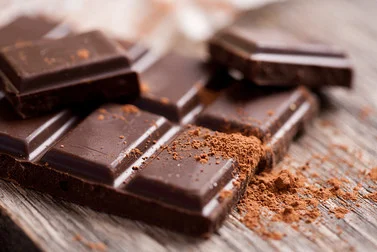
Nuts, avocado, olive oil, and dark chocolate are all natural and healthy, but they aren't void of calories. You still need to watch how much you eat of the good stuff. For example, avocado offers a ton of health benefits, but an entire fruit is over 200 calories.
YOU ONLY DO CARDIO
If you live on the treadmill but never lift a pound, then you're missing out on one of the most important pieces of the fitness puzzle. Not only does weight training prevent injury by strengthening the joints, but it also builds muscle mass and increases metabolic rate. Bonus: thanks to a revved-up metabolism, you'll keep burning calories long after you've slipped off your sneakers.
YOU EXERCISE WITH AN EMPTY STOMACH
If you regularly exercise without eating first, you should reconsider: when you work out on an empty stomach, research shows that the calories burned come from muscle, not fat. Since muscle burns more calories than fat, the more muscle mass you have, the better it is for weight loss. Not only will fueling your body help you avoid losing muscle, but also, you'll have more energy to push yourself through your workout.
YOUR PARTNER ISN'T ON THE SAME HEALTHY ROAD
A partner who's on a similar path can be a huge help to your weight-loss goals, but if your partner is not on board, then your relationship may be making you fat. You can't expect to lose weight if your husband constantly suggests ordering takeout, wants to go out for ice cream, or encourages you to sleep in instead of hitting the gym! Communicating that you need his support in losing weight is a great first step in finding compromises - for both of you. For starters, the next time you have dinner out, offer to split an appetizer or skip dessert.
YOU LEAVE OUT ENTIRE FOOD GROUPS
Giving up entire food groups can lead to a nutritional deficiency - not to mention trigger major cravings for whatever food has been cut. Rather than, say, eliminating all carbohydrates, focus on whole grains and remember to monitor portion control. Usually it's the extra servings that add to your waistline, not the pasta itself.
YOU DON'T SLEEP ENOUGH
Making time for your workouts can mean less time for sleep, but it's important to get enough z's if you're trying to lose weight. You need extra energy to keep up with your exercise routine, and skimping on sleep can affect your body's ability to control its appetite: not enough shut-eye increases appetite-stimulating hormones.
YOU DON'T GET ENOUGH VEGGIES
Eating five to seven servings of fruits and veggies a day is important for everyone, but dieters who go heavy on the produce are more likely to lose and keep the weight off, since a diet full of plant-based foods offers a greater variety of nutrients with fewer calories - and all that fiber keeps the body feeling fuller longer.
YOU EAT WHILE STANDING UP
Standing at the fridge or the counter to chow down isn't saving time or energy and can lead to mindless eating. It's best to designate time for snacking and meals that's set apart from other activities.
YOU WEAR CLOTHES THAT ARE TOO BIG
Loose clothes are comfy, but they cover up the body and allow you to forget what you look like, which can work against your fitness motivation. Instead, opt for clothes that have a more fitted silhouette to help give you a sense of your body image. Or better yet, start the day in your gym outfit to inspire you to do something active.
YOU'RE ON A DIET. WELL, SORT OF . . .
Whether you're on Jenny Craig, Weight Watchers, or your own diet-and-exercise plan, you can't do it halfheartedly and expect to see results. Stay committed to your plan, or you'll see the pounds stay on your tush instead of dropping from the scale.
YOU'RE ADDICTED TO CONDIMENTS AND TOPPINGS
A salad is one of the healthiest meals you can have, but when you top it with bacon bits, goat cheese, nuts, dried fruits, and ranch dressing, you can double the calorie amount in a flash. Be aware of how many calories your favorite salad extras add on. For instance, 10 croutons is an easy 100 calories.
YOU DON'T EAT BREAKFAST
Skipping breakfast may seem like a great way to save calories, but your body will actually hold on to fat because it thinks it's being starved. Keep in mind thatpeople who eat breakfast regularly lose more weight, so make sure to eat breakfast each morning to jump-start your metabolism. Don't just grab anything: include protein to give yourself sustainable energy and fiber to fill you up for hours.
YOU DON'T PRACTICE PORTION CONTROL
When it comes to a balanced diet, we know that portion control is one of the keys to success. Keep measuring cups and spoons on hand to make sure your serving sizes are appropriate, and learn how to give your body the "I'm full" signal in order to help you drop the fork when the time is right and move on with your day.
YOU EAT WITHOUT THINKING
Aligning mealtime with a screen like your computer or the TV can hurt your weight-loss goals. Designating a special time for meals without distractions will help you connect to your food and, as a result, eat less. Sometimes you don't even realize how much you're scarfing when your mind is somewhere else.
YOU DON'T CUT YOUR FOOD
Something as simple as slicing up your dinner can be helpful for your overeating woes. Cutting food into tiny pieces may seem slightly childish, but studies show that humans find smaller portions more satisfying and, as a result, are satisfied with less.
YOU STILL DRINK SODA
Soda offers literally no nutritional benefits, and continuing to drink the beverage is sabotaging your weight-loss goals - even if you only drink diet. Studies have shown that individuals who drink two diet sodas a day or more had waistlines that were 500 percent larger than the nondrinkers. Since quitting soda is no joke, check out this plan for breaking a cola habit.
YOU DON'T EAT ENOUGH
Don't starve yourself to save calories for later. It'll not only mess up your metabolism, and by dinnertime, that famished feeling will likely cause you to eat more than you would if you weren't starving. Not only is starving yourself not sustainable for continued weight loss, but also, limiting yourself to too-small portions can lead to excess snacking between mealtimes.
YOU DON'T LEAVE TIME FOR FUN
Since stress is shown to cause weight gain by triggering the body to eat more - especially foods high in sugar and fat - make sure you give yourself time to relax and unwind. And it's an added bonus that so many fun activities (like dancing, hiking, and shopping) are already natural calorie-burners!
YOU OVERINDULGE IN LOW-FAT FOODS
Going for foods with a lower calorie count can be deceiving, since many times they're filled with extra sodium, sugar, or chemical additives to make up for the ingredients the company has removed or decreased. Not only are these light versions less nutritious, but they also end up tasting "lighter," leading you to eat more. You'll probably end up consuming more calories than you would if you just ate a regular-sized portion of the real thing.
YOU DON'T KEEP A FOOD JOURNAL
Writing down what you eat is an essential way to monitor daily caloric intake. Don't think it's worth the effort? A study from the Journal of the Academy of Nutrition and Dietetics surveyed 123 women and found that those who were the most successful at losing weight monitored their food intake by keeping a journal.
YOU'RE ALWAYS DINING OUT
Hitting your favorite restaurant is a great way to unwind, but you're more likely to indulge in a huge meal complete with appetizers, drinks, fried foods, and dessert. Calorie counts are also a mystery, since many foods aren't labeled. If you don't want to give up your nights out, then split a meal with a friend, order healthy options like salads and grilled chicken, and sip water instead of wine.
YOU NEVER INDULGE
In an otherwise healthy diet, eating a few french fries or a piece of chocolate cake isn't going to ruin your weight-loss goals. A study found that it isn't necessary to up workout intensity the day after a piece of cake and that a daily variance of as much as 600 calories won't reflect on your waistline, as long as you maintain a healthy diet in the long run.
Picture Credit: marketwatch.com
DENVER PERSONAL TRAINING STUDIO
Michael offers personal training to Denver residents who want to meet at the 2460 W 26th Ave studio….or in their homes throughout LoHi (80206), LoDo (80202), RiNo (80216), Washington Park (80209), Cherry Creek (80206, 80209, 80243, 80246, 80231), Highlands (80202, 80211, 80212), and Capitol Hill (80203, 80218). Michael also offers experiences with a personal trainer in Cheesman Park (80218, 80206), Jefferson Park. (80211), and Sloan's Lake (80204, 80212).

The Link Between Staying Up Late And Getting Fat
Considering the constant demands in the lives of my personal training clients, it isn't surprising that they're not getting much sleep. Unfortunately, this habit may be the main obstacle to their weight loss success. This article tells you why.
********
Inside the Sleep and Mood Research Clinic at the University of California, Berkeley, researchers studied how the number of hours a person sleeps may affect their weight. The findings, published in the journal Sleep, reveal how teenagers are especially susceptible to gaining weight when they regularly go to bed late.
For the study, researchers analyzed 3,300 teens’ and adults’ sleep schedules over five years and calculated that for every extra hour that teens stayed awake, they would gain about 2.1 points on their body mass index (BMI). BMI is a scale that’s used to measure a person’s body fat based on their height, weight, and gender, and ranges from underweight (less than 18.5) to morbidly obese (30 or greater). The researchers also found that teens were still susceptible to weight gain if they stayed up late and slept in later the next day. These findings held regardless of the time the teens spent exercising, or on their computers, cell phones, tablets, or other electronic devices. If they stayed up late, they were more likely to gain weight.
A person’s circadian rhythm, also known as their natural sleep cycle, regulates physiological and metabolic functions, and typically shifts to a later sleep cycle when puberty hits. For this reason, developing healthy sleep habits as a teen lays the foundation for a healthier adulthood — with regard to both a healthy sleep pattern and other aspects of wellbeing.
According to the National Sleep Foundation’s 2013 International Bedroom Poll, the amount of sleep the average person logs each night has steadily decreased over the past century. The average American sleeps only six-and-a-half hours a night during a five-day workweek. But while Americans have been skipping their sleep, their waistlines have been getting wider. In the last 30 years alone, obesity rates have quadrupled in adolescents, adding to the 34.9 percent of the country’s adult obesity population.
"Obesity is obviously growing among adolescents and adults, and there's also an epidemic of lack of sleep and later bedtime preference in teens," the study’s lead author Lauren Asarnow, a doctoral candidate at the University of California, Berkeley, told CBS News. "There's been some literature looking at the relationship [between] late bedtimes and weight gain cross-sectionally, but no one's ever looked at what happens long-term."
Scientists are just starting to grasp the extent to which human health depends on the length and quality of rest the body gets. Sleep typically takes up about a third of every person’s day, giving merit to why research on it has been gaining momentum — this began in 1993 when the National Institutes of Health opened up a branch specifically designed to study how sleep affects health on a short and long-term basis.
Teens are also more likely to engage in late night snacking. When the brain is sleep deprived, the prefrontal cortex, which controls impulses and decision making, isn’t working at full capacity, and therefore makes a person far more likely to give into cravings. “These results highlight adolescent bedtimes, not just total sleep time, as a potential target for weight management during the transition to adulthood,” Asarnow said in a press release, adding that teens who go to bed early “set their weight on a healthier course as they emerge into adulthood.”
Source: Asarnow L, et al. Sleep. 2015.
Picture Credit: blog.primalpastures.com
DENVER PERSONAL TRAINING STUDIO
Michael offers personal training to Denver residents who want to meet at the 2460 W 26th Ave studio….or in their homes throughout LoHi (80206), LoDo (80202), RiNo (80216), Washington Park (80209), Cherry Creek (80206, 80209, 80243, 80246, 80231), Highlands (80202, 80211, 80212), and Capitol Hill (80203, 80218). Michael also offers experiences with a personal trainer in Cheesman Park (80218, 80206), Jefferson Park (80211), and Sloan's Lake (80204, 80212).
7 ways to improve your mood in less than 5 minutes
Some days staying positive and upbeat can feel like an uphill battle. Maybe it was a stressful day at work, a fight with a friend, or even just an off day — whatever it is, there are definitely things you can do to improve your mood.
And it's no wonder bad moods can sneak up on us so often. According to psychologist Guy Winch, author of the book Emotional First Aid: Healing Rejection, Guilt, Failure, and Other Everyday Hurts, a bad mood can be caused by anything from guilt over forgetting someone's birthday, to outstanding tasks on our to do list, to not getting enough likes on a personal or important Facebook share. Basically, humans are sensitive creatures, and it's not abnormal or even uncommon for little things to get us in a funk.
What's more, according to a psychology study featured on ABC News, while a portion of our individual happiness is pre-determined by genetics and circumstance, research shows that up to 40 percent can be controlled through our daily thoughts and actions.
This means that there are definitely a number of proactive things we can do when we start feeling ourselves getting down. If you're looking for ways to turn a bad mood around, here are seven ways to improve your mood in less than ten minutes.
1. LISTEN TO UPBEAT MUSIC
According to a 2013 study published by the University of Missouri, listening to upbeat music can actually improve your mood. The study's author, Yuna Ferguson, noted that it's important not to overthink, "Am I happy yet?" while listening, and instead just allow yourself to enjoy the experience. So don't be afraid to turn up the jams when you're feeling low.
2. GET A GOOD LAUGH
According to an article on Prevention, a study conducted by Stanford University showed that laughter increases dopamine in our brains, which is a chemical that elevates mood. And according to the Mayo Clinic, laughter also increases oxygen to our bodies and cools down our stress response system, resulting in a positive, relaxed feeling. So the next time you're in a bad mood, try pulling up some Amy Schumer or an SNL digital short on YouTube — you'll probably feel a lot better!
3. WALK AROUND THE BLOCK
Daniel Kripke, M.D. at the University of California said that, "Studies show that people who get more light exposure during the day have fewer sleep problems and less depression, and evidence suggests that light can keep you alert and productive." Additionally, mental health and exercise expert Jack Raglin, Ph.D., says that, "Studies have shown that even mild exercise, about 40 percent of your max heart rate, can lift your mood," and recommendsdoing activities that match your mood instead of trying to force yourself to do something you're just not feeling — like working in your garden instead of going to a loud Zumba class.
4. DECLUTTER
Author of The Highly Sensitive Person, Elaine Aron, Ph.D., said that "clutter is a reminder of things that should be getting done, but aren't," and can help fuel feelings of failure, and mentioned that you don't have to spend an entire day reorganizing to feel better, as "just the illusion of order is enough to ease the mind." Aron recommended just putting things into neater stacks and piles for an instant boost in mood.
5. GIVE SOMEONE A HUG
Tiffany Field, head researcher at The University of Miami's Touch Institute, said in an article in Psychology Today that, "when you stimulate the pressure receptors in the skin, you lower stress hormones," and also that touching others stimulates oxytocin, which also has positive effects on our mood. Field also recommended rubbing your own forehead, hands, and neck, as self-massage has been shown to decrease heart rate and reduce the stress-hormone cortisol in our systems.
6. THINK ABOUT WHAT WENT WELL
In another article in Psychology Today, doctor and wellness expert Susan Biali, M.D., said to reflect on three things that are going well or three positive moments in your day, and even replay them in your mind. According to Biali, that mentally revisiting these moments will help bring back the good mood and feelings they initially created.
7. ALLOW YOURSELF TO VENT
Psychology Today contributor and psychologist Leon F. Seltzer, Ph.D., said there are actually some advantages to venting about a problem to a friend, and helping with your mood is one of them. "In many (though not all) situations it’s better for you to discharge negative emotions than to keep them bottled up inside," he says, and also that, "venting helps restore your equilibrium." So while you don't want to be the person at home or work who is always focusing on the negative, there is definitely a time and a place — not to mention a therapeutic reason — to vent when needed.
There's no reason a bad mood should ruin your day — or even a portion of your day. Often times when we're down about something at work or a minor interpersonal conflict, a quick boost is definitely within your grasp; you just need a conscious desire to feel better and a willingness to take a few mindful steps towards it.
And if you're finding that your bad or low moods are lasting longer than they should, or as if you can't seem to shake them, never be afraid to reach out to a professional. You can visitMentalhealth.gov or StrengthOfUs.org for information on how to get help in your area.
****If you ever need more weight loss tips, never hesitate to send Michael an email (michael@michaelmoodyfitness.com). He is a personal trainer in Denver and has been serving weight loss personal training clients since 2005.
Picture Credit: organicalifestyle.com
DENVER PERSONAL TRAINING STUDIO
Michael offers personal training to Denver residents who want to meet at the 2460 W 26th Ave studio….or in their homes throughout LoHi (80206), LoDo (80202), RiNo (80216), Washington Park (80209), Cherry Creek (80206, 80209, 80243, 80246, 80231), Highlands (80202, 80211, 80212), and Capitol Hill (80203, 80218). Michael also offers experiences with a personal trainer in Cheesman Park (80218, 80206), Jefferson Park (80211), and Sloan's Lake (80204, 80212).

10 Ways to Break Up With Emotional Eating for Good
Introduction
Even with all the personal training nutrition know-how, resources, and willpower available, when emotions take over, your healthy-eating intentions can dissolve in a flash. The good news is that if stress, sadness, boredom, or even happiness has been driving your eating choices, you can break the cycle. Use these 10 expert and research-backed strategies to regain your balance and break up with emotional eating for good.
1. WATCH HAPPY FILMS (OR PARTNER UP FOR SAD ONES)
To thwart emotional eating, use your Netflix account to watch happy films rather than sad ones. According to 2015 Cornell University research published in a Journal of the American Medical Association Internal Medicine research letter, moviegoers who watched tearjerkers ate up to 55 percent more popcorn than those who watched funny films, both in a lab and in a mall movie theater. “Sad feelings make us feel lonely,” says Susan Albers, Psy.D. So if you do watch a film with a not-so-happy theme, she advises doing so with a friend or loved one. “Connecting with someone else can alleviate the desire to pacify your feelings with food,” says Albers. And if watching alone is inevitable, she advises wrapping yourself up in a blanket. “Cocooning can make you feel like you are in a warm embrace, so you won’t need to soothe with food.”
2. SWITCH YOUR FAN FOCUS
Whether you’re a fan of football or “Dancing With the Stars,” research shows that fans who experience vicarious losses are driven to consume less healthy foods. A 2013 study published in Psychological Science found that on the Mondays following a Sunday National Football League (NFL) game, the intake of foods high in calories and saturated fat significantly increased in cities with losing teams. They also decreased in areas with winning teams and remained stable in regions without an NFL team or with a team that did not play. Similar patterns were observed among French soccer fans, but these disappeared when fans were allowed to self-affirm spontaneously. “Self-affirmation involves replacing self-defeating thoughts with statements that are compassionate and confident,” says Susan Albers, Psy.D. She says it’s effective because it allows you to rewire your brain to think positively.
3. SIP AWAY YOUR STRESS
A 2009 study published in The American Journal of Clinical Nutrition found that, even after adjusting for other potential factors such as age, gender, medical history, body mass index, alcohol consumption, cigarette smoking, and diet, drinking green tea was inversely associated with stress. In more than 40,000 Japanese adults, levels of psychological stress were 20 percent lower in those who drank at least five cups of green tea daily compared with those who drank less than one cup per day. Los Angeles-based registered dietitian McKenzie Hall says there’s good reason why many of us instinctively sip on tea to calm our nerves. “Green tea contains the amino acid L-theanine, which has been shown to promote relaxation, boost levels of dopamine, and may help lower blood pressure,” says Hall, who recommends reaching for tea as a strategy for staving off emotional eating.
4. TAP AWAY CRAVINGS
Have you heard of tapping, also known as psychological acupuncture, also referred to as Emotional Freedom Techniques (EFT)? According to researchers at Griffith University’s School of Medicine in Australia, practicing EFT on yourself can be a simple way to prevent emotional eating. The strategy, which has been used to treat post-traumatic stress disorder, phobias, and addictions, involves gentle tapping on pressure points while focusing on particular thoughts and emotions. The scientists say the results can be immediate and long-lasting. After just four two-hour sessions, cravings for junk food were significantly curbed, and the reductions were maintained at a six-month follow-up. A 2013 study published in the journal International Scholarly Research Notices Psychiatry found that among overweight or obese adults, those who were randomly selected for a four-week EFT treatment group experienced weight loss, fewer food cravings, and more restraint over eating as well as a significant decrease in depression one year later.
5. ALTER YOUR SOCIAL-MEDIA INTERACTIONS
“Many of my clients have emotionally eaten when Facebook made them feel lonely or bad about themselves,” says Susan Albers, Psy.D. A 2013 study from researchers at Columbia University and University of Pittsburgh published in the Journal of Consumer Research found that people who spent more time on Facebook had higher BMIs (body mass index, a measure of weight for height) and increased binge eating. “Social media gives us a peek into other people’s lives, which often appear perfect in a static picture,” says Albers. According to the study, even when Facebook users experienced an increase in self-esteem (because of the images they posted of themselves), usage still triggered a decrease in self-control and unhealthy snacking. Albers does believe that social media can become a positive tool, however. “Follow sites that focus on the positive, including empowering body-image quotes, healthy recipes, and positive people,” she advises.
6. CATCH MORE ZZZS
A restless night may result in waking up with a linebacker’s appetite and the inability to resist tempting foods. In a 2015 paper published in the Journal of Health Psychology, researchers from the University of Nebraska-Lincoln say that a poor night of sleep affects appetite-regulating hormones, intensifies emotional stress, increases impulsivity, and spikes food cravings. In a nutshell, not getting enough shut-eye is virtually a recipe for emotional eating. “A wind-down ritual is key for good sleep,” says psychologist Susan Albers, Psy.D., author of “50 More Ways to Soothe Yourself Without Food.” She suggests choosing a sequence to repeat each night, such as 10 minutes of stretching followed by 10 minutes of journaling, as a ritual. “Like a stop light, you don’t just go right from green to red: You have to slow yourself down to prepare for slumber.”
7. TAKE THE FOCUS OFF YOUR WEIGHT
Reducing your focus on weight and size can lead to less emotional eating. A 2015 University of Liverpool study, published in the International Journal of Obesity, examined data from three studies involving 14,000 children who were tracked into adulthood in the U.S. and the U.K. They found that those who identified themselves as being overweight were more likely to report overeating when they felt stressed. “When we obsess about weight, we tend to get out of touch with our hunger and fullness cues,” says McKenzie Hall, RD, co-owner of NourishRDs. To maintain a healthier attitude and healthier eating patterns, Hall advises being selective about whom you spend your time with. “If your social network makes you feel accepted, you’ll in turn embrace your body more, have a greater appreciation for your body’s physical abilities, and be more apt to trust your hunger and fullness cues,” adds Hall.
8. CULTIVATE MINDFULNESS
A 2014 review of 14 studies published in the journal Eating Behaviors concluded that mindfulness meditation is an effective strategy for reducing binge eating and emotional eating in populations that engage in these behaviors. If you feel intimidated by the idea of meditation or worry that your mind will be too distracted, start by introducing a few basic techniques. “Being more mindful can be as simple as taking a deep breath, focusing on the present moment, and becoming aware of what is happening right now,” says Susan Albers, Psy.D. She adds that becoming more mindful can help you lower your cortisol level, the hormone that drives you to stress eat. “It can also allow you to feel more in control over what you are doing right now and help you to make your next food decision thoughtfully,” says Albers, who includes several exercises and techniques for fostering mindfulness in her book “50 More Ways to Soothe Yourself Without Food.”
9. THWART BOREDOM
Having nothing to do may be a trigger for unplanned snacking, according to a 2015 study published by North Dakota State University in the Journal of Health Psychology. Researchers found that amongst more than 550 male and female college students, being prone to boredom predicted bored eating, even in students who didn’t have a tough time regulating their emotions. It also predicted eating in response to other negative feelings like depression, anxiety, and anger. One of the best ways to combat boredom is to simply break up your routine, says Susan Albers, Psy.D., a clinical psychologist at the Cleveland Clinic. “Reach out to a friend, get active, stretch, or do something to keep your hands busy, such as a puzzle, knitting, or drawing,” advises Albers. “Just changing your scenery by going into a different room can help.”
10. BOOST YOUR HEALTHY-EATING SELF-CONFIDENCE
Feeling an internal sense of control over your ability to attain your healthy-eating goals consistently may be one of the most potent ways to prevent emotional eating. In a 2015 study published in the Journal of Holistic Nursing, researchers found that perimenopausal women who had the highest levels of diet-related self-efficacy, or self-confidence, had the lowest likelihood of binge eating (and vice versa). To gain confidence in your ability to eat healthfully, Susan Albers, Psy.D., advises focusing on the principles of mindful eating, which she reminds is not an all-or-nothing strategy. She says, “If you slip up and overeat, turn your critical inner voice into curiosity and compassion so you can figure out why it was so hard to pass up that second cookie, tell yourself it’s OK, and continue trying for awareness and balance.”
WHAT DO YOU THINK?
Do you struggle with stress or emotionally triggered eating? Leave a comment below and let us know. Share how you are working on developing a healthier relationship with food: Your experience may help motivate and inspire others.
Picture Credit: twenty20/st.nothing
ABOUT THE AUTHOR: MICHAEL MOODY, PERSONAL TRAINER
As an author, a personal trainer in Denver, and podcast host, Michael Moody has helped personal training clients achieve new fitness heights and incredible weight loss transformations since 2005. He also produces the wellness podcast "The Elements of Being" and has been featured on NBC, WGN Radio, and PBS.
Michael offers personal training to Denver residents who want to meet at the 2460 W 26th Ave studio….or in their homes throughout LoHi (80206), LoDo (80202), RiNo (80216), Washington Park (80209), Cherry Creek (80206, 80209, 80243, 80246, 80231), and Highlands (80202, 80211, 80212). Michael also offers experiences with a personal trainer in Jefferson Park (80211) and Sloan's Lake (80204, 80212).
If you’re looking for a personal trainer who can curate a sustainable (and adaptable) routine based on your needs and wants, Michael is the experienced practitioner you’ve been looking for. Try personal training for a month…your body will thank you!

The 15 Most Common Mistakes Personal Trainers See in the Gym
We turned to certified personal trainers and gym owners to find out about the most common mistakes they see every day. These fitness professionals highlighted several key issues—and it’s worth mentioning that hiring a personal trainer could help rectify many of them. Before your next trip to the gym, check out these 15 common mistakes to avoid injury and embarrassment.
TRYING TO DO TOO MUCH, TOO SOON
“New exercisers tend to be overanxious and expect to start seeing results in an unreasonably short time,” said Robin Visanuvimol, owner and head coach of Beyond Boxing in Vancouver. This poses a few problems: they get burned out mentally, physically and give up on the regimen too soon. “What I normally tell people is that changes often take time. Small exercise and diet changes done over a relatively longer period of time (six to eight weeks) are much more important than extreme changes done all at once.”
OVERTRAINING
“As crazy as it sounds, one of the biggest mistakes I see people make is overtraining and not giving their bodies enough time to recover,” said Jessica Lopez, a certified personal trainer and nutrition consultant at The Boxing Club in San Diego. “Once you've gained momentum and start seeing results, it's easy to fall into the trap of ‘more is always better.’ Unfortunately, that's not the case when it comes to your body and you could be inhibiting your body from making changes…If you notice signs of water retention, lack of sleep or injuries it may be due to [overtraining]. When you’re working out, you’re tearing your body down, so you need to give it enough time to heal. Listen to your body and take rest days as needed.”
FOCUSING SOLELY ON CARDIO
“Let me say that cardio is an extremely important component of our exercise routines. It burns calories, boosts our mood and strengthens our most important muscle: the heart. But too many people spend the majority of their workout time performing relatively low-level cardiovascular exercise,” said Tom Holland, a world-renowned exercise physiologist and author of several books on fitness. “This results in just a few hundred calories burned at the end of their workout. Instead, I recommend doing a mix of cardio and weights. Strength training builds valuable lean muscle which leads to a higher resting metabolic rate, meaning more calories burned 24 hours a day, seven days a week.”
THERE’S NO PLAN
“When members walk through our doors the first thing I ask (after saying hello) is what's your plan. Typically their response is ‘I don't know, I'll figure it out as I go’,” said Ainslie MacEachran, a certified personal trainer and professional cycling coach based in Fort Collins, Colo. “Most people don't have a plan, [but] every workout should have a plan. Your workouts will be more effective and time efficient if you have a purpose when you come in.”
NOT FUELING RIGHT
“At most, I might see a personal training client four or five hours in a week—and how many hours are there in the week? 168. I've got you here for only a fraction of the available hours. If you don't do your part in the kitchen it’s going to be slow going at best,” MacEachran said. “You can't outrun the nutrition piece. So, pull it together in the kitchen/lifestyle department and you'll get better and more rapid results.”
COPYING OTHER GYM-GOERS
Blindly following what other people are doing is a mistake that several trainers pointed out. “You have no idea if the person you are watching is doing the exercise correctly,” said Eric M. Emig, a certified personal trainer with a master’s degree in exercise scienc. “Furthermore, there may be a reason they are doing a particular exercise. It might not be a good one for you.”
LIFTING MORE THAN YOU CAN HANDLE
“Numerous guys are guilty of this one—they always sacrifice form and the effectiveness of the exercise to lift more weight,” Emig said. “I'm much more impressed by someone who lifts with perfect technique. Lifting too much weight [with poor technique] will eventually lead to injuries.”
SKIPPING THE WARM-UP
“I can't express enough how important it is to warm up before a workout,” said Lee Pickering, a certified personal trainer with DW Fitness Clubs. “This prepares your muscles for the impending workout and prevents injury. It relaxes your joints and increases your heart rate to ensure your body is ready to challenge itself."
LIFTING TOO QUICKLY
“Many people simply lift too fast, not allowing for both the concentric and eccentric contractions [and instead] relying on momentum,” said Tracee Gluhaich, an integrative health coach, personal trainer and blogger. “When you do a bicep curl, for instance, the concentric phase is when you bend the elbow, but the eccentric phase is when you lower the weight. This should be done slowly for increased muscular strength. The momentum piece is [when] people go so fast, the weights are swinging, their body is rocking and they are using the momentum created to lift heavier. If they slow down, they will work the muscles more effectively.”
SKIPPING ON THE FULL RANGE OF MOTION
Many gym-goers are guilty of skipping out on their full range of motion, doing just partial reps instead and missing out on strength benefits. Gluhaich says the bicep curl is one example where people might not be getting the most out of the exercise. “they don’t lower the weight to the bottom, [but instead] maintain a bend in the elbow. This makes it easier to curl because they are already partially to the contraction.”
DISTRACTED TRAINING
“When you step on that gym floor, have a purpose, a plan and energy to execute the workout—it’s as important as just showing up,” said Ramona Braganza, a celebrity fitness trainer with clients like Halle Berry and Jessica Alba. “Goal setting, training appropriately, documenting your progress with a program, and fueling and hydrating properly before and during a workout will get you results.”
NOT ENOUGH INTENSITY
“If you find you can talk easily, don’t break a sweat or can stay on that treadmill, eliptical [or other machine] for over an hour watching tv or reading a magazine, then you are not training hard enough,” Braganza said. “[It’s] better to workout shorter but with more intensity.”
FOCUSING ON IMMEDIATE RESULTS
“Too many people focus solely on calories burned or that immediate payoff of feeling like they ‘got their butt kicked’. Chasing soreness or being tired for the sake or getting sore or tired is a mistake,” said Ryan Munsey, the owner of House Of Strength Gym and host of Optimal Performance podcast. “The focus should be on getting better, being able to do more (more weight, more reps, more work in the same or less time) from week-to-week and month-to-month. This is how you ensure long-term progress and avoid plateaus.”
LACKING VARIETY
“The biggest mistake I see is that people have no variety in their training—they repeat the same program day-to-day or week-to-week,” said Tom Postema, a certified strength and conditioning specialist) at Postema Performance. “Then their progress stalls and they wonder why they can't make the same gains as when they first started their program. If you don't have enough variety, improvements will stall.”
POOR POSTURE
“Forward head, rounded shoulders, arched low back—[These are] very common postural deviations that can lead to injury and/or ineffective exercise,” said Cindy Hauss, a certified personal trainer. “If you cannot maintain good posture when doing an exercise you need to hire a trainer to help you with form, lighten the load or decrease your reps.”
DENVER PERSONAL TRAINING STUDIO
Michael offers personal training to Denver residents who want to meet at the 2460 W 26th Ave studio….or in their homes throughout LoHi (80206), LoDo (80202), RiNo (80216), Washington Park (80209), Cherry Creek (80206, 80209, 80243, 80246, 80231), Highlands (80202, 80211, 80212), and Capitol Hill (80203, 80218). Michael also offers experiences with a personal trainer in Cheesman Park (80218, 80206), Jefferson Park (80211), and Sloan's Lake (80204, 80212).
11 Foods to Toss Out of Your Kitchen For Good
If you think your cabinets are stocked with mostly good-for-you foods, you may want to take a second look.
Many Americans’ kitchens are loaded with innocent-looking cans, containers and tubs that are filled with nutrient-void, chemical-laden fare. The worst part is, these dietary devils are often hard to spot, have serious implications on health and impede your weight loss goals.
But fear not! We’ve come up with a list of things you should toss today and offer up some similar, safer and more nutritious things to replace them.
1. JELLY & JAM
These classic spreads look innocent enough, but they are really just pieces of fruit smothered in sugar and juice that have been shoved inside a jar. One tablespoon carries just under 10 grams of sugar and 60 calories and, let’s be honest, who ever uses just one? Top peanut butter sandwiches with fresh pieces of fruit like banana and strawberries to get a similar taste with none of the added sugar. This tactic will help ward off blood sugar fluctuations that can cause insulin spikes and put hunger into overdrive, derailing your weight loss efforts.
2. SUGARY CEREAL
Often loaded with various vitamins and calcium, a bowl of cereal can be quite the trickster. Despite the alphabet of nutrients listed on the side of the box, sweetened varieties—often modeled after cookies or loaded with marshmallows—are not at all good for you. Get the wholesome nutrients for a fraction of the calories and sugar by switching to steel-cut oats. Top your bowl with nuts and fresh fruit to add some crunch and sweetness, and keep hunger at bay all morning long.
3. WRAPS
If you think these flimsy blankets of carbohydrates are better for you than bread, you’re not alone; it’s a common misconception. But if you take a closer look at the nutrition label, you’ll find that many varieties are loaded with calories and gross chemicals like L-cysteine, a “dough conditioner” made from human hair and poultry feathers. Yuck! Not to mention, wraps are also loaded with soybean oil and hydrogenated oils— it’s what makes them so pliable and bendy.
4. SODA
“Soda, both diet and regular, have absolutely no nutritional benefits and may even have serious health implications,” says Gina Consalvo, MA, RD, LDN, a Pennsylvania-based registered dietitian. “Not only are they loaded with empty calories, harmful preservatives, sugar or artificial sweeteners, they also have dangerous artificial coloring derived from coal-tar. The coloring has been linked to allergic reactions, fatigue, asthma, skin rashes, hyperactivity, headaches and even cancer,” explains Consalvo. But that’s not even the worst part. “To prevent mold growth in the cans and bottles, makers add the preservative potassium benzoate (a known carcinogen linked to thyroid damage, leukemia and other cancers) into the can.” Consalvo suggests eliminating soda and drinking water or seltzer instead.
5. COFFEE CREAMER
What do coffee creamer and sunblock have in common? They both contain titanium dioxide. Used as a ultraviolet radiation blocker in many sunscreens, the same chemical is responsible for giving creamer its white coloring. A review published earlier this year in the journal Integrated Environmental Assessment and Management explained that the additive has been proven to cause liver and tissue damage in mice, and may have health implications in humans as well. The reason it is still found in so many foods? The Joint Food and Agriculture Organizations of the United Nations and World Health Organization Expert Committee on Food Additives hasn’t reviewed it’s safety since 1969. Our advice? Don’t wait for them to look into it, just nix it from your kitchen, stat! Still not convinced? “In addition to titanium dioxide, coffee creamer is usually packed with partially hydrogenated oils (trans fat), artificial sweeteners, carrageenan, artificial coloring and other harmful additives,” adds Consalvo.
6. WHITE BREAD AND BAGELS
Many of us grew up eating white bread and bagels, so we understand that they may hold a special place in your heart. But these starchy grains are anything but healthy. Made with enriched flour instead of healthy whole grains, they are void of the belly-filling fiber that boosts satiety and keeps blood sugar stable. What’s worse, refined white-flour foods like these are linked to heart disease and Type 2 diabetes. Plus, they lead to weight gain and make it more difficult to lose weight, too.
7. PRETZELS
Pretzels are basically nutrient-stripped carbs covered in blood pressure-raising salt, so are you really all that shocked they made this list? They offer no health benefits and lack any ingredient that will help keep you full or satisfied.
8. FRUIT SNACKS AND GUMMIES
“They might have a ‘fat-free’ label on the front, but these snacks are anything but kid-friendly,” warns Lisa Moskovitz, R.D., founder of The NY Nutrition Group. “Void of any nutrition whatsoever, all they offer are empty calories that can lead to weight gain, cavity-causing sugar and enough chemical preservatives to last a lifetime.” That sugar Moskovitz mentions? It’s usually high-fructose corn syrup, which researchers recently discovered isn’t as satiating as real sugar. Translation: your little one will still have a rumbly tummy after noshing on these snacks. Keep them out of your kitchen and out of your kid’s lunch box.
9. CANNED VEGETABLES
Americans typically eat only one-third of the recommended daily intake, so you may be surprised to hear us knock any form of vegetable. Unfortunately, we’ve got to go there. Why? Some veggies of this variety are stored in cans that are laced with BPA, an industrial chemical used in various food and beverages containers. “There is a lot of controversy around BPA,” says Consalvo. “It is thought to pose some health risks in fetuses, infants and young children's brain development.” She notes that there are many brands that are now using BPA-free cans and hard plastics, but we suggest going with fresh or frozen veggies, which tend to be healthier and free of salt and preservatives, too.
10. MARGARINE
You know that light yellow color that makes margarine look almost indistinguishable from butter when laid side by side? Well, it’s far from natural. In fact, without all the additives, margarine is actually an appetite-crushing shade of grey—yuck! As if that weren’t bad enough, many brands add propylene glycol, the antifreeze compound, to their recipe to pile on the grease without adding calories. Research has shown that the spread may expand your waistline, increase dangerous cholesterol levels and up your heart disease risk. People have been cooking without margarine for centuries, and we suggest you continue to follow in their footsteps.
Picture Credit: msn.com
DENVER PERSONAL TRAINING STUDIO
Michael offers personal training to Denver residents who want to meet at the 2460 W 26th Ave studio….or in their homes throughout LoHi (80206), LoDo (80202), RiNo (80216), Washington Park (80209), Cherry Creek (80206, 80209, 80243, 80246, 80231), Highlands (80202, 80211, 80212), and Capitol Hill (80203, 80218). Michael also offers experiences with a personal trainer in Cheesman Park (80218, 80206), Jefferson Park (80211), and Sloan's Lake (80204, 80212).

This simple addition to your bedtime routine could make a huge difference in your sleep
Unfortunately, my personal training clients, like most people, often sleep poorly because of their demanding personal and professional lives. You're probably affected, too! Lack of sleep can affect your levels of productivity at work, alertness, and your weight loss/fitness goals. Try incorporating the snoozing step below to improve your slumber time.
**********
Heat and humidity zap our energy levels during the day, but when it's time to hit the hay, a slightly elevated body temperature — paradoxically — may keep you awake.
Turns out there's a quick and easy way to sidestep this issue, as New York Magazine wrote back in 2014, which doesn't involve expensive supplements or time-consuming smart phone apps.
Their trick? Poke one or two feet out from under the covers to ease your way into snooze town.
I can attest that this actually works — but why?
The truth is that scientists don't really know. Researchers haven't designed any studies looking at why or how an exposed foot can help someone sleep better; but they can muster a guess.
Natalie Dautovitch, a spokesperson for the National Sleep Foundation and a psychology professor at the University of Alabama, told New York Magazine that it's likely tied to regulating body temperature.
Right before you fall asleep, your body begins to power down by shuttling heat away from your body. In fact, your sleeping temperature is about one to two degrees Fahrenheit cooler than when you were awake. Scientists think this allows us to conserve energy during slumber so that you can wake up energized and refreshed. Keeping our bodies warm takes energy, after all.
There are two reasons why feet are a good way to cool down the body. First, your feet are relatively hairless appendages, Dautovitch told New York Magazine, which makes them better at conducting heat away from the body.
Second, they contain special types of blood vessels called arteriovenous anastomoses that shunt heat away from the body. These types of blood vessels are most prominent in the pads and nail beds of our fingers and in our toes, but are also spread across our ears, noses, eyelids, lips, cheeks, and forehead. That's why your fingers, toes, and nose get coldest when it's chilly out.
We've known for a while that in addition to the inability to regulate body temperature, various other factors including our genes, exposures to certain lights from laptops and smartphone screens, and exercising or eating close to bed time can worsen sleep. But as a whole, scientists still aren't quite sure why the estimated 5 to 15% of people suffer from insomnia.
Either way, next time counting sheep or dousing your eye mask with lavender essential oils isn't working, try sticking a foot outside the covers.
Happy slumbering!
Picture Credit: speakingtree.in
DENVER PERSONAL TRAINING STUDIO
Michael offers personal training to Denver residents who want to meet at the 2460 W 26th Ave studio….or in their homes throughout LoHi (80206), LoDo (80202), RiNo (80216), Washington Park (80209), Cherry Creek (80206, 80209, 80243, 80246, 80231), Highlands (80202, 80211, 80212), and Capitol Hill (80203, 80218). Michael also offers experiences with a personal trainer in Cheesman Park (80218, 80206), Jefferson Park (80211), and Sloan's Lake (80204, 80212).

"9 Ways Your Job Is Making You Fat" Review
Do you agree with this list: http://www.msn.com/en-us/health/weightloss/9-ways-your-job-is-making-you-fat/ar-AAe45L4#page=1 Picture?
Credit: entwellbeing.com.au
DENVER PERSONAL TRAINING STUDIO
Michael offers personal training to Denver residents who want to meet at the 2460 W 26th Ave studio….or in their homes throughout LoHi (80206), LoDo (80202), RiNo (80216), Washington Park (80209), Cherry Creek (80206, 80209, 80243, 80246, 80231), Highlands (80202, 80211, 80212), and Capitol Hill (80203, 80218). Michael also offers experiences with a personal trainer in Cheesman Park (80218, 80206), Jefferson Park (80211), and Sloan's Lake (80204, 80212).
5 'Healthy' Foods That Aren't Really Healthy
You may want to second guess your favorite foods labeled as 'healthy'. They could be affecting your weight loss while meeting with a personal trainer. Check out this list and see if your grocery cart is undermining your fitness efforts.
5 'HEALTHY' FOODS THAT AREN'T REALLY HEALTHY
The health-foods aisle has a way of making people fat—and unhealthy—and understandably pretty ticked-off. After all, isn't munching on (nasty-tasting) health foods supposed to be good for you?
If food manufacturers were really out to boost your health, yes. But their end goal isn't making consumers healthier. It's making money. And packaging foods as "healthy," "smart," and "natural" is an easy way to make a buck. Unfortunately, apart from suckering you into eating foods that really aren't any healthier than whatever it is you're trying to sub out, those healthy labels can make you overeat big time.
In fact, in a 2015 Penn State study, researchers found that the more fitness-branded foods dieters bought, they more they ate and the less they exercised. So, potentially, your health-foods diet could pack more calories, fat, and ridiculously convoluted chemicals than your unhealthy diet ever did.
That's especially true if you are noshing on any of these 5 health foods that—sorry to break it to you—can torpedo your health.
JUICES AND SMOOTHIES
"Even though they're packed with healthy nutrients like vitamins, minerals, antioxidants, juices—even green ones—are loaded with sugar. Juicing extracts all of the fiber in fruits and vegetables that help you feel full and condenses a large amount of sugar in one small bottle that's too easy to drink in one sitting," says nutritionist Rania Batayneh, M.P.H., author of The One One One Diet: The Simple 1:1:1 Formula for Fast and Sustained Weight Loss.
If you're set on having a bottled juice or smoothie, first check the ingredients label and make sure it contains no more than 15 grams of carbohydrates per serving, says Kari Ikemoto, R.D., a registered dietitian with Health Care Partners medical group in Southern California. Ideally, it should only contain one serving of fruit. The rest should be veggies.
VEGGIE CHIPS
If your carrot chips are carrot chips and your parsnip chips are parsnip chips, that's one thing. But, more often than not, veggie chips are just potato chips with some veggie powder sprinkled in for coloring, Batayneh says. "Look at the ingredients panel if you want to see how much 'vegetable' your veggie chips actually contain: Ingredients are listed in descending order by weight, so whatever ingredients appear at the top of that list are the ones that make up the majority of the food."
Also look at the calorie, fat, sodium, and carb counts. Many veggie chips are just as fattening as the potato chips you're likely trying to avoid. You can also make better, healthier (and better-tasting) veggie chips at home. Thinly slice beets, carrots, and sweet potatoes, drizzle them with olive oil, and bake them at 425 degrees for 15 to 20 minutes or until they're crisp, Ikemoto says. Sprinkle them with herbs and spices for some extra flavor.
GLUTEN-FREE SNACKS
"When you remove the gluten out of a food product, you're taking away the ingredient that provides that delicious, chewy texture in breads, muffins, cakes, pasta, and more. To make up for the loss of flavor and texture, food manufacturers often add in other fillers, including sugars, fats, and other chemical additives," Batayneh says.
"Ultimately, your gluten-free snacks end up with more calories and sugars and don't even taste as good!" Sure, if you are gluten intolerant you shouldn't eat gluten-containing packaged foods. But every guy should shoot to remove all packaged foods, not just ones with gluten, from his diet.
SMART CEREALS
Far too often, "smart," "whole grain," "healthy" cereals aren't all that different than the sugary stuff you ate as a kid. Case in point: On average, foods displaying the yellow Whole Grain Stamp contain more sugar and calories than do whole-grain foods that don't sport the label, according to research from Harvard University.
Instead of looking at the front of the box to make your selection, look at the back. The cereal should contain fewer than 10 grams of sugar per serving, at least 5 grams fiber per serving, and contain bran in the ingredients.
"The fiber in bran has been shown to help reduce cholesterol, regulate blood sugars, and contain beneficial antioxidants. However, commercially produced fiber like resistant starch, polydextrose, indigestible dextrins, and inulin may not provide the same benefits of plant-based fibers like wheat and oat bran," Ikemoto says.
PROTEIN BARS
"Many protein bars contain as much sugar as a candy bar but with a few extra grams of protein. As a result, you're getting a few grams of protein—often from questionable sources—along with copious amounts of sugar, trans fats, and other fillers," Batayneh says. Get your protein from whole foods like eggs, meat, poultry, fish, beans, and legumes, even after a workout.
Picture Credit: mythja, mythja.com
DENVER PERSONAL TRAINING STUDIO
Michael offers personal training to Denver residents who want to meet at the 2460 W 26th Ave studio….or in their homes throughout LoHi (80206), LoDo (80202), RiNo (80216), Washington Park (80209), Cherry Creek (80206, 80209, 80243, 80246, 80231), Highlands (80202, 80211, 80212), and Capitol Hill (80203, 80218). Michael also offers experiences with a personal trainer in Cheesman Park (80218, 80206), Jefferson Park (80211), and Sloan's Lake (80204, 80212).