10 Healthy Eating Habits for Sustainable Weight Loss | Denver Personal Trainer
Summary
Sustainable weight loss rarely hinges on a single food or kitchen trick. It grows from repeatable decisions: eating without shame, noticing hunger and stress, arranging the kitchen to make nourishing food convenient, building balanced plates, and consuming enough protein to support muscle. These ten strategies turn broad nutrition advice into actions you can use at your next meal.
What Eating Habits Support Sustainable Weight Loss?
Eating more attentively, planning repeatable meals, keeping whole fruit visible, filling half the plate with vegetables, and distributing protein across meals can support sustainable weight loss. Smaller dishes may help some people, but portions, food quality, emotional awareness, activity, sleep, and overall energy intake matter more than any single trick.
Topics
healthy eating habits for weight loss, sustainable weight loss habits, eating habits to lose weight, mindful eating for weight loss, portion control for weight loss, healthy weight loss tips, weight-loss nutrition tips, personal trainer Denver, Denver weight-loss personal trainer, personal trainer LoHi
how to build healthy eating habits, how to stop emotional eating, does mindful eating help with weight loss, do smaller plates help you eat less, half-plate rule for weight loss, how to distribute protein throughout the day, high-protein meals for weight loss, plant-based smoothie for weight loss, are whole eggs healthy for weight loss, sustainable weight-loss coaching Denver, nutrition habits for preserving muscle, simple portion-control strategies, self-compassion and weight loss, healthy eating without counting calories
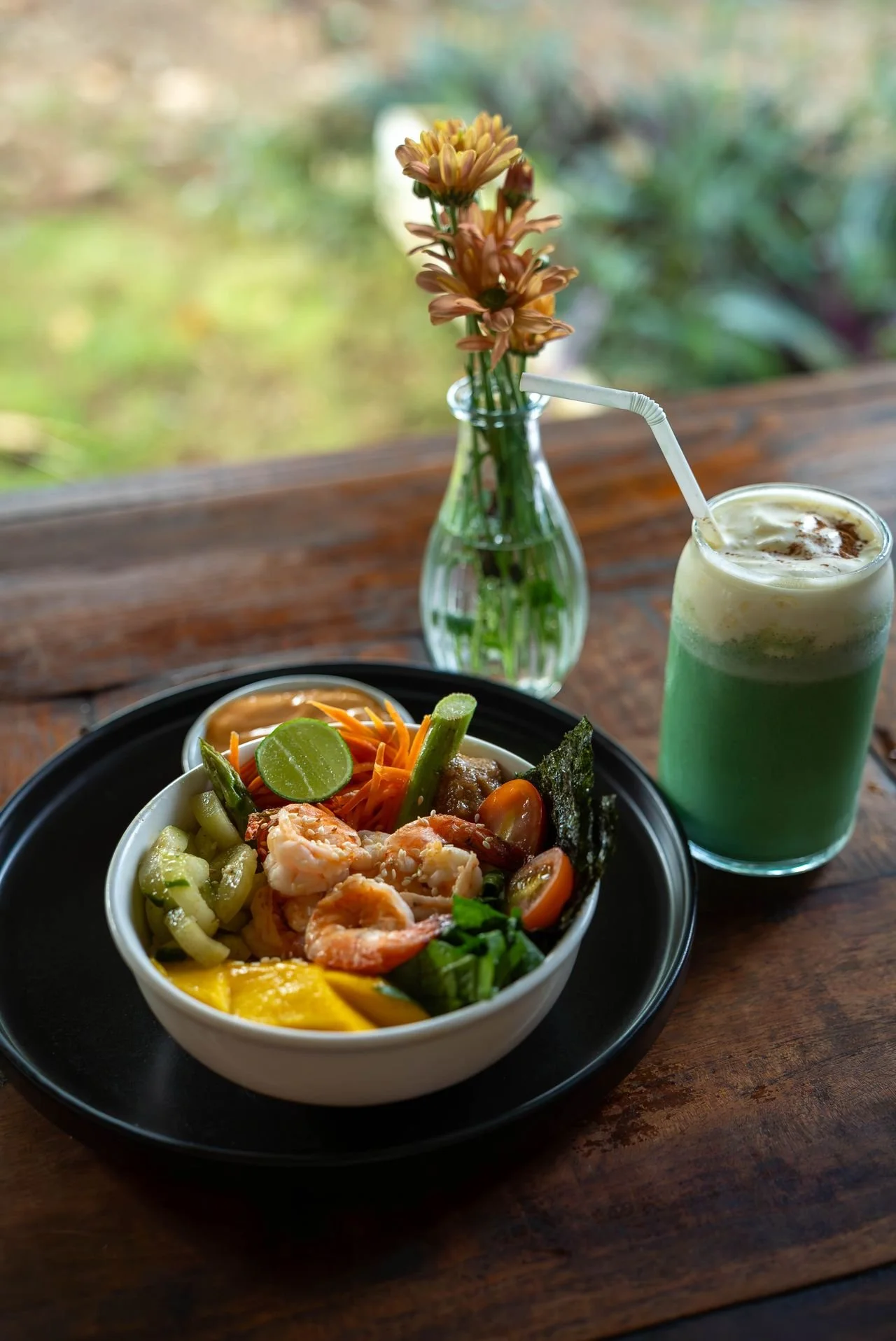
Healthy Weight Loss Meals / Photo: Sergei Starostin
Introduction
Most weight-loss advice arrives dressed as revelation: eliminate this ingredient, drink that mixture, buy a special container, never eat after a particular hour. The appeal is understandable. A rule feels easier to manage than the unruly combination of appetite, stress, family schedules, restaurant portions, grocery prices, sleep, and biology that actually shapes how people eat. The better habits tend to be less cinematic. They make a health-supporting choice more visible, convenient, satisfying, or repeatable. They also leave room for dinner with friends, an unpredictable workday, and the occasional meal that exists for pleasure rather than nutritional precision.
That distinction matters because a person can follow a rigid diet for three weeks without learning much about hunger, meal structure, or the conditions that lead to overeating. When the diet ends, the old environment remains. Sustainable weight loss requires more than temporary obedience; it requires a routine that can survive ordinary life. The ten practices below are not metabolic shortcuts, and none guarantees weight loss. Their value lies in reducing friction. Some improve a meal's physical composition. Others bring attention to portions or uncover the emotions attached to eating. Together, they can help create a modest, manageable energy deficit while supporting nutrition, training, and lean tissue.
Table of Contents
Stop the Shame Game
Eat More Consciously
Get Smaller Plates—With a Caveat
Buy a Fruit Bowl
Be Boring—Strategically
Blend a Plant-Based Smoothie
Eat the Yolk
Use the Half-Plate Rule
Tap Into Your Emotions
Spread Out Your Protein
How to Put These Habits Into Practice
Frequently Asked Questions
Related Articles
1. Stop the Shame Game
Shame is often mistaken for accountability, but the two operate differently: accountability identifies a behavior and chooses a response, while shame turns a behavior into an identity—“I ate more than intended” becomes “I have no discipline.” A 2021 systematic review found that self-compassion interventions showed promise for improving eating and activity behaviors, although methodological weaknesses prevented strong conclusions about weight loss itself. After an unplanned meal, replace punishment with a three-question review: What was happening before I ate? What did I need at that moment? What adjustment would make the next similar situation easier? The answer might be a more substantial lunch, an afternoon snack, an earlier bedtime, or simply accepting that one restaurant meal does not require a compensatory fast. If your plan repeatedly leaves you ravenous, the plan—not your character—may need revision. Persistent guilt, secretive eating, purging, or cycles of restriction and bingeing deserve care from a physician or eating-disorder specialist, not a stricter calorie target.
2. Eat More Consciously
Conscious eating does not require silent meals or meditating over every carrot. It means gathering enough information to recognize when you are hungry, when you are satisfied, and when your hand moves toward food without much involvement from your attention. For one meal per day, sit at a table, remove the phone, portion the food before eating, and pause halfway through for 20 seconds. Ask whether you are still physically hungry, enjoying the food, or continuing because it remains in front of you. A practical hunger scale can help: begin near a 3 or 4 out of 10—clearly hungry but not desperate—and consider stopping near a 6 or 7—comfortably satisfied rather than uncomfortably full. Mindfulness research suggests possible benefits for eating behavior, but the effects are generally modest and should not be sold as automatic weight loss. The purpose is observation. Once you notice that rushed lunches leave you unsatisfied or television encourages second servings, you have something specific to change.
3. Get Smaller Plates—With a Caveat
A smaller plate isn't a reliable appetite-control tool on its own. A 2021 systematic review and meta-analysis found no meaningful effect from reduced-size plates alone, although calibrated dishes and certain combinations of smaller bowls and serving utensils appeared more useful. Keep the idea, but improve the execution: use a nine- or ten-inch dinner plate, plate the planned meal in the kitchen, and put leftovers away before sitting down. For calorie-dense foods such as pasta, chips, ice cream, or nuts, a smaller bowl can establish a visible boundary; eating from a bag or family-size container cannot. A divided or visually marked plate may be even more helpful because it provides information instead of relying on an optical illusion. You may always take more if you remain hungry after ten minutes. The dish is a pause button, not a prohibition, and it cannot compensate for a meal containing too little protein, fiber, or total food to be satisfying.
4. Buy a Fruit Bowl
The fruit bowl matters because the kitchen is full of cues. Food that is visible, ready, and within reach is more likely to be considered before food that requires washing, peeling, or searching. Place two or three durable options—apples, pears, oranges, peaches, or bananas—where you normally see snack foods, and keep washed berries or grapes at eye level in the refrigerator. Then give the fruit a job: pair an apple with peanut butter for an afternoon snack, add berries to oatmeal, or eat an orange with lunch. Whole fruit provides water, fiber, and chewing time that juice generally does not, but it is not a negative-calorie food and need not be eaten without regard to appetite. The useful substitution is fruit in place of a less-filling default, not fruit on top of everything you already consume. Rotate what you buy, and begin with an amount your household will finish; a decorative bowl of spoiled produce changes no one’s diet.
5. Be Boring—Strategically
Novelty is delightful, but it creates work. If every weekday breakfast requires a new recipe and every dinner begins with a search for inspiration, fatigue eventually hands the decision to takeout. Choose two breakfasts, two lunches, and three or four dinners that you like well enough to repeat. A useful rotation might include oatmeal with berries and Greek or soy yogurt; eggs with vegetables and whole-grain toast; a lentil-grain bowl; a chicken, tofu, or tuna wrap; vegetable chili; sheet-pan fish and vegetables; and tacos built around beans or lean protein. Repetition simplifies shopping, makes portions easier to recognize, and reduces decisions made while hungry. “Boring” should not mean nutritionally narrow: rotate vegetables, fruits, beans, whole grains, protein sources, herbs, and spices within the structure. Keep one flexible meal each week for a restaurant, new recipe, or favorite family dish. The objective is not culinary austerity. It is giving the busiest parts of the week a dependable floor.
6. Blend a Plant-Based Smoothie
A smoothie can be a compact meal or an easy way to drink hundreds of calories without noticing; the ingredients decide which. Begin with one cup of unsweetened soy milk or another suitable base, one cup of berries, a handful of spinach, and a protein source such as silken tofu, unsweetened soy yogurt, or a protein product that fits your dietary and medical needs. Add oats or half a banana if the smoothie must support a workout. Measure nut butter, seeds, coconut, and sweeteners rather than pouring freely; nutritious ingredients still contribute energy. Keep some texture, drink it slowly, and don't assume pulverized vegetables are better than vegetables you chew. If a smoothie leaves you hungry within an hour, pair it with whole fruit, toast, or another solid food—or turn the ingredients into a bowl. A smoothie is most useful when it replaces a skipped breakfast or a low-fiber convenience meal, not when it becomes an extra beverage beside a full breakfast.
7. Eat the Yolk
Egg whites provide protein, but the yolk contains much of the egg’s choline and several fat-soluble nutrients. For many healthy adults, whole eggs can fit within an overall eating pattern rich in vegetables, legumes, whole grains, fruit, nuts, and unsaturated fats. That doesn't mean dietary cholesterol is irrelevant or that everyone responds the same way. Genetics, diabetes, baseline LDL cholesterol, saturated-fat intake, medications, and the foods served with eggs all influence cardiovascular risk. Two eggs with spinach, tomatoes, beans, and whole-grain toast create a different nutritional pattern from eggs accompanied daily by bacon, sausage, butter, and refined bread. If you need more protein without several additional yolks, combine one or two whole eggs with extra whites. People with high LDL cholesterol, familial hypercholesterolemia, diabetes, or established cardiovascular disease should discuss egg frequency and lipid monitoring with a physician or registered dietitian rather than following a universal internet rule.
Quick Summary
Replace food shame with a factual review of what happened.
Eat one screen-free meal each day and pause halfway through.
Use smaller bowls or calibrated dishes instead of relying on plate size alone.
Place ready-to-eat whole fruit where you will see it.
Repeat a small collection of balanced weekday meals.
Build smoothies around produce and protein, not juice and sweeteners.
Keep whole eggs in context with your cardiovascular history.
Fill about half the plate with non-starchy vegetables.
Match emotional needs with responses more precise than automatic eating.
Include a substantial protein source across several meals.
Pair nutrition changes with resistance training, aerobic activity, and sleep.
Adjust the plan when it repeatedly creates excessive hunger or guilt.
8. Use the Half-Plate Rule
At lunch and dinner, fill roughly half the plate with non-starchy vegetables, one quarter with protein, and one quarter with a fiber-rich carbohydrate; then add an appropriate amount of unsaturated fat. This could mean roasted broccoli, salmon, and potatoes with olive oil; peppers and onions, black beans, and corn tortillas with avocado; or a large mixed-vegetable stir-fry with tofu and brown rice. The proportions are a visual starting point, not a prescription for everyone or every culture. Athletes, highly active adults, pregnant people, and those recovering from illness may require more carbohydrate or total food, while someone managing diabetes may need individualized guidance. Do not let the vegetable half become an undressed pile of leaves beside a tiny meal. Use cooked and raw vegetables, seasoning, sauces, and varied textures to make the plate satisfying. The rule works best because it reserves meaningful space for high-volume, fiber-containing foods while leaving room for protein and carbohydrates—not because vegetables erase calories elsewhere.
9. Tap Into Your Emotions
Emotional eating is not a moral lapse. Food can distract, soothe, reward, connect, and punctuate the day; those roles help explain why nutritional knowledge alone rarely settles every eating decision. Before an unplanned snack, try a brief HALT check: Am I hungry, angry, anxious, lonely, or tired? If you're physically hungry, eat something adequate. If the need is emotional, wait ten minutes and choose a response that matches it—a short walk for restlessness, a call for loneliness, a shower for transition, or an earlier bedtime for fatigue. You may still decide to eat, but the decision will be informed, not automatic. Track the setting, emotion, hunger level, and food for one week without calories or judgment. Patterns are often more useful than totals: the difficult hour may consistently be 4 p.m., the drive home, or the quiet after children go to bed. Recurrent binge episodes or significant distress should be addressed with a licensed mental-health professional or registered dietitian experienced in eating behavior.
10. Spread Out Your Protein
Total daily protein remains more important than a mathematically perfect distribution, but eating almost none at breakfast and lunch before having an enormous portion at dinner may be a missed opportunity—especially for older adults or people trying to preserve muscle during weight loss. A 2024 review concluded that protein quantity, quality, age, and activity all affect the response; it also noted that long-term evidence for an ideal distribution remains incomplete. A practical approach is to include a substantial protein source at three meals: eggs or Greek or soy yogurt at breakfast; beans, lentils, fish, poultry, tofu, or tempeh at lunch; and another suitable source at dinner. Many active adults can start with 25–35 grams per meal, while larger individuals and adults over 60 may need individualized amounts. Resistance training provides the physical stimulus that nutrition supports. Anyone with chronic kidney disease or another condition affecting protein needs should obtain a target from a physician or registered dietitian.
How to Put These Habits Into Practice
Do not install all ten habits on Monday morning. Select one environmental change and one meal change for the next two weeks. You might place fruit on the counter and add protein to breakfast, or use a divided dinner plate and eat lunch without your phone. Define success as completing the action most of the time—not producing an immediate change on the scale.
Review the results after 14 days. Did the habit reduce rushed choices, extreme hunger, or evening grazing? Was it affordable and realistic? Keep what helped, modify what created friction, and then add another practice. If weight loss is appropriate for you, monitor trends across several weeks while also tracking waist circumference, strength, energy, sleep, and hunger. A personal trainer in Denver can organize the exercise side of this process around your health history and schedule, while a registered dietitian can provide individualized nutrition therapy. For clients who prefer neighborhood-based coaching, personal training in LoHi can integrate strength, mobility, and sustainable weight-management habits without treating exercise as punishment for eating.
Frequently Asked Questions (FAQs)
What are ten healthy eating habits for weight loss?
Useful habits include eating mindfully, using portion cues, keeping whole fruit visible, repeating balanced meals, filling half the plate with vegetables, recognizing emotional triggers, and eating enough protein throughout the day.
Can you lose weight without counting calories?
Yes, some people can create an energy deficit through consistent portions, minimally processed foods, meal planning, protein, fiber, and reduced liquid calories. Tracking may still help when you can't otherwise evaluate progress.
Why does shame make weight management harder?
Shame can turn a correctable behavior into a judgment about personal worth. A factual, self-compassionate review is more likely to identify hunger, stress, fatigue, or environmental cues you can address.
What should a balanced weight-loss plate contain?
Use non-starchy vegetables for approximately half the plate, a protein source for one quarter, and a fiber-rich carbohydrate for the remaining quarter, with an appropriate amount of unsaturated fat.
Is protein timing important for weight loss?
Total daily intake is the priority. Distributing protein across several meals may support meal quality and muscle protein synthesis, particularly for older adults and people resistance-training during weight loss.
What makes a smoothie suitable for weight loss?
A useful smoothie contains produce, a substantial protein source, an unsweetened liquid, and measured portions of calorie-dense ingredients. It should replace or complete a meal rather than become an unplanned addition.
Are small plates an effective portion-control strategy?
Not consistently. Research suggests that calibrated plates and certain smaller bowls or utensils may be more helpful than simply replacing a large dinner plate with a smaller one.
How quickly should I add new eating habits?
Begin with one or two actions and practice them for approximately two weeks. Add another habit after determining whether the first changes are realistic, affordable, and helpful.
Peer-Reviewed Citations
Brenton-Peters J, Consedine NS, Boggiss A, Wallace-Boyd K, Roy R, Serlachius A. 2021. Self-compassion in weight management: A systematic review. Journal of Psychosomatic Research.
PMID: 34560404
DOI: 10.1016/j.jpsychores.2021.110617
Vargas-Alvarez MA, Navas-Carretero S, Palla L, Martínez JA, Almiron-Roig E. 2021. Impact of Portion Control Tools on Portion Size Awareness, Choice and Intake: Systematic Review and Meta-Analysis. Nutrients.
PMID: 34207492
DOI: 10.3390/nu13061978
Layman DK. 2024. Impacts of protein quantity and distribution on body composition. Frontiers in Nutrition.
PMID: 38765819
DOI: 10.3389/fnut.2024.1388986
ABOUT THE AUTHOR: MICHAEL MOODY, PERSONAL TRAINER
As an author, a personal trainer in Denver, and a podcast host, Michael Moody has helped personal training clients reach new fitness heights and achieve incredible weight-loss transformations since 2005. He also produces the wellness podcast "The Elements of Being" and has been featured on NBC, WGN Radio, and PBS.
Michael offers personal training to Denver residents who want to meet at the 2460 W 26th Ave studio….or in their homes throughout LoHi (80206), LoDo (80202), RiNo (80216), Washington Park (80209), Cherry Creek (80206, 80209, 80243, 80246, 80231), and Highlands (80202, 80211, 80212). Michael also offers personal training sessions in Jefferson Park (80211) and Sloan's Lake (80204, 80212).
If you’re looking for a personal trainer who can curate a sustainable (and adaptable) routine based on your needs and wants, Michael is the experienced practitioner you’ve been looking for. Try personal training for a month…your body will thank you!
Related articles
From the Michael Moody Fitness directory, these are the most relevant internal articles to place at the bottom of this post. The directory includes the existing fast-food review under weight-loss obstacles and several related nutrition, dining-out, grocery, and food-label resources.
Denver’s altitude, dry air, restaurant culture, and easy access to outdoor recreation make it hard to reduce energy needs to a generic meal plan. At Michael Moody Fitness in LoHi, we consider nutrition habits alongside strength, recovery, injuries, work schedules, and activities such as hiking, skiing, cycling, and neighborhood walking. The aim is n’t simply to eat less; it is to build a stronger routine that supports life in Denver.