Author Michael Moody explores the habits, mindsets, insights, creative processes, and more of guests in the wellness podcast, “The Elements of Being.”

Exploring Partisanship, Nationalism, and Voting Behavior with Dr. Leonie Huddy on The Elements of Being Podcast
About this Episode
Welcome to “The Elements of Being” podcast, where I dissect and explore the minds and habits of psychologists, filmmakers, writers, and industry icons. Essentially, we examine the mental and emotional narratives and processes that steer the social stream of consciousness….It is truly a chance to geek out over the psychology behind human behavior. Each episode is a glimpse into the trends and patterns of human behavior and the underlying influences that navigate us in different directions. Whether we primarily focus on nutrition or the unconscious, guests share insights, thought-provoking lessons, the nuances of creativity, and the elements of being….us.
Today, I’d like to share the 3rd part of a series on the psychology behind the US presidential election and the political issues that permeate the campaign airwaves. A few episodes ago, my interview with Dr. Madva dissected the role of implicit biases as an undercurrent of many social injustices, including incidents related to racism and classism. And then, my conversation with Dr. Baron examined the moral judgments surrounding political issues and our decision-making process. In this interview with Dr. Leonie Huddy, we discussed the roles and trends of partisanship in politics and the topics of nationalism, individualism, and voting behavior.
Dr. Huddy is Professor and Chair of the Department of Political Science at Stony Brook University. She is co-editor of the 2nd edition of the Oxford Handbook of Political Psychology, served as co-editor of the journal Political Psychology from 2005 to 2010, is past-president of the International Society of Political Psychology (ISPP), serves on the American National Election Studies Board of Overseers, often appears on CBS Radio as an exit poll analyst, and serves on numerous editorial boards in political science.
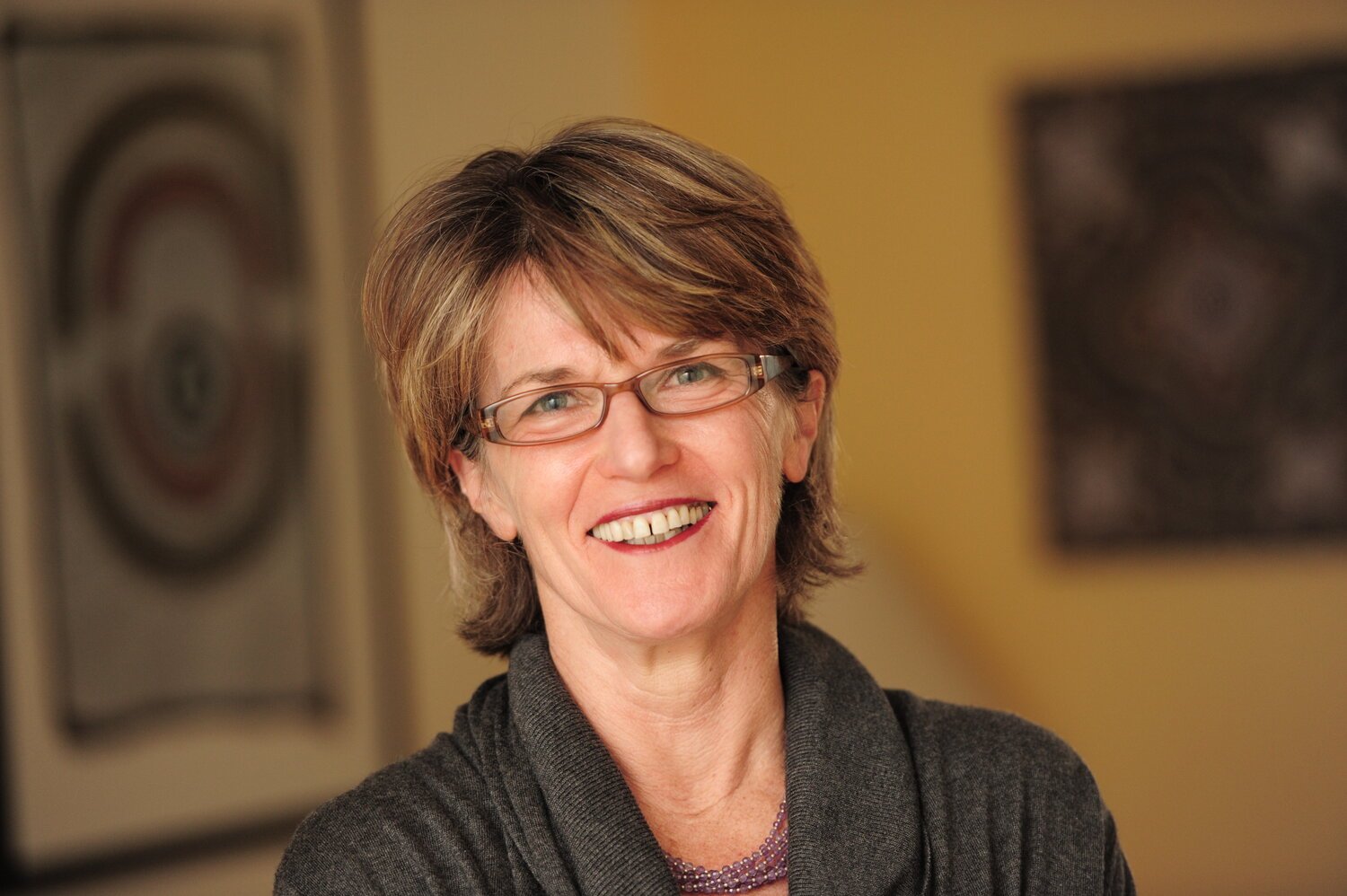
Dr. Huddy has written extensively on social and political identities, emotions, reactions to terrorism, gender and politics, and race relations. She is the co-author (with Stanley Feldman and George Marcus) of Going to War in Iraq: When Citizens and the Press Matter published by the University of Chicago Press. Dr. Huddy was born in Australia and shared an incredible global perspective on the current US political landscape.
In our interview, here’s what we specifically discussed:
-The difference between print and television journalism during the war in Iraq.
-How individualism affects the regulation of empathetic ability.
-Nationalist appeals and the connection to future elections worldwide.
-The difference between nationalism and patriotism.
-The social nature of partisanship and how it’s a form of tribal self-expression.
-The positive and negative consequences of political partisanship.
-What contributes to affective partisanship, and how can we diminish it.
-The role of partisan politics in our democracy.
-The underlying influences of voting behavior.
-The difference in voting behaviors between the US and other democracies.
To learn more about Dr. Leonie Huddy and her research, check out https://you.stonybrook.edu/leonie/!
ABSTRACT
Join The Elements of Being Podcast for an insightful interview with Dr. Leonie Huddy. We delve into partisanship in politics, the distinctions between nationalism and patriotism, and the underlying influences on voting behavior. Discover how social and political identities shape our democracy and impact the political landscape.
Keywords
The Elements of Being Podcast
Dr. Leonie Huddy interview
Partisanship in politics
Nationalism vs. patriotism
Voting behavior analysis
Political psychology insights
Political identities
Affective partisanship
US presidential election
Social identities in politics
Political tribalism
Democracy and partisanship
Leonie Huddy research
Nationalist appeals
Political partisanship effects
More “The Elements of Being” Podcast Episodes





Share the Word!
If you find this podcast interesting, there are many ways you can support it. You can review the podcast on Itunes, Spotify, Stitcher, or wherever you listen on. You can share it on social media with your friends. You can blog about it or discuss it on your own podcast. Or you can read the show notes on www.michaelmoodyfitness.com. Thank you for supporting the show! Listeners like you make it worthwhile!

Implicit Bias and Racism: Insights with Dr. Alex Madva | The Elements of Being Podcast
About this Episode
Welcome to “The Elements of Being” podcast, where I dissect and explore the minds and habits of psychologists, filmmakers, writers, and industry icons. Essentially, we learn what makes them flip the switch to achieve great feats, goals, and milestones…and a chance to geek out over the psychology behind human behavior.
So, what is this podcast specifically about? I examine the mental and emotional narratives and processes that have steered writers, filmmakers, psychologists, and industry icons down their paths in life. Each episode also offers a glimpse into the trends and patterns of human behavior and the underlying influences that navigate us in different directions. Whether we primarily focus on nutrition or the unconscious, guests share insights, thought-provoking lessons, the nuances of creativity, and the elements of being….us.
Today, I explore the relationship between racism and implicit biases with Dr. Alex Madva, an Associate Professor of Philosophy and Director of the California Center for Ethics & Policy at Cal Poly Pomona. He recently co-edited the volume, An Introduction to Implicit Bias: Knowledge, Justice, and the Social Mind with his colleague Erin Beeghly and took the time to break down systemic racism and the implicit biases that not only pervade the recent cases involving George Floyd and Kyle Rittenhouse but also steer our perception of such matters. Essentially, we are digging into the unconscious and examining how simple labels of racism may not account for the underlying complexity of these situations.
Dr. Madva’s research and teaching explore how developments in social psychology inform the philosophy of mind, philosophy of race and feminism, and applied ethics, especially prejudice and discrimination. He has written on these topics for journals including Ethics, The Journal of Applied Philosophy, Wiley Interdisciplinary Reviews (WIREs): Cognitive Science, Pacific Philosophical Quarterly, Ergo, Mind and Language, and others. Dr. Madva is co-editing another, The Movement for Black Lives: Philosophical Perspectives.
Dr. Madva has taught numerous classes on Race and Racism, Social and Political Philosophy, Cognitive Science, Feminist Philosophy of Science, Contemporary Moral Problems, Ancient Greek and Roman Philosophy, and upper-division undergraduate and graduate seminars on social psychology and philosophy. He has also developed a new course at CPP, The Philosophy & Science of Implicit Bias.
Dr. Madva is also actively engaged in collaborative empirical research. One ongoing project, funded by the NSF, is testing interventions to reduce achievement gaps and increase belonging for underrepresented groups at Cal Poly Pomona in disciplines such as physics, economics, mathematics, biology, and philosophy.

His published empirical research has appeared in journals, including Ratio and the International Journal of STEM Education. He is also collaborating with computer scientists, engineers, and social scientists to study the spread of misinformation and prejudice across social media, ultimately to counteract these trends. Folks, Dr. Madva has written the textbook on implicit bias.
In our interview, here’s what we specifically discussed:
-The intersection of Dr. Madva’s philosophy, psychology, and sociology studies and the evolution of his interest in implicit biases.
-Epistemic humility and the connection to the recent cases regarding police officers in the media.
-The evolutionary function of implicit biases.
-Unconscious prejudices still exist despite conscious commitments to be fair and unprejudiced.
-How do we determine when implicit biases serve our personal needs and honor individuals outside of us appropriately?
-How to test our hidden biases.
-Using debiasing tools, like “If-Then” Plans and the “Common-Ground Mindsets” Tool, to bridge the gap between intention and action.
-The relationship between “trusting our gut” and implicit biases.
-How ingroup-outgroup distinctions and status preferences contribute to our sets of unconscious beliefs.
-How to create structural reform with a cross-experiential approach.
******
To learn more about Dr. Alex Madva and implicit biases, visit http://www.alexmadva.com/.

The Elements of Being Podcast with Michael Moody: Implicit Biases: The Undercurrent of Social Injustices Featuring Dr. Madva
ABSTRACT
Join Michael Moody on the podcast "The Elements of Being" as he delves into implicit bias and systemic racism with Dr. Alex Madva. Explore the intersection of philosophy and social psychology, uncover unconscious prejudices, and learn practical debiasing tools to address social injustices.
Keywords
Implicit Bias
Systemic Racism
Social Psychology Podcast
Dr. Alex Madva
The Elements of Being Podcast
Unconscious Prejudices
Philosophy of Race
Debiasing Tools
Social Injustices
Michael Moody Podcast
Intersection of Philosophy and Psychology
Structural Reform
Cognitive Science
Implicit Bias Textbook
California Center for Ethics & Policy
More “The Elements of Being” Podcast Episodes

#35 - Designing Your New Work Life | Dave Evans
#35 - Designing Your New Work Life | Dave Evans
Welcome to “The Elements of Being” podcast, where I dissect and explore the minds and habits of psychologists, filmmakers, writers, and industry icons. Essentially, we examine the mental and emotional narratives and processes that steer the social stream of consciousness….Truly a chance to geek out over the psychology behind human behavior. Each episode is a glimpse into the trends and patterns of human behavior and the underlying influences that navigate us in different directions. Whether we primarily focus on nutrition or the unconscious, guests share insights, thought-provoking lessons, the nuances of creativity, and the elements of being….us.
Today, I'd like to introduce you to Dave Evans, the Codirector of the Stanford Life Design Lab and a co-founder of Electronic Arts, one of the world's largest interactive entertainment companies. He also led the design of Apple's first mouse and laser printer and has a BS and MS in Mechanical Engineering from Stanford.
Recently, Dave and his colleague, Bill Burnett, coauthored the #1 New York Times bestseller Designing Your New Work Life....and it served as the foundation of our conversation. It's a job-changing, outlook-changing, life-changing book that shows us how to transform our new uncharted work lives and create a meaningful dream job. With new insights on making our way through disruption- large and small, personal or global-the book helps us navigate during these times of fear and anxiety about the unknown and through our post-COVID work lives and beyond.
Specifically, we discuss their Disruption Design, focusing on curiosity, reframing, radical collaboration, awareness, bias to action, and storytelling. We also learn how to make possibilities available even when our lives have been disrupted, examine the tools to enjoy the moment, and begin to prototype our future.

In this episode, we specifically discussed:
-How to redesign our professional lives with unknown disruptions in mind when we've already invested in a specific path.
-How to break the chain of working endlessly without satisfaction and "doing whatever it takes" modeled by our parents and society.
-How to approach the dilemma of serving life of purpose for less pay or settling for a higher wage at a less satisfying job.
-Design thinking and the benefit of applying this mode of thinking to our professional lives.
-The importance of curiosity in our professional lives.
-Prototyping new positions and experiences while serving a current position.
-How we can reframe our current position to change our work experience or career trajectory.
-A distinction between reframing and renaming our work experiences.
-The benefits of radical collaboration.
-The foundation of great storytelling.
-The best exit strategies.
___________________________
To learn more about Dave Evans and his new book, visit https://designingyour.life.
More “The Elements of Being” Podcast Episodes
Share the Word!
If you find this podcast interesting, there are many ways you can support it. You can review the podcast on Itunes, Spotify, Stitcher, or wherever you listen on. You can share it on social media with your friends. You can blog about it or discuss it on your own podcast. Or you can read the show notes on www.michaelmoodyfitness.com. Thank you for supporting the show! Listeners like you make it worthwhile!

#34 - The Lens of a Positive Psychologist During a Crisis | Dr. Itai Ivtzan
#34 - The Lens of a Positive Psychologist During a Crisis | Dr. Itai Ivtzan
Welcome to “The Elements of Being” podcast, where I dissect and explore the minds and habits of psychologists, filmmakers, writers, and industry icons. Essentially, we examine the mental and emotional narratives and processes that steer the social stream of consciousness….Truly a chance to geek out over the psychology behind human behavior. Each episode is a glimpse into the trends and patterns of human behavior and the underlying influences that navigate us into different directions. Whether we primarily focus on nutrition or the unconscious, guests share insights, thought-provoking lessons, the nuances of creativity, and the elements of being….us.
Today, I’d like to introduce you to Dr. Itai Ivtzan, a positive psychologist, a Professor at Naropa University, and the School of Positive Transformation Director. Over the past 20 years, he has run seminars, lectures, workshops, and retreats in the USA, UK, and worldwide at various educational institutions and private events. In addition, Dr. Itzvan is a regular keynote speaker at conferences and has published five books and more than 50 journal papers and book chapters. His main areas of research and teaching are positive psychology, mindfulness, and spirituality.
Accordingly, Dr. Itzvan has invested much time in studying mindfulness academically, writing books about it, teaching it, and training mindfulness teachers. As part of his work, he established the School of Positive Transformation, offering practical well-being courses for practitioners, teaching them how to transform themselves and their clients and students.
___________________________
To learn more about Dr. Itai Ivtzan, visit https://schoolofpositivetransformation.com.

The Elements of Being Podcast with Michael Moody featuring Dr. Itai Ivtzan
In our interview, we examine the lens of a positive psychologist during a period of crisis. Dr. Ivtzan shared his personal struggles during the onset of the pandemic, and we discussed how to practice empathy when in conflict with family and friends and compassion for loved ones who hurt us. We also dive into the meaning we assign to such disruptions like the recent pandemic and destructive wildfires in Colorado, as well as the role of meditation and mindfulness in our well-being.
In this episode, we specifically discussed:
-The lens of a positive psychologist during a crisis.
-Making sense of crisis.
-Sitting with ourselves when our physical states are threatened.
-The dialogue regarding collective trauma in the positive psychology community.
-Feeling compassion for others when we've been hurt by even those who love us.
-Practicing empathy when experiencing fiery divisions between family, friends, and people we don't know.
-The role of mindfulness in building resiliency.
-The reasons why solitude is vital to our mindfulness.
More “The Elements of Being” Podcast Episodes
Share the Word!
If you find this podcast interesting, there are many ways you can support it. You can review the podcast on Itunes, Spotify, Stitcher, or wherever you listen on. You can share it on social media with your friends. You can blog about it or discuss it on your own podcast. Or you can read the show notes on www.michaelmoodyfitness.com. Thank you for supporting the show! Listeners like you make it worthwhile!

#33 - Systematically Building a Regenerative Future | Brenna Simmons-St. Onge
#33 - Systematically Building a Regenerative Future | Brenna Simmons-St. Onge
Welcome to “The Elements of Being” podcast, where I dissect and explore the minds and habits of psychologists, filmmakers, writers, and industry icons. Essentially, we examine the mental and emotional narratives and processes that steer the social stream of consciousness….Truly a chance to geek out over the psychology behind human behavior. Each episode is a glimpse into the trends and patterns of human behavior and the underlying influences that navigate us into different directions. Whether we primarily focus on nutrition or the unconscious, guests share insights, thought-provoking lessons, the nuances of creativity, and the elements of being….us.
Today, I’d like to introduce you to Brenna Simmons-St. Onge, the Executive Director of The Alliance Center. She is a pragmatic visionary with over 15 years of leadership experience, including a decade in corporate social responsibility. During the pandemic, Brenna launched the Regenerative Recovery Coalition-a coalition with over 335 members working together to build Colorado towards a regenerative future. Through large public-private partnerships, Brenna is leading the Coalition to create equitable social structures that will foster shared prosperity on a healthy planet. As a dynamic change agent, Brenna leads with a nonprofit heart and a business mind leveraging holistic approaches to implement and scale solutions to some of the largest issues humanity faces.
In our interview, we break down the concept of a regenerative future and the individual and social efforts required for systems-level change, as well as the gap between idealism and pragmatism. We also examine how to secure the attention of policymakers and corporations and how they should rethink and measure success and growth within a capitalist system.

The Elements of Being Podcast with Michael Moody featuring Brenna Simmons-St. Onge
In this episode, we specifically discussed:
-How to personally balance living in our modern capitalist system while recognizing the significant challenges upon us.
-Transition from a corporate career to a values-driven professional path.
-The definition of the concept "regenerative future."
-How the Alliance Center has drawn the attention of governors and other politicians in Colorado.
-How Brenna and the Alliance Center choose the most appropriate focuses at a given time for driving systems-level change with regenerative business in mind.
-How we can bridge the gap between idealism and pragmatism.
-What's required in the "regenerative future" message to secure the attention of policymakers and corporations.
-How corporations and smaller businesses should rethink and measure success and growth within a capitalist system.
___________________________
To learn more about Brenna Simmons-St. Onge, visit https://www.thealliancecenter.org/.
More “The Elements of Being” Podcast Episodes
Share the Word!
If you find this podcast interesting, there are many ways you can support it. You can review the podcast on Itunes, Spotify, Stitcher, or wherever you listen on. You can share it on social media with your friends. You can blog about it or discuss it on your own podcast. Or you can read the show notes on www.michaelmoodyfitness.com. Thank you for supporting the show! Listeners like you make it worthwhile!

#32 - Growing a New Future of Farming and Food Equity | Dr. Damien Thompson
#32 - Growing a New Future of Farming and Food Equity | Dr. Damien Thompson
Welcome to “The Elements of Being” podcast, where I dissect and explore the minds and habits of psychologists, filmmakers, writers, and industry icons. Essentially, we examine the mental and emotional narratives and processes that steer the social stream of consciousness….Truly a chance to geek out over the psychology behind human behavior. Each episode is a glimpse into the trends and patterns of human behavior and the underlying influences that navigate us in different directions. Whether we primarily focus on nutrition or the unconscious, guests share insights, thought-provoking lessons, the nuances of creativity, and the elements of being….us.
Today, I’d like to introduce you to Dr. Damien Thompson, the co-founder of the organization Frontline Farming and director of the Center for Food Justice and Healthy Communities.
In addition to his training in anthropology, Dr. Thompson holds a certification in Permaculture Design and a 200-hour Yoga Alliance Teaching Certification. His interests center on building community food systems, small-scale urban food production, developing community and cultural practices related to food and medicine, and teaching and learning in education and permaculture. Dr. Thompson has a keen interest in how communities can utilize traditional and modern information and practices to build food systems that uplift marginalized and oppressed peoples, restore ecosystems, create biodiversity, support cultural diversity as well as provide individuals and families with the highest level of access to the means to support their health (and we talk quite a bit about these topics today). I should mention that Dr. Thompson is also a mayor-appointed member of the Sustainable Food Council for the City of Denver and a co-chair for the city’s Good Food Purchasing policy group. Undoubtedly, he plays a significant role in the necessary trend of regenerative agriculture and our future connection to food.

The Elements of Being Podcast with Michael Moody featuring Dr. Damien Thompson
In our interview, we bridge his education in anthropology to his farming practice and social work as the co-founder of Frontline Farming. Specifically, we geek out on the fundamentals of farming, the benefits of permaculture, and a focus on regenerative agriculture. We further dissected the social challenges surrounding food security, justice, and sovereignty and the equitable changes needed in our food system.
In this episode, we specifically discussed:
-Frontline Farming's mission.
-The advantages and disadvantages of regenerative agriculture practices, with a focus on no-tilling/conservation tilling, water conservation, terracing, and cover crops.
-Inequality in our present food systems and the need for changes in food security, food justice, and food sovereignty.
-The connection between big data, food systems, and racial equity.
-The importance and repercussions of our language in our discussion about food systems and the policy that supports them.
__________________________________________
To learn more about Dr. Thompson, visit https://www.frontlinefarming.org/.
More “The Elements of Being” Podcast Episodes
Share the Word!
If you find this podcast interesting, there are many ways you can support it. You can review the podcast on Itunes, Spotify, Stitcher, or wherever you listen on. You can share it on social media with your friends. You can blog about it or discuss it on your own podcast. Or you can read the show notes on www.michaelmoodyfitness.com. Thank you for supporting the show! Listeners like you make it worthwhile!

#31 - Understanding our Emotional Regulation (and Self-Injury in Adolescence) | Research Scientist Dr. Whitlock
#31 - Understanding our Emotional Regulation (and Self-Injury in Adolescence) | Research Scientist Dr. Whitlock
Welcome to “The Elements of Being” podcast, where I dissect and explore the minds and habits of psychologists, filmmakers, writers, and industry icons. Essentially, we examine the mental and emotional narratives and processes that steer the social stream of consciousness….Truly a chance to geek out over the psychology behind human behavior. Each episode is a glimpse into the trends and patterns of human behavior and the underlying influences that navigate us into different directions. Whether we primarily focus on nutrition or the unconscious, guests share insights, thought-provoking lessons, the nuances of creativity, and the elements of being….us.
After reaching listenership in 101 countries last fall, I was pushed to examine my role in the world and the power of all of our voices as people climb out of nearly two years of pandemic uncertainty and amplified political states. It's fitting that this new season of The Elements of Being will continue to serve as an advocacy tool for mental health. What will be different is s higher level of dedication to environmental advocacy and the examination of climate change and environmental policy and its effects on our "being" globally.
This fight can no longer be ignored....and I argue that our social efforts to bring global warming to a drawdown will have a greater effect on all of our well-being more than any other action right now. By prioritizing our focus on climate change and instituting a multiprong slate of solutions, we will improve our physical health with cleaner water and air and minimize diseases and disorders while minimizing our dependence on healthcare. We will also retune our connection with nature and steer a new consciousness that elevates our emotional and mental well-being and bring new acceptance and appreciation for our diverse cultures and lands. Greater equity no matter race, gender, and income level is a heck of a byproduct of this agenda, as well. Our voices and efforts have never been more important. So, stay tuned for future episodes on these topics and more!
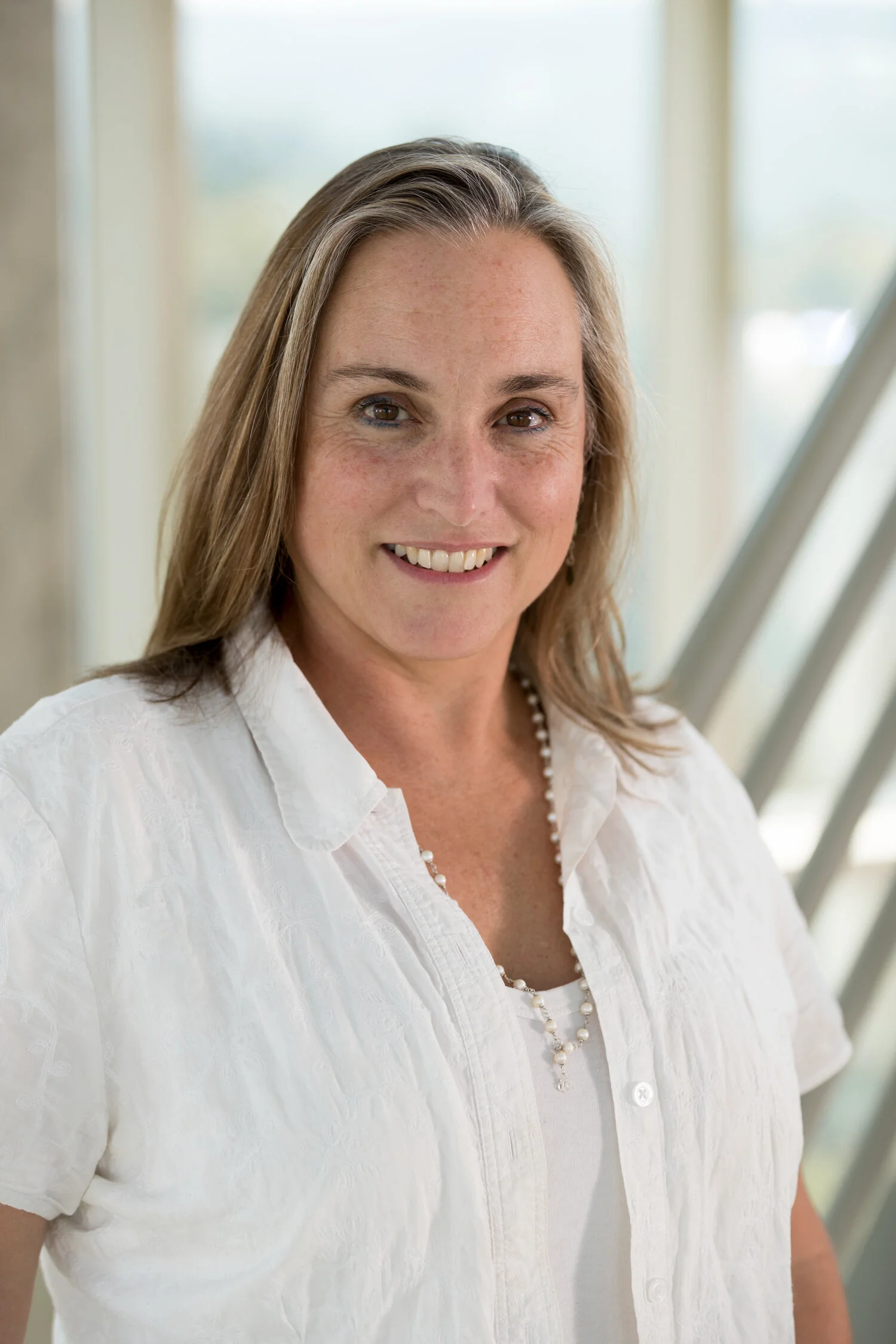
In today's episode, I examine emotional regulation and self-injury in adolescence with research scientist, Dr. Janis Whitlock. She has worked in the area of adolescent and young adult mental health, resilience, and wellbeing for over 30 years. She is dedicated to bridging science, practice, and lived experience wisdom in ways that inform, enhance and support the human capacity to thrive. She has experience as a frontline provider and program developer and, for the past two decades, as a researcher, educator, author, and public speaker in these and related areas.
The Elements of Being Podcast with Michael Moody featuring Dr. Janis Whitlock
As the founder and director of the Cornell Research Program on Self-Injury and Recovery and the co-founder of the International Society for the Study of Self-Injury, she has deep expertise in areas of self-injury and related mental health challenges, including suicide, depression, and anxiety. She has also studied and written about connectedness, resilience, the role of social media in mental health and prevention, and sexual health. She earned a doctorate in Developmental Psychology from Cornell University, a Masters of Public Health from UNC Chapel Hill, and a BA from the University of California at Berkeley.
In this episode, we discuss:
-The call to understand our emotional selves.
-Common emotional regulation strategies.
-Learning the value of awareness and detachment when appropriate.
-The concept of emotional dysregulation and how it contributes to the cycles in our lives.
-Rethinking the role of controlling our thoughts and emotions.
-How emotional regulation strategies can vary among populations.
-Connection between emotional regulation and adolescent and young adult mental health challenges.
-Emotion as an allowable part of your life.
-Reasons for the classification of non-suicidal self-injury and suicide cases.
-Assumptions and reasons for self-injury among adolescents
-Patterns of adolescent self-injury and the likelihood of the same patterns in adulthood.
-The role of social media and other technological affordances in mental health and development.
To learn more about Dr. Whitlock, visit https://www.human.cornell.edu/people/jlw43 and check out her book “Healing Self-Injury: A Compassionate Guide for Parents and Other Loved Ones.”
More “The Elements of Being” Podcast Episodes
Share the Word!
If you find this podcast interesting, there are many ways you can support it. You can review the podcast on Itunes, Spotify, Stitcher, or wherever you listen on. You can share it on social media with your friends. You can blog about it or discuss it on your own podcast. Or you can read the show notes on www.michaelmoodyfitness.com. Thank you for supporting the show! Listeners like you make it worthwhile!

#30 - The Dynamics of Marriage During a Pandemic | Clinical Psychologist Dr. Lavelle
#30 - The Dynamics of Marriage During a Pandemic | Clinical Psychologist Dr. Lavelle
Welcome to “The Elements of Being” podcast, where I dissect and explore the minds and habits of psychologists, filmmakers, writers, and industry icons. Essentially, we examine the mental and emotional narratives and processes that steer the social stream of consciousness….Truly a chance to geek out over the psychology behind human behavior. Each episode is a glimpse into the trends and patterns of human behavior and the underlying influences that navigate us into different directions. Whether we primarily focus on nutrition or the unconscious, guests share insights, thought-provoking lessons, the nuances of creativity, and the elements of being….us.
Today, I’d like to introduce the very talented, Dr. Sera Lavelle, owner of NY Health Hypnosis & Integrative Therapy and co-founder of the soon-to-be-launched mindful eating app, Bea Better Eating. It’s practically a sin that we didn’t discuss her current project in great detail (especially with my interest in our relationship to food and the psychology of our eating behaviors). Instead, we took a deep dive into the role of hypnosis in the clinical setting and the intriguing dynamics of marriages and conflict resolution. A fitting topic as everyone reflects on their relationships during the last 12 months of the pandemic.
Clinical Psychologist, Dr. Lavelle, is an expert in using hypnosis and integrative therapy for weight loss, eating disorders, anxiety, depression, infertility, and relationship issues.

The Elements of Being Podcast with Michael Moody featuring Dr. Sera Lavelle
She also served as an Adjunct Professor at Brooklyn College and Adelphi University where she taught Psychology of Sex and Gender and Psychology from a Multi-Cultural Perspective. Dr. Lavelle’s work with eating disorders has been highly recognized, with articles about her and her team appearing in Forbes, Prevention, Elle Magazine, NY Times, and NY Magazine.
In our interview, we discussed hypnosis and the broader implications for one's inability to reach a hypnotic state as well as its integrative role in the restoration of a failing marriage. We also dissect the fair expectations in the marriage dynamic, maladaptive patterns that lead to the most conflict and sustained tension, the idea of “settling down,” and the new relationship challenges experienced during the shelter-in periods of the pandemic.
To learn more about Dr. Lavelle, visit https://www.nyhealthhypnosis.com/dr-sera-lavelle. Check out her latest project, Bea Better Eating, on https://www.beabettereating.com/, as well.
More “The Elements of Being” Podcast Episodes
Share the Word!
If you find this podcast interesting, there are many ways you can support it. You can review the podcast on Itunes, Spotify, Stitcher, or wherever you listen on. You can share it on social media with your friends. You can blog about it or discuss it on your own podcast. Or you can read the show notes on www.michaelmoodyfitness.com. Thank you for supporting the show! Listeners like you make it worthwhile!

#29 - Overcoming Illness and Poor Health with a Natural Diet and Mindfulness | Asha Gala
#29 - Overcoming Illness and Poor Health with a Natural Diet and Mindfulness | Asha Gala
Welcome to “The Elements of Being” podcast, where I dissect and explore the minds and habits of psychologists, filmmakers, writers, and industry icons. Essentially, we examine the mental and emotional narratives and processes that steer the social stream of consciousness….Truly a chance to geek out over the psychology behind human behavior. Each episode is a glimpse into the trends and patterns of human behavior and the underlying influences that navigate us into different directions. Whether we primarily focus on nutrition or the unconscious, guests share insights, thought-provoking lessons, the nuances of creativity, and the elements of being….us.
Today, we examine the role of mindfulness in the transformation of your physical health with Asha Gala, a lifestyle coach and Mindfulness-Based Stress Reduction (MSBR) Teacher from the farm at Ethos Primary Care. No doubt, a relevant topic for those listeners interested in improving their health and reversing illness. We discussed the early cultural influences of Mumbai on her diet and the challenges of transitioning to the American way of life and diet as an adult. Most certainly, Asha’s experience with her daughter’s chronic sickness opened up a new world of “food as medicine” as she sought a remedy…and we explored the connection of that journey to the challenges her patients face today.

We also dissected the early influences on Asha’s dietary and lifestyle approach and how to convince ourselves to move outside of our wired way of life. Our conversation naturally flowed to the common obstacles to transforming your health, the role of compassion, and the importance of the readiness for change. We highlighted the foundation of Mindfulness-Based Stress Reduction (MBSR) and the role of awareness and the breath, as well.
To learn more about Asha Gala, https://www.ethosprimarycare.com/asha-gala.
More “The Elements of Being” Podcast Episodes
Share the Word!
If you find this podcast interesting, there are many ways you can support it. You can review the podcast on Itunes, Spotify, Stitcher, or wherever you listen on. You can share it on social media with your friends. You can blog about it or discuss it on your own podcast. Or you can read the show notes on www.michaelmoodyfitness.com. Thank you for supporting the show! Listeners like you make it worthwhile!

#28 - Examining Our Connection to Racism | Dr. Maidenberg
#28 - Examining Our Connection to Racism | Dr. Maidenberg
Welcome to “The Elements of Being” podcast, where I dissect and explore the minds and habits of psychologists, filmmakers, writers, and industry icons. Essentially, we examine the mental and emotional narratives and processes that steer the social stream of consciousness….Truly a chance to geek out over the psychology behind human behavior. Each episode is a glimpse into the trends and patterns of human behavior and the underlying influences that navigate us into different directions. Whether we primarily focus on nutrition or the unconscious, guests share insights, thought-provoking lessons, the nuances of creativity, and the elements of being….us.
Today, we explore our connection to racism with Dr. Michelle Maidenberg. We examine how cultural perspectives and experiences shape much of the racist rhetoric and perspectives in our lives, and how we might perceive and manage the guilt and shame we feel. We also dive into how we might approach situations in which friends, family, or colleagues consciously or unconsciously share racist rhetoric. And finally....besides breaking down the role of biases, sitting in discomfort, and facing social fears in relation to racism, we break down the importance of mindfulness in our daily approach.
I’m excited to share my genuine and thought-provoking conversation with you. Dr. Maidenberg is the president and clinical director of Westchester Group Works, a center for group therapy in Harrison, NY, where she maintains a private practice.

The Elements of Being Podcast with Michael Moody featuring Dr. Maidenberg
She is an adjunct graduate professor of Cognitive Behavioral Therapy and Human Behavior at the Silver School of Social Work at New York University. Dr. Maidenberg has also published in varied professional journals, the New York Times, the Daily News, Fitness, Woman’s Day, Parents, and many other publications. Her book Free Your Child from Overeating guides parents through mind-body strategies that help kids and teens develop life-long healthful behaviors.
Actively engaged in promoting the health of her community, Michelle is the co-founder and clinical director of the Thru My Eyes Foundation, which helps parents with life-threatening illnesses create a video legacy for their families. She is a Certified Group Therapist through the American Group Psychotherapy Association. Michelle has advanced training in Cognitive Behavioral Therapy (CBT) and much more.
To learn more about Dr. Michelle Maidenberg, visit https://michellemaidenberg.com/!
More “The Elements of Being” Podcast Episodes
Share the Word!
If you find this podcast interesting, there are many ways you can support it. You can review the podcast on Itunes, Spotify, Stitcher, or wherever you listen on. You can share it on social media with your friends. You can blog about it or discuss it on your own podcast. Or you can read the show notes on www.michaelmoodyfitness.com. Thank you for supporting the show! Listeners like you make it worthwhile!

#27 - Living with Intent | Author Michael Moody
#27 - Living with Intent | Author Michael Moody
Welcome to “The Elements of Being” podcast, where I dissect and explore the minds and habits of psychologists, filmmakers, writers, and industry icons. Essentially, we examine the mental and emotional narratives and processes that steer the social stream of consciousness….Truly a chance to geek out over the psychology behind human behavior. Each episode is a glimpse into the trends and patterns of human behavior and the underlying influences that navigate us into different directions. Whether we primarily focus on nutrition or the unconscious, guests share insights, thought-provoking lessons, the nuances of creativity, and the elements of being….us.
Wellll….In 2020, our will was challenged as well as the habits and routines that defined our lives up to that point. The pandemic, social unrest, and election friction certainly shook the best of our physical, emotional, and mental selves in different ways. Similar to past years, I take January to reflect on the prior 12 months, to adopt new mental software (which are habits, perspectives, and patterns of thinking), and to reboot. As my best friend Craig mentioned this past May, this historic period is what we've been preparing for over the last decade: The steps to improve physical health. The steps to manage stress effectively. The steps to adapt effectively and efficiently. Having been tested, this is truly the best time to reexamine my adaptability and the needed protocol to move forward with my best self. And I challenge you to pledge the same.
Although the popular approach at this time of year is to list desired behaviors and actions first, the most important step (and the true beginning) is identifying the principles that steer my behavior. In essence, all behaviors and perspectives extend from this moral/ethical/philosophical base. Although I don't expect to live perfectly and follow every principle and intent to a "T," they will certainly steer my conscious and unconscious daily. It is my "business plan" for the new "fiscal year" of my personal life. I encourage you to think about the plan I’m about to share as an example and formulate your own approach within a similar template.
Please keep in mind that "living" always requires effort and the root of all being is interaction. The universe is undoubtedly interconnected, and true isolation is non-existent. My presence...my actions....my movements....all affect my environment and other living things.

Although my intents serve my selfish needs, they also serve a good beyond myself (for example, being there for my family for years to come, protecting our natural environment, depending less on healthcare, contributing to empathetic and compassionate energy in the community, and more.). All of us can curate a better world with the same intent.
So, what are my principles? What will steer my behavior and perspectives in 2021? I'll admit that I’m not reinventing the wheel this year…I’m simply amplifying my approach and effect in our beautiful world. In 2005, I created a business plan over the course of three months. Little did I know, this practice not only provided the structure for my professional endeavors for the next fifteen years but also guided my day-to-day personal approach. It steered my reflection process and organized my thoughts about “living.” It provided my purpose to “live with intent and to guide people in their journey to understand themselves, the people around them, and their interaction with the world.” It is no small undertaking and a challenge I believe I was meant and fit to do. From day one, I committed to aligning my professional and personal lives based on this purpose. In this period, the relationships I developed, the self-improvement book I published, and this podcast exemplify the progression of that original plan.
And each year, I reexamine that original intent….that mission. I update it with modified principles based on my status and the status of the world at a given point. In 2021, here is my list of principles. Of course, I wouldn’t dare to stop there. Like many others who approach the new year with a new sense of invigoration and passion, I’ve also broken the habits and behaviors I seek to change or amplify. Photo: Cruise America - We all must cruise in nature to reflect on this past year.
*******
To learn more about Michael, visit https://www.theelementsofbeing.com/!
More “The Elements of Being” Podcast Episodes
Share the Word!
If you find this podcast interesting, there are many ways you can support it. You can review the podcast on Itunes, Spotify, Stitcher, or wherever you listen on. You can share it on social media with your friends. You can blog about it or discuss it on your own podcast. Or you can read the show notes on www.michaelmoodyfitness.com. Thank you for supporting the show! Listeners like you make it worthwhile!

#26 - Designing the Mind in a New Year | Author Ryan A. Bush
#26 - Designing the Mind in a New Year | Author Ryan A. Bush
Welcome to “The Elements of Being” podcast, where I dissect and explore the minds and habits of psychologists, filmmakers, writers, and industry icons. Essentially, we examine the mental and emotional narratives and processes that steer the social stream of consciousness….Truly a chance to geek out over the psychology behind human behavior. Each episode is a glimpse into the trends and patterns of human behavior and the underlying influences that navigate us into different directions. Whether we primarily focus on nutrition or the unconscious, guests share insights, thought-provoking lessons, the nuances of creativity, and the elements of being….us.
In today’s episode, I dove into the “mind” with author Ryan A. Bush and discussed his new book Designing the Mind: The Principles of Psychitecture. His book was a complete indulgence to discuss and certainly appropriate for a deep exploration of ourselves at the start of a new year as we recover from the ongoing pandemic, an economic downturn, the rise of social protests, and an enflamed US election. I think most listeners will agree that the true start of this decade should begin on January 1st of 2021 instead….and there’s no better way than to understand our current mental software as we are about to reboot.
So, what is Ryan’s psycho-philosophical book about? It combines the ancient adage that true happiness comes from within with the modern metaphor of the mind as an operating system. It integrates the wisdom and insights of ancient mystics, practical philosophers, and cognitive scientists into a mindset and method for reprogramming your own psychological software. Basically, it’s a handbook for mastering your behavior, cognition, and emotions, one algorithm at a time. Whether fear prevents you from pursuing your ambitions, jealousy ruins your relationships, distractions rule your life, or you have an inner critic whose expectations you are never able to meet, the psychitectural framework will enable you to understand and rewire the hidden patterns behind your biases, habits, and emotional reactions.

If you know me well enough by now, then you probably know I was salivating at the opportunity to discuss these themes in detail…especially in relation to retraining our minds to achieve what we want. We’ll call this episode the prep work for your New Year’s resolutions and intents.
In our interview, here’s what we specifically discussed:
- Whether or not behaviors and perspectives are predetermined.
- How our daily lives specifically contribute to the program of the brain.
- How we can develop the ability to increasingly determine our own subjective experience.
- The basic foundation of psychitecture.
- The influences that corrupt our mental operating system.
- How our default algorithms contribute to many of our psychological problems today.
- The importance of metacognition when critically thinking about a problem.
- The consequences of our mental patterns and biases.
- The false assumptions about exceptional critical thinking skills and self-control.
- How to beta-test and challenge our belief system.
- How our emotions weren't built to deal with modern life.
- The role of unregulated emotion and the underlying influence on brutal dictators, school shooters, and belligerent bigots.
To learn more about Ryan A. Bush, visit https://designingthemind.org/!
More “The Elements of Being” Podcast Episodes
Share the Word!
If you find this podcast interesting, there are many ways you can support it. You can review the podcast on Itunes, Spotify, Stitcher, or wherever you listen on. You can share it on social media with your friends. You can blog about it or discuss it on your own podcast. Or you can read the show notes on www.michaelmoodyfitness.com. Thank you for supporting the show! Listeners like you make it worthwhile!

#25 - Our Cognitive and Emotional Connection to Film Narrative | Dr. Weik von Mossner
#25 - Our Cognitive and Emotional Connection to Film Narrative | Dr. Weik von Mossner
Welcome to “The Elements of Being” podcast, where I dissect and explore the minds and habits of psychologists, filmmakers, writers, and industry icons. Essentially, we examine the mental and emotional narratives and processes that steer the social stream of consciousness….Truly a chance to geek out over the psychology behind human behavior. Each episode is a glimpse into the trends and patterns of human behavior and the underlying influences that navigate us into different directions. Whether we primarily focus on nutrition or the unconscious, guests share insights, thought-provoking lessons, the nuances of creativity, and the elements of being….us.
In today’s episode, I examine our emotional connection to film narrative with Dr. Alexa Weik von Mossner….in particular, we focus on documentaries about veganism. She is a writer and ecocritical cultural studies scholar who works on American literature, film, and digital media. Dr. Weik von Mossner’s scholarly research explores contemporary environmental culture from a cognitive perspective with a particular focus on affect and emotion.
After working for several years in the German film and television industry, she earned her Ph.D. in Literature and is currently appointed as Associate Professor of American Studies at the University of Klagenfurt in Austria. Currently, Dr. Weik von Mossner is a principal investigator on the research project “Narrative Encounters with Ethnic American Literatures” as well as a researcher on the project “Cinema and Environment: Affective Ecologies in the Anthropocene”.
Along with other prominent researchers, she is developing a new interdisciplinary research field in the environmental humanities, Empirical Ecocriticism. Dr. Weik von Mossner’s academic book publications include Cosmopolitan Minds: Literature, Emotion, and the Transnational Imagination and Affective Ecologies: Empathy, Emotion, and Environmental Narrative. She is also the editor of Moving Environments: Affect, Emotion, Ecology, and Film and

the co-editor of The Anticipation of Catastrophe: Environmental Risk in North American Literature and Culture.
In our interview, here’s what we specifically discussed:
-Dr. Weik von Mossner’s experience in German television and her creative writing process.
-The foundation and long-term implications of cognitive ecocritical analysis.
-The depictions and narrativization of food and how they engage audiences.
-How the type of medium can change the imaginary culinary experience.
-Our emotional and neuro reaction to depictions of animal abuse, global warming, and food in general.
-The processes of liberated embodied simulation and how these processes are similar or dissimilar to real-life interactions with physical (edible) objects.
-How are the narrative strategies of a documentary, such as Cowspiracy, mutually reinforcing on the cognitive and affective levels?
-The emotionalizing strategies of documentaries on veganism.
To learn more about Dr. Weik von Mossner, visit https://www.alexaweikvonmossner.com/!
More “The Elements of Being” Podcast Episodes
Share the Word!
If you find this podcast interesting, there are many ways you can support it. You can review the podcast on Itunes, Spotify, Stitcher, or wherever you listen on. You can share it on social media with your friends. You can blog about it or discuss it on your own podcast. Or you can read the show notes on www.michaelmoodyfitness.com. Thank you for supporting the show! Listeners like you make it worthwhile!

#24 - Exploring the Psychology of our At-Home Environment | Dr. Preston
#24 - Exploring the Psychology of our At-Home Environment | Dr. Preston
Welcome to “The Elements of Being” podcast, where I dissect and explore the minds and habits of psychologists, filmmakers, writers, and industry icons. Essentially, we examine the mental and emotional narratives and processes that steer the social stream of consciousness….Truly a chance to geek out over the psychology behind human behavior. Each episode is a glimpse into the trends and patterns of human behavior and the underlying influences that navigate us into different directions. Whether we primarily focus on nutrition or the unconscious, guests share insights, thought-provoking lessons, the nuances of creativity, and the elements of being….us.
In today’s episode, I examine the effect of the at-home environment and space on our mental and emotional well-being with the business psychologist, Dr. Camille Preston. A fitting topic as we move into a winter of escalating COVID cases, social restrictions, possible lockdowns, and rampant remote learning and working. Dr. Preston is the founder and CEO of AIM Leadership—an executive leadership firm that works with leaders, teams, and organizations to align and optimize human capital to drive scalable and sustainable results. Since founding AIM Leadership in 2004, Preston has helped hundreds of leaders navigate the challenges of today's disrupted workplace. She also helps teams work together more effectively by discovering how to map priorities, build trust, and optimize systems.
Beyond her work at AIM Leadership, Preston partners with Blackhorn Ventures, an early-stage venture capital firm, and serves as part-time faculty at The Center for Creative Leadership. A recognized thought leader on leadership, virtual effectiveness, and team optimization, Camille is the author

of two books, Rewired and Create More Flow, a regular contributor to Forbes, Psychology Today, Fast Company, and Thrive, and a sought-after keynote speaker.
In our interview, here’s what we specifically discussed:
-What sparks the drive of a business psychologist.
-The two questions every child and adult need to ask themselves.
-How to unwire and step back from technology to regain focus and clarity.
-How to reconnect with the spaces around us.
-How to extract the very character of the places you travel to and inject them into your home to provide the same neural stimulation.
-How to create an environment that invokes positive energy, inspiration, and flow states.
-How to minimize the attributes that contribute to our stress and anxiety during this time of uncertainty.
-How we can elevate our influence on the environment.
To learn more about Dr. Camille Preston, check out http://www.camillepreston.com/ and https://aimleadership.com/!
More “The Elements of Being” Podcast Episodes
Share the Word!
If you find this podcast interesting, there are many ways you can support it. You can review the podcast on Itunes, Spotify, Stitcher, or wherever you listen on. You can share it on social media with your friends. You can blog about it or discuss it on your own podcast. Or you can read the show notes on www.michaelmoodyfitness.com. Thank you for supporting the show! Listeners like you make it worthwhile!

#22 - Exploring Moral Judgment and Individual Decision-Making | Author Dr. Baron
#22 - Exploring Moral Judgment and Individual Decision-Making | Author Dr. Baron
Welcome to “The Elements of Being” podcast, where I dissect and explore the minds and habits of psychologists, filmmakers, writers, and industry icons. Essentially, we examine the mental and emotional narratives and processes that steer the social stream of consciousness….Truly a chance to geek out over the psychology behind human behavior. Each episode is a glimpse into the trends and patterns of human behavior and the underlying influences that navigate us into different directions. Whether we primarily focus on nutrition or the unconscious, guests share insights, thought-provoking lessons, the nuances of creativity, and the elements of being….us.
In the spirit of the 2020 US presidential election, Dr. Jonathan Baron and I discuss moral judgment and individual decision-making in today’s episode. Dr. Baron is the founding editor of the open-access journal Judgment and Decision Making and has been on several other journals' editorial boards. He is a Fellow of the American Association for the Advancement of Science and the Association for Psychological Science, and was the President of the Society for Judgment and Decision Making.
Dr. Baron's work has occurred primarily within the field of judgment and decision making, a multi-disciplinary area that applies psychology to problems in economics, law, business, and public policy. This field began by contrasting human decision behavior to individual decision-making and judgment theories such as probability theory and expected utility. Baron's research has extended the focus of judgment and decision making to social problems of resource allocation and ethical decisions. Among the concepts associated with his work are omission bias (the tendency for people to excuse acts of omission more easily than acts of commission) and protected values (principles on which people are unwilling to accept tradeoffs).

Dr. Baron is the author of Thinking and Deciding. The text takes a broad-based, introductory-level view of psychological decision theory, and has seen use as a textbook. He has also authored Morality and Rational Choice, Against Bioethics, and Judgment Misguided.
In our interview, here’s what we specifically discussed:
-The trends of political polarization and conspiracy thinking.
-The problems of improving everyday decisions as a result of institutional issues.
-Applying general principles of decision analysis.
-The evolution of a person’s social standards.
-Omission bias in politics.
-The cost-benefit analysis of environmental policies.
-The expression of moral and moralistic values regarding the political issues of gay marriage and abortion.
-The role of empathy in the utilitarian point of view.
-The factors that affect moral judgment.
To learn more about Dr. Jonathan Baron and his research, check out https://www.sas.upenn.edu/~baron/!
“The Elements of Being” Podcast Episodes
Share the Word!
If you find this podcast interesting, there are many ways you can support it. You can review the podcast on Itunes, Spotify, Stitcher, or wherever you listen on. You can share it on social media with your friends. You can blog about it or discuss it on your own podcast. Or you can read the show notes on www.michaelmoodyfitness.com. Thank you for supporting the show! Listeners like you make it worthwhile!

#21 - Changing the Face of Healthcare with Nutrition Expert, Dr. McDougall
#21 - Changing the Face of Healthcare with Nutrition Expert, Dr. McDougall
Welcome to “The Elements of Being” podcast, where I dissect and explore the minds and habits of psychologists, filmmakers, writers, and industry icons. Essentially, we examine the mental and emotional narratives and processes that steer the social stream of consciousness….Truly a chance to geek out over the psychology behind human behavior. Each episode is a glimpse into the trends and patterns of human behavior and the underlying influences that navigate us into different directions. Whether we primarily focus on nutrition or the unconscious, guests share insights, thought-provoking lessons, the nuances of creativity, and the elements of being….us.
If you are a vegan, vegetarian, or whole food plant-based person, today’s guest won’t really need much introduction. I interview the passionate physician and nutrition expert, Dr. John McDougall. He has been studying, writing, and speaking out about the effects of plant-based nutrition on disease for over 50 years and contributed to the ground-shaking documentary "Forks Over Knives." His program not only promotes a broad range of dramatic and lasting health benefits but, most importantly, can also reverse serious illnesses including high blood pressure, heart disease, diabetes, and others….all without the use of drugs.
A graduate of Michigan State University’s College of Human Medicine, Dr. McDougall performed his internship at Queen’s Medical Center in Honolulu, Hawaii, and his medical residency at the University of Hawaii. He is certified as an internist by the Board of Internal Medicine and the National Board of Medical Examiners. Dr. McDougall is also the author of 13 national best-selling books, including The Starch Solution, Dr. McDougall's Digestive Tune-Up, and The McDougall Program, and hosted the nationally syndicated television show “McDougall, MD” several years ago.

In his quote/unquote retirement, Dr. McDougall is focusing his efforts on legislation, healthcare systems, and research projects (of which we dig into). To be honest, I don’t believe this man ever rests. In his youthful 70’s, he is still an electric advocate of the plant-based approach (and you’ll feel his energy today).
Specifically, we discuss:
-How a massive stroke and temporary paralysis for 2 weeks at the age of 18 led to a lifetime in the field of medicine.
-Dr. McDougall’s role in protecting breast cancer patient’s rights and the consequences of that fight.
-The struggles of fighting the medical industry and insurance companies.
-The challenges of nutrition-based medical therapy in a profit-driven medical industry.
-The social obstacles patients face as they approach optimal health.
-Treating illnesses and diseases with food-as-medicine.
-The connection between our diet and the immune system.
-The foundation of a starch diet and the long-term environmental and health benefits of this approach.
-The silver lining of the current COVID-19 pandemic.
To learn more about Dr. McDougall, check out his nutrition website, or say hello on Twitter or Facebook!
More “The Elements of Being” Podcast Episodes
Share the Word!
If you find this podcast interesting, there are many ways you can support it. You can review the podcast on Itunes, Spotify, Stitcher, or wherever you listen on. You can share it on social media with your friends. You can blog about it or discuss it on your own podcast. Or you can read the show notes on www.michaelmoodyfitness.com. Thank you for supporting the show! Listeners like you make it worthwhile!

#19 - Discussing the Drawdown Framework for Climate Solutions with Crystal Chissell
#19 - Discussing the Drawdown Framework for Climate Solutions with Crystal Chissell
Welcome to “The Elements of Being” podcast, where I dissect and explore the minds and habits of psychologists, filmmakers, writers, and industry icons. Essentially, we learn what makes them flip the switch to achieve great feats, goals, and milestones…and a chance to geek out over the psychology behind human behavior.
Specifically, I examine the mental and emotional narratives and processes that have steered intriguing professionals and people from all walks of life. Each episode also offers a glimpse into the trends and patterns of human behavior and the underlying influences that navigate us in different directions. Whether we primarily focus on the environment or the unconscious, guests share insights, thought-provoking lessons, the nuances of creativity, and the elements of being….us (and the very factors that make us who we are).
Today’s focus is global warming and its consequences on our health and communities. I interview the Vice President of Operations & Engagement at Project Drawdown, Crystal Chissell. She draws on her deep experience and interdisciplinary background in local and state government, law, business, and social equity to build effective systems and operating infrastructure. Crystal also leads the cultivation of strategic partnerships and networks that foster public engagement to move the world toward climate solutions. She speaks publicly about climate solutions and is an expert resource for news media, interest groups, and advocacy organizations.
Prior to Project Drawdown, Crystal was a practicing attorney, advising the City of Baltimore and the Maryland Environmental Service.

She served as Mayor of the Town of Highland Beach, Maryland. Crystal holds a J.D. from the University of Maryland School of Law, an M.S. in Environmental Science from Johns Hopkins University, an M.B.A. from the University of San Francisco, and a B.A. in Journalism from Howard University.
Here’s what we discussed:
-The initiatives of Project Drawdown.
-How Project Drawdown fairly evaluates scientific research to determine whether or not findings are significant signals.
-The relationship between global warming and climate change.
-The contributing factors to the rise in greenhouse gases and global warming.
-How local, state, and federal governments can have a sustainable environmental impact.
-The long-term effects of global warming and the short-term costs of aggressive environmental initiatives.
-How the standard American diet contributes to global warming.
-How communities can collaborate to steer a refreshed social and cultural ecological consciousness.
******
To learn more about Crystal Chissell, visit https://drawdown.org/ or their Facebook, Twitter, and Instagram pages. To find climate solution resources, also visit https://drawdown.org/drawdown-review.
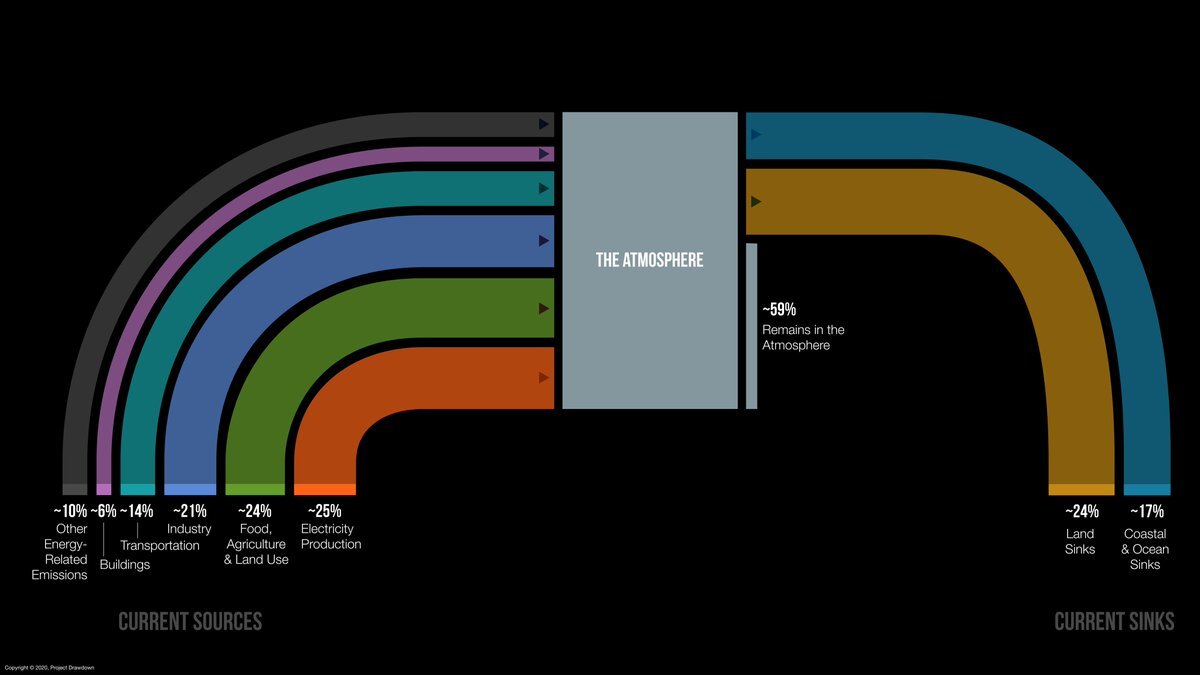
The Challenge
To understand and advance climate solutions, it’s important to understand the sources of emissions and nature’s means of rebalancing the climate system.
Burning fossil fuels for electricity, mobility, and heat. Manufacturing cement and steel. Plowing soils. Clearing forests and degrading other ecosystems. All these activities emit heat-trapping carbon dioxide into the air. Cattle, rice fields, landfills, and fossil fuel operations release methane—a gas that warms the planet even more. Nitrous oxide and fluorinated gases seep out of agricultural lands, industrial sites, refrigeration systems, and urban areas, adding still more heat-trapping pollutants to Earth’s atmosphere.
Most of these greenhouse gases stay airborne, but not all. Natural biological and chemical processes—especially photosynthesis—bring some of that excess back to plants, soil, or sea. These “sinks” are nature’s reservoirs for absorbing and storing carbon. While most heat-trapping emissions stay in the atmosphere, significant portions are quickly removed by plants on land or taken up by oceans.
Courtesy of www.projectdrawdown.com
More “The Elements of Being” Podcast Episodes

#18 - Regenerative Farming and Food as Medicine with Dr. Ron Weiss
#18 - Regenerative Farming and Food as Medicine with Dr. Ron Weiss
Welcome to “The Elements of Being” podcast, where I dissect and explore the minds and habits of psychologists, filmmakers, writers, and industry icons. Essentially, we learn what makes them flip the switch to achieve great feats, goals, and milestones…and a chance to geek out over the psychology behind human behavior.
Specifically, I examine the mental and emotional narratives and processes that have steered intriguing professionals and people from all walks of life. Each episode also offers a glimpse into the trends and patterns of human behavior and the underlying influences that navigate us in different directions. Whether we primarily focus on nutrition or the unconscious, guests share insights, thought-provoking lessons, the nuances of creativity, and the elements of being….us.
I dive into regenerative organic farming with Dr. Ron Weiss in today's episode. He is dual board-certified in internal medicine and lifestyle medicine. As a primary care physician in New Jersey, Dr. Weiss serves as Ethos Primary Care's executive director and Assistant Professor of Clinical Medicine at Rutgers New Jersey Medical School. He is a physician, botanist, and farmer, offering an evidence-based, food-as-medicine approach to healing chronic illness and optimizing wellness. Dr. Weiss has been featured in top media, including The New York Times, The New York Post, The Today Show, New Jersey Monthly, and the feature-length documentary, "Eating You Alive."
A vegan-friendly plant-based doctor in New Jersey, Dr. Weiss prescribes the Ethos Diet—an all-organic, ecologically sustainable, and Whole Food Plant-Based (WFPB) diet—as the cornerstone of his work with patients. He is not your typical doctor. His primary care practice resides on 342 acres of farm in Long Valley, New Jersey, where he grows "beyond organic" produce for his patients.

Otherwise known as the farm doctor, Dr. Weiss believes that food-is-medicine and in a Farm-Based Health Care System. He additionally holds a dual baccalaureate degree in botany and music from Rutgers University….which we explore in great depths.
Here’s what we discussed:
-How Dr. Weiss’ passions have intersected.
-Dr. Weiss’ lifelong connection to botany and agriculture.
-The evolution of his medical practice to a regenerative organic farm.
-The effects of chemicals and current farming practices on the soil and the environment.
-The distinction between "beyond organic" and typical organic certifications.
-The foundation of regenerative organic farming and the Farm Ethos Project.
-The debate about the best regenerative practices.
-The recommendations for those farmers with the same connection to the history and cultivation of the land but who haven't pivoted to sustainable, environmentally-mindful practices.
-How we can connect our kids to agriculture in urban settings with a new sustainable organic perspective and the guidance they need to become stewards of the environment.
-The Rockefeller Food System Vision 2050 and Young Farmers Incubator Program.
To learn more about Dr. Ron Weiss, visit https://www.myethoshealth.com or his Facebook and Instagram pages.


#17 - What Being a Parent Taught Me About Managing Stress
#17 - What Being a Parent Taught Me About Managing Stress
Welcome to “The Elements of Being” podcast, where I dissect and explore the minds and habits of psychologists, filmmakers, writers, and industry icons. Essentially, we learn what makes them flip the switch to achieve great feats, goals, and milestones…and a chance to geek out over the psychology behind human behavior.
So, what is this podcast specifically about? I examine the mental and emotional narratives and processes that have steered writers, filmmakers, psychologists, and industry icons down their paths in life. Each episode also offers a glimpse into the trends and patterns of human behavior and the underlying influences that navigate us in different directions. Whether we primarily focus on nutrition or the unconscious, guests share insights, thought-provoking lessons, the nuances of creativity, and the elements of being….us.
Being a father now, it’s amazing what you can learn from your child. My 3-year-old son, Preston, has taught me to manage stress more effectively without knowing it! What a wise little man.
The ego of a typical adult human may exclaim: Babies teach us nothing! They are little animals trying to survive in nature. What do they know?!
But the truth is that giving birth to a child will change your life forever…and their lessons are endless. As a parent, you’ll always need to think about others, be mindful of your risk-taking behavior, plan ahead, focus on meaningful interaction, and show empathy and sympathy. Just sharing this list reminds me that we should be doing this anyway, with or without a child!

Honestly, my wife, Sammy, and I haven’t felt the drastic change in life that most people claim. The responsibilities and day-to-day specific approach may have been reshaped, but the principles are the same. Although this is true, Preston has inspired new approaches to managing stress. He unknowingly prepared a Stress 101 curriculum for me, his dad: A model of human instinctual behavior. It made me rethink my needs and how I structured my life to minimize stress.
Here’s what I specifically discussed:
-Recognizing our primary survival needs before pursuing any secondary tasks/projects (and how we cognitively overrule our survival nudges).
-Establishing consistent eating and sleeping routines (and why the human body depends on it).
-Maintaining a consistent reading habit (and the benefits we usually ignore).
To learn more about Michael Moody, check out his book "Redefine Yourself.”

#16 - The Examination of Personal and Collective Trauma with Dr. Bakalar
#16 - The Examination of Personal and Collective Trauma with Dr. Bakalar
Welcome to “The Elements of Being” podcast, where I dissect and explore the minds and habits of psychologists, filmmakers, writers, and industry icons. Essentially, we learn what makes them flip the switch to achieve great feats, goals, and milestones…and a chance to geek out over the psychology behind human behavior.
So, what is this podcast specifically about? I examine the mental and emotional narratives and processes that have steered writers, filmmakers, psychologists, and industry icons down their paths in life. Each episode is also a glimpse into the trends and patterns of human behavior and the underlying influences that navigate us into different directions. Whether we primarily focus on nutrition or the unconscious, guests share insights, thought-provoking lessons, the nuances of creativity, and the elements of being….us.
Considering our current COVID-19 pandemic, I felt it was an appropriate time to explore the individual and collective experiences of trauma with psychologist Dr. Jennifer Bakalar. In my lifetime, the horrific events of the 9/11 terrorist attacks in the United States left an incredible imprint. No doubt, it was a traumatic experience for the many friends, families, and colleagues who were personally connected to the lives lost. Nearly 20 years later, we are now experiencing another collective experience as a society.
Dr. Bakalar is a licensed psychologist in Washington, DC, where she provides psychotherapy to adults. Her clinical focus centers on the impact of stress, trauma, transition, and loss on psychological and physical health. She uses an integrative approach, which is grounded in contemporary relational, interpersonal, and psychodynamic theories. Dr. Bakalar’s passion for this work stems from her belief in the transformative potential of relationships along with the meaning she finds in supporting her clients to understand themselves more deeply and enrich their connections with others.

In our interview, we explored everything from the individual to the collective experience of trauma, and here’s what we specifically discussed:
-If some personalities or mindsets are more susceptible to experiencing trauma.
-Whether or not there is an evolutionary benefit to remembering trauma.
-The foundation of trauma-focused treatment within a stage-based model.
-How a person processes traumatic memory and integrates it into their, his, or her broader life story.
-The foundation of collective trauma, and historical examples outside of the current COVID-19 pandemic.
-The point that a crisis evolves into collective memory.
-The difference between the collective and individual memory of trauma.
-The reasons to keep trauma alive in the collective consciousness.
-The often-need to construct the meaning of a crisis collectively.
-The typical long-term consequences of different forms of collective victimization.
-The variables of collective trauma that affect one's experience.
-How collective trauma can serve as a sense of continuity between past, present, and future members of a group and how to be sure it doesn't contribute to a more significant social dysfunction.
To learn more about Dr. Bakalar, visit https://www.dchealthpsychology.com/our-team or her professional page, https://www.jenniferbakalarphd.com/.