

Personal Trainer Blog
Fitness | Wellness | Diet Self-Improvement

Health and Fitness at your finger tips
Learn fitness, healthy whole food diets, wellness, and other personal training tips/recipes from Denver's weight loss personal trainer.

"Want To Avoid Holiday Weight Gain? Start Now" Review
Introduction
If you're ready for a change, why wait for New Year's Day? Start your resolutions today....and here's why (from the article Want To Avoid Holiday Weight Gain? Start Now).
Between summer bods and holiday eating sprees, it sometimes feels like there’s year-round pressure to either lose pounds or maintain a certain weight. That doesn't always happen — the average American gains about 5 pounds over the holiday period between Thanksgiving and New Year's Day, according to the New England Journal of Medicine. So, if we want to avoid weight gain in the winter and look great in the summer, when exactly should we begin a weight loss resolution during the year?
A new study recently used wireless scales from participants in the United States, Germany, and Japan to measure weight patterns related to holiday weight gain. The research shows that the weight you gain in the next 3 months this holiday season could potentially take over 5 months to lose, so if you want to be thin this spring, and going into summer, start your plan in October.
“Everyone gains weight over the holidays — Americans, Germans, Japanese," co-author Brian Wansink told Cornell University’s Food & Brand Lab. “Instead of making a New Year’s Resolution, make an October resolution. It’s easier to avoid holiday pounds altogether than to lose them after they happen.”
Researchers found that in the US, weight patterns begin rising around Thanksgiving and peak around Christmas and the New Year. Germany and Japan also showed a peak in weight for New Year’s — the participants’ weight actually rose within 10 days after Christmas Day in all three countries.
Additionally, study participants in Germany weighed the most around Christmas and New Year’s. In Japan, people were most heavy in April during Golden Week, which is a major Japanese holiday.
Think you’ll put on some holiday weight in 2016? Chances are you won’t be able to lose it until Easter 2017. If that doesn’t motivate you to start reaching your weight loss goal now, nothing will.
Source: Helander EE, Wansink B, Chieh A. Weight Gain Over The Holidays In Three Countries. The New England Journal Of Medicine. 2016.
Could this be the answer to avoid weight gain over the holiday season?
Pictures Credit:
Anytimefitness.com: Should you start your New Year's resolutions with your personal trainer in Denver before or after the holidays?
ABOUT THE AUTHOR: MICHAEL MOODY, PERSONAL TRAINER
As an author, a personal trainer in Denver, and podcast host, Michael Moody has helped personal training clients achieve new fitness heights and incredible weight loss transformations since 2005. He also produces the wellness podcast "The Elements of Being" and has been featured on NBC, WGN Radio, and PBS.
Michael offers personal training to Denver residents who want to meet at the 2460 W 26th Ave studio….or in their homes throughout LoHi (80206), LoDo (80202), RiNo (80216), Washington Park (80209), Cherry Creek (80206, 80209, 80243, 80246, 80231), and Highlands (80202, 80211, 80212). Michael also offers experiences with a personal trainer in Jefferson Park (80211) and Sloan's Lake (80204, 80212).
If you’re looking for a personal trainer who can curate a sustainable (and adaptable) routine based on your needs and wants, Michael is the exper

"4 Weird Ways Your Body Warns You Something Is Wrong" Review
Introduction
Whether you're personal training or pursuing your best self independently, you should always be mindful of your body's warning signs. This list will help you recognize when you've pushed your boundaries too far (from the article 4 Weird Ways Your Body Warns You Something Is Wrong).
The List
1. Through Salty or Sudden Sweating
Think of a warm day that makes sweat seep through the back of your shirt or a hot yoga class that has you toweling off every few minutes. It seems like an annoyance, but it’s actually physiology magic at work.
“Sweating is really a mechanism to cool your body down,” says Felicia Stoler, doctor of clinical nutrition and consultant in wellness and healthy living. Those beads of sweat are made up of 99 percent water (the other 1 percent could be urea, vitamin C, lactic acid or ammonia). And while you may think of it as liquid stink, sweat is completely odorless until it comes into contact with bacteria.
Some people sweat more than others — whether they’re overheated or stressed — and some emit more sodium in their sweat, but neither is a dead giveaway that there’s something wrong, Stoler says.
That said, salty sweaters should make an extra effort to replenish sodium levels after exercising. (Hint: This is you if your workout clothes have white salt stains on them.) Following up every long sweat session with a serving of mixed nuts, pickles or a sports drink or pickles should do the trick.
Sweating during exercise is normal, of course, but suddenly breaking out in sweat could be a sign of something more serious — such as a heart attack, cancer or a metabolic issue — and should be followed up with a doctor’s visit.2. With Lots of Bleeding
The red lifeline flowing through your veins makes up seven to eight percent of your weight and has a number of critical functions. It’s responsible for taking waste away from the kidneys and liver and delivering oxygen to the rest of the body through hemoglobin found in the red blood cells.
Hemoglobin levels that are too low — less than 13.5 grams per deciliter for men and 12 for women — could mean you’re anemic. You’ll need to undergo a blood test to know for sure, but feeling weak, dizzy and short of breath are signs it’s time to get tested.
Another number to watch is your blood pressure. The top number, which measures the pressure put on the arteries each time your heart beats, should never exceed 120. The bottom number, which measures the pressure inside the arteries when they’re at rest, should always be less than 80. Anything higher than those thresholds qualifies as prehypertension or high blood pressure, which is the case for one in three Americans. Elevated blood pressure could take a toll on your heart health and lead to cardiovascular, cardiac or vascular disease.
Blood that doesn’t clot easily also warns that something’s up. Say you have a nosebleed that just won’t quit or a cut on your finger that takes forever to heal. It could be the result of taking aspirin or anticoagulants, Stoler says.
Or it could be a symptom of leukemia, which your doctor can determine with a blood test. “There’s no hard-and-fast rule for how long it should take to clot to know if it’s an issue,” Stoler says. But, she says, it’s one of those things that you’ll simply know when it’s a problem and time to visit a doctor or emergency room.3. The Color of Your Snot
Your nose linings produce an incredible liter or more of mucus every day. It sounds gross, but that snot acts as a protective barrier, filtering the air you breathe. It can come in nearly every shade, from clear to green, depending on how healthy you are.
When you’re first infected with cold-causing germs, your snot will be clear and plentiful as your body attempts to get rid of them. Two or three days later the mucus might turn white or yellow. That’s a good thing: It means your immune system is at work.
If you’re not able to sneeze away all of the bacteria, your immune system goes into overdrive — the snot could then become green. Staring down at a green, snot-filled tissue is unsettling, but it’s no reason to race to get antibiotics. The green color is the result of your white blood cells being activated, which causes them to release an iron-rich enzyme called myeloperoxidase.
Your best bet is to wait out the cold because antibiotics can’t treat viral infections like the common cold or flu. Still seeing the green stuff in your tissue after 12 days? It may be a bacterial virus called sinusitis, which your doctor can advise you about.4. What Your Urine Looks Like
Pale and plentiful urine is ideal, Stoler says. But the color can range from pale to deep amber — even within the same day. You don’t have to worry about dark, fluorescent-yellow or orangey-red urine, which indicates you’re dehydrated, had too much vitamin C or ate red-colored foods like beets, respectively.
But some colors are more worrisome. Dark, brownish urine, for instance, could be a sign of porphyria, a disorder that threatens the nervous system. Consider it a tip-off that it’s time to see a doctor, especially if you’re experiencing other symptoms, such as abdominal pain and sensitivity to light.
Blood in your urine means you could be dealing with something straightforward like a urinary tract infection or kidney stones, which generally go hand in hand with other painful symptoms. No pain? It could be something more serious like bladder cancer. Either way, make an appointment to identify the underlying issue.
You should also visit a specialist if your urine is orange. It could indicate that your liver isn’t working properly — especially if you’ve also noticed a yellow tint to your skin and eyes.
Pay attention to the smell of your urine too. A healthy person’s urine shouldn’t give off much of a scent because it primarily consists of water. But sweet-smelling urine could be a sign of diabetes or that your metabolism isn’t working properly, while a musty scent might be related to liver disease.
Keep in mind that not all odors are necessarily bad news: Medication and food could cause your urine to stink temporarily. Yes, asparagus urine is real.
What other warning signs should we consider while losing weight or getting in shape?
Pictures Credit:
Livestrong.com: Should you be worried about your recent symptoms?
"What 100 Calories of Your Favorite Halloween Candy Looks Like" Review
Introduction
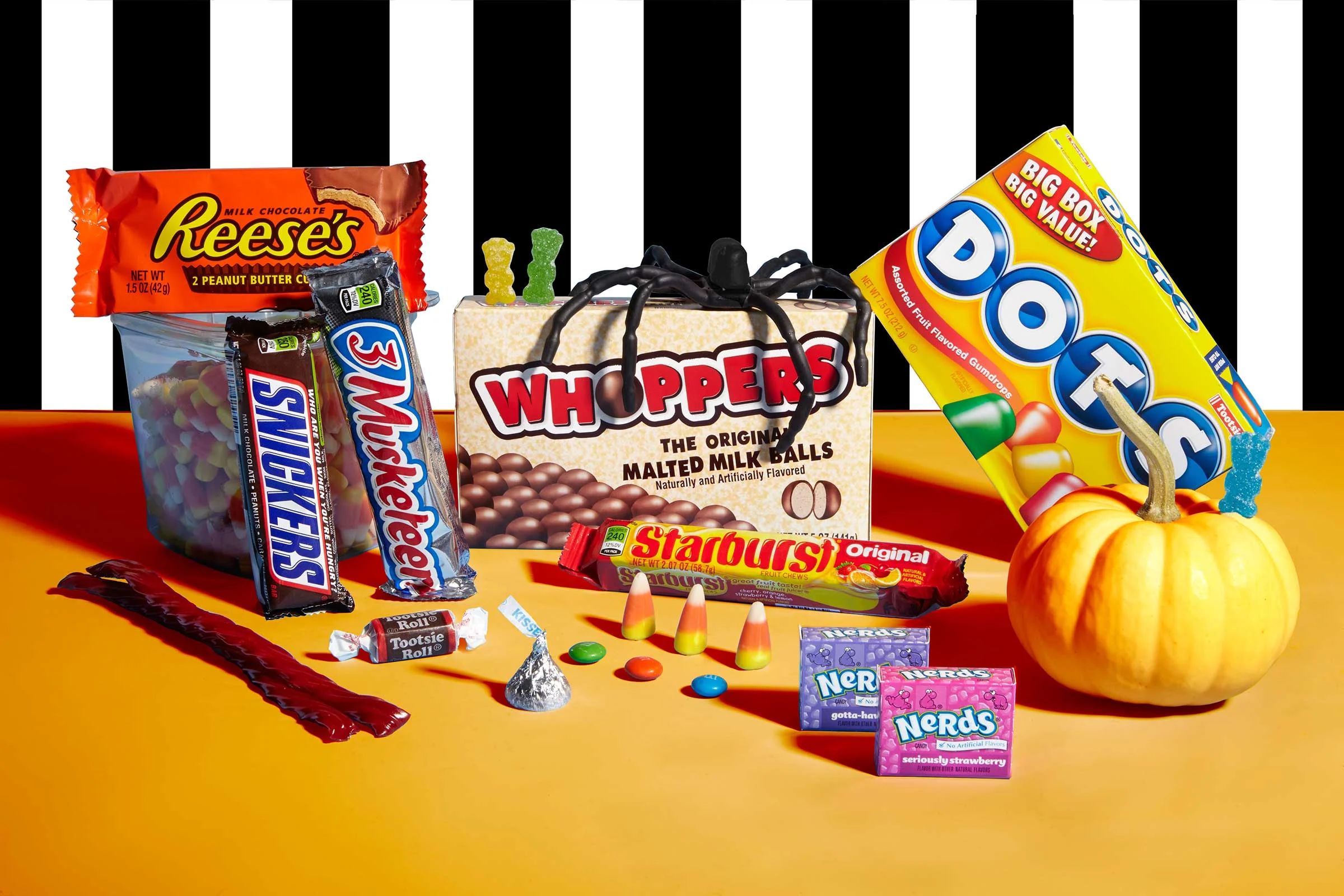
Halloween is almost upon us! How will you lose weight with a Denver personal trainer while indulging in your favorite candy? Read this quick list (from the article What 100 Calories of Your Favorite Halloween Candy Looks Like)!
The List
1. M&M'S
Less than half the bag (23.5 M&M's) is 100 calories. Split a bag with a friend for instant portion control.2. REESE'S PEANUT BUTTER CUPS
Ninety-five percent of one Reese's Peanut Butter Cup hits the 100-calorie mark.3. NERDS
If you want to nerd out, measure it out: 2.22 boxes of Nerds is 100 calories.4. CANDY CORN
Pick 14 pieces of this classic from the office candy bowl for a 100-cal sugar rush.5. SOUR PATCH KIDS
If you prefer to devour an entire bag of candy at once, this may be pucker-worthy news: Sour Patch Kids have 100 calories per 10.6 pieces.6. SNICKERS
Good with a ruler? For 100 calories, you can eat 40 percent of a Snickers bar.7. 3 MUSKETEERS
Forty percent of a Snickers not quite doing it for you? Trade up to 42 percent of a 3 Musketeers bar for 100 calories.8. STARBURSTS
Opt for five Starburst Original Fruit Chews for 100 calories. Bonus: Keep the discarded wrappers in your line of sight. This can trick your brain into eating less candy, a study found.9. TOOTSIE ROLL
They may seem iny, but chew on this: 4.3 Midgees equals 100 calories.10. DOTS
Stick to 8.5 pieces for 100 calories. (Translation: If you opened a box of Dots and poured them straight into your mouth as a child, you may need to, ah, cut back).11. TWIZZLERS
Even though Twizzlers are touted as a 'low-fat snack,' you can't devour the whole package. Eat 2.5 pieces of Twizzlers Strawberry Twists for 100 calories.12. KISSES
Kiss chocolate guilt goodbye. Savor 4.5 Hershey's Kisses for 100 calories.13. WHOPPERS
Enjoy a whoppin' 9.3 pieces of this malty treat for 100 calories.
Are you surprised that a few pieces of candy can equal 100 calories so easily? How will you practice weight loss self-control during the holiday?
Pictures Credit:
How much of each candy really equals 100 calories?
ABOUT THE AUTHOR: MICHAEL MOODY, PERSONAL TRAINER
As an author, a personal trainer in Denver, and podcast host, Michael Moody has helped personal training clients achieve new fitness heights and incredible weight loss transformations since 2005. He also produces the wellness podcast "The Elements of Being" and has been featured on NBC, WGN Radio, and PBS.
Michael offers personal training to Denver residents who want to meet at the 2460 W 26th Ave studio….or in their homes throughout LoHi (80206), LoDo (80202), RiNo (80216), Washington Park (80209), Cherry Creek (80206, 80209, 80243, 80246, 80231), and Highlands (80202, 80211, 80212). Michael also offers experiences with a personal trainer in Jefferson Park (80211) and Sloan's Lake (80204, 80212).
If you’re looking for a personal trainer who can curate a sustainable (and adaptable) routine based on your needs and wants, Michael is the experienced practitioner you’ve been looking for. Try personal training for a month…your body will thank you!
"23 Restaurant Foods With Crazy-High Amounts of Sugar" Review
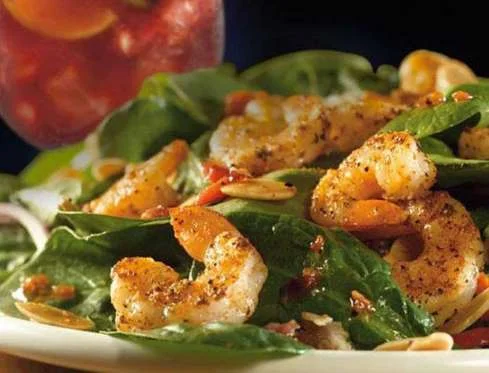
This list is shocking! Why would any of these meals need this amount of sugar? Your healthy go-to may be no better than a Snickers bar...take a look: 23 Restaurant Foods With Crazy-High Amounts of Sugar!
What other meals would make your personal trainer do backflips?
Pictures Credit:
Is a shrimp and spinach salad as healthy as you think?
"7 Foods You Had No Idea Were Loaded With Sugar" Review
Introduction
These foods may have more sugar than you think. I always tell my personal training clients in Denver to think twice about these items before tossing them in the cart (Source: 7 Foods You Had No Idea Were Loaded With Sugar).
The List
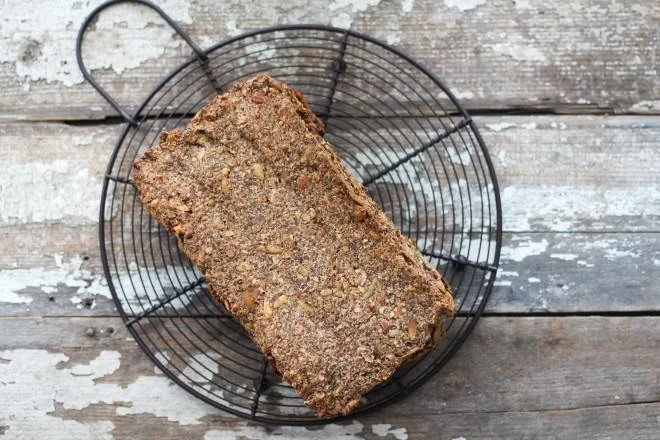
1. WHOLE-GRAIN BREAD
The danger with eating foods high in sugar stems from their effects on blood sugar, says Perlmutter. "Foods are rated in terms of how they elevate blood sugar by their glycemic index," he explains. "The higher the glycemic index, the higher the blood sugar elevation and the length of time the blood sugar will remain elevated." When those levels skyrocket, it can lead to health complications like heart disease and diabetes. So while it's still better to opt for the whole-grain version of bread over the white variety, you don't want to chow down on sandwich after sandwich—it clocks a 71 on the glycemic index, while a Snicker's candy bar, shockingly, has a lower rating of 51, according to the Harvard School of Medicine.2. BALSAMIC VINEGAR
"Creamy dressings often create a high sugar impact, but balsamic can contain just as much," says JJ Virgin, celebrity nutritionist and author of JJ Virgin's Sugar Impact Diet. The reason: A lot of American-made balsamic vinegar is made with caramel coloring and cornstarch—two sugary substances—with the vinegar base being white wine vinegar. Why? The authentic, Italian versions require a 12- to 25-year aging process that negates the need for coloring and thickening additives, but not everyone wants to pay—or wait—for those products to be imported over. So if you're ordering a salad in a restaurant, Virgin advises against their version of balsamic. "Instead, ask for extra-virgin olive oil and red wine vinegar for all the flavor without the sugar impact."3. OATMEAL
Here's the good news: Not all oatmeal is on the too-much-sugar list. But those who rely on the take-along pouches (or have an aversion to waiting for a pot to boil) are most likely beginning their day with a serious blood sugar kick. "It seems like most everyone agrees that oatmeal is a good choice for breakfast," says Perlmutter. But in actuality, many instant packets contain 13 grams or more of the sweet stuff because of all the additional flavorings (think maple and brown sugar, apples and cinnamon). If you've got the time, opt for steel-cut oats for a higher dose of fiber. Otherwise, you can still choose the quick-cooking variety, just grab the plain packet and add a dollop of almond butter—which research shows can help stabilize blood sugar throughout the day—for flavor, protein, and healthy fats.4. GLUTEN-FREE FOOD
Hyman refers to this group—the one with gluten-free cookies, cakes, and processed food—as junk food. "Just because it's gluten-free doesn't mean it's healthy," he says. "Gluten-free cakes and cookies are still cakes and cookies," which means they're made with sugar. In fact, most contain excess sugars and gum to make up for the missing ingredients, and those are even more difficult for the body to break down. When you're craving something sweet, but still want to follow a low- or gluten-free plan, Hyman suggests playing with natural fruit instead. Grilling or broiling stone fruit, like peaches and plums, will bring its natural sugars to the forefront, giving you that sweet bite sans sugar crash.5. FRUIT JUICE
Bummer: One of the most popular breakfast drinks in America isn't doing wonders for your waist. "A 12-ounce glass of orange juice contains about 36 grams, or seven teaspoons, of sugar," says Perlmutter. "Almost all fruit juices are concentrated sources of sugar" because they strip the fiber out of the fruit when it's sent through a juicer. Now, it probably won't kill you if you sip a 4-oz. glass of juice in the a.m. (and you're still getting a dose of healthy veggies if you grab a green juice), but it is something you need to keep track of so you don't go overboard throughout the day. Because doing so—like drinking a glass at breakfast, a green juice after your workout, and a soda in the afternoon—can send sugar directly to the liver, says Hyman. "It turns off a fat storage machine, which can lead to dangerous belly fat. [These juices] also don't help you feel full, so you end up eating more all day and craving more sugar and carbs," propelling you into that sugar-cycle that's hard to break.6. YOGURT
Yes, even though Greek yogurt is a fabulous source of protein, calcium, and probiotics, not all varieties are created equal. Some contain naturally occurring sugars, while others—those with fruit on the bottom, dessert-like flavorings, or mix-in nuts, for example—have extra doses added. The American Heart Association recommends women only eat 30 grams of sugar a day, but some of these contain 24 grams or more per serving—meaning you could be downing your entire sugar quota at breakfast. But all this doesn't mean we want you skipping out on those healthy benefits we mentioned before. Just think simple—or plain—when it comes to yogurt, and forego the extra flavorings. If it's too tart for your taste, stir in fresh fruit for a natural hit of sweetness.7. DIET FOODS
Many foods labeled as a "diet" product, like 100-calorie snacks and desserts, are anything but because of their fake sugar content, says Hyman. "We're surrounded by low-calorie, 'health-conscious foods' and diet soft drinks that contain sweeteners," he says. "As a result, the number of Americans who eat products that contain sugar-free sweeteners grew from 70 million in 1987 to 160 million in 2000. At the same time, obesity in the United States has doubled from 15 to 30 percent." That's because the sugar substitutes, such as aspartame, acesulfame, saccharin, and sucralose, confuse your body. Research shows that these non-calorie, sugar-like imitations increase appetite and interrupt the body's ability to regulate blood sugar, which causes a metabolic change that could lead to diabetes. "If you have a desire for something sweet, it's better to have real, naturally-occurring sugar than the imitation stuff in 'fake foods." In other words, grab that big bowl of fresh, delicious fruit and enjoy.
The hidden sugars in these foods have affected the weight loss results for my personal trainer clients in Chicago. How does your grocery list affect your success?
Pictures Credit:
MSN.com-Is whole grain bread loaded with sugar?

"The 5 Worst States for Obesity and the 5 Best" Review
Introduction
Can you guess the best and worst states for obesity? How does your state rate? Check out these findings from the study "Prevalence of Self-Reported Obesity Among U.S. Adults by State and Territory, BRFSS, 2015" (Source: 10 Trendy Health Foods That Can Threaten Your Waistline).
The List of Worst States
WORST #5: KANSAS
Over 34 percent of adults in Kansas reported being obese. That’s almost a 3 percent increase since 2014, and a 5 percent increase since 2011, according to the CDC. Those who are obese have a Body Mass Index (BMI) of 30 or higher. Health conditions associated with obesity include heart disease, stroke, Type 2 diabetes and certain types of cancer.WORST #4: MISSISSIPPI (TIE)
Mississippi tied with two other states for the second-place spot on our list. Since 2014, the rate increased by a tenth of a percent, from 35.5 to 35.6. Unfortunately, obesity isn’t Mississippi’s only issue. The America’s Health Rankings 2015 Annual Report named Mississippi the worst state for adolescent immunization, low birthrate, infant mortality rate, cardiovascular deaths and premature death. However, the state did get a nod for having the lowest disparity in health status between adults with a high school degree and adults without one.WORST #3: WEST VIRGINIA (TIE)
Like Mississippi, 35.6 percent of West Virginia adults reported being obese. Though the prevalence of obesity is high in the Mountain State, at least West Virginians haven't taken to the bottle. The America’s Health Rankings report named West Virginia healthiest in the country when it comes to binge drinking.WORST #2: ALABAMA (TIE)
In Alabama, 35.6 percent of adults reported being obese in 2015. In their report from that year, the CDC also collected percentages based on race and ethnicity. Although non-Hispanic black adults had the highest obesity rates in the country at 38.1 percent, that number was down 10 percent from the rate the CDC provided for the years 2011-2014. Regionally, the North American South had the highest obesity rate in the country, at 31.2 percent.WORST #1: LOUISIANA
More Louisiana adults reported being obese than any other state, topping our list at 36.2 percent. Louisiana has seen a steady increase in obese adults over the past few years, almost three percentage points up from 33.4 back in 2011. And people who struggle with obesity pay more for healthcare -- spending an average of $1,429 more on medical bills per year than those who are not obese. Read on for the five states with the lowest obesity rates and some CDC-recommended tips on how to prevent and manage obesity.The List of Best States
BEST #5: CALIFORNIA
The Golden State slid into our top five roundup, with 24.2 percent of adults reporting being obese. Healthy eating is a major factor when it comes to obesity prevention. According to the CDC, it can reduce the onset of heart disease, high blood pressure and Type 2 diabetes. A healthy eating pattern includes a variety of vegetables, fruits, grains (at least half of which are whole grains), low-fat dairy products, proteins and oils. It also limits saturated and trans fats, sugar and sodium.BEST #4: MONTANA
In Montana, 23.6 percent of adults reported being obese, making it our fourth best state for obesity. According to the State of Obesity, 2015 was the first year in the last decade that any state saw a statistically significant decrease in obesity rates. Montana was one of four states that experienced this drop; the other three were Minnesota, New York and Ohio. Knowing about caloric balance, or the number of calories you intake compared to the number of calories your body burns in a day, can also help you achieve weight loss.BEST #3: HAWAII
The Aloha State ranks third on our list, with 22.7 percent of adults reporting being obese. The America’s Health Rankings Annual Report named Hawaii the healthiest state in 2015, due to low rates of preventable hospitalizations, few poor mental health days and (you guessed it) a low prevalence of obesity. Hawaii has consistently ranked in the top six since the report's launch in 1990.BEST #2: DISTRICT OF COLUMBIA
While it isn’t a state, Washington, D.C.’s obesity rate definitely warrants mention, beating 49 states out at 22.1 percent. Interestingly, the percentage of non-Hispanic white adults who reported being obese in the country’s capitol was staggeringly low, at 9.9 percent. The second lowest percent of non-Hispanic white adults with obesity was found in Hawaii, where 17.9 percent had obesity.BEST #1: COLORADO
Colorado had fewer obese adults than any other state (or U.S. capital), with only 20.2 percent of adults reporting being obese in 2015. It also had the smallest amount of adults who reported being physically inactive, according to the America’s Health Rankings report. That’s a pretty big deal considering that physical inactivity is responsible for one in 10 deaths every year. According to the CDC, maintaining a healthy lifestyle hugely contributes to obesity prevention. They recommend that adults get at least 2 hours and 30 minutes (150 minutes) of moderate-intensity aerobic activity every week, which can include anything that gets your heart pumping. Simple activities such as walking, running, swimming and biking could drastically decrease your risk of developing obesity.
How does knowing these stats influence your perspective of your local culture and experience with your personal trainer in Denver? What are the weaknesses of this study? Is a self-reported study (like this) scientific enough to validate these conclusions?
Pictures Credit:
Livestrong. com - How does San Francisco rate for obesity? How does your state compare with the rest of the U.S.?
ABOUT THE AUTHOR: MICHAEL MOODY, PERSONAL TRAINER
As an author, a personal trainer in Denver, and podcast host, Michael Moody has helped personal training clients achieve new fitness heights and incredible weight loss transformations since 2005. He also produces the wellness podcast "The Elements of Being" and has been featured on NBC, WGN Radio, and PBS.
Michael offers personal training to Denver residents who want to meet at the 2460 W 26th Ave studio….or in their homes throughout LoHi (80206), LoDo (80202), RiNo (80216), Washington Park (80209), Cherry Creek (80206, 80209, 80243, 80246, 80231), and Highlands (80202, 80211, 80212). Michael also offers experiences with a personal trainer in Jefferson Park (80211) and Sloan's Lake (80204, 80212).
If you’re looking for a personal trainer who can curate a sustainable (and adaptable) routine based on your needs and wants, Michael is the experienced practitioner you’ve been looking for. Try personal training for a month…your body will thank you!
10 Trendy Health Foods That Can Threaten Your Waistline
Introduction
Even with the right foods, you should still be careful. The number one reason is portion control. Check out this list to see which foods you should eat with a leash.
The List
1. ACAI
Google “acai berry” and a slew of purported benefits like weight loss and antiaging results will return, but can this trendy health food hailing from Brazil really live up to the hype? While the fiber-rich fruit does tout more antioxidant properties than pomegranates and blueberries, many health claims don’t mention that it logs in 247 calories per 100 grams, 26 grams of which are carbohydrates. The kicker: Unless you are using acai at home and controlling your portions, an acai bowl -- the healthy breakfast du jour -- could cost you almost 600 calories per serving.2. DARK CHOCOLATE
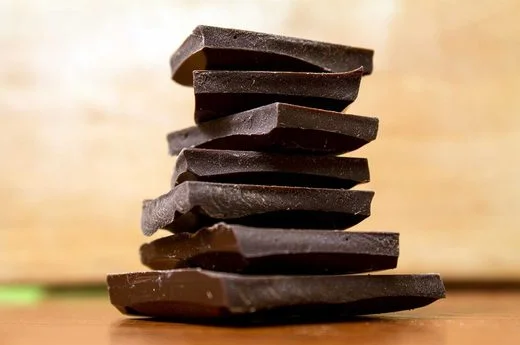
Dark chocolate is typically comprised of at least 35 percent cocoa powder and is full of flavonols -- chemicals loaded with antioxidant benefits that help reduce free radical damage. But before you hit the candy jar too hard, this supposed health food also has a remarkable amount of fat and sugar. Depending on the brands, just one ounce can contain up to 170 calories, 12 grams of fat and 24 grams of sugar (four grams over the amount that the American Heart Associate recommends in an entire day for an adult woman). If you still want to indulge, keep the portions small.
Personal Trainer Wisdom: The stats depend on the brand. Either way, a decent amount of sugar is usually added to offset the bitterness of the dark chocolate.3. CHIA SEEDS
A great source of omega-3 fats, fiber and antioxidants, this superfood is taking the food world by storm. But before you stir this add-on into your meals and smoothies, know that two tablespoons totals 120 calories, 80 of which are from fat. And while it may be considered a source of healthy fat, those calories can add up, especially when added to an already-high-calorie smoothie.4. FLAX SEEDS
A nutritional powerhouse, this seed delivers protein, fiber and omega-3 fatty acids among a host of other vitamins. Two tablespoons of whole seeds will also deliver 100 extra calories to your meal, with 78 of those coming from fat. But when eaten whole, the body doesn't absorb all of the great omega-3s and antioxidants. Instead, grind your flax seeds; otherwise your healthy gesture will be for naught. And two tablespoons of ground flax, on the other hand, contain about 60 calories.5. AVOCADOS
In 2015, the Washington Post declared Americans were having a “love affair” with avocados, and there are no sign it's slowing down. With today’s trendy avocado toast, everyone seems to have gotten on the bandwagon. It’s even been touted as the world’s most perfect food, containing all the nutrients one would need to survive. Sounds like a dream, right? Except that one medium avocado weighs in at 232 calories, with 188 of them coming from fat. Instead of piling a mound of mashed avo onto your sprouted grain toast, think of it this way: According to the Hass Avocado Board, one medium avocado provides five one-ounce servings that are 50 calories each.6. ALMONDS
Here’s some trivia from the Encyclopaedia Britannica: The almond is actually a seed because it’s enclosed in a hard fruit! It’s also a handy snack and a great source of protein. Whether eaten raw, pressed into a butter or showing up in a carton as milk, almonds are everywhere and (dare we say) more popular than peanuts at the moment. Just remember that a handful of almonds (i.e., an ounce or about 23 seeds) is around 164 calories. And we can all admit that these yummy seeds are so addictive that one handful is never enough.7. WALNUTS
Possibly the most underestimated nut around, the walnut is purported to contain powerful antioxidants as well as heart-healthy amino acids. Plus it supports brain health and reduces insulin levels, which is great news for diabetics. Makes you want to eat them by the handful, right? Unfortunately, one cup of shelled walnut halves has about 654 calories and 65 grams of fat. You can still get the aforementioned benefits by limiting your portion to one ounce (about 14 halves), which puts you around 185 calories.8. QUINOA
This gluten-free superfood is technically a seed, but it acts like a grain. It is also (shockingly) a complete protein, unlike rice and beans that need to be eaten together to gain that benefit. Plus, being a good source of fiber and minerals have caused people to be prepping quinoa for dinner as well as breakfast. It all sounds fabulous -- except if you’re trying to lose weight. One cup of cooked quinoa can contain 222 calories, slightly more than one cup of brown rice. With all the marketing surrounding this food’s benefits, it’s hard to remember that you can’t eat as much of the stuff as you may want. Keep your portion around the size of your cupped hand to stay on the safe side of this grain.
What other foods do you think will affect your weight loss with a Denver personal trainer if you're not careful?
Picture Credit:
Livestrong.com- Will dark chocolate undermine your weight loss efforts?
ABOUT THE AUTHOR: MICHAEL MOODY, PERSONAL TRAINER
As an author, a personal trainer in Denver, and podcast host, Michael Moody has helped personal training clients achieve new fitness heights and incredible weight loss transformations since 2005. He also produces the wellness podcast "The Elements of Being" and has been featured on NBC, WGN Radio, and PBS.
Michael offers personal training to Denver residents who want to meet at the 2460 W 26th Ave studio….or in their homes throughout LoHi (80206), LoDo (80202), RiNo (80216), Washington Park (80209), Cherry Creek (80206, 80209, 80243, 80246, 80231), and Highlands (80202, 80211, 80212). Michael also offers experiences with a personal trainer in Jefferson Park (80211) and Sloan's Lake (80204, 80212).
If you’re looking for a personal trainer who can curate a sustainable (and adaptable) routine based on your needs and wants, Michael is the experienced practitioner you’ve been looking for. Try personal training for a month…your body will thank you!
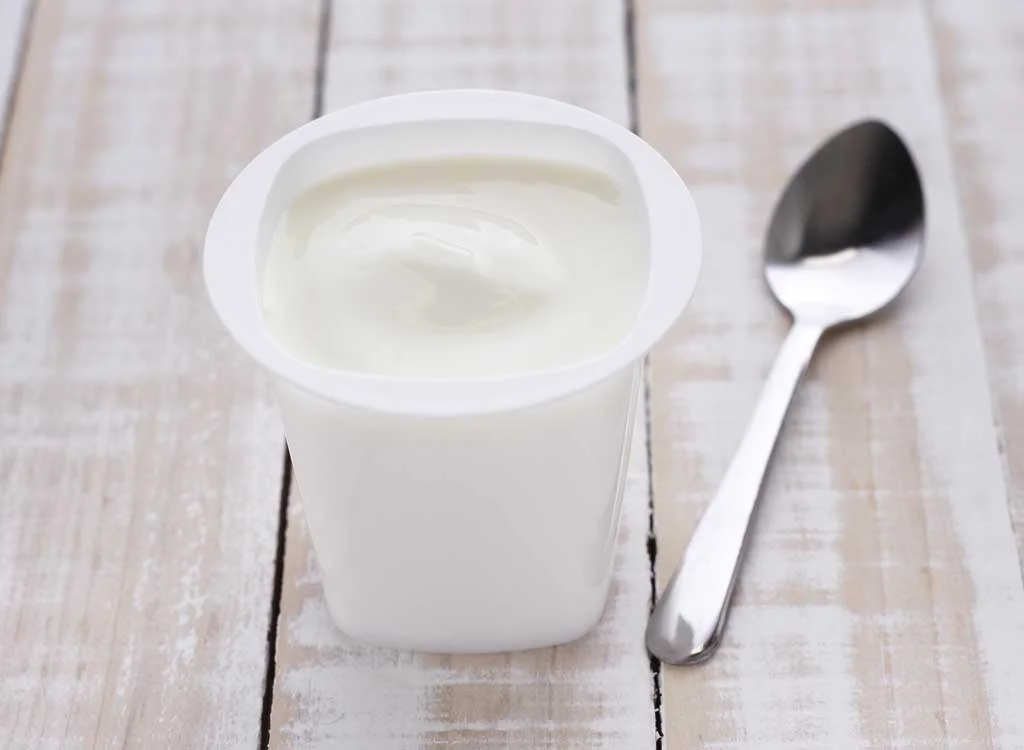
"26 Ways to Feel Full While Eating Less" Review
How can we eat less to lose weight while still feeling full? Check out these diet tricks you should start today: 26 Ways to Feel Full While Eating Less!
Which tricks do you use to feel complete?
This list has helped my personal training clients and will help you today.
Picture Credit: EatThis.com-Will eating yogurt increase your cravings for junk food?
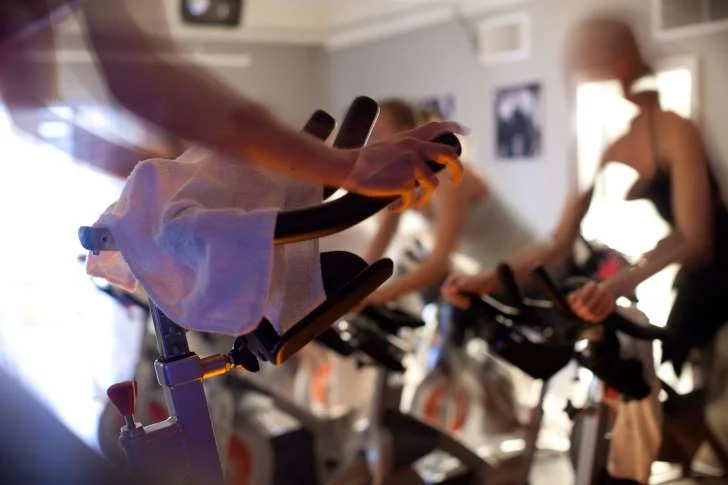
"Are Hot Workouts Healthier?" Review
Introduction
If you intend to take (or currently attend) anything from Bikram yoga to heated spin classes, you'll want to read the truth behind these "hot" workouts...they may not have the health benefits you think (from the article Are Hot Workouts Healthier?)!
From Bikram yoga to heated spin classes, fitness gyms are turning up the heat. What to know before you go.
Latosha Lovell is always willing to try something once. "That's sort of my philosophy about life," says the 45-year-old interior designer in Pasadena, California. So when a friend invited her to check out The Sweat Shoppe, a new heated spin studio in North Hollywood, last March, she saddled up. The workout, she thought, could be the perfect cardio substitution for her regular treadmill sessions that had begun to wear on her knees.
That first class was a fog. "I was totally exhausted and a little confused" afterward, Lovell recalls. But the prevailing memory is a positive one: "I felt completely amazing." She soon began taking up to five classes at The Sweat Shoppe each week and now credits the studio with her 8-pound weight loss, strong lower body and core, reduced environmental allergies and mental grit. "It's greatly improved my quality of life on the health level," she says.
While The Sweat Shoppe is the country's first heated spin studio, it's not the only place taking a cue from Bikram yoga – a style of hot yoga that took off in the 1970s. Plenty of studios are turning up the heat during exercise classes, a practice that owners claim intensifies workouts, among other benefits. Gym-goers are eating it up: The Sweat Shoppe, for one, opened with both heated and non-heated classes, but switched to exclusively offering hot classes to keep up with the demand, says Mimi Benz, who founded the studio with her spin instructor husband in 2011 after a broken air conditioner in a spin class spurred the idea.
"People were really into the heated thing," she says. The studio has since relocated to a larger space and has seen a relatively consistent 30 percent growth in revenue year over year, Benz says. The heated classes at CorePower Yoga, a studio chain that fuses the mindfulness of yoga with the intensity of other workouts, meanwhile, are the most popular and widely offered, says Heather Peterson, the company's chief yoga officer. The chain opened its first studio in 2002 and now has 150. "A lot of people just love a really good sweat," she says.Hot and Beneficial or Hot and Bothered?
Burn more calories and lose weight by working harder; cleanse the body by sweating more; reduce risk of injury by loosening the muscles – there are plenty of theories as to why heated fitness classes may be healthier than their cooler counterparts, but most raise eyebrows among exercise professionals.
"The only benefits [are] if you're an endurance athlete and you're trying to train for a race and you're trying to acclimatize your body and mind toward exercise in the heat," says Diana Zotos Florio, a physical therapist and yoga teacher in the New York City area. "Otherwise, all of the proposed benefits … aren't true. There's no point; there's more risk than anything else. We're just not designed for it."
Still, most experts agree that people who are in good shape and lack certain medical conditions can benefit from heated workouts, as they would from any exercise. "I certainly advocate and promote exercise – you just have to have the preparation and the tolerance level for what you're about to undertake, and then it can be a fun thing and probably pretty good for you," says Michael Bergeron, senior vice president of development and applications in the Center for Advanced Analytics in Sport & Health at Game Changer Analytics. "I just don't think there's anything particularly special about it."
Tempted to turn up the temperature on your workout? Heed these expert tips first:1. Know the risks.
Some people – namely those with heart or lung problems – should avoid heated workouts. Pregnant women and those taking medications that affect body temperature should consult with their doctors before taking a hot class. And everyone else should be aware of the very real risks of dehydration and overheating, says Dr. Jason Zaremski, an assistant professor in the University of Florida College of Medicine's department of orthopedics and rehabilitation.
"The major concern is that your body's core temperature will begin to rise and you put your internal organs and central nervous system at risk," he says. Another issue: Getting too tired too soon can affect your posture and alter your ability to control your muscles and movements, boosting your risk for injury, Bergeron adds. As Zotos puts it, "people tend to stretch deeper [in heated classes,] but they're not ready for it," she says. "That's where you tend to get injuries to your tendons or ligaments."2. Do your research.
"Hot" varies from class to class – some may hover around 80 degrees; a Bikram yoga class will be close to 105 degrees. Humidity and ventilation differ, too. All make a big difference in your ability to handle – and benefit from – heated classes, experts say. Benz recommends talking to the studio ahead of time about the room's environment; The Sweat Shoppe, which keeps its classes at 80 to 84 degrees, for example, has cooler "microclimates" in the room where newbies can sit.3. Manage expectations.
If you're a fitness enthusiast looking for a new challenge or an elite athlete personal training for a race, a heated class could be a good fit. But if you're trying to burn more calories while doing less work, trim fat or "detox," keep in mind the support for such benefits is thin at best. "Hotter workouts are harder than performing the exact same workout at a lower temperature; thus, you will burn more calories," Zaremski concedes. "But if you cannot maintain the same level of intensity and exertion in a heated environment … this defeats the purpose."
Looking to lose fat? Stick to an air-conditioned gym, Bergeron advises. "As your body heats up, you favor burning carbohydrate versus fat," he says. "So, even though you may feel you are getting a 'better' workout, if burning body fat is your goal, exercise in cool conditions."
And while it's true that exercising in hotter conditions can increase plasma volume, reduce resting heart rate, improve cardiovascular efficiency and enhance your sweat mechanism, “these adaptations vary and are dependent on multiple factors,” such as how hard, long and often you work out in those conditions, Zaremski points out. Simply exercising, Zotos says, is the safer way to reap the benefits of an elevated heart rate.
And the idea that sweating profusely purges your body of toxins? Hogwash, experts say. "What you're sweating out is just sodium and calcium and potassium, and those are nutrients your body needs," Zotos says. "The only way you detoxify is by having a fully functioning liver and kidneys." Even The Sweat Shoppe's Benz agrees that the research isn't there to support heat's cleansing effect on the body. "We don't really do it for the detoxing thing," she says, "even though I know people were drawn to that word."4. Listen to your body – and your buddy.
The Sweat Shoppe instructors are trained to recognize signs of fatigue, teach modifications and encourage people to sit, stop or slow down if they start feeling lightheaded, Benz says. "We don't push people." That's important, experts say, since the heated environment can actually reduce your capability to recognize your limits. "Overheating can affect your brain and cognitive function; thus, you are often not the best person to assess your own status and stop," says Bergeron, who recommends the buddy system for heated classes.5. Drink lots – lots – of water.
The morning after Ali Hines' first Bikram yoga class, she threw up. "It wasn't the class," says the 31-year-old in District of Columbia, whose next heated classes went smoother. "I just didn't prepare or I didn't drink enough water." Indeed, drinking enough water is the No. 1 priority before heading to a hot workout, pros say. And in heated classes, "enough" probably means more than you think. "Make sure you're well-hydrated well in advance of getting there," says Chris Fluck, a Bikram yoga instructor in Philadelphia, who also recommends adding a pinch of salt to your water after class to replenish minerals lost through sweat.6. Believe in yourself.
When Lovell feels like she can't push any harder during a fitness class, she draws on the energy of the riders around her and reminds herself that getting through the workout will only make her stronger. It works. "When you're in there and you're subject to that level of heat, you have to get out of your head, and it takes a lot of mental strength to get through that," she says. "It's helped me in other areas of my life."
Copyright 2016 U.S. News & World Report
Is a "hot" workout the right approach for you? What other dangers or cautions have you identified?
Picture Credit: MSN.com/© Dina Rudick/The Boston Globe via Getty Images-Do you need to sweat to lose weight or achieve your best shape?
"How Much Exercise It'll Take to 'Undo' 17 Popular Fast Food Items" Review
Introduction
How much exercise will you need to burn off your next fast food guilty pleasure? You might be surprised by this list, especially the items from Chipotle and Panera (from the article How Much Exercise It'll Take to 'Undo' 17 Popular Fast Food Items)!
List of Fast Food Items
1. WENDY'S QUARTER-POUND SINGLE
550 calories, 34 g fat, 13 g saturated fat, 1.5 g trans fat, 1,180 mg sodium, 35 g carbs, 2 g fiber, 8 g sugar, 28 g protein
You'd have to jump rope for exactly 61 minutes to work off Dave Thomas' fat and calorie-laden burger. It's doubtful that even the champion of your elementary school's double dutch team could go for that long. Opt for the Jr. Cheeseburger instead to slash 270 calories from your order—and shave a half-hour from your subsequent workout.2. MCDONALD'S BIG MAC
540 calories, 28 g fat, 10 g saturated fat, 1 g trans fat, 970 mg sodium, 47 g carbs, 3 g fiber, 9 g sugar, 25 g protein
You'd have to run for 50 minutes to burn off this bi-level burger—assuming you we're chugging along at about 6 miles per hour. If you typically take about 12 minutes to complete a mile, it will take you closer to 60 minutes to incinerate your lunch.3. A&W PAPA BURGER
550 calories, 33 g fat, 13 g saturated fat, 0 g trans fat, 1,558 mg sodium, 43 g carbs, 2 g fiber, 12 g sugar, 25 g protein
To undo the damage from this burgers' two patties, cheese, toppings, and sauce-smothered bun, you'd have to hit the water and kayak for one hour and 37 minutes. If fitness isn't your thing, order the chain's hot dog (310 calories, 19 g fat) or grilled chicken sandwich (400 calories, 15 g fat) instead. They're two of the healthiest things on the A&W menu.4. ARBY'S BEEF N' CHEDDAR
450 calories, 20 g fat, 6 g saturated fat, 1 g trans fat, 1,280n mg sodium, 45 g carbs, 2 g fiber, 9 g sugar, 23 g protein
What Arby's does best is roast beef and maybe it should just stick to that plan. The totally decadent-sounding Beef n' Cheddar Classic is a healthy serving of lean protein that won't blow your saturated-fat budget. Better yet, if you take a 50-minute bike ride around your neighborhood you'll be able to burn it right off. Considering how long it takes to burn off some other meals, that's not half bad.5. JACK IN THE BOX SOURDOUGH JACK
700 calories, 45 g fat, 15 g saturated fat, 1.5 g trans fat, 1,180 mg sodium, 39 g carbs, 3 g fiber, 7 g sugar, 35 g protein
Both the bread and the patty contribute to the trans fat content of this caloric calamity—which by the way, would require 3 hours and 25 minutes in the weight room to work off.6. BLIMPIE PHILLY CHEESESTEAK SANDWICH
Large, 1,190 calories, 70 g fat, 24 g saturated fat, 0 g trans fat, 2,860 mg sodium, 89 g carbs, 3 g fiber, 15 g sugar, 53 g protein
When hot dog vendor, Pat Olivieri, first invented the cheesesteak in the 1930s, we don't think this 1,190 calorie monstrosity was what he had in mind. By stretching out the bun (and the overall portion size) and then topping their creation with both cheese and peppercorn dressing, Blimpie managed to create a sammy that requires over four hours of hatha yoga to negate.7. BURGER KING DOUBLE WHOPPER
850 calories, 54 g fat, 18 g saturated fat, 2.5 g trans fat, 870 mg sodium, 49 g carbs, 11 g sugar, 43 g protein
When it first made its debut in 1957, the Whopper sold for 37 cents. Since then, the burger has increased in price—and size. With the addition of the second patty, the Double Whopper gains an additional 220 calories. To burn off this bad boy, you'd have tohit the elliptical machine for two hours and thirty minutes! We'd rather do anything other than stay put on a piece of workout equipment for that long.8. CARL'S JR. BREAKFAST BURGER
830 calories, 44 g fat, 19 g saturated fat, 1 g trans fat, 1,540 mg sodium, 68 g carbs, 4 g fiber, 13 g sugar, 39 g protein
Smash a plate of eggs, bacon, and hashbrowns between two buns, and you get a breakfast sandwich that's nearly three time the calories of an Egg McMuffin. Oh, and not to mention, one takes a grueling one hour and 45 minutes of bicycling to work off.9. CHICK-FIL-A CHICKEN SANDWICH
440 calories, 18 g fat, 4 g saturated fat, 0 g trans fat, 1,390 mg sodium, 41 g carbs, 2 g fiber, 5 g sugar, 28 g protein
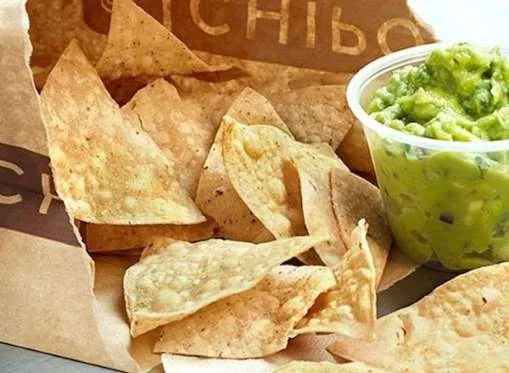
Though we're not in the habit of giving deep-fried indulgences the Eat This stamp of approval, Chick-Fil-A's classic sammy is a surprisingly modest indulgence. So, as long as you steer clear of the fries and soda fountain, it'll only take 40 minutes of running (at a pace of 10 miles per hour) to undo the damage.10. CHIPOTLE CHIPS AND GUAC
800 calories, 49 g fat, 7 g saturated fat, 0 g trans fat, 795 mg sodium, 81 g carbs, 14 g fiber, 5 g sugar, 10 g protein
Ah, chips and guac: a classic combo that no Tex-Mex lover can forgo. So crunchy, so creamy! If you decide to indulge, though, just be sure to do so with a friend or two. If you gobbled up Chipotle's version of the dish solo, you'd have to spend two hours hiking to negate all of its calories.11. DUNKIN DONUTS BIG N' TOASTED
570 calories, 31 g fat, 11 g saturated fat, 0 g trans fat, 1,290 mg sodium, 44 g carbs, 1 g fiber, 4 g sugar, 27 g protein
Made with eggs, fatty bacon, sodium-filled cheese, and thick Texas toast, DD's monstrous a.m. sandwich will give your abs a real run for their money. If you decide to bite into one, plan to embark on a one hour-long cross-country skiing session to work it off.12. FIVE GUYS STYLE FRIES
953 calories, 41 g fat, 7 g saturated fat, 1 g trans fat, 962 mg sodium, 131 g carbs, 15 g fiber, 4 g sugar, 15 g protein
Not only do these spuds carry an entire day's worth of fat, they also pack traces of dangerous trans fat, a type of heart-harming man-made fat you should always try to stay away from. If you don't want to walk for three hours and 30 minutes to burn off the calories, we suggest you make it a point steer clear of these crispy taters!13. IN-N-OUT DOUBLE-DOUBLE
670 calories, 41 g fat, 18 g saturated fat, 1 g trans fat, 1,440 mg sodium, 39 g carbs, 3 g fiber, 10 g sugar, 37 g protein
If you ate this burger as is, you'd need to hit the stair climber at the gym for one hour and 40 minutes to get rid of the calories. However, if you ditch the mayo-based spread and extra cheese (a modification that nixes 170 calories and 6 grams of saturated fat) you could end your workout at the 75 minutes mark. We know which order we'd choose!14. KFC GO CUP WITH EXTRA CRISPY TENDERS
540 calories, 27 g fat, 4 g saturated fat, 0 g trans fat, 1,330 mg sodium, 50 g carbs, 4 g fiber, 0 g sugar, 24 g protein
KFC's "Go Cups" which launched in 2013 and fit into car cup holders, may just be one of the most genius road trip creations of all time. The bad news? Colonel Sanders overload the cups with junk. Down just one of their extra crispy tender cups and you'll need to channel your inner Phelps and swim for one hour and 20 minutes to burn off the calories—and let's be honest unless there's a metal involved, no one wants to do that. Want to know which foods Phelps and other Olympians have kicked out of their personal diets?15. LONG JOHN SILVER'S BAJA FISH TACOS
2 tacos: 720 calories, 46 g fat, 9 g fat, 7 g trans fat, 1,620 mg sodium 60 g carbs, 6 g fiber, 4 g sugar, 18 g protein
Fat in the breading, fat in the tortillas, fat in the sauce—and none of it the healthy kind. It all adds up to a full day's worth of the stuff, and nearly a full day's allotment of salt—and that's not even taking the sauces, sides, or drink the meal comes with into account. To work it off, you'd have to spend one hour and 20 minutes playing singles tennis.16. POPEYES SHRIMP PO' BOY
690 calories, 42 g fat, 13 g saturated fat, 1 g trans fat, 2,165 mg sodium, 66 g carbs, 5 g fiber, 3 g sugar, 42 g protein
This nutritionally poor Po' Boy, contains not one, not two, but six different artificial dyes, a few of which have been linked to learning and concentration disorders (like ADD) in children and thyroid tumors in rats. Aside from the scary ingredients, it contains more calories than 160 M&Ms and requires one hour and 42 minutes of pilates to work off. If you want to indulge in something fried and starchy, opt for the chain's loaded chicken wrap, which has half the calories and a fraction of the fat.17. PANERA NAPA ALMOND CHICKEN SALAD SANDWICH
700 calories, 26 g fat, 4.5 g saturated fat, 0 g trans fat, 1,140 mg sodium, 90 g carbs, 6 g fiber, 13 g sugar, 17 g protein
Thanks in part to its mayo-free chicken salad, this sandwich is actually one of the chain's better-for-you bread and meat options. However, we can't deny that it's a bit high in calories. It would require one hour and 30 minutes of rowing to negate its wrath! We suggest getting the sandwich as part of the chain's "You-Pick-Two" deal and pairing it with a green salad. This simple swap shaves off 170 calories and adds some much-needed greens to an otherwise beige-colored meal.
Did you realize the amount of exercise needed to burn off these items? How will you change your approach to fast food?
ABOUT THE AUTHOR: MICHAEL MOODY, PERSONAL TRAINER
As an author, a personal trainer in Denver, and podcast host, Michael Moody has helped personal training clients achieve new fitness heights and incredible weight loss transformations since 2005. He also produces the wellness podcast "The Elements of Being" and has been featured on NBC, WGN Radio, and PBS.
Michael offers personal training to Denver residents who want to meet at the 2460 W 26th Ave studio….or in their homes throughout LoHi (80206), LoDo (80202), RiNo (80216), Washington Park (80209), Cherry Creek (80206, 80209, 80243, 80246, 80231), and Highlands (80202, 80211, 80212). Michael also offers experiences with a personal trainer in Jefferson Park (80211) and Sloan's Lake (80204, 80212).
If you’re looking for a personal trainer who can curate a sustainable (and adaptable) routine based on your needs and wants, Michael is the experienced practitioner you’ve been looking for. Try personal training for a month…your body will thank you!

"4 Surprising Benefits of Eating at Night" Review
Introduction
I've always told my personal training clients that "avoiding food after 7 p.m." should be carefully considered, and here's why (from the article “4 Surprising Benefits of Eating at Night).
List of Benefits
1. Low Glycemic Dinner Tonight Can Help Control Your Blood Sugar Tomorrow
Starting your day off on the right foot doesn’t just start with getting a good night’s sleep. It actually starts beforehand-- at dinner.
A study published in the American Journal of Clinical Nutrition found that what you eat for dinner can affect how your body responds to what you eat for breakfast the next morning.
The findings showed that people who ate a low glycemic dinner the night before were able to better regulate their blood sugar after breakfast the next morning.
Optimizing blood sugar control is not only important for improving weight loss but also for your overall health.
For a dinner that will help you better control your blood sugar in the morning, try pairing a low glycemic carb like lentils, black beans, sweet potatoes or your favorite green vegetable with a lean protein, such as chicken breast, lean beef or salmon.
Personal Trainer Wisdom: All meals should be a careful combination of complex carbs, protein, and fiber (good fats too).2. Not All Carbs Will Turn into Fat If You Eat Them Late at Night
Exercise is the one activity in your life that has the biggest effect on how your body processes and metabolizes food.
When you exercise, your body changes what it does with the food you give it.
These changes preferentially shuttle nutrients toward recovery, meaning that following exercise your muscles will absorb more carbohydrates.
This occurs regardless of time of day. But still many people abstain from eating carbohydrates at night out of fear that those carbs will be stored as fat, even after they have exercised.
Not eating after a workout, especially a tough one, can put a damper in your post-workout recovery as well as your results.
In the 45 minutes after a workout, one of your top nutritional priorities should be recovery from exercise as it helps get you and your muscles stronger and better.
Don’t skip the carbohydrates after you exercise just because it is later in the day.
Eat carbohydrates such as sweet potatoes and bananas to refuel your muscles’ energy stores so they are ready to go when you are ready to start training again.
Personal Trainer Wisdom: You always want to minimize any deficiency and inflammation in the body. If your body is depleted, it's time to refuel.3. Eating Carbohydrates at Night Can Help Control Hunger
A recent study found that eating carbs at night may actually help you control your appetite throughout the day.
In a 2011 study published in Obesity and Nutrition, Metabolism & Cardiovascular Diseases, researchers put a group of 63 obese female and male police officers on one of two diets.
The first diet plan spread the officers’ carbohydrate intake evenly throughout the day, while the second diet plan concentrated the majority of the carbohydrates at dinnertime.
The findings showed that the participants who ate most of their carbohydrates at dinnertime experienced hormonal changes that reduced hunger.
The ability to control hunger is a key strategy in long-term weight loss success.
A previous long-term weight loss study published in The New England Journal of Medicine found that your body’s hunger sensors don’t adapt to you eating less over time.
What’s more, the study found that hunger hormones remain elevated at least 18 months into dieting.
Personal Trainer Wisdom: Your best bet is to eat an even amount of carbs throughout the day. You don't know your true need (unless you're taking blood tests every hour) and eating more carbs than usual could be risky.4. Protein Before Bed Can Help You Build Muscle While You Sleep
A myth about eating before bed is that you don’t digest food while you are sleeping.
This could not be farther from the truth. While you are asleep, your body doesn’t stop working – your heart is pumping blood, your lungs are passing air. Strategic eating before you go to bed can help optimize your muscle building efforts.
A 2012 study published in Medicine and Science in Sports and Exercise, found that protein consumed immediately before going to bed helps muscle growth, repair and maintenance during overnight recovery after working out.
Personal Trainer Wisdom: Similar to your approach to carbs, your protein intake should be spread throughout the day as well. This section just affirms your need...skip the protein load and keep your plate balanced with a protein/fiber/complex carbs approach.
Does this article change your perspective on eating at night?
Picture Credit: Livestrong.com - Will eating this dish late at night cause weight gain? You might be surprised by the answer.
ABOUT THE AUTHOR: MICHAEL MOODY, PERSONAL TRAINER
As an author, a personal trainer in Denver, and podcast host, Michael Moody has helped personal training clients achieve new fitness heights and incredible weight loss transformations since 2005. He also produces the wellness podcast "The Elements of Being" and has been featured on NBC, WGN Radio, and PBS.
Michael offers personal training to Denver residents who want to meet at the 2460 W 26th Ave studio….or in their homes throughout LoHi (80206), LoDo (80202), RiNo (80216), Washington Park (80209), Cherry Creek (80206, 80209, 80243, 80246, 80231), and Highlands (80202, 80211, 80212). Michael also offers experiences with a personal trainer in Jefferson Park (80211) and Sloan's Lake (80204, 80212).
If you’re looking for a personal trainer who can curate a sustainable (and adaptable) routine based on your needs and wants, Michael is the experienced practitioner you’ve been looking for. Try personal training for a month…your body will thank you!
Over 30 Ways to Lose Body Fat Permanently
Introduction
Every six months, I reorganize the weight loss/fitness/health articles that I've given my personal training clients. These tips have helped them collectively lose over 2,500 lbs since 2005, and I think they will help you, too (whether you're trying to lose weight or just get in shape).
Please share this list with anyone (friend, family member, colleague, client, etc) who wants to change their life and finally see a difference in their health and lifestyle. Also, save this list in a folder and return to it when you're frustrated with your results (which happens to everyone) or need a new idea.
Tip: Skim through this list and find the headlines most relevant to your current goals and interests (then spend 20 seconds skimming the article).
List of Articles
Weight Loss (Secrets and More!)
4 Ways Your Brain Makes You Overeat—And How To Outsmart Yourself
"6 Things You Can Do Every Day to Prevent Weight Gain" Review
Why You're Not Losing Weight or Body Fat
Recipes for Effective Weight Loss
Weight Loss Recipe: Chili Cajun Chicken and Sauteed Vegetables
Weight Loss Quick Supper: Cajun Almond Crusted Chicken with Asparagus and White Beans
Weight Loss Recipe: Almond Crusted Mahi with Brussels Sprouts and Roasted Garlic Potatoes
Truth About Salads (And the Approach You Should Take)
Losing Weight During the Holidays/Seasons
The Right Protein for the Right Weight Loss
Foods You Should Think Twice About....And Here's Why!
Drinks That Will Increase Your Waistline
"20 Coffee Drinks with More Sugar Than a Can of Coke" Review
How To Fit Alcohol in Your Diet without Ruining Your Weight Loss Goals
"The Best and Worst Booze to Drink if You Want to Lose Weight" Review
What to Keep in Mind While Eating at Restaurants/Airports
-"The #1 Worst Menu Option at 40 Popular Restaurants" Review
-How to Eat Healthy at the Airport
Fitness/Exercise Myths and More!
-4 Simple Ways to Flatten Your Stomach
-12 Workout Myths That Just Need To Die
-The 15 Most Common Mistakes Personal Trainers See in the Gym
-An exercise scientist told us 4 big things people get wrong about working out and weight loss
-10 Reasons You Should Never, Ever Wear Flip-Flops
-5 Things You Should Never Do Before You Work Out
-End Your Lower Back Pain Today
-"The 21 Worst Things You Can Do For Your Body" Review
-Personal Trainer Wisdom: 1 Fitness Myth Unraveled
How to Improve Your Sleep and Reduce Fatigue
-49 Reasons You're Always Tired
-11 Ways To Sleep Better Tonight
-This simple addition to your bedtime routine could make a huge difference in your sleep
Creating the Life Your Want, Goals, Travel, and More!
-Top 15 Travel Tips That You Need to Know
-Excerpt from the book Redefine Yourself: Define Your Purpose
Picture Credit: redorbit.com-Is it time to downsize a few things in your diet?
ABOUT THE AUTHOR: MICHAEL MOODY, PERSONAL TRAINER
As an author, a personal trainer in Denver, and podcast host, Michael Moody has helped personal training clients achieve new fitness heights and incredible weight loss transformations since 2005. He also produces the wellness podcast "The Elements of Being" and has been featured on NBC, WGN Radio, and PBS.
Michael offers personal training to Denver residents who want to meet at the 2460 W 26th Ave studio….or in their homes throughout LoHi (80206), LoDo (80202), RiNo (80216), Washington Park (80209), Cherry Creek (80206, 80209, 80243, 80246, 80231), and Highlands (80202, 80211, 80212). Michael also offers experiences with a personal trainer in Jefferson Park (80211) and Sloan's Lake (80204, 80212).
If you’re looking for a personal trainer who can curate a sustainable (and adaptable) routine based on your needs and wants, Michael is the experienced practitioner you’ve been looking for. Try personal training for a month…your body will thank you!

"4 Signs You May Be Eating Too Much Protein" Review
Introduction
How do you know if you're overeating protein? You may be experiencing one or more of these symptoms (and not realize it)...sorry Dr. Atkins (from the article 4 Signs You May Be Eating Too Much Protein).
List of Signs You May Be Eating Too Much Protein
1. You’re Gaining Weight
If you increase your protein intake without decreasing other foods in your diet, you’ll have an excess of protein and calories. And if you have a sedentary lifestyle and eat excess protein — or excess anything — you will gain weight.
Personal Trainer Wisdom: Increasing your protein to lose weight (especially animal protein) sounds great in theory....who doesn't love meat on a grill (and it's nutritional makeup helps you build muscle). It's time to jump off the Atkins train, though: Animal protein WILL NOT help you lose weight. More nutrient dense (and less inflammatory) options are waiting for you, instead.2. You’re Dehydrated
Excess protein is filtered out of your body by your kidneys. A by-product of protein metabolism is nitrogen. The kidneys use water to flush out the nitrogen, which creates a dehydrating effect. When you decrease carbs, your body retains less fluid as well.
3. You’re Having Digestive Issues
Have nausea, indigestion, diverticulitis or constipation? When you increase meat, fish, chicken, cheese and other dairy on a high-protein diet and don’t eat enough fiber, the kidneys use excess water to rid your body of nitrogen and you can develop constipation.
Too much protein also puts a strain on your digestive enzymes, which can lead to digestive issues.4. You’ve Got Bad Breath and Headaches
In a diet low in carbs with increased protein and fat, your body may go into a state of ketosis. In ketosis, your body is burning fat for fuel instead of carbs. Bad breath and headaches are a side effect of ketosis.
The biggest potential problem with following a high-protein diet is that you may not be getting enough fiber, antioxidants, vitamins and minerals, all of which are found in vegetables and fruits.
Personal Trainer Wisdom: You may experience frequent headaches for a number of reasons, including dehydration. More likely than not, it's stemming from something in your diet. Any time you experience this symptom, take note of your dietary choices: The culprit may lie on your plate.
So what can you do? Switch some of your protein sources to plant-based proteins, which will then provide you with these other needed nutrients.
Resource: higher-protein plant sources
- Beans (1 cup = 15 grams)
- Lentils (1/2 cup cooked = 9 grams)
- Quinoa (1 cup cooked = 8 grams
- Buckwheat (1 cup cooked = 6 grams)
- Almonds (1/4 cup = 4 grams)
- Sunflower seeds (1/4 cup = 6 grams)
- Almond butter (2 tablespoons = 7 grams)
- Spinach (1 cup cooked = 5 grams)
- Hemp seed (3 tablespoons = 11 grams)
(Source: USDA Nutrient Database for Standard Reference)
Note: Keep in mind that all plant-based sources of protein don’t have all of the essential amino acids your body needs like animal proteins do. But if you eat a variety of whole foods throughout the day, you’ll likely get all the amino acids that you need.
Picture Credit: Livestrong.com-Is your protein intake undermining weight loss?
ABOUT THE AUTHOR: MICHAEL MOODY, PERSONAL TRAINER
As an author, a personal trainer in Denver, and podcast host, Michael Moody has helped personal training clients achieve new fitness heights and incredible weight loss transformations since 2005. He also produces the wellness podcast "The Elements of Being" and has been featured on NBC, WGN Radio, and PBS.
Michael offers personal training to Denver residents who want to meet at the 2460 W 26th Ave studio….or in their homes throughout LoHi (80206), LoDo (80202), RiNo (80216), Washington Park (80209), Cherry Creek (80206, 80209, 80243, 80246, 80231), and Highlands (80202, 80211, 80212). Michael also offers experiences with a personal trainer in Jefferson Park (80211) and Sloan's Lake (80204, 80212).
If you’re looking for a personal trainer who can curate a sustainable (and adaptable) routine based on your needs and wants, Michael is the experienced practitioner you’ve been looking for. Try personal training for a month…your body will thank you!
"20 Foods Pretending to be Something They're Not" Review
Introduction
Do you still plan to indulge while losing weight in Denver this summer? Okay, I don't blame you. You definitely don't want to grab these products, though. They aren't what they claim (YIKES!!!!!!!!). Be prepared to be shocked. (From the article 20 Foods Pretending to be Something They're Not).
Lists of Foods Pretending to be Something They’re Not
1. "MAPLE" SYRUP
Yes, technically brands like Aunt Jemima, Mrs. Butterworth's, and, most deceptively, Log Cabin, only call their products "syrup," but their marketing sure says otherwise. Whether their dark amber color shines through clear plastic bottles or lies hidden within the same plastic jugs that have housed maple syrups for generations, there's no discrepancy that these companies want you to equate their product with the real stuff, Grade A maple syrup—you know, the sap that's tapped from maple trees and boiled into an antioxidant-rich sweetener? But unlike this functional sweetener, these syrups are primarily composed of high fructose corn syrup, artificial flavors, and caramel color—all ingredients that have been connected to a slew of health issues, from fatty liver disease to cancer.
2. WHITE CHOCOLATE
Think of white chocolate like white, refined flour: over processed and devoid of nutrients. White chocolate's only "chocolate" comes from cocoa butter (the rest is milk solids, milk fat, and sweetener), and even that ingredient commonly loses its antioxidant properties during a "deodorizing" step. Without non-fat cocoa solids, white chocolate doesn't have any flavanoids—antioxidant compounds that have been shown to improve glucose metabolism and lower blood pressure—or gut-healthy prebiotics, which help reduce inflammation and fight weight gain. It also lacks the ability to stimulate the euphoria-inducing chemicals that real chocolate does, including serotonin. Grabbing some chocolate? The darker the better. More cacao means more happy chemicals and less sugar.
3. COOL WHIP
Whip, as in whipped cream, right? Not exactly. Kraft Cool Whip's first ingredient is water, followed by hydrogenated vegetable oil, high fructose corn syrup, corn syrup, and finally, skim milk. Fun fact, the original recipe was "non-dairy"—it didn't even have milk! Kraft only started adding skimmed milk and light cream in 2010. And although Kraft is the most common store-bought brand, you should also be checking the ingredients of any generic "whipped" topping out there. Looking for whipped cream? Buy a little carton of heavy cream, grab a mason jar, and start shaking.
4. BAC'N BITS
When an apostrophe replaces a letter in a food's name, it's a dead giveaway this product isn't what it wants you to think it is. Oh, and the label's "bacon flavored." Textured soy flour and oil provide the "bit," carcinogen-contaminated Red 40 and caramel coloring provide the visual cue this stuff sure looks like bacon, and the combination of yeast extract, disodium inosinate, and disodium guanylate—otherwise known as MSG—provides the meaty, umami flavor. These so-called "flavor enhancers" have been implicated in increasing appetites along with stimulating your body to pump out insulin, the fat-storage hormone. If you fried up a slice of bacon and crumbled it, you might be eating double the calories, but you'd save yourself 180 mg of sodium.
5. KIND BLUEBERRY VANILLA & CASHEW BAR
We're big fans of KIND bars because their products are low in sugar and high in satiating, healthy fats and protein, but they might not be giving you exactly what you think. Yes, even healthy foods can be untrustworthy. This bar boasts the name "blueberry," but upon a closer look at the ingredients, we see KIND really means apples and plums. Huh? In reality, KIND's formulation of its "blueberry pieces" is actually "blueberries, sugar, apples, plum, apple juice, vegetable glycerine, citrus pectin, natural blueberry flavor." Rather than nosh on this bar with "natural blueberry flavor," pop a few raw blueberries to burn belly fat, boost memory, and uncover your abs.
6. DEAN'S GUACAMOLE FLAVORED DIP
Just because the label says "guacamole" and the stuff inside looks green does not mean this product is bursting with the same fat-blasting properties as avocado. Keep reading and you'll see one of the most telling words in branding: flavored. This imposter is made mostly of skim milk (!), oil, water, and tomatoes. And less than 2 percent real avocado! With all its liquid, how is this guacamole-style dip dip-able? It's from emulsifying egg yolks, gelatin, a slew of gums and gels, and then thickening it up with isolated soy protein. And that green color you see? It's just blue, red, and yellow food dyes. Besides the fact that real avocados will lend their free-radical-fighting benefits, sticking with the green fruit will also help you avoid this waist-widening concoction.
7. COMMERCIALLY GRATED PARMESAN CHEESE
Wood you like some wood pulp on your pasta? No? Well then maybe you should nix the pre-grated parmesan cheese. Kraft was slammed with a lawsuit in early 2016 for using cellulose, an anti-clumping filler made from wood chips, in its "100% Grated Parmesan Cheese" product. And more private testing found Castle Cheese Inc.'s "Parmesan" also included less expensive cheese like cheddar, swiss, and mozzarella. In fact, American versions of Parmesan cheeses are so far from the real thing (they also include nontraditional ingredients such as potassium sorbate and cheese cultures) that the European Union wanted to ban American-made cheeses from even calling their product parmesan!
8. SUNNY D
If the sun tastes like corn syrup, modified cornstarch, canola oil, cellulose gum, artificial sweeteners, artificial flavors, artificial colors, and loads of preservatives, Sunny D certainly unleashed it. And while Sunny D Tangy Original promotes that it has 100 percent of your vitamin C for the day, the majority (a whopping 98 percent) of this drink is just water and high fructose corn syrup. That's right. That orange you see on the label is only present in the "2% or Less" section, along with five other fruit concentrates, so that amount of vitamin C is probably only coming from the added ascorbic acid. If you want some orange juice, you're better off going with something that has to be refrigerated, like Evolution Fresh's Cold-Pressed Orange Juice.
9. FRUIT SNACKS
Yes, the first ingredient is usually fruit and vegetable juice blend from concentrate, but following that is sugar, corn syrup, and modified corn starch, along with more sugar, and carnauba wax. Heck, some roll-ups even include partially hydrogenated oils—aka artery-clogging trans fats now banned by the FDA! And don't be fooled into thinking these gummies are as healthy as the real thing just because they have the word "fruit" in them. In fact, fruit juice is one of the worst added sweeteners for your health because it's high in liver-wrecking fructose and low in the slow-digesting fibers that make fruit healthy in the first place. Snack on real fruit to get the fiber and nutrients that come naturally packaged with it.
10. JUST MAYO
While this might be the only product on the list we wouldn't dock for its ingredient list, it has rightfully earned its place as an untrustworthy food. That's because Just Mayo isn't actually just mayo. According to the FDA's "Standards of Identity," the condiment has to have vinegar, lemon juice, and an egg-yolk-containing ingredient in order to be called mayo, and because Just Mayo is vegan, it has no eggs. (Which is weird because the label also has an egg on it.) Maybe "I Can't Believe It's Not Mayo" would be a better name. If you're as confused as we are, but still want a vegan mayo, check out Sir Kensington's new Fabanaise, a mayonnaise-like spread made with chickpea water!
11. WHOLE WHEAT BREADS
You've been told to eat more whole grains, but don't think that choosing whole wheat ensures a healthy pick. According to a Harvard School of Public Health study, many products displaying the yellow Whole Grain Stamp have more sugar and calories than whole grain foods not bearing the logo. That's because manufacturers realize that many of us still crave the sweetness of white breads, so they add back the sugar to make whole wheat taste better. When you're looking for a whole grain bread, make sure whole wheat is listed as the first ingredient and the food should ideally be free of high fructose corn syrup.
12. PROCESSED CHEESE
Whiz or whizout? That's the question you'll often be asked in reference to whether you'd like your Philly Cheesesteak doused with a heaping spoonful of Cheez Whiz. Or should they be called a cheezsteak? That's because Cheez Whiz, along with processed cheese products like American Cheese and Velveeta aren't really cheese at all. In fact, federal laws mandate that each of these products be labeled as "processed cheese" or a "cheese product" since their manufacturing process is quite different from natural cheeses: they start with only 51 percent real cheese, add some artificial flavors, colors, fillers, preservatives, emulsifiers, acidifiers, heat it up, and then wrap it up. Reach for a block of 100 percent real cheddar—the U.S. just imported way more than we need, so cheese prices are about to go way down.
13. SOUTHWESTERN EGG BEATERS
We've already busted the egg-yolk myth, but if you're looking to boost your protein intake, we can see why you might want to pick up a carton of egg whites. But don't think all you're getting in a carton of Southwestern Egg Beaters are eggs. Somewhere between processing and packaging this carton also picked up a few extra ingredients, like "natural flavors," a slew of gums, autolyzed yeast extract (aka MSG), and a tinge of color to make it feel like you're eating the real thing. You know what's better than feeling like you're eating the real thing? Eating the real thing: Whisk two eggs together (yolks and all), season with salt and pepper, and dice up a red pepper. Saute the pepper in light canola oil for about a minute, or until it's tender, pour in the whisked eggs, and cook until done. Voila! And no "autolyzed yeast extract."
14. REDUCED FAT PEANUT BUTTER
Peanut butter is touted by experts as a health food—packed with protein, fiber and healthy monounsaturated fats, plus plenty of fat-burning folate. But when you pick up a reduced fat butter, you're getting a product that's packed with sugar and fillers, causing you to store fat, not burn it. When manufacturers take out the naturally-occurring, healthy fat, they're left with a bland product in need of some serious doctoring up. So they add things like sugar, corn syrup solids, and soy protein concentrate. And regardless of whether you go for fat or not, picking Skippy means your PB will contain hydrogenated vegetable oil, the trans fat which researchers found to increase heart disease risk by a whopping 23 percent. The best butters have just two ingredients: peanuts and salt.
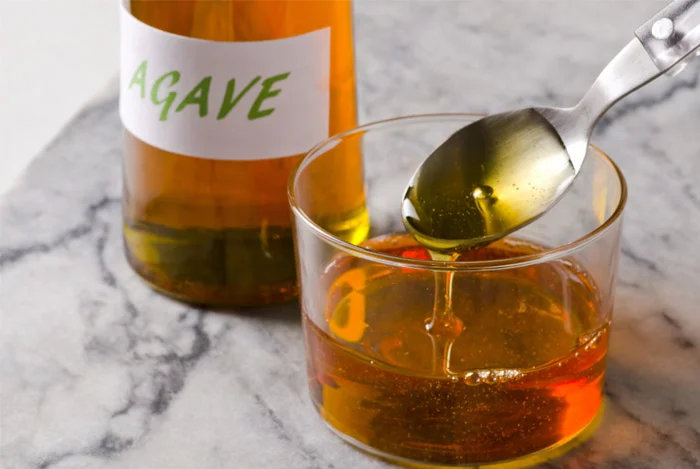
15. AGAVE SYRUP
People ate up the fact that Agave syrup was a great alternative to sugar because it was natural and came from a plant. Newsflash! Sugar also comes from a plant—so you can throw out that argument. Plus, agave is actually a modified sugar, which means you can't actually tap an agave plant and get syrup. The syrup has to be processed (yes, it's technically a processed food) with enzymes that turn it into sugar. Another argument by marketers? It has a low glycemic index, which means it doesn't spike blood sugar levels right after eating it. And that's actually a bad thing. It has a low GI because it's full of fructose—at least 80-90 percent, way more than the 50 percent of white sugar—a form of sugar that doesn't affect glucose levels, but it can lead to insulin resistance, fatty liver disease, hypercholesterolemia, and obesity over time.
16. FROZEN BANQUET BURGERS
They might be convenient, but these sliders are certainly a stretch of the truth. In reality, they're closer to veggie burgers than they are beef burgers. That's because Banquet's patties are made of beef, water, textured soy protein, soy flour, caramel color, soy protein concentrate, and soy lecithin. You're better off whipping up your own burger at home using 100 percent grass-fed ground beef. It'll probably take more time to preheat the oven for these nasty sliders than it will to simply sear your perfect patty in a skillet.
17. POTATO SNACKS
Whatever the brand, these potato chips aren't what you imagine when we say "Lay's." Rather than sliced potatoes, these "chips" are really pulverized potato flour mixed with varying additives like oils, fibers, and yeast extracts and then molded into a chip-shaped snack. What's even more amusing is that the Kellogg Company actually argued with the U.K. government that Pringles weren't chips so that the product wouldn't be taxed as a luxury item. And a judge agreed, citing the fact they were unnaturally shaped and were made up of less than 50 percent potato. Congrats?
18. HOT COCOA MIXES
With everyone touting the health benefits of chocolate, it's no wonder our go-to warm-me-up drink during the cold months is chocolate. But just because cocoa is on the label doesn't mean this product is healthy. Many hot chocolate mixes should really be called "Sugar Blends with Oil, Additives, and Oh yeah, Some Cocoa." Cocoa is actually listed fourth on Swiss Mix's list of ingredients, and what's worse is that the cocoa powder is alkalized, meaning it's devoid of any healthy antioxidants. Make your own hot chocolate but just boiling a cup of whole milk mixed with a tablespoon of pure cacao—the naturally-occurring sugars in the milk are all you need to sweeten this beverage up.
19. COFFEE CREAMERS
We don't know about you, but when we read the word "creamer," dairy cows come to mind. Unfortunately, that's not what you're getting when you pick up coffee creamers like Coffee-Mate. In fact, the brand even labels it as lactose-free! And in true untrustworthy food fashion, this creamer is none other than corn syrup solids and hydrogenated vegetable oil in disguise. But hey, there is milk protein! That counts, right? Wrong. If you're looking for something to add to your coffee, add heavy cream.
20. "LOW CARB" BARS WITH ADDED FIBER
Ever heard of net carbs? Many diets are based on this term, claiming that we should only be worried about the total carbs minus the amount of fiber because fiber is what helps slow digestion of the carb sugars, keeping blood sugar from spiking and hunger at bay. We'd be on board if it weren't for the fact that many companies lower the net carb count by adding functional fibers to their bars and meals. Functional fibers, like polydextrose, are synthetically created in a lab, and may not provide all of the same benefits that the dietary fibers from veggies, whole grains, and fruits do. According to multiple studies, polydextrose is fermented like fiber and has beneficial effects on bowel function, but a study in Nutrition Review found it has little or no effect on fasting glucose levels and doesn't form the same kind of filling viscous gel that dietary fibers do to slow the rate at which food is broken down and nutrients such as glucose are absorbed—which means it might not actually help keep you fuller longer.
Picture Credit: nutritionsecrets.com-Could this all-natural sweetener be fooling you and affecting your ability to lose weight?
ABOUT THE AUTHOR: MICHAEL MOODY, PERSONAL TRAINER
As an author, a personal trainer in Denver, and podcast host, Michael Moody has helped personal training clients achieve new fitness heights and incredible weight loss transformations since 2005. He also produces the wellness podcast "The Elements of Being" and has been featured on NBC, WGN Radio, and PBS.
Michael offers personal training to Denver residents who want to meet at the 2460 W 26th Ave studio….or in their homes throughout LoHi (80206), LoDo (80202), RiNo (80216), Washington Park (80209), Cherry Creek (80206, 80209, 80243, 80246, 80231), and Highlands (80202, 80211, 80212). Michael also offers experiences with a personal trainer in Jefferson Park (80211) and Sloan's Lake (80204, 80212).
If you’re looking for a personal trainer who can curate a sustainable (and adaptable) routine based on your needs and wants, Michael is the experienced practitioner you’ve been looking for. Try personal training for a month…your body will thank you!
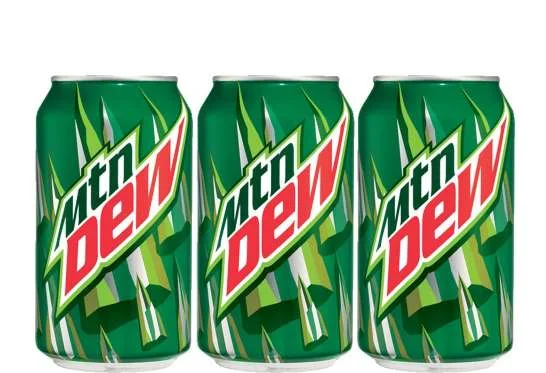
"70 Most Popular Sodas Ranked by How Toxic They Are" Review
Introduction
Still, indulging in pop/soda while trying to lose weight with your personal trainer in Denver? I've stripped down a recent list I found to give you the 10 worst sodas (from the article 70 Most Popular Sodas Ranked by How Toxic They Are). See if your favorite liquid waistline killer is on it!
List of Popular Sodas Ranked by How Toxic They Are
10. DR. BROWN'S ROOT BEER
-Nutrition Facts: 12 fl oz, 170 calories, 42 g carbs, 42 g sugar
-Ingredients: Carbonated Water, High Fructose Corn Syrup, Caramel Color, Natural And Artificial Flavors, Sodium Benzoate (Preservative), Gum Acacia, Citric Acid, Caffeine Free
You know when you add some Mentos to a two-liter Diet Coke and the whole thing explodes? (Don’t try that at home.) That’s thanks to the Gum Acacia in the candy, which also in this soda—it’s a natural emulsifier. Despite it’s weird name, is probably this most natural ingredient in this sugar juice.9. DR. BROWN’S CREAM SODA
-Nutrition Facts: 12 fl oz, 180 calories, 44 g carbs, 44 g sugar
-Ingredients: Carbonated Water, High Fructose Corn Syrup, Natural And Artificial Flavors, Sodium Benzoate (Preservative), Citric Acid, Caramel Color.
With more calories than a Mountain Dew (though with less artificial colors, thus its better ranking), this Cream would have made even Prince blush.7. MOUNTAIN DEW—TIE
-Nutrition Facts: 12 fl oz, 170 calories, 46 g carbs, 46 g sugar
-Ingredients: Carbonated Water, High Fructose Corn Syrup, Concentrated Orange Juice, Citric Acid, Natural Flavor, Sodium Benzoate (Preserves Freshness), Caffeine, Sodium Citrate, Erythorbic Acid (Preserves Freshness), Gum Arabic, Calcium Disodium EDTA (To Protect Flavor), Brominated Vegetable Oil, Yellow 5
There's flame retardant in your Mountain Dew. That soda with the lime-green hue (and other citrus-flavored bubbly pops) won't keep your insides fireproof, but it does contain brominated vegetable oil, a patented flame retardant for plastics that has been banned in foods throughout Europe and in Japan. Brominated vegetable oil, or BVO, which acts as an emulsifier in citrus-flavored soda drinks, is found in about 10 percent of sodas sold in the U.S. “After a few extreme soda binges - not too far from what many [video] gamers regularly consume - a few patients have needed medical attention for skin lesions, memory loss and nerve disorders, all symptoms of overexposure to bromine,” according to an article in Environmental News.7. MOUNTAIN DEW CODE RED—TIE
-Nutrition Facts: 12 fl oz, 170 calories, 46 g carbs, 46 g sugar
-Ingredients: Carbonated Water, High Fructose Corn Syrup, Orange Juice Concentrate, Citric Acid, Sodium Hexametaphosphate, Sodium Benzoate, Natural Flavor, Caffeine, Sodium Citrate, Gum Arabic, Calcium Disodium EDTA, Red 40, Brominated Vegetable Oil, Yellow 5, Blue 1
As we said, Europe and Japan have already banned the flame retardant brominated vegetable oil (BVO) out of their bubbly beverages. Code Red!6. A&W ROOT BEER
-Nutrition Facts: 12 fl oz, 180 calories, 46 g carbs, 46 g sugar
-Ingredients: Carbonated Water, High Fructose Corn Syrup and/or Sugar, Caramel Color, Sodium Benzoate (preservative), Natural and Artificial Flavors
You gotta love that ingredients list: This American classic might have sugar and HFCS. Throw in two scoops of vanilla ice cream to make a Root Beer float and you have more than two day’s worth of sugar in one chilled mug.5. MUG CREAM SODA
-Nutrition Facts: 12 fl oz, 180 calories, 47 g carbs, 47 g sugar
-Ingredients: Carbonated Water, High Fructose Corn Syrup, Natural and Artificial Flavors, Sodium Benzoate (Preserves Freshness), Citric Acid, Caramel Color, Calcium Disodium EDTA (to protect flavor)
Speaking of cream, you’d have to down 12 servings of Redi-Whip to equal the calorie count of Mug Cream Soda (distributed by Pepsi)—and would still need to eat 12 Hershey’s Kisses on top of that to equal the sugar count.4. A&W CREAM SODA
-Nutrition Facts: 12 fl oz, 180 calories, 48 g carbs, 48 g sugar
-Ingredients: Carbonated Water, High Fructose Corn Syrup and/or Sugar, Sodium Benzoate (preservative), Natural and Artificial Flavors, Caramel Color, Citric Acid, Flavored with Vanilla Extract, Caffeine.
A&W traffics heavily in the nostalgia of the roadside restaurant—the company created the nation’s first chain of them in 1923. But their cream soda is a car crash of HFCS and artificial colors and flavors. This is not your grandparent’s soda, in the worst way possible.3. DR. BROWN’S BLACK CHERRY
-Nutrition Facts: 12 fl oz, 180 calories, 45 g carbs, 45 g sugar
-Ingredients: Carbonated Water, High Fructose Corn Syrup, Cherry And Other Natural Flavors, Citric Acid, Caramel Color, Sodium Benzoate (Preservative), and Artificial Color (Red 40)
With just one less gram of sugar than Stewart’s Black Cherry, Dr. Brown’s Black Cherry would horrify most doctors—and not just because of the sugar. Like Stewart's—and many of the colored sodas here—this one has the artificial color Red 40, which is it ranks lower than our next entry, despite having less sugar. Don’t get down with Brown.2. STEWART'S BLACK CHERRY WISHNIAK
-Nutrition Facts: 12 fl oz, 190 calories, 46 g carbs, 46 g sugar
-Ingredients: Carbonated Water, High Fructose Corn Syrup, Natural and Artificial Flavor, Citric Acid, Sodium Benzoate, Caramel Color, Red 40, Blue 1
With more sugar than seven Chewy Chips Ahoy cookies, Stewart's Black Cherry would be a “Not That!” because of the sweetness alone—it’s the most caloric on this list. And, like many of the soda on this list, it also contains caramel coloring. This additive wouldn't be dangerous if you made it the old-fashioned way—with water and sugar, on top of a stove. But the food industry follows a different recipe: They treat sugar with ammonia, which can produce some nasty carcinogens. A Center for Science in the Public Interest report asserted that the high levels of caramel color found in soda account for roughly 15,000 cancers in the U.S. annually.1. FANTA GRAPE
-Nutrition Facts: 12 fl oz, 180 calories, 48 g carbs, 48 g sugar
-Ingredients: Carbonated Water, High Fructose Corn Syrup, Natural Flavors, Tartaric Acid, Potassium Sorbate and Sodium Benzoate (to Protect Taste), Citric Acid, Red 40, Blue 1
Liquefy a bag of Skittles and you’d still have to add 6 grams of sugar to equal the sweetness of this can of corn syrup, citric acid and artificial colors. In fact, that bag of Skittles has the exact same ingredients, including Red 40, which Canadian researchers found to be contaminated with known carcinogens. Even without its unsettling origin story—the Coca-Cola company created Fanta to profit in Germany when Nazis forbid the importation of USA-made Coke—this would still be the absolute worst soda in America!
Picture Credit: MSN.com and Eat This! Not That!-Should you "Do the Dew" while trying to lose weight?
ABOUT THE AUTHOR: MICHAEL MOODY, PERSONAL TRAINER
As an author, a personal trainer in Denver, and podcast host, Michael Moody has helped personal training clients achieve new fitness heights and incredible weight loss transformations since 2005. He also produces the wellness podcast "The Elements of Being" and has been featured on NBC, WGN Radio, and PBS.
Michael offers personal training to Denver residents who want to meet at the 2460 W 26th Ave studio….or in their homes throughout LoHi (80206), LoDo (80202), RiNo (80216), Washington Park (80209), Cherry Creek (80206, 80209, 80243, 80246, 80231), and Highlands (80202, 80211, 80212). Michael also offers experiences with a personal trainer in Jefferson Park (80211) and Sloan's Lake (80204, 80212).
If you’re looking for a personal trainer who can curate a sustainable (and adaptable) routine based on your needs and wants, Michael is the experienced practitioner you’ve been looking for. Try personal training for a month…your body will thank you!

"The 10 Dirtiest Foods You're Eating" Review
Introduction
After reading this list, I realized how unsafe my kitchen really is. Without a doubt, Sammy and I have to change our approach starting TODAY! Take a look and see what you need to change too (from the article The 10 Dirtiest Foods You're Eating).
List of the Dirtiest Foods You’re Eating
1. GROUND TURKEY
-The dirt: Potentially one of the foulest of the fowl. A USDA survey showed that the odds are better than one in four that your ground gobbler contains Listeria, Campylobacter, clostridium, or some combination of the three. In 2011, an antibiotic-resistant, virulent strain of salmonella prompted a recall of 36 million tons of fresh and ground turkey.
-At the supermarket: Hunt for organic turkey... it's grown without using antibiotics. Most commercial turkey processors pump up their birds the drugs, a practice that may have encouraged the rise of resistant bacteria. In fact, a study from the University of Maryland found that organic turkey operations not only had lower levels of Salmonella, but the strains they did find were less resistant to antibiotics than strains found on factory turkey farms.
-At home: "Change your mind-set about poultry. Start by thinking of it as being contaminated," says Donald W. Schaffner, PhD, an extension specialist in food science at Rutgers University. Immediately after preparing turkey, wash any platter that has come in contact with raw ground turkey. Serve cooked turkey burgers (180°F) on a clean plate. And wipe up any spillage with a paper towel instead of a sponge—the most dangerous item in the house because of bacteria, says Philip Tierno, PhD, a microbiologist at New York University medical center and author of The Secret Life of Germs.2. RAW OYSTERS
-The dirt: These filters for ocean waste can contain the norovirus, campylobacter, and vibrio vulnificus. Researchers who studied oysters from so-called certified-safe beds discovered that 9 percent were in fact contaminated with salmonella bacteria.
-At the supermarket: Buy from the same beds that a chef stakes his reputation on: Sandy Ingber, executive chef and seafood buyer for Grand Central Oyster Bar in New York City, buys Blue Point, Chincoteague, Glidden Point, Narragansett Bay, Pemaquid, and Wellfleet oysters in the winter months. During summer, he buys Coromandel oysters from New Zealand. The reason for the seasonal shift: More than three-quarters of outbreaks involving raw oysters occur during the Northern Hemisphere's warm-water months.
-At home: Very simple: Eat only thoroughly cooked oysters. If you must slurp, do so only after following the buying advice above. But don't avoid oysters all together—after all, they're one of the best libido-boosting foods, one of the more sustainable fish you can eat, and they provide lots of health benefits as well—provided you cook them first.3. EGGS
-The dirt: Which is dirtier, the chicken or the egg? Definitely eggs. Food poisoning linked to eggs sickens an estimated 660,000 people annually and kills 300.
-At the supermarket: Check egg cartons for one word: "pastured," and be aware of the nine most common egg carton labels and what they mean. Research has shown that the rate of salmonella contamination in eggs is directly related to flock size. Therefore, factory-farmed eggs from henhouses containing 80,000 hens are more likely to pass the bacteria along to you than those from a local farmer with a flock of 100 or so hens that he raises on pasture. In fact, bypass the supermarket altogether. Get your eggs at the farmer's market, from a backyard chicken owner, or start your own backyard flock.
-At home: Keep eggs in their carton and stow that in the coldest part of your fridge (usually the back of the lowest shelf). After you crack one open, wash your hands. Finally, cook your eggs—thoroughly (or, if they're an ingredient in a dish, to 160°F).4. CANTALOUPE
-The dirt: When the FDA sampled domestically grown cantaloupe, it found that 3.5 percent of the melons carried Salmonella and Shigella, the latter a type of bacteria normally passed person-to-person. In 2011, a cantaloupe recall involving fruit from Colorado was infected with Listeria, a bacterium more commonly associated with meat and dairy products.
-At the supermarket: Dents or bruising on the fruit can provide a pathway in for pathogens; cut up slices may not be any safer if employees don't properly wash their hands.
-At home: Because cantaloupe grow on the ground and have a netted exterior, it's easy for salmonella to sneak on. Scrub the fruit with a dab of mild dishwashing liquid for 15 to 30 seconds under running water.5. PEACHES
-The dirt: Being pretty as a peach comes at a price. The fruit is doused with pesticides in the weeks prior to harvest to ensure blemish-free skin. By the time it arrives in your produce department, the typical peach can be coated with up to nine different pesticides, according to USDA sampling, making it one of the dirtiest fruits at the supermarket. On an index of pesticide toxicity devised by Consumers Union, peaches rank highest.
-At the supermarket: Fill your produce bag with organic peaches. And since apples, grapes, pears, and green beans occupy top spots on the Toxicity Index, too, you may want to opt for organic here, as well. Just know that organic produce also contains some pesticide residues, but in minuscule amounts.
-At home: "A lot of produce has a natural wax coating that holds pesticides, so wash with a sponge or scrub brush and a dab of mild dishwashing detergent. This can eliminate more than half of the residues," says Edward Groth III, Ph.D., a senior scientist with Consumers Union. But in many cases, pesticides are systemic, meaning they are absorbed by the plant after being applied to seeds, soil, or leaves, and contaminate the meat of the fruit, where washing and peeling won't remove them—which is why it's that much more important to opt for organic.6. PREPACKAGED LETTUCE
-The dirt: The lettuce on a burger could cause you more grief than the beef. February 2010 tests from Consumers Union on 208 packages of salad greens found that 40 percent tested positive for fecal coliform bacteria. Before then, the Center for Science in the Public Interest estimated that lettuce accounted for 11 percent of reported food-poisoning outbreaks linked to produce from 1990 to 2002, and "salad" accounted for 28 percent.
-At the supermarket: Prepackaged salad mix is not inherently more hazardous than loose greens or a head of lettuce. It's the claims of being "triple washed" that lull consumers into complacency.
-At home: Rinse salad greens one leaf at a time under running water before eating. Beware of cross-contamination, too. You know it's risky to put salad in the same colander you washed chicken in but may accidentally touch a towel used to wipe up poultry juice, then make a salad.7. COLD CUTS
-The dirt: Germs don't take a number in the deli; cold cuts have been labeled at "high risk" of causing listeriosis by a joint team of researchers from the USDA, FDA, and Centers for Disease Control and Prevention. Combine that with the fact that cold cuts are, well, eaten cold, and you've got trouble; Listeria thrives at refrigerator temperatures that stun other foodborne pathogens.
-At the supermarket: Turns out the most likely source of Listeria-contaminated cold cuts is the deli slicer. Without regular cleaning, the blade can transfer bacteria from roast beef to turkey to pastrami and back. Don't buy more deli meat than you can eat within two days because the germ multiplies quickly, and remember that they're also one of the saltiest foods in the supermarket, so go low-sodium but skipping altogether.
-At home: When you're ready to build your sandwich, slather on the mustard. Researchers at Washington State University killed off 90 percent of three potent pathogens—Listeria, E. coli, and salmonella—within two hours of exposing them to a mustard compound.8. SPROUTS
-The dirt: Sprouted seeds of all kinds—broccoli, alfalfa, mung bean, pea—contain potent amounts of phytonutrients, and broccoli sprouts have even been shown to help prevent stomach cancer. Unfortunately, the warm, humid conditions needed for the sprouts to grow are heaven to Listeria, Salmonella, and E. coli bacteria. According to Marler Clark, a law firm that handles high-profile foodborne-illness cases, sprouts have been blamed for at least 40 significant outbreaks of foodborne illness across the United States, Canada and Europe over the past 20 years.
-At the supermarket: The FDA has recommendations for sprout producers to follow, such as decontaminating the seeds before sprouting or conducting regular microbial testing. But experts say those rules aren't strictly enforced. So, bottom line? Don't buy them. But if you must, look for crisp-looking sprouts with the buds attached. Avoid musty-smelling, dark, or slimy-looking sprouts.
-At home: If you must get your sprout fix, make sure you refrigerate them as soon as you get them home, and cook them before eating them, or grow your own sprouts right at home.
Picture Credit: Porterbriggs.com and Jackie Garvin-Could this peach make you sick?
ABOUT THE AUTHOR: MICHAEL MOODY, PERSONAL TRAINER
As an author, a personal trainer in Denver, and podcast host, Michael Moody has helped personal training clients achieve new fitness heights and incredible weight loss transformations since 2005. He also produces the wellness podcast "The Elements of Being" and has been featured on NBC, WGN Radio, and PBS.
Michael offers personal training to Denver residents who want to meet at the 2460 W 26th Ave studio….or in their homes throughout LoHi (80206), LoDo (80202), RiNo (80216), Washington Park (80209), Cherry Creek (80206, 80209, 80243, 80246, 80231), and Highlands (80202, 80211, 80212). Michael also offers experiences with a personal trainer in Jefferson Park (80211) and Sloan's Lake (80204, 80212).
If you’re looking for a personal trainer who can curate a sustainable (and adaptable) routine based on your needs and wants, Michael is the experienced practitioner you’ve been looking for. Try personal training for a month…your body will thank you!
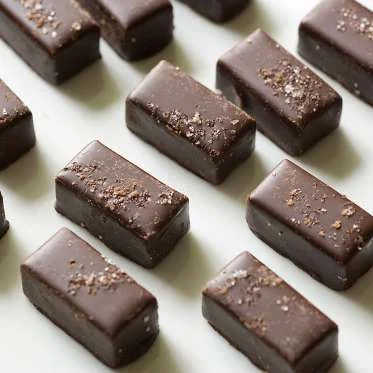
"50 Ways To Get Started When You Have Lots Of Weight To Lose" Review
Introduction
If you're like my new personal training clients, you probably wanted to start losing weight yesterday. Check out this incredible list to propel your weight loss and quit wasting time (from the article "50 Ways To Get Started When You Have Lots Of Weight To Lose")!
List of Ways To Get Started When You Have Lots Of Weight To Lose
1. UNDERSTAND WHY YOU WANT TO LOSE WEIGHT.
Knowing why you want to lose weight will help guide you through those moments when you want to give up, says Heather Bainbridge, RD, nutrition care coordinator at Temple Health Bariatric at Temple University Hospital and Jeanes Hospital in Philadelphia. And your goal is more likely to resonate if you include real-world benefits, like having more energy to play with your kids or pursue new activities. "Your why is the grounding force that will push you through tough times," she says.
2. BELIEVE.
Confidence is one of the single biggest predictors that you will be able to change, says Charles Platkin, PhD, MPH, Distinguished Lecturer at Hunter College and City University of New York School of Public Health. "You really need to believe in your ability to organize and execute a behavioral modification," he says. "Weight loss is a tough road, so you need to rely on the confidence that you can attain what you want."
3. SET A REAL GOAL.
Platkin stresses the importance of planning and goal setting. "No matter what, it's something you need to take the time to write down," he says. In one study, people were 42% more likely to reach their goals when they wrote them down. Platkin recommends setting a long-term goal and outlining the steps you'll take to carry it out. Don't say, "I'm going to lose 25 pounds." Instead, pick a number you want to weigh, devise a thorough plan of attack, and figure out the best strategies for getting there. And then keep careful track of your progress.
4. BREAK YOUR GOAL INTO BITE-SIZE CHUNKS.
Set plenty of intermediate goals: "The most important thing to remember is any weight loss is good," says Louis Aronne, MD, the director of the Comprehensive Weight Control Center at Weill-Cornell Medical College and author of the forthcoming book The Change Your Biology Diet: The Proven Program for Lifelong Weight Loss." Any weight loss will improve your cardiovascular function, reduce your risk for diabetes, and help your blood-pressure." If you aim to lose 80 pounds, celebrate every 10 that you manage to shed.
5. CHANNEL YOUR INNER TODDLER.
"Children don't eat just because food is in front of them, nor do they eat because they're feeling stressed or bored," says Lawrence Cheskin, MD, director of the Johns Hopkins Weight Management Center at Johns Hopkins Bloomberg School of Public Health. "They'll play until they're hungry, and they won't eat if they're not hungry. Paying attention to physiological cues is something we should all try. Just ask yourself: Am I hungry right now, or am I eating because I'm stressed or for another reason that's not actually hunger?"
6. DIETING IS FOR GAINERS: EAT IN A WAY YOU CAN SUSTAIN FOR LIFE.
The eating changes you make should be forever—not the next 3 months, says Platkin. Living on a juice diet, exercising 6 mornings a week before the crack of dawn, or eating only one meal a day may lead to weight loss, but you won't be able to sustain that kind of loss. Platkin advises forming new patterns that make your eating and exercise habits automatic. "It shouldn't be a diet; it should be a way of life," he says. "You break a diet. You don't take a break from your life."
7. PAY ATTENTION.
When you're conscious of what you eat, you'll enjoy it more while eating less, says Cheskin. If you open a bag of chips before sitting on the couch, you'll barely notice eating the whole thing. Try to eat only when you can pay attention to every bite, savor the taste—and slow down. That's good for portion control and for digestion, says Cheskin.8. ASK YOURSELF, "AM I ENJOYING THIS?"
Food delivers a marginal return on the calorie, says Cheskin. Every additional bite gives you less return on the investment. "Eating more won't give you more pleasure, more energy, or more satiety," he says. But it will make you rounder.=
9. KEEP A FOOD DIARY.
Log all the food you eat and you'll have the data you need and a platform to assess which habits need tweaks. Bainbridge suggests writing down what time you're eating, what you're eating, the size of the portion, and the calories listed on the package. One study found that keeping a food diary can double a person's weight loss and is one of the best predictors of weight loss. "Recording our habits is eye-opening," Bainbridge says. "You can really look back and say, 'Did I need to eat this? Could I have only had half of that? What am I now ready to change?'"
10. TAP TECHNOLOGY FOR HELP.
If you find it cumbersome to write down everything you eat, simply snap a picture of your food with your smart phone, says Platkin. All of your food. Simply taking a second look at what you're about to put in your mouth can reduce how much you eat. For a diary, try an app like Calorific, Lose It!, My Food Diary, or MyNetDiary.
11. TAKE A WALK AFTER MEALS.
A study in Diabetes Care found that when seniors walked for just 15 minutes after each meal, they significantly lowered their blood sugar, which can help manage weight gain. While walking in the morning or the afternoon for 45 minutes certainly led to improved metabolic markers, the short post-meal stroll was significantly more effective at blocking fat storage.
12. LIFT WEIGHTS.
Finnish researchers found that when elderly women lifted weights, they could manage blood sugar much better, reducing fat storage.
13. YOUR TREADMILL NEEDS YOU.
A Spanish study found that when postmenopausal women at risk of heart disease and type 2 diabetes started walking on a treadmill at home three times a week for 4 months, they significantly reduced fat and lost an inch off their waists.
14. WORKING OUT IS VITAL.
Studies show that regular exercise is crucial to keeping weight off once you have shed it, but it's also good for your self-esteem. "Physical movement makes you feel better and boosts your confidence," says Platkin. "Workouts increase the chances of reaching your weight loss goals and decrease the chances of slipping up."
15. HOWEVER, DON'T EXPECT EXERCISE TO BE THE ENTIRE ANSWER.
Working out is healthy for the body and the brain, plus it reduces stress—which we all know can spur eating. "But physical movement is better for keeping weight in control than it is for losing weight," says Cheskin. "In 60 seconds, you can eat what it would take 60 minutes at the gym to burn off." The takeaway: You can't out-train a bad diet.
16. FEED YOUR HEALTHY GUT BUGS.
A New England Journal of Medicine study of 120,000 nurses over 35 years found that women who regularly consumed yogurt easily lost weight and didn't suffer the weight gain typical with aging. Why? The probiotics in live-culture yogurt help facilitate weight loss by providing nourishment to healthy gut bacteria. Try fermented vegetables or, if you must, a probiotic supplement.
17. EAT STRATEGICALLY.
"The order you eat your food matters much more than you'd suspect," says Aronne. His advice: Eat produce and protein before you eat (simple) carbs. He and his research team recently published a paper in Diabetes Care that found blood glucose levels were 36% lower an hour after eating when people followed this pattern. Plan your meals accordingly.
18. UNDERSTAND FOOD LABELS.
"You need to look at serving size versus container size," says Cheskin. For example, a 20-ounce bottle of Coca-Cola contains 2.5 servings. "Stick to the serving size when you snack rather than eating the whole package, and you'll be a lot better off."
19. THE KITCHEN CLOSES AFTER DINNER.
After a long day of making decisions, your brain is whipped by nighttime. That's when you're likely to sabotage your weight loss efforts with poor food choices. "Snacking after dinner is a problem," says Aronne. "In general, we should try not to eat after dinner and just aim for a good night's sleep." A study in the American Journal of Clinical Nutrition found that late-night eating often leads to weight gain. In fact, the nighttime eaters gained nearly 14 pounds in the study.
20. BROWN BAG IT.
Bringing lunch (like one of these quick lunch recipes) means you're in control, says Platkin. In a year-long study published in the Journal of the Academy of Nutrition and Dietics, overweight women who went out to lunch weekly gained, on average, 5 pounds more than those who ate out less frequently.
21. STOP SKIPPING MEALS.
While it seems that not eating would equal fewer calories, the opposite is true. The Journal of the Academy of Nutrition and Dietetics study found that dieting women who skipped meals lost, on average, 8 fewer pounds than women who ate consistently. "When you skip meals, the body goes into starvation mode," says Aronne. "It not only holds on to fat, it primes the brain to seek out high-calorie foods to protect itself."
22. TAKE A LONG HARD LOOK AT YOURSELF.
When Lawrence Cheskin sees patients in his clinic, he asks them to look at their lifestyle, their habits, and their history of weight loss. He encourages them to consider their happiness, relationship to food, stress, and patterns of eating. "It's important to understand what works for you," he says. "weight loss is a very individual thing, and only you know exactly what's happened that caused success and failure in the past."
23. READ THE MENU BEFORE RESERVATION TIME.
Platkin recommends keeping roughly 10 menus for nearby restaurants, and pick three or four healthy options from each menu. That way when you arrive, you won't browse and be drawn in by, say, the blooming onion.
24. CUT STRESS, SLEEP MORE.
A study published in the International Journal of Obesity found that people aiming to lose 10 pounds found the greatest success when they reduced stress and slept 6 to 8 hours a night. And a separate study found that lack of sleep did in fact lead to weight gain.
25. KEEP CANDY AT A DISTANCE OF 6 FEET.
A study in the International Journal of Obesity found that workers ate much more chocolate when it was visible and within reach, as opposed to just 6 feet away. What's more, the workers underestimated how much candy (aka sugar) they ate when it was right next to them, but they overestimated how much they ate when they had to walk to the candy bowl. "Removing yourself from the vicinity of temptation will help tremendously," says Bainbridge.
26. COOK YOUR OWN FOOD.
Packaged foods are designed for a long shelf life, so they're highly processed, offer little nutrition, and are chock full of empty calories, says Aronne. Try making your own meals using fresh ingredients—you'll soon find easy, fast, and healthy recipes that far surpass any packaged pre-made meals you can buy.
27. LIQUID CALORIES ARE TROUBLE.
Twenty minutes after eating, you'll feel full. But sweet drinks and alcohol are loaded with calories, and they'll sail right past your hunger sensors. Aronne recommends his patients avoid caloric drinks altogether. If water is too blah, try squeezing lemon or lime into seltzer.=
28. VET YOUR PANTRY.
"We're creatures of habit, so we gravitate to the same places over and over," says Platkin. That holds true for restaurants, coffee shops, and the cupboard in your kitchen. If you keep cookies, chips, or candy in a place you frequent—like your pantry—you'll need to clean it out and restock it with healthier options. "It's too tough to change our habits completely. You can go to the same places, just change what's available there."
29. STEP AWAY FROM THE JUICER.
Breakfast shouldn't be skipped (and replaced with juice) when you're trying to lose weight. "If you juice a bunch of fruits for breakfast or make a banana smoothie, you're really consuming a lot of carbs and sugar," says Aronne. "You experience a fructose surge that feels good but leaves you very hungry." Stick to a breakfast with veggie carbs, protein and some fat.
30. LOOK FOR SUPPORT.
In one study, 95% of participants completed a 4-month weight loss program—and 66% maintained the weight loss—when they dieted with a buddy. "It's crucial to have a network of people to encourage you and to listen when you're struggling," says Brainbridge.
31. FILL UP BEFORE YOU FACE THE DOUGHNUTS.
Eating something healthy prior to facing temptation—the break room cookies and doughnuts, the party with all the fatty appetizers—will help you resist. "If you plan ahead so you don't face temptation while you're hungry, you'll have a much easier time staying disciplined," says Platkin.
32. ENLIST YOUR FAMILY.
You're about to embark on a major project, and you will need the help of those closest to you. If your kids and your spouse love junk food, plan with them how they can store it and eat it away from you, says Platkin. Also, plan with your family how to make meals healthier.
33. ANTICIPATE SETBACKS.
There will be weeks when you don't lose any weight. There will be weeks when you gain. "You will reach a plateau as your body continues to adjust and adapt to the change," says Platkin. "This is normal. This is OK." If you expect this to happen, you'll be better able to stay on track. Forget what the needle says today: Focus on your long-term goals.
34. EAT MORE.
Yes, that sounds crazy, but denying yourself a food will only make you crave it more. Studies show that overweight people who add healthy fiber from leafy greens, beans, and sweet potatoes ended up reducing their calorie intake by 18% and lost over 5 pounds in a few months. So instead of depriving yourself, add in healthy foods first and your desire for junk will decrease.
35. CHOOSE THE RIGHT STARCH.
Throwing an under-ripe banana into a smoothie, eating cold potatoes, or putting a cup of lentils in your soup will add so-called resistant starch to a meal. This special starch is a type of fiber the body can't convert to calories. Research suggests that resistant starch reduces belly fat, makes you feel full, improves insulin function, and helps lower the risk of diabetes.
36. DON'T CLEAN YOUR PLATE.
Many of us grew up learning not to waste food. "That's a difficult thing to forget," says Bainbridge. "But it doesn't mean you need to be the family garbage disposal when your kids don't finish their dinner." If tossing out food is anathema to you, wrap it up and put it away, she suggests. "Tell yourself you'll have it tomorrow. When tomorrow comes and you take it out, chances are it will be unappetizing and you won't want it," she says.
37. SIP BETWEEN EVERY BITE.
Bainbridge suggests slowing everything down so your body has time to feel satisfied. You can put your fork down and count your chews—which some research suggests helps shed pounds. Or take a sip of water (or wine) every few bites.
38. BACK AWAY FROM THE TABLE.
Finished your serving? Get up and go refill your glass. Throw your napkin over the plate. Push your chair back and engage in conversation. Fullness will set in—just wait and watch.
39. CHOOSE FUN THAT ISN'T FOOD-BASED.
If you like baking, trivia at the pub with grub in front of you, or dinner out with friends, try to find new activities minus the food, suggests Bainbridge. "If you find something that keeps you busy, like knitting, bird-watching, walking, or talking to friends on the phone, you'll find that you can engage in something and not need to eat," she says.40. TAKE A BREAK.
Food is a great distraction, especially junk food. Sometimes instead of taking a break, we reach for candy or something sweet and comforting. Heather Bainbridge asks her clients to take a break from work, go for a walk, and ask yourself, do you really need the convenience food or do you just need a break? "More often than not, they just need a break. They don't need the food, and they perform better both at work and on their weight loss plan."
Picture Credit: MSN.com-Will the distance of 6 feet keep you away from your favorite sweets?
ABOUT THE AUTHOR: MICHAEL MOODY, PERSONAL TRAINER
As an author, a personal trainer in Denver, and podcast host, Michael Moody has helped personal training clients achieve new fitness heights and incredible weight loss transformations since 2005. He also produces the wellness podcast "The Elements of Being" and has been featured on NBC, WGN Radio, and PBS.
Michael offers personal training to Denver residents who want to meet at the 2460 W 26th Ave studio….or in their homes throughout LoHi (80206), LoDo (80202), RiNo (80216), Washington Park (80209), Cherry Creek (80206, 80209, 80243, 80246, 80231), and Highlands (80202, 80211, 80212). Michael also offers experiences with a personal trainer in Jefferson Park (80211) and Sloan's Lake (80204, 80212).
If you’re looking for a personal trainer who can curate a sustainable (and adaptable) routine based on your needs and wants, Michael is the experienced practitioner you’ve been looking for. Try personal training for a month…your body will thank you!
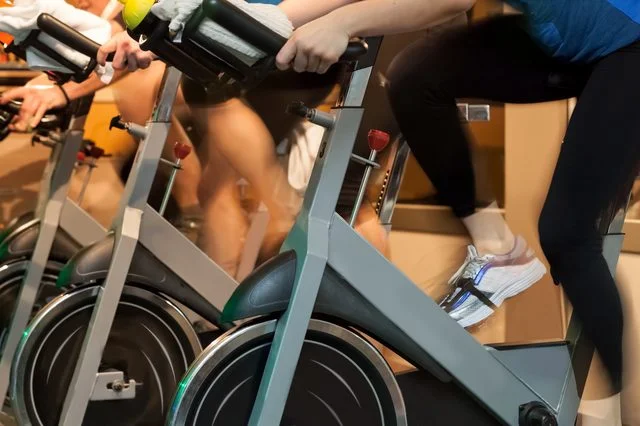
"Why These Fitness Experts Hate Spinning" Review
Introduction
Many people meet with a Denver personal trainer or take a fitness class to lose weight. Are all experiences created equal? Check out this surprising perspective on the popular Spinning classes—you may have to rethink your approach (from the article "Why These Fitness Experts Hate Spinning").
The Reasons Why Fitness Experts Hate Spinning
The music, the lighting, the rush of a high-intensity workout — in recent years, indoor cycling (sometimes known by the trademarked name “Spinning”) has taken off. But some top fitness experts caution that the trendy workout doesn't meet up to the hype — and could actually be hurting you.
“The human body was never meant to sit in a flexed [bent-forward] spinal position, performing hundreds if not thousands of repetitions, overloading the hip flexors and quads,” says Jason Walsh, a personal trainer, movement specialist and founder of Rise Nation. “It literally shuts down one of the most important muscle groups in the body, the glutes [butt muscles].”
These high-intensity classes are generally led by an instructor, and movements are synchronized to upbeat music. Celebrities like Olivia Wilde and Reese Witherspoon have been snapped exiting these trendy classes, and the general public is also picking up indoor cycling with greater frequency.
“I like that the general public is interested in exercise now more than ever,” Walsh says. “I just don’t think indoor cycling is a great form of exercise.”WHY YOU MIGHT WANT TO SKIP SPIN CLASS
In addition to the wear and tear on the body, Walsh also thinks people don’t need to be sitting any more than they already do. “The public does plenty of sitting throughout the day, which wreaks havoc on the human body.”
Jimmy Minardi, certified personal trainer for more than 20 years and founder of Minardi Training, has also never been a fan of the indoor-cycling fad. “There are 616 muscles in the human body, and Spinning barely uses half of them,” he explains.
“One of the most important things — especially for the aging female with osteoporosis — is to bear your own weight,” Minardi continues. “So you’re way better off going out for a brisk walk or to a trainer who emphasizes safe weight-bearing movements.”
Riding a stationary bike also negates a key benefit of outdoor cycling: balance. “I see a lot of indoor-cycling enthusiasts who can barely ride an outside bike because it’s too hard,” Minardi says. “If you’re going to ride a bike, an outdoor bike is best. Not only do you get some fresh air, you’re also practicing balance.” This helps bolster the body against the effects of aging.WHEN IS INDOOR CYCLING OK?
While neither Walsh nor Minardi would recommend an indoor-cycling class, that doesn’t mean a bike is all bad. First off, any kind of movement is better than no movement, and there are benefits to stationary cycling. So when is it a good idea to include indoor cycling in your routine?
1. WHEN YOU’RE RECOVERING FROM INJURY
After an injury you may need to lay off the weight-bearing exercise for a while to facilitate recovery. “Spinning is one of the first recommendations sports doctors and physical therapists recommend to their patients when recovering from an injury,” says Felicia Walker, a certified Spin instructor at New York Health and Racquet Club with more than 15 years of experience teaching indoor-cycling classes. “Since riding is a no-impact exercise, Spinning helps people recovering from injuries to ease back into the gym safely.”
2. FOR CROSS-TRAINING
Walker adds that indoor cycling also serves as a great form of cross-training for runners who need to give their joints a break from pounding the pavement. “Running is high impact; Spinning is no impact,” she explains.
Interval training on a stationary bike also improves cardiovascular endurance, which will help your performance in other fitness classes or sports. “It’s always a good idea to cross-train so that you don’t overuse particular muscle groups,” Walker says. “My own fitness regimen includes boxing, jumping rope and ballet to counterbalance the Spinning.”3. FOR INTERVAL TRAINING
Interval exercise is a training method in which you push yourself for a block of time before easing back for a short period — and then go hard again.
The benefits of intervals are well documented: Research shows that interval training improves cardiovascular fitness, blood pressure and insulin sensitivity. Intervals also tend to be a more efficient way to exercise, delivering these benefits in less time than traditional cardio.
Indoor cycling is a natural interval workout, Walker explains. “When the beat speeds up, so do your legs,” she says. When the beat slows down, you turn up the tension on the bike so that it’s harder to pedal.
In a Spin class, intervals are instinctive because the music will dictate how fast or slow to push and motivate you to pedal quickly during high-intensity blocks. In addition, Walker says participants typically burn 400 to 600 calories in a 45-minute class, which can contribute to weight loss.4. IF YOU REALLY LOVE IT
The music makes indoor cycling an enjoyable exercise for many people. Plus, it’s a form of exercise that’s appropriate for people of all fitness levels. If you’re new to exercise, following the instructor’s directions and the beat of the music can take some of the pressure off figuring out what to do. And if you feel self-conscious about working out in front of people, you can simply grab a spot in the back row. Regular exercisers only need to crank up the resistance and push a little harder to get a high-intensity workout that can leave even super-fit folks drenched in sweat.
HOW TO GET THE MOST OUT OF INDOOR-CYCLING CLASSES
Walsh wants to be clear: Exercise is important, including indoor cycling. “I do think that Spin classes today have done a great job with building community and making class training more exciting than ever, but I think they should be secondary to strength training,” Walsh says.
If your body moves well and your back, hamstrings and glutes are strong, then there will be less risk of injury, and the benefits from Spin will be greater, Walsh adds. “Strength training should be the primary form of exercise, laying the proper foundation before all forms of conditioning.”
Beyond that, Minardi also says to make sure you’re riding the bike correctly. “You want proper bike fit every time,” Minardi says, explaining that he peeks in on indoor-cycling classes from time to time and sees many participants misaligned on the equipment.
Walker says she stresses bike fit in her classes. If you sit too low you will compress your knees, she says. If you’re too high, you will strain your IT band (the firm band of tissue that runs along the outside of the thighs). Protect your lower-back muscles by engaging your core while seated, she recommends.
If you’re at all confused, Walker says a good instructor should refer to proper form throughout the class. “The instructor should also help with setup before class begins to make sure all participants are good to go,” she says. “Spinning requires proper form. If you come out of position, you won’t be getting the most out of the class and may be straining yourself unnecessarily.”
The bottom line on indoor cycling: It’s fine to have it in your exercise arsenal, but it shouldn’t be your only form of exercise. If you decide to hit the bike, make sure you’re doing strength-training and weight-bearing workouts too. Ensure that your bike fits properly and your form is sound. And if your instructor isn’t helping, find a new one.
Picture Credit: Livestrong.com - To spin or not to spin...that is the question.
ABOUT THE AUTHOR: MICHAEL MOODY, PERSONAL TRAINER
As an author, a personal trainer in Denver, and podcast host, Michael Moody has helped personal training clients achieve new fitness heights and incredible weight loss transformations since 2005. He also produces the wellness podcast "The Elements of Being" and has been featured on NBC, WGN Radio, and PBS.
Michael offers personal training to Denver residents who want to meet at the 2460 W 26th Ave studio….or in their homes throughout LoHi (80206), LoDo (80202), RiNo (80216), Washington Park (80209), Cherry Creek (80206, 80209, 80243, 80246, 80231), and Highlands (80202, 80211, 80212). Michael also offers experiences with a personal trainer in Jefferson Park (80211) and Sloan's Lake (80204, 80212).
If you’re looking for a personal trainer who can curate a sustainable (and adaptable) routine based on your needs and wants, Michael is the experienced practitioner you’ve been looking for. Try personal training for a month…your body will thank you!
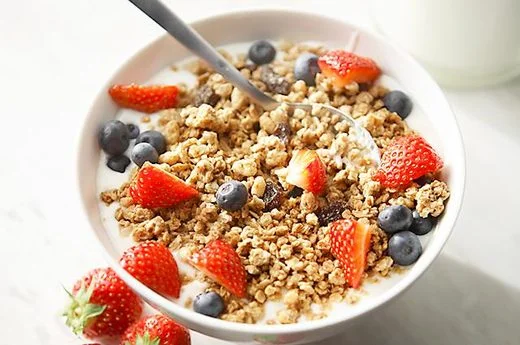
"21 Foods That Sound Healthy, But Are Not!" Review
Introduction
Most foods aren't as healthy as companies claim....and many of the items on this list below are probably already sitting in your kitchen cabinet (from the recent Livestrong.com article "21 Foods That Sound Healthy, But Are Not!"). #2 is the most surprising.
List of Unhealthy Foods
1. MULTI-GRAIN AND WHEAT BREADS
Terms such as "multi-grain," "7-grain," and "wheat" sound healthy on package labels, but the breads inside may not actually be made from heart-healthy whole grains. Many types of bread labeled "multi-grain" and "wheat" are typically made with refined grains. Whole grains, by definition, are foods that contain all the essential parts of the entire grain seed; this includes the bran, germ, and endosperm. Without processing, these components remain intact and provide more protein, fiber and essential vitamins and minerals. How can you be sure you’re getting whole grains? Read nutrition labels carefully. If the first item in the ingredient list is refined flour (it will typically say "bleached" or "unbleached enriched wheat flour"), you are not getting 100 percent whole-grain bread!
Personal Trainer Wisdom: If you must indulge, only eat grains like oats in their whole form. Anything else is processed and less nutritious.2. VEGAN BAKED GOODS
Just because a baked good is vegan doesn’t mean it’s healthy. Popular vegan diet books, restaurants and bakeries endorse vegan cookies, cakes and breads as healthy super foods that can be enjoyed as a part of a balanced diet. Vegan products can pack just as many calories, sugar, and fat as traditional baked goods. The problem with vegan baked goods is that consumers see natural ingredients such as evaporated cane juice, agave nectar, vegan chocolate chips, and coconut oil, and make the assumption that these ingredients are healthier than traditional sugar, dairy and flour. Scary fact: commercially-available vegan chocolate frosted cupcakes contain 350 calories, 18 grams of sugar and 22 grams of fat per 2 oz. serving!
3. FROZEN YOGURT A.K.A. “FRO-YO” WITH TOPPINGS
Frozen Yogurt has been gaining popularity again in the U.S., and it is now one of the trendiest treats on the block. Commercial fro-yo shops offer self-service machines, jumbo portion sizes, and everything-but-the-kitchen-sink topping bars filled with cookies, candy, and hot fudge. Bottom line: If you frequent the corner fro-yo shop, stick to the smallest portion size and choose real fruit toppings with a tablespoon of roasted almonds or pistachios.
4. MOST COMMERCIAL JARRED PASTA SAUCE
Tomato-based pasta sauce is rich in vitamins A and C and delivers at least a serving of vegetables. What’s more, tomato products provide nearly 85% of dietary lycopene, which protects against heart disease and some cancers. But commercially-available brands are loaded with sugar, high fructose corn syrup, sodium and fillers. Just ½ cup of Prego Fresh Mushroom Italian sauce has 11 grams of sugar -- the same amount that's in a glazed yeast-raised donut! To extend shelf life and taste, jarred sauces are packed with sodium and ascorbic acid. Some of your favorite pasta toppers pack well over 900 milligrams of sodium per 1-cup serving -- more than a third of daily sodium intake. If you want to reap the nutritional benefits from tomato sauce, make your own with fresh tomatoes, basil, garlic and a touch of extra virgin olive oil.
5. FAT-FREE SALAD DRESSING
When trying to lose weight, salads can be the perfect lunchtime meal or light dinner. But think twice about topping your salad with fat-free dressing. Many people assume that using fat-free dressing is a healthy choice as they are saving calories. Unfortunately, by skipping a full-fat dressing, you may be missing out on fully absorbing the nutrients found in fresh vegetables. Salads are chock-full of greens, which contain fat-soluble vitamins, essential minerals and antioxidants that protect our bodies from disease, but without the addition of some fat, our bodies are unable to fully absorb the nutrients in salad. A recent study showed that eating fat with your salad significantly increased how many nutrients were absorbed compared to fat free dressing.
Personal Trainer Wisdom: Skip the olive oil and use a nut or fruit-based dressing. Then, add a small amount of nuts or avocado for your daily dose of healthy fats (less processed than olive oil). Also, just because you're eating a salad, it doesn't mean you're getting the biggest nutritional punch.6. REDUCED-FAT PEANUT BUTTER
Reduced-fat peanut butter is not necessarily a healthier version of regular peanut butter. Both regular and reduced-fat peanut butter contain about the same amount of calories, but the reduced-fat version has significantly more sugar. Some may ask, isn't it healthy to cut out some fat in your diet? Not in this case. Regular peanut butter is a natural source of the "good" monounsaturated fats. In the past few years, research has shown that individuals who include nuts and nut butters in their diets are less likely to develop type II diabetes and are protected from heart disease. The verdict? Look for a natural peanut butter with an ingredient list that contains no added oils, cane sugar, or trans fats. Better yet, find a store where you can grind your own, or make your own nut butter at home.
7. ENERGY BARS
Energy bars are the perfect pre-workout snack, right? Not so fast. Many energy bars are filled with high fructose corn syrup, added sugar, and artery-clogging saturated fat. In addition, energy bars are often laden with synthetic ingredients we can’t pronounce. Some energy bars (particularly meal replacement ones) contain more than 350 calories each ― a bit more than "snack size" for most people. If you are grabbing a snack on-the-go, choose wisely: try one-quarter cup of trail mix, or 1.5 oz. of low-fat cheese and three to four small whole-grain crackers. If you must reach for an energy bar between work and the gym, opt for a version made with dried fruit, nuts, and whole grains and avoid chocolate-coated bars, which tend to be higher in sugar, fat and calories.
Personal Trainer Wisdom: Nothing is better than a food in its whole form. Skip the bar.8. BRAN MUFFINS
Most bran muffins, even those sold at delis and coffee shops, are made with generally healthy ingredients. Bran is rich in fiber, omega three fats, protein, vitamins and minerals. The problem with today’s commercially available bran muffin is the portion size. Many muffins sold in stores dwarf the homemade muffins made a generation ago. A random sampling of some coffee and restaurant chain bran muffins showed that many topped 350 calories apiece, and that's before any butter or jam. In addition, the bran muffins at a popular bakery chain contain 600mg of sodium ― roughly one-third of a day's maximum. Even a healthful food, if over-consumed, can be not-so-healthful. Enjoy your bran muffin, but eat half, and save the rest for an afternoon snack. If you want to save money and calories, bake your own muffins using mini-muffin tins.
9. SMOOTHIES
Most smoothie chains and coffee bars start out with good intentions and healthy ingredients. Smoothies often begin with a “base” of blended fruit, yogurt and low-fat dairy. The problem with this seemingly-healthy option is disproportionately large serving sizes (the smallest size available is often 16 oz.) combined with added sugar, ice cream, and flavored syrups. Commercially-available smoothies often include a half dozen add-in ingredients. The resulting combination racks up a hefty amount of fat and sugar that can reach anywhere from 500-600 calories!
10. PACKAGED TURKEY
Turkey is an excellent source of lean protein and a good choice for a speedy lunch or dinner, but many packaged turkey slices are loaded with sodium, preservatives, and nitrates to extend shelf life. One 2-oz. serving can contain nearly one-third of the maximum recommended daily sodium intake. A diet high in sodium has been shown to increase high blood pressure, which can lead to heart disease and stroke. If you love turkey wraps, roll ups and sandwiches make sure to buy low-sodium varieties or opt for fresh turkey slices. If you can't roast your own turkey, the best rule of thumb is to find a brand with less than 350 milligrams of sodium per 2-oz. serving.
11. FOODS LABELED "FAT-FREE"
It’s essential that we all continue to remind ourselves that fat-free does NOT mean calorie-free. Foods that do not contain fat are not automatically healthy foods. Fat-free foods often lack flavor. To give them more tastiness, food companies pour in other ingredients such as added sugar, thickeners, and sodium. Always check the nutrition labels when buying packaged foods. Remember when it comes to fat, not all sources are created equal. “Good” fats such as monounsaturated and polyunsaturated fats improve blood cholesterol and increase satiety. The overall composition of a food is just as important as its fat content, so check to see how your favorite foods compare in total calories, sodium, fiber, vitamins and minerals. Of course, it’s also important to remember that there are many very healthful naturally fat-free foods, including most fruits and vegetables.
12. RESTAURANT BAKED POTATOES
Sure, a baked potato in its natural state (that is, sans toppings) is a healthful food. Potatoes are naturally rich in vitamin C, potassium, and fiber. Additionally, a medium-sized baked potato contains only about 160 calories. But if you're eating out in a restaurant, don't assume that the baked potato is the healthiest choice on the menu. Many restaurant-style baked potatoes can come "fully loaded" with butter, sour cream, cheese, bacon bits, and other goodies that can add up to around 600 calories and 20-plus grams of fat. Ask for a plain baked potato, and get one or two small toppings on the side. If you’re really craving an old fashioned baked potato with all the fixings, try making your own healthful baked potato meal at home by adding chopped cooked chicken, bean chili, and chives!
13. SPORTS DRINKS
If you're going for a leisurely walk or doing some light housework, skip the sports drinks. While most sports drinks do contain important electrolytes (like potassium and sodium) necessary for those who are doing intense workouts or endurance training, you don't need a sports drink to fuel light activity. Nutritionists and industry experts agree that sports drinks are only beneficial during high-intensity exercise when your workout exceeds one hour. Many sports drinks contain 125 calories and nearly 15 grams of sugar or more per 20-oz. bottle. Spare yourself the extra calories and opt for plain water or a calorie-free beverage to keep you hydrated. Stick to this rule of thumb: only drink sports drinks when you are training for an endurance event, and don’t gulp sports drinks outside of activity — the extra sugars will be converted to fat, which won’t help your performance or your waistline.
14. GRANOLA
Granola typically starts with nutritious ingredients: rolled oats, dried fruit, and a healthful dose of fat from nuts and seeds. The problem is that most of the whole grain goodness and fiber is coated in sugar, honey, and molasses and then baked in oil to deliver the crunchy texture and taste we all love. A traditional 1-cup breakfast serving can pack nearly 600 calories and 20 grams of sugar before adding milk or yogurt. With the addition of gourmet ingredients such as coconut, chocolate, and roasted almonds, some commercial brands deliver as much as 25 grams of fat per serving! If you can’t live without the crunch of your favorite granola clusters, try using this whole grain as a condiment and simply sprinkle 1-2 tablespoons of granola on top of hot oatmeal to give it an added crunch.
15. BOXED RICE PILAF
Whole grains that cook in less than 90 seconds can be enticing. Brown rice, long grain rice, and other grain products are an essential part of a heart healthy diet. Whole grains like these are a good source of vitamins and minerals. Plus, complex carbohydrates have been linked to reducing diabetes and some cancers. Although boxed rice appears healthy and low in fat, just wait until you read the sodium content stunner! Spice packets, which accompany instant grains, can contain as much as 800 mg of sodium – almost half the daily recommended sodium intake. Excess sodium in the diet increases blood pressure and contributes to excess fluid in the body. A better choice? Cook a batch of whole grains on Sunday and add your own chopped garlic, onion, spices, and seasonings. You can portion out servings for the week in containers, so you have a quick meal.
16. CANNED SOUPS
Many dieters turn to soup as a convenient method to control calories and reduce portion sizes. In fact, research shows that eating soup (a low-density food) can promote fullness and help facilitate weight loss. The trouble with canned soups is that even when labels proclaim “100% natural, low sodium, and reduced fat” health-savvy consumers still need to check the nutritional information and ingredients for sodium and fat content, as well as artificial flavors and preservatives. Some childhood favorites contain as much as 800 mg sodium per serving, and the actual serving size is only half of the can. To include soup as part of your healthy diet, you can choose to make your own from scratch to control the amount of sodium, or if you must choose a canned soup, always select one that is a reduced sodium, broth-based variety, over bisque and chowder style soups.
17. GLUTEN-FREE GOODIES
Gluten-free means good-for-you, right? Wrong! Gluten-free cookies, crackers and baked goods are often loaded with refined grains such as oat or rice flour, sugar and fat. Now it’s even possible to buy Betty Crocker cookie and cake mixes in gluten-free varieties, but other than removing gluten from the recipe, they don’t trim the fat, calories or sugar in any meaningful way. The best bet is to stick with natural gluten-free foods like fruits and vegetables, nuts, lean proteins, and nonfat or low-fat dairy products. When buying gluten-free baked goods and crackers, make sure you read the labels and avoid those that are rich in sugars or saturated fats.
18. DIET SODA
Sure, diet soda is calorie-free, but there’s no evidence that drinking diet soda will help you lose weight. In fact, some believe that drinking diet soda may increase your desire for sweets and may trip up your body’s natural mechanisms that help control your hunger and appetite. Using diet soda to satisfy your sweet tooth may train your brain to crave more sweets. Consequently, when you eat a naturally sweet food, like some strawberries or a banana these treats may not taste sweet enough.
19. BAKED CHIPS
If you are one of the people scouring the grocery store snack aisle to make sure your potato chip choice is “baked” not fried, you might be surprised to hear that the fried chips may actually be a better choice. Here’s why: While baked chips do reduce the fat content of chips, they don’t offer as big of a calories savings as you might expect. In fact, many chips that say that they’re baked have just 20 fewer calories compared to their fried full-fat counterparts. In addition, because fat is filling, you may actually eat more calories when enjoying baked chips because they provide a higher carbohydrate to fat ratio than fried potato chips. When we believe we’re making a healthier choice, we often eat larger servings.
20. FIBER-FORTIFIED FOODS
Most of us fall short of the 25-30 grams of fiber recommended daily. You may be surprised, however, to hear that resorting to fiber-fortified foods is not a great solution to this problem. There are an increasing number of packaged products including cereals, snack bars, and crackers that are made with refined grains with man-made fibers added to them. Most of these products’ packages display claims about the high fiber content. Unfortunately, research suggests that some of the fibers manufacturers are adding to their products may not provide the same health benefits as natural fiber that comes naturally in whole grains, nuts, seeds, beans, fruits and vegetables.
Picture Credit: Livestrong.com - Is granola as healthy as you think?
ABOUT THE AUTHOR: MICHAEL MOODY, PERSONAL TRAINER
As an author, a personal trainer in Denver, and podcast host, Michael Moody has helped personal training clients achieve new fitness heights and incredible weight loss transformations since 2005. He also produces the wellness podcast "The Elements of Being" and has been featured on NBC, WGN Radio, and PBS.
Michael offers personal training to Denver residents who want to meet at the 2460 W 26th Ave studio….or in their homes throughout LoHi (80206), LoDo (80202), RiNo (80216), Washington Park (80209), Cherry Creek (80206, 80209, 80243, 80246, 80231), and Highlands (80202, 80211, 80212). Michael also offers experiences with a personal trainer in Jefferson Park (80211) and Sloan's Lake (80204, 80212).
If you’re looking for a personal trainer who can curate a sustainable (and adaptable) routine based on your needs and wants, Michael is the experienced practitioner you’ve been looking for. Try personal training for a month…your body will thank you!

"14 foods to kick out of the kitchen forever" Review
Introduction
Are you ready to face your grocery list? If you're like me, it probably reflects the food you grew up on: Canned soups, pasta, cereals, and more. Although they feed your carb, sweet, and salt addiction, are you willing to do what you need to do to achieve weight loss results? Check out this list and finally kick out the obstacles to your health success (from the recent msn.com article "14 foods to kick out of the kitchen forever")!
List of Foods to Remove From Your Kitchen
1. READY-TO-EAT BREAKFAST CEREAL
When you’re reading a cereal box label, it’s easy to be fooled: By adding vitamins, food companies can make even junky cereals look like good choices. “Even those marketed as ‘healthy’ can be high in sugar,” says nutrition expert Kate Geagan, R.D.N. Think of it this way: Four grams of sugar on the label translates to one teaspoon of added sugar.
Newsflash: Buying whole-grain, fat-free pretzels won’t help get rid of your gut. Pretzels lack healthy fat, protein and fiber, so it’s easy to eat an entire bag in one sitting—and still not feel satisfied.
Stock this instead: Pistachios satisfy a craving for something salty but also deliver nutrients that keep you feeling full. They also have the largest serving size of any nut—you get to eat 49 pistachios instead of 23 almonds, 21 hazelnuts, 18 cashews or 14 walnuts. “In-shell pistachios are the best, because research has shown that the shells slow you down considerably, and you will consume about a third to a half less,” Geagan says.2. WHITE RICE
White rice isn’t as fluffy and harmless as it seems. “Aside from being stripped of nutrients, fiber and antioxidants, white rice is digested and absorbed quickly, creating a spike in blood sugar and insulin, leading to fat storage,” says New York Rangers nutritionist Cynthia Sass, R.D.
3. WHITE OR “MULTI-GRAIN” BREAD
As tempting as it is to go old-school and pick up soft white bread, nutritionally you’ll be better off leaving it on the shelf. White bread contains zero whole grains, which help stave off heart disease and diabetes. Even breads labeled “multi-grain” are deceiving, says White. They can contain enriched flour—the stuff without fiber that’ll only spike your blood sugar, not fill you up.
4. GENERIC PEANUT BUTTER
Spreading PB on fruit or whole-wheat toast is a smart snack, but many popular brands have a hidden ingredient that can lower levels of “good” cholesterol and make your “bad” cholesterol levels skyrocket: “If it’s not natural, there can be trans fats in peanut butter, and a lot of people don’t know that,” says White. “Even if it says ‘zero trans fats’ on the label, if it’s fully hydrogenated, which a lot of your peanut butters are, there can still be 0.5 grams of trans fats.”
Stock this instead: Natural peanut butter. Read the ingredient list before you pick one. The list should have three things and three things only: peanuts, salt and oil, says White.5. TRAIL MIX
When they’re dressed up with chunks of chocolate and dried fruit, many varieties of trail mix are more like candy. “A lot of the packages are really high in sugar. Just a fourth-cup serving can range up to 150 calories,” says White.
Stock this instead: Homemade trail mix. Customize the ingredients to your goals. To burn fat and build muscle, cut unwanted sugar and up the protein by focusing on oats, almonds and walnuts.6. PLAIN PASTA SAUCE IN A JAR
Going with a meatless or cheese-free sauce doesn’t guarantee that it gets an A-plus. “Cooked tomato products are generally low in fat and contain a good amount of the prostate-healthy antioxidant lycopene, but they can also contain outrageous amounts of blood-pressure-raising salt,” says Dr. Janet Bond, R.D., author of Blood Pressure Down.
Stock this instead: Spicy marinara sauce. Look for a jar with some heat. When sauce is flavored with robust seasonings like chili pepper, less sodium is needed, notes Bond.7. WHITE PASTA
When you’re eating white pasta, you’re getting robbed, as the stuff’s been stripped of its fiber and bran, says White. Calories are better spent on foods that are going to deliver several nutrients and keep you feeling fuller, longer.
8. CANNED SOUP
Canned soup is another spot where you’ll find heaps of sodium—we’re talking 800 mg per cup, says White.
Stock this instead: Low-sodium canned soups, or sodium-free chicken stock. The magic number for soup is 350 mg of sodium. Anything above that may have a negative impact on blood pressure. That goes for even the healthiest-sounding flavors, like vegetable or barley. An even better idea: Break out the blender and make your own soup. Combine sodium-free chicken broth, Roma tomatoes, broccoli, avocado and onions for a super-easy lunch or dinner.9. TRADITIONAL BEEF JERKY
The beef jerky you'll find in convenience stores lasts for a long time in the cabinet—plus it’s low in calories and offers a little bit of protein. But it also contains cancer-causing nitrates, high amounts of artery-clogging saturated fat and an amount of sodium that’s off-the-charts.
Stock this instead: Healthy beef jerky. Scan labels to find dried beef products that specifically say they don’t contain nitrates or artificial flavors. “Healthier jerky usually has 8 to 12 grams of protein, less fat and saturated fat, and less sodium,” says Dr. Susan Mitchell, R.D., author of Fat Is Not Your Fate.10. CEREAL BARS
Stashing a few cereal bars in your gym bag for when you’re starving later in the day is good thinking, but don’t choose the wrong one: “Some of these cereal bars are loaded with sugar,” says White. “In fact, a 4-ounce cereal bar can contain up to 30 grams of sugar.”
Stock this instead: Hearty bars with ingredients you can see. The bar should pass the sight test: You should be able to make out individual pieces of fruit, nuts and seeds, like cashews, oats, cranberries, chia seeds and dates.11. POWDERED COFFEE CREAMER
If black coffee isn’t your thing, using creamer gives you a quick milky taste, but when you break down what you’re putting into your body, it just isn’t worth it. “It’s empty calories, fat, sugar and salt,” says White.
Stock this instead: Almond milk or coconut milk. These milks give you three things that the powdered stuff won’t: calcium, water and some protein. Be careful with the sugar and other added ingredients, too.12. MOVIE THEATER–STYLE POPCORN
Just because you’re not pumping butter-flavored oil into a tub of popcorn in the theater doesn’t mean you’re safe. “A lot of the ‘movie’ popcorns out there now have trans fats and are loaded with butter,” says White. And let’s get real: You’re probably not going to stick to the recommended serving size. “Three cups is a serving, which is 90 calories. I don’t know many people who can just hold off to three cups.”
Picture Credit: MSN.com - Pretzels can be a low calorie snack but will they still hinder your weight loss?
ABOUT THE AUTHOR: MICHAEL MOODY, PERSONAL TRAINER
As an author, a personal trainer in Denver, and podcast host, Michael Moody has helped personal training clients achieve new fitness heights and incredible weight loss transformations since 2005. He also produces the wellness podcast "The Elements of Being" and has been featured on NBC, WGN Radio, and PBS.
Michael offers personal training to Denver residents who want to meet at the 2460 W 26th Ave studio….or in their homes throughout LoHi (80206), LoDo (80202), RiNo (80216), Washington Park (80209), Cherry Creek (80206, 80209, 80243, 80246, 80231), and Highlands (80202, 80211, 80212). Michael also offers experiences with a personal trainer in Jefferson Park (80211) and Sloan's Lake (80204, 80212).
If you’re looking for a personal trainer who can curate a sustainable (and adaptable) routine based on your needs and wants, Michael is the experienced practitioner you’ve been looking for. Try personal training for a month…your body will thank you!