4 Weird Reasons You May Be Gaining Weight—and What to Do About Them
Summary
Weight gain is usually blamed on oversized portions and too little exercise. Those factors matter, but they are not the whole story. Interpersonal stress, shortened sleep, late meal timing, genetic susceptibility, and an increasingly convenient food environment can quietly alter appetite, eating behavior, and daily energy intake.
What Are Some Overlooked Reasons for Weight Gain?
Interpersonal stress, inadequate sleep, late eating, genetic susceptibility, and frequent consumption of ultra-processed foods may contribute to gradual weight gain. These factors do not override energy balance, but they can influence hunger, food selection, eating speed, activity, and the number of calories consumed without conscious planning.
Topics
weird reasons you are gaining weight, why am I gaining weight, unexplained weight gain, overlooked causes of weight gain, stress and weight gain, lack of sleep and weight gain, late-night eating and weight gain, genetics and obesity, ultra-processed foods and weight gain, reasons for belly fat, sudden weight gain causes, how to stop gaining weight, sustainable weight management, Denver weight-loss personal trainer, personal trainer Denver, LoHi personal trainer, weight-loss coaching Denver
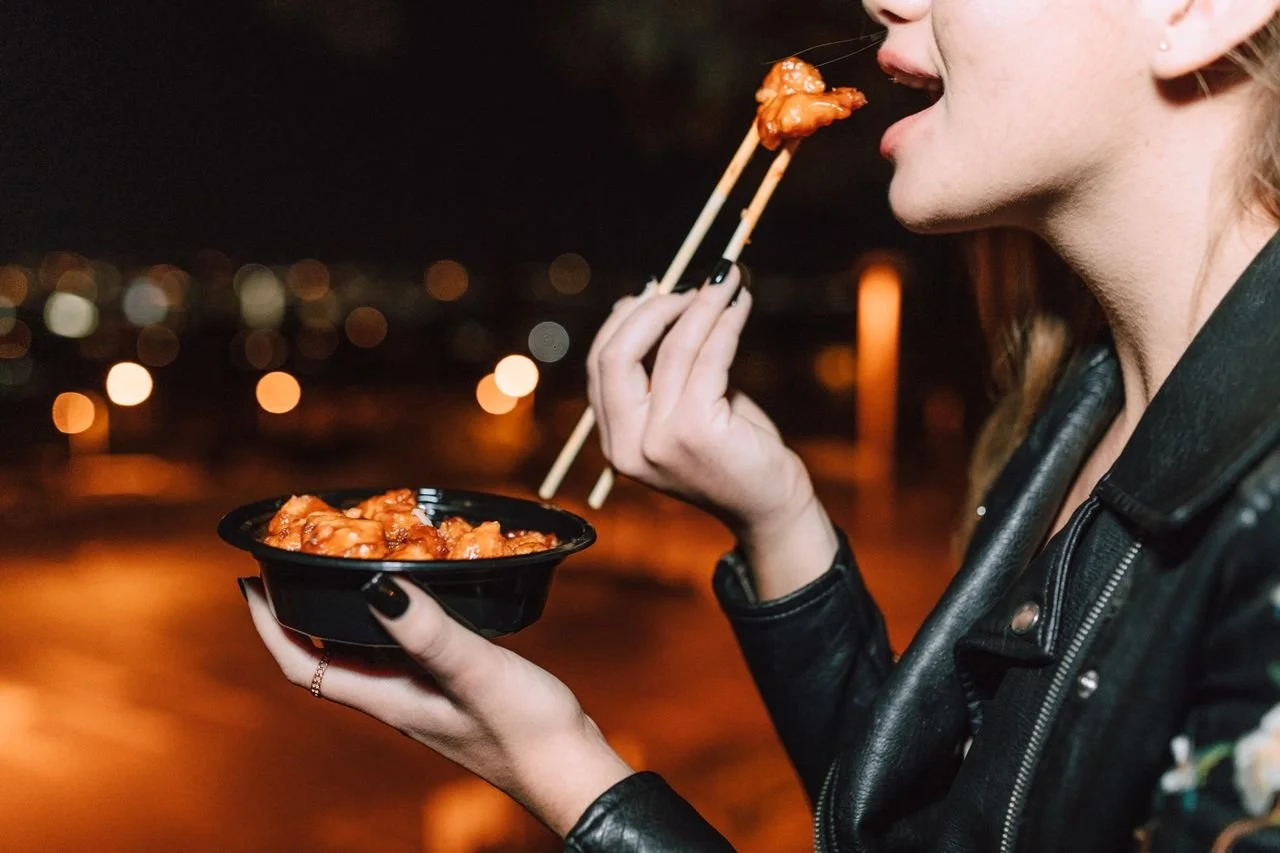
Weight Loss Personal Trainer / Photo: RDNE Stock project
Introduction
The obvious explanation for weight gain is often the correct one. Portions have expanded. Restaurant meals have become more frequent. The evening glass of wine has acquired a companion. Daily steps have fallen from 8,000 to 4,000 while work, parenting, and commuting have occupied the available hours. Still, body weight is governed by more than a clean ledger of food and exercise. The energy-balance equation remains real—body fat cannot accumulate without a sustained energy surplus—but the forces shaping that surplus are often difficult to see. Sleep affects hunger. Stress affects food selection. Genetics influence appetite, fat distribution, and sensitivity to the surrounding food environment. Highly processed foods can be consumed quickly, long before the body has had much opportunity to register fullness. That complexity should not be interpreted as evidence that weight is beyond your influence. It should be treated as a reason to investigate the correct problem rather than prescribing another severe diet.
A knowledgeable personal trainer in Denver can help organize the exercise and behavioral parts of that investigation, particularly when old injuries, an inconsistent schedule, or repeated dieting attempts have made generic recommendations ineffective.
Table of Contents
First, Determine Whether You Are Actually Gaining Body Fat
Relationship Stress May Be Changing How You Eat
Your Sleep and Meal Timing May Be Working Against You
Your Genes Matter—but They Are Not a Verdict
Modern Convenience Foods Make Overeating Easier
A Seven-Day Weight-Gain Audit
When Unexplained Weight Gain Needs Medical Attention
Frequently Asked Questions
Peer-Reviewed Citations
Related Articles
First, Determine Whether You Are Actually Gaining Body Fat
A higher number on the scale does not automatically represent an equal increase in body fat. Body weight includes muscle, bone, organs, food in the digestive tract, stored carbohydrate, and water. A salty restaurant meal, a higher-carbohydrate day, constipation, menstrual-cycle changes, travel, alcohol, or a demanding strength workout can move the scale several pounds without producing several pounds of fat. Carbohydrate is stored in the muscles and liver as glycogen, which is packaged with water. Beginning or resuming resistance training can also produce temporary inflammation and fluid retention as the muscles recover. These changes may conceal fat loss or create the appearance of sudden fat gain.
Instead of reacting to one weigh-in, collect three to seven morning measurements under similar conditions: after using the bathroom, before breakfast, and in comparable clothing. Compare weekly averages rather than isolated numbers. Add waist circumference, the fit of your clothes, training performance, and progress photographs if those measurements are appropriate for you. A persistent upward trend over several weeks deserves attention. A two-pound increase the morning after pizza does not deserve a crisis.
1. Relationship Stress May Be Changing How You Eat
The original version of this article suggested that hostile arguments directly elevated ghrelin, caused poor food choices, and made couples gain weight. That conclusion was too sweeping. A small laboratory study cannot establish that marital disagreement automatically alters appetite hormones or produces long-term weight gain. The broader relationship between stress and eating is better supported, although it is highly individual. A systematic review and meta-analysis involving more than 119,000 participants found that stress was associated with a small increase in overall food intake, greater consumption of less-nutritious foods, and lower consumption of healthier foods. The effect was modest and varied considerably among individuals; some people eat more under stress, while others lose their appetite. The practical problem is often not the argument itself. It is the chain reaction afterward: dinner is delayed, cooking feels exhausting, alcohol arrives before food, and the evening ends with delivery, snacks, or distracted eating in front of a screen. Stress may also disturb sleep, which can make the following day’s appetite harder to manage.
What to Do
Create a non-food transition between conflict and eating. Take a 10-minute walk, shower, call a friend, write down the unresolved issue, or sit in a different room before deciding what to eat. The goal is not to eliminate emotion before dinner. It is to interrupt the automatic sequence linking distress to food. Keep two low-effort meals available for difficult evenings: a vegetable-and-bean soup with whole-grain toast, eggs with frozen vegetables and potatoes, a prepared grain-and-lentil bowl, or rotisserie chicken with a bagged salad and microwavable brown rice. A reasonable convenience meal is usually better than waiting until 9:30 p.m. and eating whatever offers the fastest relief. When conflict is frequent, hostile, or emotionally unsafe, the appropriate intervention may be couples counseling or individual therapy—not another meal plan. A trainer can help identify behavioral patterns, but relationship treatment belongs with a qualified mental-health professional.
2. Your Sleep and Meal Timing May Be Working Against You
Sleep is frequently treated as optional recovery time. From a weight-management perspective, it is also part of appetite regulation. In a randomized crossover study, adults exposed to two weeks of restricted sleep consumed more calories and gained more weight than they did during a control-sleep period, even though measured energy expenditure did not meaningfully increase. Abdominal fat also rose during sleep restriction. The experiment was small and unusually controlled, so it should not be treated as a prediction of exactly what will happen to every short sleeper. It does demonstrate, however, that sleep loss can change energy intake before a person consciously decides to “eat badly.”
Meal timing may add another complication. A 2022 randomized crossover trial compared earlier and later eating schedules while controlling food intake, physical activity, sleep, and light exposure. Later eating increased reported hunger, altered the ghrelin-to-leptin relationship, and reduced waking energy expenditure under laboratory conditions. The study does not prove that eating after a universal cutoff time causes obesity, but it suggests that routinely shifting much of the day’s food into late evening may make appetite management less favorable for some people.
What to Do
Start with sleep opportunity rather than supplements. Select a wake time you can maintain most days and count backward eight hours. That is the time to be in bed, not the time to begin checking email beneath the covers. Move bedtime earlier in 15-minute increments if a dramatic change feels unrealistic. Place more food earlier in the day when possible. Someone who survives on coffee until noon may arrive at dinner with an appetite no amount of restraint can comfortably contain. Try a breakfast or early lunch containing 25–35 grams of protein, a fiber-rich carbohydrate, and fruit or vegetables. Examples include eggs with black beans and fruit, Greek yogurt or soy yogurt with berries and nuts, or a tofu-and-vegetable scramble with potatoes. Finish the final substantial meal approximately two or three hours before bed when your schedule allows. This is not a metabolic curfew. A small evening snack may be appropriate for an athlete, a person managing blood glucose, or anyone who is genuinely hungry. The more useful target is reducing the nightly pattern of grazing through several hundred unplanned calories.
Quick Summary: Four Less-Obvious Weight-Gain Factors
Chronic relationship stress can encourage emotional or distracted eating.
Short sleep and late meals can increase hunger and make appetite harder to regulate.
Genetics influence obesity risk, but they do not make weight gain inevitable.
Ultra-processed foods can make it remarkably easy to eat beyond fullness.
3. Your Genes Matter—but They Are Not a Verdict
The original article stated that there was “no direct genetic cause for obesity.” That claim is incorrect. Body weight and fat distribution have meaningful genetic components. Hundreds of genetic variants have been associated with BMI, appetite, food preference, energy regulation, and the likelihood of developing obesity. Genes do not operate in isolation, however. They interact with sleep, diet quality, physical activity, medications, age, stress, and the food environment. A 2022 analysis from the Quebec Family Study found that part of the association between a BMI polygenic risk score and obesity measures was mediated by diet quality and the intake of foods such as sugary beverages, high-fat foods, fruits, and vegetables. Because the study was cross-sectional, it cannot establish a simple cause-and-effect sequence, but it illustrates why “genetic” and “modifiable” are not opposites.
The psychological hazard is fatalism. When someone decides, “Everyone in my family is heavy, so nothing I do matters,” useful behaviors may disappear before they have been tested consistently. The opposite extreme is equally unhelpful: insisting that genetics are irrelevant converts a biological disadvantage into a moral failure.
What to Do
Treat family history as information for program design. A person with a strong family history of obesity, diabetes, or elevated triglycerides may need more structure, greater consistency, and closer medical monitoring—not punishment. Track behaviors that remain adjustable: weekly resistance-training sessions, average daily steps, sleep duration, vegetable and fruit intake, alcohol frequency, restaurant meals, and the number of eating occasions after dinner. These measurements reveal where the environment is amplifying susceptibility. Choose a modest objective, such as maintaining weight for four weeks while improving meal quality and strength. Maintenance is often a useful clinical and behavioral victory, particularly after a period of rapid gain. From there, small nutritional changes can be introduced without turning the process into another unsustainable campaign.
4. Modern Convenience Foods Make Overeating Easier
It is tempting to say that maintaining weight is simply harder now than it was several decades ago. The evidence cannot prove that two people from different eras would gain different amounts of weight from precisely the same calorie intake. Energy balance has not stopped applying. What has changed is the environment in which eating decisions occur. Food is available at nearly every gas station, pharmacy, checkout counter, workplace, airport gate, and phone screen. Many products are designed to be inexpensive, portable, intensely flavored, and easy to consume quickly.
A 2023 systematic review of prospective studies found substantial agreement linking higher ultra-processed-food consumption with greater incidence of general and abdominal obesity in adults. Because most included studies were observational, they cannot prove that processing alone caused the weight gain. Ultra-processed diets may also differ in energy density, fiber, protein, eating rate, food texture, and overall dietary quality. The useful distinction is not “processed food is poison.” Frozen vegetables, canned beans, whole-grain bread, tofu, yogurt, and canned fish are processed and can be valuable. The concern is a dietary pattern dominated by products that provide many calories with little chewing or preparation: sweetened drinks, packaged pastries, candy, chips, fast-food meals, and many snack products.
What to Do
Perform a kitchen audit based on function rather than morality. Which foods become meals, and which disappear while you are standing at the counter? Keep the foods that make eating easier without routinely overriding fullness. Reconsider the ones that produce repeated loss of control. Build most meals from four components: a protein source, produce, a high-fiber carbohydrate, and an unsaturated fat. For example, combine salmon, broccoli, potatoes, and olive oil; or lentils, roasted vegetables, brown rice, and tahini. This structure generally requires more chewing and provides a larger volume of food than a comparable number of calories from snack products. Do not depend on pristine meal preparation. Stock practical bridge foods: frozen grain-and-vegetable blends, canned lentil soup, hummus, precooked grains, frozen berries, edamame, eggs, minimally sweetened yogurt, and low-sodium canned beans. Convenience is not the enemy. Convenience that consistently bypasses fullness is the issue.
A Seven-Day Weight-Gain Audit
Before reducing calories aggressively, spend one week documenting the conditions surrounding your eating. The purpose is not perfect calorie counting. It is pattern recognition. Record when you eat, what you eat, approximate portions, sleep duration, alcohol, steps, workouts, hunger before meals, and the situation in which unplanned eating occurs. Use neutral language. “Ate chips while finishing a report at 10 p.m.” is more useful than “failed again.” At the end of the week, look for one repeated leak rather than redesigning your life. Common examples include liquid calories, restaurant lunches, a missing breakfast followed by evening overeating, alcohol on four nights, low weekend activity, or snacks eaten directly from a package. Choose one two-week experiment:
Serve evening snacks in a bowl rather than eating from the package.
Add a protein-rich breakfast on workdays.
Move dinner 60 minutes earlier.
Replace two restaurant lunches with prepared meals.
Add a 15-minute walk after dinner.
Establish a consistent bedtime.
Limit alcohol to predetermined days and amounts.
Schedule two full-body strength sessions.
People who need more individual structure can explore in-person personal training in LoHi Denver, where exercise progression can be adapted to injuries, current conditioning, recovery, and realistic weekly availability.
When Unexplained Weight Gain Needs Medical Attention
A gradual increase associated with changing routines is different from rapid, unexplained weight gain accompanied by swelling, shortness of breath, severe fatigue, menstrual changes, unusual cold intolerance, marked constipation, weakness, or other new symptoms. Medications may also affect appetite, fluid retention, glucose regulation, or body weight. Antidepressants, antipsychotics, corticosteroids, insulin, some diabetes medications, and several other drug classes can contribute in certain patients. Do not discontinue prescribed medication independently. Ask the prescribing clinician whether weight change is a recognized effect and whether alternatives or monitoring are appropriate. A personal trainer can support exercise, nutrition habits, and self-monitoring. Diagnosis of thyroid disease, fluid retention, sleep apnea, endocrine disorders, or medication effects requires a qualified healthcare professional.
Conclusion
Weight gain is rarely mysterious once the surrounding pattern becomes visible. The difficulty is that the pattern may not be located where you first look. It may be the argument that ends in takeout, the five-hour night that produces a hungry afternoon, the family history interpreted as destiny, or the snack that delivers 500 calories before it feels like food. None of these factors abolishes personal agency. They show where agency can be used more intelligently. The objective is not to control every variable. It is to identify the one quietly recurring often enough to matter.
Frequently Asked Questions
Can stress make you gain weight?
Stress may contribute to weight gain by changing appetite, food selection, sleep, alcohol use, and eating behavior. The effect varies: some people eat more under stress, while others eat less.
Does lack of sleep cause belly fat?
Insufficient sleep is associated with greater obesity risk, and controlled research suggests that sleep restriction can increase calorie intake and abdominal-fat accumulation. Sleep is one factor among many, not a stand-alone explanation for every change in waist size.
Does eating late at night cause weight gain?
Eating after a particular clock time does not automatically create fat gain. Late eating may still encourage excess intake and may affect hunger or energy expenditure, especially when much of the day’s food is concentrated close to bedtime.
Is obesity genetic?
Obesity has a substantial genetic component, but genes interact with diet, activity, sleep, medications, stress, and the surrounding environment. Genetic susceptibility influences risk; it does not dictate a fixed outcome.
Can healthy food cause weight gain?
Any food can contribute to an energy surplus when portions exceed a person’s needs. Nuts, oils, granola, smoothies, restaurant salads, and other nutritious foods can be calorie-dense despite their nutritional value.
Why am I gaining weight while exercising?
New training may temporarily increase water storage, glycogen, inflammation, hunger, or muscle mass. Exercise may also be offset by lower activity during the rest of the day or by eating more than the workout expended.
How can I tell whether weight gain is fat or water?
Observe the trend over several weeks under consistent weighing conditions. Rapid day-to-day changes are usually dominated by water, glycogen, digestive contents, and sodium rather than body fat.
When should I see a doctor about weight gain?
Seek medical guidance when weight gain is rapid, unexplained, persistent, associated with swelling or other new symptoms, or begins after a medication change.
Peer-Reviewed Citations
Hill D, Conner M, Clancy F, Moss R, Wilding S, Bristow M, O’Connor DB. 2022. Stress and eating behaviours in healthy adults: a systematic review and meta-analysis. Health Psychology Review.
PMID: 33913377
DOI: 10.1080/17437199.2021.1923406
Covassin N, Singh P, McCrady-Spitzer SK, St Louis EK, Calvin AD, Levine JA, Somers VK. 2022. Effects of Experimental Sleep Restriction on Energy Intake, Energy Expenditure, and Visceral Obesity. Journal of the American College of Cardiology.
PMID: 35361348
DOI: 10.1016/j.jacc.2022.01.038
Mambrini SP, Menichetti F, Ravella S, Pellizzari M, De Amicis R, Foppiani A, Battezzati A, Bertoli S, Leone A. 2023. Ultra-Processed Food Consumption and Incidence of Obesity and Cardiometabolic Risk Factors in Adults: A Systematic Review of Prospective Studies. Nutrients.
PMID: 37299546
DOI: 10.3390/nu15112583
ABOUT THE AUTHOR: MICHAEL MOODY, PERSONAL TRAINER
As an author, a personal trainer in Denver, and a podcast host, Michael Moody has helped personal training clients reach new fitness heights and achieve incredible weight-loss transformations since 2005. He also produces the wellness podcast "The Elements of Being" and has been featured on NBC, WGN Radio, and PBS.
Michael offers personal training to Denver residents who want to meet at the 2460 W 26th Ave studio….or in their homes throughout LoHi (80206), LoDo (80202), RiNo (80216), Washington Park (80209), Cherry Creek (80206, 80209, 80243, 80246, 80231), and Highlands (80202, 80211, 80212). Michael also offers personal training sessions in Jefferson Park (80211) and Sloan's Lake (80204, 80212).
If you’re looking for a personal trainer who can curate a sustainable (and adaptable) routine based on your needs and wants, Michael is the experienced practitioner you’ve been looking for. Try personal training for a month…your body will thank you!
Related articles
From the Michael Moody Fitness directory, these are the most relevant internal articles to place at the bottom of this post. The directory includes the existing fast-food review under weight-loss obstacles and several related nutrition, dining-out, grocery, and food-label resources.
Weight management in Denver has its own practical complications: long workdays, restaurant-heavy social schedules, disrupted sleep, altitude-adjusted workouts, dry-weather hydration demands, and weekends that alternate between inactivity and ambitious mountain recreation. At Michael Moody Fitness in LoHi, personal training programs connect nutrition habits with strength, mobility, recovery, and the physical demands of living actively in Colorado rather than relying on a generic calorie target or one-size-fits-all workout.