4 Signs You May Be Eating Too Much Protein | Denver Trainer
Summary
Are you eating too much protein? Learn 4 signs your protein intake may be excessive, how much protein you need for muscle and weight loss, and what current research says about protein, digestion, hydration, and kidney health from a Denver personal trainer.
What are signs you may be eating too much protein?
Eating more protein than you need may show up when protein-heavy foods push calories above your needs, crowd out fiber-rich plants, contribute to constipation, or accompany an unnecessarily restrictive low-carbohydrate diet. For healthy adults, the issue is usually overall dietary balance—not protein suddenly becoming toxic.
Topics
signs you are eating too much protein, too much protein, how much protein do I need, high protein diet side effects, too much protein symptoms, protein intake for muscle growth, protein intake for weight loss, does protein cause constipation, does protein cause dehydration, protein and kidney health, how much protein per day, personal trainer Denver, LoHi personal trainer, Denver nutrition and fitness
grams of protein per kg, high protein diet, protein and fiber, protein powder, protein for resistance training, protein and muscle growth, protein supplements, plant-based protein, protein and weight gain, protein RDA, 1.6 g/kg protein, protein needs after 40
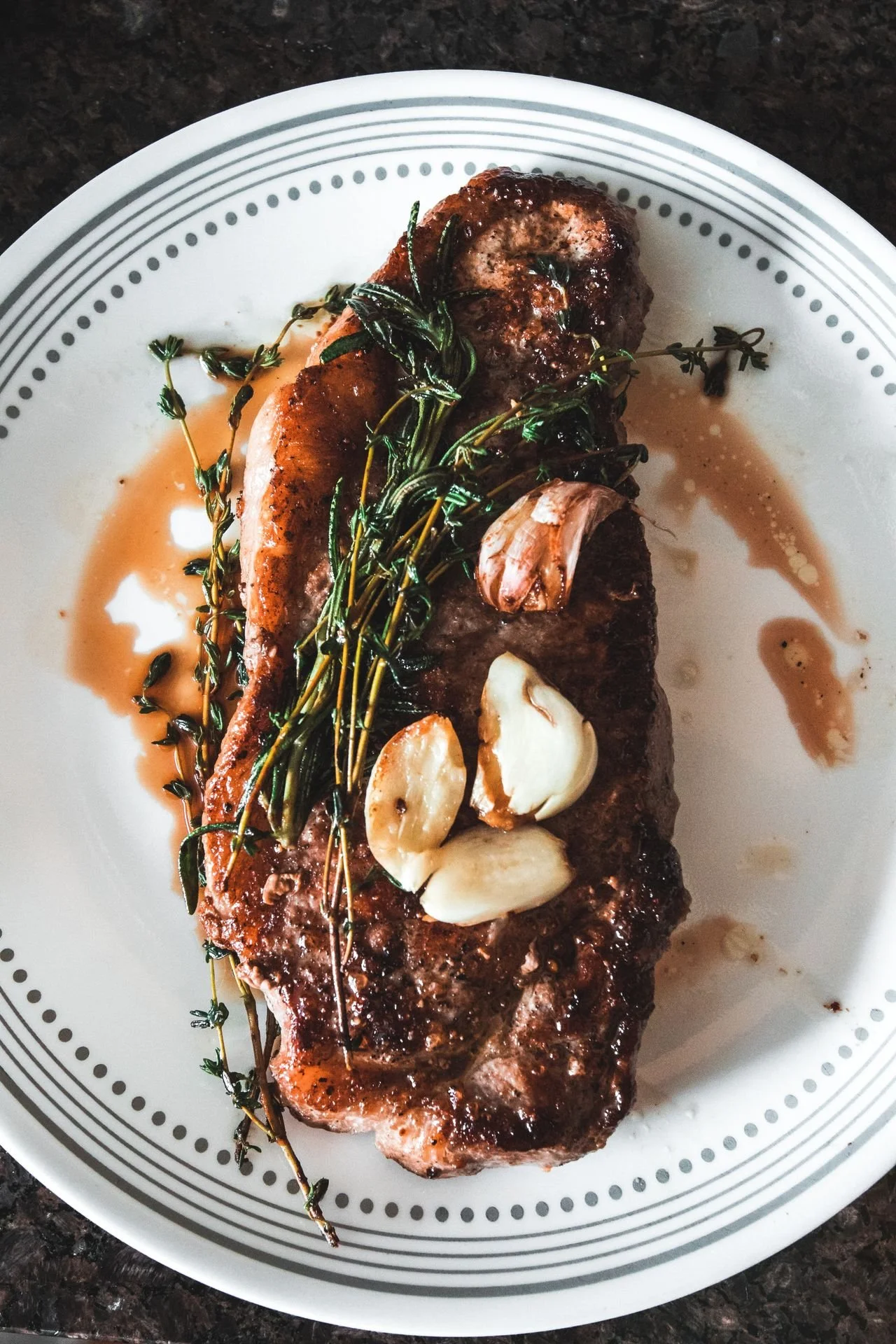
Protein Weight Loss / Photo: Javon Swaby
Introduction
Protein has earned an unusually spotless reputation. Carbohydrates have spent decades being alternately celebrated and blamed; dietary fat survived its own public trial. Protein, meanwhile, has become the macronutrient people routinely add without asking whether they need more.
Walk through a grocery store, and the evidence is everywhere: protein cereal, protein pasta, protein bars, protein shakes, protein cookies, and bottled drinks containing as much protein as a modest meal. For someone lifting weights, trying to preserve muscle while losing weight, or simply attempting to eat better, more can begin to sound synonymous with better. It isn't.
Protein is essential for maintaining and repairing tissue, and people who resistance train can benefit from consuming more than the minimum required to prevent deficiency. But the useful question isn't whether protein is good or bad. It's whether the amount you're eating fits your body size, training, total calorie intake, and overall diet. Recent research gives us a considerably more nuanced answer than the high-protein diet advice of previous decades.
Table of Contents
How Much Protein Do You Actually Need?
Sign #1: Protein Is Pushing Your Calories Higher Than You Realize
Sign #2: Your High-Protein Diet Has Crowded Out Fiber
Sign #3: You Feel Thirsty, Headachy, or Sluggish After Cutting Carbohydrates
Sign #4: You're Eating More Protein but Getting Little Additional Benefit
What About Protein and Your Kidneys?
How to Fix a Protein-Heavy Diet
Frequently Asked Questions
Related Articles
How Much Protein Do You Actually Need?
An important distinction exists between the Recommended Dietary Allowance and an intake designed to support someone who trains regularly. The adult RDA is 0.8 grams of protein per kilogram of body weight per day. That figure should not be interpreted as an optimal target for every active adult. People who resistance train, older adults trying to preserve muscle, and people losing weight while attempting to retain lean mass may benefit from higher intakes.
A 2022 systematic review and meta-analysis of 74 randomized controlled trials found that additional protein produced small additional improvements in lean body mass among healthy adults performing resistance exercise. The researchers observed meaningful effects at roughly 1.2–1.59 g/kg/day among adults 65 and older and at 1.6 g/kg/day or above among younger adults participating in resistance training.
Another 2022 dose-response meta-analysis found that increasing protein alongside resistance training was associated with additional strength gains up to approximately 1.5 g/kg/day, with no further strength benefit detected beyond that level in its analysis.
For perspective, a 180-pound person weighs approximately 82 kilograms. An intake of 1.2–1.6 g/kg would equal roughly 98–131 grams of protein per day. That is quite different from automatically trying to consume 180 or 200 grams because a fitness influencer equated grams of protein with pounds of body weight. The more productive question is: What is the additional protein replacing, and is it helping you accomplish something?
1. Protein Is Pushing Your Calories Higher Than You Realize
Protein contains approximately four calories per gram. Your body uses protein differently from carbohydrate or fat, and protein can be particularly satiating, but its calories don't disappear. Suppose your breakfast, lunch, and dinner already supply enough protein for your needs. Adding a 250-calorie shake, a protein bar, and a high-protein snack every day could add several hundred calories without replacing anything else.
That isn't “too much protein” in the toxicological sense. It's too much food for the energy you're expending. This distinction also corrects a problem with the original version of this article: animal protein does not automatically cause weight gain, just as switching to plant protein does not automatically cause weight loss. Body-weight change depends heavily on total energy balance, while food quality, satiety, dietary adherence, and activity affect how manageable that balance becomes.
What to do
Track your normal food intake for three representative days without deliberately changing it. Count protein from meals, snacks, beverages, and supplements. Then look at the foods you've added specifically because they contain protein. If a shake simply sits on top of an already adequate diet, ask whether it has a job. Someone following a thoughtfully programmed resistance-training plan with a personal trainer in Denver may have very different requirements from someone who is sedentary but consuming the same collection of protein powders and bars. Food should solve a nutritional problem—not create one because its label contains a desirable macronutrient.
2. Your High-Protein Diet Has Crowded Out Fiber
Protein doesn't inherently cause constipation. A poorly constructed high-protein diet can. This often happens through displacement. A person decides to “eat more protein,” so breakfast becomes eggs and a protein shake instead of oatmeal, berries, and nuts. Lunch becomes chicken and cheese instead of a meal containing beans, vegetables, or whole grains. A protein bar replaces fruit. Dinner grows another serving of meat while vegetables become decoration. Protein increased. Fiber quietly disappeared.
That's a substantially better explanation for digestive trouble than the old claim that protein simply overwhelms your digestive enzymes. Plant foods provide dietary fiber and a range of micronutrients and phytochemicals that purified protein products can't match. Beans, lentils, chickpeas, and soy foods are especially useful because they provide protein and fiber at the same time.
What to do
Instead of counting only protein grams, audit what accompanies them. Pair Greek yogurt with berries and seeds. Add beans or lentils to salads. Serve fish, tofu, chicken, or another protein with a meaningful portion of vegetables. Choose whole grains when they fit your diet. Use nuts and seeds strategically rather than relying exclusively on bars and powders.
You can also shift some meals toward the options in my guide to 16 Best Vegetarian Protein Sources for Muscle and Health or the broader Whole Food Plant-Based Macros guide. Both make it easier to think beyond protein as an isolated number. If constipation persists despite adequate fiber, fluids, and activity—or is accompanied by blood, significant pain, unexplained weight loss, or another concerning symptom—speak with a healthcare professional rather than assuming protein is responsible.
Quick Summary: 4 Signs Your Protein Intake May Need an Adjustment
Your calories keep climbing. You're adding protein-rich foods and supplements instead of substituting them, making an energy surplus easier to create.
Fiber-rich foods have disappeared. Meat, dairy, powders, and bars are crowding out fruits, vegetables, beans, legumes, and whole grains on your plate.
A restrictive low-carb diet leaves you feeling poorly. Headaches, thirst, or fatigue may reflect changes in carbohydrate, fluid, or electrolyte intake rather than protein itself.
More protein isn't producing more progress. Once intake is sufficient, another scoop of powder cannot substitute for progressive resistance training, sleep, and recovery.
Protein isn't the villain in this story. The problem is treating a single nutrient as though the rest of your diet—and your training—no longer matters.
3. You Feel Thirsty, Headachy, or Sluggish After Cutting Carbohydrates
Eating additional protein does not automatically dehydrate a healthy person. Protein metabolism does produce nitrogenous waste that the kidneys excrete, but that physiological fact alone isn't evidence that a normal high-protein diet causes clinically meaningful dehydration. The more common dietary scenario is different.
People who sharply increase protein often simultaneously slash carbohydrates, sometimes intentionally pursuing a ketogenic or very-low-carbohydrate diet. Glycogen—the stored form of carbohydrate—is stored with water. When carbohydrate intake drops sharply and glycogen stores decline, body water can also fall. Fluid and electrolyte changes during this transition may contribute to thirst, fatigue, headaches, or lightheadedness in some people. Those symptoms therefore shouldn't automatically be labeled “protein toxicity.”
What to do
Change one variable at a time. If you recently increased protein and dramatically decreased carbohydrates, don't assume protein is the culprit. Examine your fluid intake, carbohydrate intake, overall calorie intake, sodium and potassium sources, training load, alcohol consumption, sleep, and environmental conditions.
This matters in Colorado. Training outdoors in Denver's dry climate or hiking at elevation creates a different hydration challenge from sitting indoors at sea level. Keep fluids available throughout the day, use urine color as a rough—not diagnostic—feedback tool, and pay attention to thirst rather than forcing an arbitrary gallon of water. My guide to 9 Easy Ways to Drink More Water Every Day offers practical ways to make hydration more consistent. Persistent or severe headaches, excessive thirst, weakness, vomiting, confusion, or unusual changes in urination warrant medical evaluation rather than another adjustment to your macros.
4. You're Eating More Protein but Getting Little Additional Benefit
This may be the most overlooked sign of all: nothing bad happens. Nothing particularly useful happens, either. Protein intake and results don't follow an unlimited linear relationship. The 2022 dose-response meta-analysis examining protein intake and strength found progressively greater strength improvements with resistance training as protein increased up to about 1.5 g/kg/day, but no further gains beyond that point.
Similarly, the large 2022 meta-analysis by Nunes and colleagues concluded that increasing protein produces relatively small additional gains in lean body mass and lower-body strength among healthy adults participating in resistance exercise. The important phrase is participating in resistance exercise. Protein supplies raw material. Training supplies the stimulus. If someone is obsessing over whether lunch contains 42 or 52 grams of protein but hasn't progressively overloaded a squat, row, press, hinge, or other appropriate movement in months, nutrition has become a distraction from the larger training problem.
What to do
Once you're consuming an appropriate amount of protein, move your attention to the variables that are more likely to determine your next improvement: progressive resistance training, exercise selection, technique, training volume, recovery, sleep, and consistency. Spread protein-containing foods across the day rather than treating dinner as a rescue mission for a low-protein breakfast and lunch. Favor whole-food sources most of the time, and use powders or bars for convenience when they actually make your diet easier.
If you're unsure how nutrition should fit your training, individualized personal training in LoHi Denver can connect your food choices to an actual strength program instead of treating protein intake as a goal on its own. Michael Moody Fitness also provides a private Denver personal training studio experience built around individualized programming rather than generic macronutrient prescriptions.
What About Protein and Your Kidneys?
This subject deserves more precision than the familiar warning that “too much protein damages your kidneys.”For people with chronic kidney disease, protein recommendations can be medically important and should be individualized with a physician and registered dietitian.
Healthy adults are a different population. A 2026 systematic review and meta-analysis examined 22 randomized trials of high-protein diets in adults without chronic kidney disease. The high-protein diets—typically approximately 25–35 percent of calories or at least 2.0 g/kg/day—produced higher estimated glomerular filtration rates but no significant difference in serum creatinine and no consistent biochemical evidence suggesting renal injury. The authors cautioned that many trials were relatively short and that the long-term renal implications remain uncertain.
That's considerably more useful than saying either “high protein destroys your kidneys” or “eat as much as you want.” If you have kidney disease, impaired kidney function, recurrent kidney stones, or another relevant medical condition, your appropriate protein intake is a clinical question—not a fitness-blog calculation.
How to Fix a Protein-Heavy Diet
Start with your objective. If you're resistance training and trying to build or preserve muscle, protein deserves attention. Current evidence suggests an intake of about 1.2–1.6 g/kg/day covers a useful range for many active adults, though needs vary with age, training, calorie intake, and medical circumstances.
Then stop evaluating meals by protein alone. A dinner containing 40 grams of protein but virtually no vegetables, legumes, fruit, whole grains or other fiber-rich foods isn't nutritionally superior merely because its protein number is impressive. Build meals around protein + plants + an appropriate energy source. That might mean salmon, roasted vegetables, and potatoes; tofu, vegetables, and brown rice; Greek yogurt, berries, and walnuts; lentil pasta with vegetables; or eggs with whole-grain toast and fruit.
Finally, distinguish supplements from necessities. Protein powder is food technology, not magic. It can be convenient, inexpensive, and useful. But if you're already meeting your needs through food, another shake doesn't become beneficial merely because you drank it within thirty minutes of exercising.
Frequently Asked Questions
Can eating too much protein make you gain weight?
Protein itself does not automatically cause fat gain. However, protein provides calories, so consistently adding protein-rich foods or supplements to your normal diet can contribute to an energy surplus. Weight change depends on the larger energy balance rather than one macronutrient in isolation.
Does too much protein cause dehydration?
There isn't good evidence that a moderately high-protein diet automatically dehydrates healthy adults. However, people who increase protein while sharply reducing carbohydrates may see changes in glycogen and body water. Exercise, heat, altitude, alcohol, and inadequate fluid intake also affect hydration.
Can too much protein cause constipation?
Protein itself isn't necessarily the cause. Constipation becomes more plausible when a protein-heavy diet displaces fiber-rich foods such as vegetables, fruit, beans, lentils and whole grains, particularly when fluid intake is also inadequate.
Is high protein bad for your kidneys?
People with kidney disease may require individualized protein recommendations. In adults without chronic kidney disease, a 2026 meta-analysis of randomized trials found no consistent biochemical evidence of renal injury from high-protein diets, although the researchers emphasized that long-term evidence remains limited.
How much protein should I eat to build muscle?
Requirements vary, but recent meta-analyses suggest that approximately 1.2–1.6 g/kg/day is a useful evidence-based range for many people performing resistance training. Benefits diminish as intake rises, and training remains essential.
Do I need a protein shake after every workout?
No. A shake is a convenient way to obtain protein, not a requirement for building muscle. Total dietary protein and a consistent resistance-training program matter more than automatically drinking a shake after every workout.
Is plant protein good enough for building muscle?
A well-planned diet can provide protein from soy foods, beans, lentils, peas, grains, nuts, seeds, and other plant sources. Variety helps provide an adequate mixture of essential amino acids. You don't need to eliminate animal foods to benefit from plant proteins; simply replacing some protein sources can also increase dietary variety and fiber.
Peer-reviewed citations
Nunes EA, Colenso-Semple L, McKellar SR, et al. (2022). Systematic review and meta-analysis of protein intake to support muscle mass and function in healthy adults. Journal of Cachexia, Sarcopenia and Muscle, 13(2), 795–810.
PMID: 35187864
DOI: 10.1002/jcsm.12922
Tagawa R, Watanabe D, Ito K, Otsuyama T, Nakayama K, Sanbongi C, Miyachi M. (2022). Synergistic Effect of Increased Total Protein Intake and Strength Training on Muscle Strength: A Dose-Response Meta-analysis of Randomized Controlled Trials. Sports Medicine - Open, 8(1), 110.
PMID: 36057893
DOI: 10.1186/s40798-022-00508-w
Teixeira Silva PR, Santos P, de Miranda Silva Nogueira PA, et al. (2026). Effects of High-Protein Diets on Renal Function and Body Composition in Adults Without Chronic Kidney Disease: A Systematic Review and Meta-Analysis of Randomised Trials. Diabetes, Obesity and Metabolism, 28(9), 7672–7683.
PMID: 42289790
DOI: 10.1111/dom.70996
ABOUT THE AUTHOR: MICHAEL MOODY, PERSONAL TRAINER
As an author, a personal trainer in Denver, and a podcast host, Michael Moody has helped personal training clients reach new fitness heights and achieve incredible weight-loss transformations since 2005. He also produces the wellness podcast "The Elements of Being" and has been featured on NBC, WGN Radio, and PBS.
Michael offers personal training to Denver residents who want to meet at the 2460 W 26th Ave studio….or in their homes throughout LoHi (80206), LoDo (80202), RiNo (80216), Washington Park (80209), Cherry Creek (80206, 80209, 80243, 80246, 80231), and Highlands (80202, 80211, 80212). Michael also offers personal training sessions in Jefferson Park (80211) and Sloan's Lake (80204, 80212).
If you’re looking for a personal trainer who can curate a sustainable (and adaptable) routine based on your needs and wants, Michael is the experienced practitioner you’ve been looking for. Try personal training for a month…your body will thank you!
Related articles
From the Michael Moody Fitness directory, these are the most relevant internal articles to place at the bottom of this post. The directory includes the existing fast-food review under weight-loss obstacles and several related nutrition, dining-out, grocery, and food-label resources.
Protein requirements make more sense when you consider the work you're actually asking your body to do. At Michael Moody Fitness in Denver, nutrition guidance is paired with individualized strength, mobility, and conditioning programs rather than isolated macro targets. For clients training in LoHi and throughout Denver—or preparing for Colorado's hiking, skiing, and outdoor demands—the objective is practical: eat enough protein to support recovery and muscle, while leaving room for the fiber-rich foods, carbohydrates, fats, and total energy that support the rest of an active life.