What Successful Weight-Loss Diets Have in Common: 6 Science-Backed Traits
Summary
Mediterranean, lower-carbohydrate, plant-based, DASH-style, and other well-designed eating patterns can all support weight loss. Their labels differ, but the useful overlap is fairly ordinary: fewer liquid calories and heavily processed foods, better carbohydrate and fat quality, more fiber-rich plants, adequate protein, and an energy intake you can sustain.
What do successful weight-loss diets have in common?
Most effective weight-loss diets are less different than their labels suggest. They reduce sugary drinks and easy-to-overeat foods, emphasize vegetables and other fiber-rich foods, include enough protein, improve carbohydrate and fat quality, and create an energy intake that can be sustained long enough for weight loss to occur.
Topics
best diet for weight loss, weight loss diet, healthy diet for weight loss, diet for weight loss, how to lose weight
successful weight loss diet, sustainable weight loss diet, Mediterranean diet for weight loss, low-carb diet for weight loss, plant-based diet for weight loss, high-fiber foods for weight loss, calorie deficit for weight loss, healthy eating for weight loss
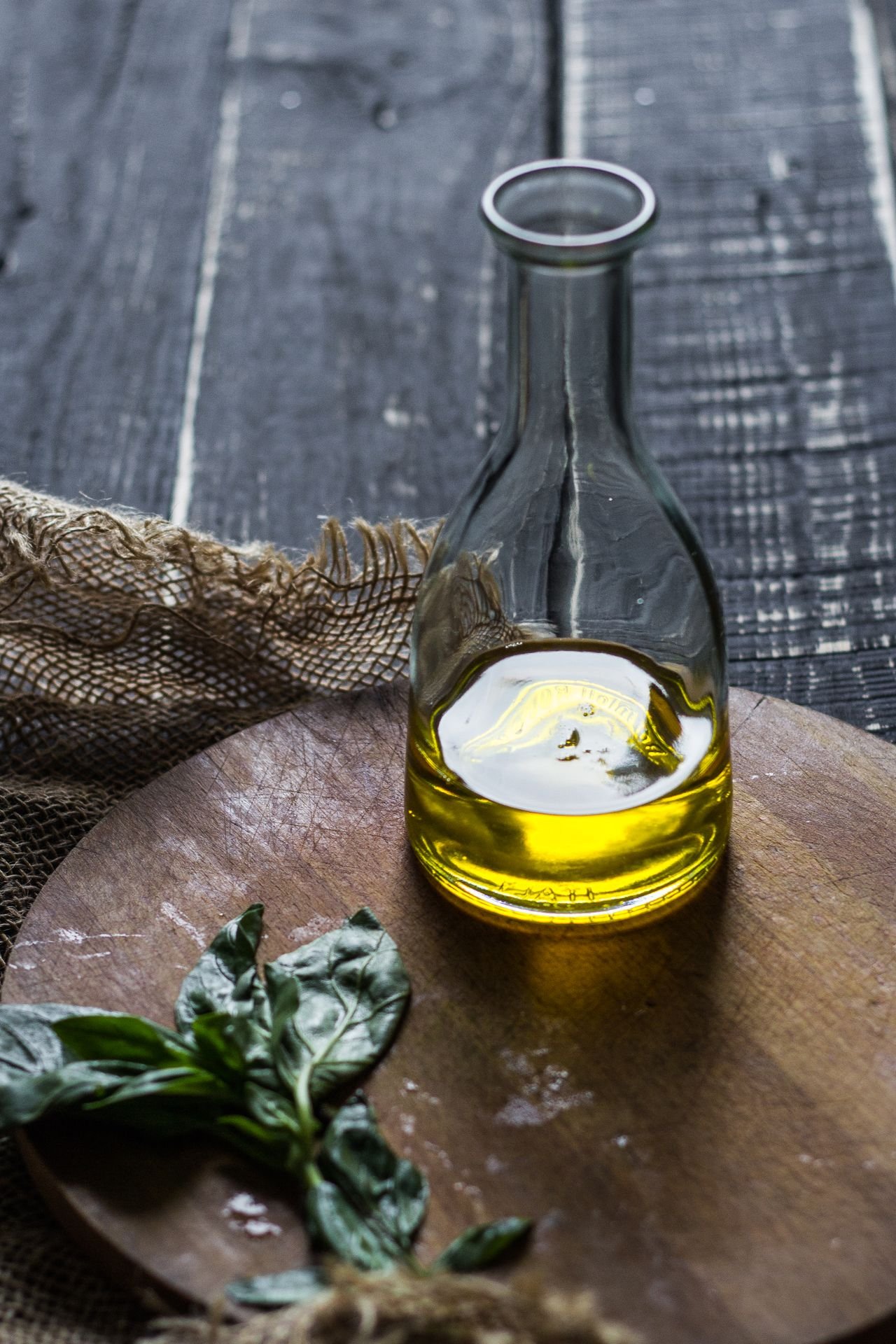
Olive Oil Weight Loss / Photo: Vladimir Gladkov
Why the Diet Debate Misses the Useful Part
Diet culture likes a cage match. Carbohydrates are blamed on Monday, fat takes the stand on Tuesday, and by Friday someone has declared breakfast a metabolic emergency. The more useful question is not which diet has the most persuasive tribe. It is what successful eating patterns repeatedly ask people to do. The older version of this article, like a great deal of nutrition writing from the mid-2010s, made several claims that deserve correction. Added sugar is not uniquely “toxic.” Refined carbohydrates are not a single disease-causing substance. Canola, soybean, corn, and other seed oils have not been shown to be a uniquely poisonous class of foods. And calories did not stop mattering because calorie counting is tedious. Current research, for example, does not support treating canola oil as metabolically comparable to artificial trans fat simply because both are processed fats.
The broad idea behind the original article, however, still holds: diets with very different macronutrient philosophies often converge on a short list of behaviors. In a 2023 randomized clinical trial, both plant-based and omnivorous versions of a culturally tailored diet produced modest weight loss, without a significant between-group difference in the primary weight outcome. The useful lesson is that dietary pattern matters, but so do preference, food quality, total intake, and adherence.
Table of Contents
Why the Diet Debate Misses the Useful Part
Reduce Sugary Drinks and Make Added Sugar Less Routine
Improve Carbohydrate Quality Instead of Declaring War on Carbs
Make Vegetables, Fruit, Legumes, and Fiber Routine
Let Minimally Processed Foods Do More of the Work
Eat Enough Protein and Choose Fats by Quality
Create a Sustainable Energy Deficit
Which Diet Pattern Should You Choose?
Frequently Asked Questions
Related Articles
1. Reduce Sugary Drinks and Make Added Sugar Less Routine
A useful diet does not require a sugar-free life; it makes the easiest sources of excess sugar less automatic. Start with beverages because soda, sweet tea, energy drinks, sweetened coffee drinks, and frequent alcohol can add energy without much fullness. Make water, sparkling water, unsweetened tea, or coffee your default and reserve caloric drinks for occasions you value. If a low- or no-calorie sweetened beverage helps replace regular soda, current evidence does not justify treating that swap as a failure: a 2022 systematic review and meta-analysis of randomized trials found small improvements in body weight and cardiometabolic measures when low- or no-calorie sweetened drinks replaced sugar-sweetened beverages. The target is not purity around dessert. It is reducing recurring calories that do little for fullness or nutrition.
2. Improve Carbohydrate Quality Instead of Declaring War on Carbs
The old advice to “eliminate refined carbohydrates” is too blunt. Lentils, apples, oats, potatoes, rice, doughnuts, and soda all contain carbohydrates, but they do not play the same nutritional role. Upgrade the sources you eat most often: oats instead of sugary cereal; beans or lentils several times per week; fruit instead of juice; and whole grains when you enjoy them. Refined foods can still fit. The practical question is whether they are displacing foods with more fiber, protein, micronutrients, and satiety. Recent prospective research likewise suggests that carbohydrate quality and source, rather than carbohydrate as a category, matter for long-term weight management. This is also why a lower-carbohydrate diet can work without proving carbohydrates are inherently fattening: for some people, the structure simply makes intake easier to control.
3. Make Vegetables, Fruit, Legumes, and Fiber Routine
“Eat more plants” sounds almost comically basic, yet it remains one of the most defensible pieces of nutrition advice. Fiber-rich foods add bulk and often improve fullness for relatively few calories, while supplying micronutrients and fermentable substrates for the gut microbiota. Recent reviews continue to support a role for dietary fiber in metabolic health and obesity management, although different fibers have different effects and there is no magical number that guarantees weight loss. Start by adding fruit or vegetables to at least two meals, then build toward vegetables at most lunches and dinners. Use beans, lentils, oats, berries, whole grains, nuts, and seeds to widen the fiber mix. If your intake is low, increase it gradually and drink adequate fluids.
4. Let Minimally Processed Foods Do More of the Work
Processing is not automatically bad. Frozen berries, canned beans, Greek yogurt, tofu, whole-grain bread, and tinned fish are all processed and can be excellent foods. The more useful distinction is between foods that help you build a satisfying meal and products that are exceptionally easy to eat quickly and in large amounts. Make most meals recognizable combinations: a protein source, produce, a high-fiber carbohydrate when desired, and a source of fat or flavor. Keep convenience, too—frozen vegetables, rotisserie chicken, microwaveable grains, canned lentils, or prewashed greens can make a sensible diet more realistic. The goal is not culinary virtue. It is making the easiest meal in your house reasonably filling.
5. Eat Enough Protein and Choose Fats by Quality
Protein contributes to fullness and, especially with resistance training, can help preserve lean tissue during weight loss. A recent systematic review and meta-analysis of randomized trials in adults with overweight or obesity found that greater protein intake can help maintain muscle mass during weight reduction. Include a meaningful protein source—fish, poultry, eggs, Greek yogurt, cottage cheese, tofu, tempeh, beans, or lentils—at each main meal. For fats, replace the old “industrial vegetable oil” alarm with a quality-and-context approach. Olive oil, nuts, seeds, avocado, and fish are useful staples; canola or soybean oil does not need to be purged simply because it is a “seed oil.” Keep artificial trans fats out, avoid a diet dominated by saturated-fat-rich foods, and remember that all oils are energy-dense enough for portions to matter.
6. Create a Sustainable Energy Deficit—Without Making Calorie Counting Your Entire Diet
Calories are not the whole story, but they remain part of it. Loss of body mass requires energy intake to fall below energy expenditure over time. What differs is the easiest way to make that happen. Some people benefit from tracking food temporarily; others do better with repeatable meals and attention to portions, hunger, and multiweek weight trends. Before slashing food, look for relatively painless calories: regular soda, alcohol, grazing while cooking, restaurant portions large enough for two meals, or oils and dressings poured freely. A 2022 Cochrane review encompassing 61 randomized trials found probably little to no difference in weight reduction between lower-carbohydrate and balanced-carbohydrate weight-reducing diets through two years. The best deficit is not the largest one you can tolerate for nine days; it is one you can live with.
Quick Summary: Four Less-Obvious Weight-Gain Factors
There is no single macronutrient ratio that wins for everyone.
Start with sugary drinks and recurring liquid calories before policing occasional dessert.
Improve carbohydrate quality; do not confuse “carbohydrate” with “refined snack food.”
Build more meals around vegetables, fruit, legumes, whole grains, and other fiber-rich foods.
Use minimally processed foods as the default, not as a purity test.
Include a reliable protein source at main meals, especially if you strength train.
Judge fats by overall quality and portion size, not seed-oil mythology.
Weight loss still requires an energy deficit, but the method should be livable.
For help turning these principles into a realistic weekly routine, working with a personal trainer in Denver can make the plan more concrete. If you live near northwest Denver, the personal training in LoHi page explains how Michael structures one-on-one work around strength, body composition, mobility, and everyday habits.
Which Diet Pattern Should You Choose?
Option 1: Mediterranean-Style
For many people, a Mediterranean-style pattern is a sensible default: vegetables, fruit, legumes, whole grains, nuts, olive oil, fish and seafood, with room for dairy, eggs, poultry, smaller amounts of red meat, and sweets. It is flexible and well suited to people who want a cardiometabolic-health emphasis without rigid rules. Weight loss still depends on total intake, so olive oil, nuts, cheese, and restaurant portions deserve portion awareness.
Option 2: Lower-Carbohydrate
A lower-carbohydrate diet can work well if reducing bread, sweets, snack foods, or large starch portions makes appetite and meal planning easier. In a 2022 randomized trial among adults with elevated untreated HbA1c, a lower-carbohydrate intervention improved HbA1c and reduced body weight, although investigators could not separate the glycemic effect of carbohydrate restriction from weight loss itself. Low-carb is a valid option; the evidence does not say everyone should eat this way. Keep vegetables, adequate protein, and unsaturated fats in the plan.
Option 3: Plant-Based
A plant-based diet can range from “more beans and vegetables” to fully vegan, so the label alone says little about quality. Build meals around legumes, tofu or tempeh, whole grains, vegetables, fruit, nuts, and seeds rather than assuming vegan cookies, chips, and meat substitutes become weight-loss foods by changing aisles. The 2023 randomized trial noted above found modest weight loss in both plant-based and omnivorous groups. If you choose a fully vegan diet, pay particular attention to vitamin B12 and other nutrients that may require deliberate food selection or supplementation.
Option 4: Flexible Omnivorous or DASH-Style
If named diets make you want to rebel, use a flexible structure instead: roughly half the plate produce when practical, a solid protein source, a portion of high-fiber carbohydrate adjusted to activity and preference, and enough fat to make the meal satisfying. A DASH-style pattern fits naturally here, emphasizing fruit, vegetables, whole grains, legumes, nuts, and lower-fat dairy if desired. This framework survives tacos, stir-fries, restaurant meals, and leftovers without requiring a separate “diet meal.”
Frequently Asked Questions
What is the best diet for weight loss?
There is no universally superior named diet. The strongest candidate is a nutritionally adequate pattern that creates a manageable energy deficit, provides enough protein and fiber, fits your medical needs and preferences, and can survive weekends, travel, restaurants, and ordinary stress.
Is a low-carb diet better for weight loss?
Not necessarily. Lower-carbohydrate diets can work very well for some people, but systematic reviews comparing lower- and balanced-carbohydrate weight-reduction diets generally do not show a large long-term weight-loss advantage for one approach. Food quality and adherence matter within either pattern.
Do I have to eliminate added sugar?
No. Reducing frequent, low-satiety sources—especially sugar-sweetened drinks—is more useful than treating every gram of added sugar as a toxin. A diet can contain dessert and still support weight loss if the overall pattern and energy intake are appropriate.
Are seed oils bad for weight loss?
There is not good evidence that canola, soybean, or similar vegetable oils uniquely prevent weight loss or must be eliminated as a class. They are calorie-dense, like every oil, so portion size matters. Emphasize unsaturated fats overall and keep trans fat and excess saturated fat in check.
Do I need to count calories?
No, but calories still count physiologically. Tracking can help if you like data. If it makes eating unnecessarily cumbersome, use repeatable meals, portion guides, hunger cues, and weight trends instead. The method is a tool, not a moral requirement.
What should I change first if my diet feels overwhelming?
Choose the change you encounter every day. Replace a caloric beverage, add protein to breakfast or lunch, put fruit or vegetables into two meals, or plan one reliable dinner before the week starts. One repeatable change produces more useful information than six rules followed for four days.
Peer-Reviewed Citations
McGlynn ND, Khan TA, Wang L, Zhang R, Chiavaroli L, Au-Yeung F, Lee JJ, Noronha JC, Comelli EM, Blanco Mejia S, Ahmed A, Malik VS, Hill JO, Leiter LA, Agarwal A, Jeppesen PB, Rahelić D, Kahleová H, Salas-Salvadó J, Kendall CWC, Sievenpiper JL. (2022). Association of Low- and No-Calorie Sweetened Beverages as a Replacement for Sugar-Sweetened Beverages With Body Weight and Cardiometabolic Risk: A Systematic Review and Meta-analysis. JAMA Network Open, 5(3), e222092.
PMID: 35285920
DOI: 10.1001/jamanetworkopen.2022.2092
Dorans KS, Bazzano LA, Qi L, He H, Chen J, Appel LJ, Chen CS, Hsieh MH, Hu FB, Mills KT, Nguyen BT, O'Brien MJ, Samet JM, Uwaifo GI, He J. (2022). Effects of a Low-Carbohydrate Dietary Intervention on Hemoglobin A1c: A Randomized Clinical Trial. JAMA Network Open, 5(10), e2238645.
PMID: 36287562
DOI: 10.1001/jamanetworkopen.2022.38645
Turner-McGrievy GM, Wilcox S, Frongillo EA, Murphy EA, Hutto B, Wilson M, Davey M, Bernhart JA, Okpara N, Bailey S, Hu E. (2023). Effect of a Plant-Based vs Omnivorous Soul Food Diet on Weight and Lipid Levels Among African American Adults: A Randomized Clinical Trial. JAMA Network Open, 6(1), e2250626.
PMID: 36633848
DOI: 10.1001/jamanetworkopen.2022.50626
ABOUT THE AUTHOR: MICHAEL MOODY, PERSONAL TRAINER
As an author, a personal trainer in Denver, and a podcast host, Michael Moody has helped personal training clients reach new fitness heights and achieve incredible weight-loss transformations since 2005. He also produces the wellness podcast "The Elements of Being" and has been featured on NBC, WGN Radio, and PBS.
Michael offers personal training to Denver residents who want to meet at the 2460 W 26th Ave studio….or in their homes throughout LoHi (80206), LoDo (80202), RiNo (80216), Washington Park (80209), Cherry Creek (80206, 80209, 80243, 80246, 80231), and Highlands (80202, 80211, 80212). Michael also offers personal training sessions in Jefferson Park (80211) and Sloan's Lake (80204, 80212).
If you’re looking for a personal trainer who can curate a sustainable (and adaptable) routine based on your needs and wants, Michael is the experienced practitioner you’ve been looking for. Try personal training for a month…your body will thank you!
Related articles
From the Michael Moody Fitness directory, these are the most relevant internal articles to place at the bottom of this post. The directory includes the existing fast-food review under weight-loss obstacles and several related nutrition, dining-out, grocery, and food-label resources.
Eating for weight loss in Denver has practical wrinkles generic diet plans rarely mention: early workdays, restaurant-heavy neighborhoods, brewery culture, ski weekends, long drives into the mountains, and training around a full workday. In my LoHi practice, I would rather build a food structure that survives those realities than hand someone a perfect seven-day menu they abandon after one social weekend. The same principle applies to training: the useful plan fits the person, the schedule, and the life actually being lived.