

Personal Trainer Blog
Fitness | Wellness | Diet Self-Improvement

Health and Fitness at your finger tips
Learn fitness, healthy whole food diets, wellness, and other personal training tips/recipes from Denver's weight loss personal trainer.

Thanksgiving Weight Loss Tips: Healthy Swaps, Soda Alternatives, and Smart Holiday Eating
ABSTRACT
Enjoy Thanksgiving without derailing weight loss. Discover healthy swaps (roasted veggie appetizers, cauliflower mash), soda alternatives, lower-sugar cranberry sauce, and strategies to avoid ultra-processed, high-sugar dishes. Denver personal trainer tips for portion control and balanced holiday eating. Keywords: Thanksgiving weight loss tips, healthy swaps, soda alternatives.
Research-Based Citations
Sugar-sweetened beverages promote weight gain in children and adults; reducing SSBs leads to weight loss. American Journal of Clinical Nutrition
Randomized trial: ultra-processed foods increase energy intake and weight gain vs minimally processed diets. PubMed
Reviews on high-GI carbohydrate patterns (e.g., potatoes/rapidly absorbed starch) and cardiometabolic risk/satiety considerations. PMC+1
Key Topics
Thanksgiving weight loss tips
Healthy Thanksgiving swaps
Low sugar Thanksgiving desserts
Soda alternatives for holidays
Reduce sugar-sweetened beverages
Cauliflower mash instead of potatoes
Healthy gravy alternatives
Roasted vegetable appetizers
Homemade cranberry sauce, low sugar
Holiday eating strategies
Portion control Thanksgiving
Avoid ultra-processed holiday foods
Denver personal trainer holiday tips
Frequently Asked Questions (FAQs)
What are the biggest Thanksgiving obstacles to weight loss?
Which Thanksgiving dishes are highest in added sugar?
What are smart swaps for fried or bacon-wrapped appetizers?
Is mushroom gravy healthier—and how much should I use?
Cauliflower mash vs potatoes: which supports weight loss better?
What are healthier soda alternatives at holiday meals?
How do I make low-sugar cranberry sauce at home?
Are store-bought pies worse than homemade for weight loss?
How can I lighten stuffing without losing flavor?
What portion-control strategies work best on Thanksgiving?

Thanksgiving Weight Loss / Photo: Karola G.
Introduction
I have a pretty strict healthy-eating routine so I can fully enjoy special events like Thanksgiving... and I hope you can too! Even if you give yourself a pass, you should still recognize these major Thanksgiving obstacles to weight loss. Don’t be discouraged...try my easy modifications/substitutions instead!
List of Thanksgiving Dishes
1. CANDIED YAMS
“If marshmallow-loaded candied yams are a tradition in your household it might be time to reconsider,” said Matthew Mullally, doctor of dental surgery. “Marshmallows are essentially pure sugar. Also, there’s really no reason to sweeten yams. Yams themselves are loaded with sweetness, as well as nutrients that don’t stick the surface of your teeth.”
Personal Trainer Modification: Be creative! Try a layer of baked mangoes, apples, or peaches for additional texture and subtle, natural sweetness.
2. FRIED APPETIZERS
“Appetizers are a good means of curbing your guests’ hunger before the meal,” Mullally said. “Still, appetizers that are fried or covered in bacon are going to be loaded with Streptococcus mutans (one of the main agents that allow plaque to grow) and its allies. Instead, consider serving vegetables like raw carrots, broccoli, and artichoke hearts, which naturally clean your teeth. These vegetables produce saliva, which washes away bacteria.”
Personal Trainer Modification: Even if you can’t pronounce Streptosomethingoranother, you clearly know the calorie-heavy and fat-sticking drawbacks of fried foods. I personally like raw vegetables…not love them. Try roasting root vegetables under the broiler for 8-12 minutes and serve them with a side of warm garlic hummus as an alternative.
3. GRAVY
“Homemade gravy is basically turkey fat, some turkey 'juice,' and white flour or cornstarch for thickening,” said Dana Simpler, MD. “This makes whatever you put it on a very high fat food. Consider an alternative gravy such as mushroom gravy.”
Personal Trainer Modification: Don’t be mistaken: Mushroom gravy isn’t a healthy alternative. No matter the path you choose, use all gravy sparingly.
4. GREEN BEAN CASSEROLE
“This is going to be healthier, but depends on how much butter is added,” Simpler said. “If you just use a can of condensed soup as your 'cream,' you can get away with a good tasting casserole without smothering it in fat. Of course the fried onion rings on top are another story.”
Personal Trainer Modification: Try cutting the butter and onion rings in half. Any other substitutes may completely change this traditional plate.
5. MASHED POTATOES
“The carbohydrates of potatoes enter the blood as glucose faster than table sugar,” said Barry Sears, MD, “This makes you tired and even more hungry.”
Personal Trainer Modification: And the milk and butter will give you cardiac arrest. Try substituting dairy favorites—coconut or almond milk—and the potatoes with cauliflower.
6. SODA
“If you choose not to drink adult beverages, soda is not a better option. “Drinking soda has serious consequences,” said Adam Splaver, MD, medical director of cardiovascular disease at Nano Health Association in Hollywood, Florida. “Regular soda promotes an insulin spike which leads to weight gain and can cause a host of metabolic disorders. Beyond the sugars, soda has phosphoric acid which can promote osteoporosis and may be a cancer-causing agent.”
Personal Trainer Modification: If you crave a soda, try adding soda water to an all-natural (no sugar) fruit juice instead. Don’t be surprised if this drink still delivers the same number of grams of sugar as a can of Coke, though. Less is better in both cases.
7. STORE-BOUGHT CRANBERRY SAUCE
“No Thanksgiving meal is complete without cranberry sauce,” Mullally said. “Store-bought cranberry sauces contain a ridiculous amount of sugar. It’s one of the reasons they taste so good. In its place, buy your own cranberries and make the sauce yourself. This way you can control the amount of sugar and show off some new skills in the kitchen.”
Personal Trainer Modification: Definitely make it yourself and substitute a portion of the sugar with applesauce.
8. STORE-BOUGHT PIE
“Baked goods generally have no nutritional value and often contain hidden saturated fat and hydrogenated shortenings, which may raise LDL levels, the bad cholesterol,” Splaver said. “The added sugar is high in fructose which can overload your liver and can cause insulin resistance which can lead to metabolic disorders including type 2 diabetes. Is that pecan pie really worth the risks?”
Personal Trainer Modification: Sugar, fat, sugar, fat….it’s starting to sound like a familiar broken record. Nevertheless, you should heed these warnings. At the end of the day, any sweet dish is better made at home so you can control the ingredients. Search for a vegan pie recipe and minimize the added sugar. Don’t be afraid!
9. STUFFING
“As for stuffing, which is primarily made of bread, that’s a heck of a lot of carbs,” Splaver said. “Plus the stuffing absorbs a lot of the fat from the turkey. Add in some sausage, and you are looking at a high-calorie, fat-laden, high-sodium choice.”
Personal Trainer Modification: Unfortunately, stuffing is essentially a “bread” recipe. If you remove the bread, the dish is no longer stuffing. Instead, add chopped root vegetables to create new (and familiar) textures and decrease the amount of bread. Also, eliminate the butter to cut down on the calories, fat, and inflammation.
ABOUT THE AUTHOR: MICHAEL MOODY, PERSONAL TRAINER
As an author, a personal trainer in Denver, and podcast host, Michael Moody has helped personal training clients achieve new fitness heights and incredible weight loss transformations since 2005. He also produces the wellness podcast "The Elements of Being" and has been featured on NBC, WGN Radio, and PBS.
Michael offers personal training to Denver residents who want to meet at the 2460 W 26th Ave studio….or in their homes throughout LoHi (80206), LoDo (80202), RiNo (80216), Washington Park (80209), Cherry Creek (80206, 80209, 80243, 80246, 80231), and Highlands (80202, 80211, 80212). Michael also offers experiences with a personal trainer in Jefferson Park (80211) and Sloan's Lake (80204, 80212).
If you’re looking for a personal trainer who can curate a sustainable (and adaptable) routine based on your needs and wants, Michael is the experienced practitioner you’ve been looking for. Try personal training for a month…your body will thank you!

Healthy Pasta Alternatives: 7 Vegetable Noodle Recipes for Weight Loss and Flavor
ABSTRACT
Craving pasta without the extra calories? Discover 7 healthy pasta alternatives—zoodles Alfredo, spaghetti squash pesto, sweet potato pad thai, carrot “noodles,” bell pepper cacio e pepe, and more. Lower energy density, boost fiber, and enjoy big flavor with vegetable noodles that support weight loss and blood sugar control.
Research-Based Citations
Lowering a meal’s energy density reduces energy intake; meta-analysis of 38 studies. SpringerLink
Dietary fat increases carotenoid (e.g., beta-carotene) bioavailability—relevant to sweet potatoes cooked with oil. PubMed
Vinegar can attenuate post-prandial glucose and insulin; systematic reviews/meta-analyses. ScienceDirect+1
Key Topics
healthy pasta alternatives
vegetable noodles recipes
low-calorie pasta swaps
low-carb pasta alternatives
zoodles zucchini fettuccine alfredo
sweet potato noodles Thai peanut
spaghetti squash pesto
carrot noodles asian
bell pepper cacio e pepe
chicken and pepper pasta alternative
weight loss-friendly pasta
pasta substitutes for diabetes
high fiber pasta alternatives
gluten-free noodle alternatives
healthy weeknight pasta swaps
Frequently Asked Questions (FAQs)
Do veggie noodles actually help with weight loss?
Yes. Swapping refined pasta for vegetable “noodles” lowers a meal’s energy density, which reliably leads people to eat fewer calories on average.Why cook sweet potato “noodles” with a bit of oil?
Beta-carotene in sweet potatoes is fat-soluble; co-consuming dietary fat improves absorption and bioavailability.Can vinegar-based sauces help with blood sugar?
There’s evidence that vinegar (acetic acid) can blunt post-meal glucose and insulin spikes—useful when pairing veggie noodles with sweet or starchy sauces.Are these options gluten-free?
Most are naturally gluten-free (zucchini, spaghetti squash, carrots, bell peppers). Confirm add-ins like sauces, tortillas, and broth are certified gluten-free.Is Alfredo “allowed” on zoodles?
In moderation. Keep portions small and balance the plate with lean protein and extra non-starchy veg to maintain a lower-calorie, lower-energy-density meal.
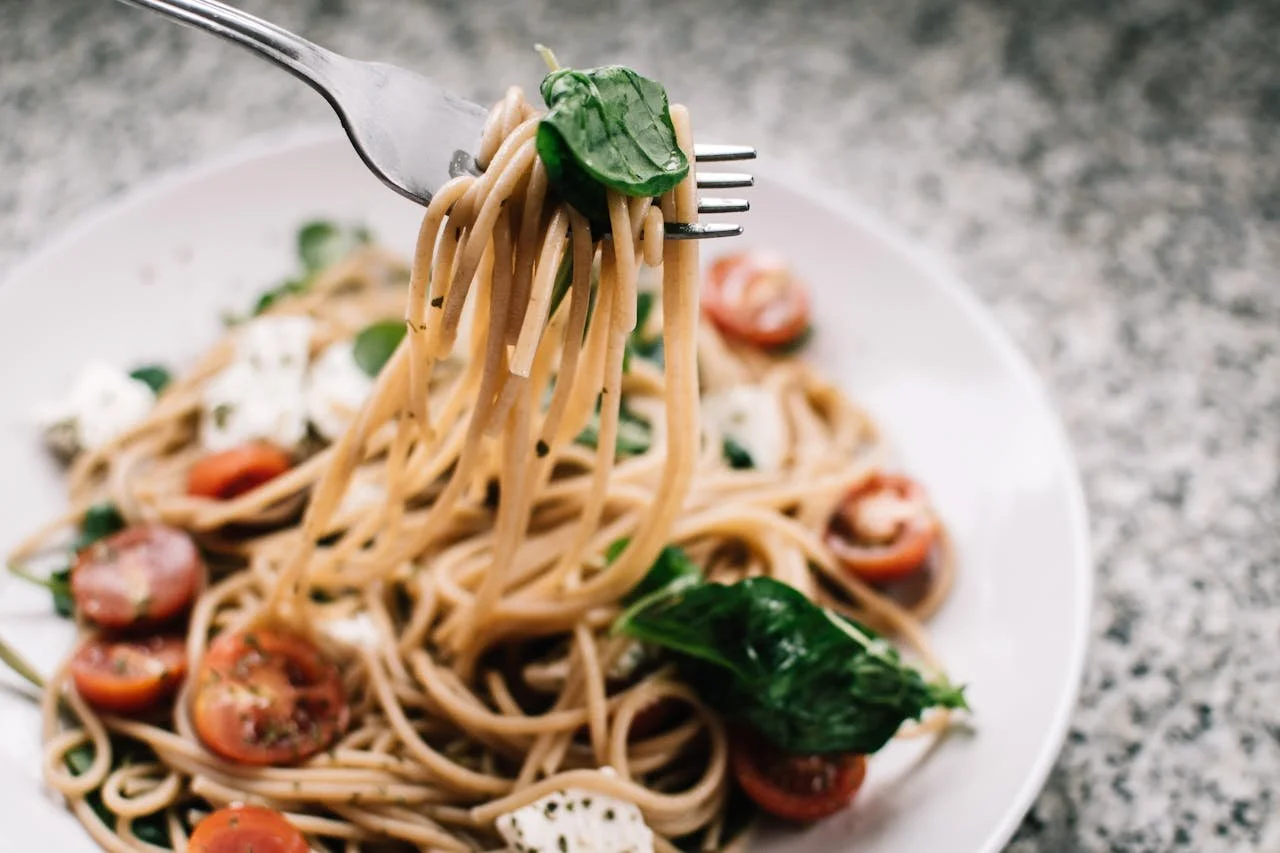
Pasta Weight Loss / Photo: Lisa from Pexels
Introduction
If you're like me, you probably grew up on pasta. While the popularity of pasta hasn't subsided, the rates of obesity and diabetes have skyrocketed. Luckily, you can still indulge in "Noodle" heaven without compromising your health or gaining weight. Check out this super list of pasta alternatives. Your personal trainer will thank you! Once you find the dishes you like, print the recipes off the Livestrong website (from the article "Cut Calories With These 9 "Pasta Poser" Recipes").
List of Dishes
1. THAI PEANUT SWEET POTATO “NOODLES”
These "zoodles" are inspired by vegetarian pad Thai. But instead of rice noodles, this recipe uses spiralized or julienned sweet potatoes, providing a burst of flavor and color. You’ll also get a load of beta-carotene in each serving -- much more than your body needs in the entire day! Interestingly, when sweet potatoes are cooked with fat, it makes their beta-carotene more absorbable. They're super easy to make: Just stir-fry the sweet potato spirals for a few minutes in a little grape-seed oil, toss with a three-ingredient sauce and then garnish with peanuts and fresh basil or cilantro. CALORIES: 305
2. SIMPLE SPAGHETTI SQUASH WITH PESTO
Spaghetti squash is a winter squash that has a naturally stringy flesh when cooked, kind of like spaghetti. It’s an ideal pick to replace the regular version of pasta from time to time, especially when you find yourself behind on daily veggie or fiber intake. Cook the spaghetti squash in the microwave in about 12 minutes; no lengthy oven roasting is required. (Make sure you pierce the skin with a fork or knife to let steam escape). Then toss the squash strands with a dollop of your favorite pesto sauce, sliced grape tomatoes, toasted pine nuts and fresh basil. Even without the actual pasta, you’ll get full-flavored Italian taste. CALORIES: 340
3. “MACARONI” SALAD
At your next picnic or backyard cookout, this “macaroni” salad will be the surprise star of the party. This yellow summer squash is cut to look like macaroni and then quickly cooked and chilled. All of the other comforting and familiar flavors of traditional macaroni salad are still part of the recipe, including eggs to provide high-quality protein. It’s a delicious alternative, especially for folks trying to cut down on calories. Enjoy this vegetable lover’s “macaroni” salad as a side dish or salad -- or even as a lunch. CALORIES: 167
4. SPICY ASIAN CARROT “NOODLES”
One culinary attribute of Asian cuisine is the balance of flavors like sweet, salty and spicy. You get all three of these taste sensations in this dish: sweet from the coconut nectar or honey, salty from the soy sauce and spicy from the Asian chili paste. You’ll also get some natural sweetness from carrots, which are the actual “noodles” in this vibrant side. There’s plenty of tang from brown rice vinegar, and don’t be shy with it: Preliminary research suggests it may play a potential role in protecting the liver and regulating blood sugar and blood cholesterol. CALORIES: 172
5. BAJA CHICKEN AND PEPPER “PASTA”
The easiest way to transform veggies into a pasta-like dish is to thinly slice your chosen vegetable into long strips and serve it like you would regular pasta. The “noodles” here are a combination of fettuccine-like strips of bell peppers and red onion. The chicken is cut the same way, so it’s acting a bit like the noodles too. From there, this recipe has the flavor essence of Baja Med cuisine, which is kind of like a flavorful marriage of Mexican, Mediterranean and Asian cuisines. Serve warm, soft organic corn tortillas alongside to enjoy the sauciness of this unique “pasta” dish. CALORIES: 215
6. BELL PEPPER CACIO E PEPE
Cacio e Pepe is a classic Roman pasta entree that’s traditionally made with three basic ingredients: Pecorino Romano cheese, plenty of freshly cracked black pepper and, of course, pasta (usually spaghetti). It’s such a simple concept, but it’s divine when done right. So this recipe takes the classic concept and gives it new life by using orange or yellow bell pepper strips as the “pasta” of choice. Bell peppers are rich in nutrients, especially vitamin C, but they’re low in calories and make this dish a beautiful side. CALORIES: 160
Personal Trainer Wisdom: Easy on the cheese-160 calories can easily turn into 300 calories.7. ZUCCHINI “FETTUCCINE” ALFREDO
If you’ve got a vegetable peeler, this recipe is a breeze. You’ll make long, thin “noodles” from a couple of large zucchinis. Though the most memorable part of this dish may be the sauce on the “fettuccine” noodles. It’s Alfredo. Yes, the rich stuff! It’s OK to have a little decadence in your diet, as long as you portion it properly and balance other calories and “bad” fats in the meal, for instance. That’s exactly what’s done here by using low-calorie vegetables as the “pasta” and a just-right amount of butter, cream and Parmesan cheese. Keep everything else light that you serve alongside. Then go ahead and thoroughly enjoy this comforting dish. CALORIES: 207
Personal Trainer Wisdom: This recipe is a great alternative to the high caloric, traditional fettuccine alfredo that delivers a whopping average of 1200 calories per plate. Nevertheless, be mindful of the inflammatory foods in your diet (i.e. red meat, refined sugars, DAIRY, etc.): They can still undermine your weight loss efforts even if your calories are in check.
ABOUT THE AUTHOR: MICHAEL MOODY, PERSONAL TRAINER
As an author, a personal trainer in Denver, and podcast host, Michael Moody has helped personal training clients achieve new fitness heights and incredible weight loss transformations since 2005. He also produces the wellness podcast "The Elements of Being" and has been featured on NBC, WGN Radio, and PBS.
Michael offers personal training to Denver residents who want to meet at the 2460 W 26th Ave studio….or in their homes throughout LoHi (80206), LoDo (80202), RiNo (80216), Washington Park (80209), Cherry Creek (80206, 80209, 80243, 80246, 80231), and Highlands (80202, 80211, 80212). Michael also offers experiences with a personal trainer in Jefferson Park (80211) and Sloan's Lake (80204, 80212).
If you’re looking for a personal trainer who can curate a sustainable (and adaptable) routine based on your needs and wants, Michael is the experienced practitioner you’ve been looking for. Try personal training for a month…your body will thank you!

Why Am I Always Tired? 43 Evidence-Backed Reasons (and Fixes) | Denver Personal Trainer
ABSTRACT
Feeling drained? Discover 43 evidence-backed reasons you’re always tired—from blue light at night and alcohol-disturbed sleep to dehydration and low activity—with simple fixes. Get practical, science-based tips from a Denver personal trainer to boost energy today. Keywords: why am I always tired, causes of fatigue, sleep, hydration, exercise.
Research-Based Citations
Evening blue light & sleep quality/melatonin: review of human evidence (2022). pmc.ncbi.nlm.nih.gov
Alcohol disrupts sleep architecture (REM/SWS) even at low doses: systematic review/meta-analysis (2025). pubmed.ncbi.nlm.nih.gov
Physical activity interventions reduce fatigue across conditions: meta-analysis (2023). pmc.ncbi.nlm.nih.gov
Key Topics
why am I always tired
causes of fatigue
always tired
low energy
improve energy
blue light sleep
alcohol and sleep
dehydration fatigue
exercise for energy
vitamin D fatigue
sleep apnea symptoms
anemia fatigue
diabetes fatigue
caffeine timing
Frequently Asked Questions: Why Am I Always Tired?
Does blue light at night really suppress melatonin and hurt sleep quality?
What is the ideal screen-off window before bed?
How does alcohol disrupt REM and deep sleep, even at low doses?
Is skipping breakfast linked to lower daytime energy?
What’s the best time to drink coffee for an energy boost without hurting sleep?
Can dehydration cause fatigue even if I’m only mildly dehydrated?
How much water should I drink in the morning to rehydrate after sleep?
Which carbs improve energy—and which lead to crashes?
Do sugary oatmeal toppings and instant packets cause mid-morning slumps?
Are energy bars and bottled smoothies hurting my energy levels?
What quick snack before bed supports better sleep (and how many calories)?
Can light morning exercise reduce daytime fatigue after a poor night’s sleep?
Do step counts or sleep-tracker scores make some people feel more tired?
What are common signs of sleep apnea I shouldn’t ignore?
When should I ask my doctor about anemia, thyroid issues, or diabetes fatigue?
Could low vitamin D be part of my low-energy problem?
Does magnesium help or hurt energy—and how much is too much?
Is hitting the snooze button worse than setting a later alarm?
Does a cluttered bedroom or desk actually affect energy and focus?
Do evening hot showers make it harder to fall asleep?
What pillow and sleep position reduce next-day back or neck fatigue?
Can nighttime teeth grinding (bruxism) explain morning headaches and tiredness?
Do chronic news or social feeds increase stress-related fatigue?
Is “catching up on sleep” over the weekend a good idea—or a trap?
What’s the simplest daily routine to boost energy (sunlight, movement, hydration)?

Sleeping Problems / Photo: Chevanon Photography
Introduction
If you typically feel sluggish or tired during the day, you may want to skim this list. It's the most comprehensive list of reasons yet (from the 49 Reasons You're Always Tired)!
List of Reasons You’re Always Tired
1. YOU SKIP BREAKFAST.
It's not called the most important meal of the day for nothing. Skipping breakfast can often leave you feeling lifeless the rest of the day. We rely on breakfast to kickstart our metabolism after a goodnight's sleep. The body continues to burn through food and nutrients even as we sleep, leaving our stores depleted by morning. A meal shortly after waking up is important to replenish these depleted energy stores and re-energize the body.
Personal Trainer Wisdom: This isn't permission to grab whatever is available (especially if you're trying to lose weight). I grew up on sugary cereals and donuts...not ideal for healthy living. The truth about breakfast: It's really not any different compared to other meals of the day. The only difference: You may want to take it easy on the seasoning (Your fresh taste buds may be a little sensitive first thing in the morning).2. YOU READ YOUR KINDLE BEFORE BED.
People who read before bed using an iPad or similar device find it harder to wake up bright-eyed and bushy-tailed than those who curl up with a printed book, according to a recent Harvard study. The reason? The blue light emitted from the Kindle suppresses the sleep-promoting hormone melatonin, which controls your sleep and wake cycles, says Robert Rosenberg, DO, FCCP, an Arizona sleep medicine specialist and author of Sleep Soundly Every Night, Feel Fantastic Every Day. Translation: When your melatonin levels are out of whack, you probably aren't sleeping as soundly as you think you are. He recommends shutting down all electronic devices (computers, cell phones, tablets, eReaders) 90 minutes before bed. Also, move your cell phone out of the room; even if it's on airplane mode, a phone emits enough light to interfere with sleep, says Sylvia Morris, MD, MPH, an internist in Atlanta.
3. YOU HAVE A NIGHTCAP.
It's true that booze can send you off to dreamland quickly, since alcohol does have a sedative effect. But it also disrupts your normal sleep cycle, says Aaron Clark, MD, a family medicine physician at Ohio State University's Wexner Medical Center. In a 2015 Australian study, people who downed orange juice mixed with vodka as a bedtime drink showed more alpha brain activity while they snoozed, which meant they weren't getting deep, restorative sleep. Women are particularly susceptible to sleep disruptions from alcohol because we metabolize it faster, according to the National Sleep Foundation, so we're bound to wake up sooner. An occasional glass of spirits won't hurt, but to make sure you're getting quality z's, limit yourself to one drink a night and have it a couple of hours before bedtime.
4. YOU HAVE UNDIAGNOSED SLEEP APNEA.
Half of all adult women have some type of sleep apnea, according to a 2012 study. (Women between the ages of 20 and 44 have a 25% chance of having sleep apnea, which also affects 56% of women ages 45 to 54 and 75% of women ages 55 to 70.) With this condition, "patients briefly stop breathing multiple times through the night, which leads to poor sleep quality," explains Clark. Sleep apnea is especially common in women as they go through perimenopause, when they mistakenly assume that their frequent night awakenings are a result of hot flashes. As a result, you'll often wake up exhausted, even if you've theoretically gotten plenty of sleep. Ask your doctor for a referral to a sleep specialist. The best way to diagnose sleep apnea is via a sleep study—at-home devices can pick up only severe cases. Mild cases can often be treated with weight loss and alcohol avoidance before bedtime, but if you've got a moderate to severe case, you'll need to use a device like a CPAP, an oxygen tube under the nose that emits mild air pressure to keep the airways open.
5. YOU HIT THE SNOOZE BUTTON.
]Remember how you spent all night waking up, drifting off, then waking up again? Doing that to yourself come morning via the snooze button just ain't smart. Research shows snooze-button sleep is fragmented sleep (no kidding), and fragmented sleep is not restorative sleep. It's a good rule of thumb for any morning: Set your alarm for the actual time you need to wake up, says Alice Doe, MD, a sleep medicine specialist at Borgess Medical Center in Kalamazoo, MI, and then actually get up. Snoozing might also make the process of waking up physically take longer: Getting the gears turning—like increasing blood flow to the brain—takes some time, but snoozing tells your body it's not actually "go time" yet and can delay those processes.
Personal Trainer Wisdom: Set up your alarm across the room (it will force you out of bed) and run out of the room as fast as possible.6. YOU DWELL ON HOW TIRED YOU ARE.
Never underestimate the power of positive thinking. Yes, you didn't get enough sleep. No, that doesn't guarantee today will be a wash. Put on your favorite top, that special-occasions-only piece of jewelry, a fun lip color—something for you to feel good about, Doe says, then use it to keep up the sunny attitude throughout the day. "Try not to think too much about the sleepless night or blame it for everything that happens during the day," she says. "In time, that can create a negative association that will result in other sleepless nights." It's going to be a challenge, she says, but try to make this a "glass half full" kind of day. It might not make you feel more awake, but studies say positive thinking can help you cope with stressful situations—aka this horror of a sleep-deprived day. Dig deep.
7. YOU DON'T SPEND TIME NEAR THE WINDOW.
In your beige office under fluorescent lights, your body can lose its sense of what time it is and when you're supposed to feel tired. Sleep experts say natural sunlight first thing in the morning helps communicate to our brains that it is "bright eyed and bushy tailed" time. In one 2012 study, artificial light was linked with more sleepiness and worse performance on certain cognitive tasks. "The more you're outside, the better," Doe says of the days after terrible nights of sleep. At minimum, get in an early morning walk and another stroll in the afternoon, when you feel that inevitable slump coming on, she says.
8. YOU DON'T EXERCISE.
While it feels like the last thing you can drag yourself to do at the moment, exercising is basically guaranteed to help, even if you can only stand it for a few minutes. Luckily, it can be an easy workout. A group of low-key exercisers experienced a bigger reduction in their fatigue than more hard-core sweaters in one study. In fact, strenuous exercise should actually be off the table, since you're at a slightly higher risk of accidents of all types when you're sleep deprived, Doe points out. Exercise improves blood circulation, which in turn improves attention, so sneak in a brisk walk before an important meeting when you're really feeling zonked.
Personal Trainer Wisdom: Having trouble committing to the gym? Hire a personal trainer in Denver-it will give you the accountability that you need (This isn't a shameless plug....It doesn't have to be me :)).9. YOU DON'T DRINK ENOUGH WATER.
"Half of the people who come to me complaining of fatigue are actually dehydrated," says Woodson Merrell, MD, executive director of the Continuum Center for Health and Healing at Beth Israel Medical Center in New York City. Staying hydrated is one of the simplest ways to keep energized and focused. Aim to refill your glass every hour or two.
10. YOU LIKE OATMEAL WITH ALL THE SUGARY TOPPINGS.
Plain oatmeal is a fantastic energy food, but adding maple syrup or opting for instant flavored packages means loads of added sugar—and, consequently, a quick blood sugar spike and energy-sucking crash later, says Michelle Babb, RD, author of Anti-Inflammatory Eating Made Easy. In fact, just ¼ cup of maple syrup—easy to drizzle even if you think you have a light hand—packs a whopping 50 g of sugar.
Stick with oatmeal, but top your bowl with energy-sustaining fixings like nut butter, chopped nuts, or chia seeds. "These contain protein and healthy fats to minimize your body's blood sugar response," says Babb.
Personal Trainer Wisdom: While you're at it, add a veggie on the side too (for a nutritionally balanced meal).11. YOU'RE NUTS FOR NUTS.
The problem with 'em: They're easy to overeat, which, in turn, can leave you dragging, says Babb. That's because nuts are high in fat, some of which is good for you, but too much will end up taxing your digestion and may even boost hormones that contribute to sleepiness.
Divvy up ¼-cup servings of nuts into snack-size bags so you don't overeat. Better yet, pair nuts with an apple for a dose of fiber to help fill you up without all the extra fat and calories.12. YOU DON'T EAT THE RIGHT VEGGIES.
Veggie chips—a.k.a salty, crunchy, ultra-processed snacks—are often made primarily from potato starch, a refined carb that will leave you feeling lethargic if you overdo it, says Babb.
Make your own veggie chips or fries using fresh kale, sweet potatoes, or beets. Too much work? You can also go old school and pack raw carrots with hummus for a traditional snack that packs energy-sustaining protein and fiber.
Personal Trainer Wisdom: Only snack when absolutely necessary. Otherwise, make each grab for food a nutrionally dense meal every 3-5 meals.13. YOU'RE A JAVA JUNKIE.
If you have sleep problems, you may want to consider tweaking your coffee habit and have your first cup later in the morning after levels of the stress hormone cortisol, typically higher when you wake up, begin to stabilize. And don't even think about having a cuppa after 3 PM: Research shows that consuming caffeine less than 6 hours before bed can cause you to lose an hour or more of quality sleep.
Drink your morning brew between 10 AM and 12 PM for an optimal energy boost—that's when cortisol levels naturally start to taper, so you'll truly benefit from the caffeine boost. And cut yourself off around 3 PM, or approximately 6 hours before you hit the sack.14. YOU'D RATHER BUY A SMOOTHIE THAN MAKE IT.
Don't be fooled by store-bought fruit smoothies: Jamba Juice's Mega Mango is a sugar bomb in disguise with 52 g of the sweet stuff and not enough fat, protein, or fiber to keep your engine revved. You can do as much damage at home, too, if you're forgetting to add a source of protein or fat to your homemade blend.
Make your own smoothies from fruit and/or veggies, but always include a source of protein and/or a healthy fat like nut butter or avocado.
Personal Trainer Wisdom: Read Dr. Fuhrman’s book Eat to Live for more smoothie ideas.15. YOU FUEL UP ON ENERGY BARS.
Sure, they may be packed with vitamins and minerals, but energy bars are often loaded with sweeteners that can cause drastic fluctuations in energy levels, especially if you're eating them as a snack and not to power through a workout. In fact, the first ingredient in one very well known energy bar is brown rice syrup. "These are pretty much going to behave like candy bars in your body," says Babb.
Opt for energy bars made from real food. The shorter and more recognizable the ingredient list is on a bar, the better. Also, make sure sugar or another sweetener isn't the first thing listed, and opt for bars with a decent amount of fiber and protein.
Personal Trainer Wisdom: Nothing compares to the whole choice-skip the bars all together.16. YOUR THYROID IS OUT OF WHACK.
Hyperthyroidism and hypothyroidism are totally different in the way the body expends energy, but both can result in a seriously pooped human body. With an underactive thyroid, you lack the energy to do pretty much anything—making Netflix and chill look like heaven, 24/7. That overactive thyroid, however, turns your metabolic rate up to 100, all day, every day, resulting in some serious energy crashes.
"Hyperthyroidism drastically increases heart rate, so people are so jacked up that it tires them out quicker," says R. Mack Harrell, MD, past president of the American Association of Clinical Endocrinologists. And these low energy levels translate into bedroom issues—sleep schedules and sex drives suffer from hypo- and hyperthyroidism (i.e., you never want to have sex because all you want to do is sleep).17. YOU LIKE JUICE CLEANSES.
A Consumer Reports investigation discovered that some juice cleanses provide only 735 calories per day. A moderately active woman, by comparison, needs about 2,000 calories per day (around 1,600 if she's trying to lose weight). The problem: Living under this kind of a calorie deficit, even for a few days, can leave you feeling weak and sluggish. Cleanses are also notorious for causing big swings in energy, thanks to the high sugar content found in most juices: 70% to 91% of the carbohydrates in popular juice cleanse brands come from sugar, with little fiber to slow the release of that sweet stuff into the bloodstream, according to Consumer Reports. That means each bottle will give you a sugar surge and a boost in energy, only to be followed by a sugar crash shortly thereafter.
Personal Trainer Wisdom: Cleanses are intended to detox the body...something your liver and kidneys are already in charge of. Eat a nutritionally balanced diet and let your body naturally do its job.18. YOU REACH FOR YOUR PHONE WHILE YOU'RE STILL IN BED.
"The bed is meant for one main thing: sleeping," says Raj Dasgupta, MD, a fellow of the American Academy of Sleep Medicine. "If you stay in bed, then it gives your mind the feeling that it's time to sleep and not start your day." Even worse, he says, is if you fall back asleep. If your "just 10 more minutes" turns into "oops, it's been an hour," then you're waking up from REM sleep instead of the lighter stages of sleep that you would've woken up from had you gotten out of bed the first time. Waking up from that deeper sleep can actually make you even more tired throughout the day than someone who got less shut-eye but woke up from a lighter stage of sleep. Bottom line: When you wake up, get up.
19. YOU'RE GLUED TO YOUR FITBIT.
Don't get us wrong—fitness trackers are great at motivating you to get in a few (or a few thousand) more daily steps. But if you're also using it to track your sleep, you might actually feel more tired, says Dasgupta. It's not that the Fitbit can't help you sleep better, he says, it's that most people wake up, take a look at their crappy sleep score, and immediately start stressing out. "They think I'm going to have a bad day and anything that doesn't go right today has to be because of my sleep, " he says. That not only makes you stress, sucking the energy out of you before you even brush your teeth, it also puts you in the mindset that you should be tired—even if you actually aren't.
20. YOU DON'T REHYDRATE FIRST THING.
As you sleep, your body continues to soak up the water you drank during the day. That means you're going (ideally) about 8 hours without replenishing your water supply. If you don't rehydrate, then your energy levels will wane. Research from the University of Connecticut's Human Performance Laboratory shows that even mild dehydration makes you tired and irritable. Get drinking before you even head out the door; Kate Zeratsky, RDN at the Mayo Clinic, suggests 8 oz of liquid, whether it's coffee, water, or tea.
21. YOU'RE A HOMEBODY.
The best way to get vitamin D, which is crucial for keeping up your energy levels, is from the sun. Research shows that people who have a vitamin D deficiency are more likely to have chronic fatigue syndrome, and correcting the deficiency boosts their energy levels back to normal. While Zeratsky says going out in the sun is better for a quick energy boost, taking a vitamin D supplement will also help you feel more awake if you're low on the nutrient. It won't give you an instant boost, but it will help regulate your energy levels over time.
22. YOU SHOWER AT NIGHT.
As we fall deeper into sleep, our core body temperature drops to somewhere around 60°F. So "taking a hot shower at night is kind of like exercising at night," Dasgupta says. "It's not a good idea because it increases your core body temperature, so it takes longer to cool down and get to sleep." On the other hand, he says, taking a warm shower in the morning can boost your body temperature from frigid sleeping conditions to warm, energized, and fully awake.
That said, preliminary studies suggest that cold showers can improve mood in people with depression and winter swimming (for the very brave) can reduce fatigue. So while the jury's still out on the ideal temperature for feeling energized, one thing's for sure: You should take a morning shower. Adjust the hot and cold knobs to see what temp perks you up the most.23. YOU'RE ANEMIC.
The fatigue caused by anemia is the result of a lack of red blood cells, which bring oxygen from your lungs to your tissues and cells. You may feel weak and short of breath. Anemia may be caused by an iron or vitamin deficiency, blood loss, internal bleeding, or a chronic disease such as rheumatoid arthritis, cancer, or kidney failure. Women of childbearing age are especially susceptible to iron-deficiency anemia because of blood loss during menstruation and the body's need for extra iron during pregnancy and breastfeeding, explains Laurence Corash, MD, adjunct professor of laboratory medicine at the University of California, San Francisco.
The symptoms: Feeling tired all the time is a major one. Others include extreme weakness, difficulty sleeping, lack of concentration, rapid heartbeat, chest pains, and headache. Simple exercise, such as climbing the stairs or walking short distances, can cause fatigue.
The tests: A thorough evaluation for anemia includes a physical exam and blood tests, including a complete blood count (CBC), to check the levels of your red blood cells. It's also standard to check the stool for blood loss.24. YOU'VE GOT DIABETES.
More than a million people are diagnosed with type 2 diabetes every year, but many more may not even know they have it. Sugar, also called glucose, is the fuel that keeps your body going. And that means trouble for people with type 2 diabetes who can't use glucose properly, causing it to build up in the blood. Without enough energy to keep the body running smoothly, people with diabetes often notice fatigue as one of the first warning signs, says Christopher D. Saudek, MD, professor of medicine and program director for the General Clinical Research Center at the Johns Hopkins University School of Medicine.
The symptoms: Aside from feeling tired all the time, other signs include excessive thirst, frequent urination, hunger, weight loss, irritability, yeast infections, and blurred vision.
The tests: There are two major tests for diabetes. The fasting plasma glucose test, which is more common, measures your blood glucose level after fasting for 8 hours. With the oral glucose tolerance test (OGTT), blood is drawn twice: just before drinking a glucose syrup, then 2 hours later.25. YOU'RE DEPRESSED.
More than "the blues," depression is a major illness that affects the way we sleep, eat, and feel about ourselves and others. Without treatment, the symptoms of depression may last for weeks, months, or even years.
The symptoms: We don't all experience depression in the same way. But commonly, depression can cause decreased energy, changes in sleeping and eating patterns, problems with memory and concentration, and feelings of hopelessness, worthlessness, and negativity.
The tests: There's no blood test for depression, but your doctor may be able to identify it by asking you a series of questions. If you experience five or more of these symptoms below for more than 2 weeks, or if they interfere with your life, see your doctor or mental health professional: fatigue or loss of energy; sleeping too little or too much; a persistent sad, anxious, or "empty" mood; reduced appetite and weight loss; increased appetite and weight gain; loss of interest or pleasure in activities once enjoyed; restlessness or irritability; persistent physical symptoms that don't respond to treatment, such as headaches, chronic pain, or constipation and other digestive disorders; difficulty concentrating, remembering, or making decisions; feeling guilty, hopeless, or worthless; thoughts of death or suicide.26. YOU'VE GOT RHEUMATOID ARTHRITIS.
This autoimmune disease is not always easy to diagnose early, but there are some subtle clues to look for.Rheumatoid arthritis happens when your immune system turns against itself and attacks healthy joint tissue, sometimes resulting in irreversible damage to bone and cartilage.
The symptoms: Many symptoms (such as fatigue, low energy, loss of appetite, and joint pain) are shared by other health conditions, including other forms of arthritis such as fibromyalgia and lupus. Anemia and thyroid disorders, which also cause fatigue, are even more common in people with RA, according to John Klippel, MD, president and CEO of the Atlanta-based Arthritis Foundation. Rheumatologists look for at least four of the following criteria in diagnosing RA: morning stiffness in and around the joints lasting at least 1 hour before maximum improvement; at least three joint areas with simultaneous soft tissue swelling or fluid; at least one joint area swollen in a wrist, knuckle, or the middle joint of a finger; simultaneous involvement of the same joint areas on both sides of the body; lumps of tissue under the skin; and bone erosion in the wrist or hand joints, detected by x-ray.
The tests: A thorough physical exam by a rheumatologist can provide some of the most valuable evidence of the disease, but there is also a test for the presence of rheumatoid factor, an antibody found in the blood. About 80% of people with RA test positive for this antibody, but the test is not conclusive.27. YOU'VE GOT ECZEMA.
"People with eczema are itchy, and that itch can wake them up throughout the night," says Jeanette Graf, assistant clinical professor of dermatology at Mount Sinai Medical School in New York. If you find yourself scratching from dusk til dawn, Graf recommends a menthol-based cream, like Sarna, to immediately calm the itch, followed up with a richer, super moisturizing cream to protect skin's outer layer (which, when functioning well, keeps hydration in and irritants out), like the National Eczema Association-backed Trixera + Selectiose Emollient Cream. If you'd rather go a more natural route, Jessica Hayman, a naturopathic doctor based in Sedona, Arizona, recommends either unrefined, organic coconut oil or manuka honey, two natural options known for their healing and soothing properties.
28. YOUR BEDROOM IS A PIGPEN.
Ditch that trash can on the side of your bed—it could be setting you up to toss and turn all night, says Wei-Shin Lai, MD, a physician at Penn State University and CEO of SleepPhones. "Your mind picks up on the environment you're surrounded by, so if the last thing you see before entering dreamland is clutter and waste, your thoughts will be more crowded and negative," says Dr. Wei-Shin. What's so bad about a trash can? "When you throw things away, you are done with them. Having things that you're done with next to you makes you re-hash those things in your mind rather than letting them go." And that can lead to a lot of tossing and turning.
29. YOU DON'T SNACK BEFORE BED.
A small 150-calorie snack before bedtime puts the right amount of energy in your body to promote restful, sound sleep, says Robert Oexman, DC, director of the Sleep to Live Institute in Joplin, Missouri, who conducts research on sleep and the impact of your sleep environment. "In particular, carbohydrates are helpful because the increase of insulin they trigger leads to an increase in the sleep-promoting brain chemical, serotonin."
30. YOU NAP TOO MUCH.
Your own bedroom provides cues for sleep, says Rosenberg. Catching a cat nap on the train on your way to work, or falling asleep on the sofa after dinner, meanwhile, sends mixed messages to your brain about when—and where—your body should go into rest mode. Basically, if you're sleepy and it isn't bedtime, stand up and stretch instead of resting your eyes.
31. YOU TRY TO PLAY CATCH-UP.
"There's no such thing as catching up on sleep. You can't 'undo' sleep deprivation," says Rosenberg. In fact, trying to do so could actually make you more tired. "If you're getting by on four to five hours of sleep a night and then sleep eight, nine, ten or more hours on weekends, you're messing with your body's sleep clock," says Rosenberg. You're also keeping your body from falling into a normal sleep-wake cycle. Stick to your sleep schedule every night—no excuses.
32. YOUr menstrual cycle.
You menstrual cycle can interfere with the quality of your sleep. Your REM sleep is reduced during menstruation, says Mathew Mingrone, MD, lead physician of Eos Sleep California Centers in Southern California. "That's because the sudden drop in progesterone associated with your period, perimenopause, or menopause affects the body's temperature control, making you warmer, which can affect sleep quality." Meanwhile, a drop in estrogen can leave you more vulnerable to stress, another sleep disturbance.
33. YOU'RE ADDICTED TO THE 24/7 NEWS CYCLE.
Stress: you know it's an energy killer, but your boss, your to-do list, and your mother-in-law might not be the culprits (well, not entirely). If you're a Twitter-scroller, a cable news addict, or a rabid headline-watcher, you could be prone to feeling drained, according to research from the University of Montreal. Researchers found women in particular were more susceptible than men to feeling stressed by negative news stories, as well as more likely to remember them. Try limiting your news consumption to once a day, and balance it with a dose of good news (upworthy.com is a good place to start) and see if it makes a difference.
34. YOU'VE PERFECTED THE SAD DESK LUNCH.
If taking a proper lunch break is as foreign to you as Vegemite, it's no wonder you're feeling less than your best, say researchers at the University of Rochester. They found that spending only 20 minutes outside in nature gave a better energy boost than a workout or spending time socializing. Chained to your desk? Try surrounding your workstation with images of the great outdoors: A University of Michigan study found they pump up feelings of vitality, even more so than walking down a busy urban street.
35. YOUR DESK IS A CLUTTER-ZONE.
If the piles on your desk are overtaking your office, you could be living in an energy-zapping zone. When clutter starts to creep in, it can make your brain overwhelmed, distracted and unable to focus, say researchers at Princeton's University Neuroscience Institute. Hello, three o'clock slump. How to keep clutter under control? Try pairing your to-do list with five minutes of clearing, whether it's your workspace or your pantry.
36. YOU EAT TOO MANY—OR TOO FEW—BANANAS.
Or pumpkin seeds, halibut, Brazil nuts, tuna, and green beans. That's thanks to those foods' high magnesium content, a mineral that's crucial to energy levels. Too little and you'll struggle with both physical and mental fatigue (magnesium can be depleted by alcohol, birth control pills, and exercise); too much and it can have a muscle-relaxing effect. See your doctor to get your levels checked.
37. YOU'RE CUTTING CARBS.
Low-carb diets might be popular, but they won't do any favors for your energy levels. Your body and brain need carbs—the right kind—for fuel, according to a study in the journal of the American Dietetic Association. It found low-carb dieters experienced greater fatigue and less motivation to work out than healthy eaters who included carbs in their diet. But think naturally occurring carbs, like sweet potatoes, whole grains, and fruit, rather than processed foods like cereal and bread.
38. YOU'RE SURROUNDED BY COOL COLORS.
Warm colors, such as red, yellow, and orange, are more energizing than their cool counterparts and can help you bust through fatigue. That's because, according to research at the Eiseman Center for Color Information & Training, they're attention grabbing—which activates our brain circuitry. Your best bet for a dreary day's attire, then? "Orange," says Leatrice Eiseman, executive director of the Pantone Color Institute. "It's a blend of red, which is adrenaline producing in the viewer, and yellow, which reminds us of the sun and feelings of exuberance."
39. YOU'RE FULL OF REGRETS.
Still torturing yourself over that fight with your sister or your benign blunder at the office last week? It's understandable, but when you beat yourself up over the past, you're sucking your energy dry too. "Regret is experienced as a major loss, causing us to shut down psychologically and physically," says Susan Nolen-Hoeksema, PhD, chair of the department of psychology at Yale University. "That leads to fatigue and a loss of motivation—in other words, feeling drained." Feelings of remorse can also cause your blood pressure to go up, and that translates into a bona fide loss of steam.
40. YOU DON'T TALK YOURSELF UP.
Who hasn't had a day when it feels like you can't do anything right? Luckily, remembering what you did well is the perfect antidote to negativity and fatigue. This past fall, researchers at the University of California, Riverside, asked Japanese office workers to write down three good things that happened to them at work each week. They also asked others simply to write down tasks they'd performed. "We found that the people who had recorded feel-good achievements moved more," says professor Sonja Lyubomirsky, PhD, author of The How of Happiness. "There's a logic to this: We know that thinking about things you're proud of can induce a positive mood and that a positive mood is associated with more energy."
41. YOU SLEEP IN A BAD POSITION.
Sore back ruining your entire day? It may be from sleeping on your side all night, which can create significant flexion at the hip, says Benjamin Domb, MD, founder of the American Hip Institute. If you're one of the 57% of Americans who slumber in this position, it's a good idea to sleep with a pillow between your legs to maintain proper hip alignment. "Hip injuries are some of the most common, yet trickiest, sleep injuries because the pain from the injury often shows itself in a different part of the body—like in the lower back," says Domb.
Personal Trainer Wisdom: You need to maintain a natural, neutral position while you sleep...which can be tough while sleeping on your side. Train your body to sleep on your back (your lower back will thank you).42. YOUR PILLOW StinkS.
That huge fluffy pillow may seem like luxury, but it can cause massive pain. "Sleeping with your head propped up pulls your spine out of alignment—it's like walking around for 8 hours during the day with your neck tilted down," explains Shawn Stevenson, BS, FDN, founder of the Advance Integrative Health Alliance and author of the 2016 book Sleep Smarter: 21 Essential Strategies to Sleep Your Way to a Better Body, Better Health, and Bigger Success. Use a pillow that's soft but has a supportive foam core, like the Intelli-Gel pillow.
43. YOU GRIND YOUR TEETH AT NIGHT.
If you wake up with a headache, it's most likely because you've been clenching your jaw or grinding your teeth overnight, says Kathy Gruver, PhD, a massage therapist in Santa Monica, CA. Research shows that massage can help with symptoms, so apply some gentle pressure and/or a warm, damp cloth to the jaw area right before you go to sleep and as soon as you wake up in the AM to help break the cycle. Also consider seeing your dentist for a mouth guard, which keeps your teeth from grinding down.
What other reasons do you think are causing your sleepiness?
ABOUT THE AUTHOR: MICHAEL MOODY, PERSONAL TRAINER
As an author, a personal trainer in Denver, and podcast host, Michael Moody has helped personal training clients achieve new fitness heights and incredible weight loss transformations since 2005. He also produces the wellness podcast "The Elements of Being" and has been featured on NBC, WGN Radio, and PBS.
Michael offers personal training to Denver residents who want to meet at the 2460 W 26th Ave studio….or in their homes throughout LoHi (80206), LoDo (80202), RiNo (80216), Washington Park (80209), Cherry Creek (80206, 80209, 80243, 80246, 80231), and Highlands (80202, 80211, 80212). Michael also offers experiences with a personal trainer in Jefferson Park (80211) and Sloan's Lake (80204, 80212).
If you’re looking for a personal trainer who can curate a sustainable (and adaptable) routine based on your needs and wants, Michael is the experienced practitioner you’ve been looking for. Try personal training for a month…your body will thank you!

Is Pizza Healthy? Nutrition, Sodium & Smarter Slices (Denver)
ABSTRACT
Is pizza healthy? Get a straight answer from a Denver personal trainer. Learn how crust, cheese, toppings, and sodium affect pizza nutrition, plus smarter swaps (thin crust, extra veggies, portion control). Understand lycopene in tomato sauce and when pizza fits in a weight-loss plan.
Research-Based Citations
Kids’ pizza intake raises daily calories, saturated fat, and sodium. PMC
AHA advises ≤2,300 mg sodium/day, with a 1,500 mg goal for most adults. www.heart.org
Cooking tomatoes increases lycopene bioavailability (tomato sauce > raw). PMC
Keywords
is pizza healthy
pizza nutrition facts
sodium in pizza
healthy pizza toppings
thin crust vs deep dish calories
veggie pizza calories
pizza and weight loss
lycopene in tomato sauce
Denver personal trainer nutrition tips
healthy eating Denver

Weight Loss Pizza / Photo: Horizon Content
Introduction
Finally…the most critical question will be answered: Is pizza healthy? Find out here (from the CNN.com article "Is pizza healthy?" Review).
The Answer
Pizza is healthy. And it isn't healthy.
Pizza can be nutritionally decent or a diet disaster, depending on the type of crust, the amount of cheese, and the toppings used.
Even healthy pizzas deliver a good amount of sodium from tomato sauce and cheese, so you should eat cautiously if you are watching your salt intake. Of course, the size of the slice and the number of slices you eat count, too.
Personal Trainer Wisdom: “To be or not to be….that is the question” is what I thought of when reading the first line of this article. Let’s be honest: you, like I, have been lured in by CNN with its Shakespearean introduction. Without any further banter, the author dives right in to answer this question. Without further ado, let’s evaluate:
While I also think there is a spectrum of “healthiness” when it comes to a slice of pizza, I want to assure you of one thing: Pizza isn’t healthy. It fails miserably to reach your nutritional ratio of need, and the main ingredients (cheese and crust) will most likely send you to the ER with heart disease or diabetes (If you don’t believe it, check out published lists of the number one killers of Americans).
That said, I love pizza. I worked in a pizza kitchen for three years in high school and often dream about dancing slices. If you do the same, be honest: It is a treat, not a nutritional meal. We can also call it a filler (and you may feel filled up while you sleep on the floor after eating it). What if you plan to eat it anyway? Then, this is what you should know. Putting aside the ingredients, the sodium is usually a big problem. You shouldn’t consume more than 1000-1500 mg of sodium daily; a personal pan pizza will give you at least that. Be mindful of your portions.
Pizza pros include the fact that it offers calcium from cheese and disease-fighting lycopene from tomatoes. Pizza crust made with whole-wheat flour (including whole white wheat flour) is healthier than regular white crust, as it offers whole grains and fiber and is digested more slowly than refined grains.
But what you put on your pizza can significantly impact its nutritional value. Toppings such as pepperoni, sausage, and extra cheese can boost saturated fat, sodium, and calories. At the same time, slices made with thinner crusts and topped with veggies tend to have lower calories, saturated fat, and sodium counts.
For example, a large slice of Pizza Hut's Thin 'N Crispy Veggie Lovers pizza has 240 calories, 4 grams of saturated fat, and 710 milligrams of sodium. But a large slice of the chain's Meat Lovers pan pizza with pepperoni, sausage, ham, bacon, pork, and beef has 480 calories, 10 grams of saturated fat, and 1,180 milligrams of sodium.
Personal Trainer Wisdom: First, dairy can cause inflammation in the body. If you’re seeking calcium, choose more nutrient-dense sources like dark leafy greens (yes, I know…not as exciting). Second, whole grains can also cause inflammation because they are highly processed and low in nutritional density, and they spike your blood sugar levels (though not as much as white flour). Unless whole grains are in their entire form, don’t convince yourself you’re making a healthy choice here. Translation: If you crave this treat, go all in with the white-flour crust, but use less of it.
The second part of this section regarding the ingredients is dead on. You control whether this garbage can fire turns into a 5-alarm fire. Calories, fat, and sodium are the main culprits….your toppings will determine how far off the cliff you fall (especially if you’re already dancing on the line with the other choices you’ve made that day). By the way, Denver has so many great pizza options. You should avoid anything with “Hut” in the name.
Frozen pizzas can be a convenient dinner, but they too can vary regarding ingredients and nutritional value, especially with sodium counts. Hence, it's essential to read labels carefully (some contain small amounts of trans fats, too). Dairy-free and gluten-free pizzas are available, but their healthfulness varies as with their traditional counterparts.
Personal Trainer Wisdom: Short and sweet: Avoid frozen pizzas. They are more processed and less fresh, and the taste rarely compares to the real experience. Keep in mind that I ate one frozen pizza per week to help with my misguided, immature attempts to gain weight and muscle.
Regarding kids and pizza, one recent study concluded that pizza consumption among children and adolescents was associated with a higher daily calorie intake and higher intake of saturated fat and sodium. The study also found that pizza eaten as a snack or from fast-food restaurants negatively impacted calorie intake.
According to the study authors, pizza consumed in schools did not significantly affect calorie intake, probably because it is not nutritionally different from other school entrees.
Personal Trainer Wisdom: Repeat after me: “Kids cannot eat whatever they want.” I know…you don’t believe me because they’re not overweight, and they can “burn it off.” Don’t kid yourself, though (pun intended). The most significant phase of a child’s physical development occurs between the ages of 0-8/9 (and I can argue that it is the age of 18-21).
Consider this: Would you give your car watered-down fuel or oil? Probably not because you know it won’t run efficiently (and may break down during your busy life). The same applies to your child when he or she needs the best fuel for a pivotal point in life. You don’t need to remove it from your child’s life. View it as a treat, not a weekly meal (and ensure your child understands why).
If you enjoy pizza regularly, try making it at home using healthier ingredients, such as whole-wheat English muffins, part-skim mozzarella cheese, and tomato sauce without added salt. And remember to top it with lots of vegetables; the more colorful your pizza, the better!
Personal Trainer Wisdom: Please don’t enjoy pizza regularly. Despite efforts to make it healthy, it isn’t a particularly nutritious fuel source. I often order a cheeseless pizza with extra vegetables. I attempted to lessen the effects while enjoying one of my favorite indulgences. Ultimately, though, life isn’t about living perfectly. Whatever you indulge in, realistically assess its value and consider its relationship to the other choices for that day. With that being said, who wants to grab 1-2 small slices of pizza?
ABOUT THE AUTHOR: MICHAEL MOODY, PERSONAL TRAINER
As an author, a personal trainer in Denver, and podcast host, Michael Moody has helped personal training clients achieve new fitness heights and incredible weight loss transformations since 2005. He also produces the wellness podcast "The Elements of Being" and has been featured on NBC, WGN Radio, and PBS.
Michael offers personal training to Denver residents who want to meet at the 2460 W 26th Ave studio….or in their homes throughout LoHi (80206), LoDo (80202), RiNo (80216), Washington Park (80209), Cherry Creek (80206, 80209, 80243, 80246, 80231), and Highlands (80202, 80211, 80212). Michael also offers experiences with a personal trainer in Jefferson Park (80211) and Sloan's Lake (80204, 80212).
If you’re looking for a personal trainer who can curate a sustainable (and adaptable) routine based on your needs and wants, Michael is the experienced practitioner you’ve been looking for. Try personal training for a month…your body will thank you!

7 Weird Reasons You’re Gaining Weight (Beyond Diet) | Denver Personal Trainer
ABSTRACT
Can’t lose weight even with a “clean” diet? Explore 7 weird reasons for weight gain—antidepressant/medication effects, depression, constipation, low vitamin D/iron/magnesium, aging metabolism, plantar fasciitis, and Cushing’s syndrome—with practical fixes. Expert tips from a Denver personal trainer. Keywords: weight loss, hidden causes, antidepressants, metabolism.
Research-Based Citations
Antidepressant use is associated with long-term weight gain (BMJ cohort). BMJ+1
Longitudinal meta-analysis shows a bidirectional link between depression and obesity. JAMA Network
NIDDK outlines hallmark Cushing’s symptoms, including trunk-predominant weight gain and purple striae. niddk.nih.gov
Keywords
weird reasons
weight gain
can’t lose weight
hidden causes of weight gain
antidepressants weight gain
medication weight gain
depression and weight gain
slow digestion constipation weight
low vitamin D weight
magnesium iron deficiency fatigue
aging metabolism
plantar fasciitis weight gain
Cushing’s syndrome weight gain
weight loss tips
Denver personal trainer

Weight Loss Obstacles / Photo: Andrea Piacquadio
Introduction
Have you tried everything, and you still can't lose weight? The reason might be outside of your plate. Here are 7 weird reasons why you are struggling (from the article 7 Weird Reasons You're Gaining Weight).
List of 7 Weird Reasons You’re Gaining Weight
1. YOU'RE DEPRESSED
Many anti-depressant medications cause weight gain—so if you're depressed and taking pills for it, expect to see a bump in weight between 5 and 15 pounds, with continued gradual accumulation over the years, says Dr. Hedaya, who is also the founder of the National Center for Whole Psychiatry in Chevy Chase, MD.
If you're not taking pills, there’s evidence that feelings of depression can correlate to weight gain. One 2010 study published in the American Journal of Public Health found that people who feel sad and lonely gain weight more quickly than those who report fewer depression-related symptoms. "They may be eating more high-fat, high-calorie comfort foods," says Belinda Needham, PhD, assistant professor in the department of sociology at UAB and the lead author of the study. "Or they may have [cut back their] physical activity."
Fix it: "If I see patients who are taking anti-depressants and that could be the culprit of their weight gain, I may wean them slowly off of the drug," says Dominique Fradin-Read, MD, MPH, assistant clinical professor at the Loma Linda School of Medicine in California. "I may then put them on Wellbutrin instead, which actually helps with weight loss." If your meds are not to blame, seek out some workout buddies or a support group. "Attending meetings, like Weight Watchers, working out with a group of friends, or hiring a personal trainer is a great way to increase social support," Dr. Needham says, "which can help depression."
Personal Trainer Wisdom: It's time to be real with yourself. You (and everyone else) is bombarded with negativity daily. Look at the ways it affects you and take the appropriate the steps while being mindful of your overall health. Medication can help but it's important to find the right one for you...which leads us to...2. YOU'RE TAKING THE WRONG RX
There's a long list of medications that can cause weight gain: If you're taking birth control pills, excess hormones for hormone therapy, steroids, beta-blockers for heart disease and blood pressure, anti-seizure meds, breast cancer medications like Tamoxifen, some treatments for rheumatoid arthritis, and even some migraine and heartburn medications, you may notice pounds creeping on.
"When I see patients who are concerned about weight gain, I start looking at their medications," says Steven D. Wittlin, MD. clinical director of the endocrine-metabolism division at the University of Rochester Medical Center in Rochester, NY. "That's a biggie. Some may affect appetite; some may affect metabolism." Others may simply make you feel better and thus regain your lost appetite.
Fix it: If you suspect your medication is affecting your waistline, your doctor may be able to find an alternative treatment that won't have that particular side effect.3. YOUR GUT IS SLOW
Digestive issues, including slow bowel movements, may also account for excess pounds. "Ideally, you eat, and then, an hour or so later, you have a bowel movement," says Dr. Hedaya. "But once or twice a day is still in the healthy range." If you're not so regular, dehydration, medications, low fiber, or even a lack of good flora in your gut could be to blame.
Fix it: If constipation is your only symptom, then trying probiotics can help your digestive tract work properly. Staying hydrated is key, along with a diet chock-full of fiber-rich foods. But you can also try drinking a fiber powder, like Metamucil, mixed with water. "It may even grab fat globules in your intestinal tract as it scrubs out waste," says Dr. Hedaya. If you're still having trouble, check with your doctor to rule out a range of disorders, including hypothyroidism or a neurological issue.4. YOUR BODY'S MISSING CERTAIN NUTRIENTS
Being low in magnesium, iron or having a vitamin D deficiancy can compromise your immune system, sap your energy levels, or alter your metabolism in ways that make it harder to take healthy-lifestyle steps. "You may compensate for low energy with caffeine, sweets, and simple carbs," says Dr. Hedaya, "Or find that you feel too run down or weak to exercise."
Fix it: While you can try to boost your iron levels by eating red meat and spinach and increase magnesium by adding Brazil nuts or almonds to your diet, it's nearly impossible to consume enough milk or get enough sunlight to compensate for low vitamin D. "It's important to know that it could take awhile to find your right dose of vitamin D," says Dr. Hedaya. "If you take too much, you can get kidney stones. You need to have your blood tested every three months, so your doctor can make adjustments to the dose for you." Adding an iron supplement is a little less tricky—but it's still wise to let your doctor rule out hypothyroidism or other conditions that might cause insulin resistance, and thus weight gain, before you start taking supplements.5. YOU'RE GETTING OLDER
It's the one condition that's unavoidable. "Often, I hear patients tell me they think their metabolism is slowing down," says Dr. Fradin-Read. "This is real—we don't burn as many calories at 40 or 50 as we used to burn at 20. So we need more exercise—and less food—to keep metabolism going. Some studies show that exercise might be even more important than the diet for long-term weight maintenance."
Fix it: "Remember that all calories are not equal when it comes to weight," says Dr. Fradin-Read. "Eating lean protein will cause your body to burn calories more efficiently. On the other hand, carbs are something your body tends to burn more slowly and even store in your body more readily." Choosing low-fat proteins and reducing carbs are good ways to help avoid unnecessary pounds.
Personal Trainer Wisdom: Exercise may be even more important than diet for long-term maintenance but.....your health will seriously derail without the proper diet. It's as simple as that. Also, I agree that low-fat proteins and reducing carbs can help avoid unnecessary pounds.....if those carbs are simple carbs. You absolutely need complex carbs (e.g., greens and other veggies) for optimal health. Also, advocating low-fat proteins doesn't mean that your diet is protein-focused or dominant. It is only a fraction of your needs and probably shouldn't exceed 40% of your dietary intake.6. YOU HAVE PLANTAR FASCIITIS
"Many musculoskeletal conditions, including plantar fasciitis, but also osteoarthritis and knee or hip pain, can result in unintentional weight gain," says Donald Bohay, MD, cochairman of the public education committee for the American Orthopaedic Foot and Ankle Society. "Plantar fasciitis certainly can force you to cut back on your activity enough to cause weight gain."
Fix it: Modify your exercise program to swap biking or swimming in place of weight-bearing exercise, says Dr. Bohay. Seek out a physical therapist who can design an appropriate program for your specific needs—ask your doctor or check out the American Physical Therapy Association to find a qualified therapist in your area.7. YOU HAVE CUSHING'S SYNDROME
Weight gain accompanied by high blood pressure, osteoporosis, and changes in your skin tone and quality, including purple or silvery stretch marks on your abdomen and ruddy cheeks, could be a sign that your body isn't processing nutrients the way it should, due to a cortisol-producing tumor on one of your adrenal glands. The syndrome affects only about 15 in every million adults annually, so proceed with caution before demanding a battery of tests. "Cushing's Syndrome is not terribly common," says Dr. Wittlin, "but one of the telltale signs is that your fat distribution is more in the midsection of your body, leaving your arms and legs looking more slender."
Fix it: If you suspect you are gaining weight that you can't attribute to your eating habits, medications, or lack of exercise, a few tests—including a blood test and urinalysis, to get an accurate check of your body's cortisol levels, will give your doctor the first clues to this condition. If the levels are deemed excessively high, then your doctor will order further tests, like a CT scan of your pituitary and adrenal glands, to determine if such a tumor exists. If the tumor is confirmed, doctors will likely perform surgery to remove the tumor (and possibly the affected gland), followed by a course of steroids to help regulate the remaining gland.
Personal Trainer Wisdom: Or you don't have Cushing's Syndrome. It's amazing how many personal training clients will blame their weight gain on a rare disease (and truly believe it) before changing the most common cause: Their diets. While being fully aware of your body is important, also be mindful of what you are avoiding.
ABOUT THE AUTHOR: MICHAEL MOODY, PERSONAL TRAINER
As an author, a personal trainer in Denver, and podcast host, Michael Moody has helped personal training clients achieve new fitness heights and incredible weight loss transformations since 2005. He also produces the wellness podcast "The Elements of Being" and has been featured on NBC, WGN Radio, and PBS.
Michael offers personal training to Denver residents who want to meet at the 2460 W 26th Ave studio….or in their homes throughout LoHi (80206), LoDo (80202), RiNo (80216), Washington Park (80209), Cherry Creek (80206, 80209, 80243, 80246, 80231), and Highlands (80202, 80211, 80212). Michael also offers experiences with a personal trainer in Jefferson Park (80211) and Sloan's Lake (80204, 80212).
If you’re looking for a personal trainer who can curate a sustainable (and adaptable) routine based on your needs and wants, Michael is the experienced practitioner you’ve been looking for. Try personal training for a month…your body will thank you!
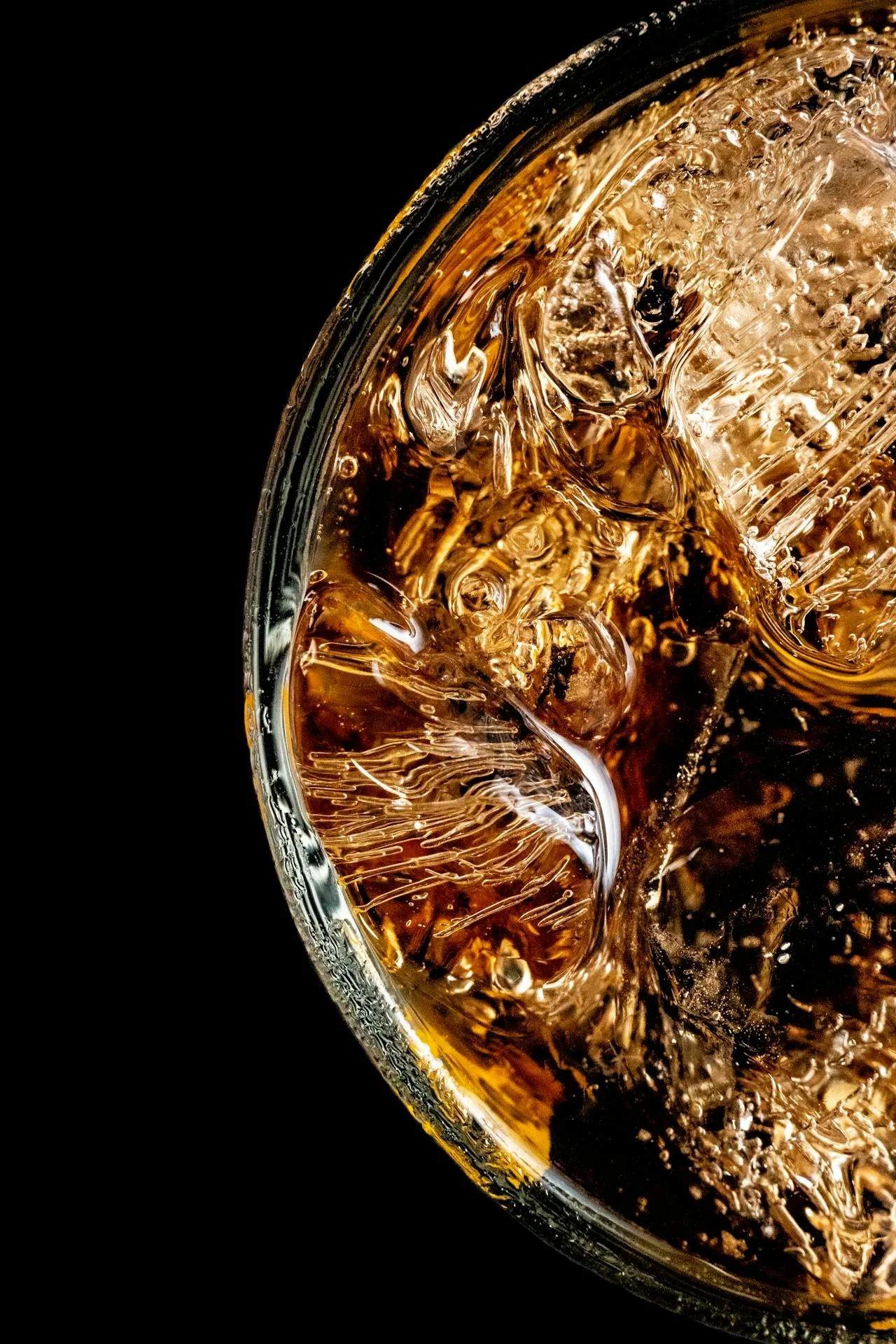
4 Ways To Beat Your Diet Soda Addiction In One Week
ABSTRACT
Diet soda may look “light,” but research links artificial sweeteners to weight-management challenges and cardiometabolic risks—making it harder to lose weight. This Denver personal trainer explains the negative effects of diet soda, why cravings persist, and how to replace it with better options like tea, coffee, and fruit-infused seltzer. Follow a simple 7–10 day plan to quit diet soda, stabilize your energy and blood sugar levels, and support long-term weight loss. If you’re in Denver and need expert guidance on sustainable strategies, including diet soda addiction, healthy swaps, and weight-loss coaching, this plan is for you.
Research-Based Citations
World Health Organization guideline advising against using non-sugar sweeteners for weight control (conditional recommendation). World Health Organization+1
Systematic review & meta-analysis linking non-nutritive sweeteners to weight gain/obesity and adverse cardiometabolic outcomes in observational cohorts. CMAJ+1
Prospective cohort analysis associating artificial sweetener intake with higher cardiovascular disease risk. BMJ
Keywords
diet soda weight loss
negative effects of diet soda
artificial sweeteners metabolic syndrome
quit diet soda plan
Denver personal trainer weight loss
diet soda and insulin resistance
artificial sweeteners cardiovascular risk
diet soda cravings and appetite
healthy alternatives to diet soda (tea, seltzer, coffee)
Does diet soda stall weight loss in Denver
7–10 day plan to stop diet soda
Denver weight loss coach for soda addiction
How to replace Diet Coke with healthier drinks
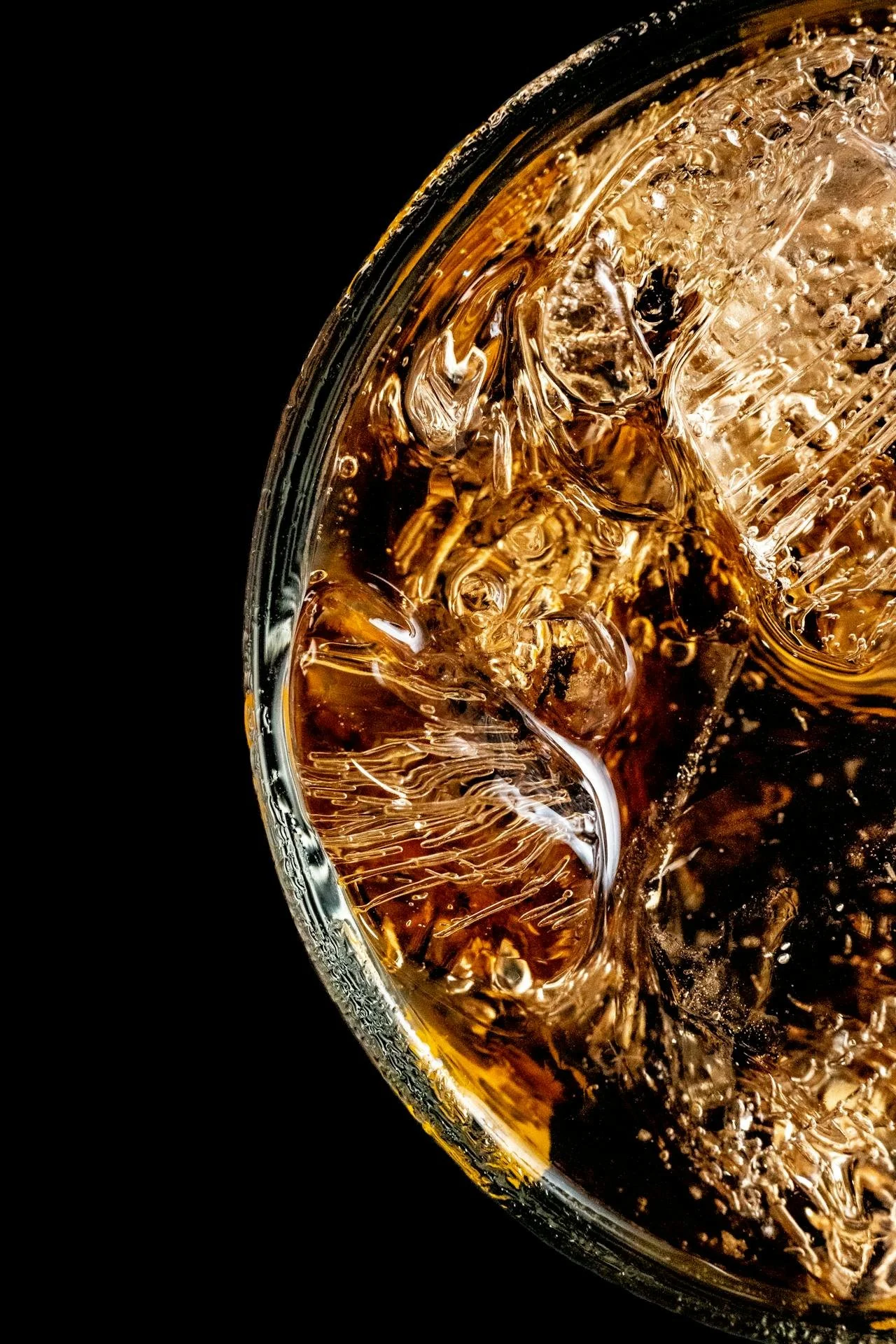
Artificial Sweetener Effects / Photo: Quiony Navarro
Introduction
Although drinking diet soda may seem like a healthy alternative, it doesn't help my personal training clients in Denver achieve the weight loss results they desire (and perhaps you, too!). Check out this article on the negative effects of diet soda and how to overcome your addiction in one week.
*********
Sure, diet soda isn't the sugar and calorie bomb that regular soda is, but it's not exactly harmless either. "Not only is there little evidence that diet drinks help people maintain or lose weight," says nutritionist Marion Nestle, PhD, professor of nutrition at New York University and author of the forthcoming book, Soda Politics: Taking on Big Soda (and Winning), "but there's some evidence that diet drinks cause similar metabolic problems to sugary drinks."
Indeed, a University of Minnesota study of nearly 10,000 adults found that just one diet soda a day triggered a 34% higher risk of metabolic syndrome, that cluster of symptoms that includes belly fat and high cholesterol and can lead to heart disease. "Anything with a heavy sweet taste, even if it's not technically sugar, may stimulate insulin release," explains Jacob Teitelbaum, MD, author of the Complete Guide to Beating Sugar Addiction. "When it becomes excessive, you start to see a rise in insulin resistance, diabetes, and heart disease." Part of the reason it becomes excessive is that your taste buds get used to sweetness and then require more and more to feel satisfied.
The artificially sweetened, caramel-colored bubbly has also been shown to cause tooth decay, thinning bones, kidney decline, and greater odds of obesity. In a University of Texas Health Science Center study, sipping two or more cans a day expanded waistlines by 500%. (Looking to cut excess sugar out of your life as well? Try the 21-day step-down plan in Sugar Smart Express.)
To curb your cola consumption, you could try weaning yourself slowly—cut out one can a day for two weeks; then mix the remaining one with water (uh, ew, but people are apparently doing it); then go down to half a can… but Teitelbaum believes there's a better way. "The issue is that it's an addiction—something is driving the craving," he says. "If you don't address what's driving the craving, it won't go away."
Here's how you might be using diet soda to achieve various goals—and the healthier way to meet those needs. "Whatever way you choose to do it, have a plan," advises Londa Sandon, assistant professor of clinical nutrition at the University of Texas Southwestern Medical Center. "Have other drinks on hand to replace your soda with."
1. YOUR DIET SODA MOTIVATION: YOU NEED ENERGY.
If you pop a can of diet soda when you're looking for a pick-me-up, it could be the caffeine you're after.
Your diet soda detox: Try coffee or tea, which are rich in antioxidants for a measure of disease protection. It's okay to sweeten them lightly—as long as you choose Stevia, a naturally sweet plant extract, or a teaspoon of honey, and not three packets of table sugar or the artificial stuff. Sandon recommends fruit-flavored iced tea, such as Celestial Seasonings' cold brew peach or berry, because the fruit provides a natural sweetness.
It's also a good idea to get more sleep so you're not chronically exhausted and dependent on caffeine to get through the day.
2. YOUR DIET SODA MOTIVATION: YOUR BLOOD SUGAR IS LOW.
If you get irritable, shaky, or lightheaded and feel overwhelmed by everyday stressors, it could be that your adrenal glands need support. "Their job is to make more sugar during periods of stress," Teitelbaum explains. "When they get exhausted from being chronically activated, your blood sugar will drop and you won't have the hormones to manage it."
Your diet soda detox: Teitelbaum advises dispensing with as many day-to-day stressors as possible. Do you really need to watch TV news at breakfast and start your day with terrorism and tornadoes? In the meantime, avoid blood-sugar dips by not skipping meals (aim for three meals and two snacks daily); spread your protein throughout the day (add grilled chicken or chickpeas to that pasta salad); and keep a supply of nourishing snacks (like a ⅓ cup of nuts and raisins) on hand for a blood sugar reboot. Nuts are a healthy fat that slows the absorption of sugar, and raisins have natural sugars that will bring you back into balance.
You can also rehab your adrenal glands with supplements of vitamin C (500 mg), vitamin B5 (50-100mg), and licorice tea, Teitelbaum says.
3. YOUR DIET SODA MOTIVATION: YOU'RE (UNCONSCIOUSLY) FEEDING YEAST IN YOUR BODY.
If you have chronic nasal congestion, sinusitis, spastic colon, or irritable bowel syndrome, you could be heeding sugar cravings caused by yeast or candida overgrowth in your intestinal tract.
Your diet soda detox: "A good probiotic and getting off sugar will kill the yeasty beasties," Teitelbaum says. In the meantime, find a diet soda alternative that doesn't feel like punishment.
Teitelbaum likes to trick out tea with Stevia, cinnamon, and nutmeg. Sandon recommends fruit-infused water or seltzer. "Lemon-flavored seltzer with a splash of cranberry juice is my favorite," she says. (Give these 25 simply delicious water recipes a try.)
4. YOUR DIET SODA MOTIVATION: YOUR HORMONES ARE IN FLUX.
If you're heading into peri-menopause, hormonal fluctuations can cause insomnia, headaches, fatigue, or mild depression, all of which can trigger sugar cravings.
Your diet soda detox: Explore ways to kick up your estrogen, which increases the feel-good brain chemicals serotonin, dopamine, and norepinephrine. Teitelbaum recommends taking a page from Japanese women and grabbing a handful of edamame or drinking soy milk, because soy has plant compounds called isoflavones that mimic estrogen in the body. If that doesn't cut it, go for nature's treats—an orange, a banana, a handful of berries, or two squares of dark chocolate.
It may take 7 to 10 days to stop craving diet soda, Teitelbaum says, depending on how effectively you address the root cause. And if you still indulge occasionally, that's okay, too. "The bottom line is really to drink sodas of any kind in moderation," Sandon says. "By this, I mean not every meal or every day. Save them for special occasions."
ABOUT THE AUTHOR: MICHAEL MOODY, PERSONAL TRAINER
As an author, a personal trainer in Denver, and podcast host, Michael Moody has helped personal training clients achieve new fitness heights and incredible weight loss transformations since 2005. He also produces the wellness podcast "The Elements of Being" and has been featured on NBC, WGN Radio, and PBS.
Michael offers personal training to Denver residents who want to meet at the 2460 W 26th Ave studio….or in their homes throughout LoHi (80206), LoDo (80202), RiNo (80216), Washington Park (80209), Cherry Creek (80206, 80209, 80243, 80246, 80231), and Highlands (80202, 80211, 80212). Michael also offers experiences with a personal trainer in Jefferson Park (80211) and Sloan's Lake (80204, 80212).
If you’re looking for a personal trainer who can curate a sustainable (and adaptable) routine based on your needs and wants, Michael is the experienced practitioner you’ve been looking for. Try personal training for a month…your body will thank you!

Real-Life Lifestyle Changes: Plant-Based Swaps, 30-Minute Workouts, Better Sleep & Less Sugar
ABSTRACT
Looking for realistic lifestyle changes that actually stick? This guide highlights client-tested habits—such as adopting a plant-based diet, engaging in strength training twice a week, taking more daily steps through short morning workouts, and reducing added sugar/simple carbs—to boost energy, mood, and overall health. You’ll also find ideas for improving sleep consistency, reducing alcohol and caffeine intake, gentle meal tracking, and setting boundaries with toxic influences. Use these small, sustainable changes to build momentum and feel better fast.
Additional Sources
CDC – Physical Activity Guidelines for Adults: At least 150 minutes of moderate activity per week, plus muscle-strengthening exercises on two or more days, supports cardiovascular, metabolic, and mental health. CDC
Harvard T.H. Chan School of Public Health – Plant-Based Eating: Higher-quality plant-forward patterns are linked with a lower risk of heart disease, hypertension, and diabetes, while providing adequate nutrients (with special attention to B12 for strict vegans).
Keywords
lifestyle changes to improve health
plant-based diet benefits
strength training twice a week
reduce added sugar / simple carbs
morning workout routine
daily steps goal / 30-minute workouts
better sleep habits / sleep consistency
reduce alcohol consumption
meal tracking without obsession
remove toxic people / set boundaries

Lifestyle Changes / Photo: Prasanth Inturi
Introduction
Recently, I asked my personal training clients and friends, "Which lifestyle changes in the last year positively affected your life the most?" and here are their answers (they may give you an idea for a change you can make today)!!!
Diet! I made this change recently, and I can already read my body's response to what I eat much better. - R.K.
Adopt a more plant-based diet and (try to) reduce alcohol consumption! The second one is more of a work in progress...lol - A.S.
Two things come to mind: weight training twice a week and cutting out any sweeteners or flavor syrups from coffee drinks. - J.K.
I have become more veggie-centric in my life than I was in my former cheese-centric existence. That, by tracking my meals without becoming obsessed with every little thing I'm doing, and by generally focusing on my overall health and fitness goals in the macro, not the micro, has had the most positive impact on me. I know I have a long way to go and have had some setbacks, but I also know I am on the right path, which has made all the difference! - C.M.
Beyond Sausages. - W.W.
Starting each morning with a light workout. Stopped purchasing and eating bread and pasta during the week. - D.P.
Removing negative people. - S.R.
Seriously, hitting the gym, even if only 30 minutes a day. I don't look drastically different, but I feel much better! - B.L.
Cut out (simple) carbs, down 30lbs. - A.H.
Start each day fresh and put yesterday behind you! - A.R.
Sleep. - A.Z.
Doing more things for myself. - K.H.
I’ll give you two. I started calling my mom nearly daily after my dad passed. Additionally, it may sound unusual for someone my age, but I've cut back on the time I spend playing video games, which has led to less time on devices and, in turn, increased my engagement with my family. - G.S.
Eliminating caffeine, gluten, dairy & soy for almost six months now. Total Game Changer! - S.M.
It’s straightforward. I decided to be more active. Get up and move. Stand. Walk. Go outside. Stretch. Practice breathing. Continue to be more active than the previous day. I use steps on Fitbit as one form of measurement. - R.L.
Going to church every week. - J.L.
Picking what is worth fighting for and what will not matter 5 minutes from now. - J.O.
Moving home from San Francisco. I now have time to exercise again!! - L.V.
Moving to VA. That and eliminating dairy. - M.C.
Working it, everything, from the TOP DOWN. Going after the big things relentlessly, instead of wasting effort on building small, step-by-step. - R.J.
Listen to others rather than hear them, and be more patient (automatically increased if you have a toddler at home :-) ). - C.C.
Letting go of unhealthy/toxic people in my life. I am learning to lower my expectations in various situations, so I will be less likely to be disappointed. - M.D.
Reading God’s word and praying daily. Brings light into darkness and peace over despair. - B.H.
The lifestyle change that affected me the most was the consistency of doing workouts and other activities, such as sleeping at the same time. This helped me work out efficiently and feel more rested. Overall, I feel like the healthiest person I can be! - B.C.
Getting help from others. Eating better (reducing sugar and salt intake). - S.S.
ABOUT THE AUTHOR: MICHAEL MOODY, PERSONAL TRAINER
As an author, a personal trainer in Denver, and podcast host, Michael Moody has helped personal training clients achieve new fitness heights and incredible weight loss transformations since 2005. He also produces the wellness podcast "The Elements of Being" and has been featured on NBC, WGN Radio, and PBS.
Michael offers personal training to Denver residents who want to meet at the 2460 W 26th Ave studio….or in their homes throughout LoHi (80206), LoDo (80202), RiNo (80216), Washington Park (80209), Cherry Creek (80206, 80209, 80243, 80246, 80231), and Highlands (80202, 80211, 80212). Michael also offers experiences with a personal trainer in Jefferson Park (80211) and Sloan's Lake (80204, 80212).
If you’re looking for a personal trainer who can curate a sustainable (and adaptable) routine based on your needs and wants, Michael is the experienced practitioner you’ve been looking for. Try personal training for a month…your body will thank you!
Personal Trainer Blog
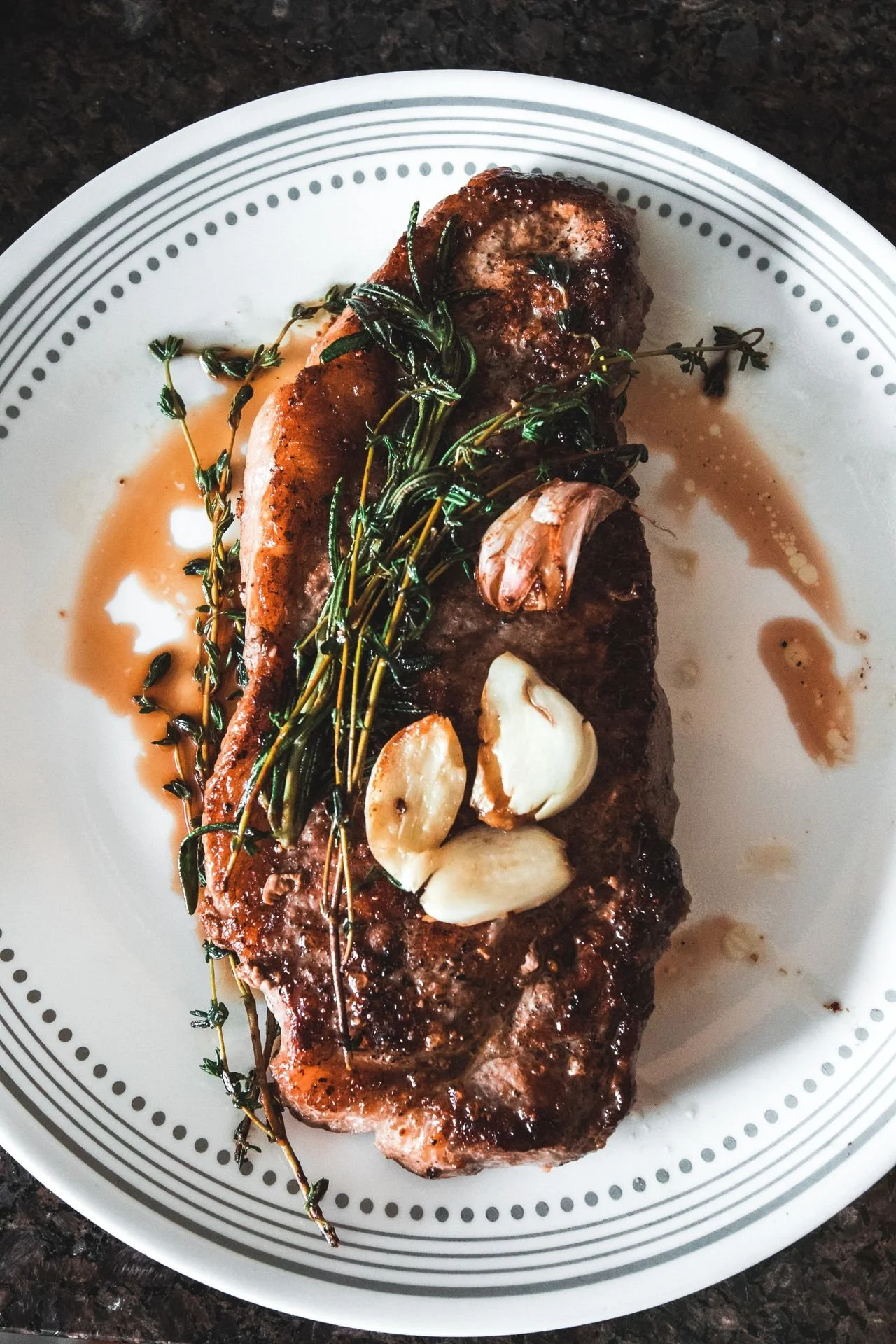

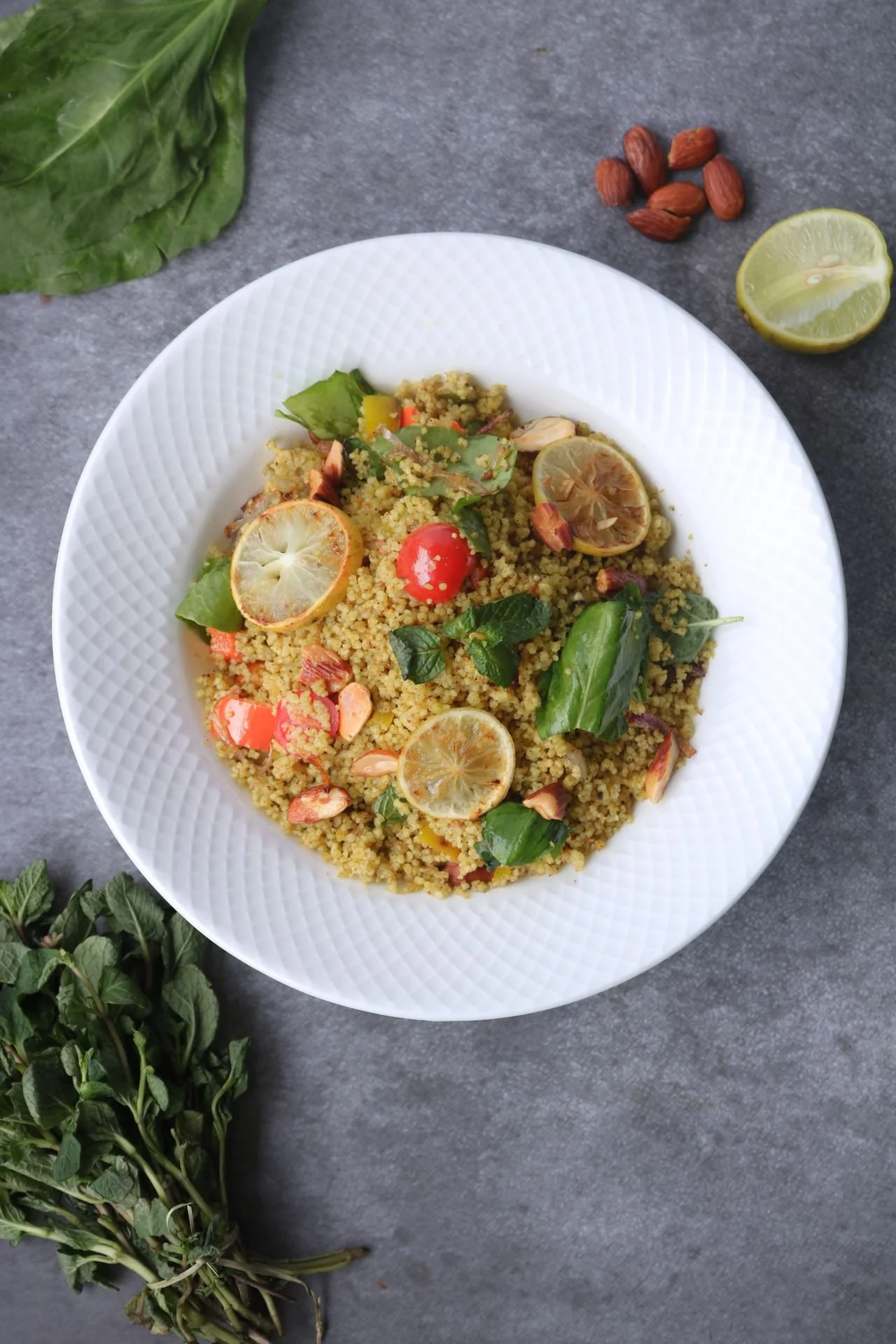













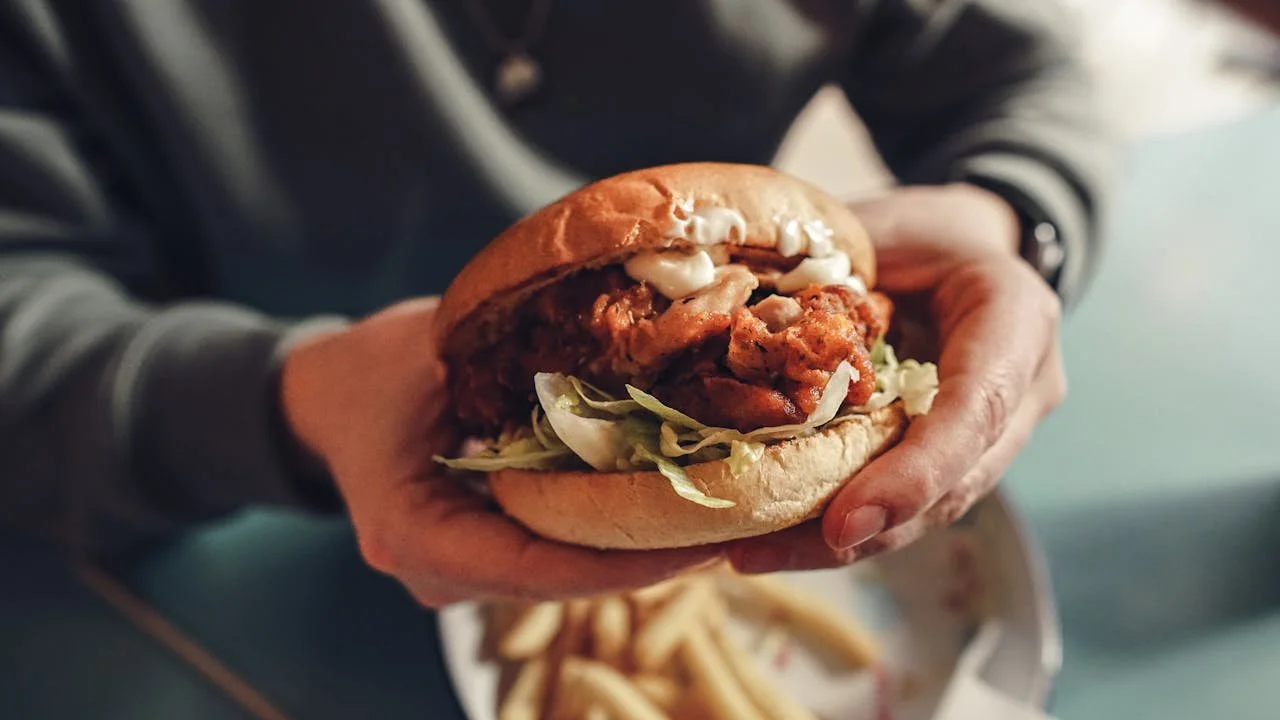


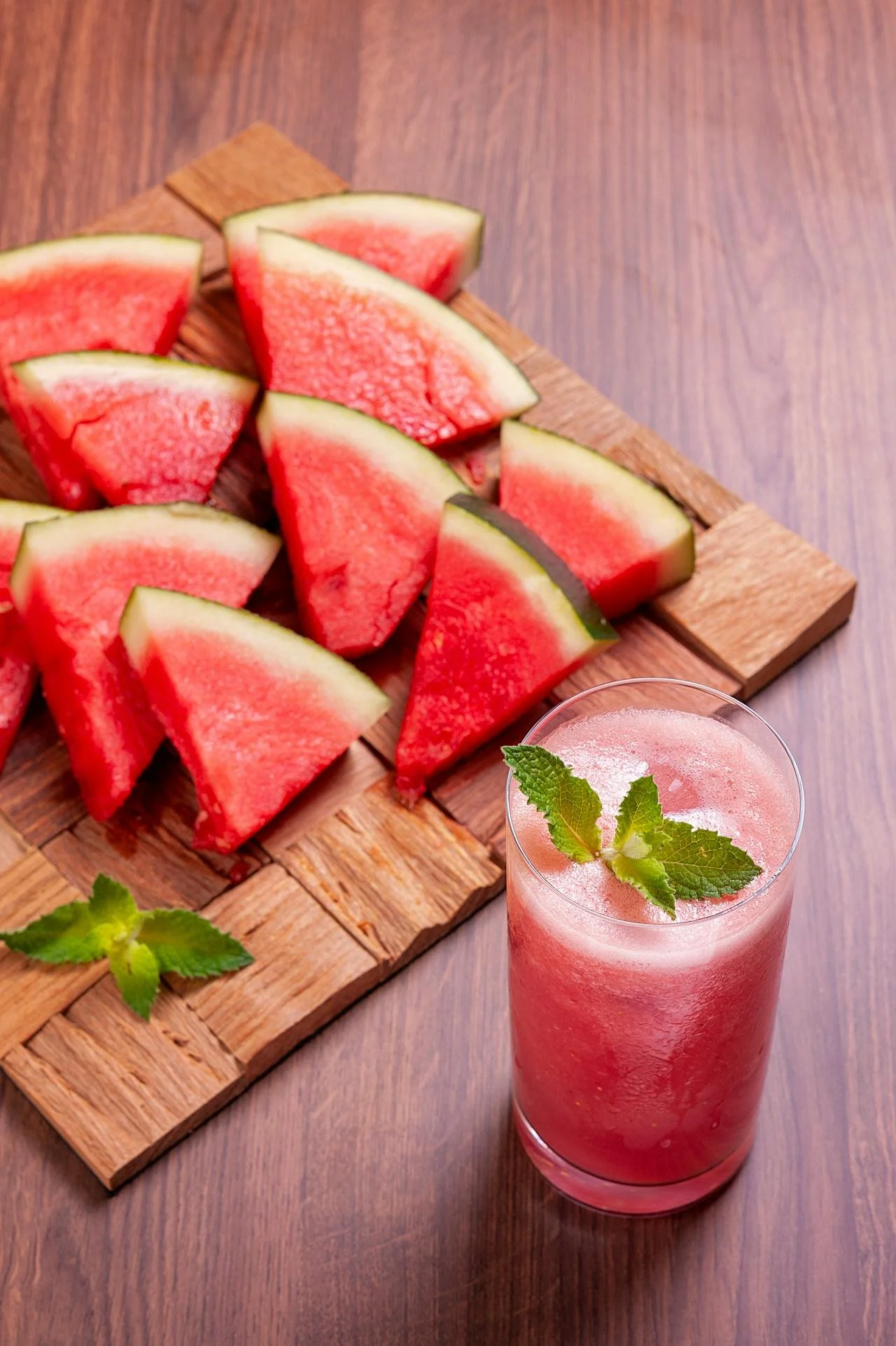
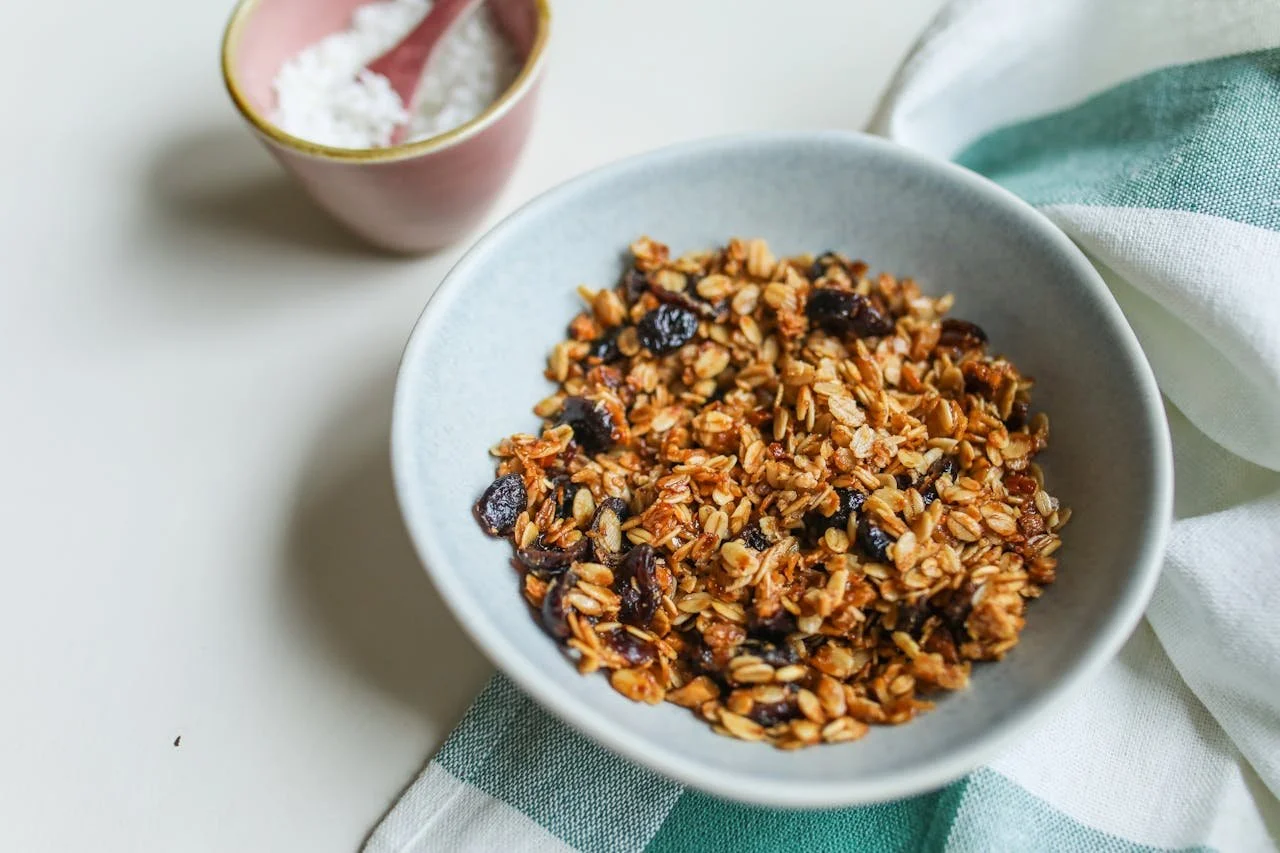
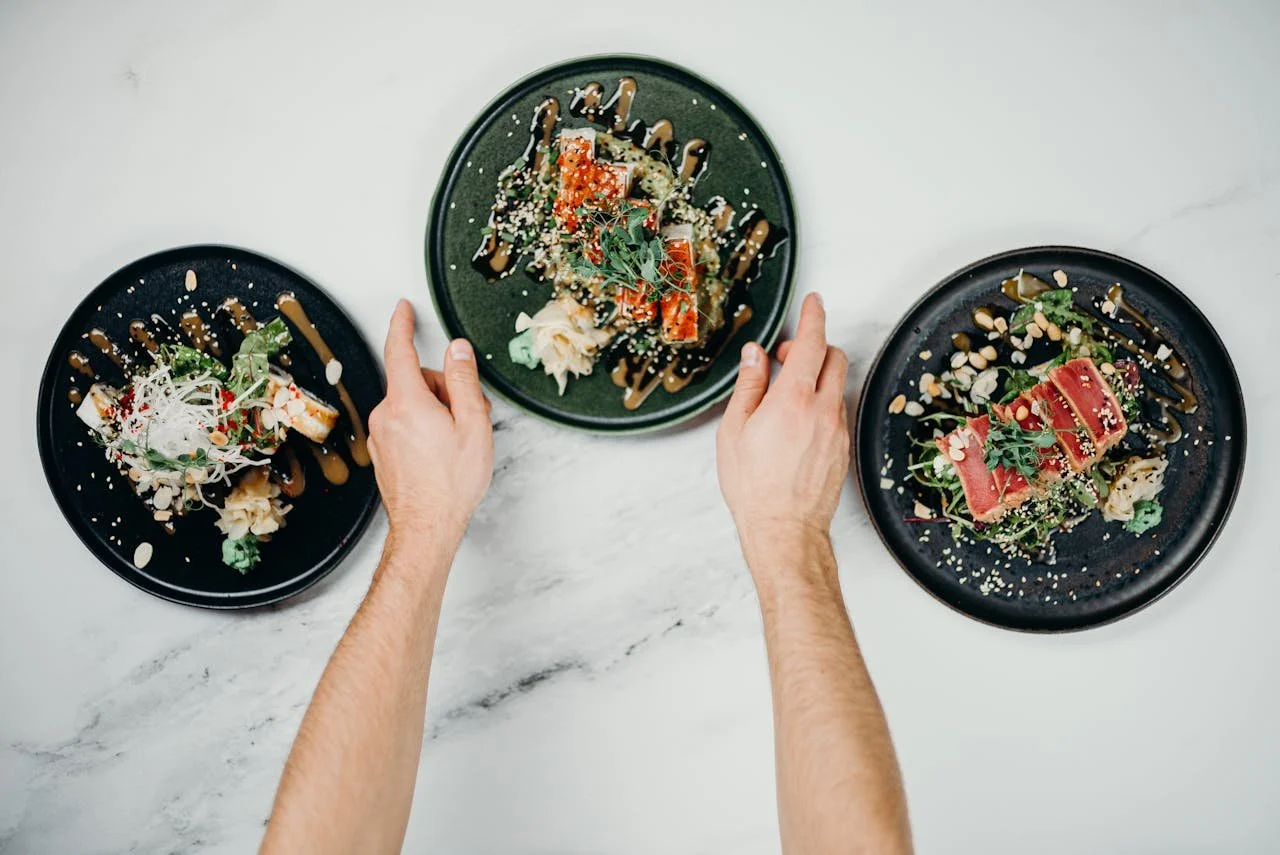

7 Diet Questions That Jump-Start Weight Loss (Personal Trainer Guide)
ABSTRACT
Not losing weight? Start with the right diet questions: track three days of meals, set a calorie deficit (about 300–400 calories per meal), and dial in a macronutrient ratio rich in vegetables, protein, and fiber. Reduce foods that cause inflammation—refined grains, processed foods, dairy, alcohol, and high-saturated-fat meats—and watch fruit sugar and simple carbs. Discover how alcohol impacts weight loss, the importance of 3–5 hours between meals, and strategies for intentional snacking, all provided by a Denver personal trainer.
Keywords
diet questions for weight loss
questions to ask before starting a diet
how many calories per meal to lose weight
300–400 calories per meal
1200–1500 calories a day plan
calorie deficit for fat loss
macronutrient ratio for weight loss
plant-forward weight loss meals
high-fiber meals for weight loss
foods that cause inflammation weight gain
reduce refined grains and sugar
fruit sugar grams per meal
simple carbs vs complex carbs weight loss
alcohol and weight loss
low-calorie alcohol options
meal timing 3–5 hours digestion
stop snacking to lose weight
personal trainer diet tips
nutrition coaching Denver
Denver personal trainer
weight loss coach Denver
anti-inflammatory diet for fat loss

Weight Loss Strategies / Photo: Vlada Karpovich
Introduction
Maybe you’re not losing weight because you’re not asking yourself the right questions. Write down what you currently eat for three days and then ask yourself the following:
The List of Diet Questions
How Many Calories Do You Consume at Each Meal?
How many calories do you typically consume per meal? Most personal training clients lose weight within the daily caloric range of 1200-1500 calories (you must determine the healthiest amount). To do this, you must limit your calorie intake to 3-400 calories per meal. Do they exceed this amount? What food items typically push you over the limit? How will you minimize these items?
What is the BREAKDOWN OF EACH MEAL?
You always want to eat with intent and choose the most nutrient-dense foods. "Cutting calories is enough for me, thank you, Mr. Personal Trainer," you say in response. The truth is that your personal trainer will help you lose 5-10 lbs initially with a caloric deficit. After that, you may hit a wall as your body processes the malnutrition of your choices, inflammation, fluctuating blood sugar levels, and more. Consider this - A typical meal should contain the following ratios:
· 45-55% Plant Nutrients/Vegetables (dark green, starchy, red/orange, etc.)
· 25-40% Protein (lean white meat, fish, soy, eggs, vegetables, nuts, beans, etc.)
· 25% Fiber (beans, legumes, fruit, seeds, vegetables, etc.)
What is the typical ratio for each of your meals? Does your meat intake exceed the number of plants on your plate? What do you typically favor for each meal? Are you still following the ‘Food Pyramid’ from the 1970s?Are Your Food Choices Causing INFLAMMATION?
Our bodies are equipped to handle quite a bit. Like the rest of nature, the human body has boundaries, too. The following items have been scientifically proven to cause weight gain, gout, inflammation, and more:
· White flour and refined grains (breads, crackers, rice, cereals, etc.)
· Processed foods (products with additives and preservatives; genetically modified foods; or anything else not in its whole, natural form)
· Dairy (butter, milk, and cheese processed from animals)
· Alcohol, refined sugar, and artificial sweeteners
· Animal protein with high levels of saturated fat (red meat, pork, wild game, etc.)
How much of each item do you typically consume within a meal? A day? What do you choose the most? Which items are you willing to cut out or cut down by 15%? 30%? How will you minimize these foods? What tasty options will you substitute? Are you being stubborn (I kid, I kid, I kid…or am I :p)?How Many Grams OF FRUIT SUGARS, Refined GRAINS, AND SIMPLE CARBS do you consume?
How much of these choices are consumed in each meal? Is more than 25% of each meal fruit, whole grains, and simple carbs? Ever wonder why vegans and vegetarians struggle with weight loss? It's most likely a result of their consumption of fruit sugar, whole grains, and simple carbs (delicious Girl Scout cookies, ALL slices of bread, rice, crackers, chips, candy, ice cream, and everything else devilish that you crave). Anything above 15 grams of fruit sugar per meal will spike your blood sugar levels...not ideal for losing weight and maintaining stable insulin levels (refined sugars have a worse, quicker-acting effect). Simple carbs, as well as whole grains, can do the same. Disclaimer: The fiber in the whole grains will offset this effect in smaller amounts. What is the refined and fruit sugar breakdown of your favorite meals? Are there more nutrient-dense alternatives to typical fruit sugar, grain, and simple carb choices that provide the fiber you need?
Are You Consuming Too Much ALCOHOL?
How many calories do you think you consume in a single week from alcohol? Eating and drinking are most likely part of your culture (not your fault :) ) if you live in the Midwest. Since alcohol is a liquid grain packed with a lot of sugar (of course, there are exceptions), it will also spike your blood sugar levels. If drinking alcohol is part of your diet, what are you willing to exchange in return? In other words…when you order alcohol, what other simple carbs or sugars are you exchanging (i.e., one beer instead of two scoops of rice)? What low-calorie, low-sugar alcohol options are you willing to consider to achieve your weight loss goals?
Are You Allowing Enough Time to Absorb Your Last Meal?
What time do you eat each meal? Timing is everything, and it usually takes 3-5 hours for proper digestion and absorption. You want to avoid eating more food than your body can process at a given time (you know what happens then). At the same time, you want to limit any nutritional deficiency (who knows how your body will compensate). Do you ever feel stuffed or starved? Do you typically take more or less than 3-5 hours in between meals?
Is Snacking Pushing You Over Your Dietary Limits?
How often do you snack? You typically eat snacks because you're hungry (or bored...and that's a separate post). Listen to this cue! Erase the idea of snacking, though... It's just a filler food choice. You should always eat with intent, and your body is most likely ready for another meal. You can choose a combination with the ratio above in mind - even if it's only 100 calories. What thoughtful combination can you substitute? Should you rearrange your meal schedule instead?
ABOUT THE AUTHOR: MICHAEL MOODY, PERSONAL TRAINER
As an author, a personal trainer in Denver, and podcast host, Michael Moody has helped personal training clients achieve new fitness heights and incredible weight loss transformations since 2005. He also produces the wellness podcast "The Elements of Being" and has been featured on NBC, WGN Radio, and PBS.
Michael offers personal training to Denver residents who want to meet at the 2460 W 26th Ave studio….or in their homes throughout LoHi (80206), LoDo (80202), RiNo (80216), Washington Park (80209), Cherry Creek (80206, 80209, 80243, 80246, 80231), and Highlands (80202, 80211, 80212). Michael also offers experiences with a personal trainer in Jefferson Park (80211) and Sloan's Lake (80204, 80212).
If you’re looking for a personal trainer who can curate a sustainable (and adaptable) routine based on your needs and wants, Michael is the experienced practitioner you’ve been looking for. Try personal training for a month…your body will thank you!

17 Easy Ways to Cut 500 Calories a Day | Personal Trainer Weight Loss Tips
ABSTRACT
Looking for quick and simple ways to cut 500 calories a day? Discover 17 easy calorie-cutting tips from a personal trainer to help you create a sustainable calorie deficit. Learn how to reduce daily calories with smarter food swaps, healthier eating habits, and everyday lifestyle changes. Start losing weight the simple way with proven strategies for saving calories at restaurants, at home, and on the go.
Keywords
cut 500 calories a day
easy ways to lose weight
simple calorie cutting tips
personal trainer weight loss advice
how to reduce daily calories
save calories at restaurants
healthy eating swaps for weight loss
burn extra calories daily
calorie deficit tips
sustainable weight loss strategies
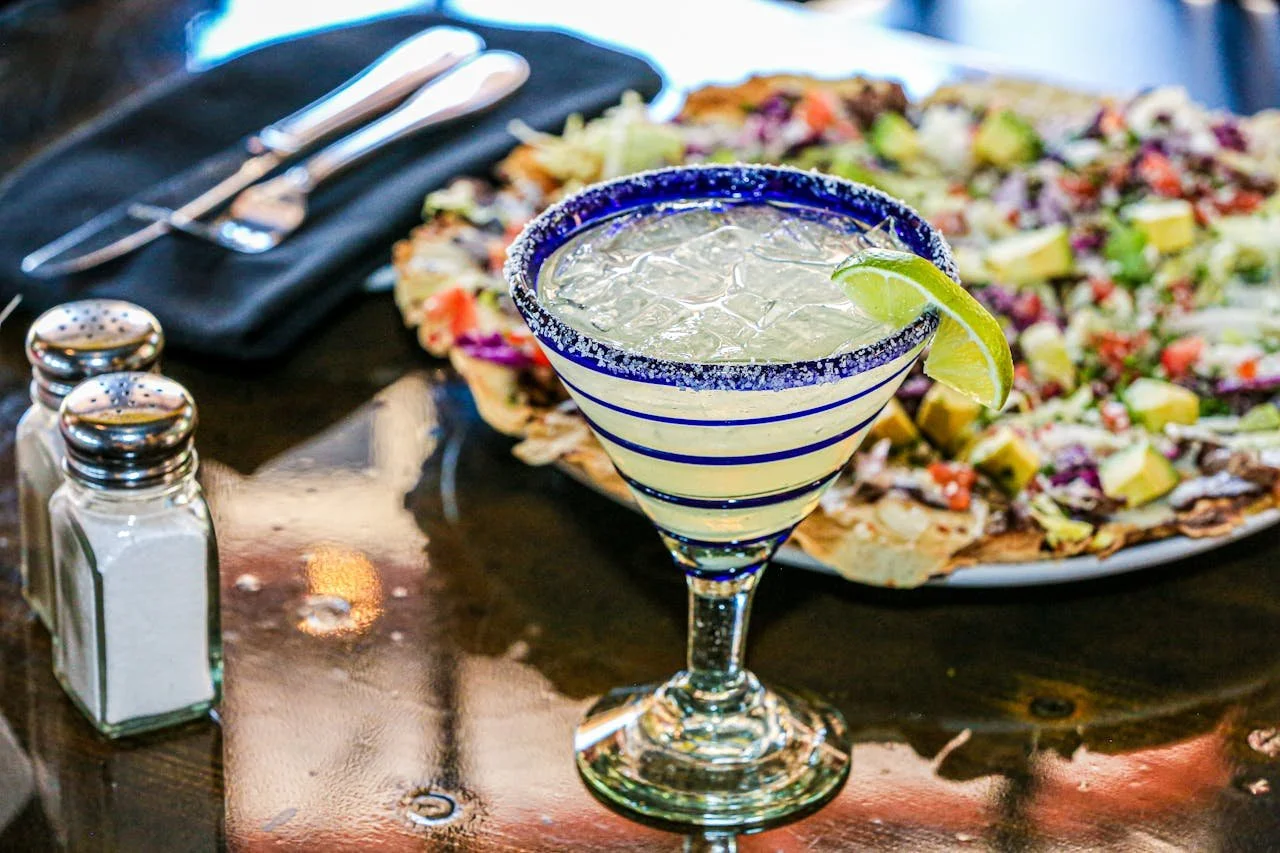
Introduction
My personal training clients are always looking for quick ways to shave off easy calories each day. I selected the top 17 from the recent article, "20 Easy Ways to Cut 500 Calories a Day."
List of Ways to Cut 500 Calories Daily
1. HAVE YOUR SANDWICH ON A SALAD.
Two big slices of bread with mayo can tally up to 550 calories.
2. SKIP THE HAPPY HOUR MARGARITA.
Chains that serve margaritas in 18-ounce glasses are tacking on roughly 800 calories. That's more than a meal's worth of calories.
3. OPT FOR BLACK.
A grande latte with no added sugar has 220 calories, while a cup of black coffee has two. If you typically drink two cups with some sweetener, you're saving at least 500 calories when you switch to black, says Platkin.
4. WHILE YOU'RE AT IT, TRY A COLD BREW ICED COFFEE.
You'll save about 405 calories over a Starbucks Grande Mocha Frappuccino.
5. CHEW SLOWER.
Chewing each bite twice as much as you normally do allows you to feel fuller on less food. Research suggests you can reduce what you eat at each meal by 100 to 120 calories (eliminating nearly 400 calories) and you can be satisfied on smaller snacks this way, as well.
6. QUENCH YOUR THIRST WITH WATER AND A LEMON SQUEEZE INSTEAD OF SODA.
You'll save nearly 200 calories for every cola you skip. Swap out three drinks a day, and you'll easily clear 500 calories.
7. COOK YOUR MEALS AT HOME.
A 2014 study found that people who cooked dinner at home consumed about 140 fewer calories than people who typically ordered in, dined out, or heated up pre-made meals. Make your own breakfast and lunch and you'll be nearing that 500-calorie deficit.
8. DON'T SIT STILL.
A Mayo Clinic study found that people who fidgeted throughout the day burned 350 more calories than their sedentary counterparts. Head out for a stroll during your lunch hour to burn an additional 150 calories.
Personal Trainer Wisdom: The key idea here is movement (you don't have to fidget all day).9. ASK YOUR WAITER TO BOX UP HALF YOUR MEAL BEFORE IT GETS TO THE TABLE.
You'll save about 750 calories on average, according to a new study. Researchers found that a typical meal at an American, Italian, or Chinese restaurant contains nearly 1,500 calories, which is far more than anyone needs at one meal.
10. SWAP PRIME RIB FOR SIRLOIN.
You'll cut about 700 calories. A 16-ounce prime rib at a restaurant has about 1,400 calories. A sirloin steak, on the other hand, is only 700. For even bigger savings, chose filet mignon. Typically, it's nine ounces and just 450 calories.
Personal Trainer Wisdom: Don't forget that this suggestion doesn't necessarily mean that a filet mignon is healthy...it's just a better choice in terms of calories.11. PUT YOUR FORK DOWN BETWEEN BITES.
Slowing your pace at meals allows you to eat up to 300 fewer calories a meal, according to a study in the Journal of the American Dietetic Association. In 24 hours, your savings will be well over 500 calories.
12. GET 7 TO 8 HOURS OF SLEEP.
You'll cut at least 300 calories. Research shows that sleep deprivation slows our metabolic rate and increases our appetite for sweets. One study in the American Journal of Clinical Nutrition showed that people who slept four hours per night consumed 300 more calories than people who slept a normal amount. Well-rested folks are also much more likely to exercise, and even a short workout can burn 200 calories.
13. DON'T DIP YOUR BREAD IN OLIVE OIL.
Just a few slices will adds up to more than 500 calories—and it won't put much of a dent in your hunger. As a condiment, it mostly adds calories. Instead, avoid the bread plate altogether.
Personal Trainer Wisdom: The calories from olive oil are mostly fat...not ideal for a slim waistline. Also, it's highly processed and nutrient stripped. If you need more healthy fat, find it in a "whole form" like an avocado.14. MIX UP YOUR WALKS.
A study in Biology Letters found that adding short, fast bursts to your walks will burn up to 20 percent more calories, even over speed walking. That means an hour-long walk could easily burn an extra 90 to 120 calories. Exposing yourself to cold air also burns extra calories by making the body more sensitive to the hunger hormone leptin. Study participants who spent three hours of the day exposed to cold burned 250 extra calories.
15. DON'T TOUCH THE CHIPS AND SALSA.
Those deep-fried salty chips at your favorite Mexican restaurant offer little nutritional benefit. One basket of them packs a 645-calorie punch. The balance of salt and satisfying crunch also makes it nearly impossible to stop noshing.
16. EAT MUSHROOMS INSTEAD OF MEAT.
In a Johns Hopkins study, people who substituted mushrooms for red meat ate 444 fewer calories, enjoyed their meal just as much, and felt just as full. The only thing missing? The calories.
17. PUT AWAY YOUR PHONE DURING LUNCH.
People who looked at their phone during lunch, whether to peruse social media or to lose themselves in Candy Crush, tended to not remember their meal well, feel less full, and snack more in the afternoon. Plus, they ate about 200 more calories a day, according to a study in the American Journal of Clinical Nutrition.
Taking some time to clear your mind during will also save calories. Stress ramps up your fat-storing hormones and often leads to bad food choices. In a study of women over 50, those who felt stressed during the previous 24 hours took in 104 more calories than relaxed women did.
ABOUT THE AUTHOR: MICHAEL MOODY, PERSONAL TRAINER
As an author, a personal trainer in Denver, and podcast host, Michael Moody has helped personal training clients achieve new fitness heights and incredible weight loss transformations since 2005. He also produces the wellness podcast "The Elements of Being" and has been featured on NBC, WGN Radio, and PBS.
Michael offers personal training to Denver residents who want to meet at the 2460 W 26th Ave studio….or in their homes throughout LoHi (80206), LoDo (80202), RiNo (80216), Washington Park (80209), Cherry Creek (80206, 80209, 80243, 80246, 80231), and Highlands (80202, 80211, 80212). Michael also offers experiences with a personal trainer in Jefferson Park (80211) and Sloan's Lake (80204, 80212).
If you’re looking for a personal trainer who can curate a sustainable (and adaptable) routine based on your needs and wants, Michael is the experienced practitioner you’ve been looking for. Try personal training for a month…your body will thank you!
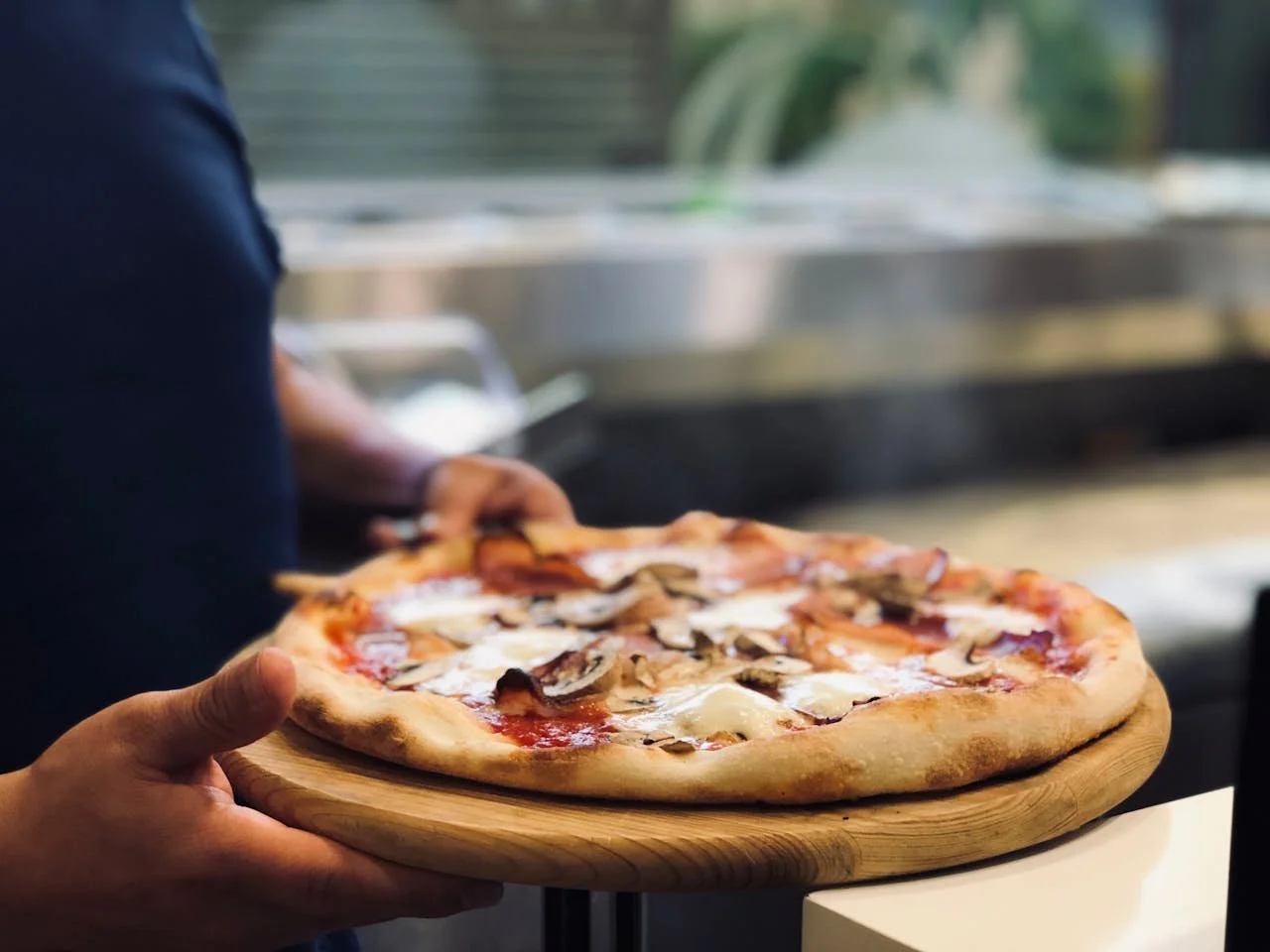
Healthy Midwestern Meal Alternatives: Easy Weight Loss Swaps
ABSTRACT
Discover healthy Midwestern diet alternatives that support weight loss and better nutrition. Learn easy whole food swaps for comfort foods like chili mac, pizza, lasagna, and more. These plant-based and high-veggie recipes help reduce processed ingredients, unhealthy fats, and excess meat. Transform your favorite meals into nutrient-dense, weight-loss-friendly dishes today.
Keywords
healthy Midwestern diet alternatives
weight loss meal swaps
healthy comfort food swaps
plant-based Midwestern recipes
healthy dinner ideas for weight loss
easy whole food recipes
Midwest comfort food makeover
vegan alternatives to Midwestern meals
high-veggie low-meat recipes
healthy swaps for common meals
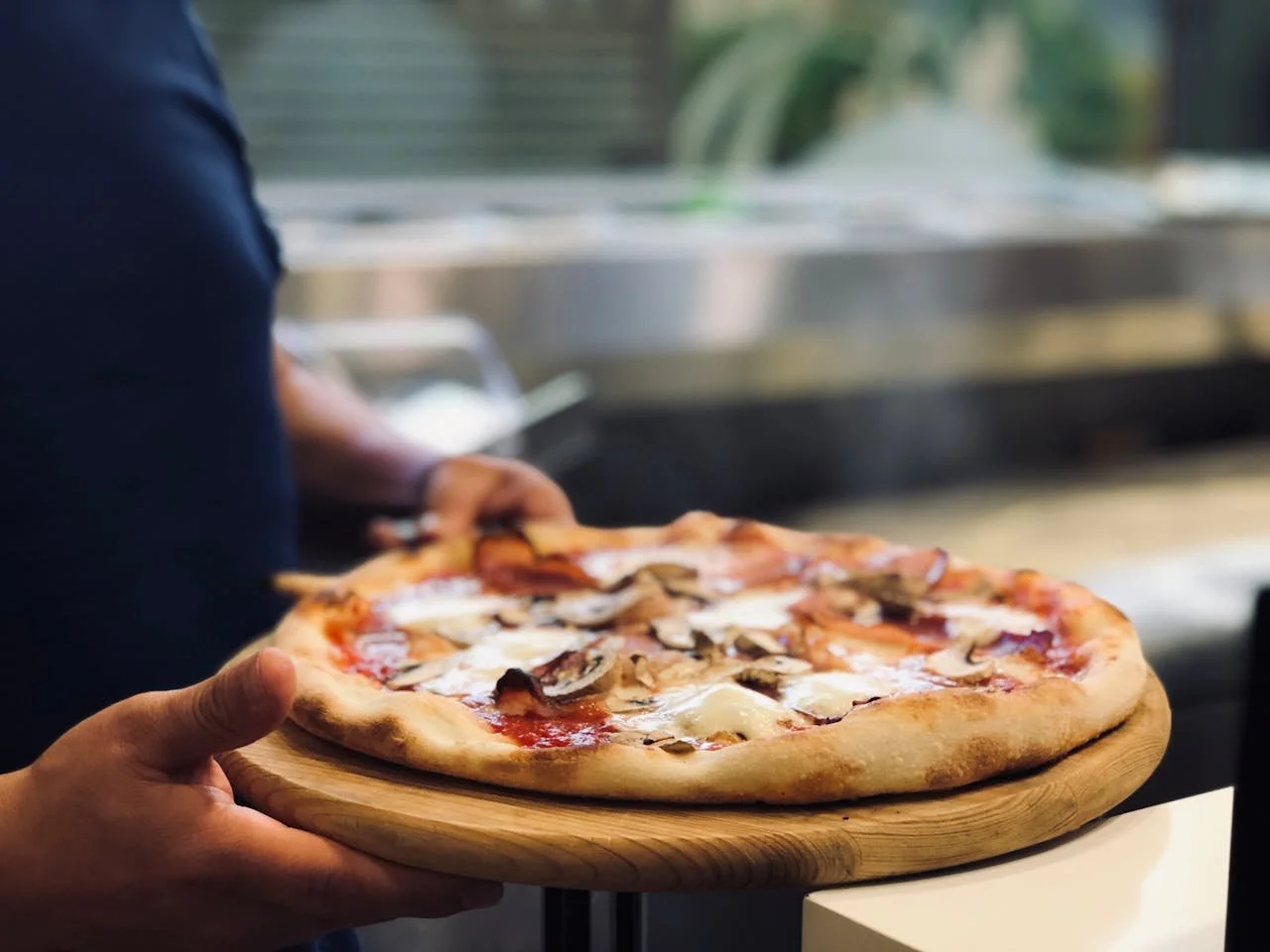
Pizza Weight Loss / Photo: Willo M.
Introduction
My personal training client in Denver recently wanted to ramp up her weight loss efforts. Our first step was examining her current slate of meals (the typical Midwestern diet) and identifying healthy alternatives. Take a look…the same meals are probably in your diet, too!
Disclaimer: Vegan, whole food, and plant-based ingredients will be your best first option. If you add animal products, be mindful of the amounts and the effect on your body.
QUICK SWAP/GENERAL CHANGES TO YOUR TYPICAL MEALS
-Organic ingredients only (or when possible).
-Reduced sodium for all canned products (less bloatedness).
-No lard in any canned bean products (less of the unnecessary bad fat).
-Meat (including all red meat, white meat, fish, seafood, etc.) should not be more than 25% of any dish (vegan is preferred for ALL 3-4 meals).
-Substitute chickpea pasta for regular pasta.
-Substitute white rice for vegetable rice.
-Eliminate cheese or swap it for a SMALL amount of Violife Cheddar Shreds. I hesitate to recommend a cheese substitute since it's still highly processed, and you will continue the craving (which will be dangerous when the substitute isn't available).
-No butter.
-The portion of vegetables must always be double the size of the meat at a minimum.
2. COMMON MEALS (AND THEIR HEALTHY ALTERNATIVES)
CHILI MAC
Healthy Alternative: Mexican mix (below) using the taco seasoning recipe (below) with Banza Chickpea Elbows Pasta (boil until el dente, and then quickly rinse with cold water). Meal Ratio: 1/4 ground chicken (2-4 oz), 1/2 veggies, 1/4 pasta.
PIZZA
Healthy Alternative: 365 Everyday Value Cauliflower Pizza Crust, 8 oz (frozen), tomato sauce, Violife Cheddar Shreds, roasted red bell peppers, fresh garlic cloves, basil.
LEMON GARLIC SAUCE CHICKEN, VEGGIES, AND PASTA
Healthy Alternative: 1/4 chicken (2-4 oz), 1/2 veggies, 1/4 Banza Chickpea Penne Pasta (or substitute with boiled and drained cauliflower rice).
GRILLED CHICKEN BREAST AND VEGGIES
Healthy Alternative: 1/4 chicken (2-4 oz), 3/4 veggies (grilled asparagus, broccoli, tomatoes, etc.).
GRILLED CHEESE
Healthy Alternative: Whole-grain bread with Violife Cheddar Shreds isn’t a nutrient-dense option alone. Make this a 1/4 of your meal, and add veggies for the rest.
LASAGNA
Healthy Alternative: Spaghetti squash lasagna bowls. 1 large spaghetti squash, 1/2 onion, 1.5 cloves of garlic, 4 ounces mushrooms, 1.5 cups kale, marinara sauce, and cashew ricotta sauce.
BEEF CHILI
Healthy Alternative: 1 diced medium yellow onion, 2 minced garlic cloves, 2 tbs tomato paste, 1 tsp salt, 1 tsp pepper, 1 cup dry green lentils, 1 (8 oz) can tomato sauce, 1 (14.5 oz) can petite diced tomatoes, 1 (4 oz) can diced green chiles or hot Rotel, 2 tsp chili powder, 2 tsp cumin, 1 tsp oregano, 2 green peppers, 3 tbs of Worcestershire, 1 can of drained kidney beans, and 1 can of drained pinto beans.
CROCKPOT BBQ CHICKEN
Healthy Alternative: Chicken breasts, green pepper strips, strips of sautéed onions and diced garlic, and Annie's Original BBQ Sauce. The chicken is only 1/4 of your meal, and the veggies are for the rest.
TUNA SALAD
Healthy Alternative: Wild Planet Wild Albacore Tuna Pouch (No Salt), 1 tbsp of Real Mayo, 1tsp of Trader Joe’s Lemon Pepper seasoning, ¼ tsp garlic powder, ¼ tsp onion powder, lemon garnish, and 1-2 tsp of diced pickle or relish.
CHICKEN CASSEROLE (CHICKEN, PEAS, CREAM OF CHICKEN SOUP, BREADCRUMBS)
Healthy Alternative: Chicken breasts, peas, vegan cashew sauce (https://cookieandkate.com/vegan-mac-and-cheese-recipe/), oats or quinoa (instead of breadcrumbs). The chicken is only 1/4 of your meal, and the veggies are for the rest.
TACOS (CHICKEN, LETTUCE, CHEESE, SHELLS)
Healthy Alternative: Mexican mix using the taco seasoning recipe. Meal Ratio: 1/4 ground chicken (2-4 oz), 1/2 veggies (beans, corn, lettuce, as well as chopped spinach and green peppers marinated in squeezed lime juice), and 1/4 El Milagro Corn Tortillas (only ingredients: corn, water, lime)…no cheese.
TACO SALAD (SAME AS ABOVE BUT IN A SALAD)
Healthy Alternative: Mexican mix using the taco seasoning recipe. 1/4 Ground chicken (2-4 oz), 3/4 Veggies (beans, corn, lettuce, chopped spinach, and green peppers marinated in squeezed lime juice)…no cheese.
BEEF MEATLOAF
Healthy Alternative: Ground chicken, diced green peppers, diced sautéed onions and garlic, oats or quinoa (instead of breadcrumbs), Organic Large Omega-3 Brown Grade A Eggs, Heinz Simply Tomato Ketchup, and Annie's Original BBQ Sauce…..but this still isn’t a nutrient-dense option alone. Make the meatloaf a 1/4 of your meal and add veggies for the rest.
3. BASIC Seasoning RECIPES FOR MIDWESTERN MEALS
MEXICAN MIX
1 lb ground organic chicken breast sauteed with 1 chopped medium onion and 2 chopped garlic cloves
2 cans of organic black beans
1 can Hot Rotel (or any diced tomatoes)
1 can Mexican corn
TACO SEASONING
2 tbs chili powder
1/2 tsp garlic powder
1/2 tsp onion powder
1/4 tsp red pepper flakes (optional)
1/2 tsp oregano
1 tsp paprika
3 tsp cumin
2 tsp salt
2 tsp pepper
ABOUT THE AUTHOR: MICHAEL MOODY, PERSONAL TRAINER
As an author, a personal trainer in Denver, and podcast host, Michael Moody has helped personal training clients achieve new fitness heights and incredible weight loss transformations since 2005. He also produces the wellness podcast "The Elements of Being" and has been featured on NBC, WGN Radio, and PBS.
Michael offers personal training to Denver residents who want to meet at the 2460 W 26th Ave studio….or in their homes throughout LoHi (80206), LoDo (80202), RiNo (80216), Washington Park (80209), Cherry Creek (80206, 80209, 80243, 80246, 80231), and Highlands (80202, 80211, 80212). Michael also offers experiences with a personal trainer in Jefferson Park (80211) and Sloan's Lake (80204, 80212).
If you’re looking for a personal trainer who can curate a sustainable (and adaptable) routine based on your needs and wants, Michael is the experienced practitioner you’ve been looking for. Try personal training for a month…your body will thank you!
PERSONAL TRAINER BLOG
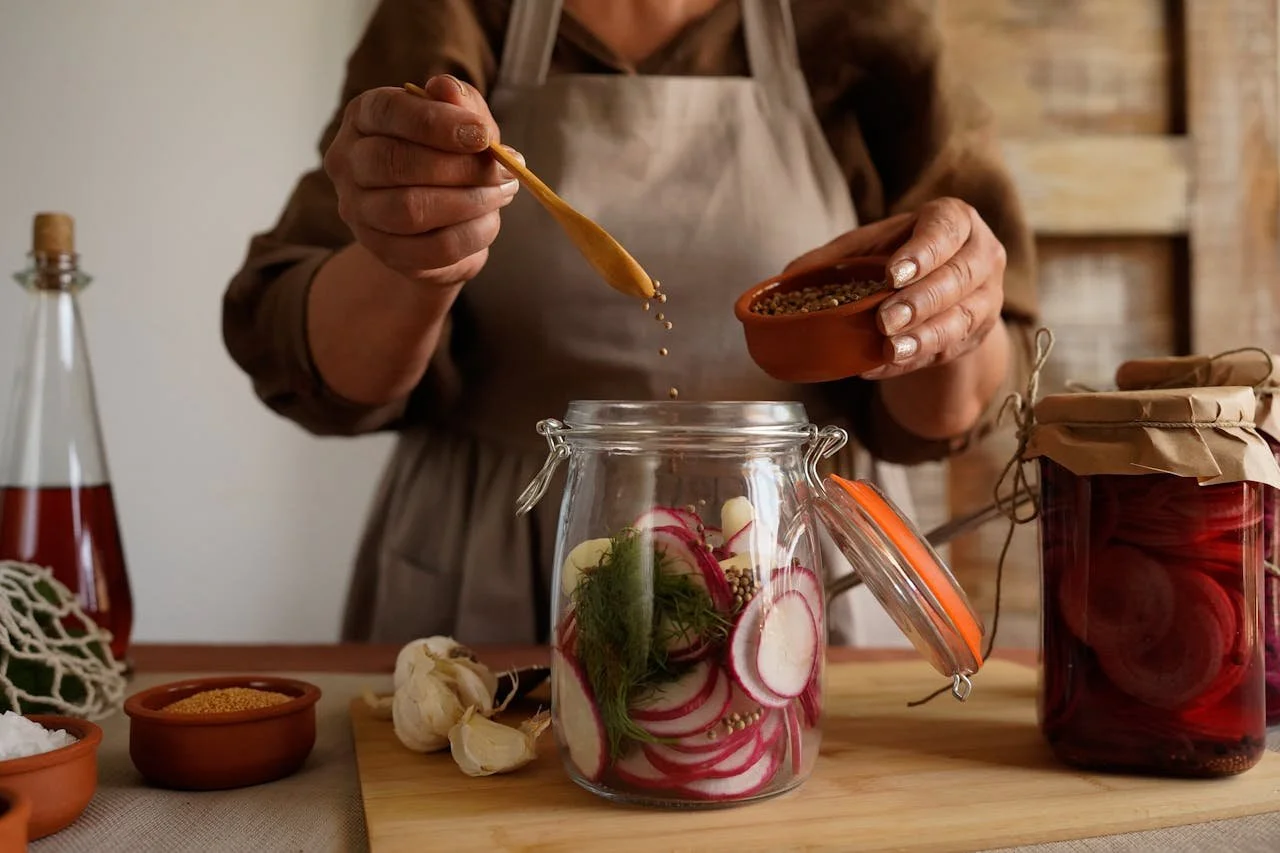
How Gut Health Impacts Your Mood: Top Foods to Boost Serotonin
ABSTRACT
Discover how gut health influences your mood through the gut-brain axis and serotonin production. Learn which high-fiber, fermented, and anti-inflammatory foods can balance your microbiome and support mental well-being. Backed by Stanford and UCLA research, this guide reveals simple dietary changes to boost gut-derived serotonin. Improve your mood naturally by feeding your second brain with optimal gut health strategies.
Keywords
gut health and mood
gut-brain axis serotonin
serotonin production in gut
foods for gut health
high-fiber gut foods
fermented foods benefits
anti-inflammatory gut diet
second brain gut health
microbiota mental health
probiotics for mood

Weight Loss Health / Photo: hello aesthe
Introduction
If you’ve been following the news over the past year, you know that the wellness world’s golden child is your gut. Though not as glamorous as the heart or brain, studies are showing that the status of your gut microbes can impact everything from your body’s inflammation and weight to your skin and brain health. And now we can add one more important aspect that your gut can influence — your state of mind.
One of the biggest influencers of mood in your body is a neurotransmitter called serotonin. Serotonin is sometimes referred to as the “feel good” hormone because of its ability to impact mood, anxiety, and happiness among other functions.
While some serotonin is created and used in the brain, between 80 and 90 percent of it is created in the intestines — our gut. There is recent evidence that the gut bacteria can even coax the intestines to produce more serotonin, says Erica Sonnenburg, Ph.D., senior research scientist at the Stanford University School of Medicine in the Department of Microbiology and Immunology and co-author of “The Good Gut: Taking Control of Your Weight, Your Mood, and Your Long-Term Health.”
How Your Happy Hormones Go From Gut to Brain
Located in the tissues that line the esophagus, stomach, and small and large intestines is a network of neurons, neurotransmitters, and proteins that send and receive impulses, record experiences, and respond to emotion.
This enteric nervous system (ENS) in your gut is also often called your body’s “second brain,” and it connects and communicates with your central nervous system (CNS). Scientists have known that the brain can send signals to the gut, which is exactly why things like stress can lead to gut issues like stomach pain, constipation, and diarrhea (we’ve all been there).
But current research is finding more proof that communication is a two-way street: The central nervous system can impact the enteric nervous system in the gut — and vice versa. So, in short, irritation and imbalance in the gastrointestinal system can send messages to the central nervous system causing mood changes.
Also, according to a 2015 report by Linghong Zhou and Jane A. Foster, various studies in which participants took a course of probiotics showed brain activity in the emotional centers of the brain, a reduction in the levels of the stress hormone cortisol and improved mood. “Overall, these studies in healthy individuals provide clear evidence of a link between microbiota and emotional processing,” the report says.
How Do You Know If Your Gut Balance Is out of Whack?
“We really don’t have the tools to tell at this point what is ‘normal’ [for your gut], but the field is advancing rapidly,” explains Dr. Kirsten Tillisch, an associate professor of medicine in the digestive diseases division at UCLA’s David Geffen School of Medicine. If you eat a typical Western diet, though, there’s a good chance your gut microbes could use some help.
So how can you build a strong gut and maybe improve your mood in the process? While probiotic pills get a lot of praise for improving gut health, you don’t need to rely on a supplement, says Tillisch. A change in the foods you consume can alter your gut health and your mental outlook for the better.
“The state of our microbiota is a product of many factors, but we know that one of the major levers that controls this community is diet,” Sonnenburg explains. “Your long-term dietary patterns dictate to a large extent which bacteria you have in your gut and their metabolic output (i.e., what molecules they are manufacturing in your body).”
While supplements might be a quick fix for some, you can make your diet more gut-friendly by making some simple adjustments. “When optimizing digestion and gut function there are certain foods that should be avoided as well as key foods to include,” explains Jacqui Justice, nutritional director, Balance 3H+ Diet Plan, NY Health & Wellness.
Eat These 3 Foods for Optimal Gut Health
1. Fiber
Experts all agree: We need to be eating more fiber — 25 to 37 grams a day, according to the FDA. “Fiber, the complex carbohydrates found in fruits, vegetables, legumes, nuts, and seeds, is the major food source for the bacteria in our gut,” says Sonnenburg.
When your gut doesn’t get this fuel from your diet, it starts to “eat” your gut lining, leading to intestinal issues and a permeability of the gut wall. “This mucous lining is a key barrier that our body erects to keep our gut bacteria at a safe distance from our intestinal cells,” Sonnenburg explains. “If that barrier breaks down, it could set off alarm bells within our immune system, resulting in chronic inflammation.”
Justice recommends high-fiber foods like beans and legumes, nuts and seeds, cruciferous veggies, and fruits like avocados, pears, blackberries, and raspberries.
2. Fermented Foods
Noticed your local grocery store stocking more kombucha and sauerkraut? There’s a reason these fermented foods are gaining in popularity. “When foods are fermented or cultured, the bacteria, yeasts, or molds used in the process predigest the food, meaning they break down the carbohydrates, fats, and proteins to create microflora — friendly, life-giving bacteria beneficial to the gastrointestinal system,” explains Justice.
While most people are familiar with fermented dairy products like yogurt, there is growing interest in other fermented foods like kimchee, sauerkraut, kefir, kombucha, miso, and natto. Many of these fermented foods can even be made at home.
3. Anti-Inflammatory Foods
If you’re eating foods that are more likely to inflame your insides, you're certainly warranted to be in a bad mood. What you should avoid may differ from person to person. “People need to be their own experimentalists,” says Sonnenburg. “Since the microbiota is individual, what could be fine for one person may be an issue for someone else.”
While you figure out which gut-busters to avoid, try adding in more anti-inflammatory foods like fish, green tea, flaxseed, garlic, and walnuts, and spices like cinnamon and ginger, Justice recommends.
ABOUT THE AUTHOR: MICHAEL MOODY, PERSONAL TRAINER
As an author, a personal trainer in Denver, and podcast host, Michael Moody has helped personal training clients achieve new fitness heights and incredible weight loss transformations since 2005. He also produces the wellness podcast "The Elements of Being" and has been featured on NBC, WGN Radio, and PBS.
Michael offers personal training to Denver residents who want to meet at the 2460 W 26th Ave studio….or in their homes throughout LoHi (80206), LoDo (80202), RiNo (80216), Washington Park (80209), Cherry Creek (80206, 80209, 80243, 80246, 80231), and Highlands (80202, 80211, 80212). Michael also offers experiences with a personal trainer in Jefferson Park (80211) and Sloan's Lake (80204, 80212).
If you’re looking for a personal trainer who can curate a sustainable (and adaptable) routine based on your needs and wants, Michael is the experienced practitioner you’ve been looking for. Try personal training for a month…your body will thank you!

Citadel via Herman Gulch Trail: Complete Colorado 13er Hike Guide
ABSTRACT
Experience the ultimate summer adventure on the Citadel via Herman Gulch Trail, a 9.45‑mile Colorado hike with 2,999 ft of elevation gain. This detailed guide covers trailhead amenities, moderate to high traffic, and essential equipment like La Sportiva GTX boots and trekking poles. Navigate class 3 scrambles safely and enjoy stunning tree‑canopy sections near Herman Lake at 13,199 ft. Plan your Rocky Mountain summit trek with insider tips on parking, difficulty, and best practices for high‑altitude hiking.
Keywords
Citadel via Herman Gulch Trail
Citadel hike Colorado
Herman Gulch Trail hike
Colorado 13er hiking guide
Rocky Mountain Citadel summit
Herman Lake to Citadel route
Colorado high‑altitude trails
9.5‑mile Colorado hikes
Class 3 scramble Colorado
Hiking boots and poles for altitude
Summer hikes near Denver
Colorado tree‑canopy trails

Citadel Peak
Colorado Hikes: Citadel via Herman Gulch Trail
Time of Year: Mid-July.
Weather: 45-60 degrees and sunny.
Cover: 35% covered with a tree canopy (fully exposed near Herman Lake and beyond).
Time: 8:34 am - 1:56 pm.
Distance: 9.45 miles total.
Cost: None.
Bathroom at Trailhead: Yes.
Difficulty: Hard Level 3 for altitude (13199 feet), elevation gain (2999 feet), class (several class 3 plus moves over last 200 feet of gain), and length (9.45 miles).
Route: Herman Gulch Trail to the Citadel Trail and then the Citadel-Herman Lake Bypass Trail to Herman Gulch Trail. Please note that the unofficial, unmarked Herman Lake Bypass Trail should be avoided (unless during the winter while skiing???).
Traffic: Moderate to high.
Parking: All roadside and parking lot spaces were 80% full at 8:15 am; however, 5 spots were available.
Equipment: La Sportiva Trango Tech GTX Hiking Boots, Black Diamond Alpon Carbon Cork Trekking Poles, Osprey Talon 33 Backpack, Kahtoola MICROspikes
Terrain: Dirt and rock trail to Herman Lake. Dirt trail up towards the top of Citadel, and then a rock scramble and climb.
Experience: Herman Gulch Trail is extremely busy every weekend for a good reason. The trek to the lake is flanked by 12ers with incredible views in all directions by the time you reach the water retreat. It's a challenging, hard level 1 route until Herman Lake (not technical), and then the real fun (and views) begin. The top section of the Citadel is classified as Class 3 plus. It requires sure-footing on scree in sections. Still worth it even if you don't finish the last 60 feet nearly straight up (80% grade). Incredible views and a new favorite! Last note: The Citadel All-Trails route offers an alternative route to the Herman Gulch path (the typical route to the lake). Please note that it is NOT a trail past the creek crossing. There isn't a trail to be seen until you reach the initial ascent to Citadel. You are essentially trampling on fields of beautiful wildflowers. Please use this as a guide only during the winter while skiing. And then you can worry about avalanche danger instead......
Personal Trainer Notes: Personal training clients will be challenged by the 1700 feet of elevation gain to the lake alone. Undoubtedly, a good baseline of cardiovascular endurance is required. For the ambitious altitude climbers, you’ll enjoy the remainder of the trail beyond Herman Lake in solitude. The grade of the trail is a workout and requires patience, as well as possibly some butt-scooting on specific sections (if needed). The final climb up is too technical for you, but you can avoid it and enjoy the views at 13,001 feet instead. No judgment here!

Colorado Hiking

Colorado

Colorado Hikes

Colorado Hiking Trails

Colorado Wildflowers

Colorado Waterfalls

Citadel

Colorado Wildlife

Citadel Summit

Colorado 13ers Citadel

Herman Gulch Trail Colorado

Herman Gulch Trail

Colorado Trails 13ers

Citadel Trail Colorado

Colorado Dog Friendly Trails
List of Hiking Trails in Colorado
To check out more hiking reviews with pictures, visit “List of Colorado Hikes.” You’ll find options across a spectrum of difficulty, including many trails in the foothills and front range.
Mount Democrat Hike
ABOUT THE AUTHOR: MICHAEL MOODY, PERSONAL TRAINER
As an author, a personal trainer in Denver, and podcast host, Michael Moody has helped personal training clients achieve new fitness heights and incredible weight loss transformations since 2005. He also produces the wellness podcast "The Elements of Being" and has been featured on NBC, WGN Radio, and PBS.
Michael offers personal training to Denver residents who want to meet at the 2460 W 26th Ave studio….or in their homes throughout LoHi (80206), LoDo (80202), RiNo (80216), Washington Park (80209), Cherry Creek (80206, 80209, 80243, 80246, 80231), and Highlands (80202, 80211, 80212). Michael also offers experiences with a personal trainer in Jefferson Park (80211) and Sloan's Lake (80204, 80212).
If you’re looking for a personal trainer who can curate a sustainable (and adaptable) routine based on your needs and wants, Michael is the experienced practitioner you’ve been looking for. Try personal training for a month…your body will thank you!
Personal Trainer Blog
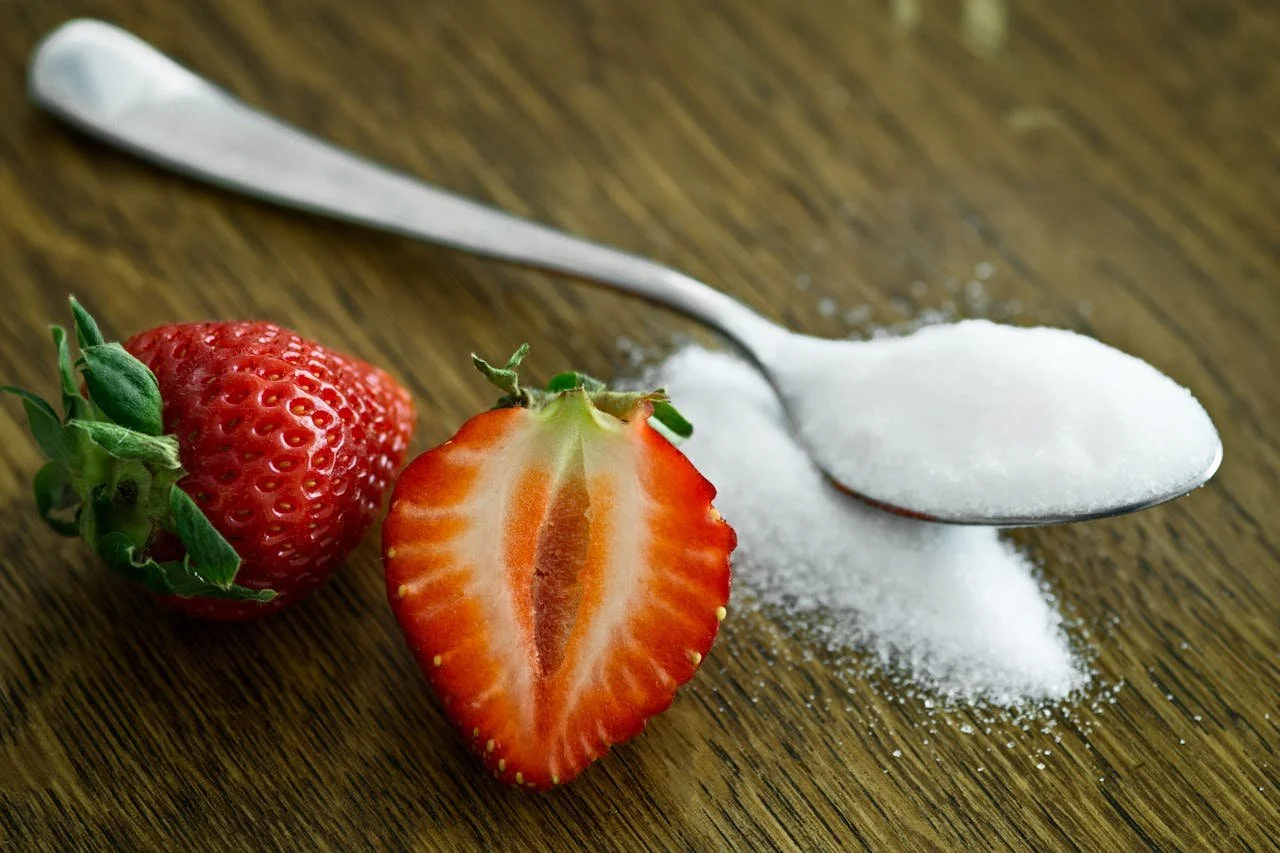
21 Weight‑Loss Myths Debunked: Expert Tips for Healthy, Sustainable Results
ABSTRACT
Uncover the truth behind the 21 most pervasive weight loss myths in our expert‑backed guide. We debunk detox diet myths, carb myths, and fat misconceptions to help you build healthy weight loss tips and sustainable strategies. Learn why late‑night eating, calorie counting, and “no‑gym” shortcuts may not work—and what really does. Redefine your approach, boost results, and embrace a plan that lasts.
Keywords
weight loss myths
common weight loss myths
debunk weight loss myths
healthy weight loss tips
sustainable weight loss strategies
detox diet myths
carb myths weight loss
fat and weight loss truth
late‑night eating myth
cheat meal benefits
calorie counting myths
exercise and weight loss myths
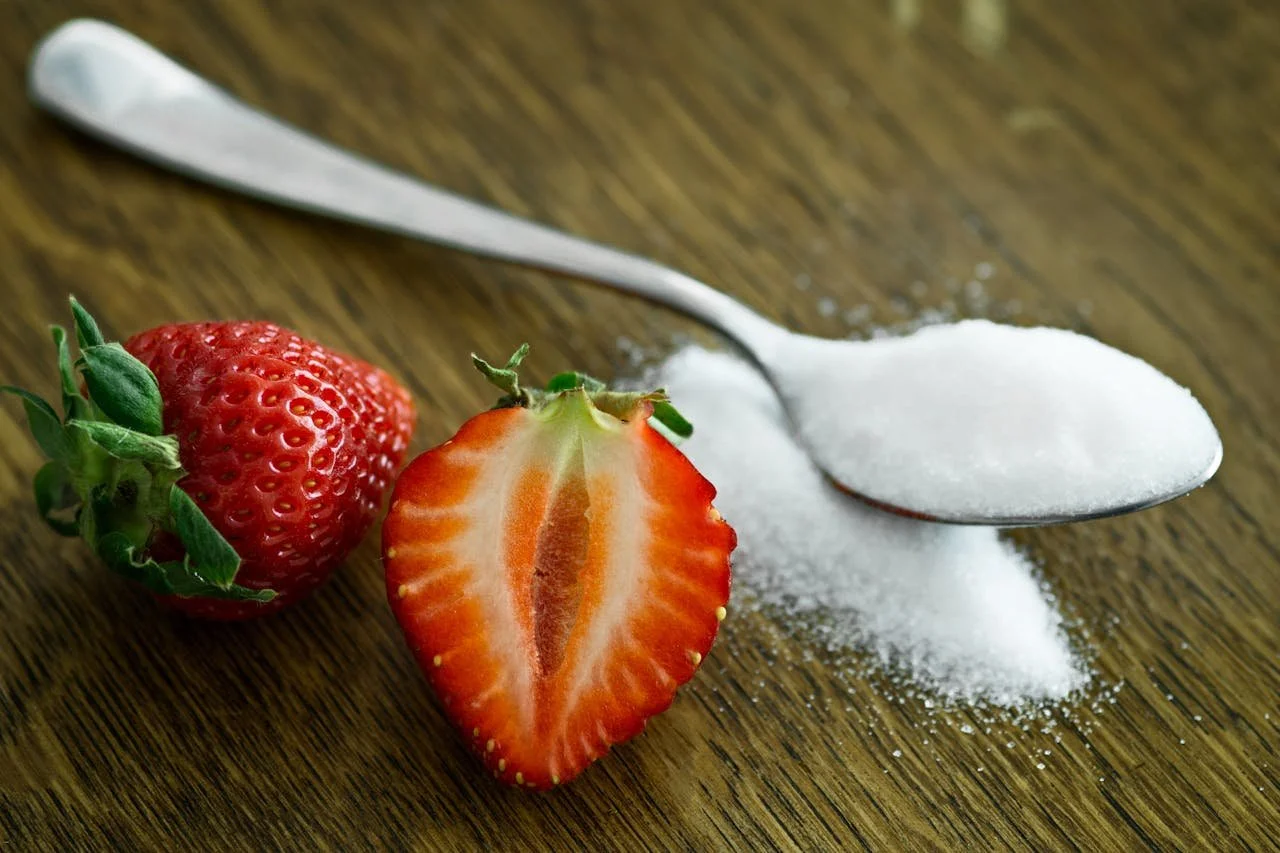
Weight Loss Myths / Photo: Mali Maeder
Introduction
How do you decipher between truth and fiction regarding weight loss? Many myths may have been misleading you up to this point. Here is a list of the most popular myths unraveled (from the article "26 Weight-Loss Myths You Shouldn't Believe"). You may need to redefine your weight loss approach after reading it.
List of Weight-Loss Myths You Shouldn't Believe
1. MYTH: A DETOX IS A GOOD WAY TO MAKE A CLEAN START
"Most of the time, detox diets are more like a crash diet," says Melissa Rifkin, MS, RD, a bariatric dietitian at Montefiore Health System in New York City. "They restrict certain food groups and sometimes deprive the body of adequate calories and nutrition for a short period of time." In fact, detox diets are notorious for causing weight gain: "When the body feels deprived and then foods are reintroduced, our bodies will regain more weight as if in fear of another starvation or restriction," Rifkin says. If a detox appeals to you, consult with your doctor on whether or not the benefits it promises are the real deal.
2. MYTH: CUT 3,500 CALORIES, LOSE A POUND
While "calories in vs. calories out" may be the foundation of slimming down, it's not the only equation at work. Yes, you need to burn more calories than you consume in order to lose weight, but the weight you lose will be a combination of fat, lean tissue, and water--and your body's metabolism will adapt to those losses, making the math a bit more complicated. For a better sense of what your personal calorie intake and activity levels should be, plug your personal details into the National Institutes of Health's Body Weight Planner, which will use your current weight and target weight to calculate the right numbers for you.
3. MYTH: CARBS ARE THE ENEMY
Between the low-carb and Paleo crazes, we've all learned to fear the bread basket. But you don't have to eliminate carbohydrates from your diet to lose weight and be healthier. In fact, healthy carb sources such as fruits and vegetables, nuts, seeds, and beans and legumes (aka pulses) are an important, nutrient- and fiber-rich part of any diet. (However, experts agree you should aim to cut down or eliminate refined carbs, including white rice, white pasta, processed snacks, and sweets.)
4. MYTH: IF YOU WANT RESULTS, YOU HAVE TO HIT THE GYM HARD
Resolving to exercise regularly is well and good, but asking your body to adapt to a rigorous new routine overnight can backfire. "This can lead to injury or burnout, which keeps you from participating in any exercise at all," says Abraham Krikhely, MD, a bariatric surgeon at ColumbiaDoctors in New York City. "It's demoralizing and can lead to behaviors that cause even more weight gain. For most people, it can be much more effective and sustainable to gradually build muscle and tolerance, and do those exercises you enjoy."
5. MYTH: FAT MAKES YOU FAT
Not so: "In a review of 53 randomized controlled trials lasting a year or more, high-fat diets consistently beat out low-fat diets for weight loss," says Mark Hyman, MD, director of the Cleveland Clinic Center for Functional Medicine and author of Eat Fat, Get Thin ($28; amazon.com). "Fat, it turns out, cuts your appetite, boosts your calorie burning and prevents fat storage, while sugar and refined carbs do the opposite." Cutting out sugar and refined carbs, eating mostly vegetables with some fruit, and then consuming fat (in the form of organic olive oil, avocados, nuts and seeds, coconut butter, and grass-fed or sustainably and organically raised animal foods) is "the fastest and most effective way to create sustained weight loss," he says.
6. MYTH: LATE-NIGHT MEALS LEAD TO WEIGHT GAIN, PERIOD
While some research has associated late-night calorie intake with higher BMI, the debate about when we should or shouldn't eat dinner is far from over. "My favorite weight-loss myth is 'Don't eat after 7 p.m.,' says Rifkin. "But if you wake up late, 7 p.m. might be too early to cut yourself off from food. My suggestion is to eat within an hour to two hours of waking, don't go for more than four to six hours between meals, and don't eat two hours before bed. That structure is helpful for creating a good meal-timing foundation."
7. MYTH: A LITTLE COMPETITION WILL KEEP YOU MOTIVATED
"It's essential not to compare yourself to others," says Albers. "Our bodies are like a fingerprint; no two are remotely the same. Not only can trying to match someone else's weight loss goals be way off from what is realistic for you, but it can be discouraging." The best guidepost for your goals is, logically enough, your own "best version" of yourself; working your way back into your own favorite pair of jeans makes infinitely more sense than worrying about your gym buddy's progress.
8. MYTH: LOW-FAT FOODS WILL HELP YOU LOSE WEIGHT
Surprise: Many low-fat foods (and reduced-fat and fat-free foods) have just as many calories as the full-fat versions, and they may even contain more sugar and additives to help them taste better without the fat. And a low-fat label can lead you to overeat, thanks to the "health halo" cast by those magic words. In many cases, you may be better off eating a smaller (but more satisfying) portion of the real deal. With salad dressing, for example, the full-fat version can actually be healthier: Fat helps your body absorb important nutrients from the veggies in your salad.
9. MYTH: IT TAKES A LOT OF TIME AND EFFORT TO LOSE WEIGHT
In a perfect world, we'd all have time each day to fit in a workout and prepare satisfying-yet-healthful meals for our families and ourselves. But the reality is that most of us don't have that time and never will--so we should be careful not to fall into the trap of what Albers calls the "wait-until approach." "Waiting until life 'settles down' is a recipe for disaster," she says. "Come to terms with the fact that life will always be filled with stress and unpredictable events. Now is the time to get started." You don't have to overhaul your daily routine--small tweaks can have big results!
10. MYTH: IT'S BAD TO CHEAT ON YOUR DIET
On the contrary: By intentionally building a couple of so-called "cheats" into your weekly eating plan--high-quality sweets like a scoop of premium ice cream, cocktails with your girlfriends, a slice of your favorite pizza, or even bacon on your salad--you can enjoy your meals more and avoid feeling deprived, making you much more likely to stay on track long-term. Budget 200-300 calories for each indulgence, and you won't derail the virtuous decisions you've been making the rest of the week.
11. MYTH: IF YOU'RE EXERCISING A LOT, YOU DON'T REALLY HAVE TO WATCH WHAT YOU EAT
Once that love affair with spin classes finally takes off and you're working hard, it's tempting to treat yourself as a reward. "However, the amount of calories you burn from exercise is often modest when compared with the calories you can influence by changing your diet," Dr. Krikhely says. (Thirty minutes of running, for example, burns around 320 calories--you could cancel that out with one frozen margarita!) "It's important to develop healthy habits that involve both nutrition and exercise."
12. MYTH: ALL SUGAR IS THE ENEMY
"Processed sugars like table sugars should be avoided at all costs; in fact, the new dietary guidelines recommend no more than 200 calories per day from sugar," Rifkin says. However, you don't have to shun naturally occurring sugars (like in fruit or dairy). That said, "the key here is moderation," she continues. "Pairing a sugar and protein source (such as an organic apple and organic cashews) is always a smart idea in order to maintain good glycemic control. When we have sugar spikes, we tend to get shaky and crave more sugar."
13. MYTH: SKIPPING MEALS WILL HELP YOU CUT CALORIES
Skipping breakfast (or lunch, or dinner) will just make you hungry and cranky, and you're likely to blow through those "saved" calories (and more) when you're ravenous later in the day. "It's easy to overeat quickly and make poor food choices when you're starving and exhausted," Dr. Krikhely notes. In fact, a 2012 study found that women who missed meals lost eight fewer pounds over the course of a year than those who ate breakfast, lunch, and dinner every day.
14. MYTH: TO LOSE WEIGHT, YOU HAVE TO GET USED TO FEELING HUNGRY
If your belly is rumbling all day, you're probably not making smart food choices. Meals that are too low in protein and high in refined carbs can cause blood-sugar spikes--as well as crashes that will leave you feeling depleted and ravenous. Pick diet-friendly filling foods that are high in fiber (such as whole grains, fruits and vegetables, beans and seeds) along with high-quality proteins, and you'll feel full longer (even on fewer calories!). Plus, your blood sugar will be on a more even keel throughout the day.
Personal Trainer Wisdom: No matter your goals, you should never feel starved or stuffed.15. MYTH: YOU CAN EAT AS MUCH HEALTHY FAT AS YOU WANT
Before you pick up your fourth piece of avocado toast, consider this: Though it's true that the monounsaturated fats found in liquid-based plant oils, nuts, seeds, and that Instagram-friendly avocado can have a positive effect on your health in moderation--and are vastly preferable to saturated fats and trans fats, which have a negative effect on your health--all fats contain 9 calories per gram. Eating too much of anything, even the "good" stuff, can hamper your weight-loss progress.
16. MYTH: ALCOHOL IS OUT
If you're trying to lose weight, yes, chances are you're going to need to cut down on alcohol consumption. Aside from the empty calories in alcohol itself, drinking can mess with your willpower, making you more likely to overeat or indulge in greasy, high-calorie foods (hello, midnight chili cheese fries!). But you don't have to cut booze out of your life completely. Limit yourself to just one drink, and go for lower-carb beverages like light beer or a dry wine--and skip the sugary mixers.
17. MYTH: LABELS DON'T LIE
According to FDA guidelines, the caloric and fat content of a product can vary by up to 20% from what's printed on its nutritional label. This means that, say, a 100-calorie snack pack could actually ring in at 120 calories--and if you're counting calories based mostly on packaged foods, you could be way off by the end of the day. That doesn't mean you should ignore the labels entirely: "Research indicates that people who check out the back of packages lose more weight; they become more aware of and attuned to what they are eating and how it makes their bodies feel," Dr. Albers says.
18. MYTH: YOU CAN'T FIGHT "FAT GENES"
While genes can play a role in obesity, you can still overcome that genetic tendency with diet and exercise. Remember, too, that the most common reason why some families are overweight while others aren't has nothing to do with genetics. Behaviors are inherited; children learn good and poor eating habits at their parents' dinner table. If your parents and other family members were or are overweight, you can still break the cycle of "environmental" obesity by resolving to make better choices at your table.
19. MYTH: YOU DON'T NEED TO TRACK YOUR FOOD INTAKE
Most people underestimate how much they eat. In a 2007 study in which diners at an Italian restaurant were filmed on a hidden camera, 31% couldn't remember afterward how much bread they ate, and 12% who were filmed eating bread said they hadn't had any at all (how's that for selective amnesia?). Giving a food diary a try--and comparing your notes to what you recall eating after, say, a week--will help you put a stop to mindless munching.
20. MYTH: A CALORIE IS A CALORIE
The truth is, there are high-quality calories (ones that come with nutrients and fiber, for example) and low-quality ones. This means that what you eat is just as important as how much. "Some approaches say, 'sure, have marshmallows for lunch as long as you stay under a certain calorie amount!'" says Albers. "What you eat does matter in terms of what's going on inside. A bowl of marshmallows will make your sugar spike and then drop. How you feel will drop, too--in an hour, you'll feel awful!"
21. MYTH: ONCE YOU FIND AN EATING-AND-EXERCISE PLAN THAT WORKS, YOU'RE HOME FREE
Our bodies' requirements and capabilities fluctuate for all kinds of reasons, which means that the routines we set for them will need to change every now and then as well. "Understand that weight loss is a journey," Dr. Krikhely says. "What works may not always work. Your preferences may change. Life events may happen and cause you to fall off track. The weight can come back. This is normal--it is not a failure." Lasting success stems from knowing that adjustment is inevitable, and being open to it when the time comes to change.
ABOUT THE AUTHOR: MICHAEL MOODY, PERSONAL TRAINER
As an author, a personal trainer in Denver, and podcast host, Michael Moody has helped personal training clients achieve new fitness heights and incredible weight loss transformations since 2005. He also produces the wellness podcast "The Elements of Being" and has been featured on NBC, WGN Radio, and PBS.
Michael offers personal training to Denver residents who want to meet at the 2460 W 26th Ave studio….or in their homes throughout LoHi (80206), LoDo (80202), RiNo (80216), Washington Park (80209), Cherry Creek (80206, 80209, 80243, 80246, 80231), and Highlands (80202, 80211, 80212). Michael also offers experiences with a personal trainer in Jefferson Park (80211) and Sloan's Lake (80204, 80212).
If you’re looking for a personal trainer who can curate a sustainable (and adaptable) routine based on your needs and wants, Michael is the experienced practitioner you’ve been looking for. Try personal training for a month…your body will thank you!

12 Foods Doctors Never Eat — And Why You Shouldn’t Either
ABSTRACT
Discover the top foods doctors won’t eat and why these medical professionals cut them from their diets. From bacon to diet soda, these items are flagged for their links to heart disease, inflammation, and chronic illness. Learn how doctor diet recommendations can help you make smarter food choices. Get expert nutrition advice straight from the mouths of surgeons, cardiologists, and functional medicine physicians.
Keywords
foods doctors won’t eat
what doctors avoid eating
unhealthy foods doctors avoid
doctor diet recommendations
worst foods for health
what not to eat for longevity
food habits of doctors
processed foods doctors avoid
doctor-approved diet tips
foods cardiologists avoid
foods that cause inflammation
expert diet advice from doctors
top foods to eliminate
medical advice on nutrition
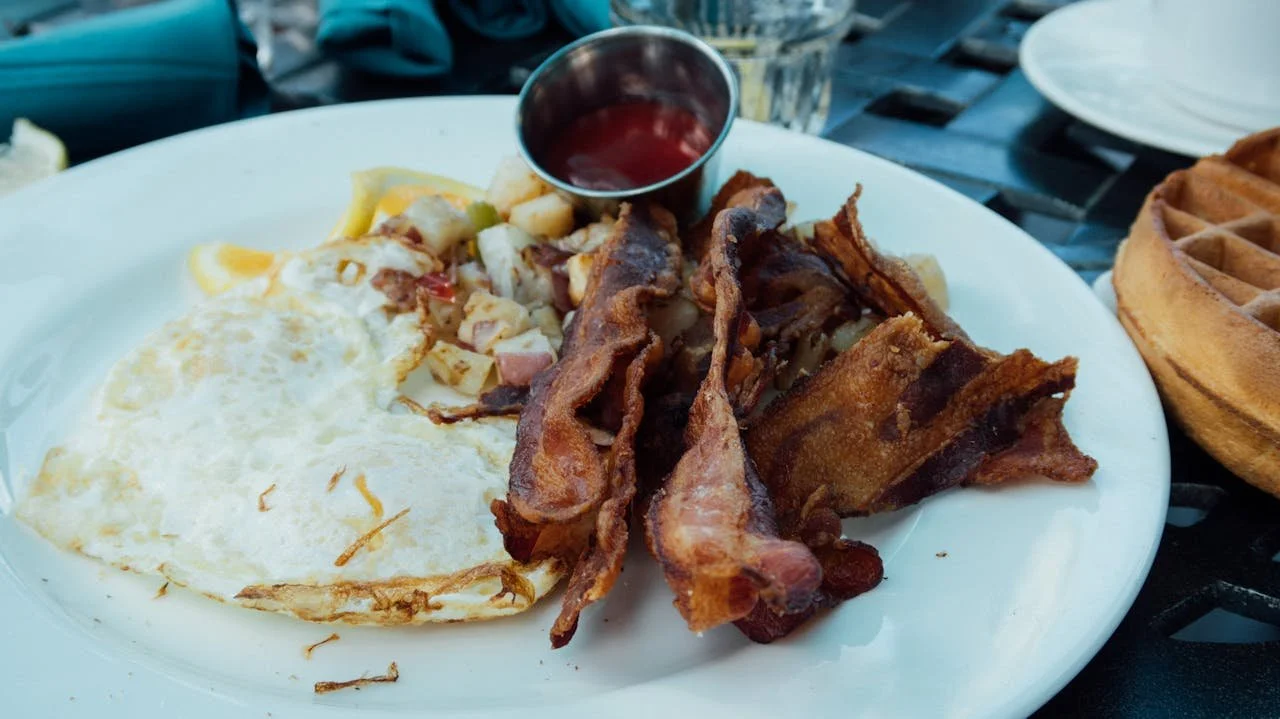
Bacon Weight Loss / Photo: Athena Sandrini
Introduction
Doctors guide you in making important decisions about your health and well-being, but when it comes to their diets, do they follow their recommendations? Good nutrition is key to a long and healthy life. Here, medical pros reveal what they forego when it comes to food.
List of Food Doctors Won’t Eat
BACON
It is probably no secret to you that this practically universally loved food is on this list, but are you entirely sure why? "I would not eat bacon because it is full of fat and cholesterol, and the nutritional value is very minimal," says Dr. Omid Javadi, a cardiovascular and thoracic surgeon at Good Samaritan Hospital in San Jose, California. "I think bacon is probably one of the worst foods on the planet. People love the taste, and it is very palatable because of that fact, but when you look at its content, it is pure fat and cholesterol -- and fat is just hanging from it.”
Dr. Suzanne Steinbaum, a cardiologist with Lenox Hill Hospital in New York City, goes on to say that bacon “is a processed food, with no exact benefits, but carries with it all that is bad for a diet — chemicals, salt, and fat.”
2. BREADS OR PASTA
“I won't eat bread or pasta," declares Dr. Patrick Roth, chairman of neurosurgery at Hackensack University Medical Center and founding member of the North Jersey Brain & Spine Center. "This choice is based on the belief that each of us has a distinct susceptibility to foods with a high glycemic index.
I subscribe to focusing on keeping my insulin levels low with low-glycemic index foods rather than counting calories. Bread and pasta present three problems: They are high glycemic index, they are not whole foods (man-made), and they are tremendously delicious and addictive.”
3. BOXED CEREALS
“They are full of sugar and often unhealthy grains," says Dr. Frank Lipman, Integrative and Functional Medicine Physician, founder of Eleven Eleven Wellness Center, and author of The New Health Rules.
"Rather than having cereal for breakfast, a dose of healthy fats and protein will start your day off right. Have boiled or poached eggs with greens, sardines on gluten-free crispbreads, or half an avocado sprinkled with salt or spritzed with lemon.”
4. COTTON CANDY
Or really any foods you could find at a carnival, especially those containing sugar.
“[Carnival foods are] almost all fried, covered with sugar, or made with chemical dyes," warns Dr. Joe Alton, a fellow of the American College of Surgeons and the American College of OB/GYN and co-author of The Survival Medicine Handbook. "Cotton candy is an example; it's pretty much all specially-treated dyed sugar, called ‘floss’ sugar. Food dyes have been linked to certain health issues in animal studies. My main concern, of course, is that you're essentially just eating pure sugar.”
“Foods with high amounts of refined sugars are a no-go in my diet,” elaborated New York City cardiovascular surgeon Dr. David Greuner. “Why? Refined sugars, although detrimental to your teeth, continue to wreak havoc on your body long after they leave your mouth. The rapid breakdown of these simple sugars by your body results in huge blood sugar spikes, making your body store the extra energy as fat and causing huge rises in your insulin levels, producing that 'food coma' feeling, which is a thorn in any busy person's side.”
5. CHEETOS
Dr. Nicole Farmer, Integrative Physician at the Casey Health Institute, won't eat these “Because of the blend of artificial colors used and the MSG, both of which can serve as excitatory neurotoxins.
Also, any puffed corn product that goes through an extruder process decreases most nutrients from the corn product and promotes inflammation.”
6. DIET SODA
“It is no better than regular soda," according to Dr. Steinbaum, "but with all the chemicals in it to lead to the metabolic syndrome! There's no reason to add this one to your diet. A truly unhealthy choice.” “Poison, in my opinion,” agrees Dr. Michael Fiorillo, a plastic surgeon in Pearl River, New York.
To be specific, it is the artificial sugars in diet soda that turn doctors off. “Anything with aspartame — indeed, you are not getting any calories in your diet beverage, but the dangers associated with aspartame may not be worth it," says Santa Monica OB/GYN Dr. Sheryl Ross. "This zero-calorie sugar substitute may be linked to headaches, dizziness, digestive problems, mood changes, Alzheimer's disease, multiple sclerosis, and some cancers.”
7. FRIED FOODS
These, says Dr. David Dragoo, can “…[raise] your risk of heart disease, can cause issues with your joints, makes your blood pressure go up, and can also lead to diabetes.” French fries and potato chips are among the worst offenders.
Specifically, speaking? Fried potatoes, such as French fries and potato chips. “They are some of the most fattening foods in America, and the joy of their taste is not worth the weight gain,” says Dr. Mehmet Oz, talk show host, best-selling author, and Vice-Chair and Professor of Surgery at Columbia University.
“They sometimes also have hydrogenated fats from being basted in boiling oils containing damaged fats. These trans-fats increase cholesterol and the risk of coronary heart disease. They do increase shelf life but at the cost of human life.”
8. MICROWAVE POPCORN
This beloved movie-night snack could cost you your health. “[Popcorn] contains chemicals that can cause cancer,” says Dr. Fiorillo.
9. ONE-PERCENT OR TWO-PERCENT DAIRY PRODUCTS
While unpasteurized milk is extremely harmful due to its bacterial content, skim milk also poses its own dangers. “The process of removing some of the fat particles creates oxidized cholesterol in the remaining fat," explains Dr. Farmer. "Better to use whole fat dairy in moderation.”
10. PASTRIES
“Ninety-nine percent of pastries like doughnuts are made from genetically modified wheat,” claims Internist and nutritionist Dr. Michael Hirt, founder of the Center for Integrative Medicine in California's San Fernando Valley. "This mutant grain contains 200-plus proteins that have never been safety studied in humans and have been linked to many diseases, including diabetes, heart disease, obesity, cancer, arthritis, and autoimmune conditions. Pastries are also loaded with sugar.
Recent studies from Australian researchers demonstrate that sugar consumption can negatively impact your DNA and trigger genetic changes that make you more susceptible to certain diseases like diabetes and heart disease. This effect lasts for two weeks after just one serving of sugar. Sugar also weakens the immune system and can make you more vulnerable to infections for as long as five hours after just one dose of this sweet poison. It's not a great idea during cold and flu season or any time you’re traveling or exposed to crowds.
11. PROCESSED MEATS
When it comes to meat, including chicken and turkey, most people think they are safe by eating leaner protein. But not reading labels can cost you down the line.
“In general, processed meats include a collection of meat that would otherwise be thrown away," says Dr. Greuner, "but is combined with other typically non-edible products and chemicals to create a palatable mixture artificially. This means that not only are the least nutritious byproducts of animals used, but artificial fillers, flavors, and preservatives are added, at times, in large quantities to ensure that the new concoction is both flavorful and visually appealing despite the dismal nutritional profile.”
Dr. Susan Lin, physician and founder of MD Products, says that she avoids these products “due to the high prevalence of E. coli in the meat supply.”
12. SOFT DRINKS
“I stay away from all sodas, with sugar and especially with sugar substitutes,” states Dr. David Agus, a professor of medicine and engineering at the University of Southern California Keck School of Medicine and Viterbi School of Engineering and CBS News contributor.
“For me, it is soft drinks,” says cardiologist Dr. Kevin Campbell in Raleigh, North Carolina. “Soft drinks are loaded with sugars [and] high fructose corn syrup and have absolutely no nutritional value. They contribute to obesity, and their consumption can lead to high blood pressure and other risks for heart disease. Moreover, they contain large doses of caffeine, which can impair concentration and further elevate blood pressure and heart rate. For those with underlying heart disease, this can be the thing that sets off a series of events leading to heart attack or stroke.”
ABOUT THE AUTHOR: MICHAEL MOODY, PERSONAL TRAINER
As an author, a personal trainer in Denver, and podcast host, Michael Moody has helped personal training clients achieve new fitness heights and incredible weight loss transformations since 2005. He also produces the wellness podcast "The Elements of Being" and has been featured on NBC, WGN Radio, and PBS.
Michael offers personal training to Denver residents who want to meet at the 2460 W 26th Ave studio….or in their homes throughout LoHi (80206), LoDo (80202), RiNo (80216), Washington Park (80209), Cherry Creek (80206, 80209, 80243, 80246, 80231), and Highlands (80202, 80211, 80212). Michael also offers experiences with a personal trainer in Jefferson Park (80211) and Sloan's Lake (80204, 80212).
If you’re looking for a personal trainer who can curate a sustainable (and adaptable) routine based on your needs and wants, Michael is the experienced practitioner you’ve been looking for. Try personal training for a month…your body will thank you!

Green Mountain West Ridge Trail: Easy Scenic Hike Near Boulder, Colorado
ABSTRACT
Looking for a scenic and easy Colorado hike near Boulder? The Green Mountain West Ridge Trail offers sweeping views, light to moderate traffic, and only 682 feet of elevation gain. At 3.8 miles round trip, it’s a great spring hike for beginners or visitors. Discover why this trail is a favorite for personal trainers and casual hikers alike.
Keywords
Colorado hikes
Boulder hiking trails
easy Colorado hikes
Green Mountain Boulder hike
West Ridge Trail Boulder
scenic hikes near Boulder
hikes with views Colorado
Green Mountain West Ridge Trail review
best spring hikes in Colorado
Flagstaff Mountain hiking trails
hikes for guests in Boulder
personal trainer hiking recommendations Colorado

Green Mountain West Ridge Trail
Colorado Hikes: Green Mountain West Ridge Trail
Time of Year: Mid-May.
Weather: 51 degrees and sunny, with poor air quality due to Alberta fires.
Cover: 60% covered with a tree canopy.
Time: 8:05 am - 10:22 am.
Distance: 3.8 miles total.
Cost: None.
Bathroom at Trailhead: No.
Difficulty: Easy level 5 for altitude 8150 feet), elevation gain (682 feet), and length (3.8 miles).
Route: Green Mountain West Ridge Trail out and back.
Traffic: Light to Moderate.
Parking: All roadside parking. 3 cars at 8:00 am and 12 cars by 10:22 am.
Equipment: La Sportiva Trango Tech GTX Hiking Boots, Black Diamond Alpon Carbon Cork Trekking Poles, Osprey Talon 33 Backpack, Kahtoola MICROspikes
Terrain: Dirt and rock-packed trail. The coarse dirt wasn't muddy despite the rain two nights earlier and very little sun.
Experience: After checking off the hike on the east side of Green Mountain (with the loop), I was excited to explore the west side. Despite a haze, the sweeping views along most of the way to the peak place this trail on my list for visitors. A lot of bang for this out-and-back path. It is a manageable 4-mile trek for any guests looking for beautiful views. The drive up Flagstaff Mountain is gorgeous, too. I also saw 5 deer near my parking spot!
Personal Trainer Notes: Personal training clients of all cardiovascular levels will enjoy this trail. Plenty of vistas along the way that make the effort worth it, even if you don’t climb the last scramble up.

Flagstaff Mountain

Colorado Trails

Hiking Trails

Colorado Hiking Trails

Colorado Peaks

Hiking with Kids

Hikes in the Foothills

Green Mountain West Ridge Trail Hike

Colorado Scenery

Green Mountain
List of Hiking Trails in Colorado
To check out more hiking reviews with pictures, visit “List of Colorado Hikes.” You’ll find options across a spectrum of difficulty, including many trails in the foothills and front range.
Mount Democrat Hike
ABOUT THE AUTHOR: MICHAEL MOODY, PERSONAL TRAINER
As an author, a personal trainer in Denver, and podcast host, Michael Moody has helped personal training clients achieve new fitness heights and incredible weight loss transformations since 2005. He also produces the wellness podcast "The Elements of Being" and has been featured on NBC, WGN Radio, and PBS.
Michael offers personal training to Denver residents who want to meet at the 2460 W 26th Ave studio….or in their homes throughout LoHi (80206), LoDo (80202), RiNo (80216), Washington Park (80209), Cherry Creek (80206, 80209, 80243, 80246, 80231), and Highlands (80202, 80211, 80212). Michael also offers experiences with a personal trainer in Jefferson Park (80211) and Sloan's Lake (80204, 80212).
If you’re looking for a personal trainer who can curate a sustainable (and adaptable) routine based on your needs and wants, Michael is the experienced practitioner you’ve been looking for. Try personal training for a month…your body will thank you!
Personal Trainer Blog
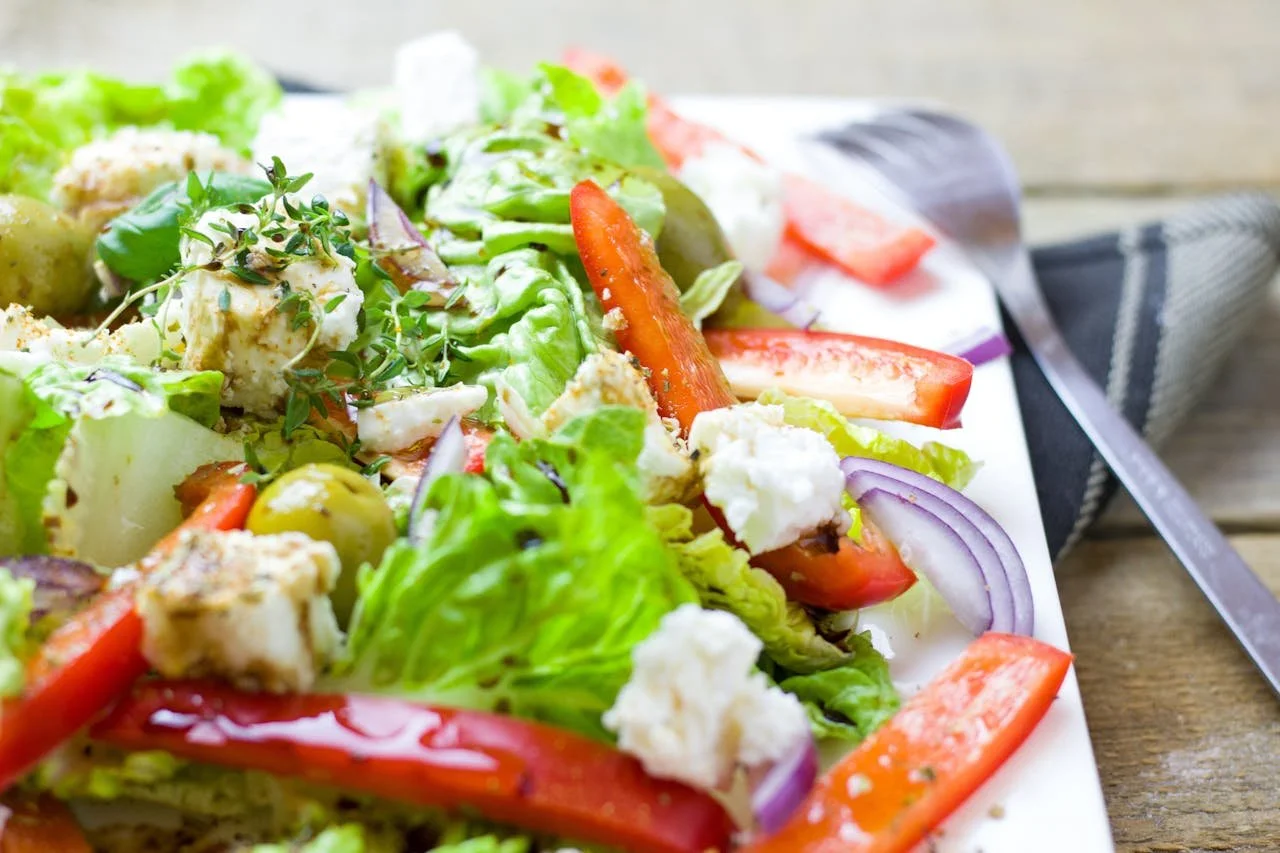
Are Salads Overrated? The Truth About Salad, Weight Loss, and Real Nutrition
ABSTRACT
Are salads actually helping your weight loss goals or holding you back? Many people assume salads are the healthiest option, but this article uncovers why that’s not always true. Learn which salad ingredients offer little nutritional value and what to choose instead for a nutrient-dense diet. Discover the truth about lettuce, salad calorie traps, and smarter weight loss meals.
Keywords
are salads healthy for weight loss
weight loss salad myth
salad nutrition facts
best vegetables for weight loss
is lettuce good for you
salad calorie trap
healthy salad ingredients
nutrient-dense vegetables
salad vs cooked vegetables
why salads are overrated
nutrient value of iceberg lettuce
do salads help with weight loss
how salads affect your diet
salad mistakes for weight loss
salads and environmental impact
is lettuce just water

Salads Weight Loss / Photo: Pixabay
Introduction
Most of my personal training clients rely on salads for their weight loss meals. Is this really the best approach to lose weight and achieve optimal health? You'll want to read this article and find out why salads are overrated. Does this mean all salads are overrated? No. You’ll want to create a nutrient-dense salad (e.g., mostly fibrous vegetables, not lettuce), and here’s what you need to keep in mind with the typical options. Source: Washington Post
What You Need to Know About Typical Salads
As the world population grows, we have a pressing need to eat better and farm better, and those of us trying to figure out how to do those things have pointed at lots of different foods as problematic. Almonds, for their water use. Corn, for the monoculture. Beef, for its greenhouse gases. In each of those cases, there’s some truth in the finger-pointing, but none of them is a clear-cut villain.
There’s one food, though, that has almost nothing going for it. It occupies precious crop acreage, requires fossil fuels to be shipped, refrigerated, around the world, and adds nothing but crunch to the plate.
It’s salad, and here are three main reasons why we need to rethink it.SALAD VEGETABLES ARE PITIFULLY LOW IN NUTRITION.
The biggest thing wrong with salads is lettuce, and the biggest thing wrong with lettuce is that it’s a leafy-green waste of resources.
In July, when I wrote a piece defending corn on the calories-per-acre metric, a number of people wrote to tell me I was ignoring nutrition. Which I was. Not because nutrition isn’t important, but because we get all the nutrition we need in a fraction of our recommended daily calories, and filling in the rest of the day’s food is a job for crops like corn. But if you think nutrition is the most important metric, don’t direct your ire at corn. Turn instead to lettuce.
One of the people I heard from about nutrition is researcher Charles Benbrook. He and colleague Donald Davis developed a nutrient quality index — a way to rate foods based on how much of 27 nutrients they contain. Four of the five lowest-ranking vegetables (by serving size) are salad ingredients: cucumbers, radishes, iceberg lettuce and celery. (The fifth is eggplant.)
Those foods’ nutritional profile can be partly explained by one simple fact: They’re almost all water. Although water figures prominently in just about every vegetable (the sweet potato, one of the least watery, is 77 percent), those four salad vegetables top the list at 95 to 97 percent water. A head of iceberg lettuce has the same water content as a bottle of Evian (1-liter size: 96 percent water, 4 percent bottle) and is only marginally more nutritious.
Take collard greens. They are 90 percent water, which still sounds like a lot. But it means that, compared with lettuce, every pound of collard greens contains about twice as much stuff that isn’t water, which, of course, is where the nutrition lives. But you’re also likely to eat much more of them, because you cook them. A large serving of lettuce feels like a bona fide vegetable, but when you saute it (not that I’m recommending that), you’ll see that two cups of romaine cooks down to a bite or two.
The corollary to the nutrition problem is the expense problem. The makings of a green salad — say, a head of lettuce, a cucumber and a bunch of radishes — cost about $3 at my supermarket. For that, I could buy more than two pounds of broccoli, sweet potatoes or just about any frozen vegetable going, any of which would make for a much more nutritious side dish to my roast chicken.
Lettuce is a vehicle to transport refrigerated water from farm to table. When we switch to vegetables that are twice as nutritious — like those collards or tomatoes or green beans — not only do we free up half the acres now growing lettuce, we cut back on the fossil fuels and other resources needed for transport and storage.
Save the planet, skip the salad.SALAD FOOLS DIETERS INTO MAKING BAD CHOICES.
Lots of what passes for salad in restaurants is just the same as the rest of the calorie-dense diabolically palatable food that’s making us fat, but with a few lettuce leaves tossed in. Next time you order a salad, engage in a little thought experiment: Picture the salad without the lettuce, cucumber and radish, which are nutritionally and calorically irrelevant. Is it a little pile of croutons and cheese, with a few carrot shavings and lots of ranch dressing?
Call something “salad,” and it immediately acquires what Pierre Chandon calls a “health halo.” Chandon, professor of marketing at INSEAD, an international business school in Fontainebleau, France, says that once people have the idea it’s good for them, they stop paying attention “to its actual nutritional content or, even worse, to its portion size.”
I won’t be the first to point out that items labeled “salad” at chain restaurants are often as bad, if not worse, than pastas or sandwiches or burgers when it comes to calories. Take Applebee’s, where the Oriental Chicken Salad clocks in at 1,400 calories, and the grilled version is only 110 calories lighter. Even the Grilled Chicken Caesar, the least calorific of the salads on the regular menu, is 800 calories.
Of course, salad isn’t always a bad choice, and Applebee’s has a selection of special menu items under 550 calories (many chain restaurants have a similar menu category). Applebee’s Thai Chicken Salad is only 390 calories (although it has more sodium than the Oriental Chicken Salad). Other chains, like relative newcomer Sweetgreen, have a good selection of salads that go further toward earning their health halo: more actual vegetables, less fried stuff.
I asked Bret Thorn, columnist at Nation’s Restaurant News and longtime observer of the restaurant industry, about salads. “Chefs are cognizant of what’s going on in the psychology of diners,” he said. “They’re doing a kind of psychological health washing,” not just with salads, but with labels like “fresh” and “natural,” and foods that are “local” and “seasonal.” “A chef is not a nutritionist, or public health advocate,” Thorn points out. “They make food that customers want to buy.”
And we want to buy things that are fried or creamy or salty or sweet, or all of those things. Which doesn’t mean that the right salad can’t be a good choice for a nutritious meal. It just means that it’s easy to get snookered.SALAD HAS UNFORTUNATE REPERCUSSIONS IN OUR FOOD SUPPLY.
Lettuce has a couple of No. 1 unenviable rankings in the food world. For starters, it’s the top source of food waste, vegetable division, becoming more than 1 billion pounds of uneaten salad every year. But it’s also the chief culprit for foodborne illnesses. According to the Centers for Disease Control, green leafies accounted for 22 percent of all food-borne illnesses from 1998-2008.
To be fair, “leafy vegetables,” the CDC category, also includes cabbage, spinach and other kinds of greens, but the reason the category dominates is that the greens are often eaten raw. As in salad.
None of this is to say that salad doesn’t have a role in our food supply. I like salad, and there’s been many a time a big bowl of salad on the dinner table has kept me from a second helping of lasagna. The salads we make at home aren’t the same as the ones we buy in restaurants; according to the recipe app Yummly, its collection of lettuce-based salads average 398 calories per serving (although a few do get up into Oriental Chicken territory).
An iceberg wedge, with radishes and bacon and blue-cheese dressing, is something I certainly have no plans to give up. But as we look for ways to rejigger our food supply to grow crops responsibly and feed people nutritiously, maybe we should stop thinking about salad as a wholesome staple, and start thinking about it as a resource-hungry luxury.
ABOUT THE AUTHOR: MICHAEL MOODY, PERSONAL TRAINER
As an author, a personal trainer in Denver, and podcast host, Michael Moody has helped personal training clients achieve new fitness heights and incredible weight loss transformations since 2005. He also produces the wellness podcast "The Elements of Being" and has been featured on NBC, WGN Radio, and PBS.
Michael offers personal training to Denver residents who want to meet at the 2460 W 26th Ave studio….or in their homes throughout LoHi (80206), LoDo (80202), RiNo (80216), Washington Park (80209), Cherry Creek (80206, 80209, 80243, 80246, 80231), and Highlands (80202, 80211, 80212). Michael also offers experiences with a personal trainer in Jefferson Park (80211) and Sloan's Lake (80204, 80212).
If you’re looking for a personal trainer who can curate a sustainable (and adaptable) routine based on your needs and wants, Michael is the experienced practitioner you’ve been looking for. Try personal training for a month…your body will thank you!

James Clear Quotes and Habit Wisdom for Personal Growth | Personal Trainer Denver
ABSTRACT
Discover the most inspiring James Clear quotes from Atomic Habits, shared weekly with my personal training clients in Denver. Learn how building better habits and adopting the right mindset can transform your fitness, health, and life. As a Higher Mountains personal trainer in Denver, I blend wisdom from Atomic Habits with physical training to help clients achieve lasting results. Explore quotes about personal growth, success, and creating the habits that fuel lifelong well-being.
Keywords
James Clear quotes
Atomic Habits quotes
personal trainer Denver
habits for success
building better habits
Atomic Habits book
mindset quotes
fitness motivation quotes
Denver personal training
James Clear
quotes about building habits
inspiration for personal growth Denver
Higher Mountains personal trainer
personal development through fitness

Find new inspiration with a Denver personal trainer. / Photo: Eberhard Grossgasteiger
Introduction
Each week, I share some wisdom from author James Clear with my personal training clients in Denver. His book, Atomic Habits, has inspired many individuals seeking optimal health to establish a new routine. While change may be challenging, adopting the right mindset and forming a series of habits can lead to a lifetime of joy, physical prowess, and comfort, as well as reduced pain. If you like my selections, sign up for Clear’s weekly newsletters for more tidbits!
Favorite Quotes (and Thoughts) from James Clear, Author of Atomic Habits
"The more you invest yourself in fulfilling work, the more your effort fuels you. The harder you work on a bad project or in an unsatisfying role, the more of a grind it becomes."
“Life is a series of tradeoffs, and greater results usually require greater tradeoffs. The question is not, "Do you want to be great at this?" The question is, "What are you willing to give up in order to be great at this?"
Meditation teacher, Light Watkins, on acting your age: "The advice shouldn't be to act your age. It should be to act your spirit. Your age may try to prohibit you from dancing like that, or starting over, or trying something new. But your spirit would never do such a thing. If something feels aligned, your spirit wants you to go for it, whether you're 15 or 85. Acting your age makes you fit in more, while acting your spirit will indeed cause you to stand out—in a bad way to people who act their age, but in an inspiring way to those who act their spirit. Try acting your spirit from time to time, and you can see for yourself which path makes you feel more alive." Source: Newsletter by Light Watkins. (Hat tip to Wes Claytor)
"Question: “Who (or what) do you need to forgive, so you can move on and live well?”
"It's only work if you would rather be doing something else. Find a way to carve a career out of what you already want to do."
“Build small habits. Make big plans. 1) Keep your daily actions small. Strive to get 1% better every day. 2) Keep your daily mindset big. Think about how you can play a bigger game. Start small, but never dream small."
Painter Mariam Paré, who specializes in making paintings by mouth after suffering a spinal cord injury, offers some advice to her younger self: "If I could talk to myself twenty years ago, I would tell myself to focus on my strengths, and not on my weaknesses; on the things I could do and not the things I couldn’t do; to strive to excel and hone those skills to the point of excellence. That this was the best strategy to secure my future. I would say to myself that the only real obstacles you have are those you create for yourself."
"If an idea is true, criticism will not destroy it, but strengthen it."
Interior designer Danielle Colding on the ultimate luxury: "Quality of life is having the freedom to make choices that are not fear based. Whether it’s the ability to choose the kinds of projects I want to take on and can learn from, or the ability to take a month off to travel. Freedom to choose is the ultimate luxury."
Question: “What is an area you'd like to improve over the next decade? How are you working toward that outcome today? Think long-term. Act short-term.”
"When researching strategies, emphasize patterns over stories. One person succeeding means nothing. 100 people succeeding is a signal. When explaining strategies, emphasize stories over patterns. People forget numbers and charts. Everyone remembers a great story."
"When determining the size or complexity of a new habit ask yourself, "What can I stick to—even on my worst day?" Start there. Master the art of showing up. Then advance."
Poet Jenny Xie on how reading is a form of travel: "Reading is migratory, an act of transport, from one life to another, one mind to another. Just like geographic travel, reading involves estrangement that comes with the process of dislocating from a familiar context. I gather energy from this kind of movement, this estranging and unsettling, and I welcome it precisely because it’s conducive to examination, interrogation, reordering. Travel, imaginative or physical, can sharpen perception and force a measuring of distance and difference." Source: The Self Is a Fiction
ABOUT THE AUTHOR: MICHAEL MOODY, PERSONAL TRAINER
As an author, a personal trainer in Denver, and podcast host, Michael Moody has helped personal training clients achieve new fitness heights and incredible weight loss transformations since 2005. He also produces the wellness podcast "The Elements of Being" and has been featured on NBC, WGN Radio, and PBS.
Michael offers personal training to Denver residents who want to meet at the 2460 W 26th Ave studio….or in their homes throughout LoHi (80206), LoDo (80202), RiNo (80216), Washington Park (80209), Cherry Creek (80206, 80209, 80243, 80246, 80231), and Highlands (80202, 80211, 80212). Michael also offers experiences with a personal trainer in Jefferson Park (80211) and Sloan's Lake (80204, 80212).
If you’re looking for a personal trainer who can curate a sustainable (and adaptable) routine based on your needs and wants, Michael is the experienced practitioner you’ve been looking for. Try personal training for a month…your body will thank you!
PERSONAL TRAINER BLOG

Twin Sisters Peak Trail Guide | Colorado Hike, Tips and Views
ABSTRACT
Twin Sisters Peak Trail is a challenging 8.2-mile Colorado hike with 2,533 ft of gain and summit views of Longs Peak. Arrive before 9 a.m. to skip RMNP timed-entry reservations and enjoy lighter crowds. Our guide covers route details, parking, gear, and the class 1 “mini-14er” scramble. Plan your Twin Sisters hike today for panoramic Front Range scenery.
Keywords
Colorado hikes
Rocky Mountain National Park hikes
Best hikes near Estes Park
Estes Park hiking
Twin Sisters Peak Trail
Twin Sisters hike
Twin Sisters Peaks
Twin Sisters trail difficulty
Twin Sisters elevation gain
Twin Sisters trailhead
Longs Peak views hike

Longs Peak
Colorado Hikes: Twin Sister Peak Trail
Introduction
On February 5th, 2022, I set out to check off the many Colorado trails while recovering from a torn calf. Forty months later, I completed my 100th different trail last Sunday. The Twin Sister Peak Trail was a great way to achieve my milestone. Here are my notes!
Time of Year: Late May.
Weather: 48 degrees and sunny at 9:00 am.
Cover: 65% covered with a tree canopy until you reach the full exposure above the tree line.
Time: 8:48 a.m. - 1:06 p.m.
Distance: 8.18 miles total.
Cost: Daily or annual pass for Rocky Mountain National Park. A reservation isn’t necessary before 9:00 a.m.
Bathroom at Trailhead: Yes (across the street next to the lake).
Difficulty: Hard level 1 for altitude (11419 feet), elevation gain (2533 feet), and length (8.18 miles).
Route: Twin Sisters Peak Trail and then back.
Traffic: Light to Moderate.
Parking: 60% full by 8:45 a.m. and 90% full at 1:06 p.m. (service road and parking lot).
Equipment: La Sportiva Trango Tech GTX Hiking Boots, Black Diamond Alpon Carbon Cork Trekking Poles, Osprey Talon 33 Backpack, Kahtoola MICROspikes (just in case).
Terrain: A well-carved gravel-dirt trail with rocks/rock steps. An approachable class 1 boulder scramble up to each of the sisters.
Experience: The forest canopy over the trail with glimpses of peaks until the tree line, and then a rock path to a moderate boulder scramble….all features of the many 14ers I have checked off over the last two years. Twin Sisters Peak Trail felt like a mini-14er with a LITTLE less work. Undoubtedly, it’s a challenging trail but manageable for anyone with experience over 10000 feet. The 2500 feet of elevation gain is spread across a steady grade from the very first step onto the trail. You can cut the mileage by driving up the service road a bit. Within the first two miles of the path, you’ll see brilliant glimpses of Longs Peak and Mount Lady Washington. Once you hit the tree line, though, you’ll find an incredible buffet of peaks. While you’ll need to scramble up boulders to reach each of the sisters, the effort isn’t burdensome. Each offers its own rendition of 360 views and is definitely worth checking off. I will most certainly recommend this trail to everyone!
Personal Trainer Notes: Personal training clients will marvel at the accessibility of this trail. They can taste RMNP without a reservation before 9:00 am and avoid the crowds of people. While a foundation of muscular and cardio endurance is required for this steady climb, avid hikers and climbers will find this trail accessible (but challenging).

Rocky Mountain National Park

Rocky Mountain National Park Colorado

Colorado Hikes

Hikes Near Denver

Hikes in Colorado

14ers

Twin Sisters Peak Trail

Twin Sisters Peak

Twin Sisters Peak Trail Colorado

Twin Sisters Peak Trail RMNP

Longs Peak

Hiking Colorado

Hikes Near RMNP

Front Range Hikes

Twin Sisters Peak Hike
List of Hiking Trails in Colorado
To check out more hiking reviews with pictures, visit “List of Colorado Hikes.” You’ll find options across a spectrum of difficulty, including many trails in the foothills and front range.
Mount Democrat Hike
ABOUT THE AUTHOR: MICHAEL MOODY, PERSONAL TRAINER
As an author, a personal trainer in Denver, and podcast host, Michael Moody has helped personal training clients achieve new fitness heights and incredible weight loss transformations since 2005. He also produces the wellness podcast "The Elements of Being" and has been featured on NBC, WGN Radio, and PBS.
Michael offers personal training to Denver residents who want to meet at the 2460 W 26th Ave studio….or in their homes throughout LoHi (80206), LoDo (80202), RiNo (80216), Washington Park (80209), Cherry Creek (80206, 80209, 80243, 80246, 80231), and Highlands (80202, 80211, 80212). Michael also offers experiences with a personal trainer in Jefferson Park (80211) and Sloan's Lake (80204, 80212).
If you’re looking for a personal trainer who can curate a sustainable (and adaptable) routine based on your needs and wants, Michael is the experienced practitioner you’ve been looking for. Try personal training for a month…your body will thank you!
Personal Trainer Blog

12 Weight-Loss Tips For Busy People That Really, Truly Work
ABSTRACT
Struggling to lose weight with a busy schedule? These 12 weight-loss tips for busy people show you how to meal-prep once, snack smart, and squeeze in 10-minute workouts. Discover batch-cooking and non-perishable snack hacks that keep hunger in check on the go. Get personal-trainer weight-loss advice you can start today and stick with all week.
Keywords
weight loss tips
lose weight
weight loss
weight loss tips for busy people
weight loss for busy professionals
meal prep for weight loss
healthy snacks for weight loss
quick workouts for busy schedule
batch cooking weight loss plan
10-minute workouts for busy professionals
non-perishable snacks for weight loss
ice-pack lunch ideas for weight loss
personal trainer weight-loss advice

Weight Loss Kitchen / Photo: Nathan Cowley
Introduction
If you're struggling to lose weight while trying to manage a busy personal or professional life, you'll want to read these tips (from the MSN.com article "12 Weight-Loss Tips For Busy People That Really, Truly Work")!
List of Weight Loss Tips
1. DON’T SKIP GROCERY SHOPPING.
To eat healthy, you have to buy healthy. “Grocery shop every week,” says Abby Langer, R.D. “If you’re not well-stocked with perishables like salads, fruit, and yogurt, for example, you don’t have the tools to be prepared to eat well. If you come home from a busy day and there’s nothing in the kitchen, that’s a situation that frequently leads to ordering in—which is not good for weight loss.” Do your future self a favor and take the time to buy healthy food, even if you are busy.
2. BATCH COOK YOUR MEALS ONCE OR TWICE A WEEK…
Step two? Actually cook those healthy groceries. Since busy people rarely have time to cook a nutritious meal every night (if only), cook just once or twice a week and divvy up your results for several days of delish, homemade meals. “Lots of my clients cite being too busy as an excuse for not cooking themselves dinner or lunch, but if you prepare ahead, there’s no excuse,” says Langer. Adds Kroplin, “Pre-planning meals over the weekend can help you stay focused on eating healthy. I usually recommend pre-planning meals for at least half the week so it doesn’t feel overwhelming, then re-assessing what you have or may need mid-week to finish out the week and weekend.” She also suggests batch-cooking lean meats (like chicken or flank steak), boiling eggs and storing them in fridge, and chopping fruits and vegetables before the busy workweek starts.
3. …AND SLICE, DICE, AND PACKAGE YOUR SNACKS FOR THE WEEK SO THEY’RE READY TO GO.
Speaking of chopping up fruits and veggies, this is a great way to make sure you have produce to munch on when you’re hungry. “You can pre-package grapes and veggie sticks for easy snacks,” suggests Tanya Zuckerbrot, M.S., R.D., author of The F-Factor Diet and founder of F-Factor Nutrition. If they’re already waiting for you right inside your fridge, it’s easy to choose carrots or strawberries over chips or cookies.
4. RE-THINK YOUR CARBS TO KEEP HUNGER IN CHECK.
To keep hunger under control so you can focus on your crazy-long to-do list, make sure you’re eating the right kinds of carbohydrates. Refined carbs (like white bread and pasta) can wreak havoc on your blood sugar, leaving you hungry sooner than you should be. Instead, choose high-fiber carbs to offset this mid-day crash. “I tell my clients to re-think their carbohydrates and focus more on lentils, sweet potatoes and bean-based pastas as opposed to bread, and always pair them with protein [to help keep you full],” says Kristin Kirkpatrick, M.S., R.D., L.D.
5. KEEP NON-PERISHABLE MUNCHIES ON-HAND…
“Leaving non-perishable foods in your purse or at work is great so you have something to reach for, even if you’re too busy for a proper meal,” says Zuckerbrot. “The goal is to never skip a meal, so you can avoid being very hungry at the next meal—which can result in choosing high-calorie, low-nutrition foods.” It’s also important to feed those hunger twinges between meals, says Langer. “Have a snack at what I call the ‘critical juncture’—4 P.M,” she says. “This will help by keeping hunger at bay until you’re ready to eat dinner.”
Personal Trainer Wisdom: Every time you eat it should be done with intent. I typically don't recommend a snack unless there's an extended time between meals or a nutritional deficiency. Ideally, stick to a balanced meal every 3-5 hours.6. …AND KEEP FRESH MEALS COLD WITH ICE PACKS.
“When you’re on-the-go, having a small cooler with a few icepacks with you will keep foods cold, like fruit, vegetables, salad, meat, or any food that needs to stay chilled,” Kroplin says. “This broadens the variety you can carry with you and provides more options to carry fresh, whole foods along with you each day.”
7. PREP YOUR BREAKFAST THE NIGHT BEFORE.
If you’re hungry in the morning but still don’t have time to eat at home, try prepping your breakfast the night before. “Mornings are the most hectic time of day for my clients,” says Kara Lydon, R.D., L.D.N., R.Y.T., author of Nourish Your Namaste (out May 2016) and The Foodie Dietitian Blog. “Many of my clients leave the house on an empty stomach, and skipping breakfast can lead to overeating later in the day. [At night] when there is some quiet downtime, I have them try make-ahead breakfasts like smoothies and egg dishes, which are ready to grab-and-go in the morning.”
8. YOU CAN DIY YOUR OWN FREEZER MEALS, TOO.
Toss that freezer-burnt personal pizza and make room for healthier, homemade freezer meals. “Making pre-portioned meals ahead and freezing them will really save time and calories, because it’s easy to pop a meal out, de-thaw it, and heat it up,” says Kroplin. Even when you’re totally exhausted, this is just as convenient as less-healthy options. “Being able to grab frozen homemade chili out of the freezer on a weeknight prevents you from grabbing take-out or ordering pizza,” adds Lydon.
9. FOCUS ON ZERO-EFFORT DIET SWAPS IF YOU’RE EXTRA SHORT ON TIME.
Even though most weight-loss solutions do take some extra time and effort, there are some simple changes that won’t cost you a second. “When working with busy clients, I typically recommend tackling one or two passive weight loss strategies first—that is, things that don’t require any extra time or effort,” says Elle Penner, M.P.H., R.D., senior registered dietitian at MyFitnessPal and lifestyle blogger at According to Elle. “Making simple food or ingredient swaps is a really easy one, like trading soda for water at mealtimes or asking for half the amount of sweetener in your morning latte. Modestly reducing portion sizes is another easy one that can lead to big results.”
10. SCHEDULE YOUR WORKOUTS…
If you’re crazy-busy, chances are your workout plans often fall by the wayside. Fix this habit by scheduling them like meetings or appointments. “Write or type your workouts into your monthly calendar every week, making these exercise appointments top-priority,” Kroplin says. “Then, work your schedule around the exercise. This will keep exercise at the top of the priority list, not allowing other obligations or plans to derail your exercise routine.”
Personal Trainer Wisdom: Even better? Schedule a personal training session for the most accountability!!!11. …OR BREAK THEM UP INTO 10-MINUTE INTERVALS.
If you can’t commit to an hour-long workout all at once, split your burn into several blocks during the day. “If blocking off a chunk of time is just not an option for exercise, I always like to recommend the 10 x 10 x 10 exercise rule,” Kroplin says. “Basically, you exercise in three 10-minute increments a day. [Try it] anywhere you can fit in 10 minutes, like taking the stairs or walking around the office building, so you total 30 minutes of exercise at the end of the day.”
12. DON’T HAVE AN ALL-OR-NOTHING ATTITUDE.
Staying flexible is key when you’re super-busy. “Don’t have an all-or-nothing attitude,” says Langer. “Busy people sometimes have to eat out, or their meal schedule gets messed up, or they miss a workout. Who cares? Just move forward and don’t let these things derail you.”
ABOUT THE AUTHOR: MICHAEL MOODY, PERSONAL TRAINER
As an author, a personal trainer in Denver, and podcast host, Michael Moody has helped personal training clients achieve new fitness heights and incredible weight loss transformations since 2005. He also produces the wellness podcast "The Elements of Being" and has been featured on NBC, WGN Radio, and PBS.
Michael offers personal training to Denver residents who want to meet at the 2460 W 26th Ave studio….or in their homes throughout LoHi (80206), LoDo (80202), RiNo (80216), Washington Park (80209), Cherry Creek (80206, 80209, 80243, 80246, 80231), and Highlands (80202, 80211, 80212). Michael also offers experiences with a personal trainer in Jefferson Park (80211) and Sloan's Lake (80204, 80212).
If you’re looking for a personal trainer who can curate a sustainable (and adaptable) routine based on your needs and wants, Michael is the experienced practitioner you’ve been looking for. Try personal training for a month…your body will thank you!

10 Kitchen Hacks to Jump-Start Weight Loss This Week
ABSTRACT
Start today and make your kitchen hacks for weight loss work for you. Learn simple meal-prep tricks, portion-control tools, and freezer fixes that cut calories fast. Keep healthy snacks eye-level and ditch hidden junk food temptations. Follow these weight-loss tips to turn every cupboard into a fat-burning ally.
Keywords
Weight loss
Weight-loss tips
Healthy snacks
Meal prep
Portion control
Kitchen hacks for weight loss
Kitchen habits to lose weight
Meal prep for weight loss
Portion control tips
Healthy salad prep
Freeze fruits and veggies

Weight Loss Kitchen / Photo: olia danilevich
Introduction
It's the start of the week, and you're ready to jump back on the weight loss bandwagon. Your first focus should be your kitchen. Look at this quick list and adapt your cooking space for success (from the recent msn.com article "Do These 10 Things in Your Kitchen to Lose Weight")!
List of Things in Your Kitchen to Lose Weight
1. MAKE FRUITS AND VEGGIES AS ACCESSIBLE AS A BAG OF CHIPS:
Wash, cut up, and store produce such as grapes, melon, kiwi, strawberries, carrots, peppers, and celery in reusable containers in the fridge so they're easy to grab. Make sure they're right up front at eye level so they're the first thing you see when you open the fridge door.
2. PREPARE A BIG CONTAINER OF SALAD:
Having a salad before dinner is a great way to fill you up so you eat less of the main course, but preparing a salad every night takes so much time that it's tempting to skip out. Ensure you get a bowl of greens every night by making an enormous bowl of salad at the beginning of the week. You're sure to eat a salad with dinner if it's already made -- just scoop out a bowl, top with vinaigrette, and enjoy.
Personal Trainer Wisdom: Salad greens aren't enough. Be sure to add a heaping amount of vegetables with substance like bell peppers, tomatoes, black beans, and more.3. HAVE MEASURING CUPS AND SPOONS ON THE COUNTER:
Measuring your food will keep portions in check since overestimating serving sizes is a huge reason people don't lose weight. Seeing measuring spoons and cups on your kitchen counter will be a visual reminder not to forget to use them.
4. PRE-MAKE SNACK PACKS:
You know what happens when you eat chips or crackers out of the box -- you practically end up polishing off the entire package! Take your favorite healthy snacks such as mixed nuts, popcorn, cheese, and fresh fruit, grab some Ziploc baggies, and make some 100-calorie or 150-calorie snack packs you can keep in your cupboard or in a snack box in your fridge.
5. FREEZE FRUITS AND VEGGIES:
Buy larger bags of fruits and veggies at the store and wash, cut, and store them in baggies in the freezer. You'll not only save money when you buy in bulk, but you'll also have them on hand to add to your smoothies, yogurt, pasta dishes, soups, and omelets. You can also puree veggies and freeze cubes to add to soups, tomato sauce, mashed potatoes, dips, and smoothies.
6. FREEZE SMOOTHIE BAGS:
If you're in a rush in the morning, prep these fruit and veggie smoothie bags and keep them in the freezer. Just empty the contents in the blender, add the extras labeled on the bag, and you'll have a low-cal, fiber- and protein-packed breakfast that'll keep you full all morning long.
7. DITCH THE UNHEALTHY FOODS:
Your spouse and kids might be fans of an occasional can of soda, bowl of cookie dough ice cream, or Hershey's Kiss, but if those foods are within your reach, you're bound to crave them. Throw out or give away the junk, because if it's not in your kitchen, you can't be tempted to eat it.
8. USE SMALLER-SIZED PLATES:
When we prepare a plate of food, we feel the need to fill it up completely. If you start out with a smaller-sized salad plate, there's only so much you can pile on, so you'll end up consuming fewer calories.
9. DOUBLE OR EVEN TRIPLE THE RECIPE:
Whether you're making soup, roasted veggies, homemade veggie burgers, or something else for dinner, don't just make enough for one meal. Package the leftovers in containers you can easily grab for the next few days' meals. If your lunch or dinner is already prepared, you won't have to resort to unhealthy takeout.
10. PUT FOOD AWAY BEFORE YOU SIT DOWN TO EAT:
After you've cooked up an amazing vegan mac and cheese, serve yourself an appropriate serving size and then wrap it up and put leftovers in the fridge. If you leave it out, you're more likely to go back for unnecessary seconds or thirds. Out of sight means off your hips.
ABOUT THE AUTHOR: MICHAEL MOODY, PERSONAL TRAINER
As an author, a personal trainer in Denver, and podcast host, Michael Moody has helped personal training clients achieve new fitness heights and incredible weight loss transformations since 2005. He also produces the wellness podcast "The Elements of Being" and has been featured on NBC, WGN Radio, and PBS.
Michael offers personal training to Denver residents who want to meet at the 2460 W 26th Ave studio….or in their homes throughout LoHi (80206), LoDo (80202), RiNo (80216), Washington Park (80209), Cherry Creek (80206, 80209, 80243, 80246, 80231), and Highlands (80202, 80211, 80212). Michael also offers experiences with a personal trainer in Jefferson Park (80211) and Sloan's Lake (80204, 80212).
If you’re looking for a personal trainer who can curate a sustainable (and adaptable) routine based on your needs and wants, Michael is the experienced practitioner you’ve been looking for. Try personal training for a month…your body will thank you!