The Best Hiking Conditioning Workouts for Colorado: Uphill Engine, Downhill Legs, and Altitude Readiness
Summary
Build hiking-specific fitness for Colorado: uphill endurance, downhill strength, and joint resilience. Get a hiking conditioning plan with step-ups, lunges, loaded carries, posterior chain work, and interval training—plus pacing and recovery tips that reduce injury risk on steep terrain.
What are the best workouts to prepare for hiking in Colorado?
The best hiking conditioning workouts combine uphill endurance training, lower-body strength exercises such as step-ups and split squats, and core stability work like loaded carries. These exercises improve climbing ability, downhill control, and pack-carrying capacity while reducing the risk of knee pain and fatigue on steep Colorado trails.
Key Topics
Primary: hiking conditioning workouts, hiking training plan Colorado, workouts for hiking
Local intent: hiking conditioning Denver, Colorado hiking prep workouts, LoHi personal trainer hiking
Performance: uphill endurance training, leg strength for hiking, downhill hiking knee pain prevention
Safety: hiking injury prevention, blister prevention hiking training, altitude hiking training
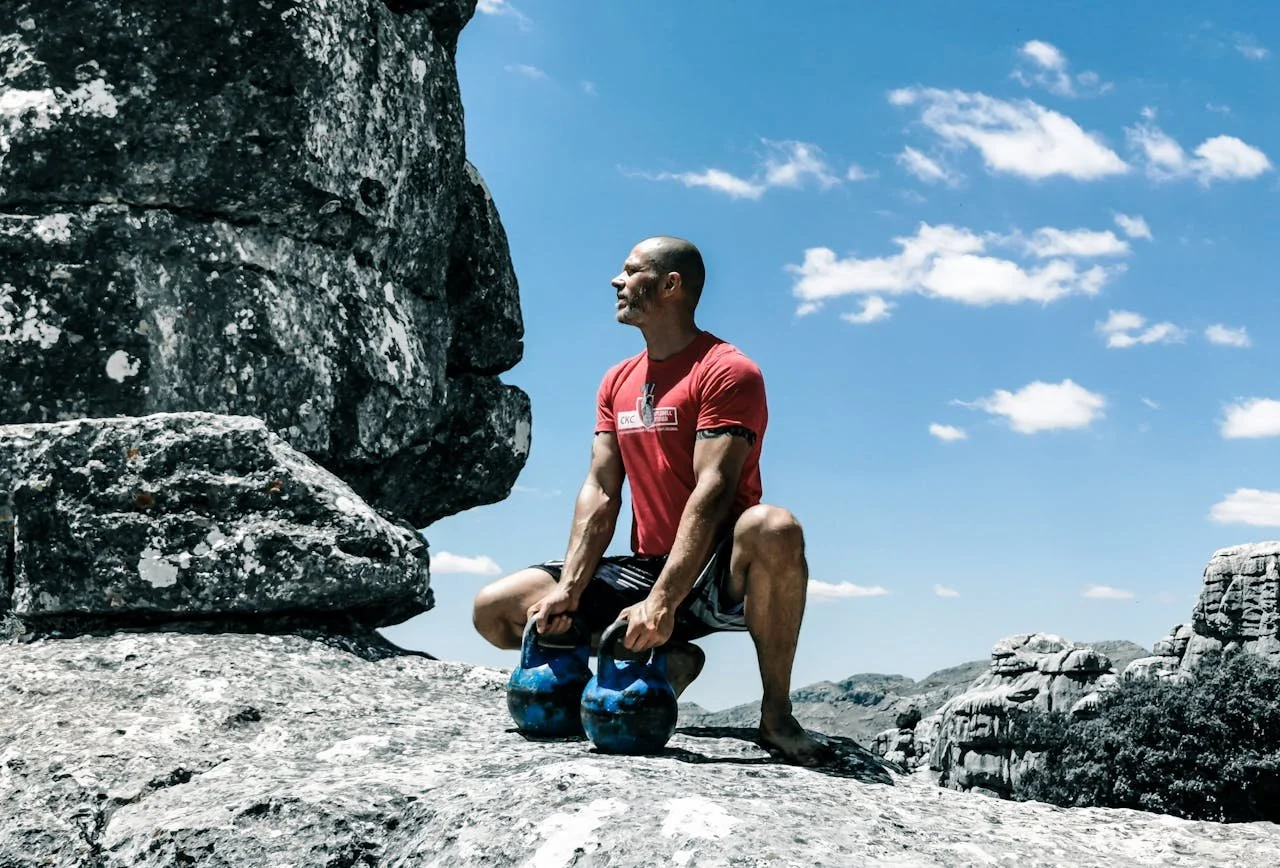
Hiking Conditioning Workouts / Photo: Taco Fleur
The Best Hiking Conditioning Workouts for Colorado
Colorado’s mountains offer some of the most beautiful hiking terrain in North America. From moderate foothill trails near Denver to steep alpine ascents in the Rocky Mountains, hiking in Colorado can challenge both cardiovascular endurance and muscular strength.
Many people assume that preparing for hiking simply means walking more often. While walking regularly is helpful, the physical demands of hiking—especially on steep terrain—require a broader conditioning strategy.
Hiking involves prolonged uphill climbing, technical downhill descents, uneven terrain, and often the additional challenge of carrying a backpack. Without proper conditioning, these demands can lead to fatigue, joint discomfort, or common overuse injuries affecting the knees, Achilles tendon, or lower back.
Many outdoor enthusiasts work with a personal trainer in Denver to develop strength and endurance programs that prepare them for Colorado’s unique terrain. Structured training programs can significantly improve hiking performance while reducing the likelihood of injury.
The following guide explains the physical demands of hiking and provides effective conditioning workouts that prepare hikers for both elevation gain and steep descents.
Table of Contents
What Hiking Demands (and Why Walking Alone Isn’t Enough)
The Three Pillars of Hiking Conditioning
Building an Uphill Engine
Developing Downhill Strength and Knee Resilience
Pack-Ready Hips and Core Stability
Sample 4-Week Hiking Conditioning Plan
Injury Prevention Strategies for Hikers
Frequently Asked Questions
Conclusion
Related Articles
Quick Summary: Hiking Conditioning Essentials
Preparing for Colorado hiking requires more than casual walking. Effective conditioning should include:
Uphill endurance training for sustained climbing
Lower-body strength exercises such as step-ups and split squats
Eccentric quad strength to control downhill movement
Core and hip stability for carrying a backpack
Interval training to improve cardiovascular capacity
Gradual progression in pack weight and trail distance
These components help hikers move efficiently while reducing fatigue and injury risk.
What Hiking Demands (and Why Walking Isn’t Enough)
Hiking combines multiple physical challenges that differ significantly from walking on flat terrain. Two key factors influence hiking performance: elevation gain and downhill control.
Uphill Metabolic Demand
Climbing steep trails requires substantial cardiovascular effort. When hiking uphill, the body must generate continuous muscular force to elevate body weight against gravity. This increases oxygen demand and heart rate, particularly at higher elevations common throughout Colorado. Many hikers experience fatigue early in long climbs because their cardiovascular conditioning has not been trained specifically for uphill movement. Interval training and incline walking can significantly improve this capability.
Downhill Eccentric Control
Descending steep trails places large forces on the quadriceps muscles as they control knee flexion and absorb impact. This type of muscle contraction—called eccentric contraction—occurs when muscles lengthen while resisting force. If the quadriceps are not conditioned for eccentric loading, hikers often experience knee soreness during or after long descents. Strength training exercises that emphasize controlled lowering movements help build this capacity.
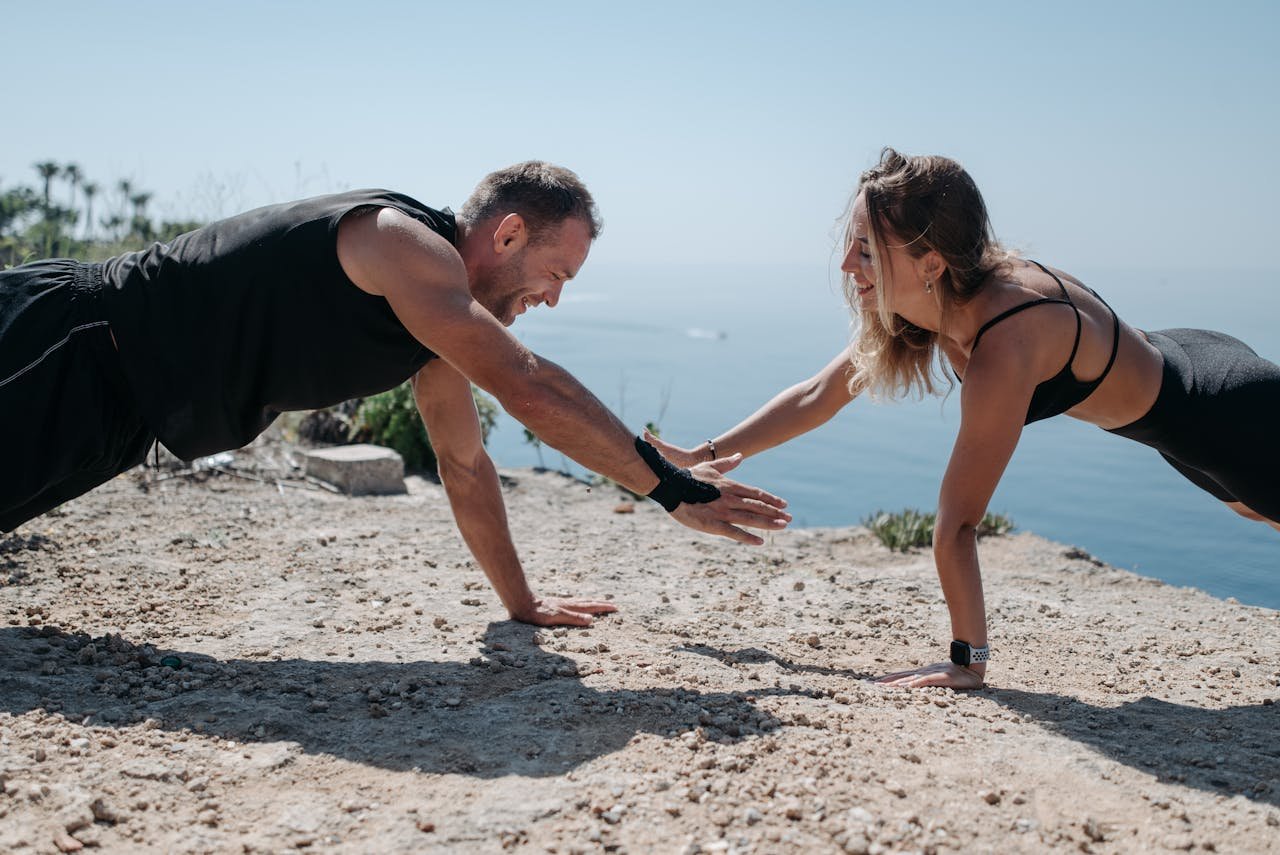
Outdoor Workouts / Photo: Pavel Danilyuk
The Three Pillars of Hiking Conditioning
Effective hiking preparation focuses on three main physical qualities. Training programs designed around these three pillars prepare hikers for Colorado’s diverse terrain.
Uphill cardiovascular endurance
Downhill muscular control
Core and hip stability for carrying weight
Pillar 1: Building an Uphill Engine
Uphill hiking places a sustained demand on the cardiovascular system. Improving uphill endurance allows hikers to maintain a steady pace without excessive fatigue. Several exercises are particularly effective.
Incline Walking or Hiking Intervals
Incline treadmill walking or hill repeats simulate the metabolic demands of climbing. This improves cardiovascular capacity and climbing endurance.
Example workout:
5-minute warm-up walk
6 rounds of 2-minute incline intervals
2 minutes easy walking between intervals
Step-Ups
Step-ups closely mimic the mechanics of hiking uphill. Using dumbbells or a weighted pack can gradually increase difficulty.
Exercise/Sets/Reps:
Step-ups (knee height)/3/8–12
Weighted step-ups/3/6–10
Tempo Climbs
Moderate-intensity uphill climbs lasting 10–20 minutes help build aerobic capacity. Many hikers include these sessions once per week as part of their conditioning.
Pillar 2: Downhill Legs
Descending steep trails often causes more muscle soreness than climbing. Downhill movement requires the quadriceps to absorb force repeatedly while controlling knee movement. Building eccentric strength improves downhill stability.
Slow Step-Downs
Step-downs train controlled lowering strength. Slow lowering phases increase eccentric muscle strength.
Exercise/Sets/Reps:
Slow step-downs/3/8–10
Tempo squats/3/6–8
Split Squats
Split squats strengthen the quads, glutes, and hips. This exercise also improves balance and coordination.
Exercise/Sets/Reps:
Split squats/3/8–10
Pillar 3: Pack-Ready Core and Hips
Many Colorado hikes involve carrying water, food, or gear in a backpack. Carrying weight changes posture and increases demand on the trunk and hips. Training the core and hip stabilizers improves efficiency.
Loaded Carries
Loaded carries strengthen the trunk, shoulders, and hips simultaneously. These exercises simulate the demands of carrying a hiking pack.
Exercise/Sets/Duration:
Farmer carries/3/30–45 seconds
Suitcase carries/3/30 seconds
Glute Medius Strength
The glute medius stabilizes the pelvis while walking on uneven terrain. Exercises such as lateral band walks and single-leg balance drills help develop this stability. Individuals working with personal training in LoHi Denver often incorporate these exercises into hiking preparation programs.
Sample 4-Week Hiking Preparation Plan
A simple weekly structure may include:
2 strength training sessions
1 interval workout
1 longer hike or incline walk
Example Week
Day: Workout
Monday: Strength training
Wednesday: Interval hill workout
Friday: Strength training
Weekend: Longer hike
This structure builds strength and endurance simultaneously. Progression may include:
gradually increasing pack weight
extending hiking duration
increasing interval intensity
Injury Prevention for Hikers
Many hiking injuries result from fatigue, insufficient conditioning, or rapid increases in mileage. Common issues include:
knee pain during descents
Achilles tendon irritation
lower-back fatigue from heavy packs
Knee Injury Prevention
Strengthening the quadriceps and hips helps stabilize the knee joint. Exercises such as step-ups, split squats, and tempo squats improve knee resilience.
Achilles Tendon Protection
Calf strengthening exercises build resilience for steep climbs. Slow eccentric calf raises are particularly effective.
Lower Back Stability
Core training and proper pack fit reduce strain on the lower back. Many hikers work with a personal trainer in Denver to build these foundational strength patterns before tackling long mountain hikes.
Frequently Asked Questions
What is the best exercise to train for hiking?
Step-ups and split squats are among the most effective exercises because they mimic climbing movements.
How do I train for downhill hiking without knee pain?
Develop eccentric quad strength through slow step-downs and tempo squats while gradually increasing hiking distance.
How many weeks should I train before a Colorado hike?
Four weeks of structured training can improve endurance, but 8–12 weeks is ideal for longer or more technical hikes.
Should I train with a weighted backpack?
Yes, but begin with light weight and increase gradually to avoid joint stress.
How does Denver altitude affect hiking conditioning?
Altitude increases cardiovascular demand and slows recovery. Training intensity should be guided by perceived effort rather than sea-level pacing.
Conclusion
Colorado’s hiking trails demand far more than basic walking fitness. Preparing for steep climbs, long descents, and altitude requires a balanced training program that develops cardiovascular endurance, lower-body strength, and core stability.
By combining uphill interval training, strength exercises such as step-ups and split squats, and stability work for the trunk and hips, hikers can significantly improve performance and reduce fatigue on demanding trails.
Many hikers preparing for Colorado adventures develop personalized conditioning programs with a personal trainer in Denver to ensure their training matches the demands of local terrain. Programs that include personal training in LoHi Denver often emphasize strength, stability, and gradual progression, helping hikers enjoy longer trails with greater confidence.
With proper preparation, hikers can explore Colorado’s mountains with improved endurance, stronger legs, and greater resilience.
Related Articles
Peer-reviewed citations
Chrusch MJ, Dolen A, Grasmeyer N, Schulz J, Gagan S, Burbank J, Chaudhary S (2021). Survey of Musculoskeletal Injuries, Prehike Conditioning, and Health Problems in Hikers on the Pacific Crest Trail. Wilderness & Environmental Medicine.
PMID: 34301477
DOI: 10.1016/j.wem.2021.04.004
Westmacott A, Sanal-Hayes NE, McLaughlin M, Mair JL, Hayes LD (2022). High-Intensity Interval Training in Hypoxia Improves Maximal Aerobic Capacity More Than Normoxia: A Systematic Review and Meta-Regression. International Journal of Environmental Research and Public Health.
PMID: 36361141
DOI: 10.3390/ijerph192114261
ABOUT THE AUTHOR: MICHAEL MOODY
As an author, a personal trainer in Denver, and a podcast host, Michael Moody has helped personal training clients reach new fitness heights and achieve incredible weight-loss transformations since 2005. He also produces the wellness podcast "The Elements of Being" and has been featured on NBC, WGN Radio, and PBS. Michael specializes in strength training, injury prevention, and long-term health. He works with clients in LoHi and across Denver to build individualized training programs that improve strength, mobility, and sustainable fitness habits.
Michael offers personal training sessions in the 2460 W 26th Ave studio or in homes throughout LoHi (80206), LoDo (80202), RiNo (80216), Washington Park (80209), Cherry Creek (80206, 80209, 80243, 80246, 80231), and Highlands (80202, 80211, 80212). Michael also offers personal training in Jefferson Park (80211) and Sloan's Lake (80204, 80212).
If you're considering working with a coach, learn more about individualized programs with a personal trainer in Denver, or explore personal training in LoHi Denver today!
Hiking is one of the most popular outdoor activities in Denver, with residents frequently exploring trails in the foothills and Rocky Mountains near the city. Many hikers living in neighborhoods such as LoHi, Highlands, and Sloan’s Lake incorporate strength training and conditioning programs to prepare for trails with significant elevation gain. Training with a personal trainer in Denver often helps outdoor enthusiasts build the strength and endurance necessary for Colorado’s steep terrain and high-altitude environment.