7 Simple, Science-Based Ways to Lose Weight Faster (That Actually Work)
Summary
Discover 7 simple, science-based ways to lose weight, including strength training, sleep optimization, NEAT, and mindful eating. Learn how to improve fat loss without extreme dieting, using proven strategies grounded in research and Denver personal training insights.
Topics
easiest ways to lose weight
science-based weight loss tips
strength training for fat loss
how to lose weight without dieting
NEAT fat loss
sleep and weight loss
mindful eating weight loss
Denver personal trainer weight loss
LoHi personal training
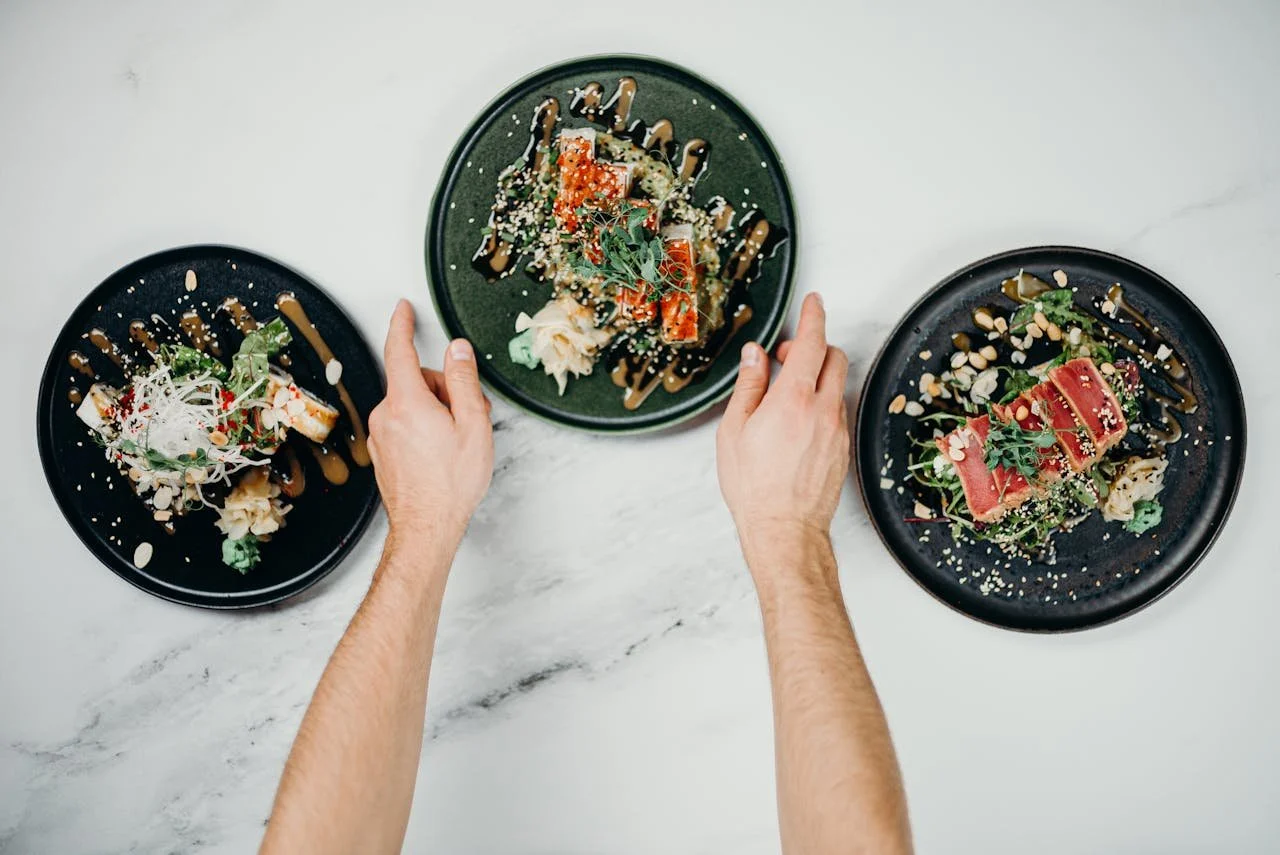
Simple Ways to Lose Weight / Cottonbro Studio
Introduction
The simplest ways to lose weight include strength training, improving sleep quality, eating without distractions, balancing macronutrients, increasing daily movement (NEAT), leveraging social accountability, and using smaller plates. These strategies improve metabolism, appetite regulation, and adherence—making fat loss more sustainable without extreme dieting.
Table of Contents
Quick Summary: What Actually Works
Why “Simple” Strategies Drive Real Weight Loss
Prioritize Strength Training Over Cardio Alone
Optimize Sleep (Especially Light Exposure)
Stop Multitasking While Eating
Balance Every Plate for Satiety and Energy
Increase NEAT (Non-Exercise Activity)
Use Social Accountability to Stay Consistent
Use Smaller Plates to Reduce Intake
How to Combine These Into a Real-World Plan
Related Articles
Quick Summary: What Actually Works
Lift weights 2–4x/week to preserve muscle and boost metabolism
Sleep in a dark environment to regulate hunger hormones
Eat without distractions to improve satiety awareness
Combine protein, fiber, and fat at every meal
Move more throughout the day (NEAT matters more than you think)
Build accountability (coach, friend, or structured program)
Use smaller plates to naturally reduce calorie intake
Why “Simple” Strategies Drive Real Weight Loss
Most people don’t fail at weight loss because they lack knowledge—they fail because their strategies are unsustainable. The highest-performing fat loss approaches are not extreme. They are repeatable, low-friction behaviors that influence energy balance, appetite, and metabolic health over time.
Modern research continues to reinforce this: adherence—not intensity—is the primary predictor of long-term success. The following seven strategies work because they target physiology (hormones, metabolism) and behavior (decision-making, habits) simultaneously.
1. Prioritize Strength Training Over Cardio Alone
Cardio burns calories during the workout. Strength training changes your body in ways that influence calorie burn 24/7. Recent systematic reviews show that resistance training:
Reduces body fat percentage and visceral fat
Helps preserve lean muscle during weight loss
Improves insulin sensitivity and metabolic health
More importantly, when dieting alone, people often lose both fat and muscle. Adding resistance training helps maintain lean mass, which is critical for long-term metabolic rate.
Practical Application
Train 2–4x per week with progressive overload
Focus on compound lifts (squats, presses, hinges, pulls)
If already lifting, increase either frequency, intensity, or exercise variation
If you’re training locally, working with a LoHi personal training program can help ensure your programming aligns with your fat-loss goals while minimizing the risk of injury.
2. Optimize Sleep (Especially Light Exposure)
Sleep is one of the most underutilized fat-loss tools. Light exposure at night disrupts circadian rhythms, which affects:
Leptin (satiety hormone)
Ghrelin (hunger hormone)
Glucose metabolism
Poor sleep is consistently linked to increased calorie intake, reduced fat loss, and higher body fat percentages.
Practical Application
Sleep in a dark, cool room
Avoid screens 60 minutes before bed
Aim for 7–9 hours per night
Even small improvements in sleep quality can improve appetite regulation the next day—making calorie control easier without relying on willpower.
3. Stop Multitasking While Eating
Eating while distracted—watching TV, scrolling, or working—significantly increases calorie intake. Why? Because satiety is not just physiological—it’s cognitive. When you’re distracted:
You don’t register portion size accurately
You experience reduced meal satisfaction
You’re more likely to eat again sooner
This effect compounds across the day, leading to higher total calorie intake.
Practical Application
Eat at a table, not in front of screens
Slow down your meals (15–20 minutes minimum)
Pay attention to hunger/fullness cues
This is one of the simplest behavioral changes with immediate impact.
4. Balance Every Plate for Satiety and Energy
A well-balanced plate stabilizes blood sugar, reduces cravings, and improves energy levels. Each meal should include:
Protein (muscle maintenance, satiety)
Fiber-rich carbs (sustained energy)
Healthy fats (hormonal support, fullness)
Emerging research also shows that distributing protein intake throughout the day improves muscle protein synthesis and body composition.
Practical Application
Example meal:
Grilled chicken (protein)
Quinoa or sweet potato (carbs + fiber)
Olive oil or avocado (fat)
Even snacks should follow this rule:
Apple + peanut butter
Greek yogurt + berries
This structure prevents energy crashes and reduces overeating later.
5. Increase NEAT (Non-Exercise Activity Thermogenesis)
NEAT refers to calories burned outside of formal exercise:
Walking
Standing
Household tasks
Daily movement
The difference between individuals can reach hundreds to thousands of calories per day. This is why two people doing the same workouts can have drastically different results.
Practical Application
Walk 7,000–10,000+ steps daily
Take calls standing or walking
Use stairs instead of elevators
Break up long sitting periods
For many people, increasing NEAT has a larger impact than adding another workout.
6. Use Social Accountability to Stay Consistent
Behavior change is easier when it’s shared.
Research consistently shows that people who have:
Coaching
Social support
Structured accountability
…are significantly more likely to lose weight and maintain it.
Practical Application
Train with a partner
Hire a coach
Join a structured program
If you’re in the area, a Denver personal trainer can provide both programming and accountability—two of the biggest drivers of long-term success.
7. Use Smaller Plates to Reduce Intake
This strategy works through visual perception rather than restriction.
Larger plates:
Increase portion sizes
Lead to higher calorie intake
Smaller plates:
Make portions appear larger
Increase perceived fullness
Practical Application
Use 9-inch plates instead of 12-inch
Serve food once instead of eating from containers
Plate meals intentionally
This is a low-effort environmental change that reduces intake without requiring calorie tracking.
How to Combine These Into a Real-World Plan
The real power comes from stacking these behaviors:
Baseline Weekly Plan
Strength train 3x/week
Walk daily (8,000+ steps)
Sleep 7–9 hours
Eat balanced meals 3–4x/day
Avoid distracted eating
Behavior Layer
Use smaller plates
Build accountability (coach or partner)
This approach removes the need for extreme dieting and instead builds a system that naturally drives fat loss.
Frequently Asked Questions (FAQ)
1. What is the easiest way to lose weight?
The easiest way is combining strength training, balanced nutrition, and increased daily movement (NEAT). These strategies improve metabolism and reduce hunger without requiring extreme dieting.
2. Is strength training better than cardio for fat loss?
Both are effective, but strength training helps preserve muscle and improve metabolism, making it essential for long-term fat loss.
3. Does sleep affect weight loss?
Yes. Poor sleep disrupts hunger hormones and increases calorie intake, making fat loss more difficult.
4. What is NEAT and why does it matter?
NEAT is non-exercise activity, such as walking and standing. It can significantly impact daily calorie burn and overall weight loss.
5. Can small habits really lead to weight loss?
Yes. Small, consistent behaviors—like eating without distractions or using smaller plates—add up to meaningful calorie reductions over time.
Peer-Reviewed Citations
Lopez P, et al. (2022). Resistance training effectiveness on body composition and body weight outcomes in individuals with overweight and obesity: A systematic review and meta-analysis. Obesity Reviews
PMID: Not available
DOI: 10.1111/obr.13428
Publisher: https://doi.org/10.1111/obr.13428
Wewege MA, et al. (2022). The Effect of Resistance Training on Body Fat Percentage, Fat Mass and Visceral Fat: A Systematic Review and Meta-Analysis. Sports Medicine
PMID: 34599983
DOI: 10.1007/s40279-021-01562-2
https://link.springer.com/article/10.1007/s40279-021-01562-2
Binmahfoz A, et al. (2025). Effect of resistance exercise on body composition and cardiometabolic health during dietary weight loss: A systematic review and meta-analysis. BMJ Open Sport & Exercise Medicine
PMID: Not available
DOI: 10.1136/bmjsem-2024-002363
ABOUT THE AUTHOR: MICHAEL MOODY, PERSONAL TRAINER
As an author, a personal trainer in Denver, and podcast host, Michael Moody has helped personal training clients achieve new fitness heights and incredible weight loss transformations since 2005. He also produces the wellness podcast "The Elements of Being" and has been featured on NBC, WGN Radio, and PBS.
Michael offers personal training to Denver residents who want to meet at the 2460 W 26th Ave studio….or in their homes throughout LoHi (80206), LoDo (80202), RiNo (80216), Washington Park (80209), Cherry Creek (80206, 80209, 80243, 80246, 80231), and Highlands (80202, 80211, 80212). Michael also offers experiences with a personal trainer in Jefferson Park (80211) and Sloan's Lake (80204, 80212).
If you’re looking for a personal trainer who can curate a sustainable (and adaptable) routine based on your needs and wants, Michael is the experienced practitioner you’ve been looking for. Try personal training for a month…your body will thank you!
As a Denver-based personal training provider, Michael Moody Fitness integrates evidence-based strength training, behavior coaching, and sustainable nutrition strategies tailored to Colorado’s active lifestyle and altitude considerations. Programs are designed to improve body composition, performance, and long-term adherence for clients across LoHi and the greater Denver area.