

Personal Trainer Blog
Fitness | Wellness | Diet Self-Improvement

Health and Fitness at your finger tips
Learn fitness, healthy whole food diets, wellness, and other personal training tips/recipes from Denver's weight loss personal trainer.

20 Foods to Avoid: Unhealthy Grocery List & Weight-Loss Wreckers Explained
ABSTRACT
Revamp your grocery cart with this expert-backed list of 20 foods to avoid. We break down why each item ranks among the worst foods for health, from artificial-sweetener sodas to whole-wheat bread myths. Get actionable personal-trainer nutrition advice plus clean-eating swaps to stay on track with weight-loss goals. Bookmark this unhealthy foods list before your next shopping trip and ditch hidden diet saboteurs for good.
Keywords
Foods to avoid
Unhealthy foods list
Worst foods for health
Guilty foods
Foods never to eat
Weight-loss foods to avoid
Grocery list makeover
Clean-eating tips
Healthier food swaps
Personal trainer nutrition advice
Artificial sweetener dangers
Processed food risks
Diet soda health risks
Whole wheat bread myth
Foods that cause weight gain

Foods to Avoid / Photo: Malidate Van
Introduction
After seeing this food list, I reconsidered the weekly groceries I buy. Whether you're trying to live healthy or lose weight, you may also want to revamp your grocery list. Check out the 20 guilty foods I think you should only save as indulgences (from the recent article "50 Foods You Should Never Eat" on MSN.com).
1. WHOLE WHEAT BREAD
William Davis, MD, creator of Wheat Belly 10-Day Detox
The Problem: Modern wheat is nothing like the grain your mother or grandmother consumed. Today, wheat barely resembles its original form, thanks to extensive genetic manipulations during the 1960s and 1970s to increase the grain's yields. "You cannot change the basic characteristics of a plant without changing its genetics, biochemistry, and its effects on humans who consume it," Dr. Davis notes.
Dr. Davis makes the case that modern-day wheat is triggering all sorts of health problems, everything from digestive diseases like celiac and inflammatory bowel disease to acid reflux, obesity, asthma, and skin disorders. "If there is a food that yields extravagant, extraordinary, and unexpected benefits when avoided, it is bread," says Dr. Davis. "And I don’t mean white bread, I mean all bread: white, whole wheat, whole grain, sprouted, organic, French, Italian, fresh, day-old…all of it."
The Personal Trainer Solution: Try eliminating wheat altogether from your diet for a few weeks to see if you note health improvements. But be prepared for the wheat withdrawal syndrome of nausea, headache, fatigue and depression, and a host of other strange side effects of going grain-free during your first wheat-free week, since there are opiates that develop from the gliadin protein of wheat. Once you are through this process, you'll feel better, maybe better than you have ever before.2. NON-DAIRY COFFEE CREAMER
Will Clower, PhD, author of Eat Chocolate, Lose Weight
The Problem: The health benefits of coffee are pretty impressive (Note: Too much caffeine is not...read here to find out why), so don't go throwing them away by splashing non-dairy creamer in your morning joe. Fake creamers are full of hard-to-pronounce ingredients, including liver-damaging high-fructose corn syrup, inflammatory hydrogenated oils that would never exist in nature, and artificial flavors.
The Personal Trainer Solution: Drink your coffee black, or if you want to add cream, opt for organic from grass-fed cows or organic unsweetened coconut milk without the food additive carrageenan.3. GRAPE JELLY
Ellen Gustafson, author of We the Eaters
The Problem: Concord grapes are delicious (and are one of the few fruits native to North America), but the way most of us taste them is in the form of high-fructose-laden grape jelly. "Even though it's given away for free like ketchup in little plastic packets, it's basically a jelly-textured candy loaded with various forms of sugar, artificial colors, and flavors," Gustafson says.
The Personal Trainer Solution: Gustafson suggests opting for real fruit, honey, or apple butter on your PB&(F, H, or AB) sandwich. If you do reach for jelly in the store, look for low-sugar, organic versions—organic bans the use of artificial colors and flavors and requires that the grapes be grown without the use of chemical pesticides. (Nonorganic grapes are one of the most pesticide-laden fruits.)4. DIET SODA
Isaac Eliaz, MD, founder of Amitabha Medical Clinic and Healing Center
The Problem: Dr. Eliaz stays away from any diet soda (here's how) and foods, sugar-free candies, and gum containing artificial sweeteners such as sucralose, aspartame, acesulfame K, and neotame, among others. "The safety data on these sweeteners is shrouded in controversy and conflicts of interest with the manufacturers of these chemical compounds," Dr. Eliaz warns. "Independent research strongly suggests that when metabolized in the body, these sweeteners can cause health-related issues and problems related to metabolism and weight gain, neurological diseases, joint pain, digestive problems, headaches, depression, inflammatory bowel disease, chemical toxicity, and cancer, among others."
The Personal Trainer Solution: From its weight gain effects to the overload of artificial sweeteners, the disturbing side effects of soda are enough to break the fizzy habit. If you're craving a soda but want to avoid the shady sweeteners, fake food dyes, and preservatives found in popular brands, try making one of these naturally flavored water recipes, or brew your own kombucha, a naturally bubbly fermented tea that's easy to make at home.5. CANNED TOMATOES
Frederick vom Saal, PhD, professor of biological sciences, University of Missouri at Columbia
The Problem: The resin linings of tin cans contain bisphenol-A, or BPA, a synthetic estrogen that has been linked to ailments ranging from reproductive problems to heart disease, diabetes, and obesity. Studies show that the BPA in most people's bodies exceeds the amount that suppresses sperm production or causes chromosomal damage to the eggs of animals. "You can get 50 micrograms of BPA per liter out of a tomato can, and that's a level that is going to impact people, particularly the young," says vom Saal. "I won't go near canned tomatoes."
The Personal Trainer Solution: To avoid negative BPA health effects, choose tomatoes in glass bottles (which do not need resin linings), such as the brands Eden Organic and Bionaturae. You can also look for tomatoes in Tetra Pak boxes instead of cans.6. SPROUTS
Douglas Powell, PhD, food safety consultant, barfblog.com
The Problem: Sprouts have been the source of so many major food recalls that they're really not worth the risk, Powell says. Be they bean or broccoli, alfalfa or pea, sprouts have been at the center of at least 55 outbreaks of foodborne illness, affecting more than 15,000 people over the last 20 years. Often, sprouts harbor salmonella, E. coli, or listeria; they're vulnerable to contamination because the seeds require moist, warm conditions in order to sprout—ideal conditions for bacteria to thrive and multiply in.
The Personal Trainer Solution: Get the crunch of sprouts—without the added bacteria—by shredding cabbage or carrots onto your sandwiches. If you really enjoy the flavor of sprouts, cook them first, but watch out for cross-contamination.7. CHICKEN WINGS
Tasneem Bhatia, MD, author of What Doctors Eat
The Problem: A single chicken wing has 81 calories and 5 grams of fat. Given that most people don't eat just one, a lone feast of chicken wings could easily lead to 1,000 extra calories and 50 grams of fat—nearly two or three days worth of artery-clogging fat! "Since 500 extra calories per day leads to two pounds per week, chicken wings are a recipe for weight gain," Dr. Bhatia says.
The Personal Trainer Solution: If you like chicken, try baked or grilled versions to avoid a calorie overload. Since conventional chicken feed often contains antibiotics to stimulate faster growth (and sometimes even arsenic), choose organic whenever you can. If you want to go the veggie route, try this delicious vegan Buffalo wings alternative.8. BUTTER-FLAVORED POPCORN
Alexandra Scranton, director of science and research at Women’s Voices for the Earth
The Personal Trainer Solution: Diacetyl is used in a lot of fake butter flavorings, despite the fact that the chemical is so harmful to factory workers that it's known to cause an occupational disease called "popcorn lung," Scranton says. After news of the chemical got out to the popcorn-eating public, companies started replacing diacetyl with another additive—which can actually turn into diacetyl under certain conditions, she adds. Neither chemical is disclosed on microwave-popcorn bags because the exact formulations of flavorings are considered trade secrets. "It's a classic example of the need for better chemical regulation and improved transparency on the chemicals used in our food and other household products," she says.
The Solution: Pop it on the stovetop in a pot and season or go an easier homemade popcorn route: Put a small handful of kernels into a brown paper lunch bag and stick the bag in the microwave. The kernels will pop just like those fake-butter-flavored kernels in standard microwave popcorn bags. When they're done, pour seasoning over them. "Makes pretty good popcorn at a fraction of the cost!" Scranton says.9. FARMED SALMON
Margaret I. Cuomo, MD, author of A World Without Cancer
The Personal Trainer Solution: "Fish is naturally low in saturated fat, and some types, like salmon, are also high in omega-3 fat, reducing the risk of stroke and heart attack and inflammation throughout the body. While Americans need to eat more seafood and less red meat, some fish such as farmed salmon are contaminated with carcinogenic chemicals such as PCBs (polychlorinated biphenyls), pesticides (including dieldrin and toxaphene) and antibiotics," she says. And unlike wild salmon, farmed salmon are fed a mixture of other fish ground into fishmeal and fish oil, and they concentrate more toxins in their fat tissue than do other fish, Dr. Cuomo notes.
The Solution: "Fish is an important part of my family's diet, and I am very careful to choose wild salmon, rather than farmed salmon, which contains many carcinogens," Dr. Cuomo says.10. GUMMY VITAMINS
Mark Moyad, MD, MPH
The Problem: Vitamins in the form of candy? Sounds like a dream to the parents of picky eaters. Too bad it's too good to be true. Each serving is about 15 calories a day and, while 2 or 3 grams of sugar a day (often as corn syrup) doesn't seem like much, Dr. Moyad points out that this translates to nearly 6 cups of sugar a year. Not to mention, gummies contain artificial food dyes and can contain a laundry list of other problematic ingredients: "Many contain gluten, and some also contain corn syrup, carmine, and pregelatinized cornstarch," he says.
The Personal Trainer Solution: "Always go to food for nutrition first," says Dr. Moyad. "Don't teach kids to rely on pills at such a young age."11. ANYTHING FROM MCDONALD'S
Joel Salatin, sustainable farmer
The Problem: McDonald’s isn't just about food, it's about food mentality, according to Salatin. "It represents the pinnacle of factoryfarming and industrial food," he says. "The economic model is utterly dependent on stockholders looking for dividends without regards to farm profitability or soil development."Fast food typically is loaded with all sorts of the ingredients mentioned elsewhere in our list: genetically engineered corn, food dyes, artificial sweeteners, and other bad actors in the food supply. The type of farming that supports this type of food business relies on harmful chemicals that not only threaten human health, but also soil health.
The Personal Trainer Solution: Learn to cook! You might be surprised to find that paying extra up front for a pasture-raised chicken can be cheaper than buying prepared fast-food chicken. For instance, cooking a chicken and then boiling down the bones for a rich, disease-fighting stock can yield up to three meals for a family! (Here's how to make homemade stock.) Find sustainable farmers at LocalHarvest.org.12. ARTIFICIAL SWEETENERS
Maria Rodale, CEO of Rodale, Inc. and author of Organic Manifesto
The Problem: Ironically, there's a lot of evidence that suggests using artificial sweeteners, which have zero calories, is just as bad for your waistline as using regular, high-calorie sugar. For instance, research from the University of Texas has found that mice fed the artificial sweetener aspartame had higher blood sugar levels (which can cause you to overeat) than mice on an aspartame-free diet. Not only are they bad for your health, but scientists have also detected artificial sweeteners in treated wastewater, posing unknown risks to fish and other marine life. Plus, as Rodale says, "They're unnatural, nonorganic, taste horrible, and lead to all sorts of bad health consequences, false expectations, and short-term strategic thinking."
The Personal Trainer Solution: Refined white sugar isn't any healthier, but you can replace it with small amounts of nutritious sweeteners, including honey, blackstrap molasses, and maple syrup, all of which have high levels of vitamins and minerals, or make homemade healthy sweeteners that are far better for your diet.13. PROCESSED HONEY
Gerard E. Mullin, MD, author of The Gut Balance Revolution
The Problem: "Refined honey is among the most insidious sweeteners of all time," says Dr. Mullin. The pasteurization process eliminates the health properties of honey, essentially turning it into just another form of sugar. To make things more confusing, research has shown that more than 75 percent of honey has been processed to the point where it isn't even considered honey anymore. Some honey is even blended with high-fructose corn syrup, additives, and other flavorings.
The Personal Trainer Solution: In moderation, raw honey from your local farmer's market has the opposite effect on your health. "Good data show that a teaspoon or less per day of raw honey has positive effects on gut microbimone health," Dr. Mullin says. Raw honey may have an antimicrobial effect against harmful pathogens in your gut, including E. coli. At the same time, this superfood can help promote the growth of healthy bacteria. "Honey also has anti-inflammatory, antioxidant, immune-regulating, and anti-tumor properties," he points out. It can also improve many aspects of your health, including allergies, bone health, diabetes, and wound healing.14. AGAVE
Robert Lustig, MD, author of Fat Chance
The Problem: Don't trust the health halo claims associated with the natural sweetener agave. While it is technically a low-glycemic food, it actually drives up blood fructose, which is way worse, Dr. Lustig explains. "Fructose causes seven times more cell damage than glucose because it binds to cellular proteins seven times faster and releases 100 times the number of oxygen radicals (like hydrogen peroxide, which damages cells)," he notes.In addition, fructose is turned into fat in the liver, which contributes to the development of metabolic diseases like type 2 diabetes. "Glycemic index is irrelevant; fructose damages your body unrelated to glycemic index. Agave nectar should have a skull and crossbones," Dr. Lustig says.
The Personal Trainer Solution: Retrain your tastebuds to not want excessively sweet foods.
15. TABLE SALTJosh Axe, DNM, DC, CNS, and founder of DrAxe.com
The Problem: Table salt starts out as a healthy sea salt, but the extreme processing that happens next makes this one of the worst things you can put in your body. Manufacturers strip it of all its minerals and heat it to around 1,200 degrees, completely changing its chemical structure. Then, the naturally-occurring iodine that was destroyed is replaced with potassium iodide, and the salt is stabilized with dextrose, which turns it purple. Finally, it is bleached white.
The Personal Trainer Solution: For an all-natural, unprocessed way to add flavor to food, choose Celtic sea salt or Himalayan salt. You'll also get a heavy dose of health benefits, including bone support, improved cognitive function and pH balancing.16. CHARRED MEAT
Natasha Turner, ND, author of The Supercharged Hormone Diet
The Problem: While everyone loves a good barbecue, grilling meats can produce carcinogens if you aren’t careful. The two most associated with charring are HCAs (heterocyclic amines) and PAHs (polycyclic aromatic hydrocarbons). HCAs form when meat is cooked at high temperatures; PAHs are created when the flames touch the meat or when fat drips into the flames and produces smoke, which then rises and coats the food.
The Personal Trainer Solution: To grill more healthfully, lower the heat on your gas grill or increase the distance between the fire and the meat if using a charcoal grill. Choose smaller cuts of meat, flip them often, and use a meat thermometer when cooking at lower temperatures so you can check to be sure the meat is fully cooked. Homemade grilling marinades, particularly ones containing rosemary, can reduce the risk of HCAs by up to 99 percent.17. FAST FOOD FRENCH FRIES
Jillian Michaels, fitness expert
The Problem: Heart disease has become the number one killer in America. One main culprit, Michaels says: Trans fats, aka hydrogenated or partially hydrogenated oils, vegetable oils that have been "reconfigured" to extend their shelf life (but that ultimately harm your cholesterol levels). A medium fry from a fast-food restaurant could contain as much as a whopping 14.5 grams of this fat. That's significant because there are no safe levels of trans fats, according to many public health experts. In fact, if only 3 percent of your daily calorie intake is from trans fats, your risk of heart disease goes up by 23 percent, Michaels notes. "Although fast-food fries are a main culprit, I highly recommend reading your food labels and avoiding this toxic preservative wherever and whenever possible," she says.
The Personal Trainer Solution: Bake your fries at home using this simple recipe: Preheat your oven to 450 degrees F. Cut a potato into wedges. (Soak potatoes to reduce harmful acrylamide levels.) Mix together 1 Tablespoon olive oil, 1/2 teaspoon paprika, 1/2 teaspoon garlic powder, and 1/2 teaspoon onion powder. Coat the potato wedges with the oil/spice mixture and place on a baking sheet. Bake for 45 minutes in preheated oven.18. INFLAMMATORY VEGETABLE OILS
Jayson Calton, PhD, and Mira Calton, CN, authors of The Micronutrient Miracle
The Problem: Don't ruin your healthy salad by dumping inflammatory oils all over it. "Most salad dressings on the market today use canola or soybean oil—two major GMO-laden, pro-inflammatory no-nos," says Jayson Calton. Mira points out that even organic versions still contribute to the unhealthy, pro-inflammatory omega-6/omega-3 imbalance. "Due to the adverse processing methods for corn, soybean, canola, safflower, or cottonseed oils, you are essentially ingesting oxidized molecules that wreak immediate havoc on healthy cellular function," she says. "The bottom line is that these oils are not healthy and should be avoided at all costs."
The Personal Trainer Solution: Make your own salad dressing with fresh healthy oils and organic vinegar—it's super easy. Olive oil is OK, say the Caltons, but it can be high in inflammatory omega-6s (if you do go with olive oil, always opt for cold-pressed, extra-virgin). Safer oils include peanut, sesame, avocado, macadamia, flaxseed, and fish oils. Simply combine the oil of your choice with your favorite herbs, garlic, red wine vinegar, and voilà—homemade Italian dressing!19. FRUIT JUICE
Dawna Stone, author of The Healthy You Diet
The Problem: Fruit is rich in fiber, vitamins, minerals, antioxidants, and phytonutrients—but fruit juice does not provide the same health benefits. "Even if you are label conscious and purchase 100 percent real fruit juice or make your own fresh squeezed juice at home, you need to beware of the high sugar content," Stone warns. A glass of fruit juice can have as much sugar as a can of soda, not to mention it's void of one of fruit's main health benefits—its high fiber content.
The Personal Trainer Solution: Next time you think about grabbing a tumbler of juice, consider opting for a splash of real fruit juice to a glass of still or sparkling water. Not enough juice to satisfy your craving? Combine whole fruit and ice in a blender for a refreshing and satisfying smoothie. Even better, opt for a green vegetable juice and add the juice of a half a green apple. "I find just ½ an apple or other fruit gives my nutrient-dense green juice just the right amount of sweetness," Stone says.20. SWORDFISH
Philip Landrigan, MD, professor of preventive medicine and pediatrics, Mount Sinai
The Problem: One of Dr. Landrigan's No. 1 warnings to women who are pregnant or are looking to become pregnant? "Make avoiding mercury in fish a priority," he says. Swordfish is notoriously high in the heavy metal, a potent neurotoxin that can damage developing children and even trigger heart attacks in adults. Aside from obvious health concerns, swordfish is often overfished and some of the gear commonly used to wrangle in swordfish often kills turtles, seabirds, and sharks.
The Personal Trainer Solution: For a healthy omega-3 brain boost, look for fish that are low in contaminants and have stable populations, such as wild-caught Alaskan salmon, Atlantic mackerel, or pole- or troll-caught Pacific albacore tuna. Got a more adventurous palate? Try snakehead fish to satisfy your fish craving and improve the environment.
The invasive species lives on land and water, where it wipes out important frogs, birds, and other critters. Snakehead fish is popping up on some restaurant menus, and the taste and texture are about identical to swordfish.
ABOUT THE AUTHOR: MICHAEL MOODY, PERSONAL TRAINER
As an author, a personal trainer in Denver, and podcast host, Michael Moody has helped personal training clients achieve new fitness heights and incredible weight loss transformations since 2005. He also produces the wellness podcast "The Elements of Being" and has been featured on NBC, WGN Radio, and PBS.
Michael offers personal training to Denver residents who want to meet at the 2460 W 26th Ave studio….or in their homes throughout LoHi (80206), LoDo (80202), RiNo (80216), Washington Park (80209), Cherry Creek (80206, 80209, 80243, 80246, 80231), and Highlands (80202, 80211, 80212). Michael also offers experiences with a personal trainer in Jefferson Park (80211) and Sloan's Lake (80204, 80212).
If you’re looking for a personal trainer who can curate a sustainable (and adaptable) routine based on your needs and wants, Michael is the experienced practitioner you’ve been looking for. Try personal training for a month…your body will thank you!

High-Calorie Salads: 10 Restaurant Salads That Beat a Big Mac
ABSTRACT
Think a salad is always the lighter choice? Discover 10 high-calorie salads that pack more calories than a 530-calorie Big Mac. We spotlight calorie-dense salad ingredients and sneaky toppings that turn a healthy bowl into a salad calorie bomb. Use our healthy salad tips to keep greens nutrient-rich, portion-smart, and waistline-friendly.
Keywords
High-calorie salads
Salads higher calories than Big Mac
Calorie-dense salad ingredients
Unhealthy restaurant salads
Salad calorie bomb
Worst fast food salads
Salad vs Big Mac calories
Restaurant salad nutrition
Calorie-heavy salad list
Healthy salad tips
Avoid salad diet mistakes
Salad toppings are high calories
Calorie count of salad ingredients

Introduction
Are salads always healthier than a 530-calorie Big Mac at McDonald’s? You might be surprised by the 10 salads found in the article "25 Salads That Have More Calories Than a Big Mac" on MSN.com. Check out this list and tips for a healthy salad below.
10. RED ROBIN SOUTHWEST GRILLED CHICKEN SALAD
Calories: 873
Fat: 51g
Protein: 49g
Carbohydrate: 48g
Sodium: 1705mg
This salad has nearly two times as many grams of fat as a Big Mac (27g).
9. CARL'S JUNIOR BEEF TACO SALAD
Calories: 880
Fat: 53g
Protein: 36g
Carbohydrate: 67g
Sodium: 1780mg
At 880 calories, the Carl's Junior Beef Taco Salad is a poor excuse for a salad.
8. MIMI'S CAFE BACON & BLEU CHEESE SALAD
Calories: 900
Fat: 60g
Protein: 48g
Carbohydrate: 47g
Sodium: 1770mg
This salad is deceptive. Though it seems relatively healthy, its toppings — bacon, strawberries, blue cheese — and dressing are what really raise the calorie count.
7. UNO CHICAGO GRILL HONEY CRISP CHICKEN SALAD
Calories: 960
Fat: 62g
Protein: 51g
Carbohydrate: 58g
Sodium: 1770mg
This salad is loaded with extra less-than-healthy toppings and "crispy" (essentially just fried) chicken, adding up to a whopping 960 calories.
6. THE OLD SPAGHETTI FACTORY CHICKEN CAESAR SALAD
Calories: 1120
Fat: 90g
Protein: 54g
Carbohydrate: 30g
Sodium: 1820mg
Though caesar salads are widely considered a simple dish, they can be packed with calories — especially if you include their fat-filled dressing. This one passes the 1,000 calorie mark.
5. BAJA FRESH STEAK SALAD
Calories: 1240
Fat: 45g
Protein: 65g
Carbohydrate: 149g
Sodium: 3440mg
If you're on a common 1,200-calorie diet, this salad will take care of the entire day.
4. ON THE BORDER BEEF GRANDE TACO SALAD
Calories: 1280
Fat: 85g
Protein: 53g
Carbohydrate: 80g
Sodium: 2250mg
You already know that the word "taco" and "salad" are a risky combination. Adding "grande" to the mix is a recipe for disaster — a 1,280-calorie disaster, to be exact.
3. THE OLD SPAGHETTI FACTORY COBB SALAD
Calories: 1290
Fat: 105g
Protein: 64g
Carbohydrate: 25g
Sodium: 2560mg
If the caesar salad from The Old Spaghetti Factory is bad news, the cobb salad (think blue cheese, bacon, egg, etc.) is next level.
2. JASON'S DELI CHILI TACO SALAD
Calories: 1310
Fat: 78g
Protein: 45g
Carbohydrate: 110g
Sodium: 1510mg
And the award for the most calorific taco salad on the list is from Jason's Deli. The added chili isn't doing your diet any favors.
1. RED ROBIN CRISPY CHICKEN TENDER SALAD
Calories: 1348
Fat: 92g
Protein: 58g
Carbohydrate: 73g
Sodium: 2325mg
At 1,348 calories, you can forget calling this a salad at all. It has 2,325 milligrams of sodium and 92 grams of fat, making a Big Mac look like a bag of spinach by comparison.
Calorie-Dense Ingredients in Salads
No garden should have this much fat or calories while trying to lose weight with a personal trainer. What are the biggest violators? Most likely, the salads above have one or more calorie-whopping ingredients that usually get my personal training clients in trouble. Below is a quick “watch-list” of calorie-dense add-ins that routinely turn a virtuous salad into a stealth calorie bomb. I’ve shown typical salad-bar portions (what most people scoop or pour) and the approximate calories that portion adds to your bowl.
Creamy dressings—ranch, Caesar, and blue cheese (2 Tbsp / 30 g), 140–160 kcal. The base is oil + egg or mayo, which is easy to overpour.
Oil and vinegar (vinaigrette) (2 Tbsp), 120 kcal. Even a “light” vinaigrette contains ~75 % oil.
Bacon bits/lardons (¼ cup ≈ 30 g), 120 kcal. Cured pork fat; sometimes fried in additional oil.
Shredded or crumbled cheese—cheddar, feta, goat (¼ cups ≈ 28 g), 110–120 kcal. This is a high-fat dairy; sharp cheeses pack big flavor but also calories.
Candied nuts – pecans, walnuts (2 Tbsp ≈ 15 g), 90–110 kcal. Nuts are calorie-dense + sugar coating.
Regular nuts/seeds: almonds, sunflower seeds, pepitas (2 Tbsp), 90–100 kcal. These are healthy fats, but very energy-dense.
Avocado (½ medium ≈ 75 g), 120 kcal. Heart-healthy monounsaturated fat; portion control matters.
Croutons (½ cup ≈ 15 g), 70–80 kcal. Fried or baked bread cubes coated in oil/butter.
Tortilla strips/fried wontons (¼ cup ≈ 15 g), 70–80 kcal. Refined carbs + oil from frying.
Dried fruit – cranberries, raisins (2 Tbsp ≈ 20 g), 60–70 kcal. Water removed → natural sugars concentrated; often sugar-coated.
Tips for keeping salads nutrient-rich but calorie-sensible
Measure dressings: Keep a 2-Tbsp (30 mL) portion in mind; drizzle, don’t dump. Better yet, serve it on the side and dip your fork.
Pick one “premium” fat: You can choose either cheese, nuts, or avocado—not all three in the same bowl.
Flavor punches beat volume: A tablespoon of bold Parmesan shavings or toasted seeds adds plenty of taste for fewer calories than a large handful.
Bulk with low-calorie veggies: Load up on leafy greens, cucumbers, tomatoes, bell peppers, and mushrooms—they average 5–20 kcal per ½ cup.
Watch the hidden sugars: Swap candied nuts and dried fruit for fresh fruit like berries or apple slices.
Keeping an eye on portions of the items above lets you enjoy satisfying texture and flavor without turning a salad into a 1,000-calorie meal.
ABOUT THE AUTHOR: MICHAEL MOODY, PERSONAL TRAINER
As an author, a personal trainer in Denver, and podcast host, Michael Moody has helped personal training clients achieve new fitness heights and incredible weight loss transformations since 2005. He also produces the wellness podcast "The Elements of Being" and has been featured on NBC, WGN Radio, and PBS.
Michael offers personal training to Denver residents who want to meet at the 2460 W 26th Ave studio….or in their homes throughout LoHi (80206), LoDo (80202), RiNo (80216), Washington Park (80209), Cherry Creek (80206, 80209, 80243, 80246, 80231), and Highlands (80202, 80211, 80212). Michael also offers experiences with a personal trainer in Jefferson Park (80211) and Sloan's Lake (80204, 80212).
If you’re looking for a personal trainer who can curate a sustainable (and adaptable) routine based on your needs and wants, Michael is the experienced practitioner you’ve been looking for. Try personal training for a month…your body will thank you!

21 Worst Things You Can Do for Your Body | Denver Personal Trainer Guide
ABSTRACT
See the 21 worst things you can do for your body—Denver personal trainer details recovery, sleep, and hydration. Stop overtraining, sugar, and sitting. Start your healthy lifestyle now.
Keywords
Worst things you can do for your body
Bad habits harming health
Health mistakes to avoid
Unhealthy lifestyle habits
Personal trainer Denver
Denver weight-loss tips
Overtraining risks
Recovery and sleep importance
Hydration tips for athletes
Sugar consumption dangers
Sitting too much health effects
Balanced diet vs low-fat
Alcohol calorie awareness
Sunscreen and skin health
Mental and emotional wellness

Unhealthy Habits / Photo: Martin Pechy
Introduction
Whether you're trying to lose weight with a personal trainer in Denver or scaling the mountains of Colorado, you need a solid foundation of health. Unfortunately, bad habits, misleading advice, and false advertising most likely compromised your most sacred temple up to this point. Look at this list and redefine how you approach life physically, mentally, and emotionally (from the recent msn.com article "The 21 Worst Things You Can Do For Your Body")!
List of the Worst Things You Can Do For Your Body
1. NOT ALLOWING PROPER RECOVERY
Congratulations on exercising regularly. But you may be sabotaging this healthy habit by “not eating correctly after a workout to restore nutrients and build muscle,” Rentz says. You also need to sleep enough, “allowing the body to repair and rebuild.” Recovery is crucial and you must not neglect it. You risk serious and painful injuries. Just remember as you exercise that Rome wasn’t built in a day.
2. NOT GETTING ENOUGH SLEEP
Rentz admits she is guilty of this bad practice. “There are only so many hours in the day, and my workout in the morning robs me of additional sleep that could be beneficial to me long term,” she says. Sleep deprivation is very harmful to the body. It can cause your brain to shrink, lead you to eat more, and increase your blood pressure. Also, driving while sleepy and tired is a bad idea, as it makes your reactions three times slower.
3. OVERTRAINING
Yes, it is possible to have too much of a good thing, and working out more than what your body can handle is highly detrimental. “You aren’t able to complete your normal routine; you find that you may just be going through the motions with your workout,” Rentz says. “In addition, you may feel sluggish and cloudy headed for the rest of the day. Finally, you start to crave comfort foods, filled with sugary, high carbohydrates, and begin to overeat,” she adds. And if that’s not enough, exercising too much won’t get you the results because your body is overstressed and didn’t have time to recover.
4. RELYING TOO MUCH ON WEIGHT MACHINES
By using weight machines too often, you’re not using your own body weight to mimic motions that you do throughout the day, Rentz says. That is not helping your body function better. This is also another reason why some doctors don’t recommend seated machine-based exercises. So next time you hit the gym, don’t even look at the squat machine and do lunges with dumbbell weights in your hands instead.
5. DRINKING YOUR CALORIES
“Most things in life are fine in moderation,” Rentz says. “However, if counting calories is part of your routine, monitor your cocktail intake to 1x/day, noting that sugary cocktails are really high in calories,” she adds. Ounce for ounce, alcohol has about 100 calories. “So it’s the mixes that add the extra sugar, which can lead to weight gain in the long-term.”
6. CONSUMING SUGAR
“[Sugar] leads to weight gain, tooth decay, and so many health problems (hypertension and diabetes, just to name a few)," Rentz says. It’s the one thing she’d tell her clients to avoid at all costs. “Most consume approximately 22 teaspoons a day when we should aim for 6-9 spoons a day,” she says. “Read nutritional labels to make information clear on consumption, and limit soft drinks to a very special occasion.”
7. EATING FRENCH FRIES
French fries are the second thing Rentz would advise people to steer clear of. They make you tired and sluggish, fat, and put you at risk for heart disease and diabetes, according to studies. A small serving of fries has about 300 calories, mostly coming from fat. The fact that they are usually dipped in corn oil, the worst kind, makes matters even worse. Also, fries have a lot of high glycemic carbs, which result in insulin spikes.
8. NOT STAYING HYDRATED (IT’S NOT JUST WATER!)
Drink enough water; it’s that simple. It helps rid the body of waste and toxins, transports oxygen and nutrients to the muscles, and protects every organ. A good tip to know how much water to drink, Rentz says, is to take your body weight in pounds and divide in half. “That’s approximately how many ounces of water you should consume a day.”
Plain water can be boring, so think of alternatives to stay hydrated. “Some beverages can hydrate us faster than others, and this has now been known as the “hydration index,” she adds. “For example, milk has a higher ‘hydration index’ compared to coffee or tea.”
Dr. Steinbauer says it’s also a good idea to take a container of fluid with you. “Keep it at your desk at work, or with you throughout the day. That will remind you to drink, and give you a visual scorecard on how you are doing.”9. SNOOZING
Poor quality of sleep can be worse than getting only a few hours of shut-eye. Hitting the snooze button puts more stress on your body because it’s disrupting the process of sleep. That leaves you even more tired. “If the snooze button is really an indicator that you are too exhausted to move, than just reset the alarm,” Rentz says. “If your body can get out of bed once you hear the alarm, avoid at all costs the ‘snooze’ and just put your feet on the floor.”
10. SMOKING
No blacklist of habits will be complete without smoking. “It is clear that smoking is likely the single worst thing we can do,” Dr. Steinbauer says.
11. IGNORING A TREATABLE CONDITION
“A person who has a treatable chronic condition and chooses to ignore it would qualify as doing the ‘worst thing for themselves',” Dr. Steinbauer says. “We often see patients who have addiction, diabetes, high blood pressure, high cholesterol, sleep apnea, and other treatable illnesses and choose to ignore them,” he adds. In the case of diabetes, high blood pressure and cholesterol, the patient may have few symptoms and the terrible effects do not appear for 10-20 years. “By then, it is too late; the damage is done.”
12. DRINK SODA, INCLUDING DIET, EVERY DAY
Sugary sodas have been losing to diet ones for several years now. Research has proven how unhealthy sugar is. Another recent one made a connection between soda and life expectancy decrease by 4.6 years because the sugar damages telomeres, which affect how cells age. Diet sodas, which can also kill you, taste similar to regular ones because they have artificial sweeteners that play tricks on the brain in a worse way than sugary sodas.
13. BEING A WORKAHOLIC
“If we take the model of other addictions, the basic definition would be ‘continuing a behavior in a compulsive fashion, which has caused adverse outcomes,’” Dr. Steinbauer says. The effects of being a workaholic are far ranging, he adds, but most likely fall into: Overweight or underweight (both are malnutrition), high blood pressure, heart disease, and stroke (presumably from high blood pressure), even cancer is associated with more stress. “Work itself doesn’t cause the problem,” he adds. “It is the internal environment of the patient.”
14. TEXTING TOO MUCH
Looking down all the time to text and stare at your phone wreaks havoc on your posture, which significantly damages your health. A study has found that the added pressure on the spine can lead to tightness in the muscles in front of the shoulder, potentially causing rotator cuff tendinitis.
15. DRINKING MORE THAN TWO DRINKS A DAY
“If you think you MIGHT be drinking too much, you probably are. In my experience, worrying about drinking is the first sign of having a problem with alcohol,” Dr. Steinbauer says. There is plenty of research showing how it slowly kills you if you drink excessively. Moderate drinking, one drink per day for women or two drinks per day for men, defined by the CDC, is associated with the lowest mortality rates in alcohol studies.
16. STAYING ON LOW-CARB AND LOW-FAT DIETS
The best diet in the world is a balanced one. Your body needs healthy carbs and fats to function properly. One-third of daily calories should come from high performance fats. Omega-3 fats in fish, nuts and veggies are crucial. “Low-fat” foods have a lot of sugar, so they can taste the same. And for men, low-fat diets lower testosterone production.
17. SITTING TOO MUCH
Watching whole seasons of your favorite show may sound like the perfect Friday night for some, but you’re putting your health at risk after just a couple of episodes. You are literally sitting yourself to death. Sitting more than 11 hours a day increases risk of premature death by 40 percent.
18. SMOKING TOO MUCH POT
“Smoking pot is like drinking alcohol,” Dr. Steinbauer says. “In moderation, I do not think it is more harmful than having a drink. In excess, marijuana, like other drugs and alcohol, has a syndrome of overuse that is harmful to the user,” he adds. Pot smokers won’t get cirrhosis, but they may have more lung disease. In addition, a chronic apathy and lack of energy seem to set in.
19. OVERLOOKING HEALTH SYMPTOMS
You may be sick and not even know it. If something out of the ordinary bothers you, a doctor’s visit is a good idea. “Don’t be afraid to come to the doctor,” Dr. Steinbauer says. “If something about your health is worrying you, come and see us. Sometimes people think ‘it’s nothing, I don’t want to waste the doctor’s time or waste my time,’ but if you are worried about something, it is NOT a waste of time to go to the doctor."
20. STAYING INDOORS FOR MORE THAN TWO DAYS IN A ROW
If you want to stay in bed all day, you may be suffering from depression, according to Dr. Steinbauer. But if you just don’t go outside, you are missing your vitamin D boost from sunshine. About 20 minutes of sunshine per day is recommended, he adds. Some symptoms of vitamin D deficiency include fatigue, depression, sweating, and chronic pain.
21. NOT APPLYING SUNSCREEN
The most common mistake people make, according to Dr. Elizabeth Hale, spokeswoman for the Skin Cancer Foundation and board-certified dermatologist, is thinking that they don’t need sunscreen. It is not true that you only need to apply it only at the beach. Research has shown that most skin damage is the result of incidental sun exposure – that’s when you’re pretty much everywhere but the beach and have not put sunscreen on. “90 percent of premature skin aging is caused by overexposure,” she adds. “Put sunscreen on no matter what.” The UV rays penetrate the clouds and windows so they can still harm you even when you think they can’t.
ABOUT THE AUTHOR: MICHAEL MOODY, PERSONAL TRAINER
As an author, a personal trainer in Denver, and podcast host, Michael Moody has helped personal training clients achieve new fitness heights and incredible weight loss transformations since 2005. He also produces the wellness podcast "The Elements of Being" and has been featured on NBC, WGN Radio, and PBS.
Michael offers personal training to Denver residents who want to meet at the 2460 W 26th Ave studio….or in their homes throughout LoHi (80206), LoDo (80202), RiNo (80216), Washington Park (80209), Cherry Creek (80206, 80209, 80243, 80246, 80231), and Highlands (80202, 80211, 80212). Michael also offers experiences with a personal trainer in Jefferson Park (80211) and Sloan's Lake (80204, 80212).
If you’re looking for a personal trainer who can curate a sustainable (and adaptable) routine based on your needs and wants, Michael is the experienced practitioner you’ve been looking for. Try personal training for a month…your body will thank you!

Why Personal Trainers Love Sēkwl: The Zero-Calorie, Adaptogenic Sparkling Water
ABSTRACT
Discover Sēkwl, the organic, zero-calorie sparkling water infused with Lion’s Mane, Reishi, and Cordyceps for clean focus and recovery. This plant-based beverage is vegan, gluten-free, PFAS-free, and comes in BPA-free cans—perfect for sugar-free hydration between workouts. With clinically studied mushroom extracts, Sēkwl doubles as a functional mushroom drink and herbal bitters alternative without any stimulants or preservatives. Try this adaptogenic sparkling water for sustained energy, stress relief, and a truly clean hydration experience.
Keywords
Sekwl Sparkling Water
Sekwl Beverage House
Adaptogenic Sparkling Water
Natural Herbal Sparkling Waters
Organic Beverages
Gluten Free Beverages
Plant-Based Sparkling Water
Zero Calorie Beverages
Zero Sugar Beverages
BPA-Free Cans
PFAS-Free Sparkling Water
Functional Mushrooms
Benefits of Reishi
Benefits of Lion’s Mane
Benefits of Turkey Tail

Adaptogenic Sparkling Water
Introduction
I first encountered Sēkwl’s adaptogenic sparkling water when searching for a zero-calorie, plant-based beverage to sip between client sessions. As a personal trainer, I always seek functional drinks that deliver clean energy and recovery support without added sugars, stimulants, or artificial ingredients—qualities I usually associate with “award-winning” adaptogenic sparkling waters and herbal bitters.
What Sēkwl Is
Sēkwl is crafted from whole organic plants into a true zero-calorie, vegan, gluten-free sparkling water. Each can is PFAS-free and housed in BPA-free cans, with absolutely nothing artificial—no sweeteners, preservatives, or “natural flavorings.” Unlike many “plant-based beverages” on the market, there’s no alcohol, stimulants, or hidden ingredients.
Key Fitness Training Benefits
Clean Focus & Energy: Like the best adaptogenic sparkling beverages, Sēkwl uses clinically studied mushroom extracts (Lion’s Mane, Reishi, Cordyceps) for sustained mental clarity.
Sugar-Free Hydration: As a zero-sugar, zero-calorie sparkling water, it supports weight-loss clients and those tracking macros without derailing diet goals.
Recovery & Calm: On rest days or after heavy lifts, the adaptogens in Sēkwl feel like a low-key herbal bitters alternative, promoting stress relief and nervous-system recovery without any caffeine crash.
Favorite Flavors & When to Drink
Hibiscus (Morning Lift): Bright and tart—perfect when you’d otherwise grab a sugary refresher.
Lemon Ginger (Afternoon Slump Buster): Mild spice and bubbly fizz give a gentle Cordyceps-driven boost without jitters.
Chamomile (Post-Workout Wind-Down): Reishi-powered calm in a crisp, alcohol-free format that feels like a true “functional beverage.”
Why it’s Personal Trainer Recommended
If you’re used to sparkling water or gluten-free, non-GMO adaptogenic elixirs and botanical tonics, Sēkwl delivers all the benefits of those award-winning formulas—clean energy, focus, and recovery—without any of the extras you don’t want (sugar, stimulants, preservatives). It fits seamlessly into a personal trainer’s toolkit for hydration, focus, and stress-modulation throughout a packed day of personal training.
Practical Takeaway
Toss a can in your gym bag or cooler as a cleaner substitute for pre-workouts, energy bars, or sugar-laden sports drinks.
Sip all day for sugar-free hydration that doubles as a mental-clarity tonic.
Use it post-session to help clients experience the benefits of adaptogens, minus the alcohol.
If you’re a fellow personal trainer or athlete curious about a truly functional, organic, zero-calorie sparkling water—complete with PFAS-free water, BPA-free cans, and clinically studied adaptogens—give Sēkwl a try and see how it complements your training and recovery routines.
ABOUT THE AUTHOR: MICHAEL MOODY, PERSONAL TRAINER
As an author, a personal trainer in Denver, and podcast host, Michael Moody has helped personal training clients achieve new fitness heights and incredible weight loss transformations since 2005. He also produces the wellness podcast "The Elements of Being" and has been featured on NBC, WGN Radio, and PBS.
Michael offers personal training to Denver residents who want to meet at the 2460 W 26th Ave studio….or in their homes throughout LoHi (80206), LoDo (80202), RiNo (80216), Washington Park (80209), Cherry Creek (80206, 80209, 80243, 80246, 80231), and Highlands (80202, 80211, 80212). Michael also offers experiences with a personal trainer in Jefferson Park (80211) and Sloan's Lake (80204, 80212).
PERSONAL TRAINER BLOG
























Spine-Safe Hip Mobility Exercises for Lower Back and Shoulder Injuries (Video Guide)
ABSTRACT
This hip mobility routine improves flexibility without aggravating your lower back or shoulders. These spine-neutral, shoulder-friendly exercises are ideal for those with injuries. Choose five mobility movements from the guided video list and integrate them pre-workout, two to three times per week. This routine helps protect your spine while improving hip function and stability.
Keywords
Hip mobility exercises
Hip mobility for back pain
Safe hip mobility routine
Shoulder-friendly mobility exercises
Lumbar Spine Safe Stretches
Mobility exercises for a herniated disc
L4 L5 disc bulge exercises
Hip stretches for lower back injury
Hip mobility video guide
Pre-workout mobility routine

Hip Mobility Exercise / Photo: Elina Fairytale
Introduction
Below is a curated selection of video demonstrations for the exercises in your 4-week hip mobility program. These resources emphasize spine-safe and shoulder-friendly movements, tailored to your specific needs. Choose five exercises and perform ten reps for each before your normal workout, two to three sessions per week. I included two additional exercises in case you experience any discomfort.
Prior Shoulder and Lower Back Injury Considerations
For someone with L4/L5 and L5/S1 disc bulges, excessive hip rotation, deep flexion, or unsupported end-range positions can absolutely place shear or compressive forces on the lumbar spine, especially when the pelvis isn't stabilized.
No deep hip internal/external rotation while seated or unsupported.
No unsupported spinal flexion or end-range rotation.
Focus on hip joint mobility through gentle, stable, spine-neutral movements.
Minimize upper-body demand to accommodate shoulder injuries.
Hip Mobility Exercises (Foundation & Stabilization)
1. Supine Glute Bridge
Video: Glute Bridge Exercise
2. Standing March with Core Brace (no Band)
Video: Standing March Exercise
3. Half-Kneeling Hip Flexor Stretch
4. Standing Hip Abduction (Wall Support)
Video: Standing Hip Abduction
5. Supported Hip Hinge Rocks
Video: Wall Supported Hip Hinge
6. Bird Dog (Short Range, Keep your Back Heel below the Height of Your Hips)
Video: Bird Dog Exercise
7. Bear Rockback for the Pelvic Floor
Video: Bear Rockback Exercise
ABOUT THE AUTHOR: MICHAEL MOODY, PERSONAL TRAINER
As an author, a personal trainer in Denver, and podcast host, Michael Moody has helped personal training clients achieve new fitness heights and incredible weight loss transformations since 2005. He also produces the wellness podcast "The Elements of Being" and has been featured on NBC, WGN Radio, and PBS.
Michael offers personal training to Denver residents who want to meet at the 2460 W 26th Ave studio….or in their homes throughout LoHi (80206), LoDo (80202), RiNo (80216), Washington Park (80209), Cherry Creek (80206, 80209, 80243, 80246, 80231), and Highlands (80202, 80211, 80212). Michael also offers experiences with a personal trainer in Jefferson Park (80211) and Sloan's Lake (80204, 80212).
PERSONAL TRAINER BLOG

Chasm Lake Trail: A Stunning Spring Hike in Rocky Mountain National Park
ABSTRACT
Hike the Chasm Lake Trail in Rocky Mountain National Park for stunning alpine views and a challenging spring snow-packed trek. Starting at the Longs Peak Trailhead, this 7.55-mile out-and-back trail offers over 2,200 feet of elevation gain with panoramic tundra vistas. Despite not reaching the lake, the journey to the rim is still rewarding for experienced hikers. Discover one of Colorado’s best high-altitude hikes near Estes Park this spring.
Keywords
Chasm Lake Trail
Rocky Mountain National Park hikes
Colorado spring hikes
Longs Peak trailhead
Chasm Lake hike difficulty
Best hikes near Estes Park
High-altitude Colorado trails
Chasm Lake trail conditions
Hiking to Chasm Lake in April
Snow hikes Colorado

Longs Peak
Colorado Hikes: Chasm Lake Trail in Rocky Mountain National Park
Time of Year: End of April (Spring with Snow).
Weather: 38 degrees and sunny at 9:00 am.
Cover: 90% covered with a tree canopy until you reach the full exposure of the tundra.
Time: 9:03 a.m. - 1:14 p.m.
Distance: 7.55 miles total (Abridged: The complete hike usually is 8 miles with additional elevation gain).
Cost: Daily or annual pass for Rocky Mountain National Park.
Bathroom at Trailhead: Yes.
Difficulty: Hard level 1 for altitude (11607 feet), elevation gain (2247 feet), and length (7.55 miles).
Route: East Longs Peak Trail to Chasm Lake Trail and then back.
Traffic: Light to Moderate.
Parking: 90% full by 9:03 a.m. and 90% full at 1:14 p.m.
Equipment: La Sportiva Trango Tech GTX Hiking Boots, Black Diamond Alpon Carbon Cork Trekking Poles, Osprey Talon 33 Backpack, Kahtoola MICROspikes
Terrain: A well-marked snow-packed trail with intermittent spans of dry, gravel-dirt.
Experience: The drive to the Longs Peak Trailhead was just as rewarding as the hike itself. Typically, you take the right towards Estes Park in Lyons to access Rocky Mountain National Park from the east. Longs Peak Trailhead, on the other hand, is located southeast, and you can access the park without the typical check-in station (although I imagine rangers will still check your pass before you head up the trail). Like an explorer discovering a new area, I was quickly enamored by the landscape west of the Twin Sisters Peaks—plenty of stops and campgrounds to keep yourself entertained as you pass through in and around Allenspark.
Once I eventually started on the trail, it was a gradual climb up to the tundra. Until then, you’re checking off over 1000 feet of gradual gain under a tree canopy with glimpses of views. As you approach the treeline, the sky opens up to sweeping views to the north, south, and east. Upon the walk on the tundra, you are then presented with a 360-degree perspective of surrounding peaks, including Longs Peak, Mount Lady Washington, Battle Mountain, and more. I felt like I was at a buffet, and I wanted it all. I will most certainly spend the next two months checking off each. Due to a time restriction, I only hiked to the last half mile of the trail (the rim) and will need to return to reach Chasm Lake officially. I typically don’t share unfinished treks, but I think the effort is still worth it and equally gratifying. A quick note: The last section of the trail to the lake is undoubtedly the most technical and complex. It looked approachable, but microspikes were needed up to my endpoint and beyond.
Personal Trainer Notes: Personal training clients with advanced cardiovascular levels can easily reach my endpoint. Because the grade was so gradual, I was surprised to have gained over 2000 feet of elevation. I don’t want to downplay the challenge of the hike. Less experienced Colorado hikers will find it more difficult than a walk in the foothills.

Colorado Hikes

Twin Sisters Peaks Trail

Colorado Spring Hikes

Mount Lady Washington

East Longs Peak Trail

Chasm Lake Trail

Rocky Mountain National Park Chasm Lake

Kruger Rock

Rocky Mountain National Park Tundra

Twin Sisters Peaks
List of Hiking Trails in Colorado
To check out more hiking reviews with pictures, visit “List of Colorado Hikes.” You’ll find options across a spectrum of difficulty, including many trails in the foothills and front range.

Mount Democrat Hike
ABOUT THE AUTHOR: MICHAEL MOODY, PERSONAL TRAINER
As an author, a personal trainer in Denver, and podcast host, Michael Moody has helped personal training clients achieve new fitness heights and incredible weight loss transformations since 2005. He also produces the wellness podcast "The Elements of Being" and has been featured on NBC, WGN Radio, and PBS.
Michael offers personal training to Denver residents who want to meet at the 2460 W 26th Ave studio….or in their homes throughout LoHi (80206), LoDo (80202), RiNo (80216), Washington Park (80209), Cherry Creek (80206, 80209, 80243, 80246, 80231), and Highlands (80202, 80211, 80212). Michael also offers experiences with a personal trainer in Jefferson Park (80211) and Sloan's Lake (80204, 80212).
If you’re looking for a personal trainer who can curate a sustainable (and adaptable) routine based on your needs and wants, Michael is the experienced practitioner you’ve been looking for. Try personal training for a month…your body will thank you!
Personal Trainer Blog

"20 Coffee Drinks with More Sugar Than a Can of Coke" Review
ABSTRACT
Avoid sabotaging your weight loss with sugar-loaded coffee drinks! Discover 7 coffee drinks with more sugar than a can of Coke, from Dunkin’, Starbucks, Panera, and McDonald’s. Learn why these high-sugar coffee drinks can hinder your fitness goals. Make smarter coffee choices today for better weight loss success!
Keywords
Coffee drinks with the most sugar
High sugar coffee drinks
Coffee drinks to avoid for weight loss
Worst coffee drinks for weight loss
Coffee drinks with more sugar than Coke
Unhealthy coffee drinks
Coffee and weight loss tips
Dunkin’ Donuts sugary drinks
Starbucks’ high-sugar coffee
Panera coffee calories
McDonald's McCafé sugar content
Best coffee choices for weight loss
Coffee drinks that cause weight gain

Starbucks Coffee / Photo: Lisa from Pexels
Introduction
Too often, the biggest obstacle to your weight loss sits in your coffee cup. Most coffee shops offer at least six varieties, many of which resemble a shake. Although we can debate whether black coffee is healthy (due to elevated cortisol levels, as discussed in a previous article), that argument is insignificant when considering the sugars, fat, and calories you add to your favorite morning drink. Surprisingly, many coffee drinks contain more sugar than a can of Coke (12 oz, 39 grams), which shocks me. I've chosen the top 7 coffee drinks my personal training clients order from the article "20 Coffee Drinks with More Sugar Than a Can of Coke." Even if your favorite coffee drinks aren’t on this list, hopefully, it will guide your future choices as you try to lose weight.
List of Coffee Drinks
1. DUNKIN’ DONUTS FROZEN FRENCH VANILLA SWIRL COFFEE COOLATTA WITH SKIM MILK
Small, 16 fl oz: 300 calories, 70 g sugar
Sugar Equivalent: 1.8 cans of Coke
Dunkin’ Donuts offers more than 15,000 ways to customize a coffee, and this drink is among the sugariest. Packing as much of the sweet stuff as 15 Oreos or nearly two cans of Coke, we’re all but forced to give this frozen, creamy beverage our stamp of disapproval.2. DUNKIN’ DONUTS VANILLA CHAI
Medium, 14 fl oz: 330 calories, 46 g sugar
Sugar Equivalent: 1.17 cans of Coke
Following skim milk, sugar is listed as the second ingredient on this drink’s nutrition label, so we can’t say we were surprised to learn of its excessive sugar content. We know what you’re thinking: “But chai is healthy, right?” In its purest form, yes. The blend of herbs and spices found in traditional a chai tea bag have been shown to slow aging and fight everything from inflammation to stress and weight gain. However, Dunkin’s Franken-beverage only uses a tiny bit of the stuff typically found in a chai tea bag. In fact, of its 30+ ingredients, instant black tea, cinnamon, and ground clove are among the last few ingredients listed.3. STARBUCKS WHITE CHOCOLATE MOCHA WITH NONFAT MILK, NO WHIP
Tall, 12 fl oz: 270 calories, 45 g sugar
Sugar Equivalent: 1.2 cans of Coke
Even if you hold the whipped cream and go with nonfat milk, there is no saving this overly sweet espresso drink. Recently a Starbucks spokesperson went on record saying that the company has plans to reduce the sugar in its "indulgent drinks" by 25 percent by the end of 2020. While that’s well and good, in the meantime, we suggest staying far away from this blood sugar-spiking beverage.4. STARBUCKS CAFFÈ VANILLA FRAPPUCCINO WITH NONFAT MILK & WHIPPED CREAM
Tall, 12 fl oz: 280 calories, 48 g sugar
Sugar Equivalent: 1.2 cans of Coke
It’s a little-known fact that Frappuccino means “fattening” in Italian. Totally kidding, but maybe it should. Nearly all of Starbucks’ blended coffee and milk beverages are swimming with globs of fat and more sugar than anyone should ingest in a single day. (Which is 45 grams a day for women and 50 grams for men, according to the USDA’s most recent dietary guidelines.) Do your waistline a favor and cool down with a skinnier iced beverage from the ‘bux. Might we suggest a Tall 2% Iced Caffè Latte or a Tall Nonfat, Unsweetened Iced Coffee with two pumps Caramel Syrup? The former has 9 grams of sugar while the latter carries 10 grams.5. PANERA FROZEN CARAMEL
Medium, 16 fl oz: 570 calories, 66 g sugar
Sugar Equivalent: 1.7 cans of Coke
Panera, home to an ever-growing stock of soups, salads and drinks, benefits from a beaming health halo—a perceived virtuousness that doesn’t necessarily play out in the hard realities of their nutritional stats. And this definitely holds true when it comes to its’ coffee beverages. Carrying more calories than 142 Jelly Bellys and as much sugar as nearly two cans of Coke, don’t just walk, run away from this belly fattening monster of a drink.6. PANERA CHAI TEA LATTE
Medium, 16 fl oz: 240 calories 40 g sugar
Sugar Equivalent: 1.02 cans of Coke
Though it’s a touch better than Dunkin’s take on the classic brew, this is yet another example of a chai tea gone wrong. Instead of this beverage, opt for one of Panera’s 0-calorie “Republic of Tea” brews to stay on the path toward flat belly success!7. MCDONALD’S MCCAFÉ MOCHA
12 oz: 340 calories, 42 g sugar
Sugar Equivalent: 1.1 cans of Coke
Made from espresso, steamed milk, chocolate syrup and topped with whipped cream and a chocolate drizzle, this McMocha is far but ab friendly. There are far better ways to start your day with Ronald. Of all the items on the Mcdonald’s breakfast menu, we’re most keen on the Egg McMuffin and the Fruit and Maple Oatmeal. Pair either of those with a black coffee and you can’t go wrong.
ABOUT THE AUTHOR: MICHAEL MOODY, PERSONAL TRAINER
As an author, a personal trainer in Denver, and podcast host, Michael Moody has helped personal training clients achieve new fitness heights and incredible weight loss transformations since 2005. He also produces the wellness podcast "The Elements of Being" and has been featured on NBC, WGN Radio, and PBS.
Michael offers personal training to Denver residents who want to meet at the 2460 W 26th Ave studio….or in their homes throughout LoHi (80206), LoDo (80202), RiNo (80216), Washington Park (80209), Cherry Creek (80206, 80209, 80243, 80246, 80231), and Highlands (80202, 80211, 80212). Michael also offers experiences with a personal trainer in Jefferson Park (80211) and Sloan's Lake (80204, 80212).
Personal Trainer Blog

How Caffeine Could Prevent You From Losing Belly Fat
ABSTRACT
Struggling with stubborn belly fat, no matter how much you diet or exercise? Your morning coffee might be contributing to cortisol and weight gain without you even realizing it. Learn how caffeine and belly fat are linked through the body's stress response. Discover simple ways to reduce cortisol naturally and start losing stubborn midsection fat.
Keywords
Caffeine and belly fat
Cortisol and weight gain
Coffee and belly fat connection
How Caffeine Causes Belly Fat
Stress and belly fat
How to reduce cortisol naturally
Quitting coffee weight loss
Coffee and cortisol levels
Caffeine stress response
Caffeine belly fat bloating

Coffee Weight Loss / Photo: Chevanon Photography
Do you have fat around your mid-section that seems to be stuck? Have you tried working out and dieting, but nothing seems to work? Believe it or not, your morning cup of coffee may be to blame.
I was once a coffee addict, too. I LOVE THE TASTE OF COFFEE. It started in high school, while hanging out with friends at Denny’s Restaurant, and then continued while I pulled all-nighters in college. Fast forward many years, the daily consumption became a wired habit and, perhaps, a physical dependency at times. Recognizing how caffeine leads to high states of stress and anxiety and understanding the caffeine and belly fat connection ultimately led to my diminished consumption.
This is how it works: When the body experiences stress, either in the form of taking in caffeine from coffee, tea, or energy drinks (or from that boss that drives you crazy), cortisol is released in the body, as well as norepinephrine and epinephrine. The body goes into the “fight or flight” response, which means blood rushes away from your stomach and to your arms, legs, and even your brain so you can be alert and "run away from the predator.”
Digestion slows down, the reproductive system slows down, and the elimination system slows down because you don’t need to digest, reproduce, or go to the bathroom when running for your life. If a person drinks a lot of coffee or is under a lot of stress, there is a constant level of cortisol circulating in the body.
Cortisol can cause weight gain, particularly in the abdominal area, for several reasons. First, digestion is slowed down. Second, the body increases insulin levels in case we need that extra energy to run from a “predator.” Over time, the body becomes resistant to this constant increase in insulin, which could lead to weight gain and Type 2 Diabetes.
Eventually, the adrenal glands get tired, which are the glands that release hormones like cortisol in response to stress (they are only about the size of a walnut). Over time, the body can’t bring the cortisol levels back down to normal, which can lead to an increase in belly fat. This is why, if you have an excess layer around your middle, you may need to check your caffeine habit.
Since reducing my coffee consumption, I wake up with energy, not feeling groggy, and I’m not carrying excess water weight. I also feel less anxiety throughout the day. If you’ve had a coffee habit for a while and drink several cups a day, you may want to wean yourself off slowly. Try to cut out one or two cups, or switch to a half-caffeinated, half-decaf option. You may still experience slight headaches, but know that it's your body detoxing itself, and the headaches will pass.
I once had a personal training client who went from drinking four venti cups of Starbucks coffee with four packets of sugar and three creamers a day to two small cups of Dunkin’ Donuts coffee (less burnt and bitter-tasting) with one packet of sugar and one creamer. During that first month, she shed 8 lbs. Granted, you will lose weight by removing the sugar and cream alone, but less caffeine certainly accounted for a part of that loss. Now that’s progress!
ABOUT THE AUTHOR: MICHAEL MOODY, PERSONAL TRAINER
As an author, a personal trainer in Denver, and podcast host, Michael Moody has helped personal training clients achieve new fitness heights and incredible weight loss transformations since 2005. He also produces the wellness podcast "The Elements of Being" and has been featured on NBC, WGN Radio, and PBS.
Michael offers personal training to Denver residents who want to meet at the 2460 W 26th Ave studio….or in their homes throughout LoHi (80206), LoDo (80202), RiNo (80216), Washington Park (80209), Cherry Creek (80206, 80209, 80243, 80246, 80231), and Highlands (80202, 80211, 80212). Michael also offers experiences with a personal trainer in Jefferson Park (80211) and Sloan's Lake (80204, 80212).
PERSONAL TRAINER BLOG

6 Transformational Wellness Books Recommended by a Denver Personal Trainer
ABSTRACT
Explore Michael Moody’s curated list of the best wellness books for personal transformation and holistic health. Each science-backed title, from metabolic health to longevity, delivers actionable strategies to boost energy, focus, and emotional well-being. Discover why a Denver personal trainer recommends these reads to every client seeking sustained motivation and deeper mindfulness. Start your holistic health journey today with this powerful wellness reading list.
Keywords
Wellness books
Best wellness books
personal transformation books
Holistic Wellness Reading List
Metabolic Health Book
Longevity Science Book
Focus and productivity book
Mindfulness Meditation Book
Personal Trainer Book Recommendations
Denver personal trainer
Good Energy Casey Means
Deep Work Cal Newport
Stolen Focus attention
Compound effect habits

Transforming yourself is more than focusing on your physique in the personal training studio. It is a comprehensive approach that examines your emotional, mental, and physical being and their unique intersection. If you truly want to elevate who you are and how you live, I recommend reading these books. Over the past year, I compiled this short list based on my research and generous recommendations from trusted people. You will notice a heightened awareness of your health if you check off each one. My personal training clients have benefited from reading these books, and you might be the next!
List of Wellness Books
Good Energy: The Surprising Connection Between Metabolism and Limitless Health – Casey Means
In Good Energy, Casey Means reveals how optimizing your metabolic health can unlock abundant energy and overall wellness. The book explains in an approachable way how metabolism affects everything from your physical fitness and weight management to mood and mental clarity. It highlights science-backed strategies, such as nutrition and lifestyle changes, to improve metabolism, offering a blueprint for preventing disease and promoting a longer, healthier life. Packed with actionable advice, Good Energy empowers you to take control of your metabolism and improve your energy levels and long-term health outcomes. This book has influenced my recommendations for annual health tests and helped restore a focus on the metabolic health of my personal training clients. It will soon replace Dr. Fuhrman’s book as the complimentary book I offer to anyone who signs up for in-person sessions with a personal trainer.
Deep Work: Rules for Focused Success in a Distracted World – Cal Newport
Cal Newport’s Deep Work: Rules for Focused Success in a Distracted World is an eye-opening guide to mastering concentration for greater productivity and personal success. Newport argues that the ability to focus deeply on a task is like a superpower in today’s world, filled with distractions. He provides practical rules to help you eliminate digital distractions and train your mind for sustained attention. By cultivating mental clarity and discipline, you can achieve more in less time, whether it's completing your work projects or staying committed to your fitness and wellness goals. Approachable and insightful, Deep Work inspires you to create an environment and mindset that foster peak performance and meaningful progress in all areas of life. Arguably, this book will be the most influential in my personal and professional life by the end of 2025.
Why Buddhism is True: The Science and Philosophy of Meditation and Enlightenment – Robert Wright
Robert Wright’s Why Buddhism is True: The Science and Philosophy of Meditation and Enlightenment explores how ancient mindfulness practices can improve modern mental health and focus. Wright combines evolutionary psychology and neuroscience with Buddhist philosophy to explain why our minds often struggle with anxiety and distraction, and how meditation can help rewire our brains for greater peace and clarity. The book is both scientific and encouraging, showing that practices like mindfulness meditation are not just spiritual ideals but practical tools for emotional well-being and concentration. If you're on a wellness journey, 'Why Buddhism is True' offers approachable insights into meditation that can help reduce stress, enhance self-awareness, and even complement your fitness and personal growth goals. At the very least, this book has helped my personal training clients separate themselves from their feelings and reassess their connection to the present moment.
Stolen Focus: Why You Can't Pay Attention—and How to Think Deeply Again – Johann Hari
Johann Hari’s Stolen Focus: Why You Can't Pay Attention—and How to Think Deeply Again investigates the modern-day attention crisis and offers solutions to regain your ability to concentrate. Hari explains how factors like technology, stress, and information overload are hijacking our focus, leading to reduced productivity and more anxiety. The book offers actionable ideas to rebuild your attention span and think deeply again – a skill that benefits not only work and learning but also your overall health, fitness, and personal growth. With its engaging storytelling and research, Stolen Focus motivates you to reclaim mental clarity and become more present, which is essential for mindful wellness and effective training. Most certainly, Hari’s book has reshaped my relationship with social media.
The Compound Effect – Darren Hardy
Darren Hardy’s The Compound Effect shows how small, consistent actions can compound into extraordinary results in your fitness, career, or personal life. Hardy illustrates that every healthy choice – whether it's a daily workout, a nutritious meal, or a positive habit – adds up over time to improve your physical health and motivation significantly. This book offers practical tips on building routines and staying consistent, emphasizing that gradual progress is the key to long-term success and wellness. With its motivational tone and clear examples, The Compound Effect inspires you to take charge of your daily habits and realize your full potential on your personal development journey.
How to Know a Person: The Art of Seeing Others Deeply and Being Deeply Seen – David Brooks
In "How to Know a Person: The Art of Seeing Others Deeply and Being Deeply Seen," David Brooks explores the power of empathy and genuine connection for your overall well-being. In this thoughtful book, Brooks explains how truly understanding and listening to others, and allowing yourself to be seen, can enrich your relationships and emotional well-being. He offers practical advice and heartwarming stories on improving communication skills, presence, and compassion, which can reduce stress and loneliness. By fostering deeper human connections, How to Know a Person helps you grow personally and build a supportive social environment – an often-overlooked aspect of a healthy, balanced wellness journey.
ABOUT THE AUTHOR: MICHAEL MOODY, PERSONAL TRAINER
As an author, a personal trainer in Denver, and podcast host, Michael Moody has helped personal training clients achieve new fitness heights and incredible weight loss transformations since 2005. He also produces the wellness podcast "The Elements of Being" and has been featured on NBC, WGN Radio, and PBS.
Michael offers personal training to Denver residents who want to meet at the 2460 W 26th Ave studio….or in their homes throughout LoHi (80206), LoDo (80202), RiNo (80216), Washington Park (80209), Cherry Creek (80206, 80209, 80243, 80246, 80231), and Highlands (80202, 80211, 80212). Michael also offers experiences with a personal trainer in Jefferson Park (80211) and Sloan's Lake (80204, 80212).
PERSONAL TRAINER BLOG

Nutrition for Pain Relief and Energy: How Food Lowers Inflammation, Fatigue, and Depression
ABSTRACT
Discover how an anti‑inflammatory diet rich in colorful fruits, vegetables, and lean protein can curb pain and chronic inflammation. Eating a balanced, nutrient-dense breakfast helps stabilize blood sugar and combat midday fatigue. Learn the link between nutrition and depression, and how omega‑3 and vitamin‑rich foods boost mood naturally. Start prioritizing nutrition for pain relief, sustained energy, and total body wellness today.
Keywords
Nutrition for pain relief
Anti‑inflammatory diet
Foods that fight fatigue
Healthy breakfast ideas
Nutrition and depression
Eliminate inflammatory foods
Omega-3 rich foods
Benefits of colorful fruits and vegetables
Diet to reduce chronic pain
Food and mood connection

Candy Bar Weight Loss / Photo: Karolina Grabowska
Introduction
It's incredible how easily we overlook the hidden powers of your plate. If you're looking to curb pain, fatigue, and more, the honest answer lies in front of you (from the nutrition article "How Your Food Can Minimize Pain, Fatigue, and More").
1. “You’re Not You When You’re Hungry.”
So goes the famous advertising campaign which portrayed Snickers candy as a “bar of substance” that could change Betty White into a healthy 20-something man playing football with his friends. It was an ad that catapulted Snickers sales sky high with a simple message: When you’re hungry, you aren’t yourself.
While the candy bar may not be the energy-sustainer it’s claimed to be in commercials; the message rings true for nutrition. Our bodies and moods are affected when we don’t eat or when we make bad food choices. A classic example (and the one that Snickers feeds into) is skipping meals. When you miss meals, your blood sugar slumps and your mood falls right along with it. Studies have shown that a healthy breakfast really should be considered the most important meal of the day, as it helps people of all ages fuel themselves for the day, and helps enable them to make healthy choices all day long. But with busy lifestyles, it’s no wonder many of us skip breakfast completely, or eat something devoid of nutrition (like donuts) on the go. But a processed breakfast won’t cut it if we want to reap nutritional benefits.
Personal Trainer Wisdom: A nutritional breakfast may not ultimately fuel your day, but it will provide the necessary fuel until your next meal. Our body is equipped with a peripheral system to handle deficiencies. However, it doesn't mean it will operate most effectively or efficiently under those constant conditions. Eat a breakfast with the vitamins, phytonutrients, fiber, and protein your body needs. Save the donuts for a treat, not a meal.
2. Minimize Pain, Inflammation, and More
Doctors at the Mayo Clinic note that a healthy diet for everyone should include fruits, vegetables, and lean proteins. Furthermore, people suffering from pain should avoid foods that exacerbate inflammation. Inflammation leads to pain and is the body’s response to foods like refined sugar, processed flour, cereals, white rice, potatoes, and red meats. Eliminating these foods from your diet can help if you suffer from chronic pain. Certain foods also have analgesic (pain-relieving) properties. Adding colorful fruits and vegetables supplies your body with rich vitamins and omega-3s to regulate pain.
Personal Trainer Wisdom: Whether you routinely experience bouts of gout or live with chronic pain, the answer to your relief may lie on your plate. Not only do you want to incorporate the appropriate nutritional ratio for your body to operate efficiently, but you also want to avoid the big inflammatory six: dairy, alcohol, grains, red meats, processed foods, and refined sugars. While this list will depress any Midwestern resident, it shouldn't be ignored. If you're not prepared to go "all in," you may want to see what you can get away with by removing a little of each from your diet.
3. Nutrition and Depression
Body chemistry is also important when it comes to the treatment of depression. We typically think of depression as an emotional issue, but what goes into our bodies matters. In addition to emotional triggers, psychological triggers, and biochemical imbalances, nutritional deficiency can contribute to depression. Lack of amino acids, omega 3s, and vitamin D play a role. Understanding blood sugar and food intolerance are also important, and increasing intake of specific vitamins and nutrients can be a big factor in treating depression.
Personal Trainer Wisdom: The connection between the mind and body extends beyond a meditation session on a pier in Guatemala. Any deficiency or improper nutrition will affect all aspects of your health, including your mental and emotional well-being.
4. A Broken Record Worth Listening To
If this is starting to sound like a broken record, that’s because the message is consistent: Managing blood sugar, reducing processed foods, and increasing intake of colorful vegetables and fruits are effective strategies in managing health. But could nutrition even help with drug and alcohol rehabilitation? As a matter of fact, it can play a huge role in addiction recovery. Drug and alcohol use is often coupled with bad nutritional habits that vary depending on the class of substance; for marijuana users, obesity may be an issue, while stimulant users may be severely underweight. In any case, good nutritional habits can reduce withdrawal symptoms, repair damaged cells, and reduce the risk of relapse. That’s because proper nutrition helps deter exhaustion or mood issues that may lead to using again. It is also an important part of how your body naturally detoxes and can reduce the discomfort of withdrawal.
It is amazing how a diet rich in vitamins, protein, and complex carbohydrates not only improves weight but can also reduce or eradicate the symptoms of illness and disease. A healthy diet can be preventative, but also curative.
Personal Trainer Wisdom: When your basic survival needs are met, you will have the strength, energy, and focus to participate effectively and efficiently in the world around you. Make your nutrition a priority. It is the foundation of your physical, mental, and emotional self.
ABOUT THE AUTHOR: MICHAEL MOODY, PERSONAL TRAINER
As an author, a personal trainer in Denver, and podcast host, Michael Moody has helped personal training clients achieve new fitness heights and incredible weight loss transformations since 2005. He also produces the wellness podcast "The Elements of Being" and has been featured on NBC, WGN Radio, and PBS.
Michael offers personal training to Denver residents who want to meet at the 2460 W 26th Ave studio….or in their homes throughout LoHi (80206), LoDo (80202), RiNo (80216), Washington Park (80209), Cherry Creek (80206, 80209, 80243, 80246, 80231), and Highlands (80202, 80211, 80212). Michael also offers experiences with a personal trainer in Jefferson Park (80211) and Sloan's Lake (80204, 80212).
If you’re looking for a personal trainer who can curate a sustainable (and adaptable) routine based on your needs and wants, Michael is the experienced practitioner you’ve been looking for. Try personal training for a month…your body will thank you!

5 Breakfast Mistakes Sabotaging Your Weight‑Loss Goals
ABSTRACT
Are your breakfast habits secretly sabotaging weight loss? Learn the biggest breakfast mistakes—from low protein to refined carbs—and how to fix them fast. Get expert portion control tips and low‑calorie, high‑protein breakfast ideas that curb cravings all morning. Master healthy breakfast habits and start your morning routine for sustained fat‑loss success.
Keywords
Breakfast mistakes
Weight loss breakfast tips
Healthy breakfast habits
High‑protein breakfast ideas
Avoid refined carbs breakfast
Portion control breakfast
Low-calorie breakfast ideas
Breakfast smoothie calories
Best breakfast for weight loss
Morning routine weight loss

Breakfast Weight Loss / Photo: Pixabay
Introduction
My head often spins when I hear what my personal training clients choose for breakfast, although I’m not perfect either. There’s no doubt about it: Your weight loss is affected by every little choice you make after rolling out of bed. I’ve highlighted the biggest mistakes you’re making from the MSN article "If You're Trying to Lose Weight, Don't Make These 10 Breakfast Mistakes.”
The List of Mistakes
1. NOT ENOUGH PROTEIN
While toast or a bowl of granola is quick and easy, it does not offer nearly as much protein as you need to have energy all morning. You'll just feel blah and end up reaching for a sugary pick-me-up. There is no need to go overboard and slurp down a 30-gram protein shake—13 to 20 grams is perfect.
Personal Trainer Wisdom: Translation: You probably need more protein because of a protein deficiency due to your cereal-donut-cinnamon roll ways. It isn’t permission to overload your diet with protein, though. Despite what you hear, 13-20 grams of protein is more than enough for the average human (that’s you…and me!). Skip the refined carbs (also known as Cookie Crunch Cereal) and make an organic veggie skillet with onions, green peppers, jalapenos, cubed butternut squash, almonds, hemp seeds, and salsa. Add it to an organic corn tortilla for another twist.
2. NOT MEASURING INGREDIENTS
Whether you're pouring a bowl of cereal with fruit, nuts, and coconut, crafting a jar of overnight oats, or whipping up a smoothie, just because you're using all healthy ingredients doesn't mean it'll help you lose weight. It all boils down to portion sizes and measuring ingredients (instead of eyeballing) to ensure you stay within your limit.
Personal Trainer Wisdom: If you’ve never measured what you’re eating, you’re most likely pretty far off from what you think. We can rely on our beautiful minds for everything, but let’s be honest: It has skewed past things and might be skewing your breakfast perspective now (maybe your relationship, too :) ). Determine your proper intake by measuring each of your favorite meals. If you plan to eat those dishes “on repeat” anyway, you might as well be confident you’re getting what you expect.
3. TOO MANY REFINED CARBS
Sometimes, a baked good for breakfast is necessary, but if you load up on refined carbs and sugar (even if those blueberry muffins are made with flax meal!), you'll need a baked good for breakfast. Still, if you load up on refined carbs and sugar (even if those blueberry muffins are made with flax meal!), you'll feel super hungry within a few hours after that last bite. If you crave these foods, go for small portions and pair them to end up feeling super hungry within a few hours after that last bite. If you crave these foods, go for small portions and pair it with a protein smoothie, or bake your own with protein powder, whole grains like rolled oats, and less sugar.
Personal Trainer Wisdom: Normally, I would overlook this type of paragraph and pretend it never existed. I know that you’ll see it anyway, though. What starts with the right message—too many refined carbs (i.e., most cereals, donuts, sugary sweet goodness, etc.)—ends with unconscious permission and another push for a protein focus. First, a baked good is never necessary (don’t kid yourself). You can easily keep a jar of organic applesauce or fresh fruits around the house. Nothing in the house? I’m sure you can steer your vehicle towards a quick shop to find them, too. If you choose a baked good, call it what it is- An indulgence. Accept the consequences, dance around in glory, and return to your nutritionally balanced habits with meal number two (which will be sooner than later). You haven't met your nutritional needs, and your body needs proper fuel. Second, quit focusing on protein already… You think bigger than that. You need fiber, vitamins, protein, (good) fat, and the million other micronutrients you can find in your whole foods. If you must indulge in just a tiny bite of donuts, be sure the rest of your plate is the proper mix of what’s best. A highly processed, nutritionally stripped powder won’t cut it either, Arnold Schwarzenegger.
4. TOO MANY CALORIES
With all the amazingly delicious options out there for breakfast, it's easy to go a little overboard. Aim for a range between 300 and 400 calories. If you're not into counting calories, Leslie Langevin, MS, RD, CD, of Whole Health Nutrition, suggests eating slowly and stopping when you are 80 percent full.
Personal Trainer Wisdom: We think we need more calories than we do. On average, you only need 300-500 calories per meal, a far cry from the typical Midwestern diet. Anything above is mainly stored as fat (or converted into something else nasty…and nobody likes nasty). Since I don’t expect my personal training clients to count the calories of every meal, I think eating slowly and mindfully stopping when appropriate is an excellent recommendation from Langevin.
5. DRINKING YOUR CALORIES
A frozen banana here, a scoop of peanut butter there, a big splash of vanilla soy milk - while smoothies are full of healthy ingredients if you mindlessly throw things in the blender, you could end up sipping down 800 calories or more! The same goes for specialty coffee drinks. Could you look at the menu before ordering a 500-calorie Frappuccino?
Personal Trainer Wisdom: Smoothies aren’t always as healthy as you think. Sugar-packed smoothies are often more dangerous than a Snickers bar. Even if you mindfully choose a slate of nutritious ingredients, the calorie count can still exceed what you need. Stick to the 300-500 calorie rule for your liquid meals and be mindful of the sugar content.
ABOUT THE AUTHOR: MICHAEL MOODY, PERSONAL TRAINER
As an author, a personal trainer in Denver, and podcast host, Michael Moody has helped personal training clients achieve new fitness heights and incredible weight loss transformations since 2005. He also produces the wellness podcast "The Elements of Being" and has been featured on NBC, WGN Radio, and PBS.
Michael offers personal training to Denver residents who want to meet at the 2460 W 26th Ave studio….or in their homes throughout LoHi (80206), LoDo (80202), RiNo (80216), Washington Park (80209), Cherry Creek (80206, 80209, 80243, 80246, 80231), and Highlands (80202, 80211, 80212). Michael also offers experiences with a personal trainer in Jefferson Park (80211) and Sloan's Lake (80204, 80212).
If you’re looking for a personal trainer who can curate a sustainable (and adaptable) routine based on your needs and wants, Michael is the experienced practitioner you’ve been looking for. Try personal training for a month…your body will thank you!

Trail Ridge Road Hike: Scenic Snowshoe Adventure from Many Parks Curve to Rainbow Curve in Rocky Mountain National Park
ABSTRACT
Discover the beauty of the Trail Ridge Road hike in Rocky Mountain National Park during mid-April. Experience scenic snowshoeing from Many Parks Curve to Rainbow Curve, enjoying panoramic views and moderate terrain with minimal traffic. Ideal for hikers of all endurance levels, this route provides an unforgettable spring hiking adventure in Colorado. Plan your RMNP visit for breathtaking vistas without the summer crowds.
Keywords
Trail Ridge Road hike
Rocky Mountain National Park hiking
Snowshoeing Colorado
Moderate hikes Colorado
April hikes Rocky Mountain National Park
Trail Ridge Road snowshoeing
Many Parks Curve to Rainbow Curve
RMNP winter trails
Scenic Colorado hikes
Best spring hikes RMNP

Rainbow Curve Trail Ridge Road
Colorado Hikes: Trail Ridge Road in Rocky Mountain National Park
Time of Year: Mid-April.
Weather: 42 degrees and sunny at 9:58 am.
Cover: 65% covered with a tree canopy.
Time: 9:58 am - 1:12 pm.
Distance: 8.01 miles total.
Cost: Daily or annual Rocky Mountain National Park pass.
Bathroom at Trailhead: No.
Difficulty: Moderate level 1 for altitude (10828 feet), elevation gain (1112 feet), and length (8.01 miles).
Route: Many Parks Curve parking lot to the Rainbow Curve parking lot on Trail Ridge Road and back.
Traffic: Light.
Parking: 5% full by 9:58 am, 95% at 1:15 pm.
Equipment: La Sportiva Trango Tech GTX Hiking Boots, Black Diamond Alpon Carbon Cork Trekking Poles, Osprey Talon 33 Backpack, MSR Lightning Ascent Snowshoes
Terrain: A paved road with intermittent sections of slushy snow (2-4 feet deep).
Experience: Hiking Trail Ridge Road at this time of year is truly a special experience. From mid-May through September, Rocky Mountain National Park is overwhelmed with tourists. While you can pull off onto sections of this iconic road, you most definitely won’t hike this path during that period (too many cars). During the winter, though, you can indulge in the views without steering off the side of the road. Yes, it’s a paved road, and this review probably makes many hard-core Colorado hikers cringe. We don’t need to lose ourselves in the woods every time for an adventure, right? It was truly a dystopian pleasure to check off eight miles with views from start to finish that are worthy of your consideration. Outside the last half mile, I also intersected with five other people. Undoubtedly, it was an intimate snow-shoeing experience from the Many Parks Curve parking lot to the Rainbow Curve parking lot.
Personal Trainer Notes: Personal training clients of any endurance level can enjoy this stretch of closed road in the Rocky Mountain National Park. While I extended my hike to eight miles, you will be equally satisfied with any less mileage. The scenic views begin as early as a block past the closed gate and continue as long as you want to trek.

Trail Ridge Road

Rocky Mountain National Park Winter

Rainbow Curve

Longs Peak Rocky Mountain National Park

Trail Ridge Road Rocky Mountain National Park

Colorado Hikes

Rocky Mountain National Park Hikes

Colorado Hiking

Trail Ridge Road Snowshoeing

Many Parks Curve

Rocky Mountain National Park Winter Hiking

Rocky Mountain National Park Snowshoeing
List of Hiking Trails in Colorado
To check out more hiking reviews with pictures, visit “List of Colorado Hikes.” You’ll find options across a spectrum of difficulty, including many trails in the foothills and front range.
Mount Democrat Hike
ABOUT THE AUTHOR: MICHAEL MOODY, PERSONAL TRAINER
As an author, a personal trainer in Denver, and podcast host, Michael Moody has helped personal training clients achieve new fitness heights and incredible weight loss transformations since 2005. He also produces the wellness podcast "The Elements of Being" and has been featured on NBC, WGN Radio, and PBS.
Michael offers personal training to Denver residents who want to meet at the 2460 W 26th Ave studio….or in their homes throughout LoHi (80206), LoDo (80202), RiNo (80216), Washington Park (80209), Cherry Creek (80206, 80209, 80243, 80246, 80231), and Highlands (80202, 80211, 80212). Michael also offers experiences with a personal trainer in Jefferson Park (80211) and Sloan's Lake (80204, 80212).
If you’re looking for a personal trainer who can curate a sustainable (and adaptable) routine based on your needs and wants, Michael is the experienced practitioner you’ve been looking for. Try personal training for a month…your body will thank you!
Personal Trainer Blog

Ultimate Guide to Whole Food Plant-Based Macros: Protein, Fiber, Healthy Fats, and Complex Carbs
ABSTRACT
Discover the ultimate list of whole food plant-based options rich in protein, fiber, healthy fats, and complex carbohydrates. Enhance plant-based nutrition with cashews, black beans, chia seeds, broccoli, and more. Optimize your diet with nutrient-dense greens, nuts, seeds, beans, lentils, fruits, and grains. Achieve optimal health effortlessly with these essential plant-based macro foods.
Keywords
Whole Food Plant-Based Protein
Whole Food Plant-Based Fiber
Whole Food Plant-Based Fat
Whole Food Plant-Based Complex Carbohydrates
Plant-based nutrition
Plant-based macro foods
High-protein vegan foods
High-fiber vegan foods
Healthy fats plant-based
Nutrient-rich vegan foods
Whole food vegan sources
Plant-based macros list
Plant-based diet essentials
Introduction
For whole-food, plant-based people with a macro focus, here is a master list of many options to meet your optimal health needs!

Whole Food Plant-Based Protein with Cashews
Whole Food Plant-Based Protein
Greens: Spinach, Broccoli, Collard greens, Green peas, Edamame, Avocado
Nuts: Cashews, Pistachios, Almonds, Brazil nuts, Hazelnuts, Walnuts, Macadamia nuts
Seeds: Chia seeds, Hemp seeds, Ground flaxseeds, Pumpkin seeds, Sunflower seeds, Pine nuts, Sesame seeds
Beans/Lentils: Garbanzo beans, Black beans, Black turtle beans, Pinto beans, Navy beans, Black-eyed peas, Split peas, White beans, Lentils, Italian beans, Kidney beans, Lima beans, Fava beans, Chickpeas, Great northern beans
Grains: Bulgar, Quinoa, Wild rice, Oats, Farro

Whole Food Plant-Based Fiber with Black Beans
Whole Food Plant-Based Fiber
Vegetables/Fruits: Spinach, Broccoli, Collard greens, Green peas, Edamame, Avocado, Apples, Bananas, Strawberries, Kale, Peas, Prunes, Asparagus, Blueberries, Raspberries
Nuts: Cashews, Pistachios, Almonds, Brazil nuts, Hazelnuts, Walnuts, Macadamia nuts
Seeds: Chia seeds, Hemp seeds, Ground flaxseeds, Pumpkin seeds, Sunflower seeds, Pine nuts, Sesame seeds
Beans/Lentils: Garbanzo beans, Black beans, Black turtle beans, Pinto beans, Navy beans, Black-eyed peas, Split peas, White beans, Lentils, Italian beans, Kidney beans, Lima beans, Fava beans, Chickpeas, Great northern beans
Grains: Bulgar, Quinoa, Wild rice, Oats, Farro
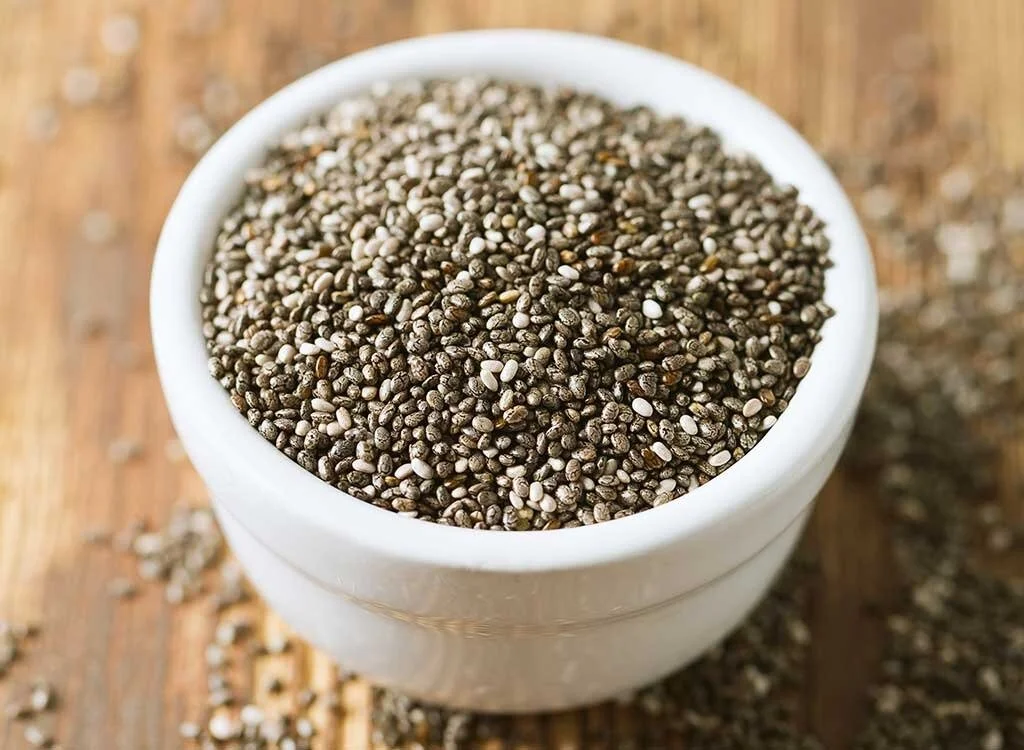
Whole Food Plant-Based Fat with Chia Seeds / Courtesy of Eat This Not That .com
Whole Food Plant-Based Fat
Vegetables: Avocado
Nuts: Cashews, Pistachios, Almonds, Brazil nuts, Hazelnuts, Walnuts, Macadamia nuts
Seeds: Chia seeds, Hemp seeds, Ground flaxseeds, Pumpkin seeds, Sunflower seeds, Pine nuts, Sesame seeds

Whole Food Plant-Based Complex Carbohydrates
Vegetables: Spinach, Broccoli, Collard greens, Green peas, Edamame, Avocado, Kale, Peas, Bok choy, Brussels sprouts, Cabbage, Kale, Chard, Radishes, Arugula, Dandelion greens, Artichoke, Raddichio, Endives, Eggplants, Rocket, Tomato, Red cabbage, Bell peppers, Carrots, Turnip greens, Sweet potatoes, Acorn squash, Pumpkin, Spaghetti squash, Zucchini, Beets, Cauliflower, Turnips, Okra, Onions, Mushrooms (low but healthy), Garlic (low but healthy), Cucumbers
Fruits: Açaí, Apple, Banana (high sugar), Blackberry, Black currant, Blueberry, Boysenberry, Cactus pear, Cherry (high sugar), Coconut, Date (high sugar), Dragonfruit, Elderberry, Fig (high sugar), Gojiberry, Gooseberry, Grape (high sugar), Grapefruit, Guava, Jackfruit, Kiwifruit, Lychee, Mango (high sugar), Melon, Cantaloupe, Honeydew, Watermelon, Nectarine, Orange, Blood orange, Clementine, Mandarine, Tangerine, Papaya, Passionfruit, Peach, Pear, Plantain, Plum (high sugar), Prune (dried plum/high sugar), Pineapple, Pomegranate seeds, Raspberry, Star fruit, Strawberry
Beans/Lentils: Garbanzo beans, Black beans, Black turtle beans, Pinto beans, Navy beans, Black-eyed peas, Split peas, White beans, Lentils, Italian beans, Kidney beans, Lima beans, Fava beans, Chickpeas, Great northern beans
Grains: Bulgar, Quinoa, Wild rice, Oats, Farro
ABOUT THE AUTHOR: MICHAEL MOODY, PERSONAL TRAINER
As an author, a personal trainer in Denver, and podcast host, Michael Moody has helped personal training clients achieve new fitness heights and incredible weight loss transformations since 2005. He also produces the wellness podcast "The Elements of Being" and has been featured on NBC, WGN Radio, and PBS.
Michael offers personal training to Denver residents who want to meet at the 2460 W 26th Ave studio….or in their homes throughout LoHi (80206), LoDo (80202), RiNo (80216), Washington Park (80209), Cherry Creek (80206, 80209, 80243, 80246, 80231), and Highlands (80202, 80211, 80212). Michael also offers experiences with a personal trainer in Jefferson Park (80211) and Sloan's Lake (80204, 80212).
If you’re looking for a personal trainer who can curate a sustainable (and adaptable) routine based on your needs and wants, Michael is the experienced practitioner you’ve been looking for. Try personal training for a month…your body will thank you!

The Elements of Being with Dr. Joel Fuhrman
EPISODE #10 - EAT FOR LIFE, WEIGHT LOSS, AND AN OPTIMAL IMMUNE SYSTEM WITH BEST SELLING AUTHOR DR. FUHRMAN
On “The Elements of Being” podcast, Michael dissects and explores the minds and habits of psychologists, filmmakers, writers, and industry icons. Essentially, you learn what makes them flip the switch to achieve incredible feats, goals, and milestones…and a chance to geek out over the psychology behind human behavior. In this episode, Michael interviews Dr. Joel Fuhrman, an internationally recognized nutrition and natural healing expert and author of seven New York Times bestsellers, including his most recent book, Eat for Life. His other bestsellers include Eat to Live and The End of Dieting (which I give to all my clients).
Read more and listen here…..You can also listen to all episodes on Apple, Spotify, Overcast, Castbox, Stitcher, or your favorite podcast platform!
Personal Trainer Blog

7 Proven Ways to Lose a Pound a Day | Cut Sugar, Boost Fiber, and Stop Counting Calories
ABSTRACT
Discover how to lose a pound daily with proven strategies that eliminate added sugars, boost healthy fiber intake, and retrain your taste buds. Learn why mindful eating beats calorie counting and how ditching soda can rapidly accelerate your weight loss journey. Say goodbye to processed foods and hello to a naturally slimmer you. Start your fast, healthy, and sustainable weight loss today!
Keywords
Lose a pound a day
How to lose weight fast
Eliminate added sugars
Healthy fiber for weight loss
Retrain taste buds
Stop counting calories
Mindful eating weight loss
Stop drinking soda
Avoid processed foods
Natural weight loss tips

Fast Food Diet / Photo: Giona Mason
Introduction
Are you ready to jump on the weight-loss wagon before the start of summer? I've found a few ways you probably haven't tried yet (from the weight loss list "14 Ways to Lose a Pound a Day").
1. DITCH THE ADDED SUGARS
I’m not here to tell you that you’ve got to give up your sweets, comfort foods or guilty pleasures...target added sugars—the sugars and syrups added to foods and drinks when they’re processed or prepared. You’ll learn how to spot them, eliminate them, and break free of them for life. The result will be almost instantaneous weight loss....test panelist Sandy Villegas, 62, of Monroe Township, NJ, tried diet plans like Weight Watchers, but says: “I was not eating healthy because I ate a lot of refined carbs every day. Pretty soon, I noticed I was hitting a weight loss plateau, and my stomach was as bloated as ever!” After two weeks of eliminating added sugars....“My stomach is gone,” she says, “and my husband lost six pounds!”
Personal Trainer Wisdom: As we know, not all calories are the same. The perfect start to changing your diet is to dissect the list of ingredients of each item. What is in your favorite foods? Do you know? Many experts tell you to avoid ketchup because of high fructose syrup. Did you know Heinz makes ketchup with all-natural ingredients and zero high fructose syrup (Simply Heinz)? A simple product change could be the answer before you remove everything from your weight loss diet.
2. UP THE HEALTHY FIBER
By simply ensuring your foods have enough fiber, ....they slow the progress of carbohydrates through your body; it gives you a continuous, steady dose of energy, so you never get the “I’m empty” signal. Oh, you’ll eat plenty of food, but not because you’re ravenous. Because it tastes so good! Fiber also lowers the glycemic index (GI) of foods, meaning the rate at which they’re turned into toxic blood sugar, leading to all sorts of health benefits. In fact, a review from the University of Texas MD Anderson Cancer Center discovered that habitual intake of fiber from whole grains reduced the risk of coronary heart disease by 20 to 40 percent, and the risk of diabetes by 20 to 30 percent.
Personal Trainer Wisdom: On the other hand, whole grains can also lead you to diabetes or weight gain. Despite the health claims, whole grains are a mixed bag of beans (pun intended). It is a valuable fiber source but can also destroy your health. If you incorporate unprocessed whole grains (oats, bulger, wild rice, etc.) in your weight loss diet, never consume more than 1 serving or a quarter of your plate for each meal. Or choose a serving of the less inflammatory portion of beans.
3. RETRAIN YOUR TASTEBUDS
It’s easy to give up the added sugars because, after just 14 days, the sweet stuff will taste too sweet. That’s the secret to long lasting results... Test panelist Tara Anderson, 42, of Leonardo, NJ, says that after four weeks... “What I love about it is the way it’s retrained my taste buds. I have had a little sugar a few times, and it’s way too sweet now. I’m still trying to get used to coffee without sugar!” Better yet, it’s helped her feel healthier overall. “The best part for me is not feeling sick anymore or having migraines! I feel really good and will continue this way of life."
Personal Trainer Wisdom: The same applies to salt. The more you eat with each meal, the more immune you become to its natural, robust flavor. You might be surprised how little you need of each when you retrain your taste buds (and mind).
4. STOP COUNTING CALORIES
I found proof that it just doesn’t work. Researchers in Australia looked at different kinds of diets, including low-sugar and high-protein diets, to see if they made a difference in how the dieters’ bodies reacted. They put all of the subjects on the same number of calories, and broke them into four groups, trying out variations on high- and low-protein and high and low-sugar plans. They found that all things being equal, reducing sugar helped people lose weight faster, even when overall calories remained the same. In short, a high-carb, low-sugar diet was the best for cutting both fat and cardiovascular risk.
Personal Trainer Wisdom: Hmmmm....the author says don’t count calories, but everyone on these diets was on the same number of calories. The moral of the story here is that substance is king. The simple analysis of calories in vs. calories out isn't enough. Again, you can still have too much of a good thing (think: Watching Gilmore Girls repeatedly....). I've witnessed personal training clients gain weight while cutting out inflammatory foods. Keep your overall calorie count at the appropriate level for your body.
5. EAT MINDFULLY
Becoming more aware—not just of what you eat, but of every aspect of your daily life— can have a serious impact on your body and your overall health. In a 2015 study, Brown University researchers asked nearly four hundred people to complete a mindfulness-awareness survey. Then, they X-rayed the subjects’ bellies to determine their degree of belly fat. What they found was that the higher people scored on the mindfulness survey, the less visceral fat they were likely to have! In fact, people who are less mindful have, on average, an extra pound of fat inside their bellies.
Personal Trainer Wisdom: Mindfulness and meditation may help you minimize the emotional connection to your foods and stress (which can also lead to less belly fat).
6. STOP THE SODA
Every can of Coke has the sugar equivalent of four Krispy Kreme glazed doughnuts. And the soda industry is doing every they can to help you forget that. Coca-Cola was recently unmasked as the number one sponsor of the Academy of Pediatrics’ HealthyChildren.org website, and it has given nearly $3 million to the academy over the past six years, according to The New York Times. And recent studies finding that a lack of energy expenditure in adolescents contributed greatly to the obesity crisis turn out to have been funded by Coke. Fight back by swapping your soda for unsweetened Honest Tea or Tejava Tea instead—each has zero sugar.
Personal Trainer Wisdom: Repeat after me: "ALL flavored sodas (regular and diet) are treats, not drinks....ALL flavored sodas (regular and diet) are treats not drinks....ALL flavored sodas (regular and diet) are treats, not drinks....."
7. SKIP THE CHEMICALS
You’re probably eating them without even knowing it. “Ultra-processed” foods now make up more than half of all calories consumed in the United States, according to a 2016 report in the online journal BMJ Open. “Ultra-processed” means any product that uses a non-food substance (preservatives, emulsifiers, artificial flavorings) that you simply wouldn’t use in a recipe you were making from scratch. And that, by the way, is where 90 percent of all our added sugar comes from.
Personal Trainer Wisdom: If you can't pronounce the ingredient's name in your favorite food, your body won’t process it well. Your choice: Do you want your body to waste energy on foreign invaders or help you lose weight efficiently?
How else do you think you can lose a pound a day?
ABOUT THE AUTHOR: MICHAEL MOODY, PERSONAL TRAINER
As an author, a personal trainer in Denver, and podcast host, Michael Moody has helped personal training clients achieve new fitness heights and incredible weight loss transformations since 2005. He also produces the wellness podcast "The Elements of Being" and has been featured on NBC, WGN Radio, and PBS.
Michael offers personal training to Denver residents who want to meet at the 2460 W 26th Ave studio….or in their homes throughout LoHi (80206), LoDo (80202), RiNo (80216), Washington Park (80209), Cherry Creek (80206, 80209, 80243, 80246, 80231), and Highlands (80202, 80211, 80212). Michael also offers experiences with a personal trainer in Jefferson Park (80211) and Sloan's Lake (80204, 80212).
If you’re looking for a personal trainer who can curate a sustainable (and adaptable) routine based on your needs and wants, Michael is the experienced practitioner you’ve been looking for. Try personal training for a month…your body will thank you!

Deer Mountain Trail in Rocky Mountain National Park: A Perfect Colorado Hike for Early March
ABSTRACT
Discover Deer Mountain Trail, one of the best moderate hikes in Rocky Mountain National Park, offering stunning views without the crowds. Ideal for Colorado hiking in March, this 6.45-mile trail at 10,007 feet elevation has minimal avalanche risk and manageable terrain. Enjoy an easy-to-follow route with sunny conditions, excellent traction, and spectacular scenery near Estes Park. Plan your winter hike now for unforgettable Rocky Mountain National Park trails.
Keywords
Deer Mountain Trail
Rocky Mountain National Park hikes
Colorado hiking trails
March hiking Colorado
Winter hikes RMNP
Moderate hikes Rocky Mountain National Park
Avalanche-safe hikes Colorado
Deer Mountain elevation gain
Rocky Mountain National Park trails
Best winter hikes Colorado

National Park Hikes
Colorado Hikes: Deer Mountain Trail in Rocky Mountain National Park
Time of Year: Beginning of March.
Weather: 41 degrees and sunny at 8:58 am.
Cover: 65% covered with a tree canopy.
Time: 8:58 am - 11:53 am.
Distance: 6.45 miles total.
Cost: Daily or annual Rocky Mountain National Park pass.
Bathroom at Trailhead: Nearby.
Difficulty: Moderate level 1 for altitude (10007 feet), elevation gain (1421 feet), and length (6.45 miles).
Route: Deer Mountain Trail and back.
Traffic: Light.
Parking: 50% full by 8:58 am.
Equipment: La Sportiva Trango Tech GTX Hiking Boots, Black Diamond Alpon Carbon Cork Trekking Poles, Osprey Talon 33 Backpack
Terrain: A gravel dirt path with rocks until halfway up. A packed snow-covered trail to the peak.
Experience: For personal training clients looking for the views of Rocky Mountain National Park without the crowds and parking challenges, Deer Mountain Trail is an underrated option. Just situated beyond the entrance of the park, you’re granted outstanding views with less of the work and drive. While the remainder of Rocky Mountain National Park should undoubtedly be explored, Deer Mountain is somewhat from the winter conditions with a lower elevation. The trail was well-marked and easy to follow and offered a hiking experience in March without the threat of avalanches.
Personal Trainer Notes: As I mentioned before in past reviews of winter hikes, avalanche danger is a concern and should be the focus of any trail consideration above 9000 feet of elevation. While I prepared to snowshoe on this hike, the incredible Colorado weather granted me a t-shirt day without risk. Mild temperatures with a warm sun and no mud. While the microspikes were necessary on the upper half of the trail, traction was great. Definitely consider this trail for a taste of a national park during the colder months of Colorado.

Winter Hikes Colorado

Colorado Hikes

Rocky Mountain National Park Hiking

Deer Mountain

RMNP Hikes

Rocky Mountain National Park
List of Hiking Trails in Colorado
To check out more hiking reviews with pictures, visit “List of Colorado Hikes.” You’ll find options across a spectrum of difficulty, including many trails in the foothills and front range.
Mount Democrat Hike
ABOUT THE AUTHOR: MICHAEL MOODY, PERSONAL TRAINER
As an author, a personal trainer in Denver, and podcast host, Michael Moody has helped personal training clients achieve new fitness heights and incredible weight loss transformations since 2005. He also produces the wellness podcast "The Elements of Being" and has been featured on NBC, WGN Radio, and PBS.
Michael offers personal training to Denver residents who want to meet at the 2460 W 26th Ave studio….or in their homes throughout LoHi (80206), LoDo (80202), RiNo (80216), Washington Park (80209), Cherry Creek (80206, 80209, 80243, 80246, 80231), and Highlands (80202, 80211, 80212). Michael also offers experiences with a personal trainer in Jefferson Park (80211) and Sloan's Lake (80204, 80212).
If you’re looking for a personal trainer who can curate a sustainable (and adaptable) routine based on your needs and wants, Michael is the experienced practitioner you’ve been looking for. Try personal training for a month…your body will thank you!
Personal Trainer Blog

Dining Out with Diabetes: The 3 Best and Worst Meals for Diabetics
ABSTRACT
Dining out with diabetes can be challenging, but knowing the best and worst meals helps. Discover diabetes-friendly dishes like oatmeal breakfasts, beef enchiladas, and lean pork meals, plus high-carb, calorie-heavy meals to avoid. Learn effective carb-counting tips for healthier choices and weight loss. Stay mindful to manage your diabetes and make eating out enjoyable again!
Keywords
Meals for diabetes
Best meals for diabetics
Worst meals for diabetics
Dining out with diabetes
Diabetic-friendly meals
Carb counting for diabetes
Weight loss for diabetics
Healthy eating for diabetics
Diabetes diet tips
Prediabetes meal planning
Low-carb restaurant meals
High-calorie restaurant meals to avoid

Diabetes Breakfast / Photo: Rama Khandkar
Introduction
Are you prediabetic or diabetic and attempting to lose weight? You can remember these three examples while dining out (from the Webmd article "Best and Worst Meals for Diabetes-Savvy Dining”).
The List of Best and Worst Meals for Diabetes
The WORSt Meal #1: FARM BREAKFAST
The count: 2,060 calories, 276 g carbs
The ingredients: 3 pancakes, 2 sausage links, 1 hash brown patty, and 2 scrambled eggs
No food is off-limits with diabetes, but this brunch will quickly blow your carb and calorie budget. Experts suggest that meals for people with diabetes should have 45-75 grams of carbohydrates, depending on individual goals. Your body weight, activity, and medications all matter. This meal packs enough carbs for four to five meals.The BEst Meal #1: NEW AMERICAN BREAKFAST
The count: 294 calories, 40 g carbs
The ingredients: Oatmeal with blueberries and scrambled eggs with spinach and light cheese
This quick meal delivers protein in a scrambled egg, and just 40 carbs, mostly from fiber-rich oatmeal and blueberries. Fiber slows digestion to help prevent blood sugar spikes. People with diabetes must watch all carbs: cereal, bread, rice, pasta, starchy veggies, sweets, fruit, milk, and yogurt. Could you spread your total carbs across the day?
Personal Trainer Wisdom: While I think your philosophy should be figuring out what you can get away with when it comes to eating, you have to be careful if you’re prediabetic or diabetic. In many cases, a meal overloaded with carbs can send you into a coma (a concern that shouldn’t be taken lightly….something I learned firsthand when a loved one passed several years ago). With this being said, you need to be mindful of your choices. If a meal is made on the farm, it must be healthy, right? I wish (although I love my visits to the Ray Farm in southern Indiana every summer). Although the farm breakfast is a favorite go-to, a whopping 276 g of carbs will send your blood sugar levels to the moon. Pancakes, potatoes, and syrup, oh my! Settle for WebMD's better combination of complex carbs and protein. Don’t kid yourself, though: Most dairy products contain carbs. Choose unsweetened almond or coconut milk with oatmeal to please your favorite personal trainer. And, by the way, WebMD, some foods SHOULD be off-limits….but that’s another conversation.
The Worst Meal #2: CHIPS, SALSA, BURRITO
The count: 1,760 calories, 183 g carbs
The ingredients: Chips, salsa, and everything you imagine on the burrito
Before one bite of burrito, you can get 98 grams of carbs and 810 calories in a basket of chips and salsa. If you're trying to slim down and eat less sodium, like many people with diabetes, the burrito adds 950 calories. You also get way more than a whole day's worth of sodium.The BEst Meal #2: BEEF AND BEAN ENCHILADA
The count: 443 calories, 48 g carbs
The ingredients: Beef and beans, and veggies in a corn tortilla shell topped with salsa and light sour cream (with a side of guacamole and chips)
Lean beef and black beans make this Mexican dish a good option for a diabetic diet. The fiber in the beans can help lower blood cholesterol and control blood sugar. Go heavy on the veggies and light on the cheese. Enjoy ten small corn chips (1 ounce) with guacamole.
Personal Trainer Wisdom: I love Mexican food. Please believe me when I say that it can be healthy. Of course, this isn’t true when you have something with the name “basket” in it (as well as “burrito as big as your head”). We want carbs…but the good carbs (think: veggies, beans, legumes, etc.). Anything with corn or flour will push you beyond your limits. If you need a tortilla shell, choose a non-GMO corn tortilla shell and cut down on the size. An enchilada may be a smaller option right up your alley. Still, be mindful of your calorie/fat, which increases your cheese consumption.
The WORSt Meal #3: SOUTHERN RIB PLATE
The count: 2,510 calories, 83 g carbs
The ingredients: Ribs, macaroni and cheese, and corn on the cob
This classic Southern meal loads too many splurge foods onto one plate. Fatty pork ribs are dripping in sugary barbecue sauce and flanked by macaroni and cheese and corn on the cob. Corn is a high-carb vegetable, with about 19 grams of carbs in one medium ear. It's just too much all around.The BEst Meal #3: PORK TENDERLOIN MEAL
The count: 360 calories, 42 g carbs
The ingredients: Pork tenderloin, broccoli, and pureed cauliflower
Pork tenderloin is one of the leanest and most versatile cuts of meat. Here, it's prepared in a Dijon mustard glaze and served with steamed broccoli and mock mashed potatoes. Pureed cauliflower beautifully substitutes for carb-heavy white potatoes. Round out the meal with a whole wheat dinner roll.
Personal Trainer Wisdom: I will admit that this isn’t a fair tradeoff, WebMD. Most people won’t say, “I, really, really want ribs with the mac and cheese, but I guess I’ll have the alternative: Pork tenderloin.” Since you’re in the mood for a treat, I recommend the following instead: A well-done portion of ribs without the BBQ sauce (cook off the fat and remove the carbs from the sauce), collard greens with minimal oil and no bacon, and corn on the cob. Less fat, calories, and carbs! Sorry, no mac and cheese, gang.
ABOUT THE AUTHOR: MICHAEL MOODY, PERSONAL TRAINER
As an author, a personal trainer in Denver, and podcast host, Michael Moody has helped personal training clients achieve new fitness heights and incredible weight loss transformations since 2005. He also produces the wellness podcast "The Elements of Being" and has been featured on NBC, WGN Radio, and PBS.
Michael offers personal training to Denver residents who want to meet at the 2460 W 26th Ave studio….or in their homes throughout LoHi (80206), LoDo (80202), RiNo (80216), Washington Park (80209), Cherry Creek (80206, 80209, 80243, 80246, 80231), and Highlands (80202, 80211, 80212). Michael also offers experiences with a personal trainer in Jefferson Park (80211) and Sloan's Lake (80204, 80212).
If you’re looking for a personal trainer who can curate a sustainable (and adaptable) routine based on your needs and wants, Michael is the experienced practitioner you’ve been looking for. Try personal training for a month…your body will thank you!

5 Best Fitness Books for Corrective Exercise and Injury Prevention | Denver Personal Trainer Picks
ABSTRACT
Discover the best fitness books recommended by a Denver personal trainer, including works by Gray Cook and NASM. Enhance your understanding of corrective exercise, functional movement, injury prevention, kinesiology, and biomechanics. These scientifically-backed resources will elevate your fitness knowledge and professional skills. Ideal for trainers and athletes aiming to optimize performance safely.
Keywords
Best fitness books
Corrective exercise books
Injury prevention books
Functional movement books
Gray Cook books
NASM sports performance
Kinesiology and biomechanics resources
Personal trainer-recommended books
Fitness education resources
Denver personal trainer

My personal training clients in Denver are always looking to dig deeper into fitness. My list will help. / Photo: Pixabay
Recently, a personal training client in Denver asked about my favorite fitness books. I typically veer from whatever is most popular at a given point and rely primarily upon grounded research and recommendations (although new research will always serve as signals I keep an eye on). Here is a list of books that have steered my personal and professional philosophy and the programs I recommend. Most importantly, the books are scientifically backed with roots in corrective exercise and injury prevention. If you want to elevate your knowledge of movement, I highly recommend digging in for a proper education! They steered the personal trainer experience I provided for nearly 20 years, and it will certainly steer your approach, too!
Fitness Resources
Athletic Body in Balance by Gray Cook: Gray Cook explores how identifying and correcting functional imbalances in athletes can significantly enhance performance and reduce injury risk. He emphasizes a systematic approach to assessing movement patterns and correcting dysfunction through targeted exercises, focusing on stability, mobility, and efficient movement mechanics.
Movement: Functional Movement Systems: Screening, Assessment, Corrective Strategies by Gray Cook: This foundational text introduces the Functional Movement Screen (FMS) methodology, a structured system for evaluating and scoring basic movement patterns. Cook offers detailed guidance on using FMS results to prescribe corrective exercises, address limitations, optimize athletic performance, and prevent injuries.
Corrective Exercise Solutions to Common Hip and Shoulder Dysfunction by Evan Osar: Evan Osar provides a practical approach to understanding, assessing, and addressing common hip and shoulder dysfunctions. He presents a clear framework for corrective exercise, emphasizing movement quality, stability, proper breathing mechanics, and integration strategies that restore optimal function and alleviate chronic issues.
Foundations in Kinesiology and Biomechanics by Vickie Samuels: Vickie Samuels presents an introductory guide to the principles of kinesiology and biomechanics, emphasizing fundamental concepts such as human anatomy, movement mechanics, muscle function, joint action, and the physics of movement. It is a foundational resource for understanding human movement in health and athletic contexts.
NASM Essentials of Sports Performance Training: First Edition Revised by National Academy of Sports Medicine (NASM): This comprehensive resource outlines NASM’s evidence-based approach to improving athletic performance. It covers essential topics including assessments, exercise programming, injury prevention strategies, strength and conditioning methodologies, speed and agility training, and recovery techniques tailored specifically for athletes across various sports.
ABOUT THE AUTHOR: MICHAEL MOODY, PERSONAL TRAINER
As an author, a personal trainer in Denver, and podcast host, Michael Moody has helped personal training clients achieve new fitness heights and incredible weight loss transformations since 2005. He also produces the wellness podcast "The Elements of Being" and has been featured on NBC, WGN Radio, and PBS.
Michael offers personal training to Denver residents who want to meet at the 2460 W 26th Ave studio….or in their homes throughout LoHi (80206), LoDo (80202), RiNo (80216), Washington Park (80209), Cherry Creek (80206, 80209, 80243, 80246, 80231), and Highlands (80202, 80211, 80212). Michael also offers experiences with a personal trainer in Jefferson Park (80211) and Sloan's Lake (80204, 80212).
PERSONAL TRAINER BLOG

Do you have what it takes to pass this physical test to join the FBI?
ABSTRACT
Discover the FBI Physical Fitness Test requirements and scoring system for sit-ups, 300-meter sprints, push-ups, the 1.5-mile run, and pull-ups. Get essential personal trainer tips for effectively training and achieving a passing score on the FBI PFT. Learn how to identify your strengths and weaknesses for strategic test preparation. See if you're physically ready to pass the FBI fitness standards.
Keywords
FBI Physical Fitness Test
FBI PFT requirements
FBI fitness standards
FBI fitness test scoring
FBI physical test training
FBI PFT preparation
FBI physical test events
FBI tactical recruitment program
FBI fitness test exercises
Personal trainer FBI test

FBI Training Morning Habits
Introduction
I’m helping a personal training client train for the FBI physical test. Using their guidelines and scoring system below, see if you have what it takes!
The PFT test consists of four mandatory events administered in the following order, with no more than five minutes of rest between each event. Each event has a strictly defined scoring scale and protocol. Applicants entering under the Tactical Recruitment Program (TRP) must also complete the pull-up event.
1. Maximum number of sit-ups in one minute
2. Timed 300-meter sprint
3. Maximum number of continuous push-ups (untimed)
4. Timed one-and-one-half mile (1.5 miles) run
5. Pull-ups (TRP applicants only)*
Passing Score: Applicants must achieve a minimum cumulative score of 12 points, with at least 1 point in each of the four events.
TRP applicants: TRP applicants must achieve 20 points, with at least 1 point in each of five events (including pull-ups).
Personal Trainer Wisdom: When training for such a test, determine your strongest and weakest events (baseline). From there, evaluate the amount of time you’re willing to spend on each and whether or not it’s worth it based on the point system.

FBI Personal Trainer
The FBI Physical Test Requirements
1. PFT PROTOCOL AND SCORING SCALES: SIT-UPS
The trainee lies back with the tops of shoulder blades touching the floor, hands behind the head, and fingers interlaced. The knees are bent at a 90-degree angle with the feet placed flat on the floor (feet are held in place by a partner with the partner's hands at the tongue of the trainee's shoes and knees on the trainee's toes). Trainee raises upper body until the base of the neck is in line with the base of the spine (back is perpendicular to the floor); trainee then returns to the starting position (i.e., the tops of both shoulder blades must touch the floor). This is a timed one-minute continuous motion exercise.
Score: Female Range / Male Range
(-2): 29 and below / 31 and below
0: 30-34 / 32-37
1: 35-36 / 38
2: 37-40 / 39-42
3: 41-42 / 43-44
4: 43-46 / 45-47
5: 47-48 / 48-49
6: 49-50 / 50-51
7: 51-52 / 52-53
8: 53-54 / 54-55
9: 55-56 / 56-57
10: 57 and over / 58 and over
Personal Trainer Wisdom: Sit-ups are soooooo 1950….but I can see why the FBI still includes them on their test. We must jump out of bed and get off the floor after all! Unfortunately, you will be compromising your neutral spine while completing the movement. Instead of building up inflammation during training, don’t be afraid to focus on the transverse abs (lower abs) while performing a crunch.
2. PFT PROTOCOL AND SCORING SCALES: 300-METER SPRINT
The 300-meter sprint event usually occurs on a 1/4-mile oval track (although this may change based on individual circumstances). Trainees start from a standing position and run 300 meters (3/4 of one lap).
Score: Female Range / Male Range
(-2): 67.5 and over / 55.1 and over
0: 67.4-65.0 / 55.0-52.5
1: 64.9-62.5 / 52.4-51.1
2: 62.4-60.0 / 51.0-49.5
3: 59.9-57.5 / 49.4-48.0
4: 57.4-56.0 / 47.9-46.1
5: 55.9-54.0 / 46.0-45.0
6: 53.9-53.0 / 44.9-44.0
7: 52.9-52.0 / 43.9-43.0
8: 51.9-51.0 / 42.9-42.0
9: 50.9-50.0 / 41.9-41.0
10: 49.9 and below / 40.9 and below
Personal Trainer Wisdom: Interval sprints within a progressive program will help you reach a faster time in no time.
3. PFT PROTOCOL AND SCORING SCALES: PUSH-UPS
Trainees begin in the front leaning rest position (i.e., hands on the floor one to two hand widths beyond the shoulders with elbows away from the body, arms fully extended, and body held straight, with the feet no more than three inches apart and the toes touching the floor). As the arms are flexed, the body is lowered toward the floor until the upper arms are parallel to the floor (a straight line from the elbow's center axis to the shoulder's center axis). Trainees complete the exercise after returning to the starting position. This is a continuous motion exercise.
Score: Female Range / Male Range
(-2): 4 and below / 19 and below
0: 5-13 / 20-29
1: 14-18 / 30-32
2: 19-21 / 33-39
3: 22-26 / 40-43
4: 27-29 / 44-49
5: 30-32 / 50-53
6: 33-35 / 54-56
7: 36-38 / 57-60
8: 39-41 / 61-64
9: 42-44 / 65-70
10: 45 and over / 71 and over
Personal Trainer Wisdom: While most people compromise their shoulders, elbows, and wrists during a pushup, you can build the necessary strength through planks, dumbbell chest presses, band chest presses, and a mix of shoulder and tricep exercises.
4. PFT PROTOCOL AND SCORING SCALES: 1.5 MILE RUN
The 1.5-mile run event most often occurs on a 1/4-mile oval track (although this may change based on individual circumstances). Trainees run six laps around the track.
Score: Female Range / Male Range
(-2): 15:00 and over / 13:30 and over
0: 14:59-14:00 / 13:29-12:25
1: 13:59-13:35 / 12:24-12:15
2: 13:34-13:00 / 12:14-11:35
3: 12:59-12:30 / 11:34-11:10
4: 12:29-11:57 / 11:09-10:35
5: 11:56-11:35 / 10:34-10:15
6: 11:34-11:15 / 10:14-9:55
7: 11:14-11:06 / 9:54-9:35
8: 11:05-10:45 / 9:34-9:20
9: 10:44-10:35 / 9:19-9:00
10: 10:34 and below / 8:59 and below
Personal Trainer Wisdom: While long endurance runs should be included in your program, your sprint training will exponentially increase your speed in this area.
5. PFT PROTOCOL AND SCORING SCALES: PULL-UPS
*Note: Only Tactical Recruiting Program (TRP) candidates will complete this event. The candidate hangs from a horizontal bar, hands at least shoulder width apart (but no more than twenty-three inches apart as measured from the outsides of the hands) with palms turned away from the face and arms fully extended. As the candidate flexes their arms, they pull their body upward until the candidate’s chin is higher than the bar. There can be no swinging or jerking of the body or use of the legs to propel the body upward. The candidate then lowers their body back to the hanging position with their arms fully extended. This is a continuous motion exercise.
Score: Female Range / Male Range
0: 0 / 0-1
1: 1 / 2-3
2: 2 / 4-5
3: 3 / 6-7
4: 4 / 8-9
5: 5 / 10-11
6: 6 / 12-13
7: 7 / 14-15
8: 8 / 16-17
9: 9 / 18-19
10: 10 and over / 20 and over
Personal Trainer Wisdom: Very few people can perform a proper pull-up. Please don't worry, though. A progressive approach with planks, pulldowns, assisted pull-ups, and exercises for your scapula could help you reach and surpass the minimum for this event.
Photo Credit:
Theintercept.com–Do you know what it takes to pass the FBI physical fitness test?

4-WEEK CARDIO ENDURANCE TRAINING PROGRAM FOR THE FBI PHYSICAL FITNESS TEST
4-WEEK CARDIO ENDURANCE TRAINING PROGRAM FOR THE FBI PHYSICAL FITNESS TEST
Looking to jumpstart your training for the FBI physical test? Find Michael’s phase 1 program aimed to increase your cardio endurance here: Cardio Endurance Training Program.

FBI Training Morning Habits
5 Morning Habits that Will Prepare You for FBI Training
If you find your life chaotic, stressful, and unproductive, you may need to rethink your morning routine. Here are five morning habits that will prepare you for a day of FBI training. Read more…..
ABOUT THE AUTHOR: MICHAEL MOODY, PERSONAL TRAINER
As an author, a personal trainer in Denver, and podcast host, Michael Moody has helped personal training clients achieve new fitness heights and incredible weight loss transformations since 2005. He also produces the wellness podcast "The Elements of Being" and has been featured on NBC, WGN Radio, and PBS.
Michael offers personal training to Denver residents who want to meet at the 2460 W 26th Ave studio….or in their homes throughout LoHi (80206), LoDo (80202), RiNo (80216), Washington Park (80209), Cherry Creek (80206, 80209, 80243, 80246, 80231), and Highlands (80202, 80211, 80212). Michael also offers experiences with a personal trainer in Jefferson Park (80211) and Sloan's Lake (80204, 80212).
If you’re looking for a personal trainer who can curate a sustainable (and adaptable) routine based on your needs and wants, Michael is the experienced practitioner you’ve been looking for. Try personal training for a month…your body will thank you!
Wellness Podcast

























personal trainer Blog

Colorado Winter Hikes: Snowshoeing Mayflower Lake and Mohawk Lakes Trail Near Breckenridge
ABSTRACT
Discover the beauty of Colorado winter hikes on the stunning Mayflower Lake and Mohawk Lakes Trail near Breckenridge. Enjoy moderate snowshoeing along Spruce Creek Trail through pristine snowpack and breathtaking scenery near Blue River. With ideal conditions, gear recommendations, and safety tips, this trail offers an accessible adventure in Colorado's high elevations. Experience the perfect winter hike just south of Breckenridge, suitable for outdoor enthusiasts seeking scenic solitude.
Keywords
Colorado winter hikes
Mayflower Lake Trail
Mohawk Lakes Trail winter
Snowshoeing Breckenridge
Spruce Creek Trail winter
Hiking near Blue River
Moderate winter hikes Colorado
Snowshoe hikes Colorado
Breckenridge snowshoe trails
Winter hiking gear

Breckenridge Winter Hikes
Colorado Hikes: Mayflower Lake and Mohawk Lakes Trail (Winter)
Time of Year: Beginning of March.
Weather: 27 degrees and sunny at 9:41 am.
Cover: 70% covered with a tree canopy.
Time: 9:41 am - 1:05 pm.
Distance: 5.53 miles total.
Cost: None.
Bathroom at Trailhead: None.
Difficulty: Moderate level 2 for altitude (11423 feet), elevation gain (1178 feet), and length (5.53 miles); snowshoeing always increases the difficulty.
Route: Spruce Creek Trail to Mohawk Lakes Trail and back.
Traffic: Light.
Parking: Small lot: 70% full by 9:41 am. Only three spots remained.
Equipment: La Sportiva Trango Tech GTX Hiking Boots, Black Diamond Alpon Carbon Cork Trekking Poles, Osprey Talon 33 Backpack, MSR Lightning Ascent Snowshoes
Terrain: A carved snow path until 11423 feet. Untouched snowpack (2-5 feet deep) from that point on.
Experience: It was an absolutely stunning, blue-sky day just south of Breckenridge in Blue River. While the temperature at the start of the hike was in the 20s, the warm sun offered a comfortable snowshoe adventure without wind. Much of the trail was tree-covered, and the occasional branches of the trail led you to the Mayflower Lakes and Falls. Unfortunately, Lower Mohawk Lake was never checked off, but the winter excursion was still worth the effort.
Personal Trainer Notes: The snow-covered trails can often be a barrier for my personal training clients. Luckily, access to snowshoes offers opportunities for hikes in high elevations without post-holing. As noted, the risk of avalanches should never be discounted. Upon reaching any grade around 30 degrees, you should strongly consider turning around. Nothing is worth the risk of being buried under the snow.

Mohawk Lakes

Mayflower Lakes

Breckenridge Trails

Colorado Snowshoeing Trails

Blue River Trails

Blue River Hiking Trails

Beaver Creek Trail

Mohawk Lakes Hike

14ers Colorado

Mayflower Lakes Winter
List of Hiking Trails in Colorado
To check out more hiking reviews with pictures, visit “List of Colorado Hikes.” You’ll find options across a spectrum of difficulty, including many trails in the foothills and front range.
Mount Democrat Hike
ABOUT THE AUTHOR: MICHAEL MOODY, PERSONAL TRAINER
As an author, a personal trainer in Denver, and podcast host, Michael Moody has helped personal training clients achieve new fitness heights and incredible weight loss transformations since 2005. He also produces the wellness podcast "The Elements of Being" and has been featured on NBC, WGN Radio, and PBS.
Michael offers personal training to Denver residents who want to meet at the 2460 W 26th Ave studio….or in their homes throughout LoHi (80206), LoDo (80202), RiNo (80216), Washington Park (80209), Cherry Creek (80206, 80209, 80243, 80246, 80231), and Highlands (80202, 80211, 80212). Michael also offers experiences with a personal trainer in Jefferson Park (80211) and Sloan's Lake (80204, 80212).
If you’re looking for a personal trainer who can curate a sustainable (and adaptable) routine based on your needs and wants, Michael is the experienced practitioner you’ve been looking for. Try personal training for a month…your body will thank you!
Personal Trainer Blog
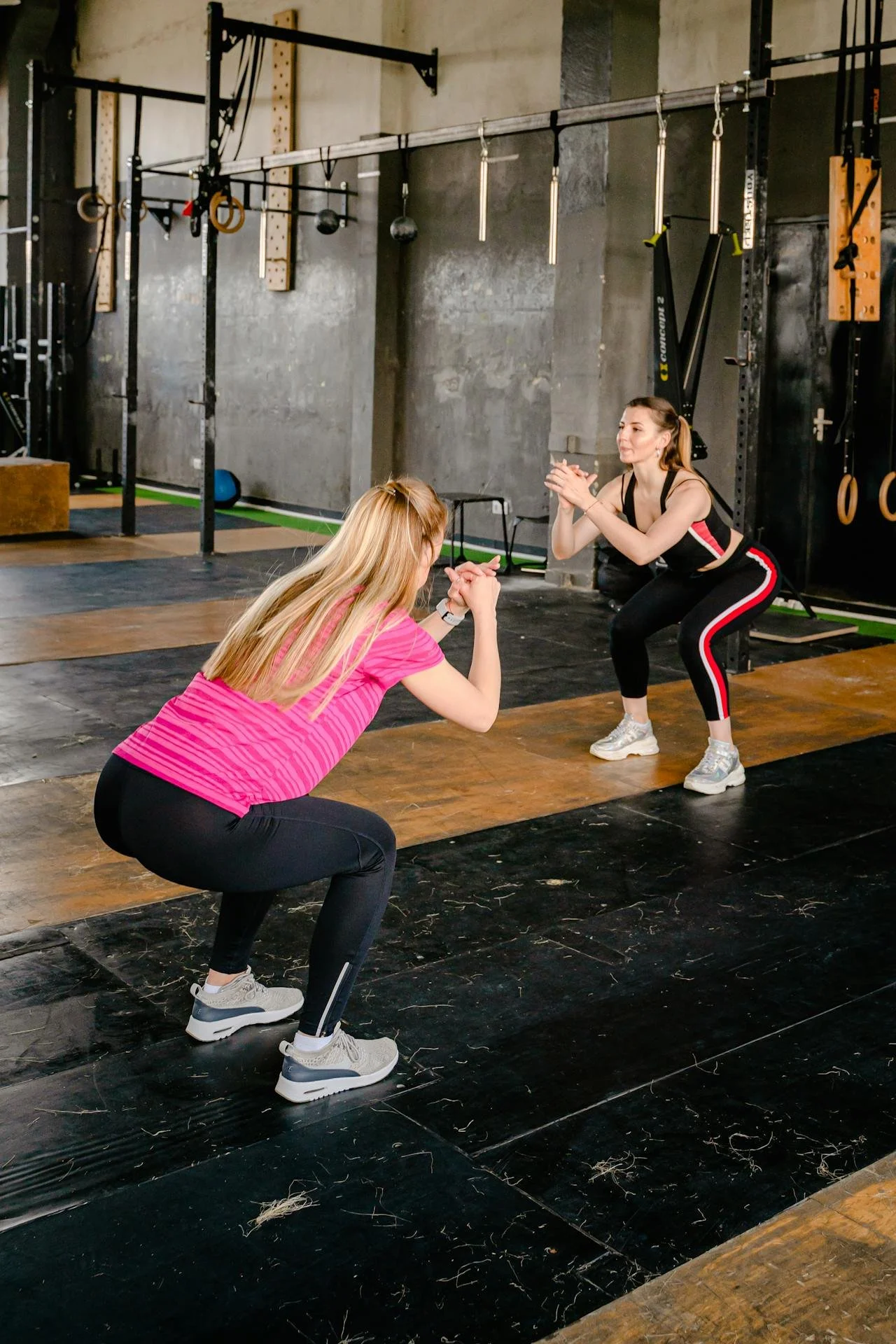
Master These 6 Beginner Functional Exercises for a Strong Fitness Foundation
ABSTRACT
Kickstart your fitness journey with these essential beginner functional exercises. Perfect foundational movements like squats, single-leg squats, step-ups, pushups, and dumbbell curls with easy-to-follow progressions. Build strength confidently with targeted instructions and tips from professional personal trainers. Begin your at-home strength training routine today and watch your fitness flourish!
Keywords
Beginner functional exercises
Foundational fitness movements
Introductory workout routine
Personal trainer exercises
Squat progression for beginners
Single-leg squat form
Step-up exercises with dumbbells
Pushup modifications for beginners
Beginner dumbbell curls
At-home strength training

Functional Movement / Photo: Antoni Shkraba
Introduction
New to fitness! It's time to set the baseline and refine your foundational movements. Here are six introductory exercises you need to perfect (and how) before you reinvent your routine with a circus act of exercises.
list of functional exercises
PERSONAL TRAINER EXERCISE: SQUAT OVER BENCH OR CHAIR
Prompt: Feet straight and hip width, screw in the feet, draw in the belly button, hinge at the hips, tuck the chin (to create a neutral spine), squeeze the glutes at the top of the movement.
Progression (12 reps/2 sets per workout/every other day):
Phase 1
-Week 1: Stationary squat in front of the wall while holding 5 lb dumbbells
-Week 2: Stationary squat in front of the wall while holding 8 lb dumbbells
Phase 2
-Week 3: Stationary squat away from the wall while holding 5 lb dumbbells
-Week 4: Stationary squat away from the wall while holding 8 lb dumbbells
-Week 5: Stationary squat away from the wall while holding 10 lb dumbbells
-Week 6: Stationary squat away from the wall while holding 10 lb dumbbells
2. PERSONAL TRAINER EXERCISE: Single-leg squat
Prompt: While holding the edge of a cabinet…set your feet straight and hip width, draw in the belly button, plant the front foot, screw in the foot, slight hinge at the hips, tuck the chin (to create a neutral spine), and kick back one leg. Note: Hinging back 90 degrees is typical of your hips sitting in a
chair. Hinging back 45 degrees is halfway to a seated position.
Progression (12 reps/2 sets per workout/every other day):
Phase 1
-Week 1: Hinge back 45 degrees while holding a counter (toes touching the cabinet)
-Week 2: Hinge back 60 degrees while holding a counter (toes touching the cabinet)
-Week 3: Hinge back 75 degrees while holding a counter (toes touching the cabinet)
Phase 2
-Week 4: Hinge back 45 degrees while standing in front of a wall
-Week 5: Hinge back 60 degrees while standing in front of a wall
-Week 6: Hinge back 75 degrees while standing in front of a wall
3. PERSONAL TRAINER EXERCISE: STEP UP
Prompt: Set up a step with one riser. Screw in one foot on the step (heel under the knee), draw in the belly button, slight hinge at the hips, tuck the chin (to create a neutral spine), bring the knee back forward, and squeeze the glutes at the top of the movement. Note: Step on one side for 12 reps before switching to the other
Progression (12 reps/2 sets per workout/every other day):
Phase 1
-Week 1: Step with one riser while holding 5 lb dumbbells
-Week 2: Step with one riser while holding 8 lb dumbbells
-Week 3: Step with one riser while holding 8 lb dumbbells
Phase 2
-Week 4: Step with two risers while holding 5 lb dumbbells
-Week 5: Step with two risers while holding 8 lb dumbbells
-Week 6: Step with two risers while holding 8 lb dumbbells
4. PERSONAL TRAINER EXERCISE: Pushup
Prompt: Stand one foot away from a wall. Feet straight and hip width, set up your hands outside your armpits on the wall, draw in the belly button, lower your body towards the wall, and push your body back to the start.
Progression (12 reps/2 sets per workout/every other day):
Phase 1
-Week 1: Pushup against the wall with your feet 12 inches back
-Week 2: Pushup against the wall with your feet 24 inches back
-Week 3: Pushup against the wall with your feet 24 inches back
Phase 2
-Week 4: Pushup against the bathroom counter with your feet 24 inches back
-Week 5: Pushup against the bathroom counter with your feet 36 inches back
-Week 6: Pushup against the bathroom counter with your feet 36 inches back
5. PERSONAL TRAINER EXERCISE: DUMBBELL CURLs
Prompt: Feet straight and hip width, screw in the feet, draw in the belly button, hips under your shoulders, elbow tucked to your side, and keep your head centered. Notes: Alternating curls require you to curl with your right arm and then switch to the left (and repeat), and non-alternating curls require you to curl with both arms simultaneously.
Progression (12 reps/2 sets per workout/every other day):
Phase 1
-Week 1: Alternating curls against the wall with 8 lb dumbbells
-Week 2: Non-alternating curls against the wall with 8 lb dumbbells
-Week 3: Alternating curls away from the wall with 8 lb dumbbells
Phase 2
-Week 4: Alternating curls away from the wall with 10 lb dumbbells
-Week 5: Non-alternating curls away from the wall with 8 lb dumbbells
-Week 6: Non-alternating curls away from the wall with 10 lb dumbbells
ABOUT THE AUTHOR: MICHAEL MOODY, PERSONAL TRAINER
As an author, a personal trainer in Denver, and podcast host, Michael Moody has helped personal training clients achieve new fitness heights and incredible weight loss transformations since 2005. He also produces the wellness podcast "The Elements of Being" and has been featured on NBC, WGN Radio, and PBS.
Michael offers personal training to Denver residents who want to meet at the 2460 W 26th Ave studio….or in their homes throughout LoHi (80206), LoDo (80202), RiNo (80216), Washington Park (80209), Cherry Creek (80206, 80209, 80243, 80246, 80231), and Highlands (80202, 80211, 80212). Michael also offers experiences with a personal trainer in Jefferson Park (80211) and Sloan's Lake (80204, 80212).
If you’re looking for a personal trainer who can curate a sustainable (and adaptable) routine based on your needs and wants, Michael is the experienced practitioner you’ve been looking for. Try personal training for a month…your body will thank you!