

Personal Trainer Blog
Fitness | Wellness | Diet Self-Improvement

Health and Fitness at your finger tips
Learn fitness, healthy whole food diets, wellness, and other personal training tips/recipes from Denver's weight loss personal trainer.

Healthy Eating for Kids: Debunking the 'Eat Anything' Myth
ABSTRACT
Think kids can eat anything? Think again: childhood nutrition is vital. Get tips for parents on introducing healthy foods and modeling healthy eating habits.
Keywords
Healthy eating for kids
Childhood nutrition
Healthy diet for kids
Nutrition for kids
Healthy eating habits for kids
Introducing healthy foods to kids
Picky eater tips
Teaching kids to eat healthy
Modeling healthy eating habits
Improving kids diet

Healthy Eating Child / Photo: Andrea Piacquadio
Myth
Kids can eat whatever they want.
Reason Parents Give
“They’re children…they can get away with it.”
The TRUTH
Many parents believe the myth that children can really eat whatever they want. As a parent, I wish this was true! It was a lot of work once showing my 17-month old son, Preston, a powerpoint presentation about the benefits of broccoli. Unfortunately, that first statement is false (and it makes sense why). Think about the period of 0-11 years of life for a child. Do you see any other period of physical and mental development as drastic in a human’s life? Absolutely not. The growth during this span of time is tremendous and pivotal to the physical foundation of one’s life. Why wouldn’t you give your child the proper fuel to not only build it efficiently and effectively but also protect the process with the best immunity? The good Dr. Fuhrman says it best:
The poor dietary habits of today’s children are contributing to the development of obesity, reduced brain function, higher incidence of allergies, asthma, autoimmune diseases, and emotional and behavioral disorders, such as depression and ADD. Poor nutrition also increases occurrence and severity of infections and results in chronically reoccurring infections such as sinusitis and otitis media (ear infection). It is also laying a foundation for poor academic performance, chronic disease later in life, violent behavior, and premature death. A Nutritarian diet is essential for a disease-free, healthy, and happy child.
I know what you’re thinking, “Good luck getting your kid to eat a plant-based diet.” I fully realize the difficulties here. Preston sometimes refuses everything until he gets what he wants (a tough customer sometimes!). It would be best to remember that our little ones aren’t much different from adults. Here are several strategies to dramatically improve your child’s diet and health without running for cover.
STRATEGIES
INTRODUCE NEW FOODS…AND TRY IT AGAIN NEXT MONTH.
Personal Trainer Wisdom: Do you want to eat the same thing all the time? Unless it’s pizza, bacon, and ice cream, you’ll probably answer “No” (and rightfully so). Not only does neural stimulation greatly diminish after the 5th bite, but you also lose the mental and emotional excitement of eating a new dish. Poor Preston suffers whenever we discover he likes a new dish. “Do you like frozen peas and butternut squash, Master P?” Yessssssssssssssssssssssssssss! And then we feed him that for ten straight meals until he throws it on the ground (and we don’t have a dog).
If your approach is on repeat, too, I get it. Be mindful of your (and my) laziness, though. Chalk up a new food gobbled up in seconds as a victory, but continue your experimentation. Your child has not tried the vast array of dishes our world offers (and you most likely haven’t). Move onto something new and help your child stimulate her senses. You’ll always have the peas and butternut squash in your backpack. And if it doesn’t work today, try the dish again in 4 weeks. Your child’s pallet and senses are evolving, and his or her preference or sensitivity will change over time, too. With this being said,….ADD A VARIETY OF DIFFERENT TASTES, SMELLS, AND TEXTURES (INCLUDING DIFFERENT SEASONINGS AND SAUCES).
Personal Trainer Wisdom: Babies and kids are curious animals exploring the world. I honestly admit to restricting Preston’s scientific tendencies. After all, who wants to see their eggs cracked across the kitchen floor for the sake of learning physics? Appeal to your child’s curiosity by opening her senses to the culinary world. Let your child physically touch and feel the difference between different fruits and vegetables, and encourage her to smell and taste the bites of goodness (and it’s okay to get messy).
Take your experiment to a new level and assign a different ethnic style of food to each day. Combine the seasonings and sauces most commonly found in that culture. For instance, if Monday is Mexican Day, add salsa and taco seasoning to the meals (Tuesday can be Italian, Wednesday can be Indian, etc.).MODEL GOOD BEHAVIOR.
Personal Trainer Wisdom: If you’re serving a dish to your child, it’s a great time for you to eat, too! Everybody loves company while they eat….and your child is no different. You've been out to dinner at a restaurant and noticed a friend not ordering anything. You probably wondered, “Is Amy on a diet?”….”Is Amy upset?”…..”Does Amy not like me?”….etc., etc. Your child might be thinking the same about you in those moments! Interestingly, Preston will not eat at times but will not hesitate to sit on my lap moments later to lovingly (and grub-bingly) grab the same food off my plate. Little P wants to share the experience with Papa!
Modeling good behavior goes beyond simply eating in front of your child. Eating the right foods is just as, if not more, important. What message are you sending while saying “No candy” to your child while eating the candy bar in front of her? It scares me to think about the things that Preston witnesses me doing. I recently started throwing his shoes to a rack near the door. What a surprise when I witnessed Preston tossing a bell strap across the daycare room….hitting the helpless victim, baby Liam, in the forehead. Shame on Papa! It’s a good reminder, though, that I can positively shape my son’s behavior by acting like a good, healthy citizen (especially while eating dinner). Take the initiative and demonstrate healthy eating behavior by eating healthy food WITH your child.DETERMINE YOUR CHILD’S FOOD PREFERENCES AND FIND THE HEALTHIEST VERSIONS.
Personal Trainer Wisdom: Let’s be honest: Your kids will be introduced to unhealthy foods at school, friends’ homes, parties, and more. It seems that many kids could eat endless candy and pasta (and they’ll let you know). If it’s a constant fight, not all is lost. Don’t forget that a piece of food can be a comprehensive experience for the senses. It’s possible to replicate the experience with a healthy substitute. Not surprisingly, Preston instantly loved pasta (who doesn’t?). Instead of feeding him the enriched flour and blood-sugar-spiking versions found on most American tables, we cook a chickpea pasta noodle. It is a more beautiful, nutrient-dense option with protein and fiber than the white flour, wheat, AND whole wheat versions. Although it may take research, there are other thoughtful substitutes for your child’s other unhealthy preferences, too!
EXPLAIN THE BENEFITS OF EVERY MEAL AND THE REASONS WHY YOU’RE EATING IT TOO.
Personal Trainer Wisdom: Why has parenting become so complicated????? Life is so much easier when you can respond to your child’s Socratic question, “Why do I have to do this?” with the answer, “Because I said so.” Now you have to explain things and….wait, never mind….we should’ve been doing this all along! Why? Because they don’t know better and need the message reinforced repeatedly (a lesson I now understand as an obligation of effective parenting). Your kids may not know why they need hemp seeds, nuts, collard greens, and a piece of fish on one plate. They haven’t established any value of eating healthfully. Take the time to illustrate why it’s essential that your kids eventually make the same independent choices without your supervision.
ABOUT THE AUTHOR: MICHAEL MOODY, PERSONAL TRAINER
As an author, a personal trainer in Denver, and podcast host, Michael Moody has helped personal training clients achieve new fitness heights and incredible weight loss transformations since 2005. He also produces the wellness podcast "The Elements of Being" and has been featured on NBC, WGN Radio, and PBS.
Michael offers personal training to Denver residents who want to meet at the 2460 W 26th Ave studio….or in their homes throughout LoHi (80206), LoDo (80202), RiNo (80216), Washington Park (80209), Cherry Creek (80206, 80209, 80243, 80246, 80231), and Highlands (80202, 80211, 80212). Michael also offers experiences with a personal trainer in Jefferson Park (80211) and Sloan's Lake (80204, 80212).
If you’re looking for a personal trainer who can curate a sustainable (and adaptable) routine based on your needs and wants, Michael is the experienced practitioner you’ve been looking for. Try personal training for a month…your body will thank you!
PERSONAL TRAINER BLOG

Improve Posture at Work: Ergonomic Tips for Professionals
ABSTRACT
Improve posture at work with ergonomic office solutions for professionals. Get posture tips and workstation setup advice for a pain-free, healthier workspace.
Keywords
Improve posture at work
Ergonomic office solutions
Ergonomic office setup
Office ergonomics
Workplace ergonomics
Better posture at work
Proper posture at work
Office posture tips
Ergonomic desk setup
Ergonomic office chair
Ergonomic workstation
Reduce back pain at work

Poor posture at work / Photo: Cottonbro Studio
Introduction
Whether testifying in a House hearing or presenting at a board meeting, poor posture will send unintended nonverbal cues and lead to poor physical health. Putting aside the "look" of poor posture, anything beyond the neutral spine while sitting (think of your body naturally and symmetrically stacked in the neutral position) may put you at severe and long-term risk of injury. I've included tips from my interview with Wayfair to help you reverse this effect and redefine how you sit at work.
Interview Questions
WAYFAIR Question #1: HOW CAN YOU TELL IF YOU HAVE BAD POSTURE DURING YOUR DAY-TO-DAY?
Personal Trainer Wisdom: Most likely, you are experiencing many symptoms, including lower back, hip, and shoulder discomfort and pain, that are surefire to tell of your bad posture. Considering the constant distractions, it's not surprising that you don't recognize these symptoms or realize how you shift your weight to one hip while speaking to someone or round your back while working 8-10 hours daily on the computer. Your body is adaptable in small amounts and can function out of a neutral zone (Translation: Pick up light objects with a rounded back). When reinforced repetitively, you create an imbalanced, inefficient system that can eventually lead to rounded shoulders or a posterior hip tilt (rounded lower back).
WAYFAIR Question #2: WHAT ARE SOME TIPS TO IMPROVE POSTURE WHILE AT YOUR DESK?
Personal Trainer Wisdom: Awareness is the key to your best physical health and perfect posture. Simple check-ins throughout the day can minimize or eliminate most chronic problems. Although the human body isn't meant to sit for extended periods, most industries require it. If you're going to do it, you must do it well. Essentially, you're fighting nature while maintaining a flexed position at your desk under quite a bit of sustained stress. However, our bodies are meant to move in a neutral position, and you're most likely guilty of doing the opposite up to this point.
While it's not realistic to assume that you'll walk and type on a Stairmaster at the office, you can take several measures to maintain a neutral spine--the natural position of the spine that doesn't place unnecessary stress on your disks and maintains the natural curve of your neck and lower back. First, you can adjust your seat to the appropriate height to reduce a tilt in your hips or a round in your lower back. Your knees should directly extend from your hips at a 90 angle or lower. Second, please be sure to maintain a neutral position while seated. Keep your ears above your shoulders, shoulders above your hips, heels under your knees, and feet flat on the floor. Third, stand up and walk when you fidget or reposition your body while seated. If you begin to shift in your seat, listen to your body! It's time to move! It takes muscle activation and strength to fight gravity and maintain perfect posture. Although you may be using the right muscles, they will fatigue, too! With this being said, could you relight the system and find a reason to walk around?WAYFAIR Question #3: ARE ANY TOOLS, ACCESSORIES, OR FURNITURE BEST SUITED FOR HAVING GOOD POSTURE THROUGHOUT A WORKDAY?
Personal Trainer Wisdom: Your best tool for maintaining good posture is self-awareness. No matter what system you would put in place, you may unconsciously compensate in one way or another. An adjustable, ergonomic chair that allows you to fit your neutral spine and the adjustable height to find the appropriate level for your hips is a priority. An adjustable desk will also help you find the proper height for your computer keyboard and the screen placement to limit slouching. You may want to elevate your computer screen to eye level if your desk doesn't offer an adjustable function.
WAYFAIR Question #4: FOR OFFICES WITH RAISEABLE DESKS, HOW MUCH TIME SHOULD SOMEONE SWITCH BETWEEN SITTING AND STANDING FOR THE MOST COMFORT?
Personal Trainer Wisdom: In response to the constant demand on your body (gravity counts), moving or changing position every 20-30 minutes is essential. The same principle applies when utilizing a raiseable desk. As mentioned before, your muscles will fatigue while maintaining perfect posture. Unsurprisingly, ambitious people have bought the raisable desks to resolve their postural issues but still compensate by shifting their weight while standing and placing themselves in compromising positions. When you shift your hips or shoulders, it isn't a failure! It's just a cue to reposition. Sitting, standing, or walking may be the most appropriate response.
ABOUT THE AUTHOR: MICHAEL MOODY, PERSONAL TRAINER
As an author, a personal trainer in Denver, and podcast host, Michael Moody has helped personal training clients achieve new fitness heights and incredible weight loss transformations since 2005. He also produces the wellness podcast "The Elements of Being" and has been featured on NBC, WGN Radio, and PBS.
Michael offers personal training to Denver residents who want to meet at the 2460 W 26th Ave studio….or in their homes throughout LoHi (80206), LoDo (80202), RiNo (80216), Washington Park (80209), Cherry Creek (80206, 80209, 80243, 80246, 80231), and Highlands (80202, 80211, 80212). Michael also offers experiences with a personal trainer in Jefferson Park (80211) and Sloan's Lake (80204, 80212).
If you’re looking for a personal trainer who can curate a sustainable (and adaptable) routine based on your needs and wants, Michael is the experienced practitioner you’ve been looking for. Try personal training for a month…your body will thank you!

10 Time-Saving Routines to Gain 3–4 Extra Hours Every Week
ABSTRACT
Discover proven time-saving routines and time management tips that help you reduce wasted time and reclaim up to four extra hours weekly. Explore productivity hacks like using a grocery delivery service, creating an organized storage system, minimizing repeat offenses, and tackling both mail clutter and email clutter for an efficient, stress-free lifestyle.
Keywords
Time-saving routines
Time management tips
Productivity hacks
Reduce wasted time
Grocery delivery service
Organized storage system
Minimize repeat offenses
Reduce mail clutter
Reduce email clutter
Laundry organization tips

Time-Saving Routines / Photo: Kampus Production
Introduction
I commonly hear, "There isn't enough time in the day..." Despite my best efforts to create a 25-hour day, I think we're stuck with the standard clock. Don't be discouraged! Build these habits, and you'll find an extra 3-4 hours weekly!
List of Time-Saving Routines
SCHEDULE A GROCERY DELIVERY SERVICE
My friend Matt S. jokingly (and not jokingly) advised hiring someone to do everything for you if you want to create more time. It's hard to argue with this! While you should be strategic and hire a professional if you have the budget and need (e.g., an accountant), let’s assume you’re willing to create more time without spending extra money first, with one exception: Scheduling a grocery delivery service. I mention this tip first for a good reason. It’s the easiest to begin today, and you’ll quickly benefit from the time it creates in your schedule. Typically, I spend 15 minutes driving to Trader Joe’s or Whole Foods, 20-60 minutes shopping, and 15 minutes driving home for 50-90 minutes each week. That’s nearly 4-6 hours per month spent on the shopping activity (which isn’t a big deal if you enjoy the experience)!
Our Amazon Prime membership gives us access to Amazon Fresh, a grocery delivery and pickup service for Whole Foods. You can reduce your grocery shopping time to 40 minutes per month. I save a list of staples that I renew weekly while adding new favorites and recipe ingredients for the week. Amazon Fresh offers free delivery for Amazon Prime Members, so you only need to tip! Are you willing to pay a few extra monthly dollars for at least 4 hours? If so, you may want to rethink your shopping approach (significantly if it saves you money from buying nonessential extras during your trip or eating out when you’re out of groceries). You can try a free Amazon Prime or Amazon Prime Student trial today!
2. MINIMIZE REPEAT OFFENSES
Much of our time is lost by the wasted efforts we make daily. Essentially, you’re a repeat offender by hitting snooze again, running to the dryer for five consecutive days, and looking for your car keys. What a waste of your valuable time! Here is the list of the most common repeat offenses and how to eliminate the habit:
Snoozing: Eliminate this time-wasting habit and create an average of 20 minutes of REM sleep instead. That’s right…I’m not telling you to leave bed at the first alarm. Stay in bed! You deserve (and probably need) it. On average, most people snooze 2-3 times. Unconsciously, you have a set time to wake up in your mind and will snooze until you get there. Quit disrupting your REM sleep! You plan to stay in bed anyway, so set your alarm clock for your "need to get up" time. Increasing the quality of REM sleep will make you more productive and efficient throughout your workday (leaving more time for enjoyment).
Placing necessary items anywhere: Place your keys, wallet, phone, and purse/work bag in the same spot when returning home…no ifs, ands, or buts! How much time have you wasted in a frantic hurry because you mindlessly placed these items across your home? No further explanation is needed.
Running to your other drawer, the dryer: Only complete full loads of laundry and remove them from the dryer in one trip (quit running back and forth for one pair of socks...it isn't a drawer). Bonus time saver: Wash all your clothes in cold water to eliminate multiple small loads. Yes, your clothes will still be clean without warm water.
Leaving the kitchen cabinet in the dishwasher: How much time do you waste looking for kitchenware whenever you need something? Empty the dishwasher when it's complete and eliminate the number of locations you need to look to find your favorite coffee cup from Grandma. Bonus time saver: Place all of your dirty dishes inside after the initial rinse in the sink instead of rinsing the dishes, placing them in the sink, and then eventually placing them in the dishwasher. Cut out the middleman. You’re trying to grasp as much time as possible!
3. CREATE A NEW STORAGE SYSTEM
I have wasted too much time searching for things in the abyss of my storage. It should never take more than 5 minutes to find anything I need. With this being said, my storage is organized in the following way: Boxes are divided into three access categories: Annual and Daily. The relics (keepsakes) are tucked in the back corner, while the annual and daily boxes are placed in accessible locations with a clear list of items taped to the front. Bonus time saver: Tape a map or list of boxes and their contents on the wall as a quick reference. Super bonus time saver: Donate, sell, or throw out anything you DON’T use. Translation: Don’t save anything you won’t use in the next month or season with certainty unless they’re holiday decorations or keepsakes.
4. REDUCE MAIL
How much time have you spent moving piles of mail to different spots while looking for specific pieces? Maybe 5 minutes a week? 20 minutes a month? Two hundred forty minutes (4 hours) a year? Wait, I forgot the 30 minutes per month you spend organizing a mail pile that is 75% unnecessary, which is 6 hours per year. Wouldn't you like a 10-hour day this week to do nothing or to binge-watch the show Breaking Bad...again? Sign up for ‘Do not mail’ lists and choose paperless statements for your utilities, credit card bills, bank paperwork, and other bills. As soon as you return home, discard the pieces of mail that you don't need and archive the rest. Do not leave any mail out. If you must, place it in a review file in your drawer.
5. REDUCE EMAIL
I've kept my email inbox at two emails or less since 2012, and you should do the same. If you're like the old me, you probably have 3000 emails. Please create a new account and make it the forwarding address for your new account. "But Michael, I can search for what I need in my account with the right keywords...I don't need to delete anything or change accounts." Perhaps. It will still cost you valuable time, though. Whether you type in an email address or a specific topic, you'll still waste energy and time sifting through the new list of emails that pop up. Yes, it takes less time than rifling through your inbox, but it is still very inefficient. Instead, decide when you open every email to delete, archive, or star it. If you must start it for future correspondence, don't let it sit in your inbox for seven days. Once you respond, either delete or archive it.
6. RETHINK YOUR DIRTY AND CLEAN CLOTHES APPROACH
I know that most people don't like to organize their clothes. Color-coding your hanging clothes is a great benefit, but I know you most likely won't do it (even though it reduces decision fatigue and time). Here are a few rules that can eliminate wasted time trying to figure out what's clean and dirty on your floor and make finding an outfit easier.
I've already discussed the advantages of placing things in the same spot—no need to rehash. I fully recognize your busy schedule and know you don’t have time to organize your drawers and closet. Why not find one designated spot where you can throw your clothes, though (instead of scattering them across the room)? The corner of a closet is ideal. Too busy to open your closet door? Then, place the hamper in the corner of the bedroom to catch your Michael Jordan shots. Just be sure to do laundry when it fills up.
Organize your clothes on hangers or in drawers by categories. While most people already apply this to their drawers (e.g., sock and underwear drawer), their hanging clothes are usually a mess. Since you're taking the time to hang your clothes anyway, why not place them in one of the following distinct sections: pants, skirts, dresses, short sleeves, long sleeves, and suits? How nice would it be to examine your pants supply in one section quickly? Indeed, it will take less time than rifling through every item on the rack when you’re in a rush.
MORE RANDOM THOUGHTS FROM BUSY PROFESSIONALS AND PARENTS
"Routine, routine, routine. I made weekly meal plans and shopping lists on the weekends and picked and ironed my kids ’ clothes for the week on Sunday. Having a regular breakfast routine: oatmeal on Mondays, pancakes on Saturday, etc." - Amanda M.
"We use organizers in the boys’ closets and lay clothes out for the entire week, especially socks (ugh, trying to find matching socks before school is the worst) and underwear. We have a huge central calendar, and everyone is assigned a different color. I make double batches of our favorite meals and freeze one for the following week." - Kelly G.
"It's all about organization. I have calendar reminders for everything, including changing air filters in the AC, oil changes, etc... These small maintenance items will save you a ton of time (and money) down the road." - Dan S.
"Lunches are made the night before, all clothes are set out for the morning, and everything is written on the home calendar and typed into phone calendars. School bags have gone through the minute kids get home; things are signed and sent back when you get them." - Gen S.
ABOUT THE AUTHOR: MICHAEL MOODY, PERSONAL TRAINER
As an author, a personal trainer in Denver, and podcast host, Michael Moody has helped personal training clients achieve new fitness heights and incredible weight loss transformations since 2005. He also produces the wellness podcast "The Elements of Being" and has been featured on NBC, WGN Radio, and PBS.
Michael offers personal training to Denver residents who want to meet at the 2460 W 26th Ave studio….or in their homes throughout LoHi (80206), LoDo (80202), RiNo (80216), Washington Park (80209), Cherry Creek (80206, 80209, 80243, 80246, 80231), and Highlands (80202, 80211, 80212). Michael also offers experiences with a personal trainer in Jefferson Park (80211) and Sloan's Lake (80204, 80212).
If you’re looking for a personal trainer who can curate a sustainable (and adaptable) routine based on your needs and wants, Michael is the experienced practitioner you’ve been looking for. Try personal training for a month…your body will thank you!
PERSONAL TRAINER BLOG

11 Easy Ways to Teach Kids Healthy Habits and Encourage Lifelong Well-Being
ABSTRACT
Help your kids build healthier eating habits with these easy tips, from making veggies the main course to cutting out sugary drinks and hidden high-fructose corn syrup. Discover kid-friendly snack ideas and learn how leading by example can encourage a lifetime of nutritious choices.
Keywords
Healthy eating for kids
Teaching kids healthy habits
Kids nutrition tips
Reducing sugar in children’s diets
How to cut out junk food for kids
Encouraging kids to eat vegetables
Healthy kid-friendly snacks
Avoiding high-fructose corn syrup
Smart food swaps for kids
Tips for modeling good eating habits

Healthy Grocery Shopping / Photo: Greta Hoffman
Introduction
Are you struggling to find ways to teach your kids healthy habits? I've seen several easy ways to adopt today that will change your kids' health forever (from the healthy habits list "40 Ways to Teach Your Kids Healthy Habits").
1. MAKE VEGGIES THE BASE OF EVERY MEAL
You wouldn’t build a building without a solid foundation, so why would you make a meal that’s got a less-than-solid core? Making vegetables the centerpiece of your meals means you’ll almost automatically eat fewer calories while loading up on vitamins, minerals, and fiber. This doesn’t mean eating only salad, either — stir-fries, curries, spring rolls, soups, and even enchiladas can all fit into this healthy eating plan.
Personal Trainer Wisdom: If you train your kids to make vegetables the center of each meal, they will be likelier to do the same. Create this type of plate and discuss the reasons why you should choose these foods (think Popeye and spinach).
2. KICK SODA TO THE CURB
Soda is one of the worst offenders when it comes to sugar, calories, and high fructose corn syrup in our kids’ diets. Research suggests that soda is among the biggest contributors to our ever-growing obesity epidemic, and all those extra calories provide zero nutritional benefits. Give your kids a healthy start by saying to no soda, whether regular or diet. If they’re eager to enjoy a fizzy drink, give them unsweetened seltzer with just a squeeze of fresh lime or lemon juice,
Personal Trainer Wisdom: Luckily, kids aren't employed and receive a wage. They most likely would waste their whole paycheck on soda and candy. I grew up with a new 2-liter RC in the fridge every other day. Let's be honest. If something is in the house, you or the kids are mostly to consume it. Resist the temptation, and don't buy it. Instead, teach your kids about a healthy alternative to satisfy that want.
3. SWAP IN VEGGIES FOR NOODLES
Yes, it’s adorable to hear little kids mispronounce “spaghetti.” However, those white noodles you’re buying at the supermarket may have the not-so-adorable effect of prompting serious food cravings in your kiddos and adding to their risk of diabetes and obesity. Instead, buy yourself a spiralizer and make your own noodles from vegetables like zucchini and yellow squash. Not only are they preservative-free and lower in calories, but they’re also quicker to cook than your regular boxed pasta.
Personal Trainer Wisdom: While this substitution might be a tough sell, it can be convincing...especially if you invite them to help. Call it a nutritious, edible art project! Spaghetti squash is also an option.
4. CUT OUT FRUIT COCKTAIL
Fruit is such a healthy and delicious snack, but somehow, companies have managed to make it bad for you in so many surprising ways. One such unpleasant iteration comes in the form of fruit cocktail, a syrup-laden, sugar-packed treat that’s marketed under the guise of health food. With way more calories and sugar than a fresh piece of fruit, tons of artificial dyes and preservatives, and potentially-obesogenic BPA in the can, you’re far better off giving your kids something else.5. INSPECT LABELS FOR HIGH-FRUCTOSE CORN SYRUP
Even if you’re not a family with a shared sweet tooth, you may be eating more high fructose corn syrup than you bargained for. High fructose corn syrup is being added to everything from condiments to whole grain bread these days, so it’s of the utmost importance you read the nutrition labels before you put even seemingly-healthy items in your cart. Research conducted at Princeton University reveals that consumption of high fructose corn syrup caused greater increases in body fat, weight, and triglyceride levels in rats than consuming a greater number of calories in sucrose.
Personal Trainer Wisdom: I think we see a theme here. Any food served in syrup or with the word 'syrup' in the ingredients should be taken out of the cart. Why challenge your child's health with ingredients that can lead to obesity and diseases? Always choose the simple alternative (and it doesn't necessarily cost more money).
6. REPLACE MILKSHAKES WITH SMOOTHIES
Treat your kids to a healthy snack that tastes just like a milkshake, but without the calories, sugar, or fat. Vegan smoothies are a great way to give your kids a snack that feels like a treat, but is actually packed with vitamins, minerals, fiber, protein, and antioxidants, making it both filling and great for their health.
Personal Trainer Wisdom: With the right combination of fruits, vegetables, and seeds, your child won't know what they're missing. Don't give up when he or she refuses the first! Continue experimenting with different recipes, and you may find a favorite (the same applies to you!).
7. CHECK FOODS FOR HIDDEN NITRATES
Nitrates are just one of the many preservatives that could be wreaking havoc on your gut health and immune system and may even contribute to the risk of cancer. Even worse, they’re found in countless kids’ foods, from pre-packaged lunches to deli meat. Make sure to inspect the ingredients list of your kids’ food for ingredients like sodium nitrate.
Personal Trainer Wisdom: "That sodium nitrate sounds tasty," says no one ever. If it isn't something you would taste separately, it shouldn't be on your list of ingredients. While you want to find a quick lunch for your child, you don't need to settle for the cheapest or most convenient product (notice that I didn't say food). If you must serve lunch meat, Boar's Head meats are the most natural on the market.
8. SAY NO TO MAYO
Bad news for mayo-phobes: even if you’d never willingly come in contact with the stuff, it may still be sneaking into your food. This high-calorie condiment is added to so many foods, from burger buns to salad dressings, that it’s far more difficult to avoid that you might think — and that means it’s in your kids’ food, too. Make sure you’re not contributing to the calorie creep in their foods by cutting out mayo at home and offering healthy, flavorful fats like avocado in its place.
Personal Trainer Wisdom: As you have found in your diet, little amounts of this and that can quickly add up to extra weight. Make every calorie count and choose the most nutrient-dense option. Remember that mayo often offers texture, not taste. Experiment with alternatives such as hummus, salsa, or avocado (with portion size in mind).
9. MAKE HEALTHIER COOKIES
Sugar cookies and gingerbread men may be holiday staples, but for your everyday after school snack, there are healthier options to be had. Fruit-sweetened oatmeal cookies are an easy way to get your kids to eat healthier with no protest; simply combine oatmeal, mashed bananas, almond flour, chocolate chips, and baking powder and bake for a delicious cookie that you can’t believe are good for you.
Personal Trainer Wisdom: I love cookies. It's still one of my favorite foods in life...next to my Grandmother's brownies (which I later discovered were brownies from a box). You and your kids should always enjoy the best of life without substituting every food choice with a untasty, healthy alternative. If sweets are part of the daily routine, something must be given. There's a reason why scientists predict that 1 in 3 people will have or be on the path toward diabetes. You don't need to give up everything, but it's time to replace what's necessary strategically.
10. CUT OUT JUICE
While many juices may claim to be packed with all the health-boosting benefits of fruit, in reality, they’re doing little more than adding sugar and calories to your child’s menu. Instead, give your kids a healthy alternative by offering them whole fruit and water — the combination will fill them up with fiber and none of the sugar and high fructose corn syrup that’s commonly added to juice.
Personal Trainer Wisdom: Whether the juice is 100% natural or not, it is a carb explosion that sends anyone down the path of diabetes (along with your cookies). Stick to the whole fruits and be mindful of the sugars and grains you feed your child (and yourself).
11. LEAD BY EXAMPLE
You are your child’s first teacher and, ultimately, the inspiration for their behavior, so make sure you’re modeling good eating habits for them in your life. If your children see you regularly snacking on unhealthy foods, it’s likely they’ll emulate that behavior as well. Likewise, if you’re constantly discussing your weight and opting for diet foods or skipping meals, they may have a skewed outlook of their bodies and eating habits. Research conducted at King's College London reveals that parental modeling can do more to shape a child's risk of obesity than restricting their food.
Personal Trainer Wisdom: Modeling excellent behavior extends beyond eliminating swear words from your vocabulary. Children are sponges, and they mimic the adult behavior around them. This statement says enough. The habits they develop early could affect them for a lifetime. Sorry, Mom, you were wrong: Children can't eat whatever they want.
What other ways can we teach our kids to eat healthy?
ABOUT THE AUTHOR: MICHAEL MOODY, PERSONAL TRAINER
As an author, a personal trainer in Denver, and podcast host, Michael Moody has helped personal training clients achieve new fitness heights and incredible weight loss transformations since 2005. He also produces the wellness podcast "The Elements of Being" and has been featured on NBC, WGN Radio, and PBS.
Michael offers personal training to Denver residents who want to meet at the 2460 W 26th Ave studio….or in their homes throughout LoHi (80206), LoDo (80202), RiNo (80216), Washington Park (80209), Cherry Creek (80206, 80209, 80243, 80246, 80231), and Highlands (80202, 80211, 80212). Michael also offers experiences with a personal trainer in Jefferson Park (80211) and Sloan's Lake (80204, 80212).
If you’re looking for a personal trainer who can curate a sustainable (and adaptable) routine based on your needs and wants, Michael is the experienced practitioner you’ve been looking for. Try personal training for a month…your body will thank you!

Adaptable Weekly Fitness Plans
ABSTRACT
Discover adaptable 3-, 4-, and 5-day weekly fitness plans from a running personal trainer in Denver. Boost cardio endurance, muscular endurance, and strength training with structured workouts tailored to your lifestyle. Perfect for anyone seeking a personalized fitness routine at a personal training studio in LoHi—optimize your results with range of motion exercises, squats, Pilates, and yoga today!
Keywords
Running Personal Trainer Denver
Squats Personal Trainer LoHi
Personal Training Studio LoHi
Adaptable Weekly Fitness Plan
3-Day Workout Plan
4-Day Workout Plan
5-Day Workout Plan
Cardio Endurance
Muscular Endurance
Strength Training
Range of Motion Exercises
Pilates and Yoga Workouts
Denver Personal Trainer
Fitness Goals
Personalized Fitness Routine
Introduction
As a personal trainer, I wish I could say that there are only three fitness plans that every personal training client can integrate for optimal physical success. Unfortunately, unknowns and various personal and professional demands enhance our lives as much as they create obstacles. Our strengths, limitations, and preferences also expand the endless structure variations. No program will ultimately optimize your physical self or simultaneously meet your wants and needs. The structure will most likely be adapted occasionally and may look completely different depending on your life at a given point. Nevertheless, we must start somewhere; the options below will guide your experience.
Once you decide on an approach, you'll quickly recognize that it will have its specific benefits and drawbacks, like all others. How will you improve your range of motion, cardio, and muscular endurance if you choose a strength approach with a five-day isolated muscle approach? If you integrate a total body aerobic session three days per week, will you break down your muscles enough to gain the tone and sculpt you're looking for? Should you include pilates, yoga, hiking, swimming, other fitness disciplines, and related activities? Oi vai! What to do!!!
Considering your present physical state, preexisting conditions/injuries, and strengths and limitations will also heighten the challenge when selecting a structure. For example, a personal training client with osteoporosis may need to focus more on strength to protect their bones and minimize high-impact activity. A person with great strength but asthmatic may want to incorporate a progressive cardio endurance plan with strength workouts.
To guide your appropriate fitness path, I tried to boil down the endless options to several fitness structures as you mull through the thoughts above. You can choose the one you're most interested in, and we'll adapt it to your goals, history in the gym, injuries, and more. I purposely didn't include daily specifics (e.g., reps, intervals, etc.). First, we start with the big picture, create a personalized structure, and then fill in the specific details. Good luck!

Running Personal Trainer Denver / Photo: Jacoby Clarke
Establishing an Adaptable Weekly Fitness Plan
Establish an adaptable weekly fitness structure (with or without Denver personal training sessions included). First, choose a section based on the number of days you’ll dedicate to formalized exercise (3, 4, or 5) and then review the options under each. Once you determine the structure closest to your lifestyle, needs, and wants, we’ll discuss how to adapt and personalize it. Please note: Our bodies are intended to move daily. We may still see some benefits from only exercising 1-2 sessions per week but may not achieve the desired gains (hence the focus on three days or more below).
Key Terms
Cardio Endurance: The benefits of this focus are lowering the risk of heart disease, higher blood pressure, diabetes, and stroke; prevention of chronic disease; better pulmonary function and improved VO2 function; better sleep; reducing fatigue; greater ease walking greater distances, walking up stairs, and performing daily non-strenuous activities; and better mood. Activities: climbing stairs or the Stairmaster machine, sport-related activity, running, rowing, swimming, plyometric exercises, and walking.
Muscular Endurance: The benefits of this focus are increasing the aerobic capacity of muscles, performing daily activities under demand for more extended periods, better sleep, improving athletic performance in endurance-based sports, prevention of chronic disease, reducing general and muscle fatigue, general toning; reducing injuries resulting from repetition and overuse; and maintaining posture alignment. Activities: circuit training, functional training, bodyweight training, and plyometric training.
Strength: The benefits of this focus are strengthening bones, performing strenuous daily activities for short periods, increasing athletic performance in strength and endurance-based sports, reducing fatigue, reducing injuries resulting from heavy lifts, better mood, sculpting muscles, and maintaining posture alignment. Activities: strength training.
3-Day Fitness Plans: "I’M CONVINCED that I need fitness, BUT MY LIFE IS BUSY"
Option 1 (Cardio Endurance Focused ):
Time per Session: 20-30 minutes
Benefits: Cardio endurance
What’s Missing?: Strength and sculpt optimization; limited time for muscular endurance-focused exercise (although the rowing and Stairmaster machines help)
Workouts:
Day 1: Stairmaster interval session / 8-10 minutes of ROM activity or yoga
Day 2: Rowing machine or swimming interval session / 8-10 minutes of ROM activity or yoga
Day 3: Run or hike interval session / 8-10 minutes of ROM activity or yoga
Option 2 (Muscular Endurance Focused and Cardio Enhanced):
Time per Session: 40-60 minutes
Benefits: Muscular endurance and limited cardio endurance
What’s Missing?: Strength and a sculpt optimization; limited time for range of motion (ROM) exercises and poses
Workouts:
Day 1: Circuit of upper body and core exercises/ 8-10 minutes of interval cardio
Day 2: Circuit of lower body and core exercises / 8-10 minutes of interval cardio
Day 3: Circuit of explosive total body exercises / 8-10 minutes of interval cardio
Option 3 (Strength Focused and ROM Enhanced):
Time per Session: 40-60 minutes
Benefits: Strength, range of motion (ROM)
What’s Missing?: Cardio and muscular endurance optimization; limited time for stabilization exercises (although they can be built into core exercises)
Workouts:
Day 1: Traditional sets of chest, tris, and core exercises (more exercises per muscle and more rest in between sets) / 8-10 minutes ROM exercises and poses
Day 2: Traditional sets of back, bis, and core exercises (more exercises per muscle and more rest in between sets) / 8-10 minutes ROM exercises and poses
Day 3: Traditional sets of legs, shoulders, and core exercises (more exercises per muscle and more rest in between sets) / 8-10 minutes ROM exercises and poses
Option 4 (Sports Cardio Endurance Focused):
Time per Session: 45-60 minutes
Benefits: Cardio endurance and limited muscular endurance for recreational sports
What’s Missing?: Strength and sculpt optimization; limited time for muscle endurance-focused exercise
Workouts:
Day 1: Tennis match or soccer game
Day 2: Circuit of high-intensity, explosive total body exercises with bands and bodyweight / 6-8 minutes of ROM exercises and poses
Day 3: Tennis match or soccer game
Option 5 (Cardio and Muscular Endurance Focused):
Time per Session: 40-60 minutes
Benefits: Cardio and muscular endurance
What’s Missing?: Strength and sculpt optimization; limited time for range of motion (ROM) exercises and poses
Workouts:
Day 1: Circuit of total body and core exercises/ 8-10 minutes of interval cardio
Day 2: 40-45 minutes of interval or endurance cardio
Day 3: Circuit of total body and core exercises / 8-10 minutes of interval cardio
Option 6 (Cardio Endurance Focused and Muscular Endurance Enhanced):
Time per Session: 45-60 minutes
Benefits: Cardio endurance and some muscular endurance for recreational sports
What’s Missing?: Strength and sculpt optimization; limited time for muscle endurance-focused exercise
Workouts:
Day 1: 40-45 minutes of interval or endurance cardio
Day 2: Circuit of total body and core exercises / 6-8 minutes of ROM exercises and poses
Day 3: 40-45 minutes of interval or endurance cardio

Signing up with a Denver Personal Trainer is a commitment inside and outside the gym. / Photo: Ketut Subiyanto
4-Day Fitness Plans: "I’m COMMITTED TO 4…..LET’S DO THIS"
Option 1 (Cardio Endurance, Strength, and Muscular Endurance Focused):
Time per Session: 45-60 minutes
Benefits: Strength, muscular endurance, and cardio endurance
What’s Missing?: You’ll achieve significant gains in each area but may not optimize one over the other.
Workouts:
Day 1: Circuit of upper body and core exercises with dumbbells and machines / 4 minutes of ROM exercises and poses / 8 minutes of interval cardio
Day 2: Circuit of strength-endurance exercises for legs and core / 8-10 minutes of ROM exercises and poses / 8 minutes of interval cardio
Day 3: Circuit of high-intensity, explosive total body exercises with bands and bodyweight / 8-10 minutes of ROM exercises and poses / 8 minutes of interval cardio
Day 4: 30-45 minutes of yoga or pilates / 8 minutes of interval cardio
Option 2 (Cardio Endurance Focused and Strength and Muscular Endurance Enhanced):
Time per Session: 45-60 minutes
Benefits: Cardio endurance is the main goal, but muscular endurance and strength are very important.
What’s Missing?: You’ll see more gain in cardio endurance but may not optimize the other areas.
Workouts:
Day 1: Circuit of upper body and core exercises with dumbbells and machines / 6-8 minutes of ROM exercises and poses / 8 minutes of high-intensity interval cardio
Day 2: Circuit of strength exercises for legs and core / 20 minutes of interval cardio
Day 3: Circuit of high-intensity, explosive total body exercises with bands and bodyweight / 6-8 minutes of ROM exercises and poses / 8 minutes of high-intensity interval cardio
Day 4: 40-45 minutes of interval or endurance cardio
Option 3 (Cardio and Muscular Endurance Focused and ROM Enhanced):
Time per Session: 45-60 minutes
Benefits: Cardio and muscular endurance, limited range of motion (ROM)
What’s Missing?: You’ll see more gain in cardio and muscular endurance but may not optimize strength or a sculpt.
Workouts:
Day 1: Circuit of upper body and core exercises / 6-8 minutes of ROM exercises and poses
Day 2: Circuit of stabilization and core exercises / 30 minutes of high-intensity interval cardio
Day 3: Circuit of lower body and core exercises / 6-8 minutes of ROM exercises and poses
Day 4: 40-45 minutes of interval or endurance cardio
Option 4 (Strength Focused and ROM Enhanced):
Time per Session: 40-60 minutes
Benefits: Strength, limited range of motion (ROM)
What’s Missing?: Cardio and muscular endurance optimization; limited time for stabilization exercises (although they can be built into core exercises)
Workouts:
Day 1: Traditional sets of chest and core exercises (more exercises per muscle and more rest in between sets) / 8-10 minutes ROM exercises and poses
Day 2: Traditional sets of back and core exercises (more exercises per muscle and more rest in between sets) / 8-10 minutes ROM exercises and poses
Day 3: Traditional sets of legs and core exercises (more exercises per muscle and more rest in between sets) / 8-10 minutes ROM exercises and poses
Day 4: Traditional sets of arms, shoulders, and core exercises (more exercises per muscle and more rest in between sets) / 8-10 minutes ROM exercises and poses
Option 5 (Strength and ROM Focused):
Time per Session: 40-60 minutes
Benefits: Strength and range of motion (ROM)
What’s Missing?: Cardio and muscular endurance optimization; limited time for stabilization exercises (although they can be built into core exercises)
Workouts:
Day 1: Traditional sets of chest, triceps, and core exercises (more exercises per muscle and more rest in between sets) / 8-10 minutes ROM exercises and poses
Day 2: Traditional sets of back, biceps, and core exercises (more exercises per muscle and more rest in between sets) / 8-10 minutes ROM exercises and poses
Day 3: Traditional sets of legs, shoulders, and core exercises (more exercises per muscle and more rest in between sets) / 8-10 minutes ROM exercises and poses
Day 4: 30-45 minutes of yoga or pilates
Option 6 (Cardio and Muscular Endurance Focused and ROM Enhanced):
Time per Session: 40-60 minutes
Benefits: Cardio and muscular endurance, limited range of motion (ROM)
What’s Missing?: Strength and sculpt optimization
Workouts:
Day 1: Circuit of total body and core exercises/ 8-10 minutes of range of motion (ROM) exercises
Day 2: 40-45 minutes of interval or endurance cardio
Day 3: Circuit of total body and core exercises / 8-10 minutes of range of motion (ROM) exercises
Day 4: 30-40 minutes of interval or endurance cardio

Personal Training in Denver is part of the bigger fitness picture. / Photo: Andrea Piacquadio
5-Day Fitness Plans: "ALL IN”
Option 1 (Cardio Endurance, Strength, and Muscular Endurance Focused):
Time per Session: 45-60 minutes
Benefits: Strength, muscular endurance, and cardio endurance
What’s Missing?: You’ll achieve significant gains in each area but may not optimize one over the other.
Workouts:
Day 1: Circuit of upper body and core exercises with dumbbells and machines / 4 minutes of ROM exercises and poses / 8 minutes of interval cardio
Day 2: Circuit of strength-endurance exercises for legs and core / 8-10 minutes of ROM exercises and poses / 8 minutes of interval cardio
Day 3: 30-45 minutes of restorative yoga
Day 4: 40-45 minutes of interval or endurance cardio
Day 5: Circuit of high-intensity, explosive total body exercises with bands and bodyweight / 8-10 minutes of ROM exercises and poses
Option 2 (Cardio Endurance Focused as well as Strength, ROM, and Muscular Endurance Enhanced):
Time per Session: 45-60 minutes
Benefits: Cardio endurance is the main goal, but muscular endurance, strength, and range of motion (ROM) are very important.
What’s Missing?: You’ll see more gain in cardio endurance but may not optimize the other areas.
Workouts:
Day 1: Circuit of upper body and core exercises with dumbbells and machines / 6-8 minutes of ROM exercises and poses / 8 minutes of high-intensity interval cardio
Day 2: Circuit of strength exercises for legs and core / 20 minutes of interval cardio
Day 3: 30-45 minutes of restorative yoga
Day 4: Circuit of high-intensity, explosive total body exercises with bands and bodyweight / 6-8 minutes of ROM exercises and poses / 8 minutes of high-intensity interval cardio
Day 5: 40-45 minutes of interval or endurance cardio
Option 3 (Sports Cardio and Muscular Endurance Focused and ROM Enhanced):
Time per Session: 45-60 minutes
Benefits: Cardio and muscular endurance for recreational sports, limited range of motion (ROM)
What’s Missing?: Strength and sculpt optimization; more range of motion (ROM) may be needed because of the demand placed on the body.
Workouts:
Day 1: Tennis match or soccer game
Day 2: Circuit of upper body and core exercises with dumbbells and machines / 6-8 minutes of ROM exercises and poses
Day 3: Tennis match or soccer game
Day 4: Circuit of high-intensity, explosive total body exercises with bands and bodyweight / 6-8 minutes of ROM exercises and poses
Day 5: Tennis match or soccer game
Option 4 (Cardio Endurance, Muscular Endurance and ROM Focused):
Time per Session: 40-60 minutes
Benefits: Cardio and muscular endurance, range of motion (ROM)
What’s Missing?: Strength and sculpt optimization
Workouts:
Day 1: 40-45 minutes of interval or endurance cardio / 8-10 minutes of range of motion (ROM) exercises
Day 2: Circuit of total body and core exercises
Day 3: 30-45 minutes of yoga
Day 4: 40-45 minutes of interval or endurance cardio
Day 5: Circuit of total body and core exercises / 8-10 minutes of range of motion (ROM) exercises
Option 5 (Strength and ROM Focused):
Time per Session: 40-60 minutes
Benefits: Strength and range of motion (ROM)
What’s Missing?: Cardio and muscular endurance optimization; limited time for stabilization exercises (although they can be built into core exercises)
Workouts:
Day 1: Traditional sets of chest and core exercises (more exercises per muscle and more rest in between sets) / 8-10 minutes ROM exercises and poses
Day 2: Traditional sets of back and core exercises (more exercises per muscle and more rest in between sets) / 8-10 minutes ROM exercises and poses
Day 3: Traditional sets of legs (part 1) and core exercises (more exercises per muscle and more rest in between sets) / 8-10 minutes ROM exercises and poses
Day 4: Traditional sets of arms, shoulders, and core exercises (more exercises per muscle and more rest in between sets) / 8-10 minutes ROM exercises and poses
Day 5: Traditional sets of legs (part 2) and core exercises (more exercises per muscle and more rest in between sets) / 8-10 minutes ROM exercises and poses
ABOUT THE AUTHOR: MICHAEL MOODY, PERSONAL TRAINER
As an author, a personal trainer in Denver, and podcast host, Michael Moody has helped personal training clients achieve new fitness heights and incredible weight loss transformations since 2005. He also produces the wellness podcast "The Elements of Being" and has been featured on NBC, WGN Radio, and PBS.
Michael offers personal training to Denver residents who want to meet at the 2460 W 26th Ave studio….or in their homes throughout LoHi (80206), LoDo (80202), RiNo (80216), Washington Park (80209), Cherry Creek (80206, 80209, 80243, 80246, 80231), and Highlands (80202, 80211, 80212). Michael also offers experiences with a personal trainer in Jefferson Park (80211) and Sloan's Lake (80204, 80212).
If you’re looking for a personal trainer who can curate a sustainable (and adaptable) routine based on your needs and wants, Michael is the experienced practitioner you’ve been looking for. Try personal training for a month…your body will thank you!
Personal Trainer Blog






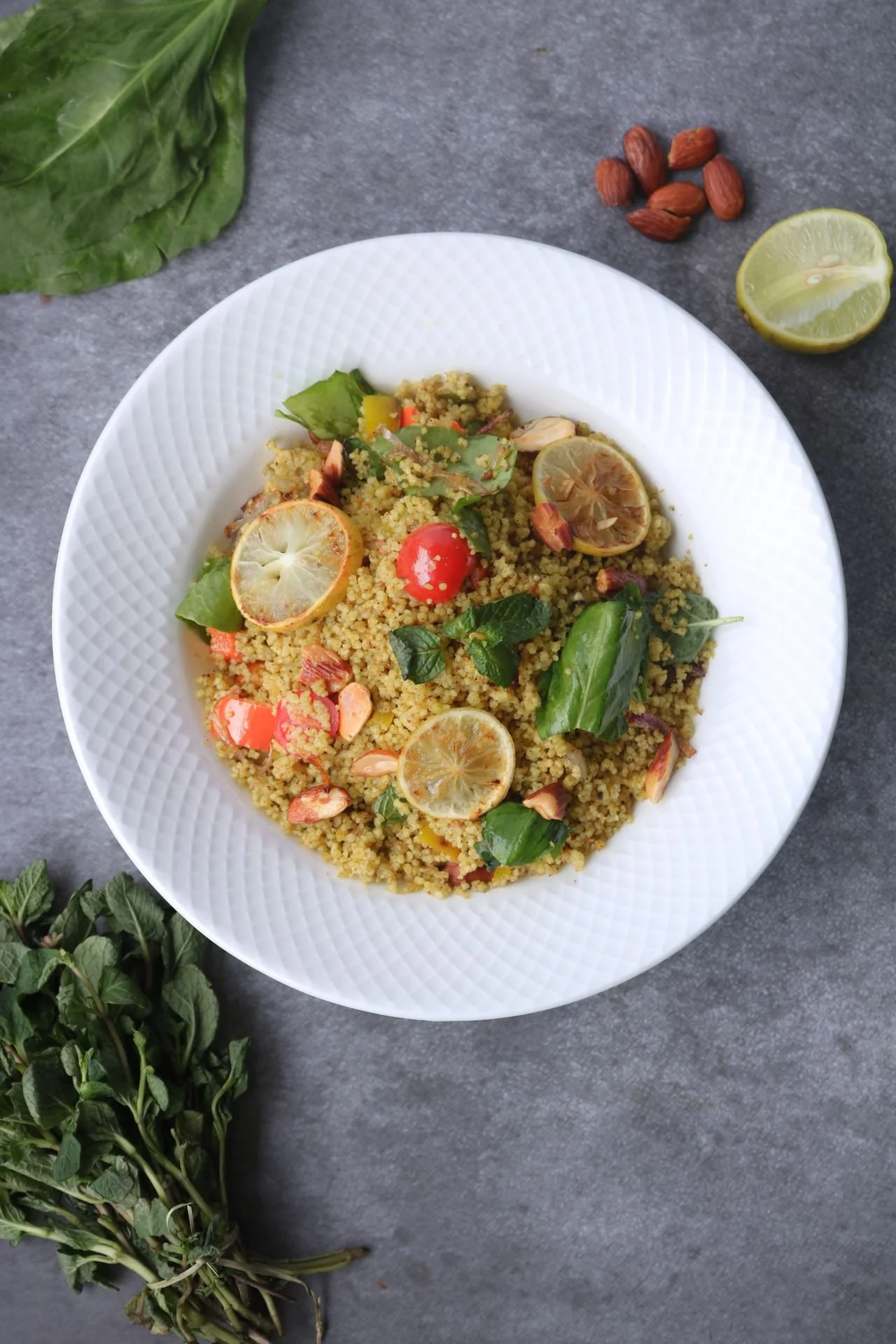





















The Truth About Detox Diets and Juice Cleanses: Myths, Risks, and Natural Detox Tips
ABSTRACT
Discover the surprising truth about detox diets and juice cleanses, including why these popular regimens may do more harm than good. Learn about detox benefits and risks, debunk weight loss myths, and explore natural detox tips to support your body’s self-cleansing organs. Make smarter health choices by understanding how to eliminate toxins and embrace clean eating for lasting wellness.
Keywords
Detox diet
Juice cleanse
Detox benefits
Detox risks
Weight loss myths
Natural detox
Toxin elimination
Self-cleansing organs
Healthy detox tips
Clean eating

Juice Cleanse / Photo: Kübra Doğu
Introduction
If you've ever completed a detox diet or juice cleanse (or considered one), you'll want to learn the surprising truth behind the claims. I've been telling my personal training clients in Lohi, Denver, this for years, and you should know too (Source: Just Say “No” to That Detox Diet or Juice Cleanse). Thanks for the great insight, Dr. John Bernardi!
Summary
If you've overindulged and want to get back on track fast, a "detox" diet might sound like the perfect thing. Detox diets typically include a strict regimen of limited foods, juices, teas and/or a whole lot of nothing (i.e., fasting).
Oftentimes, these diets require you to purchase "detox kits" or prepared juices. The promise: to rid your body of toxins. It's a nice idea: Clear out whatever bad stuff might be lurking within your body and maybe lose a few pounds while you're at it.
Unfortunately, detox diets may do more harm than good. If you're considering a detox diet or juice cleanse, read this first, then decide for yourself.YOU'RE TOXIC
When it comes to food and nutrition, we can't eliminate every toxin. That's because, at some level, nearly everything we consume is toxic.
I'm not just talking about alcohol or sugar; even fruits and vegetables contain forms of toxins that would harm us if we consumed them in extreme amounts. Luckily, our bodies are designed to cleanse themselves. Our major "detox" organs include the digestive tract, kidneys, skin, lungs, liver, lymphatic system and respiratory system.
These systems enable us to eliminate toxic compounds via evacuation, sweat or breathing. The body does a pretty good job of this when we treat it properly.BENEFITS OF A DETOX
Unfortunately, we can get in the way of our bodies' self-cleaning crews. Alcohol, tobacco, pollution, overabundance of medications or supplements, highly processed foods and other nasties can make it harder for our bodies to do their jobs.
With this in mind, detox diets typically recommend nutrient-rich "superfoods" such as:
- Lemons
- Green tea
- Omega-3 fats
- Colorful fruits and vegetables
All of these foods may help the body deal with incoming toxins and can be a healthy addition to your diet.
Plus, most cleansing diets include food and drink that rarely triggers intolerances or allergies. So detox diets may have some benefits. But, generally, they don't live up to their promises — and that includes one of their biggest selling points: weight loss.DON'T DETOX TO LOSE WEIGHT
Detoxing will not help you lose weight. At least not the weight you want to lose — fat weight. In fact, it might even lead to weight gain in the long term. Here's why:
1. Any weight loss from a detox diet is probably water, carbohydrate stores and intestinal bulk -- all of which come back in a few hours after the detox ends.
2. Most detox diets and juice cleanses are extremely low in calories. In other words, they're starvation diets. Many cleanses are so low in calories that they'll negatively affect your hormonal health.
3. The restricted eating involved in a detox diet can result in anticipatory deprivation and trigger preexisting food obsessions. If the thought of a restrictive diet makes you go on red alert and want to overeat ("my diet starts tomorrow so I'm going to fill up now"), let this be a warning.
4. What seems like a harmless cleanse might cause your body to rebound and, even worse, harm your relationship with food. And that is a real step backwards.DETOXING MAY BE HARMFUL
Weight loss aside, a juice cleanse could do your body more harm than good. For starters, it feels unpleasant. Some of the most frequently reported side effects include:
1. Feeling weak, listless or dizzy
2. Pounding headaches (possibly from an abundance of nitrates dumped into your body from an overwhelming amount of fruit and vegetable juice)
3. Inability to sleep
In addition, high levels of fruit juices can cause major swings in blood sugar levels, which makes them dangerous for people with diabetes and potentially risky for others.
Meanwhile, the juicing process strips fiber from the fruits and vegetables. Fiber slows down digestion and aids absorption of nutrients. If you want to "clean out" your body, the last thing you want to do is eliminate fiber.
Many cleansing diets are also low in protein. Protein deficiencies can inhibit the body's ability to eliminate toxins. So if you want to "clean house," temporarily eliminating this macronutrient doesn't make sense.HOW TO DETOX NATURALLY
Here are 10 steps you can take each day to detox naturally:
1. Eat reasonable amounts. If you're eating too much, you're probably accumulating more toxins. Eating one cookie instead of six is a detox diet. Slow down and chew your food. We all have "anatomical juicers" -- our teeth and our stomachs. Use them.
2. Build your plate around plant foods and eat organic when possible. This minimizes exposure to toxins. Veggies and fruits contain compounds that can help the body deal with all of the incoming chemicals.
3. Stay lean. Certain fat-soluble compounds can accumulate in body fat. Less body fat means less real estate for potentially problematic chemicals.
4. Drink enough fluids, including water and tea. And use a filter for your tap water: The kidneys are major organs of elimination, so keep them clean.
5. Allow time between dinner and breakfast. If you finished eating dinner at 7 p.m., maybe you could eat breakfast at 7 a.m. This gives the body a 12-hour break from food for every 24-hour cycle, and it might improve your sleep too.
6. Get outside in the sun and fresh air each day. We synthesize vitamin D from the sun, plus we benefit from fresh air and the stress-reduction power of good old Mother Nature.
7. Exercise and sweat regularly. Our skin is a major elimination organ.
8. Limit unnecessary dietary supplements. Supplements don't automatically equal health; some might be another burden for the body. Make sure each supplement in your cabinet serves a purpose.
9. Eliminate your problematic foods. If one cookie is too many and 10 is never enough, maybe it's time to restructure your relationship with cookies. Seek out support if you need it.
10. Check your body products. Our skin is our largest organ, and each day we lather on hundreds of chemicals that enter our blood and circulate throughout the body. Check the Environmental Working Group's website for a useful database of body products.THE SIMPLE TRUTH
A magical weekend juice cleanse might sound nice in theory, but in reality it's not going to do you any favors. Aside from anecdotal reports, there is very little unbiased research on detox diets.
Truth is, we already know how to improve our bodies and health: Cut down on excess calories and heavily processed foods and eat more whole foods, including fruits, vegetables and lean proteins.
That's it. No fancy juice machine. No expensive diet kits. Just smart daily choices for better health.References
1. Xie L, et al. Sleep drives metabolite clearance from the adult brain. Science 2013;342:373-377.
2. Perlmutter D. Grain Brain. 2013. Little, Brown and Company.
3. Huber R, et al. Effects of one week juice fasting on lipid metabolism: a cohort study in healthy subjects. Forsch Komplementarmed Klass Naturheilkd 2003;10:7-10.
4. Michalsen A, et al. Incorporation of fasting therapy in an integrative medicine ward: evaluation of outcome, safety, and effects on lifestyle adherence in a large prospective cohort study. J Altern Complement Med 2005;11:601-607.
5. Waldman K. Stop Juicing. It's Not Healthy, It's Not Virtuous, and It Makes You Seem Like a Jerk. Slate. November 20th, 2013.
6. Helgoe C. Detox done right. April 2010.
7. Chan A. 5 experts answer: Is there such thing as a healthy juice cleanse? March 23, 2011.
8. Mishori R, et al. The dangers of colon cleansing. The Journal of Family Practice 2011;60:454-457.
9. Nickerson K. Environmental contaminants in breast milk. Journal of Midwifery & Women's Health 2006;51:26-34.
10. Walford RL, et al. Physiologic changes in humans subjected to severe, selective calorie restriction for two years in biosphere 2: health, aging, and toxicological perspectives. Toxicol Sci 1999;52(2 Suppl):61-65.
11. Jeff Novick, MS, RD, LD. (Email communication 2013).
12. Dr. Bryan Walsh. (Email communication 2013).
13. Dr. Spencer Nadolsky. (Email communication 2013).
14. Lustig RH, et al. Public health: The toxic truth about sugar. Nature 2012;482:7383.
15. Balliett M & Burke JR. Changes in anthropometric measurements, body composition, blood pressure, lipid profile and testosterone in patients participating in a low-energy dietary intervention. Journal of Chiropractic Medicine 2013;12:3-14.
16. Examine.com. Limonene.
17. Duker Freuman T. Why Juice 'Cleanses' Don't Deliver. December 26, 2012.
18. Katz KL. Is organic food better? September 4, 2012. US News.
19. Guthrie C. Glutathione: The great protector. April 2011.
20. Newman J. The juice cleanse: A strange and green journey. October 27, 2010.
21. Wu G, et al. Glutathione metabolism and its implications for health. J Nutr 2004;134:489-492.
22. Callahan E. Changes in weight loss and lipid profiles after a dietary purification program: a prospective case series. Journal of Chiropractic Medicine 2013;12:30-38.
23. Rubin C. The truth about juice. Cosmopolitan.
24. Helmus DS, et al. Red meat-derived heterocyclic amines increase risk of colon cancer: a population based case-control study. Nutr Cacner 2013;65:1141-1150.
25. Chu M & Seltzer TF. Myxedema coma induced by ingestion of raw bok choy. N Engl J Med 2010;362:1945-1946.
ABOUT THE AUTHOR: MICHAEL MOODY, PERSONAL TRAINER
As an author, a personal trainer in Denver, and podcast host, Michael Moody has helped personal training clients achieve new fitness heights and incredible weight loss transformations since 2005. He also produces the wellness podcast "The Elements of Being" and has been featured on NBC, WGN Radio, and PBS.
Michael offers personal training to Denver residents who want to meet at the 2460 W 26th Ave studio….or in their homes throughout LoHi (80206), LoDo (80202), RiNo (80216), Washington Park (80209), Cherry Creek (80206, 80209, 80243, 80246, 80231), and Highlands (80202, 80211, 80212). Michael also offers experiences with a personal trainer in Jefferson Park (80211) and Sloan's Lake (80204, 80212).
If you’re looking for a personal trainer who can curate a sustainable (and adaptable) routine based on your needs and wants, Michael is the experienced practitioner you’ve been looking for. Try personal training for a month…your body will thank you!

Wellness Podcast with Dr. Fuhrman
EPISODE #10 - EAT FOR LIFE, WEIGHT LOSS, AND AN OPTIMAL IMMUNE SYSTEM WITH BEST SELLING AUTHOR DR. FUHRMAN
On “The Elements of Being” podcast, Michael dissects and explores the minds and habits of psychologists, filmmakers, writers, and industry icons. Essentially, you learn what makes them flip the switch to achieve incredible feats, goals, and milestones…and a chance to geek out over the psychology behind human behavior. In this episode, Michael interviews Dr. Joel Fuhrman, an internationally recognized nutrition and natural healing expert and author of seven New York Times bestsellers, including his most recent book, Eat for Life. His other bestsellers include Eat to Live and The End of Dieting (which I give to all my clients).
Read more and listen here… You can also listen to all episodes on Apple, Spotify, Overcast, Castbox, Stitcher, or your favorite podcast platform!

























7 Surprising Reasons Your Weight Loss Has Stalled—and How to Break Through
ABSTRACT
Struggling to shed pounds? Uncover 7 reasons your weight loss plateau persists, from calorie tracking errors to snack pitfalls, plus trainer tips to break through.
Keywords
Weight loss plateau
Stalled weight loss
Personal trainer tips
Calorie counting mistakes
Cardio machine inaccuracies
Sedentary lifestyle
Workout variety
Snack calorie pitfalls
Inaccurate calorie tracking
Breaking through a weight-loss plateau

Fitness Denver / Photo: Andrea Piacquadio
Introduction
You may want to review these reasons if you’ve hit the weight loss wall. They will help you rethink your approach (from the MSN/Today article "7 Reasons Your Weight Loss May Have Stalled”).
The List of Reasons
1. YOU OVERESTIMATE HOW MANY CALORIES A WORKOUT BURNS.
If you sign up for a fitness class that claims to burn 800 calories in an hour or even provides a calorie burn total, it could be completely wrong.
Huh? The amount of energy exerted in the class varies from person to person. Are you punching your fists as hard as the instructor in the kickboxing class? Do you weigh the same amount as her, and how fast are your feet going? These questions need to be answered for an accurate calorie burn count.
Unless you're wearing a heart-rate monitor, you won’t find an accurate count of the number of calories you've burned in a 60-minute workout class.
Personal Trainer Wisdom: In all honesty, I wouldn’t lean on the calories you burn during your fitness sessions. Considering the number of factors (i.e., intensity, ability, etc.) that can affect your caloric output, it is tough to determine the actual number of calories. Also, you can easily wipe away any progress, no matter the number, with a Snickers bar. You’ll have better luck minimizing your caloric intake instead (to a certain extent).
2. YOU THINK THAT THE CARDIO MACHINES ARE ALWAYS RIGHT.
As a certified personal trainer, I've heard this from my clients time and time again: "But the elliptical machine says I burned 500 calories in an hour, even though I felt like I could've fallen asleep!"
These machines are programmed to give estimates of how many calories you're actually burning. They typically don't know anything about you: your body size, weight, body fat, or exertion level. Many machines only account for how fast you're going, so they provide an inaccurate estimate of how many calories you're burning.
Personal Trainer Wisdom: Well said. I always estimate on the low end.
3. YOU SWEAR BY YOUR CALORIE COUNTER APP.
When you're tracking your food in these apps, Lisa De Fazio, a registered dietitian, suggested that most people need to accurately measure or estimate portions, so their daily caloric intake is often actually more than what they list on a food-tracking app.
"For example, eating 1/2 cup of rice versus 1 cup or one tablespoon of dressing versus three tablespoons makes a big difference in daily caloric intake. These calories add up!" she explained.
Another registered dietitian, Deborah Malkoff-Cohen, told her clients only to trust calorie-tracking apps for pre-packaged items.
"Everything else is subjective. For example, take an apple. Is it a small, medium, or large apple? Every app will give you a different calorie count," she noted.
Personal Trainer Wisdom: There’s no way around this problem…Unless you physically measure the food ingredients yourself. I realize that this task is more of a burden. Since you’re motivated to lose weight, it may be worth measuring your favorite foods once for reference. If you plan to eat it anyway, you might as well know the truth behind it.
4. YOU SPEND MOST OF YOUR DAY SITTING.
When you burn many calories in a grueling workout but then sit at your desk all day or lounge on the weekends, you don't burn many calories beyond your workout.
If you label yourself "extremely active" in health apps, they can wrongly assume you're not sitting all day. As a result, they'll overestimate the number of calories your body burns throughout the day.
Personal Trainer Wisdom: Exercising 5-7 days per week for an hour apiece doesn’t make you active, unfortunately. An active person moves all day (not sitting). Challenge yourself to add extra steps during the most minor tasks. The cumulative effect will show itself on the scale.
5. YOU NEVER SWITCH THINGS UP.
If you've been following the same weight-loss program, which is focused on the same workouts and restricted-calorie diet, your body can tell. When your body gets used to a certain type of exercise, the calories you burn initially aren't necessarily the same as the calories you burn after doing that routine 25 times.
To prevent this from happening, try to change up your workouts every couple of weeks. Mix cardio with high-intensity routines, try cycling classes, or take a speed walk. Keep things new and exciting!
Personal Trainer Wisdom: I'm not sure I agree with the theory of switching things up to keep your body surprised, and I’m not sure there's an anatomic truth in that statement. I can give you other reasons to switch it up, though. First, you may build your muscular strength and endurance for that particular movement (making it more stable and robust to handle and thus easier accessible on the body), which is lovely but less effective for burning calories in the short term (unless you value the muscle-building that's occurring and the calorie-burning benefits of the muscle growth). A slight pivot to something different may relight the body the way you want (but don't overlook the progress you've made in other areas). Second, slight modifications to your typical movement may recruit a whole new level of stabilization (which is more taxing to your system). Be mindful of your progress and switch/spice it up when necessary. Don’t sacrifice your overall progress, though, to burn more calories.
6. YOUR PRE- AND POST-WORKOUT SNACKS ARE CALORIC CATASTROPHES.
There are a few things to consider when reaching for a snack, whether for energy before a workout or post-workout recovery. According to De Fazio, you should think about the type of workout, its intensity, and the length of the workout before deciding what kind of snack to eat.
"Typically carbohydrates like a banana or a 150-calorie protein bar are ideal before an hour of workout," she said. As for a post-workout snack, De Fazio suggested a protein smoothie or an apple with peanut butter. If you're working out longer and harder, such as going on a long-distance run or bike ride, a higher-calorie snack would be appropriate.
Personal Trainer Wisdom: Eliminate the idea of a “snack” (shame on your mother)…It’s nothing but a filler treat with little intent. Instead, plan your meals accordingly. Eat 1-2 hours before your workout to supply the fuel you’ll need for work (exercise), and refuel not long after your session to avoid any nutritional deficiency. Your meal may be as little as 150 or as high as 5-700 calories. Either way, be certain it is a thoughtful combination of fiber, vitamins, protein, and fat. Anything that is a powder or highly processed bar doesn’t count.
7. YOU'VE ALREADY LOST WEIGHT.
Once you've lost weight, your body needs fewer calories to perform everyday activities and, therefore, fewer calories to lose more weight.
"When someone is overweight it is like a healthy weight person carrying 50 or 100 pound weights and going through daily activities. The extra weight puts stress on the body and uses more calories to do everything, from housework to grocery shopping to driving," De Fazio said.
While counting calories isn't always the most accurate or the best way to lose weight, it can be a helpful benchmark to determine where to start to reach your goals. Getting a good baseline to know how many calories a day you should burn and consume to hit your weight-loss goals is beneficial. Still, it's important to remember that other factors, such as stress, sleep, and other lifestyle issues, play an essential role in overall health.
Personal Trainer Wisdom: Assume you’ll use several techniques while pursuing your weight loss goal. If you’re mindful of your progress, you’ll identify the change necessary to challenge yourself appropriately at your new weight. Try to determine the perfect combination of activity and nutrition every three weeks to continue your momentum.
ABOUT THE AUTHOR: MICHAEL MOODY, PERSONAL TRAINER
As an author, a personal trainer in Denver, and podcast host, Michael Moody has helped personal training clients achieve new fitness heights and incredible weight loss transformations since 2005. He also produces the wellness podcast "The Elements of Being" and has been featured on NBC, WGN Radio, and PBS.
Michael offers personal training to Denver residents who want to meet at the 2460 W 26th Ave studio….or in their homes throughout LoHi (80206), LoDo (80202), RiNo (80216), Washington Park (80209), Cherry Creek (80206, 80209, 80243, 80246, 80231), and Highlands (80202, 80211, 80212). Michael also offers experiences with a personal trainer in Jefferson Park (80211) and Sloan's Lake (80204, 80212).
If you’re looking for a personal trainer who can curate a sustainable (and adaptable) routine based on your needs and wants, Michael is the experienced practitioner you’ve been looking for. Try personal training for a month…your body will thank you!

5 Quick Ways to Stay Active and Prevent Weight Gain While Working from Home
ABSTRACT
Stay active at home and prevent weight gain with these five quick workouts designed for your work-from-home routine. Discover easy desk exercises, short dance breaks, and home office fitness tips to avoid sitting too long and keep blood flowing. Create a healthier workspace with simple strategies to boost your energy and mood throughout the day.
Keywords
Working from home
Stay active at home
Home office fitness
Desk exercises
Quick workouts
Prevent weight gain
Avoid sitting too long
Healthy workspace
Improve blood flow
Work-from-home routine

At-Home Workout / Photo: Ron Lach
Introduction
Just because you’re sheltered inside doesn’t mean you’re locked down. Whether you’re at the office or in your home, it’s very easy to get sucked into a project (or Facebook) for hours at end. Before you know it, you’ve gained 15 lbs, and your hips are permanently stuck in the seated position (so awkward looking). Don’t be a victim of your chair! Here are your “Quick 5” to get the juices flowing while staring at your computer.
List of Ways to Keep Moving While You're Working from Home
1.) Set your alarm to alert you every 60 minutes and perform a squat, lunge, and a plank.
While in the luxury of your home, you don’t have to worry about what your office mates think of you. You dress in sweatpants and your favorite t-shirt while your hair looks swept away in a wind tunnel. Why not take it a step further and perform a few exercises periodically? You can’t lunge at the office, but you can at home! Set your alarm to alert you every 60 minutes. No matter what you’re doing, stop and perform 20 reps of a squat and lunge. Cap it off with a 30-second plank, and now you have increased blood flow to tackle the following problem. Schedule this routine 7x, and you’ll nearly have a regular exercise routine in a gym. That’s 21 exercises…I’m proud of you already!
2.) Create a distance between the things you need.
It makes sense to gather your materials first thing in the morning for a successful day…if you don’t want to get up again. You want to move, though! Grab your materials for one project at a time and force yourself to get up again later to grab the next batch. Do you drink water or coffee all day? Only fill half of a mug at a time, and you’ll need to walk over to the kitchen for a refill more often.
3.) Walk around your house during a phone call.
If you must take a phone call, you might as well stand or walk around your house. If you need access to paperwork or your laptop, display them on your kitchen counter while you stand. Do whatever it takes to remove yourself from the chair.
4.) Schedule three 2-minute dance breaks throughout the day.
I know what you’re wondering: “Michael, do YOU really take dance breaks?” The answer is “no,” but you might. Nobody is watching you, and you might look forward to dancing to Enrique Iglesias’s song “Escape.” Swaying hips, fancy footwork, shrugging shoulders…who would’ve known Enrique was writing the soundtrack for a 2-minute workout session? Get it, girrrrl...or guy!
5.) Read your documents while pedaling on your stationary bike.
If you’re forced to read your documents or computer, why confine yourself to the boring stationary chair? Jump on the stationary bike to increase the oxygen to your legs, hips, and heart.
ABOUT THE AUTHOR: MICHAEL MOODY, PERSONAL TRAINER
As an author, a personal trainer in Denver, and podcast host, Michael Moody has helped personal training clients achieve new fitness heights and incredible weight loss transformations since 2005. He also produces the wellness podcast "The Elements of Being" and has been featured on NBC, WGN Radio, and PBS.
Michael offers personal training to Denver residents who want to meet at the 2460 W 26th Ave studio….or in their homes throughout LoHi (80206), LoDo (80202), RiNo (80216), Washington Park (80209), Cherry Creek (80206, 80209, 80243, 80246, 80231), and Highlands (80202, 80211, 80212). Michael also offers experiences with a personal trainer in Jefferson Park (80211) and Sloan's Lake (80204, 80212).
If you’re looking for a personal trainer who can curate a sustainable (and adaptable) routine based on your needs and wants, Michael is the experienced practitioner you’ve been looking for. Try personal training for a month…your body will thank you!
PERSONAL TRAINER BLOG
WELLNESS PODCAST

Master Your Motivation: Proven Personal Trainer Tips for Lasting Success
ABSTRACT
Discover proven personal training motivation strategies from an expert personal trainer with nearly 20 years of experience. Learn self-motivation tips, fitness accountability methods, and how to align your behaviors with your ideal self so you can stay motivated to exercise and achieve your fitness goals. Whether you thrive on self-motivation or benefit from structured leadership, these insights will help you overcome obstacles and maintain a consistent workout routine for lasting success.
Keywords
Personal training motivation
Self-motivation strategies
Fitness accountability
Achieve your fitness goals
Consistent workout routine
Best motivational tips
Align behaviors with your ideal self
Stay motivated to exercise
Overcoming obstacles in fitness
Personal trainer advice

New Year’s Resolutions / Photo: Polina Kovaleva
Introduction
After nearly 20 years of personal training, I can confidently say that no standard motivational method works for everyone. To make life more challenging, most motivational tools are only practical for 3-6 weeks, even if the strategy flawlessly aligns with the person’s drive, wants, needs, schedule, and personal/professional demands (there are many factors to consider…always).
So, how can YOU motivate yourself and maintain motivation and sanity while trying to achieve your neverending list of goals? First, understand yourself. Are you the ambitious, self-driven person self-employed or self-directed at home or in the office? You’re always focused on something but haven’t realized why another important goal is a priority. You don’t always need someone to tell you to show up; you need them to tell you how to do it efficiently and effectively.
Or are you more effective and efficient under the direction of someone else? You’d instead focus on what you need to do and allow other people to take on the burden of the big picture (no problem with specializing, though). While doing something effectively and efficiently is essential, you need a leader to keep your sights on the target.
Either way, both personalities must add value to a goal to justify its course. Do you genuinely value the goal? Why do you want to achieve this goal? Is it your choice to pursue this goal? Do you believe in this goal? You must also recognize potential obstacles, such as perceived demands, actual personal and professional demands, and a lack of education or guidance.
Your personality and the potential obstacles will steer whatever approach you integrate into life. Keep them in mind while you choose a strategy from the list below:
Motivational TIPS FROM MY PERSONAL TRAINING CLIENTS
CREATE A FITNESS CALENDAR: JK keeps a calendar of the current month on her fridge. If she exercises, she describes the activity on that day. If JK can’t work out, she draws a big X in the box instead. Seeing multiple Xs within a given period is motivation to start moving again!
SET RULES: CK sets two hardline rules to keep herself from overworking. No matter the professional demand, she never touches work-related projects on Saturdays and cuts out all electronic work-related activities in the evening. As a self-employed producer, CK could work around the clock. These rules help her maintain sanity while allowing ample time for creative thought and other personal focuses.
ALIGN YOUR BEHAVIORS WITH YOUR IDEAL SELF: MJ routinely checks with himself to see if his current habits align with his ideal self. He may ask himself: Does this activity help me achieve my goals? Am I on the correct path to my goals? Are my habits conflicting with who I am or my most important goals? What new goals must I create to achieve or maintain my ideal self again?
CARRY A BOOK: Always carry an actual book that either is part of research for a current project, is part of research for a future project, has nothing to do with anything, is just for fun, and allows the mind to make new connections. Look at a book instead of looking at your phone while waiting in line or being bored while your date is in the bathroom. Even better, my client’s favorite comic writer, Keiron Gillen, recommends always reading three books that fall into these categories simultaneously. Most important! Tablets do not count. These must be actual paper books--your mind doesn't think in the same ways connected to the internet, and you will also be tempted to look at social media.
MAINTAIN CLOSE RELATIONSHIPS WITH FAMILY AND FRIENDS: “Preventative measures are effective. By staying in touch and being involved with family (throughout the country) and friends, I keep a balanced life and outlook, where it becomes more difficult for anything that comes up to cloud my perspective on what is truly important. As such, any one thing, which may want to steal time and energy from other goals unnecessarily, becomes much harder to affect me.” - RA.
Motivational TIPS FROM A PERSONAL TRAINER
CREATE A ROUTINE: Simplify to pursue. Eliminate your decision fatigue by creating a consistent routine on how you wake, how you eat, how you work, and how you prepare for bed. It will free up crucial mental energy to focus on your new goal.
PLASTER UNCONSCIOUS CUES: I always plaster post-it notes with my goals on a wall I see every day…like the inside of my closet (we don’t need the world to see my goals!). Every time I grab my clothes, I consciously and unconsciously see them, and the more I see them, the more likely I will live consciously and unconsciously in line with these goals. I’ve also posted a picture of a critical written goal on the wallpaper of my phone to remind myself of it every time I open it. Although I won’t consciously take the time to read it every time, my mind will undoubtedly recognize it as a reminder.\
FIND WAYS TO HOLD YOURSELF ACCOUNTABLE: While scheduling a weekly personal trainer provides a check-in, other more subtle ways exist to achieve accountability. Whenever I create a list of intentions, I tell everyone about them. I post them on my website, podcast, and social media. It becomes a written contract that everyone can see. Also, I discuss the goals with my personal training clients, friends, and family. Not only can this topic steer interesting conversations, I secretly hope people will ask me about my list in the future. Will I be indicted for my failures to achieve my goals? No. Just the mere thought (or worry) that they question me might add a thin layer of accountability, though.
ABOUT THE AUTHOR: MICHAEL MOODY, PERSONAL TRAINER
As an author, a personal trainer in Denver, and podcast host, Michael Moody has helped personal training clients achieve new fitness heights and incredible weight loss transformations since 2005. He also produces the wellness podcast "The Elements of Being" and has been featured on NBC, WGN Radio, and PBS.
Michael offers personal training to Denver residents who want to meet at the 2460 W 26th Ave studio….or in their homes throughout LoHi (80206), LoDo (80202), RiNo (80216), Washington Park (80209), Cherry Creek (80206, 80209, 80243, 80246, 80231), and Highlands (80202, 80211, 80212). Michael also offers experiences with a personal trainer in Jefferson Park (80211) and Sloan's Lake (80204, 80212).
If you’re looking for a personal trainer who can curate a sustainable (and adaptable) routine based on your needs and wants, Michael is the experienced practitioner you’ve been looking for. Try personal training for a month…your body will thank you!

EPISODE #10 - EAT FOR LIFE, WEIGHT LOSS, AND AN OPTIMAL IMMUNE SYSTEM WITH BEST SELLING AUTHOR DR. FUHRMAN
On “The Elements of Being” podcast, Michael dissects and explores the minds and habits of psychologists, filmmakers, writers, and industry icons. Essentially, you learn what makes them flip the switch to achieve incredible feats, goals, and milestones…and a chance to geek out over the psychology behind human behavior. In this episode, Michael interviews Dr. Joel Fuhrman, an internationally recognized nutrition and natural healing expert and author of seven New York Times bestsellers, including his most recent book, Eat for Life. His other bestsellers include Eat to Live and The End of Dieting (which I give to all my clients).
Read more and listen here…..You can also listen to all episodes on Apple, Spotify, Overcast, Castbox, Stitcher, or your favorite podcast platform!
PERSONAL TRAINER BLOG

3 Supposedly “Healthy” Foods That May Sabotage Your Diet
ABSTRACT
Think you’re making healthy eating choices? Discover how excessive rice, dairy pitfalls, and oil overload can quickly turn your meal into a calorie trap. In this eye-opening look at unhealthy foods disguised as nutritious, our personal trainer wisdom reveals how these restaurant food myths could sabotage your whole food diet goals.
Keywords
Unhealthy foods
Hidden unhealthy foods
Restaurant food myths
Refined carbs
Excessive rice
Dairy pitfalls
Oil pitfalls
Calorie traps
Plant-based diet misconceptions
Healthy eating illusions
Personal trainer wisdom
Food choices and weight loss
Yogurt misconceptions
Restaurant menu mistakes

Weight Loss Resolutions / Photo: dhiraj jain
Introduction
You think what you’re eating is healthy…but is that true? Here are three reasons you may eat a fictitious life at a restaurant or home.
List of Unhealthy Foods
IT HAS RICE…AND PROBABLY A LOT OF IT!
Personal Trainer Wisdom: Recently, I was trying to trick my father into veganism. It didn’t take long before he commented, “I don’t think there’s meat on this menu, buddy” at Native Foods Café. Not surprisingly, he ordered the Southwestern Burger…which, admittedly, was full of flavor even though it didn’t contain an ounce of animal. Determined to order something more plant-based (or forward if you’re trendy), I scoured the menu. To my disappointment, I was left with few options. While looking around, I could see the glee on people’s faces while they enjoyed what they thought was a health-conscious choice. I also saw many dishes packed with rice and minimal vegetables. Yes, these dishes are healthier than a Big Mac; I will argue that they are healthy. This menu (if you’re not mindful) could still send you into the land of diabetes just as quickly as your typical junk food. Let’s be honest; rice is a refined, simple carb that spikes blood sugar levels and affects weight loss. Even if you choose wild rice (a whole grain option), you still shouldn’t exceed more than 25% of your plate (for some of the same reasons). Be realistic about this choice and enjoy it, for it is…still an indulgence. Otherwise, cut out the simple carb blast for more veggies.
IT HAS YOGURT…MAMA NEEDS HER PROTEIN AND PROBIOTICS!
Personal Trainer Wisdom: Dairy is delicious.…now that we’ve gotten past that, let’s talk about what it is: an inflammatory punch of growth hormone liquid from a local animal you don’t even know (shame on you…at least learn his or her name!). I apologize for the sensationalism. Let’s be realistic, though. If you’re choosing the most nutrient-dense foods, aren’t there less caloric and processed foods that provide protein and calcium, too? Of course there is! Dark leafy greens, etc., etc. “But I need probiotics!!!!” You sure do! Yogurt is fermented milk, and you can enjoy many of the same benefits by eating other fermented products like kimchi. Still on the dairy train, though? Choose milk from grass-fed cows instead.
IT HAS OIL….JUST LIKE THE MEDITERRANEAN DIET!
Personal Trainer Wisdom: I consider oil a silent weight loss killer. It can undermine your efforts to eat healthy with a whole-food focus. Most restaurants drown their veggie offerings with oil to offer the rich taste you and I enjoy. Don’t forget that most oil is highly processed and strips down any nutritional benefits you hope to gain (think phytonutrients and the “good” fat). Since most of the calories in oil come from fat, you may also be eating a dish fattier than the ribeye you’re giving up on. Any oil (including your “heart healthy” extra virgin olive oil) transforms a 100-calorie dish into a 300-400 punch. Is it worth it when you would instead save those calories for an old-fashioned cocktail or dessert? That’s up to you. Just because it’s a veggie dish, though, doesn’t always mean it’s healthy. Does this mean avoiding olive oil altogether? Well, let’s not get crazy. Just be mindful of the amount and the type. Pressed oils, like extra virgin olive and avocado, are always better options than seed oils.
ABOUT THE AUTHOR: MICHAEL MOODY, PERSONAL TRAINER
As an author, a personal trainer in Denver, and podcast host, Michael Moody has helped personal training clients achieve new fitness heights and incredible weight loss transformations since 2005. He also produces the wellness podcast "The Elements of Being" and has been featured on NBC, WGN Radio, and PBS.
Michael offers personal training to Denver residents who want to meet at the 2460 W 26th Ave studio….or in their homes throughout LoHi (80206), LoDo (80202), RiNo (80216), Washington Park (80209), Cherry Creek (80206, 80209, 80243, 80246, 80231), and Highlands (80202, 80211, 80212). Michael also offers experiences with a personal trainer in Jefferson Park (80211) and Sloan's Lake (80204, 80212).
If you’re looking for a personal trainer who can curate a sustainable (and adaptable) routine based on your needs and wants, Michael is the experienced practitioner you’ve been looking for. Try personal training for a month…your body will thank you!

EPISODE #10 - EAT FOR LIFE, WEIGHT LOSS, AND AN OPTIMAL IMMUNE SYSTEM WITH BEST SELLING AUTHOR DR. FUHRMAN
On “The Elements of Being” podcast, Michael dissects and explores the minds and habits of psychologists, filmmakers, writers, and industry icons. Essentially, you learn what makes them flip the switch to achieve incredible feats, goals, and milestones…and a chance to geek out over the psychology behind human behavior. In this episode, Michael interviews Dr. Joel Fuhrman, an internationally recognized nutrition and natural healing expert and author of seven New York Times bestsellers, including his most recent book, Eat for Life. His other bestsellers include Eat to Live and The End of Dieting (which I give to all my clients).
Read more and listen here…..You can also listen to all episodes on Apple, Spotify, Overcast, Castbox, Stitcher, or your favorite podcast platform!

Set Meaningful 2025 Intentions: Your Comprehensive Blueprint for Personal Growth, Health, and Sustainability
“When you’re younger, it’s easy to underestimate how fleeting the days can be. Each choice matters. Each day matters.
When you’re older, it’s easy to underestimate how much opportunity you still have. Don’t talk yourself out of it. It’s never too late to start.”
ABSTRACT
Kick off the new year with purposeful New Year’s intentions that elevate personal growth, fitness goals, and mindful living practices. Discover how to balance work-life demands, adopt a whole-food diet, and commit to sustainable living strategies. From mental health objectives and relationship building to time management and reducing single-use plastic, these resolutions will keep you accountable, foster professional development, and strengthen emotional well-being in 2025 and beyond.
Keywords
New Year’s intentions
New Year’s resolutions
Goal-setting for 2025
Personal growth goals
Healthy lifestyle changes
Fitness and exercise routine
Mindful living practices
Plant-based diet benefits
Sustainable living tips
Emotional well-being strategies
Mental health intentions
Relationship building
Work-life balance
Professional development goals
Time management strategies
Accountability partner
Hiking and outdoor activities
Reducing single-use plastic
Sleep and recovery routines
Civic engagement
Introduction
It’s time for the annual release of my intentions. While I hope it is a template for your New Year's resolutions or goals, I’m selfishly seeking an accountability partner: You! We all need one, right? Joking aside, I publicly post my personal and professional intentions to heighten my commitment to myself. It has become a public contract I must uphold, and I hope you do the same. I’m kind to myself, though. I rarely meet every intention on these exhaustive lists, and that’s okay. They set my focus and pushed me further toward achievement- a position always better than where I started. I encourage you to dissect each section and reflect on your priorities, demands on you, wants, and needs. Create a list for yourself. You might be surprised by what you can achieve by setting an intention.
THE Principles TO GUIDE MY INTENTIONS
Examine my focus and efforts toward current relationships and reallocate more time to each if necessary.
Review and adapt my present routines to support optimal health.
Define a life that serves my needs and contributes to society and humanity's greater good.
Act and think with a baseline of empathy, compassion, and kindness.
Seek understanding of myself and others before judgment.
Choose the most appropriate path despite the effort or personal sacrifice.
Celebrate equality and diversity of living things and perspectives.
Take control of my attention.
Define the boundary lines of overextending myself personally and professionally.

Reach new fitness heights with a personal trainer in Denver. / Photo: Oleksandr P
LIST OF MY IntentIONs
Area 1: My Physical Health Intentions
My EXERCISE IntentIONS
Specific Health Objectives
Increase cardio endurance by achieving at least 10000 daily steps per day, two cardio sessions per week on the Peloton bike or Helix (unless I hike, then one session), and thirty hikes of six miles or more by the end of the year (or less mileage with at least 2000 feet of gain instead).
Hike thirty Colorado trails in 2024 (with limited repeats of 2022 and 2023 trails) and make exceptions for friends and family to join!
Hike five 14ers and five 13ers by the end of the year.
Complete five strength/muscular endurance sessions, two cardio sessions (including a hike), and three abbreviated range-of-motion focused sessions of the lower limb each week.
Specific Exercise Plan
Monday
45 min Strength Session
Circuit Muscle Focus: Chest (Low Rep), Core, Hip Mobility/Range-of-Motion Routine
Tuesday
45-minute Strength Session
Circuit Muscle Focus: Back (Low Rep), Core, Range-of-Motion Routine
Wednesday
45-minute Strength Session and 10-20 min interval on a cardio machine
Circuit Muscle Focus: Legs/shoulders (Low Rep), Leg Routine, Core, Hip Mobility/Range-of-Motion Routine
Thursday
45-minute Strength Session
Circuit Muscle Focus: Biceps (Low Rep), Core, Range-of-Motion Routine
Friday
45-minute Strength Session
Circuit Muscle Focus: Triceps (Low Rep), Core, Hip Mobility/Range-of-Motion Routine
Saturday or Sunday
Hike with at least 2000 feet of elevation gain and 6 miles of length
Every Day
10k steps, a plank, and at least 10 pushups per weekday
My Recovery IntentIONS
Specific Recovery Objectives
Sleep 7.5 hours every night and rest from workouts on Saturdays and Sundays (unless a hike)—specific intent: In bed by 11:15 pm and waking up by 7:00 am (no snoozing). Complete a late-night bedtime routine by 10:30 pm. Limit water consumption 2 hours before bedtime.
Schedule 3 “Take a Deep Breath” phone prompts per day on Google Calendars or another app. Once I see the notification on my phone, I must stop and take a deep breath no matter what I’m doing.
My Dietary IntentIONS
Overarching Goals:
To minimize inflammation, triglyceride levels, and fluctuating blood sugar levels resulting from dietary choices. Specifically, maintain triglyceride levels of 150 or lower without a statin. This number is typically genetically higher than the other numbers. Thanks, Dad! I’m responsible for anything above 150, though.
Reduce stress and anxiety levels by lowering caffeine to 1 cup/half mug and prioritizing sleep.
Specific Daily Dietary Objectives
Never feel stuffed or starved; eat within 5 hours of the last meal (unless overnight).
Assess the cues for current snacking habits and change the influences that lead to this behavior.
Stop eating a meal at the first sign of feeling satisfied.
Mindfully prepare the size of my 6-year-old’s leftovers, and don’t eat his leftovers :).
Limit sips of alcohol to 3 days or less.
Alternate sips of water and alcohol when indulging.
18 out of 25 meals per week are whole food plant-based foundations and free of oil, meat, processed foods, and refined sugars.
Only 1-2 servings of dairy per week (less is better).
Minimize the consumption of anything processed (including vegan and vegetarian products....choose whole food plant-based options as often as possible).
At least 75% of meals per day must be plant-based.
Calories: 600-800 per meal.
Plate Ratio: 25-50% Vitamins, phytonutrients, and other micros and macros, 25-40% Protein, 15% Good Fat, 25% Fiber.
Always choose wine as a primary option when consuming alcohol. Limit beer drinking to 32 ounces.
Specific Social Dietary Objectives
Use the Daily Dietary Objectives above as a baseline when eating out (and no matter whom I’m with).
Eat a complete small meal before snacking (to avoid snacking).
Restrict extracurricular eating/treats to 4 servings per week.

Set your emotional and mental health intentions with a personal trainer. Photo: TMS Sam
Area 2: My Emotional and Mental Health Intentions
My Reflection IntentION
Specific Objective
Identify one positive characteristic of the day while brushing my teeth in the morning.
My Attention IntentionS
Specific Objectives
Limit social media interaction to 3x daily unless I receive a message (preferably on my desktop). Set alerts for private messages to minimize constant checking.
Limit email actions on my phone to alerts that require a response within 60 minutes.
Maintain two or fewer emails in my inbox by unsubscribing from unnecessary emails and being more efficient with email templates and correspondence. Clean out any extra emails every Friday by 1:00 pm.
If I desire to read the news more than once on my phone, listen to a podcast or audiobook instead.
My REFRAMING IntentION
Specific Objective
Replace all complaints with constructive criticism or reframe the message to reflect a positive light. After a complaint, mentally present one counter-argument.

New Years Resolutions 2025 / Photo: Git Stephen Gitau
AREA 3: My Relationship IntentIONS
Overarching Goal: Foster positive and meaningful relationships that support and enhance my life.
Specific Parent/Husband Objectives
Make myself more physically available by removing electronic devices during interactions. Allow at least 1 hour of connection with my wife and son after work. Utilize the features of the Garmin watch to limit phone time. Put down the phone when conversing.
Hug more! Always hugging on hellos and goodbyes….and random in-betweens!
Schedule two date nights with my wife sans son per month. No offense, Preston!
Plan at least 2 hands-on 30-minute activities weekly with my son (e.g., building, art, and science projects).
Specific Friends, Family, and New People Engagement Objectives
Engage in more meaningful conversations with friends, family, and new people (even if I’m only spending a minute on the elevator with them) and foster new relationships with people who embody empathy, compassion, and kindness as a foundation for their behaviors and perspectives.
Contact my inner circle of family and friends at least once per month via phone call, text, or in-person meetups. Call someone new on the way to and from my weekly hikes.

New Year's Goals / Photo: Pixabay
Area 4: My Environmental and Regenerative Agriculture/Civic Duty Intentions
Overarching Goal: To reduce my carbon footprint and steer a new conscience about the environment and agriculture.
Specific Whole Food Plant-Based Diet Objectives
Secure a 75% plant-based diet foundation by ordering my groceries online every Sunday afternoon. Reminder to myself: This is the most effective action any individual can take to influence global warming and preserve our environment while striving for optimal health.
Specific Waste/Pollution Reduction Objectives
Minimize using Ziploc bags and any single-use plastics using Pyrex containers and metal silverware.
Purchase in bulk and order several items in advance and online simultaneously.
Use biodegradable bags for trash.
Place all expired food in our compost bin and recycle all appropriate items.
Limit the wasted food by reviewing the sizes of prepared meals and prioritizing current produce and leftovers.
Replace most car travel within ten minutes of walking and minimize car usage to only 8000 miles per year.
Take my son on at least four hikes (e.g., with rock and water features but little elevation gain).
Identify and test multiple methods of water-use reduction.
Specific Civic Participation Objectives
Secure a local government position and contribute to a sustainability agenda.
Coordinate a multi-city effort to develop efficient, sustainable systems.
Develop collaborative community partnerships to drive sustainable practices.

New Year Goal 2025 / Photo: Bhargava Marripati
Area 5: MY Travel INTENTIONS
Overarching Goal: Expand my connection to various cultures and experience in new environments.
Specific Domestic Travel Objectives
Visit and stay overnight outside of Denver every 6-8 weeks! Make Colorado destinations, including Telluride and Crested Butte, a priority this year. Review our travel plans on the 1st of every month.
Plan three 2-day Colorado hiking trips (back-to-back 14ers).
Specific International Travel Objectives
Visit and stay overnight in a European city, London, or Mexico City by the end of 2025. Book our flights and travel plans by the end of the 2nd quarter.

Resolutions 2025 / Photo: Thought Catalog
Area 6: MY specific professional intentions
Overarching Goal: Adapt my professional life to maximize my satisfaction and increase the efficiency and effectiveness of my efforts. Foster a working retirement mentality.
Specific Efficiency Objectives
Reassess all email templates by February 1st and adapt as needed to increase response time and limit phone and computer time.
Double-check every message and schedule confirmation before sending. This a reminder to slow down!
Complete the “10-Year Project” by April 2025 (instead of taking ten years to complete it).
Specific Effectiveness Objectives
Complete the accessible resources project for quick client reference by April 1st.
Specific Time Management Objectives
Maintain strategy to manage most of my professional-related efforts between 8 am and 5:30 pm on weekdays (no weekends).
Maintain the specific number of hours necessary for the success of my business (140 hours of one-on-one personal training monthly, 1540 hours yearly).
Take personal time off without guilt and without loading the schedule before and after.
Specific Education Objectives
Complete the Stretching and Flexibility Coach certification by April 1st.
Read or listen to at least 8 social psychology books, 3 political/civic-themed books, and 2 health and fitness books.
ABOUT THE AUTHOR: MICHAEL MOODY, PERSONAL TRAINER
As an author, a personal trainer in Denver, and podcast host, Michael Moody has helped personal training clients achieve new fitness heights and incredible weight loss transformations since 2005. He also produces the wellness podcast "The Elements of Being" and has been featured on NBC, WGN Radio, and PBS.
Michael offers personal training to Denver residents who want to meet at the 2460 W 26th Ave studio….or in their homes throughout LoHi (80206), LoDo (80202), RiNo (80216), Washington Park (80209), Cherry Creek (80206, 80209, 80243, 80246, 80231), and Highlands (80202, 80211, 80212). Michael also offers experiences with a personal trainer in Jefferson Park (80211) and Sloan's Lake (80204, 80212).
If you’re looking for a personal trainer who can curate a sustainable (and adaptable) routine based on your needs and wants, Michael is the experienced practitioner you’ve been looking for. Try personal training for a month…your body will thank you!
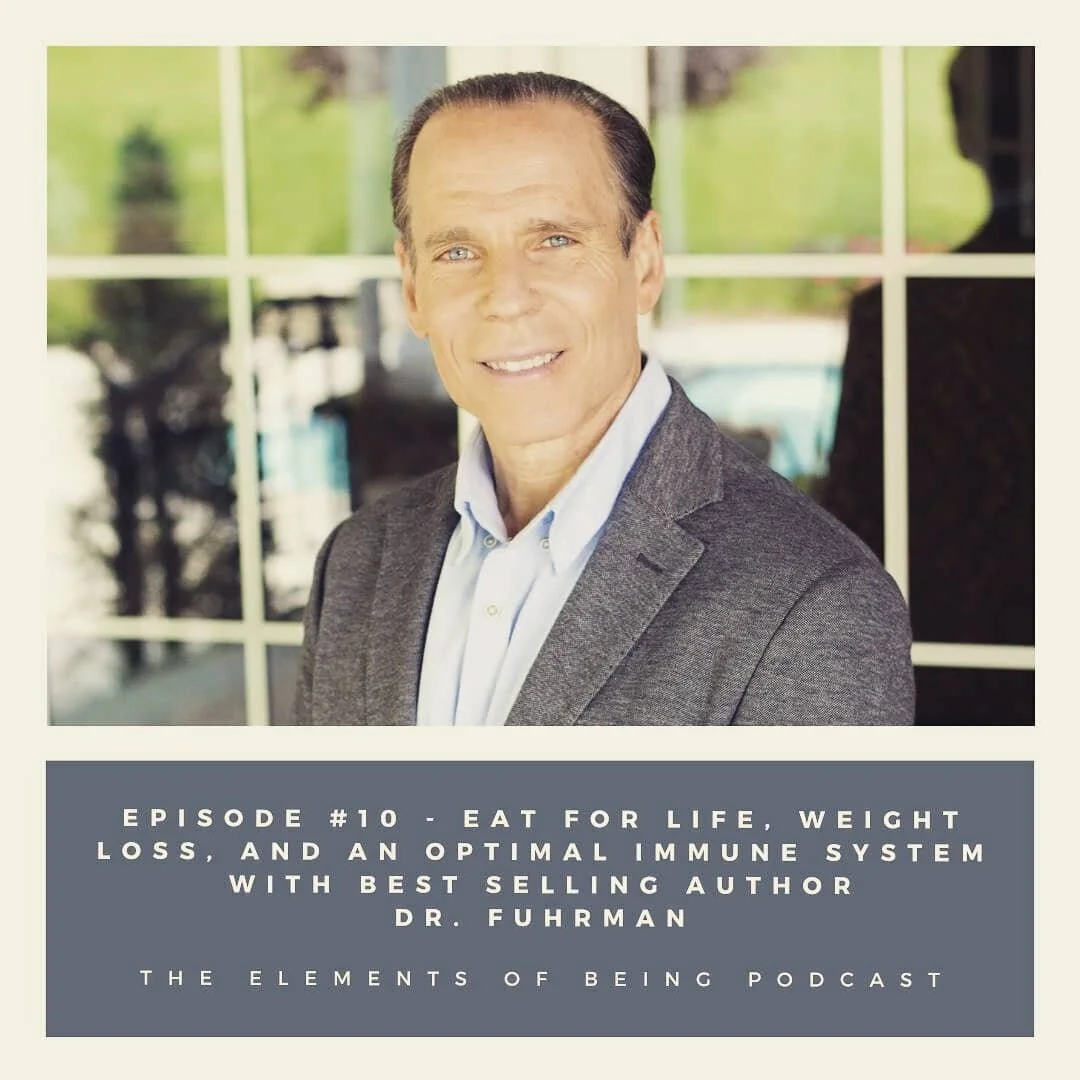
EPISODE #10 - EAT FOR LIFE, WEIGHT LOSS, AND AN OPTIMAL IMMUNE SYSTEM WITH BEST SELLING AUTHOR DR. FUHRMAN
On “The Elements of Being” podcast, Michael dissects and explores the minds and habits of psychologists, filmmakers, writers, and industry icons. Essentially, you learn what makes them flip the switch to achieve incredible feats, goals, and milestones…and a chance to geek out over the psychology behind human behavior. In this episode, Michael interviews Dr. Joel Fuhrman, an internationally recognized nutrition and natural healing expert and author of seven New York Times bestsellers, including his most recent book, Eat for Life. His other bestsellers include Eat to Live and The End of Dieting (which I give to all my clients).
Read more and listen here… You can also listen to all episodes on Apple, Spotify, Overcast, Castbox, Stitcher, or your favorite podcast platform!

Colorado Regenerative Agriculture: A Roadmap for Sustainable Farm Tours and Soil Health
ABSTRACT
Explore how Colorado regenerative agriculture can thrive through farm tours, watershed-based collaboration, and soil health initiatives. This actionable plan highlights equitable food systems, climate-smart strategies, and sustainable agriculture partnerships to shape a resilient future. Discover how agritourism in Colorado, strategic policymaking, and community-driven alliances can transform resilient land stewardship and foster a thriving agricultural ecosystem.
Keywords
Colorado regenerative agriculture
Colorado farm tours
Watershed-based collaboration
Sustainable agriculture plan
Soil health initiatives
Agritourism in Colorado
Equitable food systems
Climate-resilient farming
Political geography of agriculture
Resilient land stewardship
Introduction
When approaching any large project, we must consider every angle within reach, leaving little unexamined. Analogous to most aspects of life, the state of agriculture in Colorado is a complex, woven system affected by political, social, and physical influences (a lesson in political geography under our feet). It begs a process of identifying signals, creating hypotheses, researching every known affecting or contributing factor (and looking for the unknowns), reassessing original assumptions, adapting the original hypothesis, and testing. It is time-consuming but necessary to shape the most unbiased perspective and clear path.
Approaching a regenerative future is no different and requires a new awareness of the current state of being. While eager to quickly build and move forward with a new sustainable plan, identifying the known contributions of Colorado organizations, alliances, guilds, and coops, creating new communication threads, and identifying constituents' needs is essential for success. Specifically, connection in the ten watersheds may paint an inclusive picture of their unique needs. From estimating budgets to determining the ideal regenerative farms on the tours, this approach will comprehensively serve our vision. The key is a thorough, adaptable strategic plan. Under such a plan, we can reshape agriculture in this state, minimize the deleterious effects of climate change, indirectly minimize the burden on our healthcare system, build equitable food systems, improve our health, protect our environment, and develop resilient land (soil).
A Vision
While agritourism is the primary objective, it is also the conduit to developing stable agriculture ecosystems in the ten watersheds and their various conservation districts. We can build strategic relationships between policymakers, universities, the CDA, future producers, guilds and alliances, media, and influencers from other agricultural regions. Meanwhile, we can identify the gaps and voids in each ecosystem and strategically strengthen their foundations and voices to build a unified wave of new resilient agriculture policy (with equity in mind). Focusing on soil health could be the theme that steers agriculture players from all realms into a regenerative future and brings a new awareness of environmentally responsible land practice and stewardship. No doubt, dedication to these tours throughout the state could provide a unified regenerative front for a new future of agriculture in Colorado.

Colorado Farm Tours / Photo: Roman Odintsov
Summary Outline of Proposal
Overall, we need to create an umbrella structure that supports a 3-4 year effort of Farm Tours in each of the watersheds (or regions, to be determined after research). The time can be shortened or lengthened based on funding and effort. Based on the cycles of agriculture, the ideal period for tours appears to be fall, and it's still being determined how many tours our group can plan without more investment. Here are recommendations to consider

What will regenerative agriculture in Colorado look like in 10 years? / Photo: Tom Fisk
Structure for the Farm Tours Initiative
A. PSA/Marketing
1. Themes
While the research of the various ecosystems should be reflected in all efforts, the mission of the CDA (preparing future farmers and fostering responsible stewardship of the environment), Alliance Center (advancing regenerative agriculture practices and soil health initiatives), and Max Neumeyer's soil health efforts under Mad Agriculture may be the best and most prevailing drives. Publicly sharing the unique characteristics of the state's various regions will certainly support these messages.
2. Farm Tours Website
A website will serve as the introduction to the Farm Tours in each of the watersheds and the defining characteristics of each area. This information will be based on the research of the following factors (more to be found with additional research):
Conservation Districts, Watersheds, Defining Characteristics, Soil Health Effect on Ecosystem/Local Economy, County, State Representative, State Senator, County Commissioner, Local Agriculture Policy, Number of Farms, Number of Research Farms, Local Universities, Local Research, Local Grants, CDPHE Geographic Region, CDPHE Geographic Region Characteristics, CNHP Classification Guide to the Ecological Systems, CNHP Classification Guide to the Ecological Systems Characteristics, number of Farms, number of Regenerative Farms, Average Age of Farms, Local Incentives and Credits, Communication Tools, Voting Behavior, Annual Precipitation, Subsidies Awarded by County, Specific Needs by County
While we have chosen the ten watersheds and their conservation districts as our primary focus (with soil health in mind), the completion of the research should steer what messages are most important on the Farm Tours website in each watershed and the themes on the tours. The factors that steer each region the most, like the ones mentioned above, are yet to be determined and could be unique depending on the locale. Considering that each watershed has an agricultural ecosystem, we need to honor that complexity and be mindful of contributing factors (and perhaps the ones unknown at this point in research). Once we finish the research, we can work with universities in each area to refine the information and help curate the content on the website's individual pages. This relationship could be the conduit to bring the universities on as stakeholders while endorsing their efforts and expertise. We can also share the many educational tools offered by organizations such as HMI on these pages.
3. Starting the PSA/Marketing Plan
We need to research and understand the appropriate message for the CDA, Alliance Center, and Mad Agriculture and intertwine it with specific messaging for each of the watersheds' unique needs and interests. We may consider marketing the small farm tour efforts like those proposed by the Gunnison Valley Producer's Guild as ongoing or lead-in events to the Alliance Center Farm Tours. Another consideration is a marketing partnership with the OpenTEAM, Regen1, and Hylo teams if we endorse their joint social platform, Hylo.
B. Politics
1. Policymakers
We'll need strategic political efforts to reinforce and strengthen the regenerative agriculture system while connecting to the conventional farming sphere. We can connect policymakers who sponsored specific environmental, agriculture, and soil health bills to watershed area organizations, alliances, and more in their respective counties and districts. You can find key bills and their lawmaker sponsors (with contact information) in my research. These sponsors could be stakeholders for specific tours depending on the area they represent.
2. Local Policy and Politics
Also, identifying current agriculture subsidies in each region and developing a strategy to steer more of that funding to regenerative practices should be a consideration. Shedding light on the practitioner and regional needs may steer who shares a van with whom on each tour track. Also, voting behaviors and regional politics might steer our messaging for each tour.
c. Social Cohesion
1. Social Platform
I endorse connecting to the Hylo social platform instead of creating a new regenerative network database. The Farm Tours website can be the introduction and conduit to their platform. The Hylo team collaborates with OpenTEAM and Regen1 for an advanced version of the Hylo platform. I'm a member of their platforms and other agriculture networks like BFN and AgFuse. No doubt Hylo stands in front (hence OpenTEAM's and Regen1's willingness to collaborate on their creation).
Hylo has an extensive research and design process dedicated to building a blockchain system, prioritizing its practitioners' needs and privacy, and decentralizing parts of the agriculture sector. It allows the building of groups and serves as a forum for governance, agriculture credits, education, social sharing, and resource sharing. It lacks an important aspect, though: social nudging. While some practitioners may take steps to organize groups based on specific topics, only some will. I believe we shouldn’t only nudge Hylo and their collaborators to include local hubs, particularly to local Colorado communities and interests, on their platform and invite them as stakeholders. We can also steer this creation of local hubs/groups with the watershed organizations we discover, create, or work with (especially within the TransitionUS platform). We can also encourage education partners to collaborate with Hylo to present their courses and update them on this platform as needed. With this intent, we can save a lot of investment while serving our mission. The official release in the middle of 2023 is based on their published timeline.
2. Producer's Guilds
I endorse the creation of a producer guild template for each of the ten watersheds (or help existing organizations build a similar structure). While eager to develop and move forward with a specific structure, first, I believe we need to know all of the organizations, alliances, guilds, and coops who are or aren't carrying this torch already and learn about their specific experiences communicating and organizing their members and meeting their needs. At the beginning of this process, we must contact multiple organizations in each watershed to paint a complete picture of their unique needs. Much research is necessary before building the structure (although it may be advantageous to learn about an existing structure for reference).

Regenerative Agriculture Farm / Photo: Monia Es
Farm Tour Design
My wife and I typically sign up for bike and food tours in every European city we travel to. A few years ago, we began the foundation of a food tour business plan for Rome, Italy. From our experiences, the best tours connected us to the history, politics, economics, social norms, and environment of the places we visited. We can bring agritourism in Colorado to that level as well. I believe the following factors will make the tours a sustainable success in each watershed:
A. Identifying Ten Regions and Choosing the Farms
Based on the research above, we should first map the state into ten distinct areas. While the watersheds and conservation districts offer guidance, they may not encompass each region's unifying needs or characteristics. Some areas will bleed into others for various reasons, and we probably can't ignore the reasons why. Once the lines are drawn, it's essential to identify the regenerative practitioners and understand their relationship with local organizations and lawmakers. These relationships could steer who we choose for the tours. Connections within our network will undoubtedly fill the gaps. We should steer the first farm tour event in each region and then hand over the keys (e.g., template, alliances, etc.) for area organizations to carry the torch moving forward. While organizations like the Gunnison Valley Producer's Guild may and, hopefully, will play instrumental roles in the Farm Tour efforts, I believe they should only lead them if they are aligned with the mission and vision.
B. Determining the Tracks
Strategically partnering policymakers, media, influencers, organizational leaders, local and regional practitioners, and agriculture students have been discussed. The Gunnison Valley Producers Guild recently mentioned its interest in connecting with more consumers. While I don't believe consumers are the whole of the mission, a track with paying consumers allows us to give a sizeable and memorable gift to each farm. Either way, the chosen participants should be tied explicitly to an intent related to policy advocacy, an alliance between different organizations, funding possibilities for producers, etc. We recommend inviting a speaker for each van ride and allowing educated guides to steer the tours on the farms.

Michael Moody, author and personal trainer in Denver
If you’re looking for a personal trainer who can curate a sustainable (and adaptable) routine based on your needs and wants, Michael is the experienced practitioner you’ve been looking for. Try personal training for a month…your body will thank you!
ABOUT THE AUTHOR: MICHAEL MOODY, PERSONAL TRAINER
As an author, a personal trainer in Denver, and podcast host, Michael Moody has helped personal training clients achieve new fitness heights and incredible weight loss transformations since 2005. He also produces the wellness podcast "The Elements of Being" and has been featured on NBC, WGN Radio, and PBS.
Michael offers personal training to Denver residents who want to meet at the 2460 W 26th Ave studio….or in their homes throughout LoHi (80206), LoDo (80202), RiNo (80216), Washington Park (80209), Cherry Creek (80206, 80209, 80243, 80246, 80231), and Highlands (80202, 80211, 80212). Michael also offers experiences with a personal trainer in Jefferson Park (80211) and Sloan's Lake (80204, 80212).
EPISODE #10 - EAT FOR LIFE, WEIGHT LOSS, AND AN OPTIMAL IMMUNE SYSTEM WITH BEST SELLING AUTHOR DR. FUHRMAN
On “The Elements of Being” podcast, Michael dissects and explores the minds and habits of psychologists, filmmakers, writers, and industry icons. Essentially, you learn what makes them flip the switch to achieve incredible feats, goals, and milestones…and a chance to geek out over the psychology behind human behavior. In this episode, Michael interviews Dr. Joel Fuhrman, an internationally recognized nutrition and natural healing expert and author of seven New York Times bestsellers, including his most recent book, Eat for Life. His other bestsellers include Eat to Live and The End of Dieting (which Michael gives to all of his clients).
Read more and listen here… You can also listen to all episodes on Apple, Spotify, Overcast, Castbox, Stitcher, or your favorite podcast platform!

5 Life-Enhancing Tips Your Future Self Wants You to Know
ABSTRACT
Discover powerful life-enhancing tips and personal growth strategies straight from your future self. Learn how to overcome worry and anger, embrace authentic living, and develop mindfulness in everyday interactions. These five pieces of self-improvement advice will help you build more profound, positive relationships, find peace in imperfection, and live more fully in the present.
Keywords
Advice from your future self
Life-enhancing tips
Personal growth strategies
Self-improvement advice
Mindfulness and well-being
Overcoming worry and anger
Authentic living
Embracing imperfection
Building positive relationships
Daily life wisdom

New Years Resolutions 2025 / Alexander Mass
Introduction
What advice would your 10-year older self give you today? What do you think he or she would say about your approach to life, work, and relationships? What do you think he or she would advise you to adapt? I spent some time contemplating this scenario and know that the 56-year-old Michael would most likely encourage these five life-enhancing tips (and I’m sure you will relate).
List of 5 Life-Enhancing Tips from my Future Self
LISTEN
The root of all being is interaction. Be an active participant with your ears. Listen to your environment. Listen to the random sounds around you. Take your nose out of your phone, and genuinely listen to your wife and son (and the rest of your family, friends, colleagues, and everyone else you interact with). Look a person in the eyes when you're engaged in a conversation. Please show them your genuine interest and strengthen the bond you initially created.
DON'T HOLD ONTO WORRY OR ANGER FOR MORE THAN 5 MINUTES
Quit wasting away seconds, minutes, hours, days, years, and decades of life worrying about not being perfect, doing perfect, or acting perfect. Embrace your emotions and passion, bundle them into a favorable adaptive package, and act instead of stewing in your destructive emotions. Don't let the resentment, anger, hate, and worry prison your mind and distract you from the precious little life moments (even if those moments don't feel necessary). Bark if you need to. Step away to be alone (and this isn’t avoidance, by the way). Shake your fist at the sky. But DO NOT obsess, swim, or dance in this negativity for longer than 5 minutes. Indulge briefly in this instinctual (or reinforced reaction) and then let it go. Find the silver lining. Accumulate wisdom from your error. Accept. Adapt. Be fair to yourself. Be kind to yourself. See the world as imperfect, and don't let it overwhelm you.
TRUST YOUR GENUINE AND REAL YOU, AND QUIT SECOND-GUESSING YOURSELF
Act in line with who you are, but don't second-guess yourself because of fears, insecurities, or other underlying influences. Just be. Be assertive. Be confident. Don't act like yourself; just be yourself. Trust that you unconsciously have other people in mind. Don't worry about being judged. Don't judge yourself. Be yourself (unless you're selfish, inconsiderate, unsympathetic, unemphatic, demeaning, judgmental, egotistical, or unrighteous).
SEEK TO UNDERSTAND FIRST INSTEAD OF JUDGING WHEN IN A DISAGREEMENT
In a world of negativity, it's easy to judge and interpret someone or an incident through a personal lens (a filter you developed from a collision of internal perspective and your daily life). How accurate is this judgment or interpretation, though? What are you overlooking? Do you truly know the full story? How do you think your emotion has affected your initial interpretation? What was your initial reaction? Seek to understand first, and you will foster sympathy and empathy instead of the anger, disappointment, and frustration you most commonly feel when judging.
FIND 1 POSITIVE ATTRIBUTE IN EVERY PERSON YOU MEET
Quit looking for the negative in yourself, your environment, and others…. especially others. Retrain your initial thought process when meeting someone new by finding one positive attribute in every person you meet. Instead of assessing, try searching for the best in them. They may not be you, someone you know, or someone you may hang out with for a lifetime, but they still deserve your respect, genuine interest, and a chance to show their best selves.
ABOUT THE AUTHOR: MICHAEL MOODY, PERSONAL TRAINER
As an author, a personal trainer in Denver, and podcast host, Michael Moody has helped personal training clients achieve new fitness heights and incredible weight loss transformations since 2005. He also produces the wellness podcast "The Elements of Being" and has been featured on NBC, WGN Radio, and PBS.
Michael offers personal training to Denver residents who want to meet at the 2460 W 26th Ave studio….or in their homes throughout LoHi (80206), LoDo (80202), RiNo (80216), Washington Park (80209), Cherry Creek (80206, 80209, 80243, 80246, 80231), and Highlands (80202, 80211, 80212). Michael also offers experiences with a personal trainer in Jefferson Park (80211) and Sloan's Lake (80204, 80212).
If you’re looking for a personal trainer who can curate a sustainable (and adaptable) routine based on your needs and wants, Michael is the experienced practitioner you’ve been looking for. Try personal training for a month…your body will thank you!
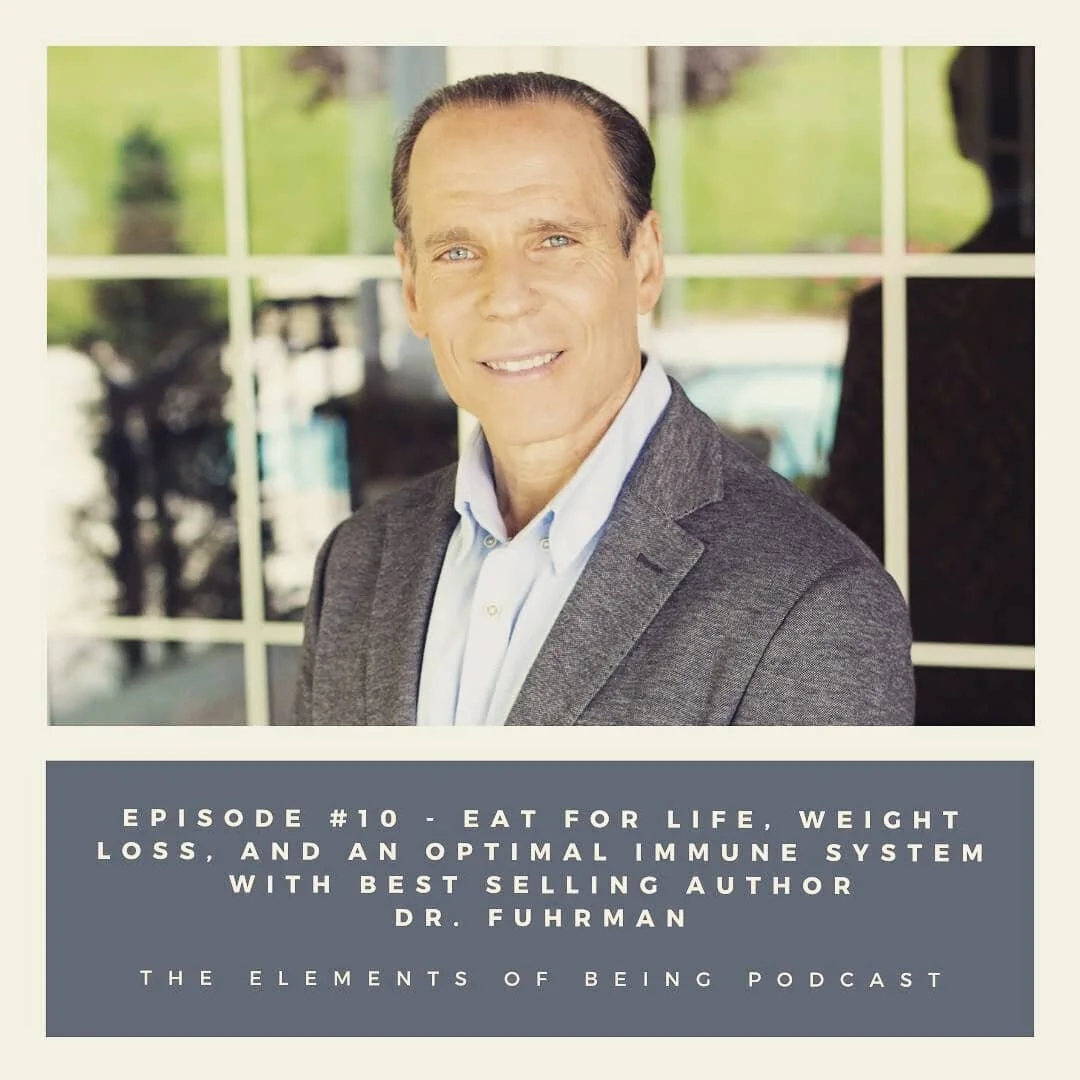
On “The Elements of Being” podcast, Michael dissects and explores the minds and habits of psychologists, filmmakers, writers, and industry icons. Essentially, you learn what makes them flip the switch to achieve incredible feats, goals, and milestones…and a chance to geek out over the psychology behind human behavior. In this episode, Michael interviews Dr. Joel Fuhrman, an internationally recognized nutrition and natural healing expert and author of seven New York Times bestsellers, including his most recent book, Eat for Life. His other bestsellers include Eat to Live and The End of Dieting (which I give to all my clients).
Read more and listen here…..You can also listen to all episodes on Apple, Spotify, Overcast, Castbox, Stitcher, or your favorite podcast platform!

5 Easy Changes to Break Through Your Workout Plateau
ABSTRACT
Hit a workout plateau? Learn five easy changes to boost your results and revitalize your fitness routine—personal trainer tips to amp up your workouts.
Keywords
Workout plateau
Fitness plateau
Boost workout results
Revitalize fitness routine
Personal trainer tips
Amp up workouts
Five easy changes
Increase exercise intensity
Break through barriers
Improve workout results

Fitness Workout / Photo: Elina Fairytale
Introduction
Have you hit a plateau in your workout interest and results? You may need to amp them up with these five easy changes.
CHOOSE A SET NUMBER OF REPS AND BE CERTAIN YOU PERFORM EACH SET UNTIL FAILURE.
Personal Trainer Wisdom: Whether on a work project or in a relationship, you never want to “just go through the motions.” It is a status quo approach that rarely enhances your life or helps you achieve your goals. This especially applies to your fitness program. I often see people incorporate the quantity of time in the gym (e.g., five days per week, 60 minutes per day) but rarely the quality (e.g., low intensity instead of moderate to high….and sweating isn’t the indicator of this effort). Are you “just going through the motions” for each exercise you perform? Can you barely complete the remaining two reps of a given set? If you’re shooting for 12 reps and can perform 15-20 reps, you may rob your muscles of the appropriate challenge to rebuild firmer and toner. Instead, do a check-in on the 3rd rep of the set and ask yourself, “Can I perform 12 more reps (or whatever number you chose) at this point (for a total of 15 instead of 12)?” If so, you may want to increase the weight and push that muscle to exhaustion.
PERFORM YOUR FITNESS ROUTINE WITHIN A CIRCUIT WHILE FOCUSING ON MORE THAN 2 MUSCLE GROUPS.
Personal Trainer Wisdom: Many eager gym rats grew up performing the traditional workout program: Choose a muscle group (e.g., chest) and 3-5 different isolated exercises (e.g., presses, flyes, pushups, etc.) and then perform each for 3-4 sets with a 1-2 minute break in between. While you will certainly build strength and size in this format, you are missing muscular and aerobic endurance development….elements of a workout program necessary for optimal health. To avoid this shortfall, perform consecutive exercises while focusing on more than one muscle group. Performing exercises within a circuit (e.g., 5-10 exercises without a break) will increase your heart rate and improve your aerobic capacity while increasing your muscular endurance with the constant demand on your muscles. By focusing on several muscle groups, you can give one muscle active recovery while you work on the next (e.g., band chest press followed by a step-up with a dumbbell hammer curl). Since there is an aerobic element to this format, you may not achieve a 100% max strength output (e.g., bench press for 1-2 reps) due to this type of fatigue, and you can still build your strength with lesser a weight (e.g., bench press for 12 reps at 70% output). An approach that can achieve many facets of physical health!
ADD BALANCE TO YOUR PROGRAM.
Personal Trainer Wisdom: Even with an effective routine, you might quickly lose interest in any particular exercise and approach each exercise less intensely. Occasionally, you may need to adapt the exercise to bring a new stimulation level. If you dread your next set, throw it off balance….literally. If you plan to squat, perform a cable row as you stand from the squat. If you plan to perform a dumbbell chest press on the bench, lunge forward as you perform a standing press with a resistance band instead. By adding instability to your exercise, you not only increase your heart rate by firing other muscles, but you also recruit new stabilizers and increase your laser focus to complete the movement. With this being said….
SWAP OUT THE PIECE OF EQUIPMENT FOR EACH EXERCISE.
Personal Trainer Wisdom: Although you perform relatively the same movement to fire a particular muscle (e.g., Presses and flyes for chest, rows, and pulldowns for back, etc.), the type of equipment you choose can completely change how and which muscles are recruited. For example, you swapped your stable, isolated dumbbell chest press on the bench for the standing resistance band press above. Even without an added lunge, you are changing the dynamic of this movement. Both chest exercises involve the press movement, but substituting the dumbbells for the resistance bands will force you to fight a counterforce that didn’t exist while lying on the bench. As you press forward with the bands, their rubberband effect throughout the movement will force you to recruit more back and shoulder muscles to counter the force. Using cables, medicine balls, kettlebells, and other attachments can add a little spice to your normal routine.
CHANGE YOUR WORKOUTS FROM 60 TO 30 MINUTES.
Personal Trainer Wisdom: How do you effectively and efficiently use the time you allot for fitness? Most people schedule 60 minutes for a fitness session. What are you doing during that time? I’ve seen people take different lengths of breaks, aimlessly walking from one exercise to the next. Why not move with intent and cut out the fluff? If you intend to only exercise for 30 minutes, why don’t you complete it within 30 minutes? This could be the answer to maintaining a higher level of intensity and interest, too.
ABOUT THE AUTHOR: MICHAEL MOODY, PERSONAL TRAINER
As an author, a personal trainer in Denver, and podcast host, Michael Moody has helped personal training clients achieve new fitness heights and incredible weight loss transformations since 2005. He also produces the wellness podcast "The Elements of Being" and has been featured on NBC, WGN Radio, and PBS.
Michael offers personal training to Denver residents who want to meet at the 2460 W 26th Ave studio….or in their homes throughout LoHi (80206), LoDo (80202), RiNo (80216), Washington Park (80209), Cherry Creek (80206, 80209, 80243, 80246, 80231), and Highlands (80202, 80211, 80212). Michael also offers experiences with a personal trainer in Jefferson Park (80211) and Sloan's Lake (80204, 80212).
If you’re looking for a personal trainer who can curate a sustainable (and adaptable) routine based on your needs and wants, Michael is the experienced practitioner you’ve been looking for. Try personal training for a month…your body will thank you!
PERSONAL TRAINER BLOG

Essential Preventive Health Tests: Take Control of Your Health Beyond Annual Checkups
ABSTRACT
Discover the essential preventive health tests that can help you take control of your well-being and prevent diseases like heart disease, cancer, and diabetes. Learn how to advocate for comprehensive health screenings beyond standard annual exams, understand critical blood tests, and map out a proactive approach to your health.
Keywords
Preventive health tests
Comprehensive health screening
Disease prevention tests
Essential medical tests
Cardiovascular health tests
Cancer preventive tests
Diabetes-related tests
Hormonal health tests
Gut health tests
Blood tests for health
Health advocacy with doctors
Early detection tests
Heart disease prevention
Genetic testing
Blood sugar monitoring
Women's health tests
Men's health tests
Vitamin D deficiency test
Heavy metals testing
Take ownership of your health
Must-have medical tests
Understanding lab results
Beyond annual checkups
How to request medical tests
Essential health assessments

Blood Tests / Photo: Kaboompics.com
Introduction
While humanity isn’t armed with the power to prevent all diseases, you can access disease-prevention tests that will paint a picture of health and help you develop an approach to minimize or eliminate heart disease, cancer, diabetes, and more. No test paints the complete picture of your health, though. You won’t find the answers in the limited tests that general practitioners offer during annual exams either. We are complicated beings, and we require signals from more than one test. Do you think your heart is safe by only checking your triglyceride, LDL, and HDL levels? Unfortunately, not. The Apo (B) and Lipo (a) blood tests are stronger signals of what’s being carried in your arteries and what’s sticking. The basic tests don’t reflect the whole picture of any part of your health, and it’s time to include additional signals.
True health success requires asking your doctor for the needed tests first. The results will help you map your health. It is essential to advocate for yourself and explain your desire to explore every angle of your health. Worst case scenario, many labs, like Quest Diagnostics, offer premium services to 100s of blood tests. After months of research, I’ve highlighted a strong list below. Need more convincing? I highly suggest reading or listening to the recommended books at the bottom. They will provide the in-depth rationale and more to finally take ownership of your health. I’ve also included the checklist of tests without the descriptions towards the bottom.
Notes: This list undeniably doesn’t cover all health conditions. It generally covers the diseases we’re most prone to as a population. Certainly, discuss other tests related to your personal and family histories with your doctor. Also, no single number will define the status of a condition. Be sure to take multiple tests to identify any trends or anomalies. Finally, please note that this list is evolving, and I plan to adapt as needed.
List of tests
Body Composition Analysis and TESTS
InBody Scan — A non-invasive body composition analysis that measures your body's weight, muscle, fat, and water. The scan provides a detailed report that includes weight, total skeletal muscle mass, total body fat, total body water, and segmental muscle and fat analysis.
Prenuvo Whole Body MRI Scans — Prenuvo whole-body MRI scans are advanced diagnostic imaging procedures designed to provide detailed insights into a person's overall health. They use magnetic resonance imaging (MRI) technology to create high-resolution images of internal structures without radiation or invasive methods. Prenuvo scans are often marketed as a proactive health assessment tool, aiming to detect potential health issues early, even before symptoms appear. Designed to detect early signs of over 500 conditions, including cancer, cardiovascular diseases, and neurological disorders. It also identifies abnormalities like tumors, cysts, inflammation, or structural changes.
Gut Health and Sensitivity TESTS
GI-MAP Test — The GI-MAP (Gastrointestinal Microbial Assay Plus) test is a noninvasive stool analysis that evaluates gut health. It analyzes your stool sample to assess your gut's levels and types of bacteria, viruses, parasites, and fungi. It also measures proteins linked to digestive and immune health and can signal your liver health.
Allergy Test — Allergy tests identify substances called allergens that cause allergic reactions. A trained allergist places a small amount of an allergen on the skin and then pricks it so it goes under the skin. A red bump or hive will appear within 15–20 minutes if you're allergic. Skin tests are the preferred method and are usually the most accurate.
CANCER PREVENTIVE TESTS
Colonoscopy Procedure (Early Colon Cancer Prevention) — A medical procedure that allows a doctor to examine the inside of the colon and rectum using a colonoscope, a long, flexible tube with a camera and light. For earliest detection, begin testing at 40 (earlier than the recommended age of 45).
Breast Ultrasound (Early Breast Cancer Prevention) — A non-invasive imaging test that uses sound waves to create pictures of the inside of the breast. It can help a doctor determine if a benign lump or breast cancer causes a change in the breast. For earliest detection, begin testing at 30 (earlier than the recommended age of 40). While a mammogram tests for breast cancer, an ultrasound is more comprehensive.
Genetic Test — A medical procedure that analyzes a person's DNA to identify changes in their genes, chromosomes, or proteins. Genetic testing can help determine if a person has a genetic condition or is at risk of developing one in the future. It can also help guide medical care decisions, such as treatment and prevention strategies.
CARDIOVASCULAR HeALTH-RELATED TESTS
Triglycerides Blood Test — Triglycerides are fat in a person’s blood and many foods. Recent research suggests that if a person’s blood level of triglycerides is borderline high (between 150 mg/dL and 199 mg/dL) or high (between 200 mg/dL and 499 mg/dL), they may have an increased risk of developing heart disease. A triglyceride level that is 150 mg/dL or higher is also one of the risk factors for metabolic syndrome. Triglyceride levels of 500 mg/dL or higher may need to be lowered with medication to stop the pancreas from becoming inflamed.
HDL Cholesterol Blood Test — High-density lipoprotein (HDL) cholesterol is commonly called "good" cholesterol. Unlike other cholesterol levels, the HDL cholesterol test result is best if it is high. Elevated HDL cholesterol is associated with a decreased risk of heart disease. A low HDL cholesterol level can be associated with an increased risk for heart disease. Genetic factors or conditions, including liver disease, malnutrition, or hyperthyroidism, may decrease HDL cholesterol levels. Smoking and drinking alcohol may also reduce your HDL cholesterol level.
LDL-Cholesterol Blood Test — Low-density lipoprotein (LDL) cholesterol is considered "bad" cholesterol. Elevated LDL cholesterol is associated with an increased risk of heart disease. LDL cholesterol often increases with a diet high in cholesterol and saturated fats. Many people's LDL cholesterol is based on heredity. Lifestyle choices, including diet and many medications, effectively lower the LDL cholesterol level.
NON-HDL Cholesterol Blood Test — Non-HDL cholesterol is an essential measure of heart disease risk that has a stronger relationship with heart disease than any other individual lipid measurement. Doctors use it primarily as a secondary target. Specifically, if triglycerides are more than 199 mg/dL after the LDL cholesterol goal is reached, the secondary goal for non-HDL cholesterol (total cholesterol – HDL cholesterol) is 30 mg/dL higher than the LDL cholesterol goal.
Apolipoprotein B Blood Test (ApoB) — Apolipoprotein B (ApoB) carries LDL cholesterol and other potentially harmful lipid particles around the body. It includes all cholesterol particles that can form plaque in your arteries and lead to cardiovascular disease. ApoB levels can identify the risk of cardiovascular disease, even if traditional LDL cholesterol levels are normal.
Homocysteine Blood Test — High homocysteine levels in the blood can damage the lining of the arteries and may make blood clot more quickly than it should. A homocysteine level in serum specimens above 11.4 umol/L is considered high for men. An elevated level of homocysteine may be associated with an increased risk of cardiovascular disease (CVD) and stroke. However, currently, there is scientific debate regarding homocysteine as a risk factor for CVD and stroke, and further research is needed. A diet low in vitamin B12 and/or folate (B9) and malnutrition can lead to an elevated level of homocysteine in the blood.
NMR Lipoprotein Fractionation Test — A nuclear magnetic resonance (NMR) lipoprotein fractionation test measures the blood's number, size, and density of lipoproteins to assess cardiovascular disease (CVD) risk. This test is more accurate than a standard lipid panel and can provide more detailed information about lipoproteins. Uses an NMR device in addition to a blood test.
Lipoprotein (a) Blood Test — Lp(a) is a large lipoprotein made by the liver. Lipoproteins are parcels made of fat and protein. Their job is to carry fats (lipids) around the body in the blood. LDL cholesterol (or "bad cholesterol") is also a lipoprotein. A high level of Lp(a) in the blood has now been identified as a risk factor for diseases of the heart and blood vessels - known as cardiovascular disease or CVD. It can cause atherosclerosis (furring up of arteries), heart attacks, strokes, aortic valve disease, and heart failure.
Hs-CRP Blood Test — This test measures low levels of C-reactive protein (CRP) in your blood to assess your risk of heart disease and stroke. CRP is a protein the liver produces in response to inflammation, injury, or infection. The hs-CRP test can detect inflammation conditions like rheumatoid arthritis, lupus, or inflammatory bowel disease.
Type B LDL Blood Test (LDL Pattern B Test) — a blood test that measures the proportion of small, dense low-density lipoprotein (LDL) particles in your blood, indicating a higher risk of cardiovascular disease compared to having larger, less dense LDL particles (pattern A) which are considered more favorable; essentially, it identifies if a significant portion of your LDL cholesterol is made up of these smaller, denser particles, signifying a potential increased risk for heart disease.
CT Cardiac Scan — A cardiac computed tomography scan is a non-invasive imaging test that uses X-rays to create detailed pictures of the heart and its blood vessels, allowing doctors to assess for potential heart issues like blockages in the coronary arteries by taking multiple images from different angles, often with the aid of a contrast dye injected into the bloodstream to enhance visibility; this scan is performed by lying on a table that moves through a donut-shaped scanner while the machine synchronizes image capture with the patient's heartbeat to get the clearest possible pictures.
IMMUNE SYSTEM HeALTH-RELATED TESTS
White Blood Cell Count Blood Test — White blood cells (WBCs) protect the body. Each of the five varieties of WBCs plays a specific role in defending your body against illness or injury.
Red Blood Cell Count Blood Test — This is the actual number of RBCs per unit of blood. It is used to aid in the diagnosis of anemia or other conditions that affect red blood cells.
Hemoglobin Blood Test — Hemoglobin is an iron-containing protein found in red blood cells (RBCs), enabling the cells to carry oxygen and carbon dioxide in the blood. Measuring hemoglobin gives a picture of the ability of the blood to carry oxygen to every cell of your body. A low hemoglobin level may indicate anemia. Hemoglobin increases with altitude adaptation. In general, women have lower hemoglobin values than men.
Hepatitis B Surface Antigen Blood Test — A blood test that detects the presence of the hepatitis B virus (HBV) in your blood. A positive result means you are currently infected with HBV and can spread it to others.
DIABETES-RELATED TESTS
Hemoglobin A1c Blood Test (HbA1c) — Hemoglobin A1c measures the average blood sugar (glucose) level for the past two to three months. The blood glucose level is tightly controlled by hormones, especially insulin, produced by the pancreas. High blood glucose is typically observed in individuals with uncontrolled or undiagnosed diabetes. In people with diabetes, insulin is either less effective or not produced in sufficient quantity, thus making it harder to manage the amount of sugar passing through the blood.
Fasting Insulin Test — The fasting insulin test determines the insulin levels in the body after fasting. Insulin is an anabolic hormone secreted by the beta cells of the pancreas. It regulates glucose uptake, the primary source of the body's energy, from the bloodstream to the cells. Any signals of insulin resistance might be connected to metabolic syndrome or diabetes.
HOMA-IR (Homeostatic Model Assessment of Insulin Resistance) Fasting Insulin Test — a blood test that measures insulin resistance by calculating a score based on your fasting blood glucose and fasting insulin levels, essentially indicating how effectively your body uses insulin; a higher score suggests greater insulin resistance, which can be a risk factor for type 2 diabetes and other metabolic issues.
Continuous Glucose Monitoring (CGM) Device — A wearable device that measures and tracks blood sugar levels in real-time. It's best to test your favorite and new foods while experimenting with carb, fat, and protein combinations. I recommend testing right before your first bite, 30 minutes after your meal, and 75 minutes after your meal. You are testing meal and food choices and determining which will lead to blood sugar fluctuations and peaks and lows.
HORMONAL HEALTH-RELATED BLOOD TESTS
TSH W/REFLEX TO FT4 - TSH Blood Test — Refers to thyroid stimulating hormone. This hormone is produced in the pituitary gland and acts on the thyroid gland in the front of your neck. Here, it stimulates the production of thyroid hormones and their release into the blood. While high or low levels of TSH in the blood may indicate a thyroid disorder, additional tests may be ordered to understand the specific medical condition better. The blood tests that are most widely used to evaluate thyroid function include those that measure TSH, T4, T3, free T4, and thyroid antibody levels.
Women's Hormone Panel (Blood Test) —This female hormone panel measures follicle-stimulating hormone (FSH), luteinizing hormone (LH), estradiol, total testosterone, unconjugated DHEA, thyroid-stimulating hormone (TSH), and prolactin levels in the blood.
Testosterone, Total, MS Blood Test — Testosterone is an androgen steroid hormone associated with developing sex characteristics, bone health, and sex drive. Androgens are sex hormones that signal the body to have “male” characteristics. In men, it plays a crucial role in the development of the male reproductive system that regulates sex drive and is essential for sperm production. Testosterone also promotes secondary sexual characteristics such as facial and chest hair, bone health, upper body muscle mass, and strength and regulates body fat distribution. It is primarily secreted from the testes. Low levels of testosterone are associated with aging and common medical conditions, including diabetes, high blood pressure, and obesity. Abnormal testosterone levels in the blood may cause health and physical appearance changes. In females, higher than normal levels of total testosterone can lead to hyperandrogenism and can be related to PCOS. Hyperandrogenism is when there is too much of an androgen in the body and can cause issues like extra facial and body hair growth for women. Free Testosterone is a testosterone that is active and unbound to a protein (like SHBG or albumin). Bioavailable Testosterone is the sum of free testosterone and testosterone bound to albumin. Total Testosterone is the sum of all testosterone in the bloodstream.
PSA (Free and Total) Blood Test — The PSA test measures the level of prostate-specific antigen in a man’s blood.
OTHER BLOOD TESTS
Vitamin D,25-OH,TOTAL,IA Blood Test — The Vitamin D test measures the amount of 25-OH vitamin D in your blood, an indicator of the vitamin D level in your body. Vitamin D is an essential fat-soluble vitamin for adequately functioning your heart, blood vessels, insulin, and mood. Vitamin D also helps regulate calcium and phosphorus. These are essential nutrients for strong bones and healthy cells. Vitamin D can also help the immune system fight infections. You may have low levels if you don’t eat enough vitamin D or your body doesn’t make enough of it. Not having enough vitamin D can lead to bone pain, muscle weakness, or depression. Vitamin D deficiency can cause osteoporosis (bone thinning and weakness in adults) or rickets, a childhood bone disease. Your body makes vitamin D after direct exposure to sunlight. It then stores an inactive form of vitamin D in fat cells until needed. Your liver and kidneys change the inactive form of vitamin D into the active form (25-hydroxyvitamin D) your body needs. Vitamin D is naturally found in meat, seafood (trout and salmon), cod liver oil, or fortified dairy and plant-based milk products. It can also be found in supplement form.
Heavy Metals Panel (Venous) Blood Test — This blood test measures the levels of several potentially toxic heavy metals, like lead, mercury, arsenic, and cadmium, in a blood sample drawn from a vein (venous) to assess for potential heavy metal poisoning or exposure; essentially, it's a panel test that checks for multiple heavy metals in a single blood draw from a vein in the arm.
Uric Acid Blood Test — A uric acid test measures the amount of uric acid in your blood or urine. Uric acid is a waste product created when your body breaks down purines from dying cells and many foods and beverages. It contributes to gout.
Gamma-Glutamyl Transferase Blood Test (GGT) — GGT is an enzyme found throughout the body but mainly in the liver. A GGT test can help detect liver or bile duct disease, monitor alcohol use, and differentiate between liver or bile duct disorders and bone disease.
Source: Quest Diagnostics

BOOK RECOMMENDATIONS
Good Energy: The Surprising Connection Between Metabolism and Limitless Health by Dr. Casey Means is a unifying framework for understanding what causes symptoms and diseases and how to feel amazing now and in the future. It is the simple answer to achieving incredible health for ourselves, our children, our parents, and the planet.
Quick Checklist of Tests
Body Composition Analysis/Tests
InBody Scan: Contact a local health office.
Prenuvo Whole Body MRI Scans: Contact Prenuvo for a location near you.
Gut Health and Sensitivity Tests
GI-MAP Test (Stool Analysis): See a nutritionist or contact an online service.
Allergy Skin Test: See an allergist.
Cancer Preventive Tests Every 5 Years
Colonoscopy Procedure (Early Colon Cancer Prevention): Request this test at age 40 (not 45).
Breast Ultrasound (Early Breast Cancer Prevention): Request this test at age 30 (not 40). An ultrasound is more conclusive than a mammogram, especially for women with dense breast tissue. For health insurance coverage, state your family or personal history.
Genetic Test: Contact 23 and Me or other online services. As technology evolves, more genetic results will become available.
Annual Cardiovascular-Related Tests
Triglycerides Blood Test
HDL Cholesterol Blood Test
LDL-Cholesterol Blood Test
NON-HDL Cholesterol Blood Test
Apolipoprotein B Blood Test (ApoB)
Homocysteine Blood Test
NMR Lipoprotein Fractionation Test
Lipoprotein (a) Blood Test: This test signals any genetic connection to your cardiovascular health. Once in a lifetime.
Hs-CRP Blood Test
Type B LDL Blood Test (LDL Pattern B Test)
CT Cardiac Scan: When requesting this test, reveal any personal or family heart disease history. If your health insurance doesn't cover it, clinics like Front Range Preventive Imaging in Boulder, Colorado, offer an option for $175. Ideally, take this test every 5 years.
Annual Immune System-Related Tests
White Blood Cell Count Blood Test
Red Blood Cell Count Blood Test
Hemoglobin Blood Test
Hepatitis B Surface Antigen Blood Test: Once in a lifetime.
Annual Diabetes-Related Tests
Hemoglobin A1c Blood Test (HbA1c)
Fasting Insulin Test
HOMA-IR (Homeostatic Model Assessment of Insulin Resistance) Fasting Insulin Test
Continuous Glucose Monitoring (CGM) Device: Wear this device for at least two weeks and analyze your sensitivity to different foods. If your health insurance declines coverage, you can find an online service.
Annual Hormonal-Related Tests
TSH W/REFLEX TO FT4
Women's Hormone Panel (Blood Test)
Testosterone, Total, MS Blood Test
PSA (Free and Total) Blood Test
Other Annual Blood Tests/X-Rays
Vitamin D, 25-OH, TOTAL, IA Blood Test
Heavy Metals Panel (Venous) Blood Test: For health insurance coverage, state your exposure to lead pipes.
Uric Acid Blood Test: If gout runs in your family, your health insurance will cover this test.
Gamma-Glutamyl Transferase Blood Test (GGT)
Bone Density X-Ray
Calcium Blood Test
ABOUT THE AUTHOR: MICHAEL MOODY, PERSONAL TRAINER
As an author, a personal trainer in Denver, and podcast host, Michael Moody has helped personal training clients achieve new fitness heights and incredible weight loss transformations since 2005. He also produces the wellness podcast "The Elements of Being" and has been featured on NBC, WGN Radio, and PBS.
Michael offers personal training to Denver residents who want to meet at the 2460 W 26th Ave studio….or in their homes throughout LoHi (80206), LoDo (80202), RiNo (80216), Washington Park (80209), Cherry Creek (80206, 80209, 80243, 80246, 80231), and Highlands (80202, 80211, 80212). Michael also offers experiences with a personal trainer in Jefferson Park (80211) and Sloan's Lake (80204, 80212).
If you’re looking for a personal trainer who can curate a sustainable (and adaptable) routine based on your needs and wants, Michael is the experienced practitioner you’ve been looking for. Try personal training for a month…your body will thank you!

25 Unhealthy Ingredients to Remove from Your Kitchen for Effective Weight Loss
ABSTRACT
Discover the top 25 unhealthy ingredients you should remove from your kitchen to ignite weight loss and boost your health. Learn from personal trainer wisdom on avoiding inflammatory foods, processed oils, and artificial sweeteners, and find healthy cooking alternatives that make a real difference.
Keywords
Unhealthy ingredients
Remove from kitchen
Weight loss tips
Personal trainer advice
Healthy cooking alternatives
Inflammatory foods
Processed oils
Artificial sweeteners
High-sodium foods
Weight loss kitchen essentials

Unhealthy Food / Photo: Ann Lee
Introduction
Sammy and I have removed these ingredients from our weight-loss kitchen, and you should, too. Check out this unbelievable list....it will ignite the fire under your body fat (from the article "25 Awful Ingredients Everyone Still Uses—But Shouldn’t!")!
List of Unhealthy Ingredients
1. CHEAP VEGETABLE OILS
Cheap oils like soybean, corn oil, and cottonseed oil are highly processed, contain high amounts of pro-inflammatory omega-6 saturated fats, and offer very little heart-healthy omega-3s. Instead of using these fats in your cooking, switch to avocado or coconut oil, which have both been shown to aid weight loss. Both oils have high smoke points, too, so they're great options for pan-frying.
Personal Trainer Wisdom: Let's be honest, all oils are mostly fat and highly processed. Use water when stir frying your vegetables, properly season your pans to reduce sticking, or lightly wipe oil on your pan instead.2. CREAM OF SOMETHING SOUP
It’s amazing how many nutritious, promising dishes get ruined once someone decides to throw it all in a casserole dish and then drench it in a canned cream-of-chicken/mushroom/whatever. Vegetable oil, MSG, and more than 1,600 milligrams of sodium per cup—nope, not appetizing. If you’ve gotta use an ingredient like this, at least opt for an organic variety, like Amy’s Kitchen.
Personal Trainer Wisdom: Make your own "cream of something" with almond or coconut milk instead.3. MARGARINE
"Some margarine tubs contain heart-harming trans fats and are made with processed oils that may be pro-inflammatory,” says Isabel Smith, MS RD CDN, founder of Isabel Smith Nutrition. Inflammation has been directly tied to obesity, diabetes, heart disease and cancer.
4. HEAVY CREAM
As much as we are telling you to avoid trusting all non- and low-fat foods, we’re not about to give a green light to something like heavy cream. Loaded with calories—about 50 per tablespoon or 800 per cup—heavy cream is basically a ticket on the fastest, non-stop train to Fatville.
5. FOOD COLORING
"Artificial food dyes, which many people use to color baked goods, are cause for concern and may have serious side effects—especially in children,” says Jay Cardiello, diet expert and personal trainer to the stars. “Red 40, for example, may contain cancer-causing contaminants, despite the fact that it's approved by the FDA. The dye may also be a potential trigger to hyperactivity in children. Instead, color your dishes with natural sources of color like beet juice, red cabbage or paprika."
6. FATTY GROUND BEEF
Studies show that eating the right cuts of steak can help whittle your middle. But fatty cuts can have the opposite effect. In fact, they’ve been positively associated with belly fat and larger waist circumference in lab studies. Use 80% lean beef or better to keep your metabolism stoked and your heart healthy.
Personal Trainer Wisdom: Still sounds too good to be true? It is. Don't kid yourself....the more red meat in your diet, the higher chance of inflammation and belly fat (despite the claim above). The moral of the weight loss story here: Choose leaner options if you must eat meat.7. ARTIFICIAL SWEETENERS
"Although they don't contribute calories, artificial sweeteners are up to 700 times sweeter than natural sugar—and often leave you craving more sweets later in the day,” says Alissa Rumsey, MS, RD. If you're trying to cut calories from your baked goods, swap out sugar for unsweetened applesauce instead.
8. BLEACHED FLOURCardiello warns everyone to watch out for all-purpose flour that's been bleached. “Although it may give your food a nicer color and help you to create baked goods that are more soft and tender, the bleach chemicals may be harmful to your health."
9. WHITE RICE
Not only is white rice one of the worst carbs ever, it’s too-easily substituted to be tolerated! Barley, quinoa, and wildrice are all better bets for your waistline and are just as delicious—but more satisfying—with your culinary concoctions.
10. FAT-FREE DAIRY PRODUCTS
"Although I'm a fan of fat-free milk, other fat-free dairy products like cheese, cream cheese, and cottage cheese are a no-go in my kitchen,” reports Christine M. Palumbo, MBA, RDN, FAND. “Many people find the texture, taste and mouthfeel of these products to be less satisfying, which either turns them off from the dish altogether or spurs cravings for seconds and thirds as they search for satisfaction."
Personal Trainer Wisdom: All dairy may increase inflammation or cause digestive issues. I'm well aware of the tastiness of cheese, etc. If you eat it, go for the real thing but less of it.11. CONVENTIONAL PASTA
Sorry, pasta lovers, but the bulk of your pasta bowl is likely filled with refined wheat and is void of fiber and protein (two vital weight loss nutrients). Thankfully, there are some healthy alternatives that won’t give you a bloated belly and nutrition-lacking headache. Black bean pasta, Banza chickpea pasta, and zucchini noodles (AKA zoodles) are healthier options packed with things like fiber and protein that your body can use for sustained energy.
12. CONVENTIONAL PEANUT BUTTER
"Conventional peanut butter is filled with fully or partially hydrogenated oils, which are basically trans fats,” Smith advises. “Whether you're making peanut butter cookies or a Thai peanut sauce, use natural peanut butter that contains nothing more than peanuts and salt.”
13. CERTAIN MILK ALTERNATIVES
Although it's derived from a natural source, carrageenan—often found in almond milk—can be destructive to the digestive system. “It can trigger an immune response that causes inflammation, gut irritation and lesions, and even cancer,” shares Gina Hassick, RD, LDN, CDE. “While organic foods ban the use of GMOs, chemical pesticides, and toxic synthetic additives, carrageenan is currently still allowed—so it's important to check food labels."
14. FLAVORED YOGURT
Sometimes 'healthy' desserts or smoothie recipes call for flavored yogurt. However, reduced-fat flavored yogurts are not a health food. “Did you know that one container of flavored yogurt can have more sugar than a candy bar?! It's true!” says Cassie Bjork, RD, LD of Healthy Simple Life. “When you remove the fat from a naturally fatty food like yogurt, you have to make up for the taste by adding sugar—or worse, artificial sweeteners.”
15. CORN & SIMPLE SYRUPS
If a recipe calls for corn or simple syrup, use maple syrup or honey instead. “While the former sugars are highly processed and contain little nutritional value, the latter options have antioxidants and antibacterial properties, all while providing the sweetness you're looking for,” Smith says.
16. FAT-FREE DRESSING
Like other low- or non-fat foods that must overcompensate with a bucket of bad stuff, fat-free dressings are often with sugar, salt and artificial ingredients you wouldn't find in your kitchen. There is such a thing as healthy fats. In fact, Palumbo explains that “having a little fat with your vegetables can help you absorb more of the nutrients and antioxidants.”
17. CANNED VEGGIES
What separates a healthy green bean from a not-so-healthy one? About three aisles in the grocery store! First, there’s the issue of cans most likely being lined with BPA. And then there’s the fact that many canned vegetables have excess salt and “flavor enhancers” like MSG, which, even in small doses, can cause stomach aches and indigestion. Just a half cup of canned cut green beans contains 380-390 mg of sodium—that’s more salt than you’ll find in a snack-size bag of Doritos! Switch to frozen or fresh to give your pot a healthy makeover.
18. CANNED FRUIT
Canned fruit might seem like an easy shortcut, but it’s just a quick route to belly fat. It’s packed with syrup — upwards of 20 grams of sugars a can! — and nasty additives such as artificial flavorings. Even unsweetened fruit in its own juice is a nutritional miss: Peeled fruit is missing crucial fiber, and vitamin content can degrade in the canning process. If having fresh fruit around the house is impractical, go for frozen—it’s often more nutritious than fresh fruit because it’s picked and frozen at its peak and the ice crystals (like on the skin of blueberries) can even help your body absorb more nutrients.
19. FULL-SODIUM BROTH
Broth is such a basic staple to so many people and often a little boring in taste that many people don’t give it that much thought. But one cup of full-sodium chicken broth can have more than 800 mg of blood-pressure-raising salt. That’s like three orders of large french fries from McDonalds! Low-sodium and unsalted broths are the way to go if you want to ward off water retention and stop belly bloat.
20. BOUILLON CUBES
Another overlooked, unassuming broth-esque item, the bouillon cube is like a tiny, rectangular trap. Monosodium glutamate (better known as MSG), Yellow 5, and Yellow 6 are just three of the unsettling ingredients found in a typical bouillon cube. The former has been shown to stimulate appetite while the latter two, both artificial coloring agents, may have adverse effects on activity and attention in children.
21. EGG BEATER-ESQUE PRODUCTS
"Eggs that come out of a container are not a health food,” says Dana James CDN, a nutritionist from Food Coach NYC. “This kind of product is processed so much that makers have to add in synthetic vitamins to boost its nutrient density. This is as far removed from a natural egg as you can get."
22. JUICE
From smoothies to soups, there are more recipes that call for juice than you might think. It’s usually an easy hack to amp up flavor profiles, but it’s not a smart trick. Steer clear of the excess sugar and calories by avoiding those recipes.
23. TURKEY BACON
There’s no denying it: Bacon can make anything taste ten times better. But if you think you’re making the healthy choice by opting for the turkey variety over the pig, you’ve got things all wrong. Though turkey bacon has about 13 fewer calories per slice, it’s higher in sodium—not great news if you have high blood pressure. Plus, pork offers more protein and heart-healthy monounsaturated fatty acids (MUFAS) than its poultry-based counterpart. Bear in mind that no matter which option you add to your dish, serving size still matters—so don't pig out.
24. SAUSAGE
Mmm, mmm, mmm! Italian sausage is so tasty in so many things! But unfortunately, most sausage links are the opposite of diet-friendly. The reason: The majority of their calories come from fat and to make matters worse, many links are laced with appetite-boosting MSG.
Personal Trainer Wisdom: Choose the Jalepeno Chicken Sausage from Trader Joes...the best stats I've seen for a sausage yet.25. SUGAR
Believe it or not, it’s fairly common for non-dessert foods to get a spoonful of sugar—which, if you’re anything like your fellow citizens, is the last thing your body needs. According to the CDC Americans eat a whopping 82 grams of added sugar a day—which is 37 grams above the recommended intake! Most people don't realize the amount of sugar in their coffee too.
What other awful ingredients should you remove from your kitchen?
ABOUT THE AUTHOR: MICHAEL MOODY, PERSONAL TRAINER
As an author, a personal trainer in Denver, and podcast host, Michael Moody has helped personal training clients achieve new fitness heights and incredible weight loss transformations since 2005. He also produces the wellness podcast "The Elements of Being" and has been featured on NBC, WGN Radio, and PBS.
Michael offers personal training to Denver residents who want to meet at the 2460 W 26th Ave studio….or in their homes throughout LoHi (80206), LoDo (80202), RiNo (80216), Washington Park (80209), Cherry Creek (80206, 80209, 80243, 80246, 80231), and Highlands (80202, 80211, 80212). Michael also offers experiences with a personal trainer in Jefferson Park (80211) and Sloan's Lake (80204, 80212).
If you’re looking for a personal trainer who can curate a sustainable (and adaptable) routine based on your needs and wants, Michael is the experienced practitioner you’ve been looking for. Try personal training for a month…your body will thank you!

Are Your Favorite Alcoholic Drinks Unhealthy? Calories, Sugar, and Tips from a Personal Trainer
ABSTRACT
Are you curious if your go-to drink is adding unwanted calories? Explore the calorie and sugar content in popular alcoholic drinks like craft beers, hard cider, and Bloody Marys. Learn tips from a personal trainer on making healthier choices without compromising taste.
Keywords
Unhealthy alcoholic drinks
Calories in popular drinks
High-calorie alcoholic beverages
Craft beer calories
Sugar in hard cider
Calorie count in cocktails
Alcohol and weight gain
Healthier drink choices
Low-calorie cocktails
Personal trainer advice on alcohol

Weight Loss Cocktails / Photo: Olena Bohovyk
Introduction
Ever wonder if your favorite alcoholic drink is unhealthy? Trick question: All alcoholic drinks are unhealthy (and you probably already know this). Check out this list of popular drinks to see if you should feel guilty about your favorite choice. Mine: An Old Fashioned. We can’t be perfect all of the time!
1. CRAFT BEER
We all know the beer belly is aptly named. And while you know to stay away from the heavy Guinness’, you may not be much safer turning to those light craft beers. Why? “The trend in stronger beer means more calories,” Brissette points out. Remember: The higher the alcohol content, the higher the calorie count. “Have a pint and you'll easily take in 270 calories or more. That's like eating a chocolate bar (or several)!” she adds. Not to mention the bloat factor from all those carbs. Dogfish Head IPA clocks in at 450 calories while Sierra Nevada Bigfoot is a whopping 330 calories.Personal Trainer Wisdom: Personally, I love craft beer with a punch, like an IPA or imperial stout. This love affair comes with great consequences, though. Since I’m gluten intolerant, the calories aren’t the only concern. My inflamed gut doesn’t appreciate more than one of these indulgences at a time. As a way to intersect my needs and wants, I often limit my consumption to 1-2 beers before switching to a red wine (a less caloric, inflammatory option). For those drinkers who can withstand the digestive effects, lighter beers will always have less impact on the scale. Don’t be fooled, though. I have found that light-beer-drinkers consume quicker and more at times. They just go down too easy…..
2. HARD CIDER
Cider may seem healthy—it’s an alternative to beer and it’s gluten-free, after all. But while brewskies packs in the empty calories and unnecessary carbs, cider is rich in another black-listed nutrient. “A pint of cider can have 10 teaspoons of sugar. That's more than your daily limit for sugar in the one cider,” Brisette says.Personal Trainer Wisdom: As mentioned, a gluten-free choice of alcohol is always nice and preferred for gut-biome. We still need to be mindful of the sugar-content though. Like most choices, diabetics should especially be mindful of the amount of sugar. The dry ciders will be your best option in this category,
3. IRISH CAR BOMB
Car bomb or carb bomb? “The dark Irish stout in this drink plus the cream and liquor pack in the extra calories (and carbs!),” Holthaus says. Sixteen ounces delivers a whopping 310 calories!Personal Trainer Wisdom: Anything with the word “bomb” in the name is most likely an indulgence. Not much to say here.
4. BLOODY MARY
Your hangover may be better off without the hair of the dog. “A morning after drink like a Bloody Mary only delays the metabolism of congeners—a substance contributing to hangover symptoms—and extends the amount of time it will take for your blood alcohol content to come back to normal,” Holthaus explains. Plus, while vodka is usually a great low-cal option, once you add the tomato juice, vegetables, and spices, most Bloodys make their way up to around 300 calories.Personal Trainer Wisdom: A bloody mary is an allusion of health. While they may consist of vegetables, it most certainly is an indulgence with a lot of sodium. Always choose a short over a large pour.
5. MEXICAN BULLDOG
Beer is a tasty addition to your regular ole margarita, but the combo of both beer and tequila in this drink, plus the limeade, pack a punch—both in terms of the amount of calories and also the alcohol you’re getting, Holthaus explains. A 12-ounce drink will cost you around 230 calories.Personal Trainer Wisdom: The sugar in the limeade elevates the consumption of calories in this drink.
6. WHITE RUSSIAN
The Dude may approve, but nutritionists aren’t a fan. “The coffee liquor and the fresh cream make this small drink very mighty in terms of how many calories it brings,” Holthaus says. Just 4 ounces is 210 calories—and it’s a good bet you’re knocking back a bigger cup than that.7. OLD FASHIONED
For whiskey drinkers, the Old Fashioned is the happy hour introduction to their evening. While this classic cocktail isn’t complicated, the simple syrup in this staple (as well as cocktails like a Whiskey Sour) isn’t so simple, nutritionally speaking. “Just 1-ounce packs in over 5 teaspoons of added sugar,” Holthaus says. “And a 6-ounce Old Fashioned will cost you around 260 calories.”Personal Trainer Wisdom: The best alternative: The traditional way! Only drink an Old Fashioned with one muddled cube of sugar (2.5 g). Your great, great grandfather would be proud. Still want to limit the sugar? Sip Jefferson’s Reserve Bourbon neat instead. The proof on this bottle is less than its competitors and has a bit of sweetness baked in.
How will you change the way you order drinks? Do your drink choices affect your ability to lose weight or body fat?
ABOUT THE AUTHOR: MICHAEL MOODY, PERSONAL TRAINER
As an author, a personal trainer in Denver, and podcast host, Michael Moody has helped personal training clients achieve new fitness heights and incredible weight loss transformations since 2005. He also produces the wellness podcast "The Elements of Being" and has been featured on NBC, WGN Radio, and PBS.
Michael offers personal training to Denver residents who want to meet at the 2460 W 26th Ave studio….or in their homes throughout LoHi (80206), LoDo (80202), RiNo (80216), Washington Park (80209), Cherry Creek (80206, 80209, 80243, 80246, 80231), and Highlands (80202, 80211, 80212). Michael also offers experiences with a personal trainer in Jefferson Park (80211) and Sloan's Lake (80204, 80212).
If you’re looking for a personal trainer who can curate a sustainable (and adaptable) routine based on your needs and wants, Michael is the experienced practitioner you’ve been looking for. Try personal training for a month…your body will thank you!

5 Common Mistakes Parents Make When Feeding Their Kids (And How to Avoid Them)
ABSTRACT
Discover the top 5 mistakes parents make when feeding their kids, from inconsistent eating habits to unnecessary food battles. Learn expert tips on promoting healthy eating habits, being a positive role model, and creating a balanced food environment for your children. Avoid these common parenting pitfalls and support your child's long-term health.
Keywords
mistakes parents make feeding kids
feeding kids healthy
healthy eating habits for kids
common feeding mistakes parents make
how to feed kids healthy meals
avoiding food battles with kids
parenting and nutrition tips
setting healthy food examples for children
nutrition advice for parents
healthy eating rules for kids

Diets for Children / Photo: Kampus Production
Introduction
What mistakes are parents making when feeding their kids? The answers are more common than you think (from the nutrition article "5 Mistakes Parents Make When Feeding Their Kids").
1. You say one thing and do another.
One of the best things we can do as parents is set good examples when it comes to food. "Do as I say, not as I do" is rarely an approach that works. As parents, we have the incredible challenge of trying to carve out a healthy eating environment in an otherwise obesogenic society. We want to make eating fruits and vegetables appear to be the norm. We want to make sipping juice, soda and other sugar-sweetened beverages seem strange. We want to offer food portions that are reasonable, rather than similar to the sizes offered in most restaurants.
All of this isn't to say that we need to create rigid rules about what foods we allow our kids to eat. But having some mental guidelines about how we behave when it comes to food is important if we are going to be good role models. Eventually, our kids will outgrow their interest in chicken nuggets and mac and cheese. What they eat instead may have something to do with what they've seen us eat.
Personal Trainer Wisdom: While many parents prioritize setting an example for their children, few carry this philosophy over to their eating habits. Without a doubt, everything you do is a model for those sponge-like brains. Nothing is more critical than the dietary habits formed during a young age. Although you can think children can eat whatever they want from birth to 10 years old, it's the opposite. This is a key developmental period of a child's life, and the eating choices may have long-term physical effects. While your child may not eat ideally, you can still model healthy eating behaviors that will certainly lay the groundwork for better choices.
2. You force it.
In a perfect world, my children would eat fruit at every meal. They'd love Brussels sprouts, and they wouldn't have inherited my sweet tooth. In other words, they'd eat balanced, nutritious food for every meal. And while I could try my darnedest to force them to do just that, decades of research suggests that forcing or bribing kids to eat certain foods only devalues those foods. For example, when you say, "Eat your broccoli, and then you can have ice cream for dessert," you are teaching your kids that broccoli is not that great and that eating it warrants a reward. And, although they've probably already figured out that ice cream is awesome, you are reinforcing the idea that sweets are a desirable treat. So what do you do when your kids don't want to eat anything green? Model salad consumption and encourage them to try a bite repeatedly, since research suggests that liking something often requires it to be tasted over and over. Then, let it rest.
Personal Trainer Wisdom: Much like adults, children will often resist anything that is forced upon them. While I understand the frustration when your child won't cooperate (and needs to negotiate), your patience and consistency will eventually prevail. Experiment with different approaches but never compromise the underlying health message.
3. You instill too many rules.
No snacking, no dessert, no soda – you may have grown up with plenty of "food rules" that you're tempted to implement in your household. But you know what they say about rules? They are meant to be broken. Parents often ask me about rules pertaining to snacking in particular. Should kids be on a meal "schedule," or should they have some autonomy to decide when and what they want to eat? My (evidence-based) advice is: Offer healthy meals, but don't force kids to eat if they aren't hungry. If they ask for a snack, first ask them if they are hungry – or bored or avoiding homework or trying to create as many dirty dishes as possible. If they are hungry, allow them to choose a snack from a variety of healthful options. My kids are notoriously hungry at 5 p.m., right as I begin to make dinner. If they can't wait, I suggest a banana or edamame. I know that when they take the banana, they are really hungry. If they eat less dinner afterward, well, at least they ate a banana.
Personal Trainer Wisdom: Well.........unfortunately, and fortunately, all of us have a rule system. It's a necessary structure in our life. It steers our decisions and behaviors, after all. I assume you'd also want to guide your children in developing an appropriate system for themselves. You should be mindful of your approach while instilling an adaptable system within your children. During this emotional and mental development time, focus on the consequences of different behaviors while helping them understand their bodies and the connection to the environment. Ultimately, you aren't placing rules on your children. You're helping them determine their appropriate boundaries.
4. You fight about it.
Food is never just food. Often, parents may unintentionally find themselves fighting with their kids about food as a proxy for other fights they may want to have. For example, you may be irritated with your daughter because her room is never clean. But because you can't seem to force her to get it under control and you can control how many sweets are in the house, you eliminate ice cream and fight about that instead. That proves, you justify to yourself, that you are the grown-up and you are the one in charge. Although arguing about junk food or some dessert may be difficult to avoid, choose these battles wisely – if you choose them at all. A bit of junk food here and there and a small serving of dessert isn't going to hurt any of us, and fighting about it sets a negative tone around food. By allowing our kids to have an occasional cookie for dessert, we are teaching them that reasonable portions of desirable foods can be part of a healthy lifestyle – something even the American Dietetic Association supports. This strategy is likely to keep them from going overboard when they have the ability to make food choices on their own.
Personal Trainer Wisdom: You should certainly keep eating a positive experience, but that doesn't mean you shouldn't hold firm to your healthy eating beliefs. Instead of fighting the point, explain why a person must limit or eliminate such foods. If you still offer the desired food, help your child understand why that amount is acceptable.
5. You make it a big deal.
Choosing what we feed our kids is arguably one of the most important roles we have as parents. But making food a big deal can backfire. For example, fixating on food sends some unhelpful messages, such as that food is "difficult," it's not enjoyable and it's not about nutrition and health. It also tells kids that some food is "bad" and some is "good" – a sort of dichotomous thinking apt to contribute to overeating of the "bad." Rigidity rarely works. Instead, try asking your kids questions to help them learn to make good decisions on their own. "How many cookies do you think you should have for dessert?" "Are you really hungry right now, or are you just looking for something to do?" "What do you think would be a good snack now, given that it's almost dinnertime?"
Personal Trainer Wisdom: There seems to be a theme here. Guide your children through the decision-making process of eating. Steer their mindset and approach to food.
What other mistakes do you think parents make when feeding their kids?
ABOUT THE AUTHOR: MICHAEL MOODY, PERSONAL TRAINER
As an author, a personal trainer in Denver, and podcast host, Michael Moody has helped personal training clients achieve new fitness heights and incredible weight loss transformations since 2005. He also produces the wellness podcast "The Elements of Being" and has been featured on NBC, WGN Radio, and PBS.
Michael offers personal training to Denver residents who want to meet at the 2460 W 26th Ave studio….or in their homes throughout LoHi (80206), LoDo (80202), RiNo (80216), Washington Park (80209), Cherry Creek (80206, 80209, 80243, 80246, 80231), and Highlands (80202, 80211, 80212). Michael also offers experiences with a personal trainer in Jefferson Park (80211) and Sloan's Lake (80204, 80212).
If you’re looking for a personal trainer who can curate a sustainable (and adaptable) routine based on your needs and wants, Michael is the experienced practitioner you’ve been looking for. Try personal training for a month…your body will thank you!

Mount Audubon via Beaver Creek Trail: A Mid-October 13er Hike in Colorado
ABSTRACT
Hike Mount Audubon via Beaver Creek Trail this mid-October. Experience a challenging 13er in Colorado with alpine lakes, light traffic, and high-altitude endurance training.
Keywords
Mount Audubon hike
Colorado high altitude hikes
Beaver Creek Trail
Mount Audubon Trail
Brainard Lake Trailhead
Mitchell Lake Trailhead
Mid-October Colorado hikes
13er hikes in Colorado
Light traffic hikes Colorado
Alpine lakes in Colorado
Class 1 scramble
Endurance training hikes
Late October hiking Colorado
Mount Audubon via Beaver Creek
Paiute Peak
Best Colorado hikes
Exposed hikes Colorado
High-altitude endurance training

Mount Audubon Trail
Colorado Hikes: Mount Audubon via Beaver Creek and Mount Audubon Trail
Time of Year: Mid-October.
Weather: 38 degrees and sunny at 8:45 am, 51 degrees and sunny at
Cover: 90% exposed.
Time: 8:31 am - 1:41 pm.
Distance: 10.22 miles total.
Cost: Yes; reservations required. Otherwise, you’ll need to add 4 miles to and from the Mitchell Lake Trailhead (https://www.fs.usda.gov/detail/arp/recreation/?cid=FSEPRD1092233)
Bathroom at Trailhead: Yes.
Difficulty: Hard level 1 for altitude (13209 feet), elevation gain (2927 feet), and length (10.22 miles); class 1.
Route: Brainard Lake Trailhead to Mitchell Lake Trailhead Connector Trail to Beaver Creek Trail to Mount Audubon Trail to the summit and back.
Traffic: Light.
Parking: 80% full by 830 am.
Equipment: La Sportiva Trango Tech GTX Hiking Boots, Black Diamond Alpon Carbon Cork Trekking Poles, Osprey Talon 33 Backpack
Terrain: A dry dirt path with sections of rocks and a couple of class 1 scrambles up Mount Audubon.
Experience: Any hike above 11000 feet is a bonus in late October (especially without snow). Although I now know that the Mitchell Lake Trailhead reservation is ideal, the Brainard Lake Trailhead provides extra distance at little cost and additional views. Like Mount Flora in Berthoud Pass, Mount Audubon is an approachable 13er for less experienced but ambitious hikers. After passing Brainard Lake, you begin your climb gradually. Once you pass the treeline, you’ll see a number of alpine lakes, including Lake Isabelle and Mitchell Lake. The final ascent up Mount Audubon is two modest scrambles. The rewarding views and minimal traffic make this trail a gem.
Personal Trainer Notes: This hike is perfect for my personal training clients who want to improve their endurance without a technical approach. As I mentioned, the reservation will dictate the mileage. For the most ambitious, you can convert this out-and-back trail into a loop and check off the class 3-13er, Paiute Peak.

13ers Near Denver

Brainard Lake Road

Mitchell Lake Trailhead Connector Trail

Colorado Alpine Lakes

Brainard Lake Recreation Area

Colorado 13ers

Beaver Creek Trail

13ers

Mount Audubon Colorado
List of Hiking Trails in Colorado
To check out more hiking reviews with pictures, visit “List of Colorado Hikes.” You’ll find options across a spectrum of difficulty, including many trails in the foothills and front range.

Mount Democrat Hike
ABOUT THE AUTHOR: MICHAEL MOODY, PERSONAL TRAINER
As an author, a personal trainer in Denver, and podcast host, Michael Moody has helped personal training clients achieve new fitness heights and incredible weight loss transformations since 2005. He also produces the wellness podcast "The Elements of Being" and has been featured on NBC, WGN Radio, and PBS.
Michael offers personal training to Denver residents who want to meet at the 2460 W 26th Ave studio….or in their homes throughout LoHi (80206), LoDo (80202), RiNo (80216), Washington Park (80209), Cherry Creek (80206, 80209, 80243, 80246, 80231), and Highlands (80202, 80211, 80212). Michael also offers experiences with a personal trainer in Jefferson Park (80211) and Sloan's Lake (80204, 80212).
If you’re looking for a personal trainer who can curate a sustainable (and adaptable) routine based on your needs and wants, Michael is the experienced practitioner you’ve been looking for. Try personal training for a month…your body will thank you!
Personal Trainer Blog

Is Stress Sabotaging Your Weight Loss? Uncover the Cortisol Connection
ABSTRACT
Discover how chronic stress and elevated cortisol levels can lead to weight gain. Learn why managing your emotional burden is essential for effective weight loss and overall well-being.
Keywords
Stress and weight gain
Cortisol and obesity
Stress hormone cortisol
Emotional burden and weight loss
Stress management for weight loss
Link between stress and weight
Hair cortisol levels
Impact of stress on metabolism
Personal trainer advice
Healthy lifestyle habits

Weight Loss Stress / Photo: Cottonbro Studio
Introduction
Have you changed everything from your diet to your fitness regimen and still haven't lost weight? The answer may be the amount of stress you endure. Check out this persuasive article on limiting our emotional burden (from the recent weight loss article "Is Stress Making You Fat? Science Finds a New Link").
HEALTH.COM: IS STRESS MAKING YOU FAT? SCIENCE FINDS A NEW LINK
Sure, your life is bananas. And maybe you feel like you can manage it all just fine. But here is a powerful reason to pencil in some me time: Feeling stressed for months at a time can up your risk for obesity, according to scientists from University College London.
Their new study used hair clippings to measure levels of the stress hormone cortisol in people’s bodies. Hair samples provide more accurate hormonal data than other types of samples, the authors say, making their findings some of the strongest yet to suggest that stress and weight are closely linked.
For the study, published today in Obesity, the researchers collected locks from more than 2,500 men and women over a four-year period and analyzed them for accumulated levels of cortisol. (The samples were cut as close as possible to the scalp, and represented hair growth over about two months.)
The researchers also recorded participants’ weight, body mass index (BMI), and waist circumference over time. And they noticed a clear connection: People who had higher levels of cortisol in their hair tended to rank higher on all three physical measures, as well.
In fact, people classified as obese based on their BMI (30 or greater) or waist circumference (greater than 102 centimeters in men or 88 centimeters in women) had particularly high levels of cortisol in their hair.
These findings support previous research that suggests that high-stress levels can trigger unhealthy habits—like losing sleep and eating “comfort food” high in sugar and fat. Other studies have shown that cortisol levels can affect metabolism and fat storage in the body, implying that weight gain could potentially occur even if a person’s behaviors don’t change.
But most studies have relied on measurements of cortisol in the blood, saliva, or urine—which can vary depending on situational factors and time of day. The relatively new technology of measuring hair cortisol provides more accuracy for long-term cortisol measures, say the authors, and strengthens the existing research.
The association between cortisol levels and waist circumference is particularly important, says lead author Sarah Jackson, Ph.D., a research psychologist in the Department of Behavioral Science and Health since carrying fat around the midsection is a known risk factor for heart disease, diabetes, and early death.
Personal Trainer Wisdom: You can't achieve your ideal self without looking at every facet of your life, including the mental, emotional, and physical parts. They are intertwined and require a multi-prong approach. This couldn't be truer when pursuing a weight loss goal.
Undoubtedly, there is no more significant challenge than managing your physical self and personal and professional responsibilities. It's no surprise that you and many others are overwhelmed with stress (and your weight is suffering as a result). While these recent findings may not be anything new, they affirm a vital notion: weight loss requires more than focusing on fitness and nutrition.
The authors noted that their study participants were all 54 and older and mostly white, and pointed out that the study's findings may not apply to a younger or more diverse group of people. They also can’t say which came first: obesity or elevated cortisol levels.
Susan K. Fried, Ph.D., professor of medicine, endocrinology, diabetes, and bone disease at Icahn School of Medicine at Mount Sinai, said in an email that it’s possible that obesity could trigger higher stress levels. The study’s cortisol measurements reflect exposure over a couple of months, “but the obesity in the people studied likely developed many years earlier,” says Fried, who reviewed the research but was not involved herself.
“Thus, these high hair cortisol values may simply reflect social or biological stress associated with being obese,” she says. For example, stigma and medical conditions associated with being overweight (such as high blood pressure and arthritis) could both cause stress over time.
Jackson agrees that this is a possibility, but says it can’t hurt to be aware of how stress might influence weight gain: “I think the take-home message from our study is really to try and maintain awareness of healthy lifestyle habits during times of stress."
“When we’re stressed out we may find it more difficult to find the motivation to go for a run or resist unhealthy foods, and that’s when it is easier for weight to creep on,” she says. It could also be helpful to identify ways to reduce exposure to stressful situations, she adds, or to find ways of coping with stress that doesn't involve food.
If further research is able to identify a cause-and-effect relationship—that is, show that stress and cortisol levels are directly responsible for fueling weight gain—it could lead to new ways of using stress reduction to prevent and treat obesity, says Jackson.
Personal Trainer Wisdom: What great insight, huh? Not so fast. You shouldn't believe everything you read...at least not yet. More research is needed. With this being said, it's okay to listen to any health and fitness claim, but you need to take responsibility and continue your research. Don't take everything on the surface. Do you know what this claim is based on? Studies back most health proclamations, but what do you know about the studies? Who funded the study? Could there be a conflict of interest? How many people participated? How were they recruited? Are they representative of the general population? Are they representative of you? What was the scientific approach used in the study? Do other studies support or dispute this claim? Why or why not? Reading these types of articles isn't enough. You need to ask the right questions, too. I give Health.com professional credit for exploring the study in more depth. Specifically, looking at the participants and whether these findings generalize to the more significant population.
ABOUT THE AUTHOR: MICHAEL MOODY, PERSONAL TRAINER
As an author, a personal trainer in Denver, and podcast host, Michael Moody has helped personal training clients achieve new fitness heights and incredible weight loss transformations since 2005. He also produces the wellness podcast "The Elements of Being" and has been featured on NBC, WGN Radio, and PBS.
Michael offers personal training to Denver residents who want to meet at the 2460 W 26th Ave studio….or in their homes throughout LoHi (80206), LoDo (80202), RiNo (80216), Washington Park (80209), Cherry Creek (80206, 80209, 80243, 80246, 80231), and Highlands (80202, 80211, 80212). Michael also offers experiences with a personal trainer in Jefferson Park (80211) and Sloan's Lake (80204, 80212).
If you’re looking for a personal trainer who can curate a sustainable (and adaptable) routine based on your needs and wants, Michael is the experienced practitioner you’ve been looking for. Try personal training for a month…your body will thank you!