16 Best Vegetarian Protein Sources for Muscle and Health
Summary
Vegetarian protein is not difficult to find, but vegetarian high-protein food is a more useful category. Lentils, tofu, tempeh, edamame, beans, seitan, eggs, Greek yogurt, cottage cheese, hemp seeds, and textured vegetable protein can make a meaningful contribution to daily protein intake. Spinach and Brussels sprouts are nutritious; they simply should not be mistaken for serious protein sources.
What Are the Best Vegetarian Protein Sources?
The best vegetarian protein sources include tofu, tempeh, edamame, lentils, beans, seitan, textured vegetable protein, hemp seeds, eggs, Greek yogurt, and cottage cheese. For muscle and strength, total daily protein, adequate essential amino acids, sufficient calories, and resistance training matter more than finding one supposedly perfect vegetarian protein.
Topics
vegetarian protein sources; high-protein vegetarian foods; plant-based protein sources; vegetarian protein foods; best vegetarian protein sources
high-protein foods for vegetarians; vegetarian protein for muscle gain; meatless protein sources; protein-rich vegetarian foods; vegetarian foods high in protein; best plant proteins
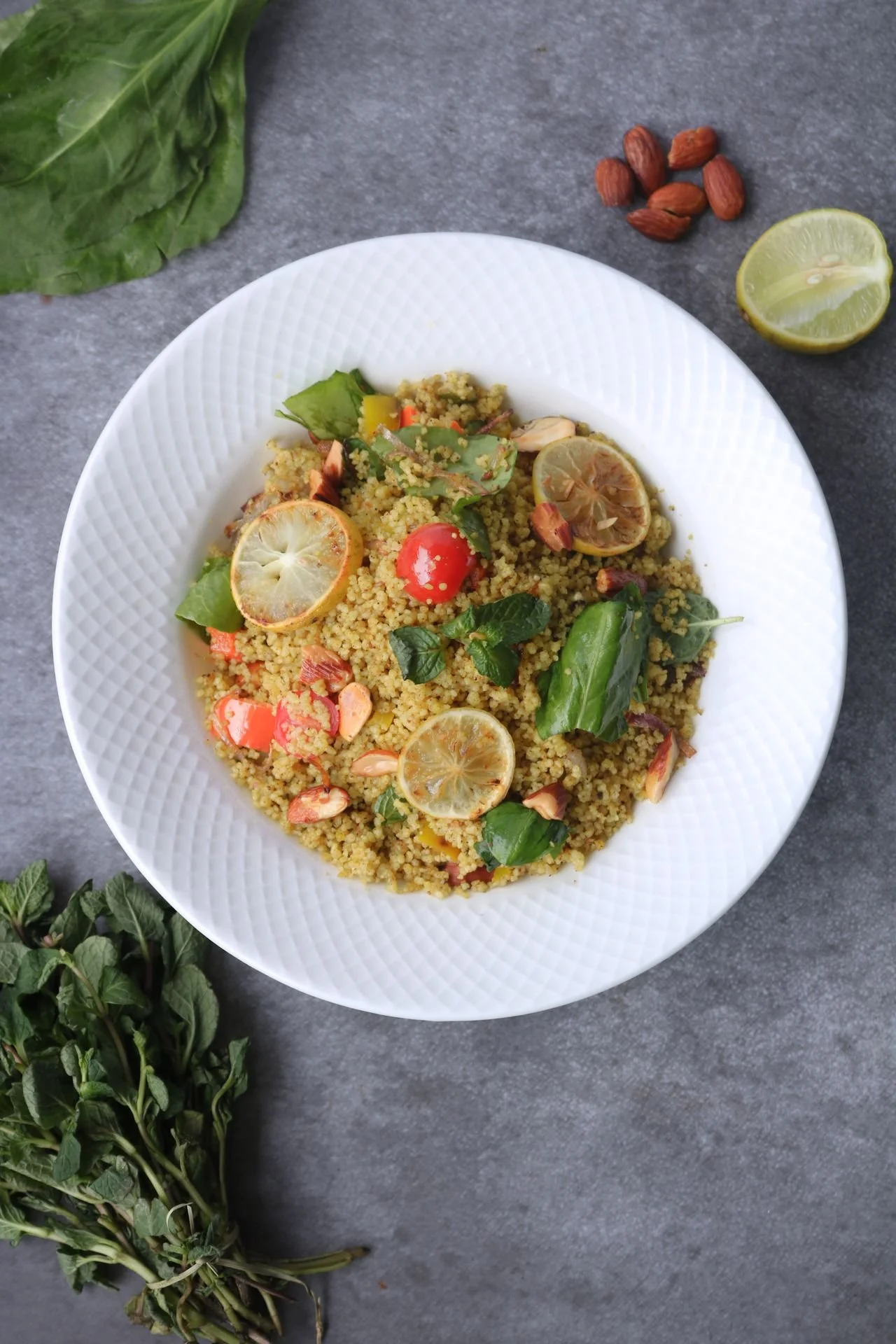
Vegetarian Protein Diet / Photo: Harish .P
Introduction
Vegetarian protein lists have a peculiar habit of putting spinach in the same category as lentils and then acting as though the arithmetic works itself out. It does not. Spinach is an excellent food. So are Brussels sprouts. But if the purpose of a list is to help someone construct meals with enough protein to maintain muscle, recover from exercise, or simply remain satisfied between meals, we should distinguish a vegetable that happens to contain protein from a food that can realistically anchor the protein portion of dinner.
The old version of this article also repeated several nutrition claims that have not aged well. Cooked chickpeas do not contain 39 grams of protein per cup, nor do cooked black beans. Soy does not need to be restricted simply because it is soy, and describing animal foods collectively as inflammatory is far too broad. Contemporary research paints a more interesting picture: plant protein can support muscle, although total intake, digestibility, amino acid composition, food choices, and—especially for older adults—meal planning still matter. Recent reviews have found that carefully planned plant-based diets can support muscle maintenance, while a 2023 systematic review of randomized trials found that soy protein can support training adaptations in active adults and athletes. (Pandey et al., 2025; Zare et al., 2023.) Here are the vegetarian protein sources I would actually build around.
Table of Contents
Eggs
Edamame
Tofu
Tempeh
Lentils
Chickpeas
Black Beans
Textured Vegetable Protein
Seitan
Greek Yogurt
Cottage Cheese
Hemp Seeds
Chia Seeds
Almonds
Quinoa
Green Peas
Where Spinach and Brussels Sprouts Fit
How to Build a Better Vegetarian Protein Meal
Related Articles
1. Eggs
For ovo-vegetarians and lacto-ovo vegetarians, eggs remain one of the simplest ways to add a complete protein to breakfast or lunch, with roughly 6 grams of protein in a large egg. The original article was too categorical in saying eggs are not vegetarian: vegetarian diets have several recognized forms, and many include eggs and dairy while vegan diets exclude animal-derived foods. Rather than turning the definition into a philosophical argument, use eggs according to the eating pattern you have chosen. Two eggs paired with beans, whole-grain toast, vegetables, or Greek yogurt creates a much stronger meal than asking the eggs to supply all the protein alone.
2. Edamame
Edamame deserves considerably more respect than the old warning to “limit your consumption.” These immature soybeans provide protein and fiber in the same food, and USDA FoodData Central now maintains an updated entry for prepared edamame. Soy is also one of the more useful plant proteins because of its amino-acid profile. A 2023 systematic review of randomized trials concluded that soy protein can be a viable alternative to conventional protein supplements for active people, without supporting the common internet narrative that soy must be avoided due to generalized hormonal concerns. Add shelled edamame to grain bowls, salads, stir-fries, or soups.
3. Tofu
Tofu is one of the easiest ways to turn a vegetable-heavy meal into a genuinely protein-centered one. Protein content varies with firmness and water content, so read the package rather than relying on one universal number. Extra-firm tofu generally gives you more protein per ounce than softer varieties. Its mildness is an advantage: bake it until crisp, crumble it into a breakfast scramble, add it to curry, or blend silken tofu into sauces. For people trying to increase protein without adding meat, tofu is far more useful than simply piling additional nuts or vegetables onto a plate.
4. Tempeh
Tempeh is fermented whole soybeans pressed into a dense cake, which gives it a firmer texture and generally more protein per bite than softer tofu. It works particularly well for people who dislike meat substitutes engineered to imitate burgers or chicken. Slice it thinly and sear it for sandwiches, crumble it into chili, or cube it for a grain bowl. Recent evidence on soy protein makes the old reflexive warning against soy difficult to justify; the more useful questions are whether you tolerate the food, enjoy it, and can use it consistently in an otherwise balanced diet.
5. Lentils
Lentils are where vegetarian protein and fiber become especially useful partners. A cooked cup of lentils supplies roughly 18 grams of protein along with a substantial amount of fiber, making lentils a more credible protein source than leafy vegetables. Red lentils dissolve beautifully into soups and curries; green and brown lentils hold their shape for salads and bowls. They are also inexpensive, shelf-stable, and easy to batch cook. Recent systematic-review evidence on legumes suggests potential benefits for several cardiometabolic risk markers, although the strength of evidence varies by outcome and study design.
6. Chickpeas
Chickpeas are nutritious, but the original claim of 39 grams of protein in a cooked cup was far too high. A more realistic serving is still valuable because chickpeas contribute both protein and fiber, particularly when paired with another substantial protein source. Add them to salads, roast them for texture, simmer them in curry, or use hummus alongside whole grains and vegetables. There is also no reason to fear properly cooked or commercially canned legumes because of online discussions about lectins. If canned beans bother your digestive system, rinsing them and gradually increasing portions may be more effective than treating lectins themselves as a toxin.
7. Black Beans
Black beans had the same problem in the original article: their protein and fiber numbers were dramatically inflated. A cooked cup is closer to the mid-teens in grams of protein, which is still quite good for an inexpensive whole food. Think of black beans as part protein source, part high-fiber carbohydrate. Combine them with tofu, textured vegetable protein, eggs, Greek yogurt, or a grain-and-seed mixture for a higher-protein meal. They work particularly well in chili, tacos, breakfast bowls, soups, and grain salads.
8. Textured Vegetable Protein
Textured vegetable protein, usually called TVP, deserves a place on this list despite being more processed than edamame or tofu. It is generally made from defatted soy flour, which leaves it unusually protein-dense. The practical advantage is hard to ignore: TVP is inexpensive, shelf-stable, quickly rehydrates, and easily disappears into chili, pasta sauce, taco filling, or soup. Processing is not automatically synonymous with poor nutrition; judging a food by its nutrient profile and its role in the overall diet is more useful than sorting everything into simplistic “processed” and “clean” categories.
9. Seitan
Seitan is made primarily from wheat gluten and can provide substantially more protein per serving than beans. Its weakness is protein quality: wheat protein is relatively low in lysine, so seitan should not be the only protein food in a repetitive diet. Pair it across the day with legumes, soy foods, dairy, eggs, or other lysine-rich foods. It is an excellent option for people who want a chewy, savory centerpiece without meat, but it is inappropriate for anyone with celiac disease and unsuitable for people who medically need to avoid gluten.
Quick Summary: What to Check Before Adding More Weight
Build meals around tofu, tempeh, edamame, lentils, beans, TVP, seitan, eggs, Greek yogurt, or cottage cheese.
Treat nuts and seeds as useful protein contributors, not necessarily the primary protein source.
Soy does not need to be avoided simply because it is soy; current sports-nutrition evidence supports its usefulness.
Chickpeas and black beans are nutritious, but the protein numbers in the old version of this article were substantially overstated.
Spinach and Brussels sprouts belong on the plate, but not because they are unusually high in protein.
Protein quality matters, yet a varied plant-based diet can be structured to support muscle.
Pair adequate protein with progressive resistance training if strength and muscle preservation are priorities.
10. Greek Yogurt
For vegetarians who consume dairy, Greek yogurt may be one of the easiest high-protein foods in the refrigerator. A typical single-serving container can provide roughly 10 to 20 grams of protein, although brands vary substantially. Choose plain yogurt when you want control over added sugar, then add berries, seeds, nuts, or oats yourself. Greek yogurt also works beyond breakfast: use it in savory dips, dressings, sauces, or as a substitute for sour cream. When convenience matters, it offers considerably greater protein efficiency than obtaining the same amount from nuts.
11. Cottage Cheese
Cottage cheese has returned from nutritional exile for good reason: it offers a large amount of protein for relatively little preparation. Depending on the brand and fat percentage, a cup can approach the mid-20s in grams of protein. It works with fruit, tomatoes, cucumbers, whole-grain toast, or even mixed into scrambled eggs. Sodium content can vary, so labels matter if you have been advised to restrict sodium. Otherwise, it is an unusually practical option for vegetarians who eat dairy and struggle to meet protein goals through meals alone.
12. Hemp Seeds
Hemp milk made the original list, but hemp seeds are the more compelling protein food. USDA data list hulled hemp seed as a nutrient-dense seed food, and roughly three tablespoons can contribute close to 10 grams of protein depending on the product. Sprinkle hemp hearts onto oatmeal, yogurt, lentil dishes, salads, or roasted vegetables. They also provide unsaturated fats, which means they are nutritious but calorie-dense. Treat them as a protein-and-fat addition rather than an unlimited garnish.
13. Chia Seeds
Chia seeds are worth keeping, but their contribution should be described accurately. USDA legacy data show about 5 grams of protein per ounce, rather than presenting them as a primary high-protein food. Their greater strength is that they combine fiber, alpha-linolenic acid, and other nutrients in a remarkably small serving. Add them to oatmeal, yogurt, smoothies, overnight oats, or chia pudding, but pair them with a larger protein anchor if muscle maintenance or recovery is the goal.
14. Almonds
Almonds contain protein, but they are fundamentally a mixed protein-and-fat food rather than an efficient protein concentrate. A standard ounce is a more sensible reference serving than the old half-cup measurement, which makes the protein number look impressive while quietly bringing a sizable calorie load. Almonds are useful in oatmeal, yogurt, salads, trail mixes, or snacks, especially when appetite and energy needs justify them. If weight loss is the objective, measure a portion instead of eating directly from the bag.
15. Quinoa
Quinoa is often advertised as a “high-protein grain,” which slightly oversells it. Its real distinction is that it provides a useful amino acid profile while serving primarily as a carbohydrate-rich whole-food base. Instead of counting quinoa as the main protein in a meal, build a bowl with quinoa plus lentils, edamame, tofu, tempeh, beans, eggs, or dairy. This is a recurring theme in vegetarian nutrition: several modest protein contributions can become meaningful when meals are intentionally assembled rather than when individual foods are given exaggerated superfood status.
16. Green Peas
Green peas occupy useful middle ground. They are not nearly as protein-dense as tofu, tempeh, seitan, TVP, or Greek yogurt, but they provide more protein than many vegetables and also contribute fiber and carbohydrates. Stir peas into lentil pasta, risotto, soups, curries, grain bowls, or mashed potatoes rather than treating a scoop as the protein portion on its own. They are especially useful for increasing a meal's total protein content almost invisibly.
17. What About Spinach and Brussels Sprouts?
Keep both foods—just change their job description. Spinach and Brussels sprouts contribute vitamins, minerals, fiber, phytochemicals, and some protein, but realistic portions do not compete with beans, lentils, soy foods, eggs, dairy, or seitan as protein anchors. A better plate might be roasted Brussels sprouts with tempeh, or spinach with lentils and Greek yogurt, rather than declaring the vegetable itself a high-protein food. Protein counts become misleading when we forget how much of a food someone would actually need to eat.
How to Build a Better Vegetarian Protein Meal
Start with the protein rather than adding it as an afterthought. Pick one substantial anchor—such as tofu, tempeh, lentils, beans, TVP, seitan, eggs, Greek yogurt, or cottage cheese—then build vegetables, whole grains, fruit, fats, and seasonings around it. Plant proteins differ in digestibility and essential-amino-acid content, but you do not need to obsessively “combine proteins” at every sitting. Variety across the day and adequate total intake matter. Recent reviews suggest that strategic food selection, adequate essential amino acid intake, protein blends, and sufficient overall protein intake can help maintain muscle with a plant-based diet.
Resistance training remains the other half of that conversation. Eating more protein without giving muscle a reason to adapt is not equivalent to training. If your nutrition goals are tied to gaining strength, improving body composition, or preserving muscle as you age, a thoughtfully structured personal training program in Denver or personal training in LoHi can connect the food on your plate to progressive resistance training rather than treating nutrition and exercise as unrelated projects.
Frequently Asked Questions (FAQ)
What vegetarian foods are highest in protein?
Seitan, TVP, tempeh, tofu, edamame, lentils, beans, Greek yogurt, cottage cheese, and eggs are among the most practical high-protein vegetarian foods. The exact ranking changes with serving size and brand, so protein per normal serving is more useful than protein per 100 grams.Can you build muscle on a vegetarian diet?
Yes. Recent reviews conclude that properly planned plant-based diets can support muscle maintenance and development when total protein, essential amino acids, energy intake, and resistance training are adequate. Some plant proteins are less anabolic on a gram-for-gram basis than certain animal proteins, so food selection and adequate intake matter.Is soy protein good for building muscle?
Yes. A 2023 systematic review of randomized controlled trials found soy protein to be a viable alternative protein source for active adults and athletes, with studies showing favorable effects on muscle and performance. The evidence does not justify the old recommendation to restrict soy merely because it is soy.Are chickpeas high in protein?
Chickpeas are a useful source of protein and fiber, but they should not be described as providing 39 grams of protein per cooked cup. They work particularly well when combined with another protein-rich ingredient such as tofu, tempeh, seitan, yogurt, or seeds.Are spinach and Brussels sprouts good sources of protein?
They contain protein, but describing them as major protein sources exaggerates their practical contribution. Eat them for their broader nutritional value and pair them with a genuine protein anchor.Are eggs considered vegetarian?
Eggs are included in ovo-vegetarian and lacto-ovo-vegetarian diets but are excluded from vegan diets. The old article’s claim that eggs simply “don’t belong” on a vegetarian list was therefore too absolute.Do vegetarians need to combine proteins at every meal?
No. A varied diet across the day can provide complementary essential amino acids without ritualistically pairing specific foods at every meal. For athletes or people focused on muscle preservation, deliberately choosing substantial protein sources at meals remains sensible. Recent research emphasizes the overall quantity, quality, and availability of essential amino acids.
Peer-Reviewed Citations
Pandey A, Pearlman M, Bonnes SL, Nour SI. (2025). Can We Maintain Muscle Mass on a Plant-Based Diet? Current Nutrition Reports, 14, 16.
PMID: 39797993
DOI: 10.1007/s13668-024-00594-0
https://pubmed.ncbi.nlm.nih.gov/39797993/Zare R, Devrim-Lanpir A, Guazzotti S, Redha AA, Prokopidis K, Spadaccini D, Cannataro R, Cione E, Henselmans M, Aragon AA. (2023). Effect of Soy Protein Supplementation on Muscle Adaptations, Metabolic and Antioxidant Status, Hormonal Response, and Exercise Performance of Active Individuals and Athletes: A Systematic Review of Randomised Controlled Trials. Sports Medicine, 53, 2417–2446.
PMID: 37603200
DOI: 10.1007/s40279-023-01899-w
https://pubmed.ncbi.nlm.nih.gov/37603200/
ABOUT THE AUTHOR: MICHAEL MOODY, PERSONAL TRAINER
As an author, a personal trainer in Denver, and a podcast host, Michael Moody has helped personal training clients reach new fitness heights and achieve incredible weight-loss transformations since 2005. He also produces the wellness podcast "The Elements of Being" and has been featured on NBC, WGN Radio, and PBS.
Michael offers personal training to Denver residents who want to meet at the 2460 W 26th Ave studio….or in their homes throughout LoHi (80206), LoDo (80202), RiNo (80216), Washington Park (80209), Cherry Creek (80206, 80209, 80243, 80246, 80231), and Highlands (80202, 80211, 80212). Michael also offers personal training sessions in Jefferson Park (80211) and Sloan's Lake (80204, 80212).
If you’re looking for a personal trainer who can curate a sustainable (and adaptable) routine based on your needs and wants, Michael is the experienced practitioner you’ve been looking for. Try personal training for a month…your body will thank you!
Related articles
From the Michael Moody Fitness directory, these are the most relevant internal articles to place at the bottom of this post. The directory includes the existing fast-food review under weight-loss obstacles and several related nutrition, dining-out, grocery, and food-label resources.
Denver makes nutrition advice unusually easy to test against real life. A person may want enough protein not merely for an hour in the gym, but for lifting, skiing, cycling, climbing, hiking, or simply to remain strong throughout an active week. At Michael Moody Fitness in LoHi, the useful question is therefore less “Is this food vegetarian?” than “Does this meal support what your body is being asked to do?” Protein is one piece of that equation; intelligent resistance training, recovery, sleep, total energy intake, and a diet you can repeat for years matter just as much. Learn more about personal training in LoHi.