Learn fitness, healthy whole food diets, wellness, and other personal training tips/recipes from Denver’s weight loss personal trainer.
7 Fitness Myths Debunked: Fat, Exercise, Hydration, Aging and Red Wine
ABSTRACT
Discover the truth behind 7 common fitness myths, including “fat makes you fat,” fat-free foods, no pain no gain, hydration rules, exercise and weight loss, aging and exercise, and the red wine myth. Evidence-based guidance from a personal trainer to help you get in shape safely and effectively.
Key Topics
fitness myths
health and fitness myths
personal trainer advice
fat makes you fat myth
exercise and weight loss
red wine health myth
fat-free foods and weight gain
healthy fats and satiety
no pain no gain myth
hydration myths
exercise after 70 benefits
alcohol and cancer risk
strength training without soreness
moderate vs high intensity exercise
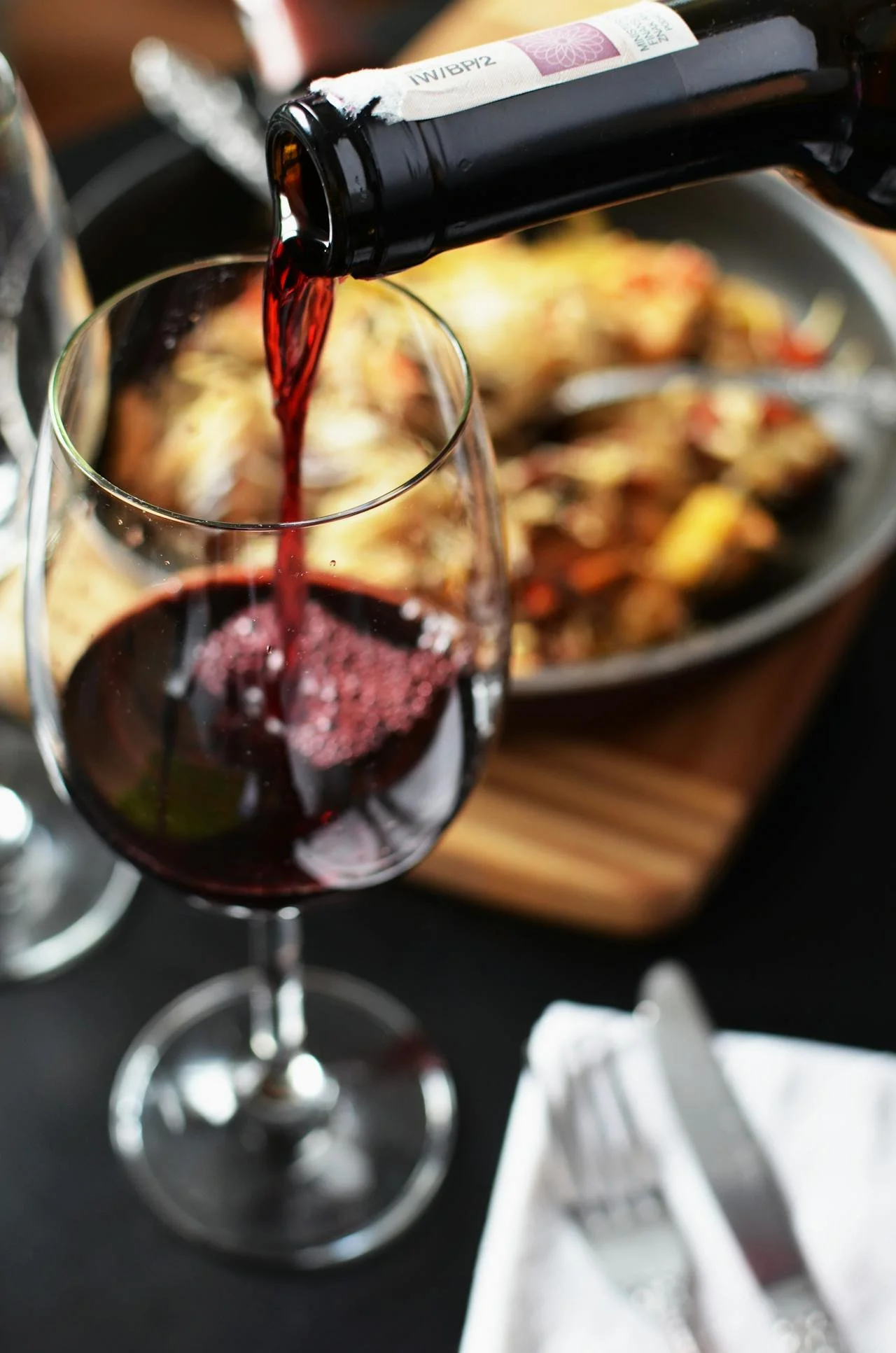
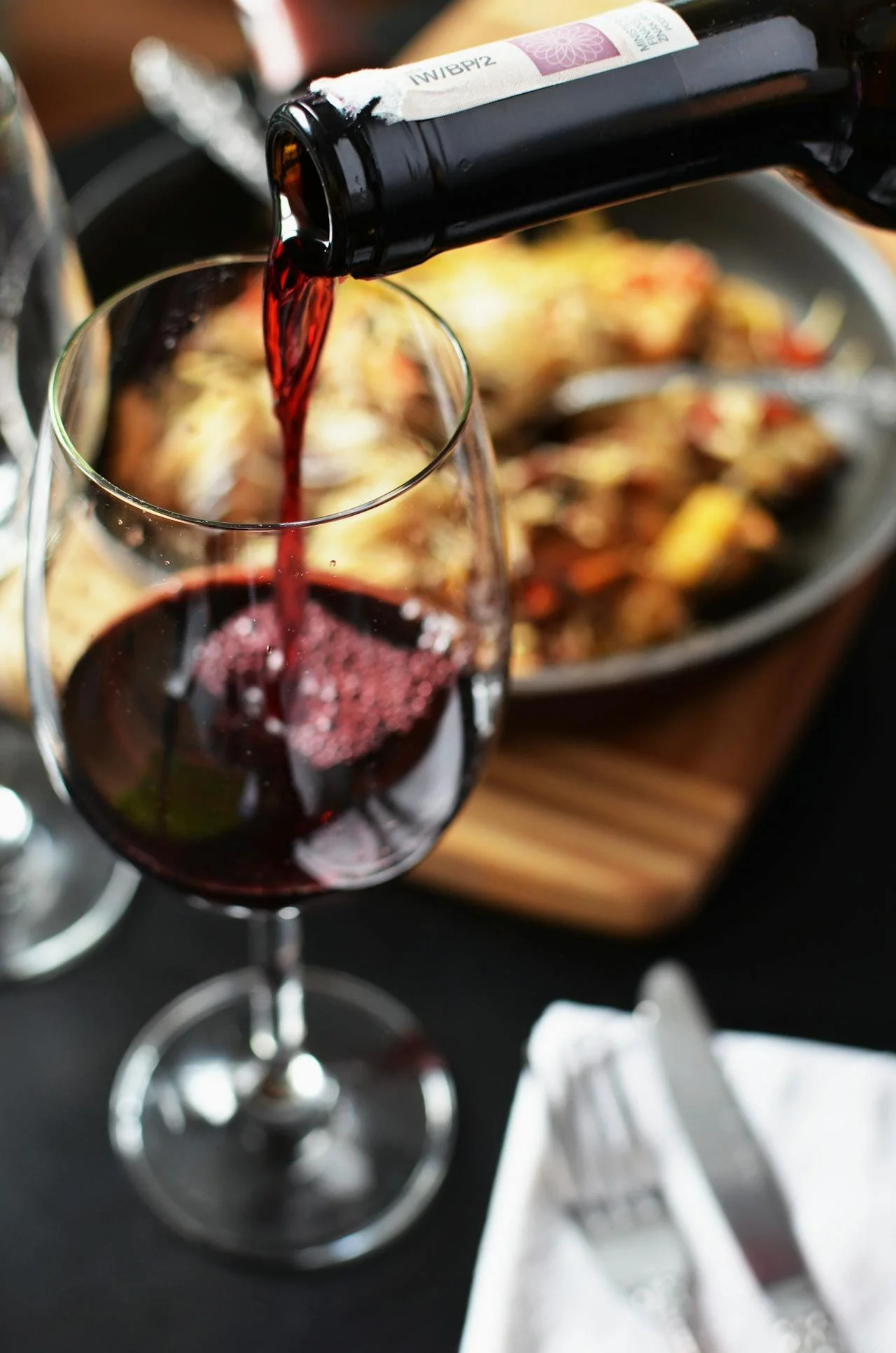
Red Wine Health Benefits / Photo: Breakingpic
Introduction
There are many conflicting messages on the best ways to achieve your best shape. Check out this list of 7 mythbusters...it might change your approach to fitness (from the article 7 Myths About How to Stay in Shape).
Myth: Fat makes you fat.
If you brought a space alien to the average American supermarket and let them wander around, they'd probably tell you "fat" was a kind of human poison, on par with arsenic and mercury. And it makes a kind of intuitive sense to say that fat makes you fat. But that's not how our bodies work.
As with any nutrient, it's possible to overeat fat. But fats, especially the healthy sort that come from olive oil, avocados, and nuts, are an essential part of our diet. And when you don't eat them, you're not just depriving yourself of something your body needs, you're making it harder for you to feel full — and increasing the chance you might overeat.
Personal Trainer Wisdom: The other key message here is that it is possible to overeat the good stuff, too.Myth: Fat-free food is healthy food.
In the effort to strike fat from the American diet, a massive industry of fat-free foods rose up — especially in the dairy section. The implication of slapping "fat-free" on a product is that it's healthy. But the thing is, you can call plenty of unhealthy foods fat-free. Think about soda, candy, and beer.
And unfortunately, many fat-free products are, in fact, packed with a much more dangerous substance: sugar. "Healthy" yogurts are especially bad in this department. In fact, people who eat low-fat dairy foods are more likely to be overweight.
Personal Trainer Wisdom: This myth is most popular among my personal training clients.Myth: No pain, no gain.
"No pain, no gain" is a popular idea in the workout world, forming the foundation of several popular programs. But in reality, working out long after your body starts telling you it's getting damaged poses a serious injury risk. Which is not to say you shouldn't push yourself.
Some soreness after exercise is a sign of natural strengthening processes in your muscles (that don't, incidentally, have anything to do with lactic acid.) And while the potential benefits of high-intensity exercise are huge, pain-free moderate exercise is powerful as well.
Personal Trainer Wisdom: Repeat after me, "You can still build muscle without feeling sore the next day." Repeat after me, "You can still build muscle without feeling sore the next day." Sorry bodybuilders.Myth: You need to drink eight glasses of water a day.
Listen, staying hydrated is important. And sometimes, when you can't sleep or start to feel irritable or fatigued, the problem is really dehydration. So, for people who struggle to remember to drink water, setting a goal might not be the craziest thing in the world.
But, as Randall Monroe illustrates so well in the above XKCD, there's no science (or sense) behind the magical eight glasses number. In general, pay attention to your body and the weather. Drink as much water as you need to feel hydrated. And you'll probably be fine.Myth: Exercise is about losing weight.
Exercise is very, very important. It keeps you fit, strengthens your muscles, and extends your life expectancy. But there's one task that it's not particularly good at: making you lose weight.
On its own, exercising simply doesn't burn enough calories to make the pounds fall off, even though its other benefits are enormous. There's really only one thing that helps cut weight: being mindful of your food intake and the type of calories you consume. A doctor or nutritionist can help you put together a plan to do that.Myth: You can be too old to start exercising.
There's a cultural idea that if you don't get fit young, you'll never get fit. That turns out to be nonsense. Our best research on this subject shows that people who started exercising late in life — even after their 70th birthdays — saw increases in fitness and lived longer than their friends who remained sedentary.
Myth: Drinking a glass of red wine every day will make you live longer.
A few studies have suggested very minor cardiovascular benefits to certain substances in red wine when consumed in very small quantities. But even the researchers behind that work think we all need to cool it with the booze. And there's good evidence that there was no truth at all to this idea in the first place.
More saliently, regular drinking is associated with disturbed sleep, decreased happiness, and increased cancer risk. It certainly doesn't make you healthier (sorry).
Research-Based citations
1. Alcohol and Cancer Risk (Supports the “Red Wine Myth”)
Rumgay H, Shield K, Charvat H, Ferrari P, Sornpaisarn B, Obot I, Islami F, Lemmens V, Rehm J, Soerjomataram I. (2021).Global burden of cancer in 2020 attributable to alcohol consumption: a population-based study.The Lancet Oncology.
PMID: 34481127
DOI: 10.1016/S1470-2045(21)00279-5
Notes: This study quantifies cancer incidence attributable to alcohol globally, demonstrating that alcohol consumption contributes meaningfully to cancer risk even at moderate drinking levels — directly countering the notion that daily red wine is protective.
2. Daily Steps and Mortality (Supports Exercise Benefits Independent of Weight Loss)
Saint-Maurice PF, Troiano RP, Bassett DR Jr, Graubard BI, Carlson SA, Shiroma EJ, Fulton JE, Matthews CE. (2020). Association of daily step count and step intensity with mortality among U.S. adults. JAMA.
PMID: 32207799
DOI: 10.1001/jama.2020.1382
Notes: This large cohort study shows that higher daily step counts are associated with lower all-cause mortality, including from cardiovascular disease and cancer, reinforcing that regular physical activity improves health and longevity beyond just weight loss.
Frequently Asked Questions (FAQS)
1. Does eating fat make you gain weight?
Not inherently. Weight gain occurs from a sustained calorie surplus, not from dietary fat alone. Unsaturated fats from foods like olive oil, nuts, and avocados improve satiety and support cardiometabolic health when consumed in appropriate amounts.
2. Are fat-free foods healthier?
Not necessarily. Many fat-free products compensate with added sugars, which may negatively affect metabolic health. Food quality and overall dietary pattern matter more than fat content alone.
3. Do you need to feel sore to build muscle?
No. Muscle hypertrophy results from progressive overload and adequate recovery. Delayed onset muscle soreness (DOMS) is not required for strength or muscle gains.
4. Do you need to drink eight glasses of water per day?
There is no strong scientific basis for the universal “8 glasses” rule. Hydration needs vary based on body size, activity level, climate, and sweat rate. Thirst and urine color are practical indicators for most healthy adults.
5. Is exercise enough to lose weight?
Exercise improves cardiovascular health, insulin sensitivity, and longevity. However, weight loss is more strongly influenced by dietary intake. Exercise alone typically produces modest weight loss unless paired with nutrition changes.
6. Is it too late to start exercising after 70?
No. Research shows that initiating physical activity later in life is associated with improved functional capacity and reduced mortality risk compared to remaining sedentary.
7. Does a daily glass of red wine improve longevity?
Evidence does not support alcohol as a longevity strategy. Even low-to-moderate alcohol intake is associated with increased cancer risk, and potential cardiovascular benefits do not outweigh broader health risks.